Sample Letter for Legal Action Concerning Loan
What this document covers
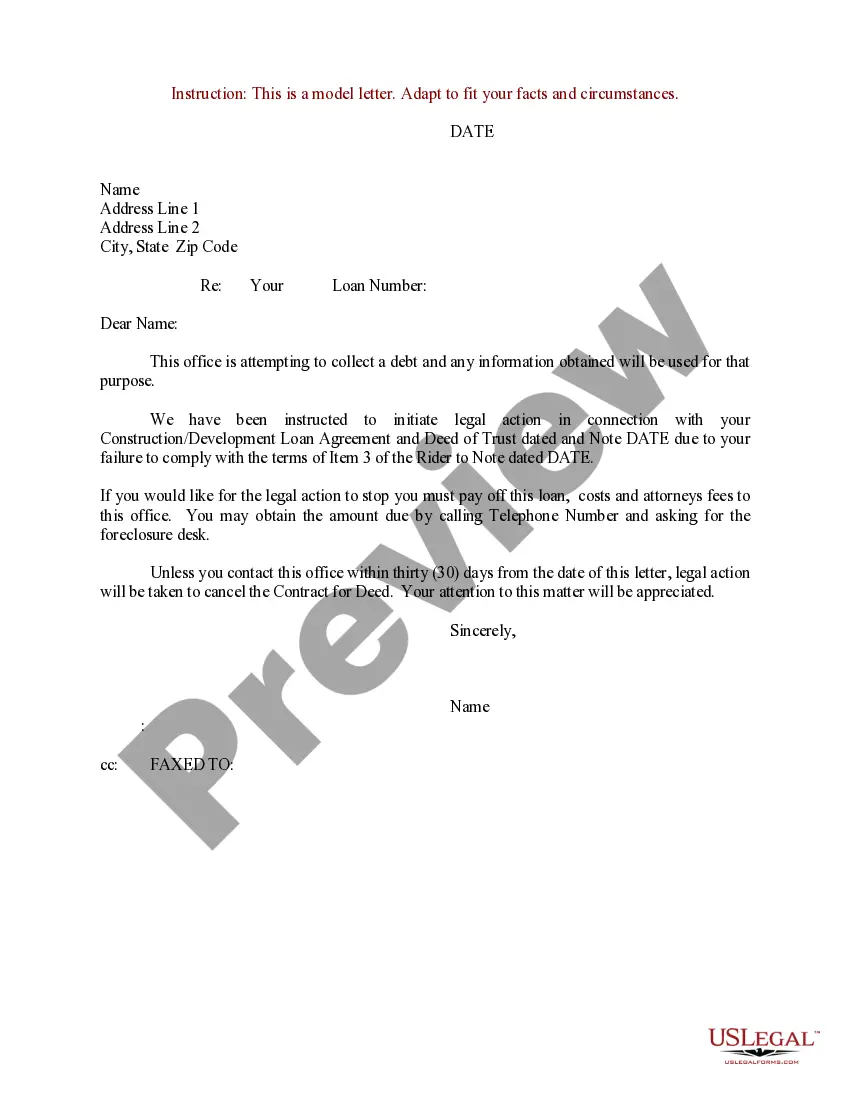
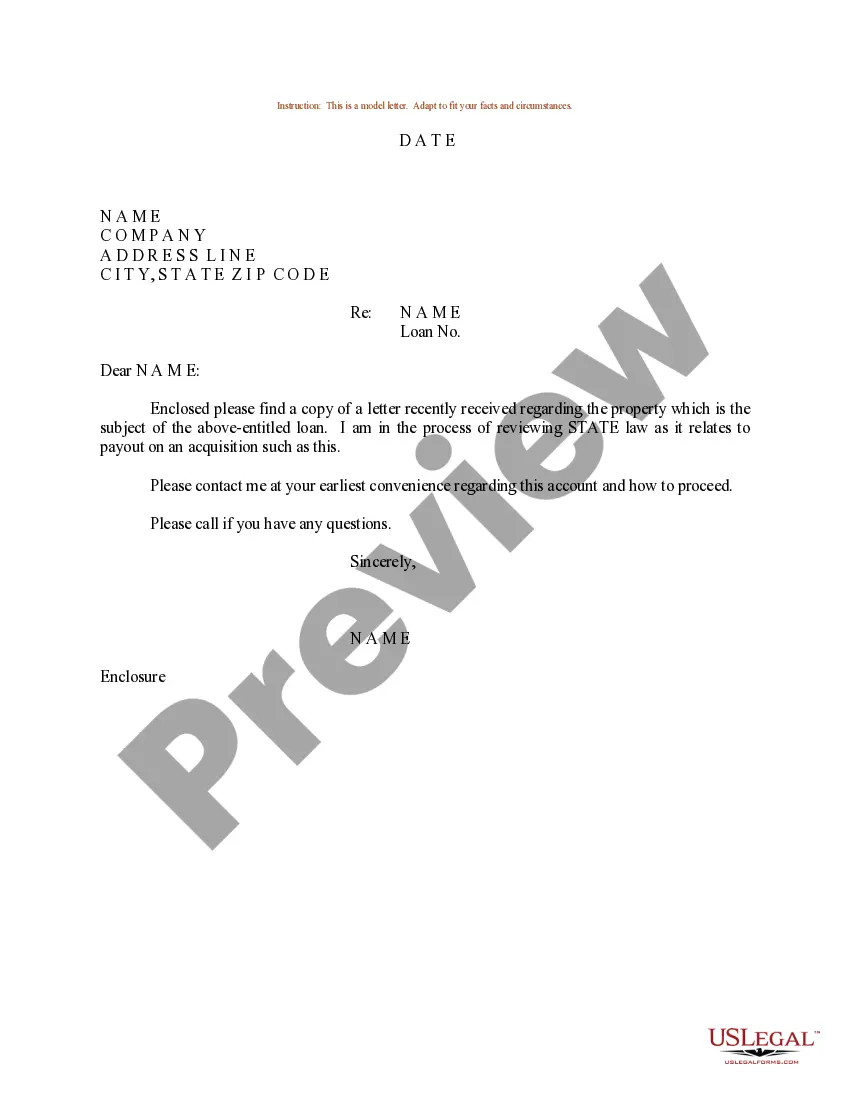
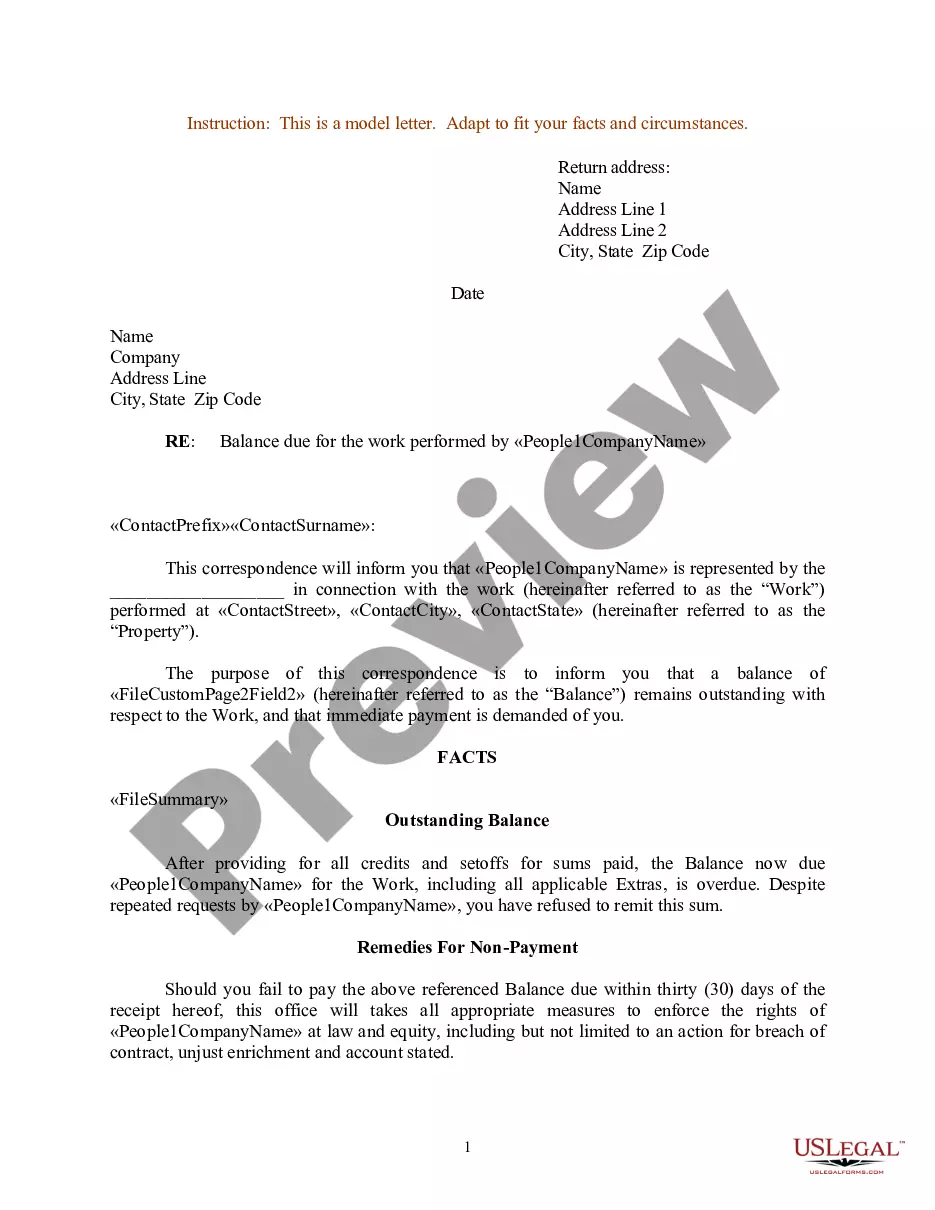
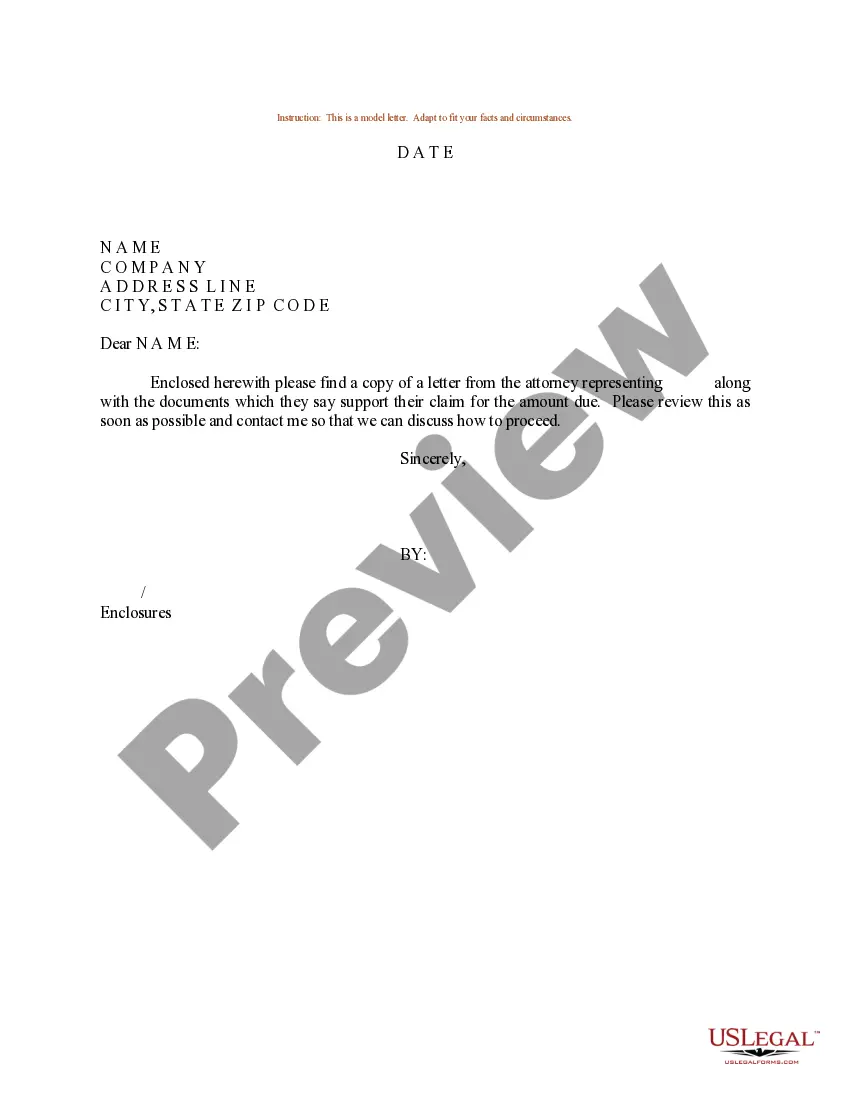
The Sample Letter for Legal Action Concerning Loan is a template designed to assist individuals in formally notifying a borrower about their overdue loan obligations. This letter serves as a precursor to legal action, outlining the creditor's intentions should the borrower fail to resolve the debt. Unlike more generalized correspondence, this form is tailored for specific legal situations regarding loans, helping to ensure that your communications are clear and legally sound.
Key parts of this document
- Date of the letter
- Recipient's name and contact information
- Subject line indicating the nature of the correspondence
- Formal opening and closing remarks
- Signature line for the sender
When to use this document
This form should be used when a loan has become overdue and preliminary steps are taken to prompt repayment. It is suitable for situations where informal reminders have failed, and you are considering or threatening legal action to recover the owed amount. It effectively communicates the seriousness of the situation to the borrower.
Who should use this form
- Individuals lending money to friends or family
- Businesses or organizations extending loans to clients
- Debt collection agencies seeking to formalize their communication
How to complete this form
- Enter the date at the top of the letter.
- Fill in the recipient's name and contact information.
- Write a clear subject line indicating the letter's purpose.
- Include a polite yet firm opening remark to establish the context.
- Sign off with your name and relevant contact details.
Notarization requirements for this form
Notarization is not commonly needed for this form. However, certain documents or local rules may make it necessary. Our notarization service, powered by Notarize, allows you to finalize it securely online anytime, day or night.
Get your form ready online
Our built-in tools help you complete, sign, share, and store your documents in one place.
Make edits, fill in missing information, and update formatting in US Legal Forms—just like you would in MS Word.
Download a copy, print it, send it by email, or mail it via USPS—whatever works best for your next step.
Sign and collect signatures with our SignNow integration. Send to multiple recipients, set reminders, and more. Go Premium to unlock E-Sign.
If this form requires notarization, complete it online through a secure video call—no need to meet a notary in person or wait for an appointment.
We protect your documents and personal data by following strict security and privacy standards.

Make edits, fill in missing information, and update formatting in US Legal Forms—just like you would in MS Word.

Download a copy, print it, send it by email, or mail it via USPS—whatever works best for your next step.

Sign and collect signatures with our SignNow integration. Send to multiple recipients, set reminders, and more. Go Premium to unlock E-Sign.

If this form requires notarization, complete it online through a secure video call—no need to meet a notary in person or wait for an appointment.

We protect your documents and personal data by following strict security and privacy standards.
Mistakes to watch out for
- Not including full contact information for both parties.
- Failing to specify the loan amount and due date.
- Using vague language that may not convey urgency.
Why use this form online
- Convenience of downloading and editing the form as needed.
- Access to a professionally drafted template that adheres to legal standards.
- Quick turnaround time for preparing necessary documentation.
Key takeaways
- This form is a professional template to address overdue loans.
- Utilize it when previous reminders have been ineffective.
- Ensure all relevant details are included to avoid confusion.
Looking for another form?
Form popularity
FAQ
Threatening someone with a civil lawsuit happens all the time and is not a problem. Threatening to file criminal charges is illegal. After all, criminal charges should stem from criminal actions, not from whether the victim feels like filing charges on a particular day.No, you can't sue anyone for anything.
Type your letter. Concisely review the main facts. Be polite. Write with your goal in mind. Ask for exactly what you want. Set a deadline. End the letter by stating you will promptly pursue legal remedies if the other party does not meet your demand. Make and keep copies.
A demand letter is a formal, professional document sent by one party to another requesting payment or other action to right a wrong.Demand letters are usually written by a lawyer and are frequently used in business before the aggrieved party takes legal action against the recipient.
Yes, if the intent is to resolve a good-faith dispute without litigation. But the threat of legal action without the intention of taking it may constitute extortion. Note that the person making the settlement request does not need to be right that the claim is winnable. But it must be made in good faith.
Under California Penal Code 422 PC, it is a serious crime to make threats to harm or kill another person. Specifically, criminal threats are threats of death or great bodily injury that are intended to, and that actually do, place victims in reasonable and sustained fear for their safety or that of their families.
Be calm and professional. State clearly what relief you want. Specify what you will do next if the letter's recipient doesn't solve the problem immediately (give the recipient a deadline, say ten days, in which to act). The Escape Clause.
Type your letter. Concisely review the main facts. Be polite. Write with your goal in mind. Ask for exactly what you want. Set a deadline. End the letter by stating you will promptly pursue legal remedies if the other party does not meet your demand. Make and keep copies.
Step 1 Sender and Effective Date. (1) Sender's Name and Address; and. Step 2 Being Sent to and Reason for the Lawsuit. (3) Name of the Person or Entity to who the letter is being sent; Step 3 The Parties and Settlement Demand. Step 4 Governing Law and Signature.