Sample Letter for Attorney in Process of Review State Law for Payout
What this document covers
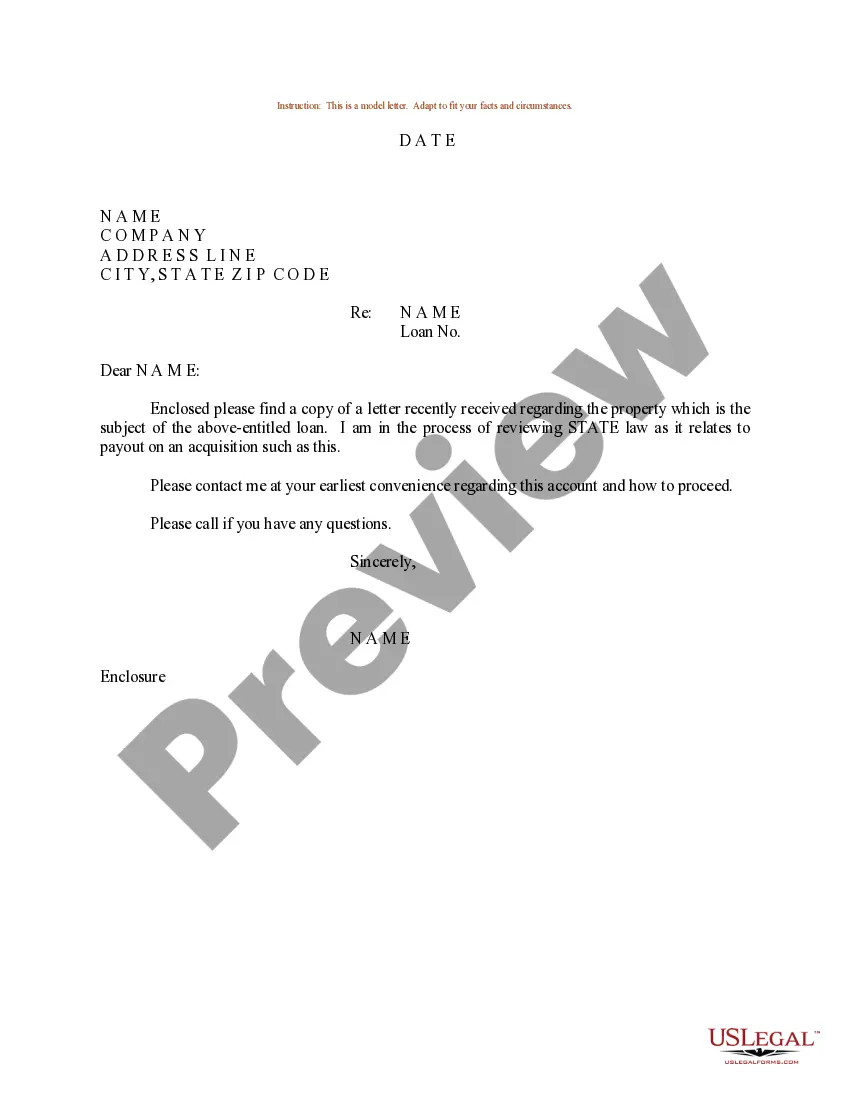
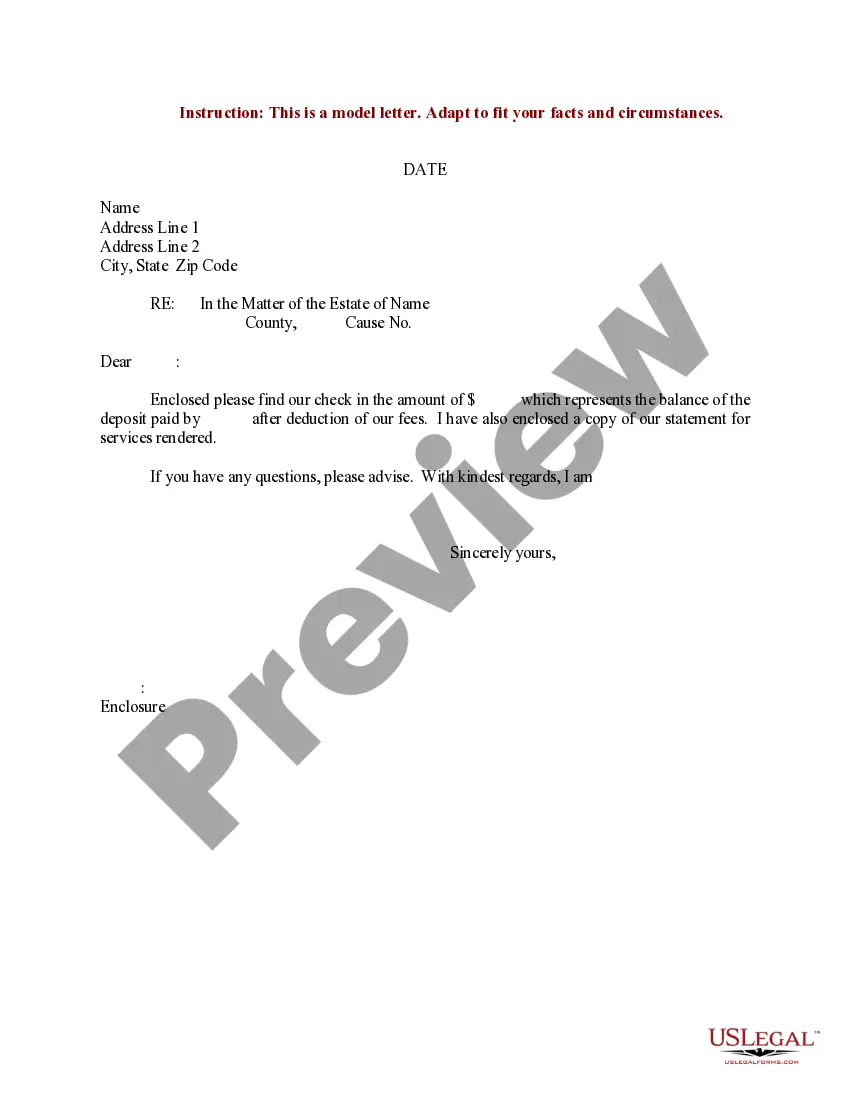
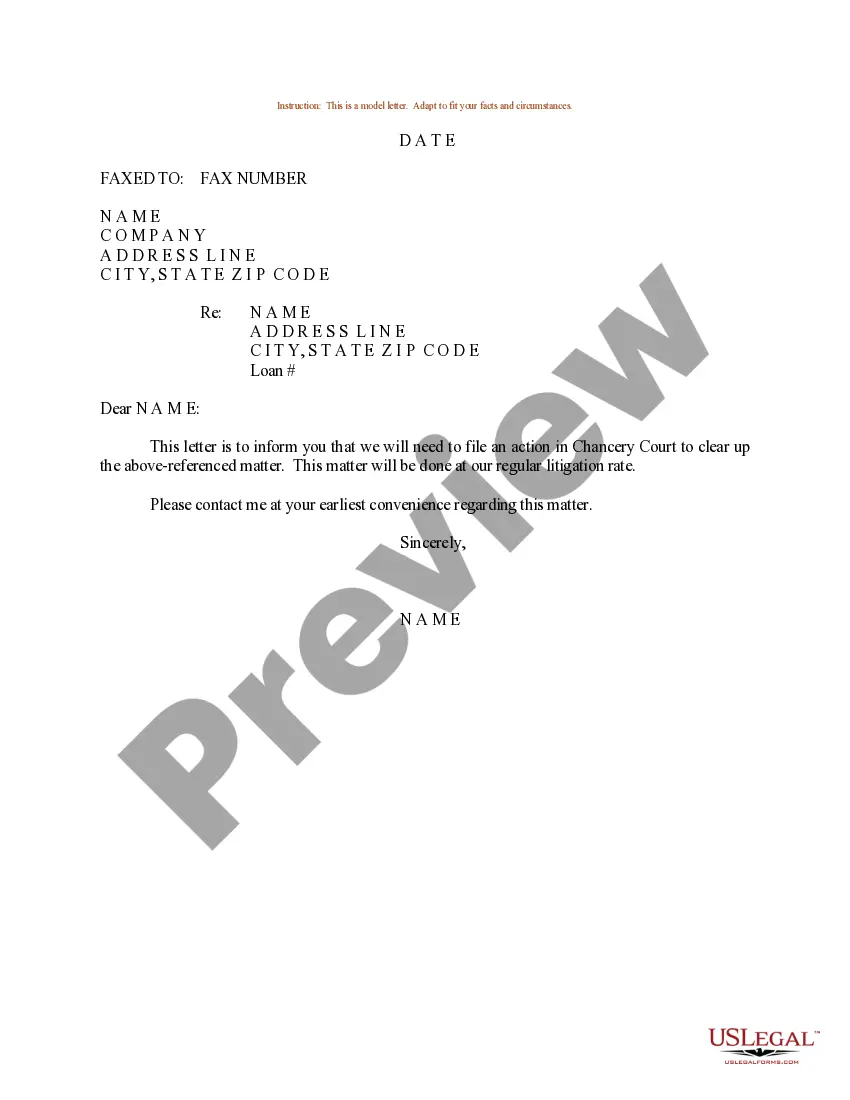
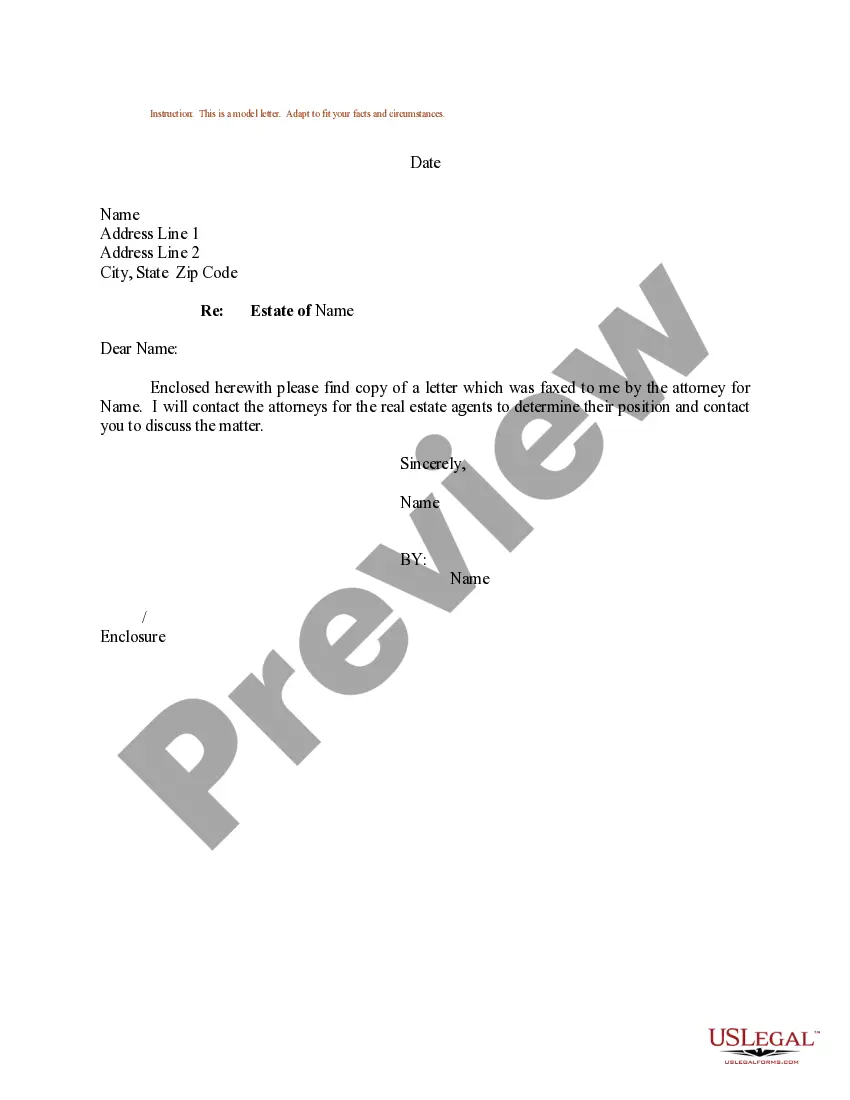
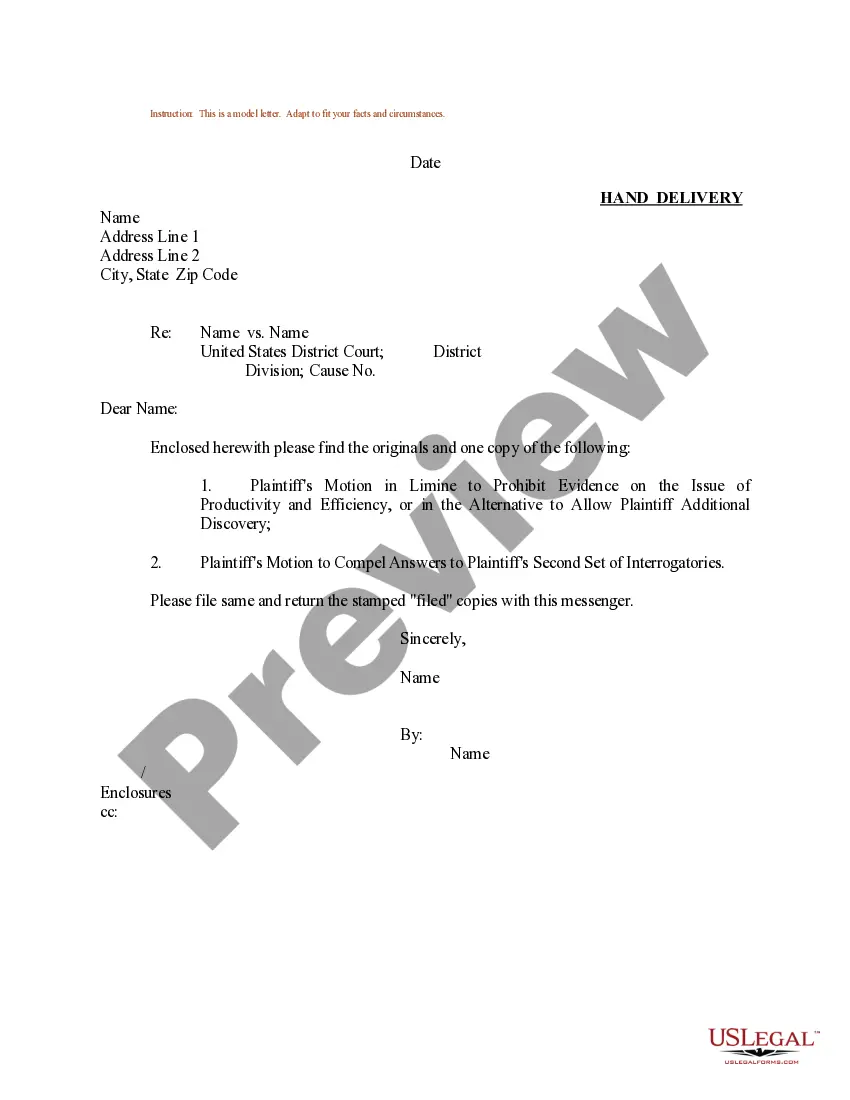
This Sample Letter for Attorney in Process of Review State Law for Payout is a formal communication template used to notify an attorney regarding a specific account. Its purpose is to streamline communication and ensure clarity on how to proceed with an ongoing legal matter. This document differs from other legal forms by serving as a direct request for information rather than a document that outlines legal rights or obligations.
Key parts of this document
- Date: The date when the letter is written.
- Recipientâs information: Name, company, address, city, state, and zip code of the attorney.
- Subject line: Reference to the specific case or account.
- Message body: Brief request for contact concerning the account and a note inviting questions.
- Senderâs name: The individual or entity sending the letter.
- Enclosure: Reference for any additional documents included with the letter.
When to use this form
You should use this form when you need to reach out to an attorney to discuss the status of a payout or related legal matter. This letter is particularly useful when you have previously been in contact with the attorney and require further clarification or information about the ongoing process. It also serves as a record of communication regarding your legal concerns.
Who this form is for
Use this form if you are:
- An individual seeking to inquire about a payout process.
- A business representative needing to communicate with legal counsel.
- A client who has a pending legal matter and requires an update from their attorney.
How to prepare this document
- Insert the current date at the top of the letter.
- Fill in the attorney's name, company, and address information.
- Provide a clear subject line referencing your issue or account.
- Write your message, ensuring to ask for the needed information and offer to discuss further.
- Sign the letter with your full name and include any attached documents as an enclosure.
Notarization requirements for this form
This form does not typically require notarization unless specified by local law. However, if you have concerns about the legal validity or specific requirements for your situation, it is advisable to consult a legal professional.
Get your form ready online
Our built-in tools help you complete, sign, share, and store your documents in one place.
Make edits, fill in missing information, and update formatting in US Legal Forms—just like you would in MS Word.
Download a copy, print it, send it by email, or mail it via USPS—whatever works best for your next step.
Sign and collect signatures with our SignNow integration. Send to multiple recipients, set reminders, and more. Go Premium to unlock E-Sign.
If this form requires notarization, complete it online through a secure video call—no need to meet a notary in person or wait for an appointment.
We protect your documents and personal data by following strict security and privacy standards.

Make edits, fill in missing information, and update formatting in US Legal Forms—just like you would in MS Word.

Download a copy, print it, send it by email, or mail it via USPS—whatever works best for your next step.

Sign and collect signatures with our SignNow integration. Send to multiple recipients, set reminders, and more. Go Premium to unlock E-Sign.

If this form requires notarization, complete it online through a secure video call—no need to meet a notary in person or wait for an appointment.

We protect your documents and personal data by following strict security and privacy standards.
Common mistakes
- Failing to include complete and accurate recipient information.
- Not specifying the subject clearly, leading to confusion.
- Leaving out your contact information, which makes it difficult for the attorney to respond.
- Neglecting to proofread for grammatical or typographical errors.
Why use this form online
- Convenient access to a pre-drafted letter format saves time.
- Easy customization allows you to tailor the letter to your specific needs.
- Reliable formatting ensures a professional appearance.
Looking for another form?
Form popularity
FAQ
Outline The Incident. You will need to start by outlining the details of the accident. Detail Your Injuries. The next section you will want to talk about the resulting injuries. Explain All Of Your Damages. Calculate Your Settlement Demand. Attach Relevant Documents. Get Help From An Attorney.
If you think that your attorney has not been working diligently on your case, you can always request your case file from your attorney. You can either go to the attorney's office and read the file there or request that the attorney make copies of everything and send them to you.
A settlement demand letter is used to ask for a settlement. The demand letter indicates that you are willing and ready to settle your claim related to your slip and fall accident, car crash, construction accident, or other injury.
If you fire a lawyer to whom you have paid a retainer, you are entitled to a refund of whatever money remains of the retainer after the lawyer is paid for his services up through the time you fired him. Once you fire him, he must prepare and give you a written accounting of the funds and a refund check.
LETTER OF DEMAND BACKGROUND A demand generally amounts to a request for payment or a request to perform in terms of a legal obligation. A letter of demand is generally an initial step in the litigation process. In certain instances, a letter of demand is necessary to place the debtor in mora.
Type your letter. Concisely review the main facts. Be polite. Write with your goal in mind. Ask for exactly what you want. Set a deadline. End the letter by stating you will promptly pursue legal remedies if the other party does not meet your demand. Make and keep copies.
That means whether you fire your attorney, or your attorney quits, you may be entitled to a refund for any paid-for services not yet rendered.However, you almost certainly won't get a refund on work the lawyer has already performed, regardless of how dissatisfied you may be with the outcome or progress of your case.
Use a letterhead. Outline the facts/story leading up to the demand letter in a chronological manner. State the legal basis for your claim. State how you will pursue legal action if your demand is not met, and include a timeline within which the demand is to be met.
If your attorney made serious errors, you may consider suing the lawyer for malpractice.duty -- that the attorney owed you a duty to act properly. breach -- that the attorney breached the duty: she was negligent, she made a mistake, or she did not do what she agreed to do.