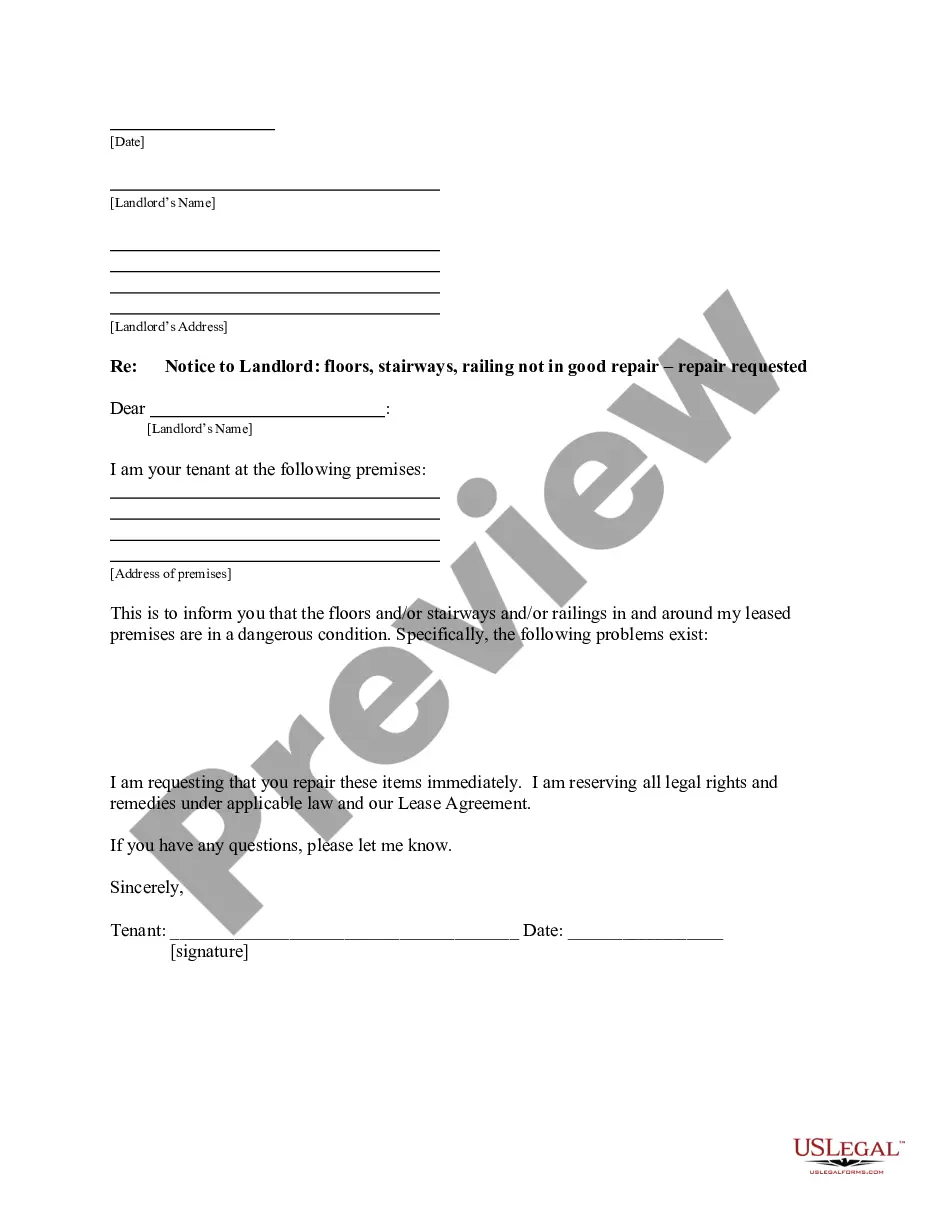
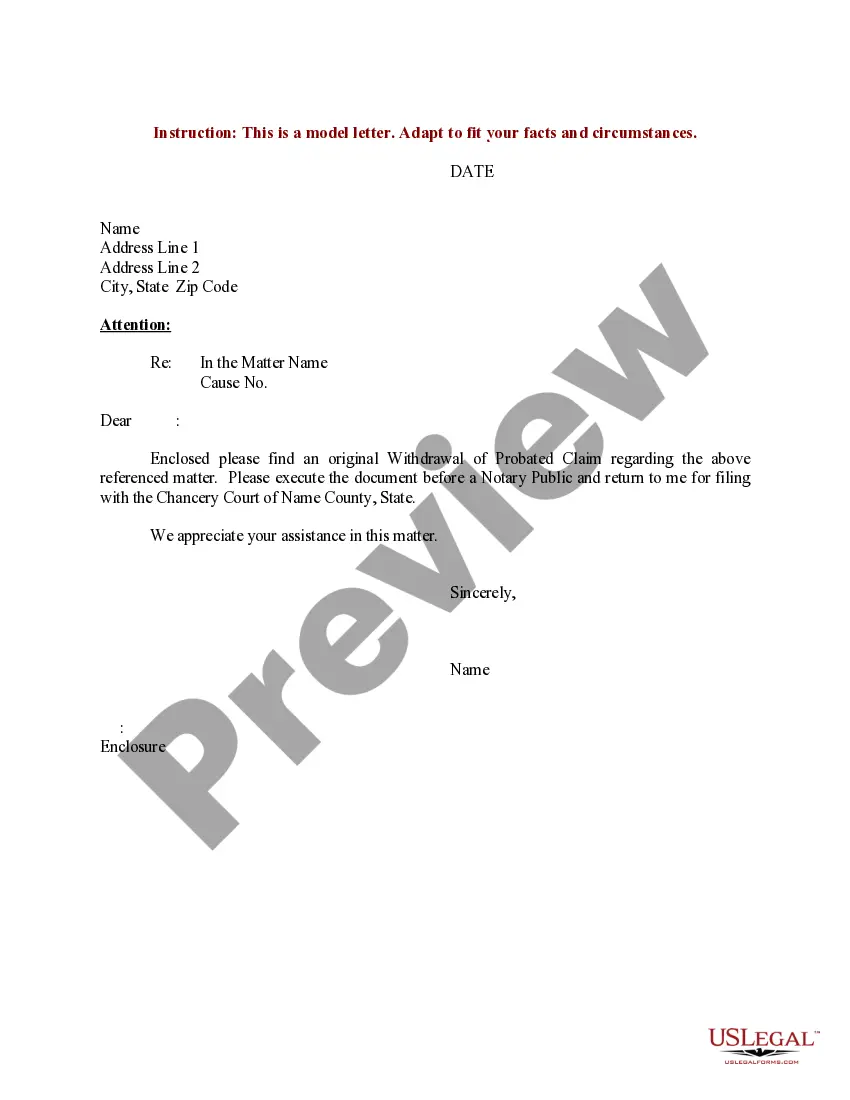
Sample Letter for Withdrawal of Probated Claim
Understanding this form
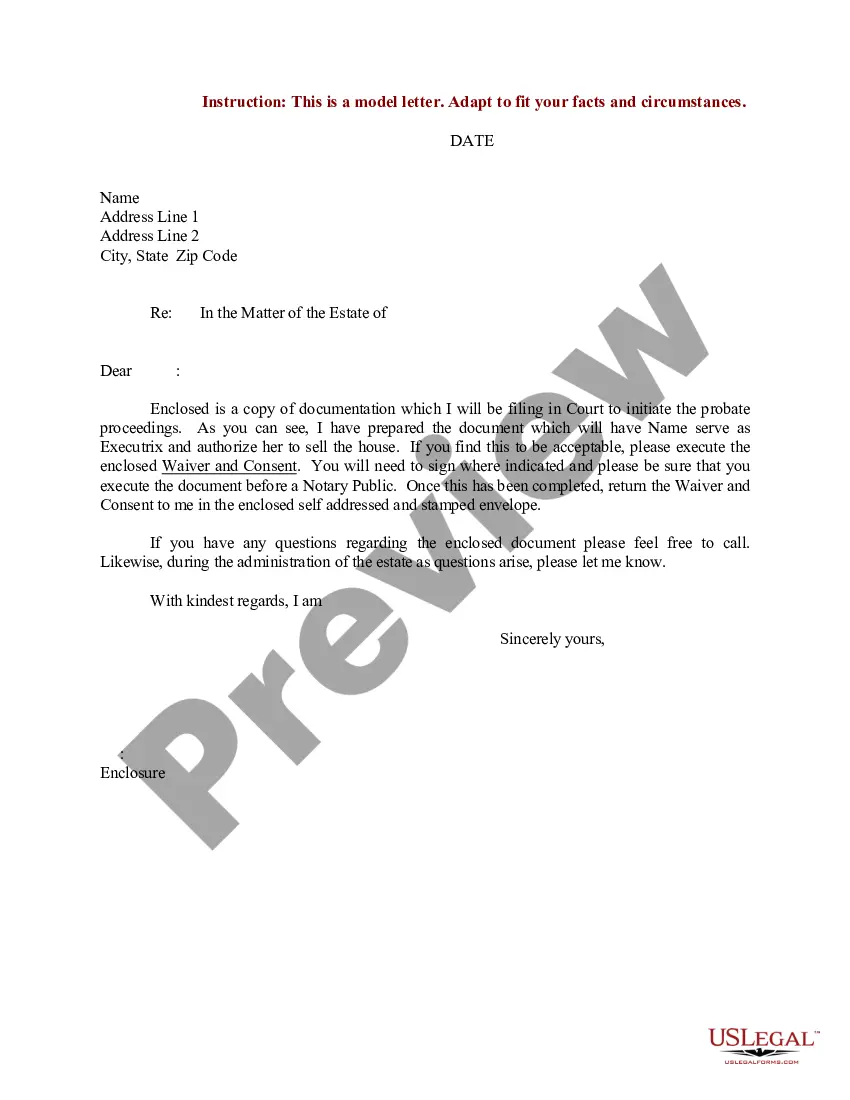
The Sample Letter for Withdrawal of Probated Claim is a formal document used to officially withdraw a claim that has been filed in a probate court. This letter serves as a clear notice to the court and other involved parties that the claimant no longer intends to pursue the claim, distinguishing it from other legal forms that address filing or amending claims.
Key parts of this document
- Date: Specify the date the letter is written.
- Recipient's Name and Address: Include the name and contact details of the probate court or relevant party.
- Closing Statement: A polite expression of appreciation for the assistance regarding the matter.
- Signature: The name of the individual withdrawing the claim and the enclosure note to indicate additional information.


When to use this form
This form is needed when an individual has submitted a claim in probate court but later decides to withdraw that claim. This could be due to various reasons, such as a settlement being reached outside of court, reconsideration of the original claim, or other personal decisions affecting the claim.
Who this form is for
Eligibility for this form includes:
- Individuals who have previously filed a claim in a probate court.
- Claimants who wish to formally withdraw their claims.
- Beneficiaries or interested parties involved in the probate process.
How to complete this form
To complete this form, follow these steps:
- Identify the date you are writing the letter.
- Fill in the recipient's name and address accurately.
- Draft a closing statement expressing gratitude for assistance in the matter.
- Add your signature and printed name at the bottom.
- Include any necessary enclosures if applicable.
Is notarization required?
This form does not typically require notarization unless specified by local law. Ensure that you check local regulations to confirm the requirements for withdrawal of claims in your jurisdiction.
Get your form ready online
Our built-in tools help you complete, sign, share, and store your documents in one place.
Make edits, fill in missing information, and update formatting in US Legal Forms—just like you would in MS Word.
Download a copy, print it, send it by email, or mail it via USPS—whatever works best for your next step.
Sign and collect signatures with our SignNow integration. Send to multiple recipients, set reminders, and more. Go Premium to unlock E-Sign.
If this form requires notarization, complete it online through a secure video call—no need to meet a notary in person or wait for an appointment.
We protect your documents and personal data by following strict security and privacy standards.

Make edits, fill in missing information, and update formatting in US Legal Forms—just like you would in MS Word.

Download a copy, print it, send it by email, or mail it via USPS—whatever works best for your next step.

Sign and collect signatures with our SignNow integration. Send to multiple recipients, set reminders, and more. Go Premium to unlock E-Sign.

If this form requires notarization, complete it online through a secure video call—no need to meet a notary in person or wait for an appointment.

We protect your documents and personal data by following strict security and privacy standards.
Common mistakes
- Forgetting to include the date of the letter.
- Incorrectly addressing the recipient, which can delay processing.
- Omitting your signature, making the letter invalid.
Advantages of online completion
- Convenient downloadable format for easy editing.
- Drafted by licensed attorneys to ensure legal compliance.
- Access to reliable templates that save time and streamline the process.
Legal use & context
- Properly withdrawing a probated claim is necessary to maintain accurate records in the estate proceedings.
- Using this form helps ensure that your withdrawal is communicated formally and recorded by the court.
- Failure to follow the proper withdrawal procedure may lead to complications in the probate process.
What to keep in mind
- The Sample Letter for Withdrawal of Probated Claim is essential for formally retracting a claim.
- Complete the form with accurate recipient information and a clear statement of intent.
- Be aware of any state-specific guidelines that may affect the withdrawal process.
Looking for another form?








Form popularity
FAQ
Keep the letter brief and straightforward as it is a legal document. Confirm the situation whereby probate has been granted. Was it written in the will? Clearly outline the obligations of the recipient so they know what is required of them. Sign the letter to make it legally binding.
Application fees for probate are £155 if you apply through a solicitor and A£215 if you're taking the DIY option. Estates worth less than A£5,000 pay no fee. Additional copies of the probate form can be ordered for A£1.50 each.
Letters of Administration are granted by a Surrogate Court or probate registry to appoint appropriate people to deal with a deceased person's estate where property will pass under Intestacy Rules or where there are no executors living (and willing and able to act) having been validly appointed under the deceased's will
Distribution Letter means that certain letter agreement, executed and delivered by the Company, the Controlling Stockholder and the Investor concurrently with the execution of this Agreement, as attached hereto as Exhibit E.
Keep the letter brief and straightforward as it is a legal document. Confirm the situation whereby probate has been granted. Was it written in the will? Clearly outline the obligations of the recipient so they know what is required of them. Sign the letter to make it legally binding.
An estate bank account is opened up by the executor, who also obtains a tax ID number.The executor must pay creditors, file tax returns and pay any taxes due. Then, he must collect any money or benefits owed to the decedent. Finally, he or she distributes the remainder in accordance with the will.
To apply for probate or letters of administration by post, you'll need to fill in a number of forms. You'll need PA1P if the person left a will and PA1A if they didn't. These forms ask for details about the person who died, their surviving relatives and, the personal representative.
Probate or applying for Letters Probate is the process whereby the Court confirms that a Will is the valid last Will of a person. When the executor files for a grant of probate, he swears that the Will filed with the court is the last Will of the deceased person and that he knows of no later Will.
The critical difference between Probate and Letter of Administration is that Probate is granted to an executor nominated under the will. Letter of Administration is granted to the beneficiaries after they apply to a Court of law having competent jurisdiction.