Sample Letter Explaining the Purposes of the Waiver and Consent regarding an Estate
About this form
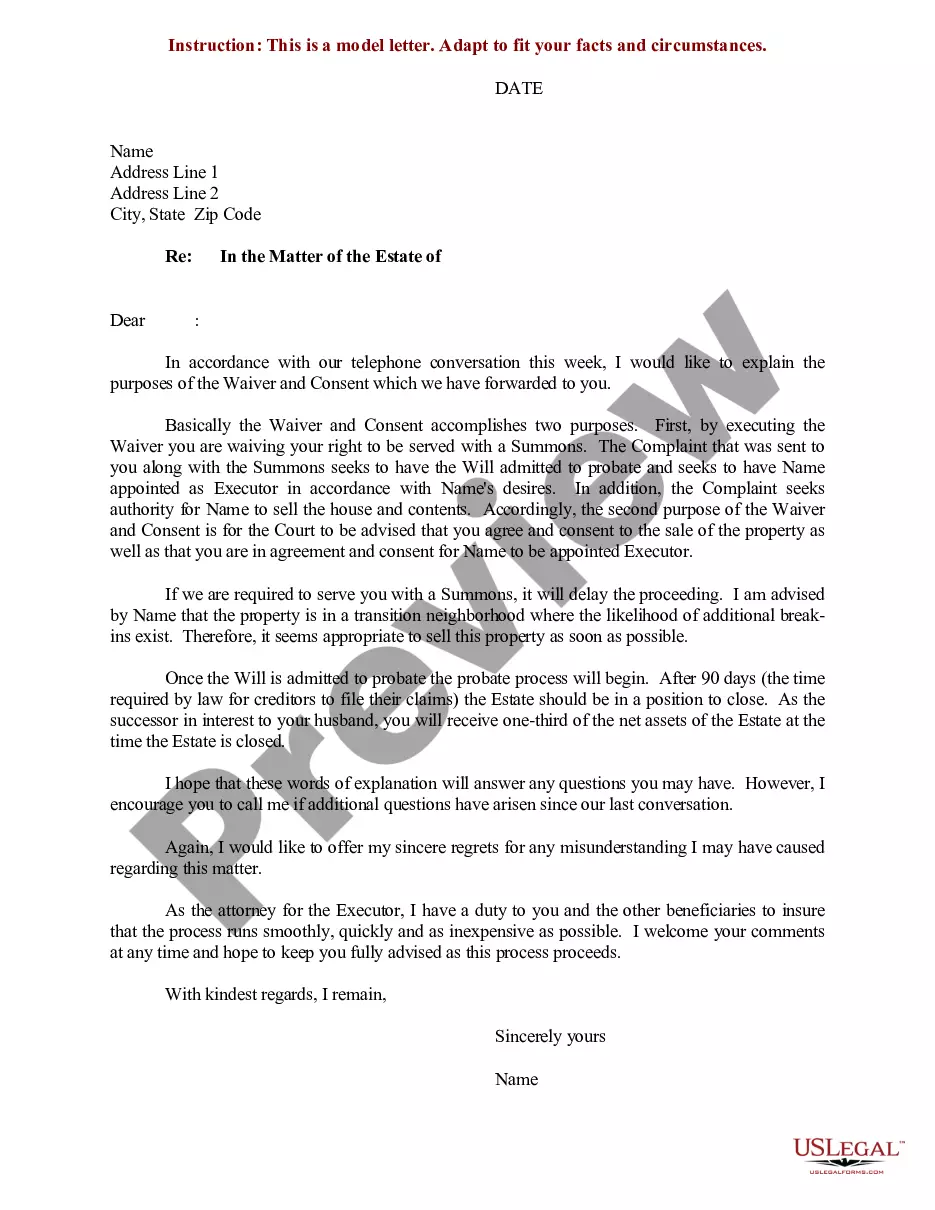
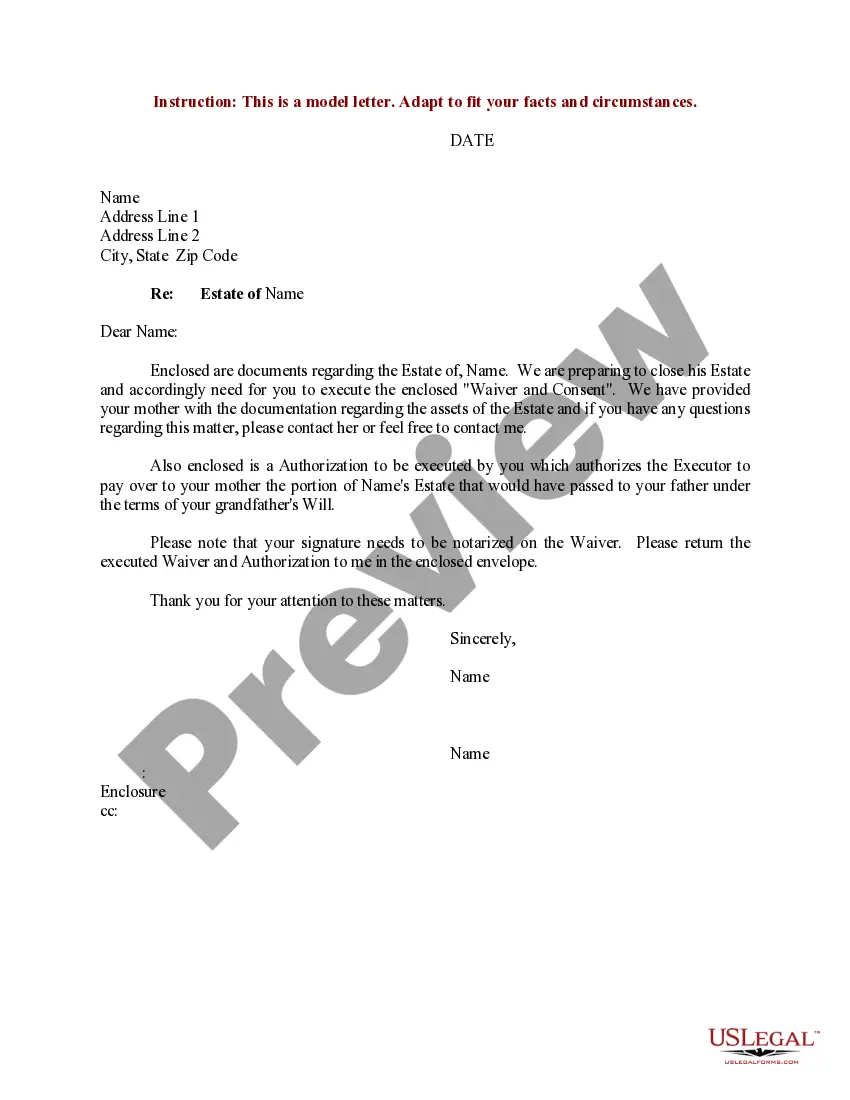
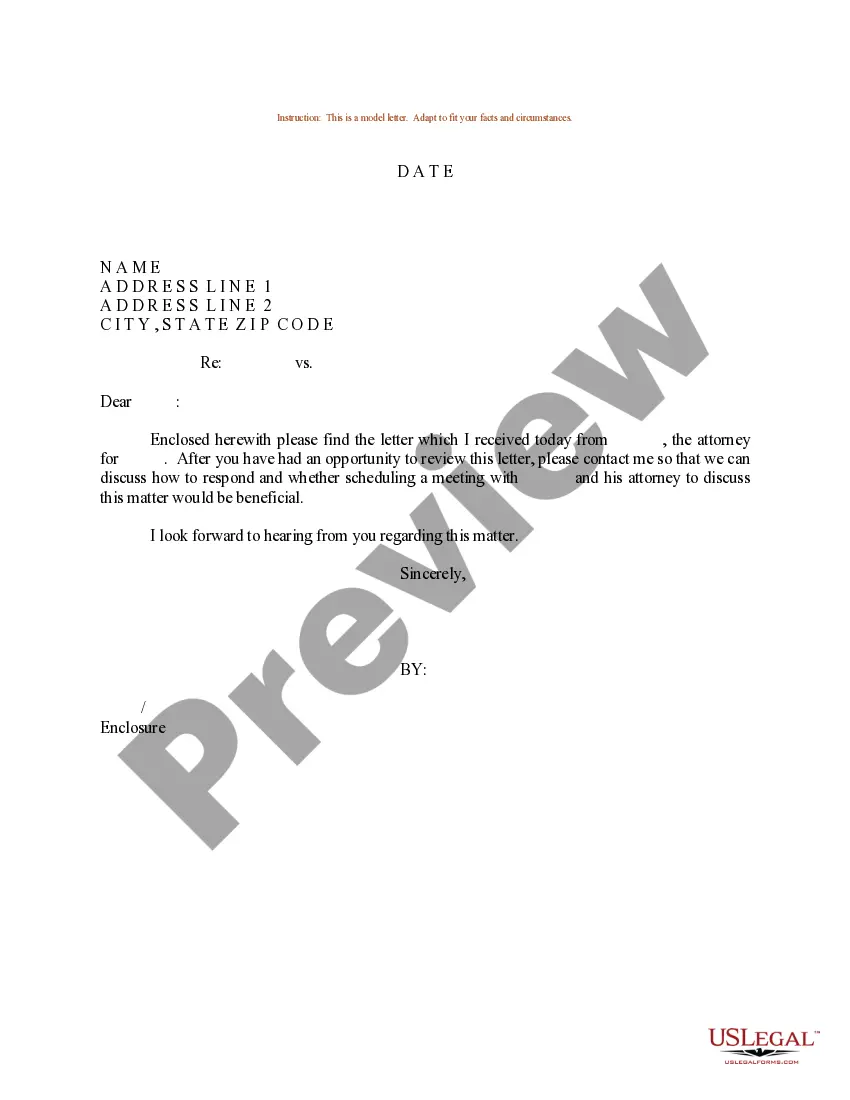
The Sample Letter Explaining the Purposes of the Waiver and Consent regarding an Estate is a template designed to provide clarity to estate beneficiaries about the estate settlement process. This form differs from other legal forms by specifically addressing the communication and consent needs of parties involved in estate proceedings, ensuring that all beneficiaries are informed of their rights and obligations as the estate moves forward.
Form components explained
- Date of the letter
- Recipient's name and address
- Subject matter regarding the estate
- Explanation of the property situation
- Details on the probate process
- Closing remarks and contact invitation

When to use this document
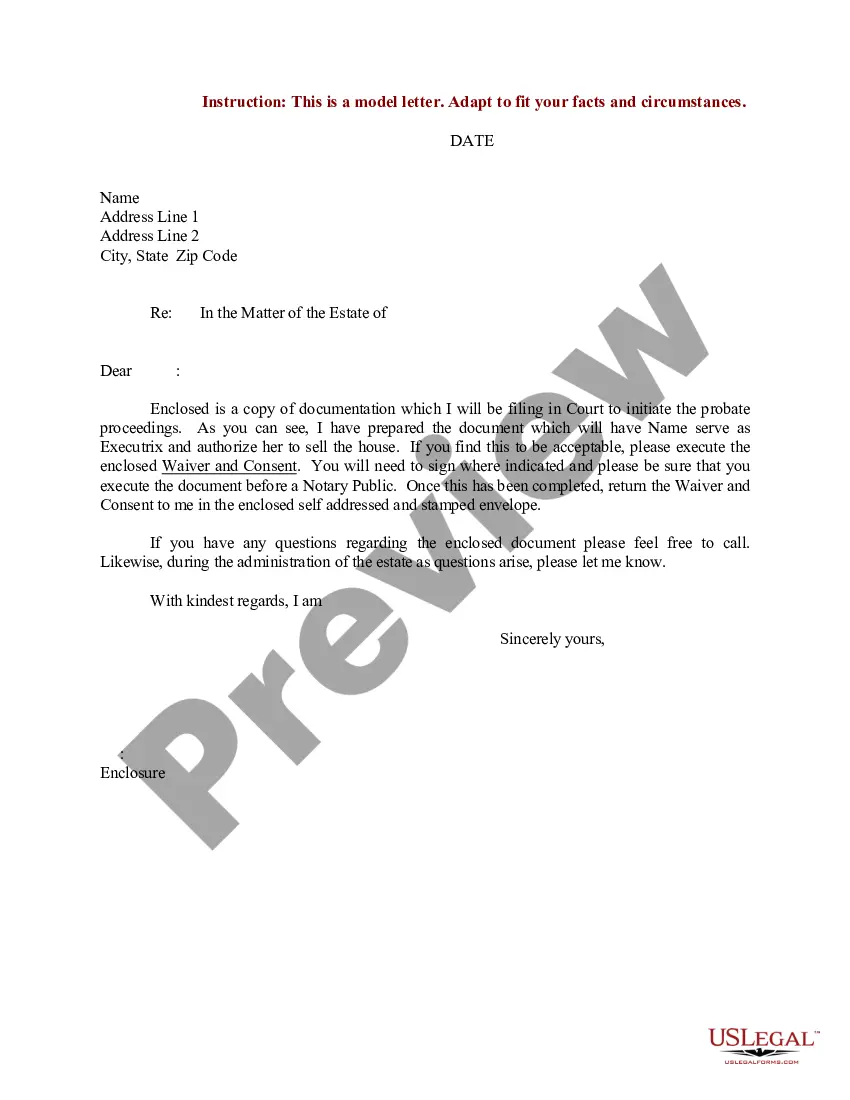
This letter is commonly used when an estate is in probate, and there are multiple beneficiaries involved. It helps clarify the intentions of the executor and outlines the process for beneficiaries to understand their rights regarding the estate property, particularly when prompt action is needed to facilitate the sale or management of the estate assets.
Who should use this form
This form is intended for:
- Executors or administrators of an estate
- Beneficiaries who need clarification on their rights and the estate process
- Attorneys representing parties involved in estate proceedings
Steps to complete this form
- Enter the date of the letter at the top.
- Fill in the recipient's name and their complete address.
- Clearly state the subject of the letter relating to the estate.
- Provide an explanation regarding the need for consent and the status of the estate.
- Include a summary of the probate process and any relevant timeframes.
- Conclude with your contact information for follow-up questions.
Does this form need to be notarized?
This form usually doesn’t need to be notarized. However, local laws or specific transactions may require it. Our online notarization service, powered by Notarize, lets you complete it remotely through a secure video session, available 24/7.
Get your form ready online
Our built-in tools help you complete, sign, share, and store your documents in one place.
Make edits, fill in missing information, and update formatting in US Legal Forms—just like you would in MS Word.
Download a copy, print it, send it by email, or mail it via USPS—whatever works best for your next step.
Sign and collect signatures with our SignNow integration. Send to multiple recipients, set reminders, and more. Go Premium to unlock E-Sign.
If this form requires notarization, complete it online through a secure video call—no need to meet a notary in person or wait for an appointment.
We protect your documents and personal data by following strict security and privacy standards.

Make edits, fill in missing information, and update formatting in US Legal Forms—just like you would in MS Word.

Download a copy, print it, send it by email, or mail it via USPS—whatever works best for your next step.

Sign and collect signatures with our SignNow integration. Send to multiple recipients, set reminders, and more. Go Premium to unlock E-Sign.

If this form requires notarization, complete it online through a secure video call—no need to meet a notary in person or wait for an appointment.

We protect your documents and personal data by following strict security and privacy standards.
Typical mistakes to avoid
- Failing to include the date, which can lead to confusion.
- Not addressing the letter to the correct beneficiary.
- Overlooking necessary explanations about the estate process.
- Using jargon that might confuse beneficiaries.
Advantages of online completion
- Convenient access to a professionally drafted legal template.
- Editability allows you to customize the letter to your specific situation.
- Immediate download for timely communication with beneficiaries.
- Ensures compliance with basic legal standards, minimizing errors.
What to keep in mind
- The letter serves as a clear communication tool between executors and beneficiaries.
- It outlines essential information about the probate process and estate assets.
- Using this form helps prevent misunderstandings and promotes transparency.
Looking for another form?

Form popularity
FAQ
By executing a waiver and consent document, the distributee waives his or her right to a citation being issued by the court, and consents to the court's appointment of the administrator or executor.
Updated Aug 7, 2020. An inheritance or estate waiver releases an heir from the right to receive assets from an estate, and the associated obligations. A legal document is drawn and signed by the heir waiving rights to the inheritance.
Waiver of notice and consent is the document that legally consents to waive one's right to receive a formal notice.
Letters of Administration are granted by a Surrogate Court or probate registry to appoint appropriate people to deal with a deceased person's estate where property will pass under Intestacy Rules or where there are no executors living (and willing and able to act) having been validly appointed under the deceased's will
In estate law, heirs named in a will have the right to waive or disclaim an inheritance. This is a refusal to accept the bequest, and is usually done to either avoid taxes or the inconvenience of looking after property.
A waiver of notice is a legal document that asks directors to sign the agreement, which states that they agree to waive the formal notice. Organizations will have different rules based on the type of meeting, such as the first meeting, special meetings, emergency meetings and executive sessions.
In order to waive the bond, a petition signed by the heirs or beneficiaries should be filed in the court. Once the waiver is signed it means that there will be no bond to go against if the personal representative does not properly administer the estate and distribute the assets to the heirs.
Key Takeaways. A waiver is a legally binding provision where either party in a contract agrees to voluntarily forfeit a claim without the other party being liable. Waivers can either be in written form or some form of action.
A waiver of notice is an agreement that allows people to conduct certain legal procedures without giving formal notification that he or she is going to do so.