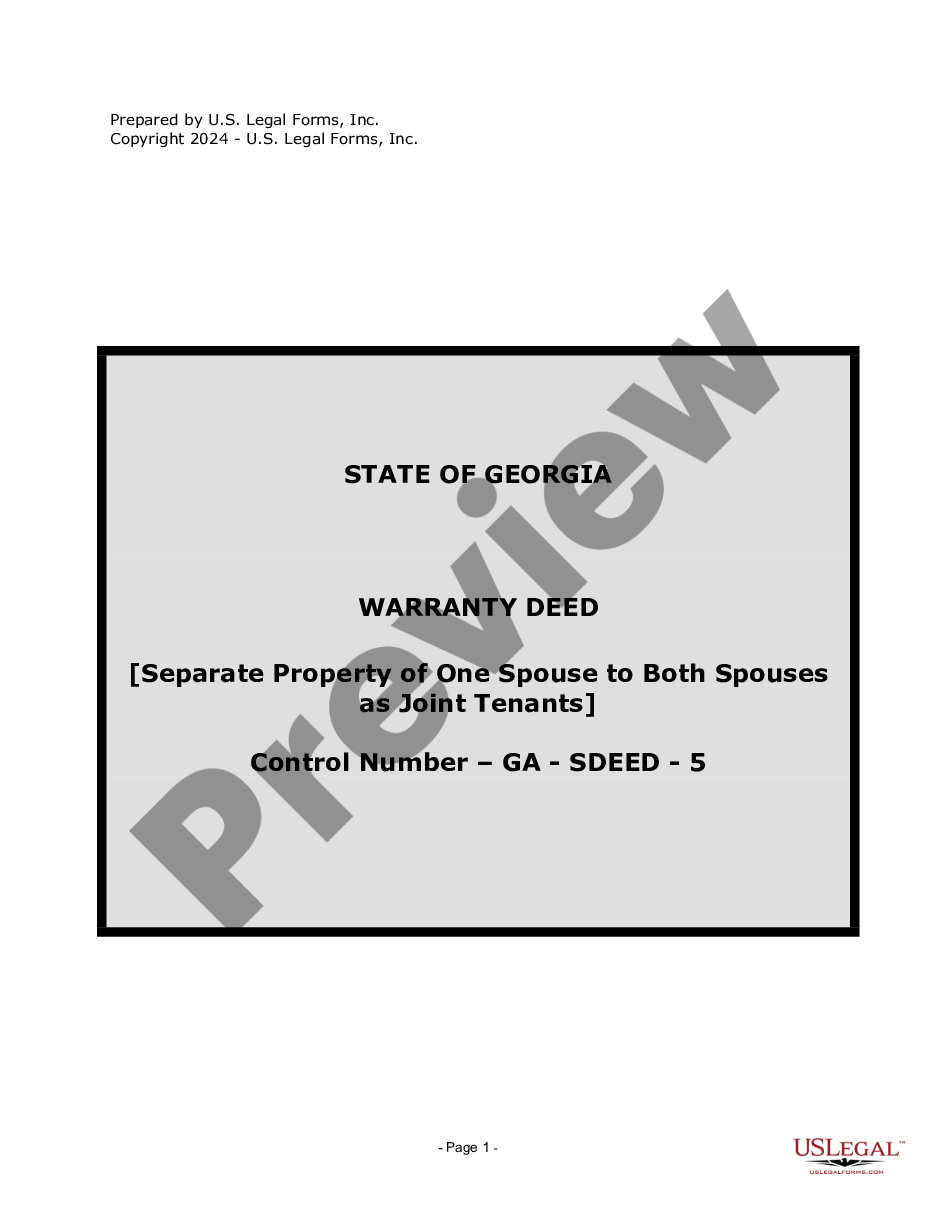
Survivorship Affidavit
What this document covers
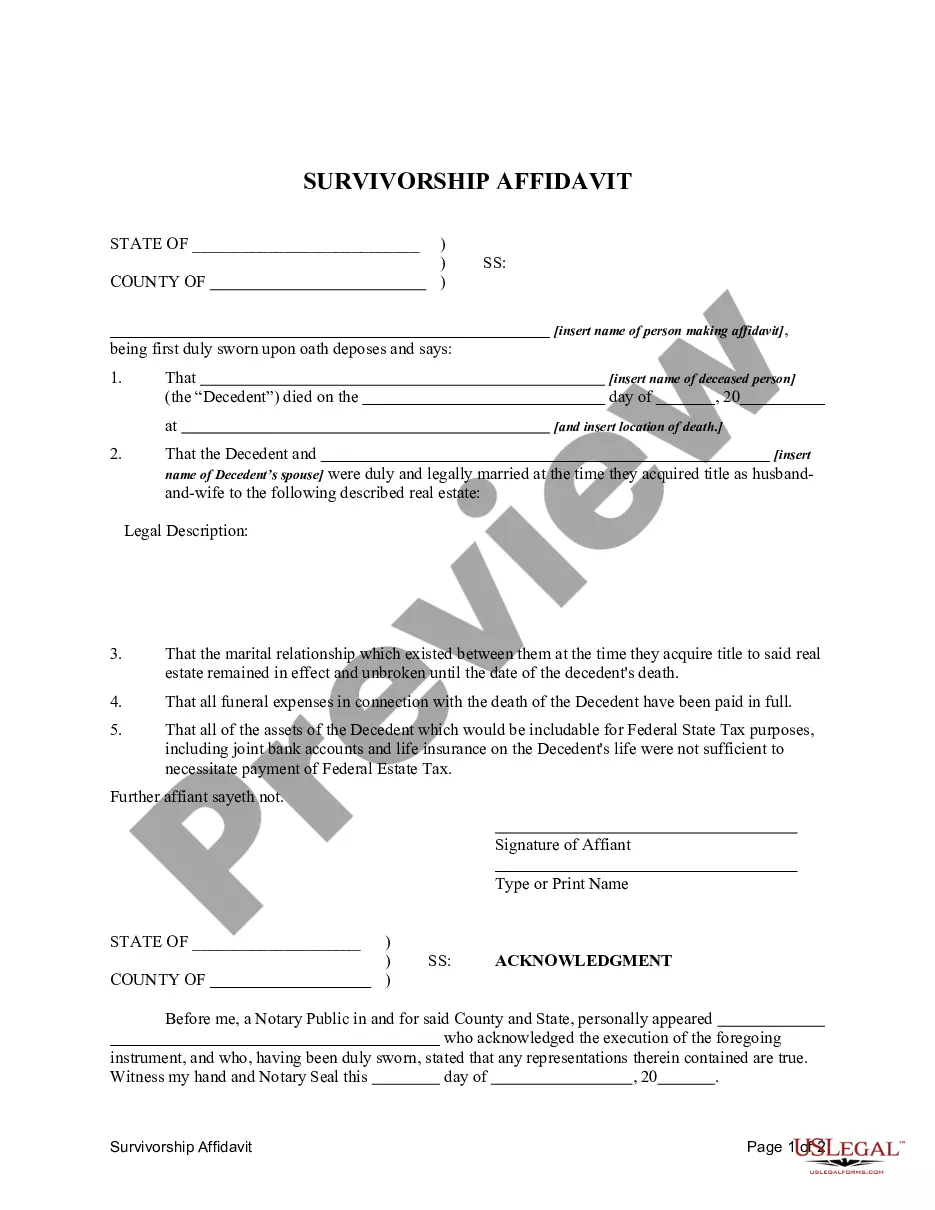
The Survivorship Affidavit is a legal document used to establish the identity of a surviving owner in a joint tenancy or similar property ownership arrangement. This form is essential for ensuring a smooth transfer of property rights or assets to the designated survivor, distinguishing it from other forms such as wills or estate plans, which encompass broader issues of property distribution after death.
What’s included in this form
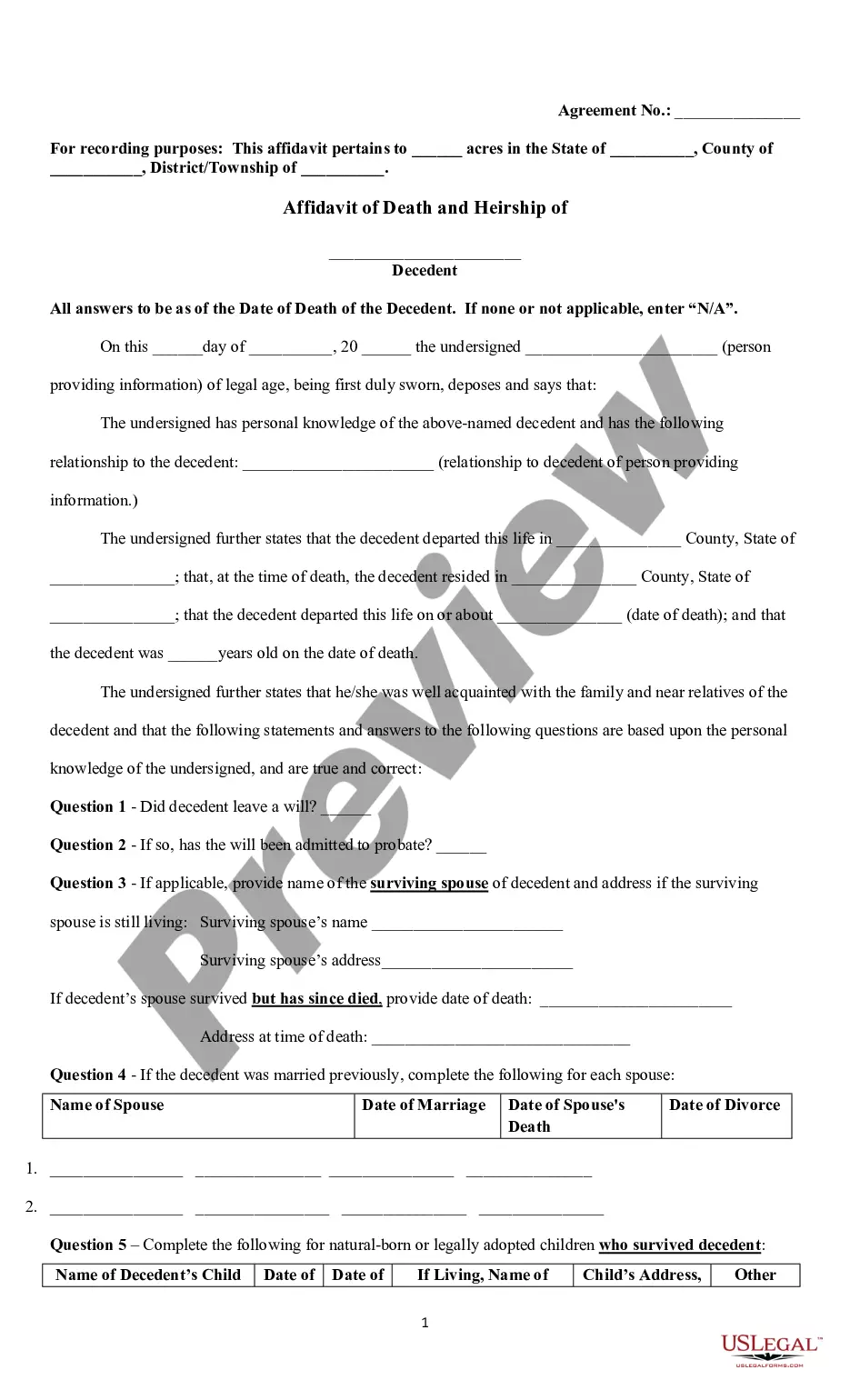
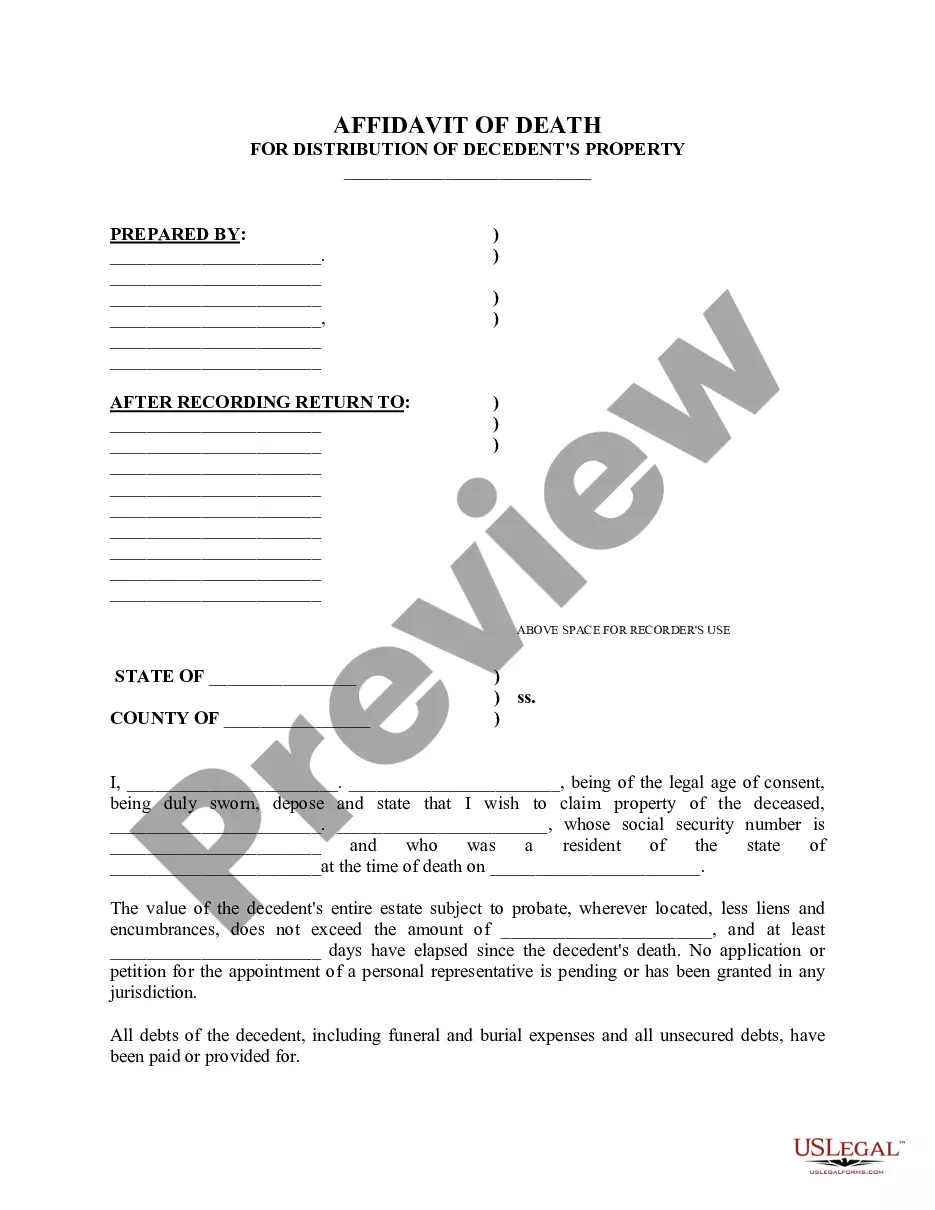
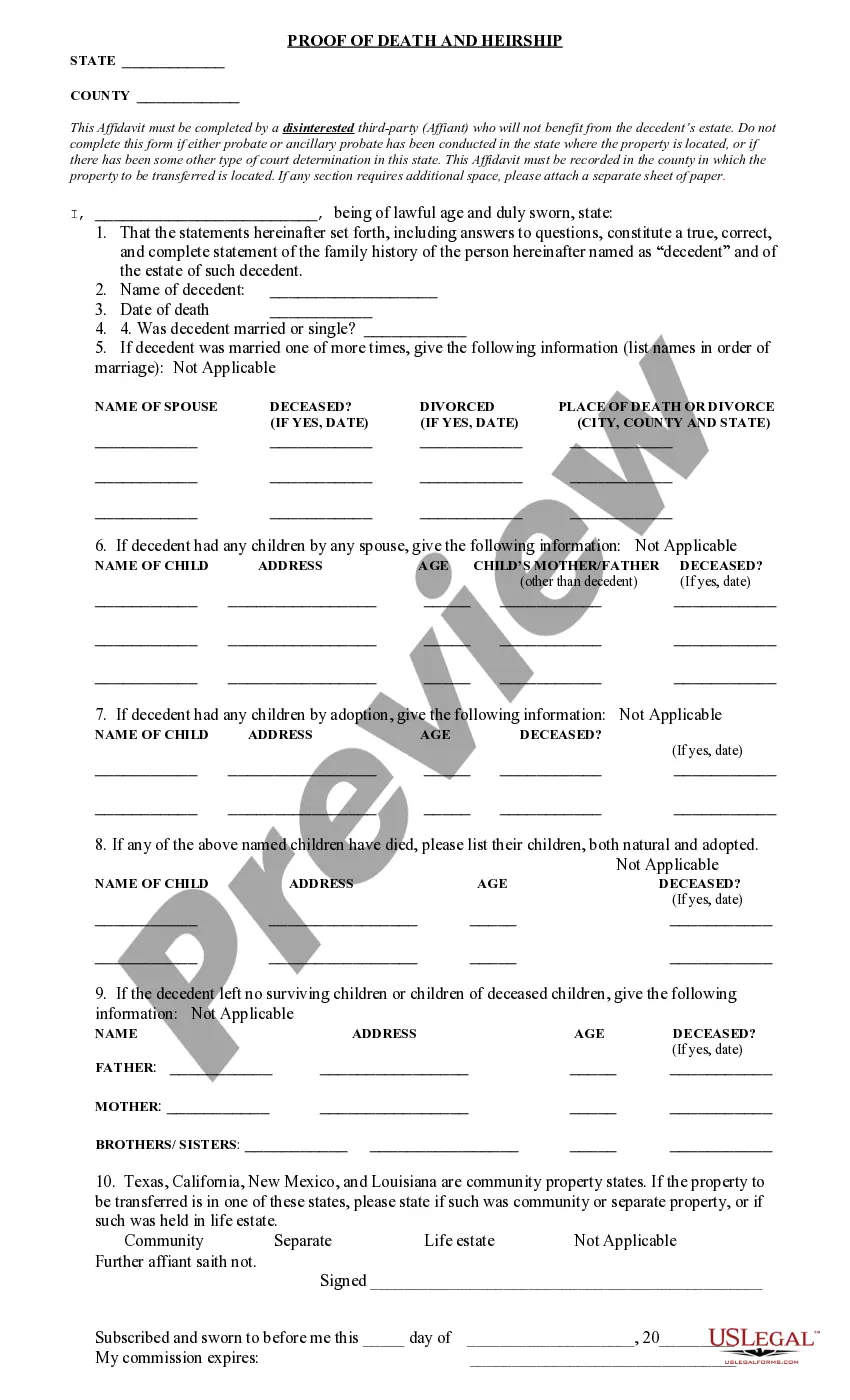
- Affidavit declaration confirming the death of the deceased owner (Decedent).
- Statement affirming that all funeral expenses related to the Decedent have been settled in full.
- A declaration that the Decedent's assets are below the threshold for requiring federal estate tax payment.
- Identification of the survivor and affirmation of their rights to the property in question.
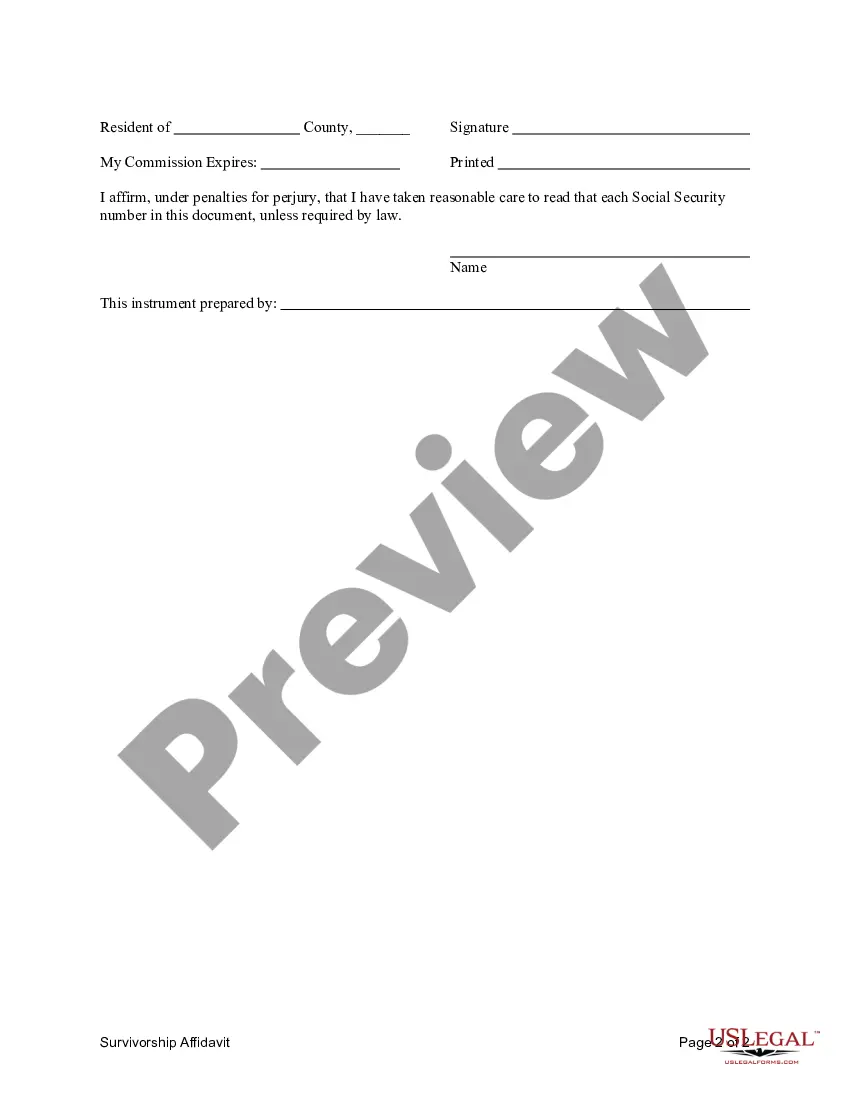
- Signatures of the surviving owner and any required witnesses, as dictated by state law.

When to use this document
This form should be used when a joint tenant or co-owner of a property passes away, and the surviving owner needs to assert their rights to that property. It is particularly important in cases where the property ownership was joint under a tenancy arrangement, ensuring that the surviving party can manage or transfer the property without facing legal disputes or complications related to the Decedent's estate.
Who can use this document
- Surviving joint tenants or co-owners of property.
- Individuals managing property transactions after a co-owner's death.
- Those needing to clarify ownership rights for financial institutions or other third parties.
Instructions for completing this form
- Identify the parties involved, including the deceased owner and the survivor.
- Enter the date and details of the Decedentâs passing.
- Provide a statement confirming that all funeral expenses have been paid.
- Indicate whether the Decedent's assets require federal estate tax payment.
- Sign the form in the presence of any required witnesses or notary, if applicable.
Is notarization required?
This form does not typically require notarization unless specified by local law. However, ensuring proper notarization may fortify the document's acceptance in legal contexts, such as property registration or transfer.
Get your form ready online
Our built-in tools help you complete, sign, share, and store your documents in one place.
Make edits, fill in missing information, and update formatting in US Legal Forms—just like you would in MS Word.
Download a copy, print it, send it by email, or mail it via USPS—whatever works best for your next step.
Sign and collect signatures with our SignNow integration. Send to multiple recipients, set reminders, and more. Go Premium to unlock E-Sign.
If this form requires notarization, complete it online through a secure video call—no need to meet a notary in person or wait for an appointment.
We protect your documents and personal data by following strict security and privacy standards.

Make edits, fill in missing information, and update formatting in US Legal Forms—just like you would in MS Word.

Download a copy, print it, send it by email, or mail it via USPS—whatever works best for your next step.

Sign and collect signatures with our SignNow integration. Send to multiple recipients, set reminders, and more. Go Premium to unlock E-Sign.

If this form requires notarization, complete it online through a secure video call—no need to meet a notary in person or wait for an appointment.

We protect your documents and personal data by following strict security and privacy standards.
Avoid these common issues
- Failing to sign the affidavit or missing witness signatures.
- Omitting crucial details about the Decedent or the property.
- Not verifying state-specific requirements that may affect the form's acceptance.
Why use this form online
- Convenient access to the form from anywhere, at any time.
- Editability allows for accurate completion based on specific circumstances.
- Reliability, with forms drafted by licensed attorneys ensuring legal compliance.
Legal use & context
- Used to confirm survivorship in property ownership after a tenant's death.
- Aids in avoiding probate court proceedings, streamlining the transfer process.
- Establishes documented proof of ownership rights for the survivor.
Main things to remember
- The Survivorship Affidavit establishes the survivorâs claim to jointly owned property.
- It is essential to ensure all funeral expenses are paid and the decedent's assets don't require federal estate tax payment.
- Correctly completing and filing this form can simplify the transfer of property ownership.
Looking for another form?
Form popularity
FAQ
Property held in joint tenancy, tenancy by the entirety, or community property with right of survivorship automatically passes to the survivor when one of the original owners dies. Real estate, bank accounts, vehicles, and investments can all pass this way. No probate is necessary to transfer ownership of the property.
Joint Tenancy With Survivorship In this arrangement, tenants have an equal right to the account's assets. They are also afforded survivorship rights in the event of the death of another account holder. In simple terms, it means that when one partner or spouse dies, the other receives all of the money or property.
The General Rule. In the great majority of states, if you and the other owners call yourselves "joint tenants with the right of survivorship," or put the abbreviation "JT WROS" after your names on the title document, you create a joint tenancy. A car salesman or bank staffer may assure you that other words are enough.
In most cases, the surviving owner or heir obtains the title to the home, the former owner's death certificate, a notarized affidavit of death, and a preliminary change of ownership report form. When all these are gathered, the transfer gets recorded, the fees are paid, and the county issues a new title deed.
The way that the right of survivorship works is that if a property is purchased and owned by two or more individuals and the right of survivorship has been included in the title to the property, then if one of the owners dies, the surviving owner or owners will absorb the share for the deceased's share of the property
If the deceased was sole owner, or co-owned the property without right of survivorship, title passes according to his will. Whoever the will names as the beneficiary to the house inherits it, which requires filing a new deed confirming her title. If the deceased died intestate -- without a will -- state law takes over.
This is true even if the decedent created a will and bequeathed their interest in the property to someone else. This is known as the right of survivorship.The decedent's portion of the property receives a step-up in basis as of the date of their passing.
Using an Affidavit of Survivorship to Remove a Deceased Owner from Title. If you are already listed as a co-owner on the prior deedor if you inherited an interest in the property through a life estate deed, transfer-on-death deed, or lady bird deedyou may use an affidavit of survivorship to remove the deceased owner.
Unity of time. Unity of title. Unity of interest. Unity of possession.