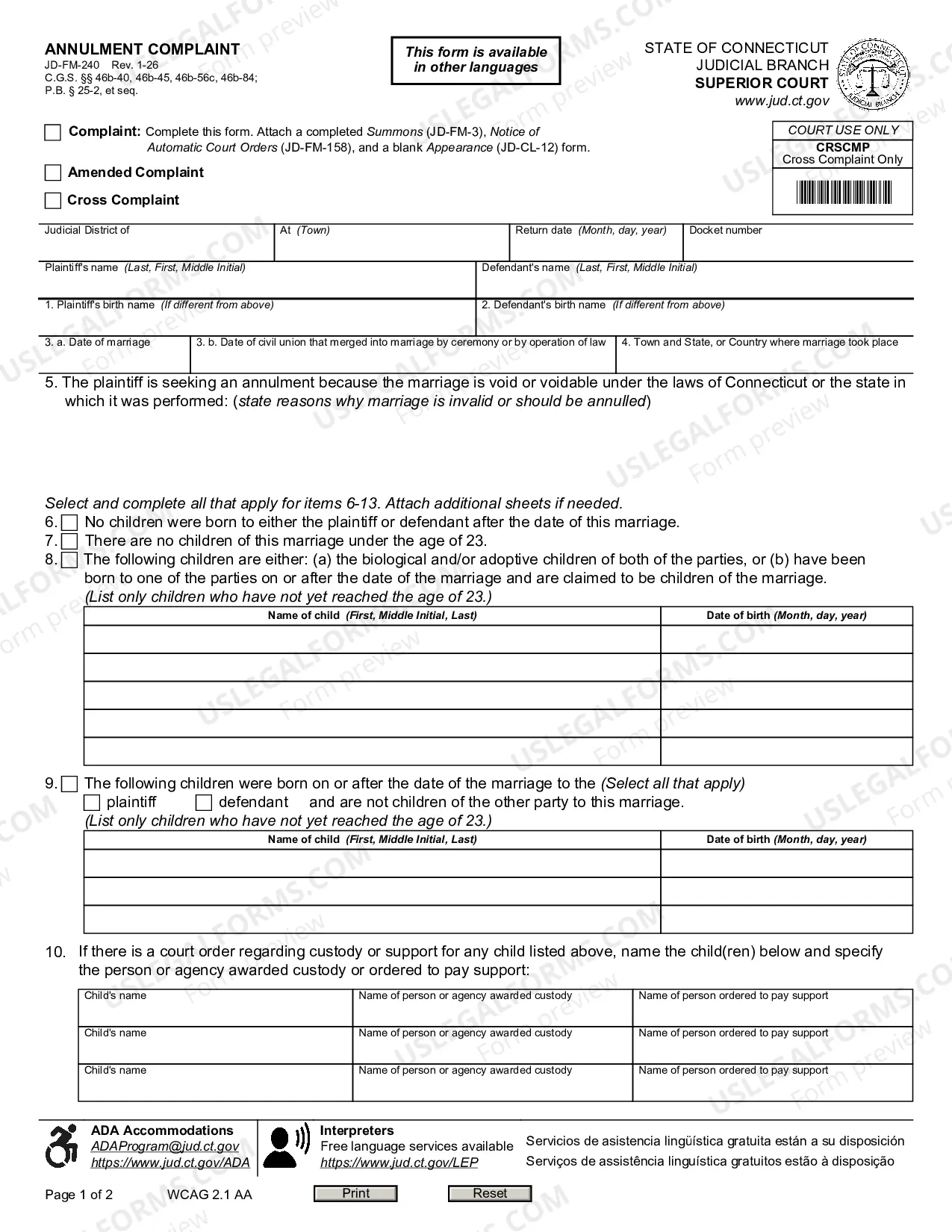
Motion in Federal Court by Debtor to Hold Garnishing Creditor in Contempt
Understanding this form
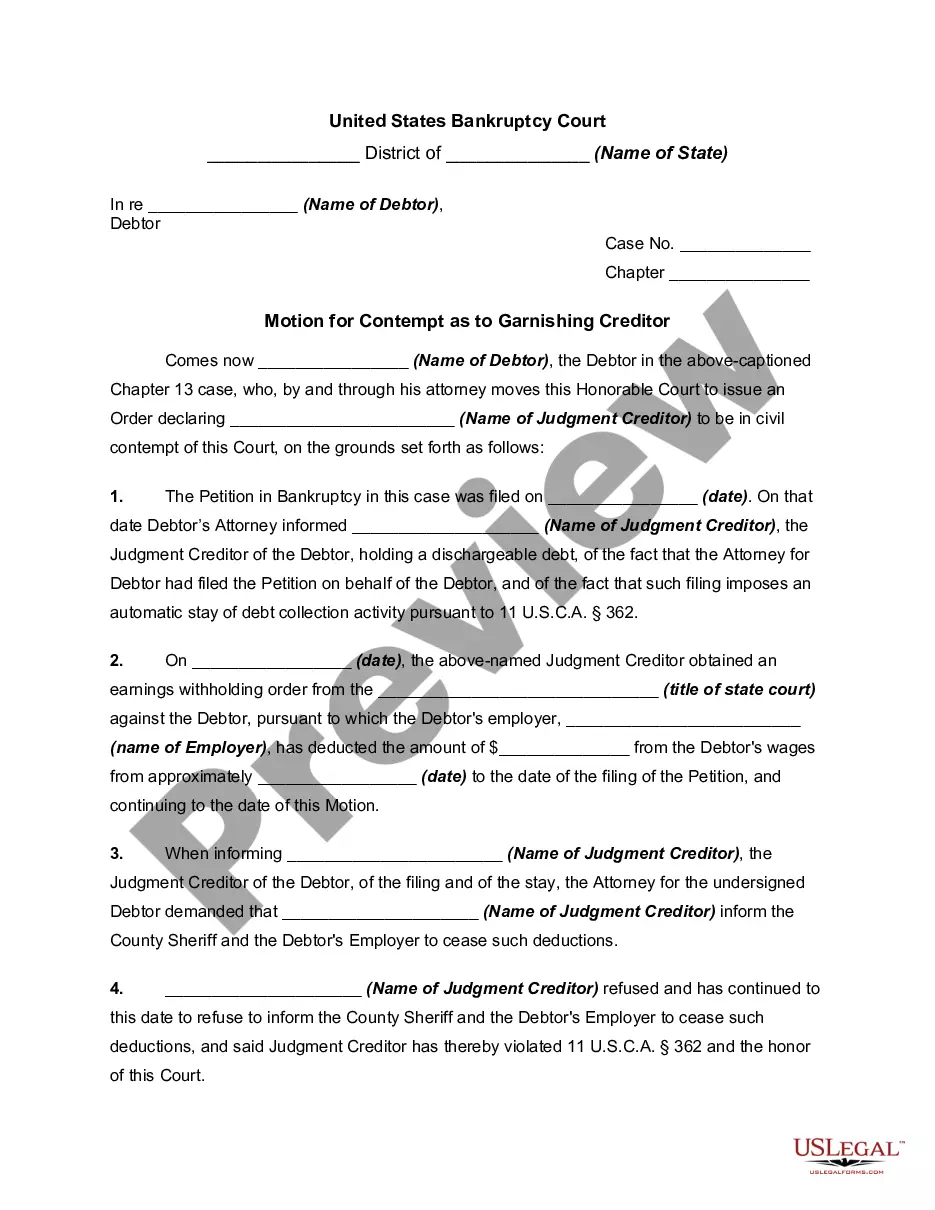
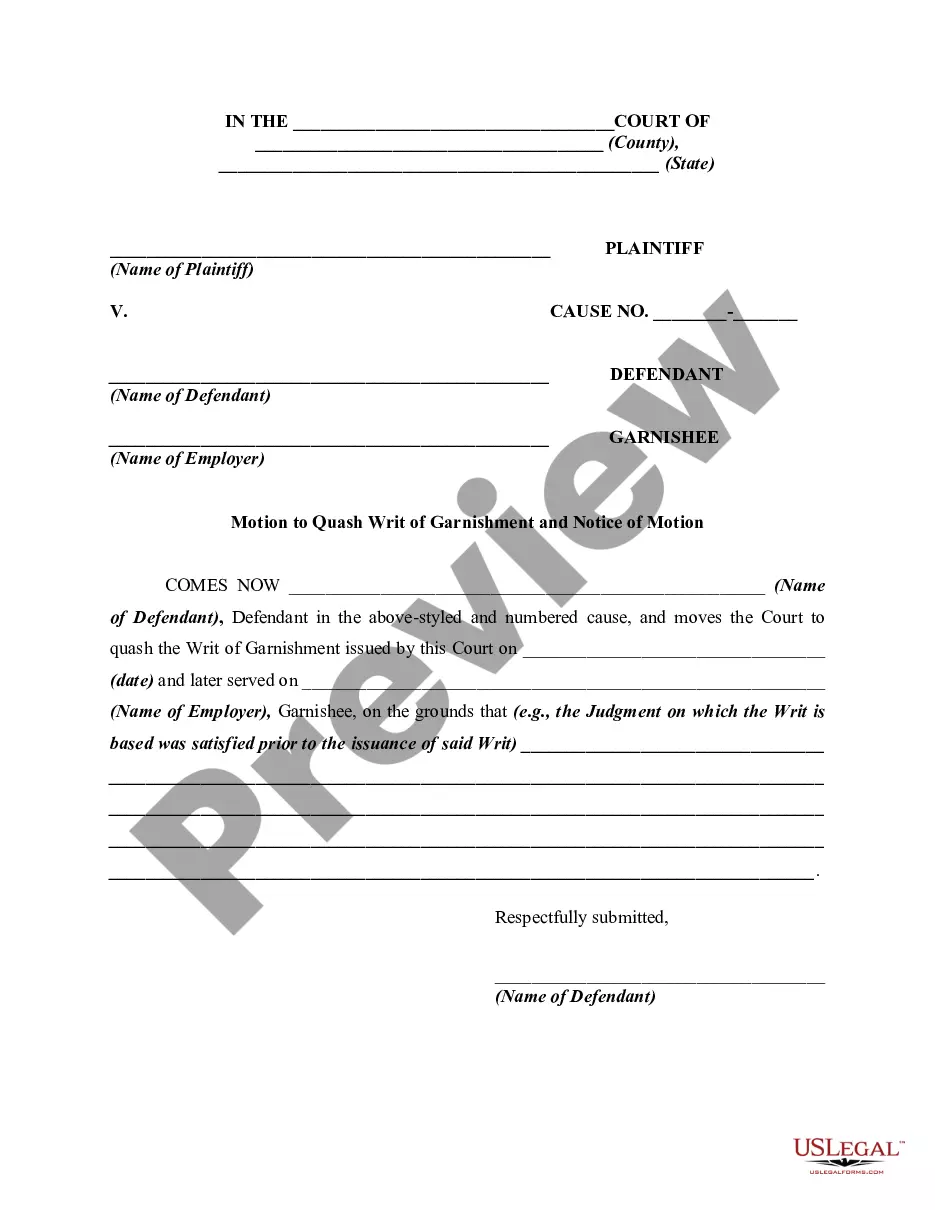
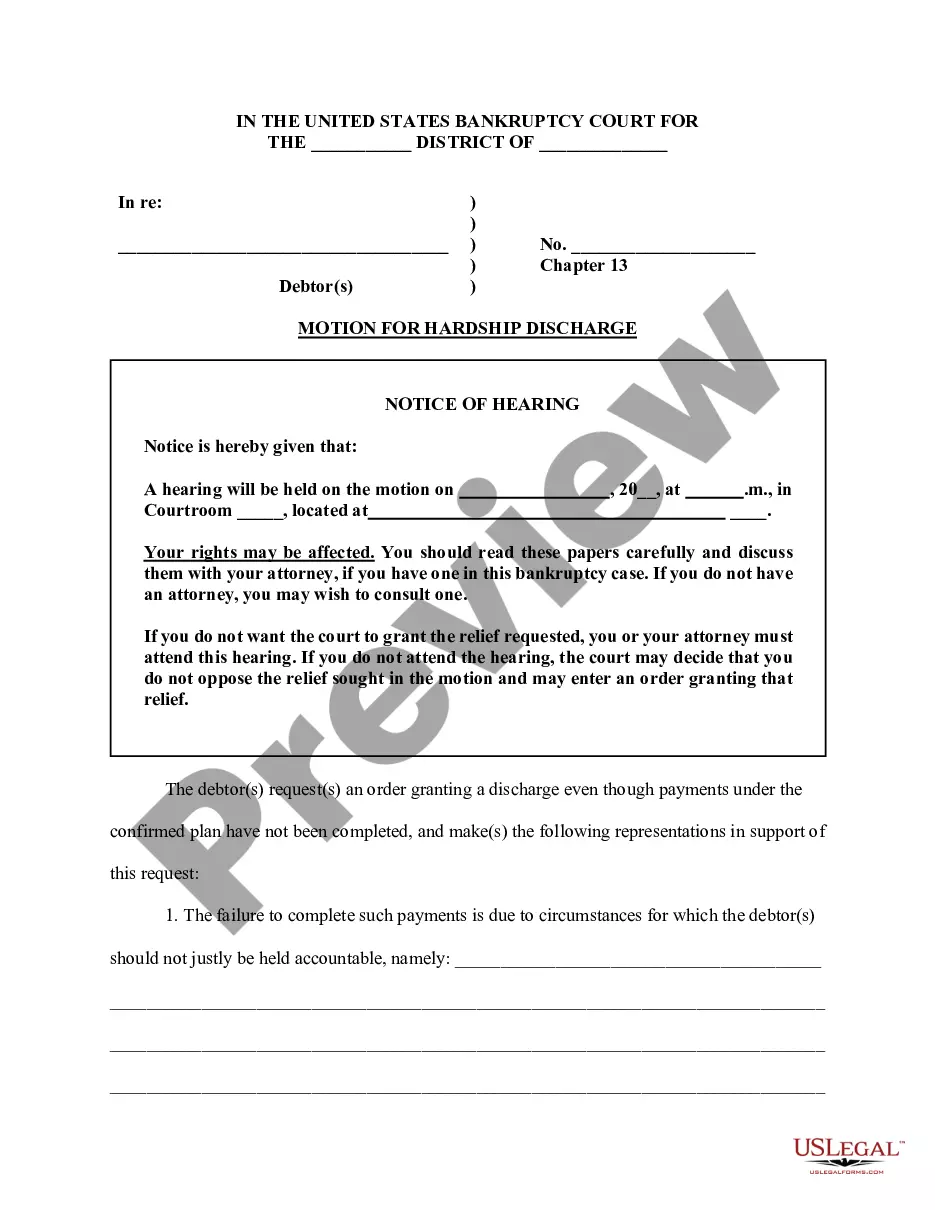
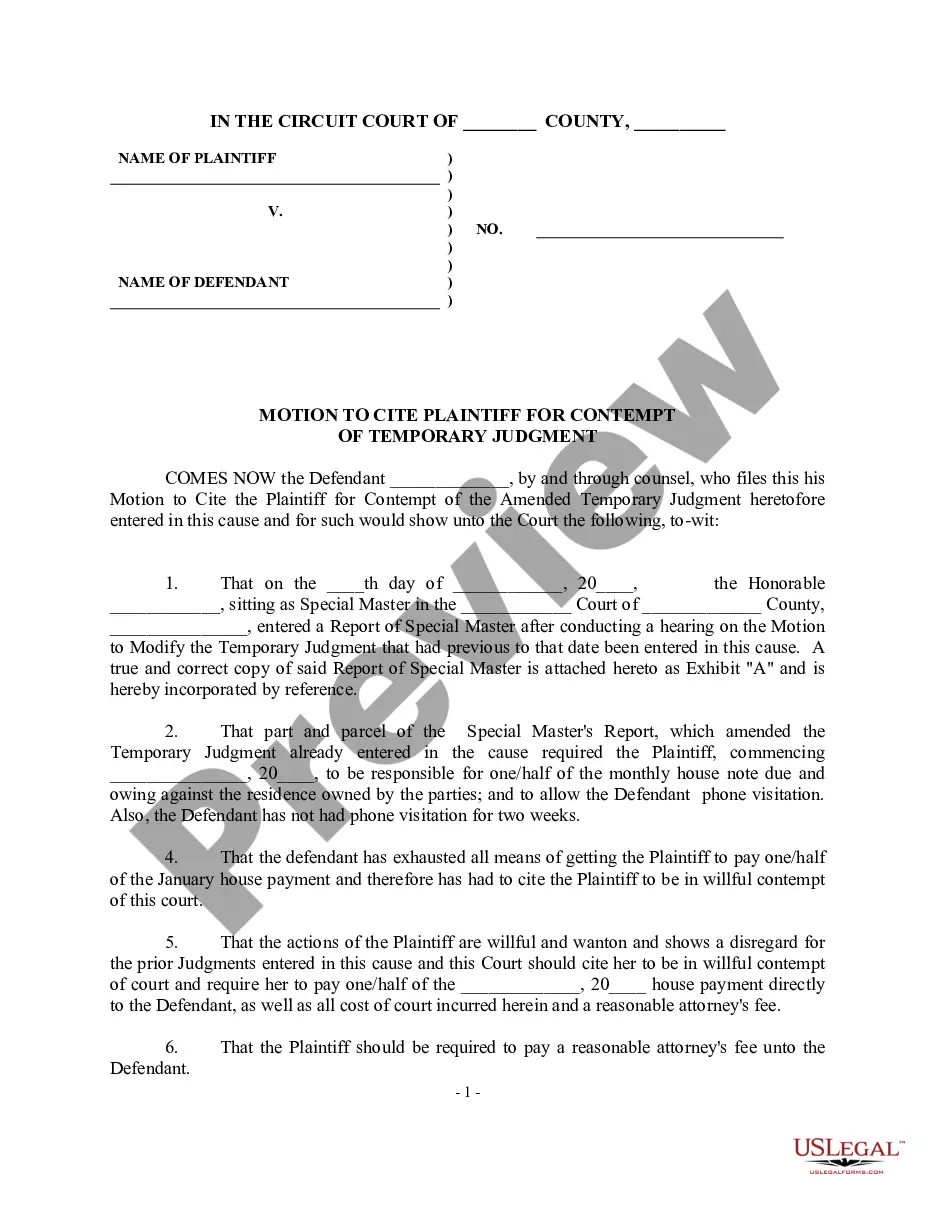
The Motion in Federal Court by Debtor to Hold Garnishing Creditor in Contempt is a legal document that allows a debtor to petition the U.S. Bankruptcy Court for an order against a creditor who has disregarded an automatic stay imposed by a bankruptcy filing. This motion is significant as it seeks to enforce the legal protections granted to the debtor by halting any collection actions that violate the automatic stay, which differs from general motions as it specifically targets contempt of court actions related to garnishments during bankruptcy proceedings.
Key components of this form
- Caption including the debtor's name and case number.
- Statement of the automatic stay initiation upon filing the petition.
- Details of the creditor's actions attempting to collect a debt post-filing.
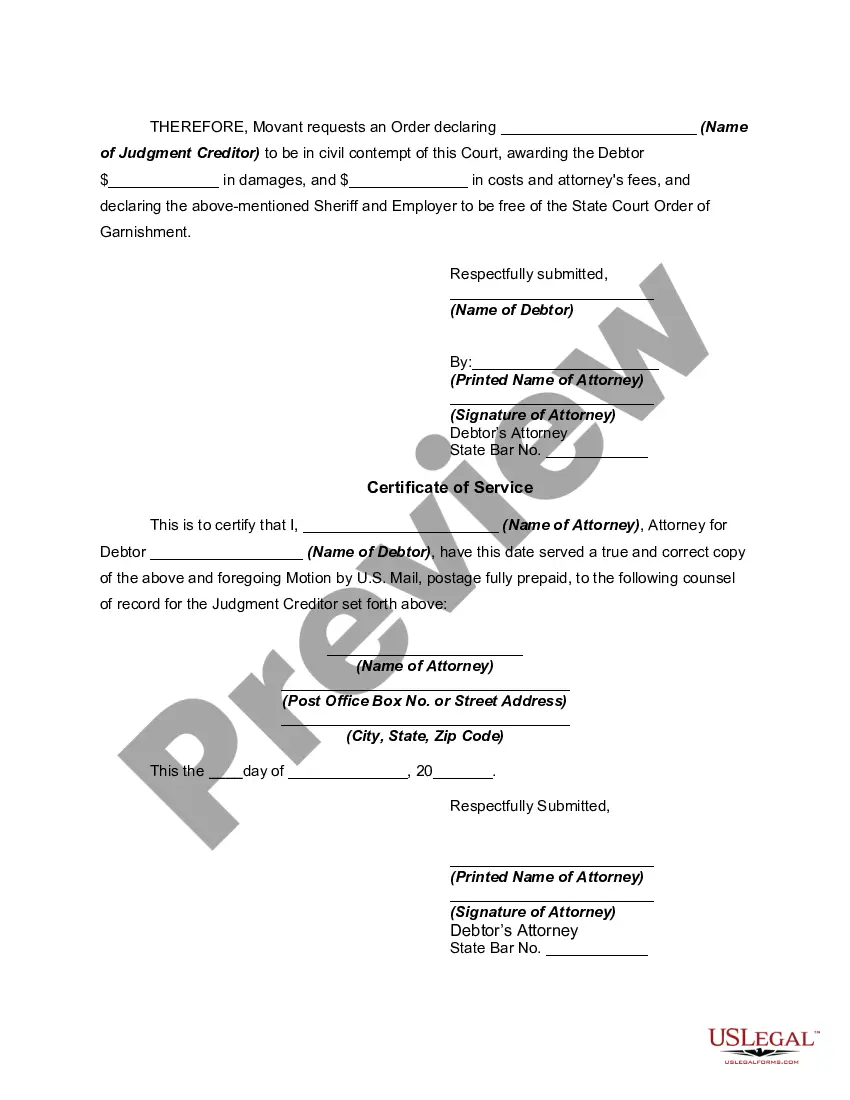
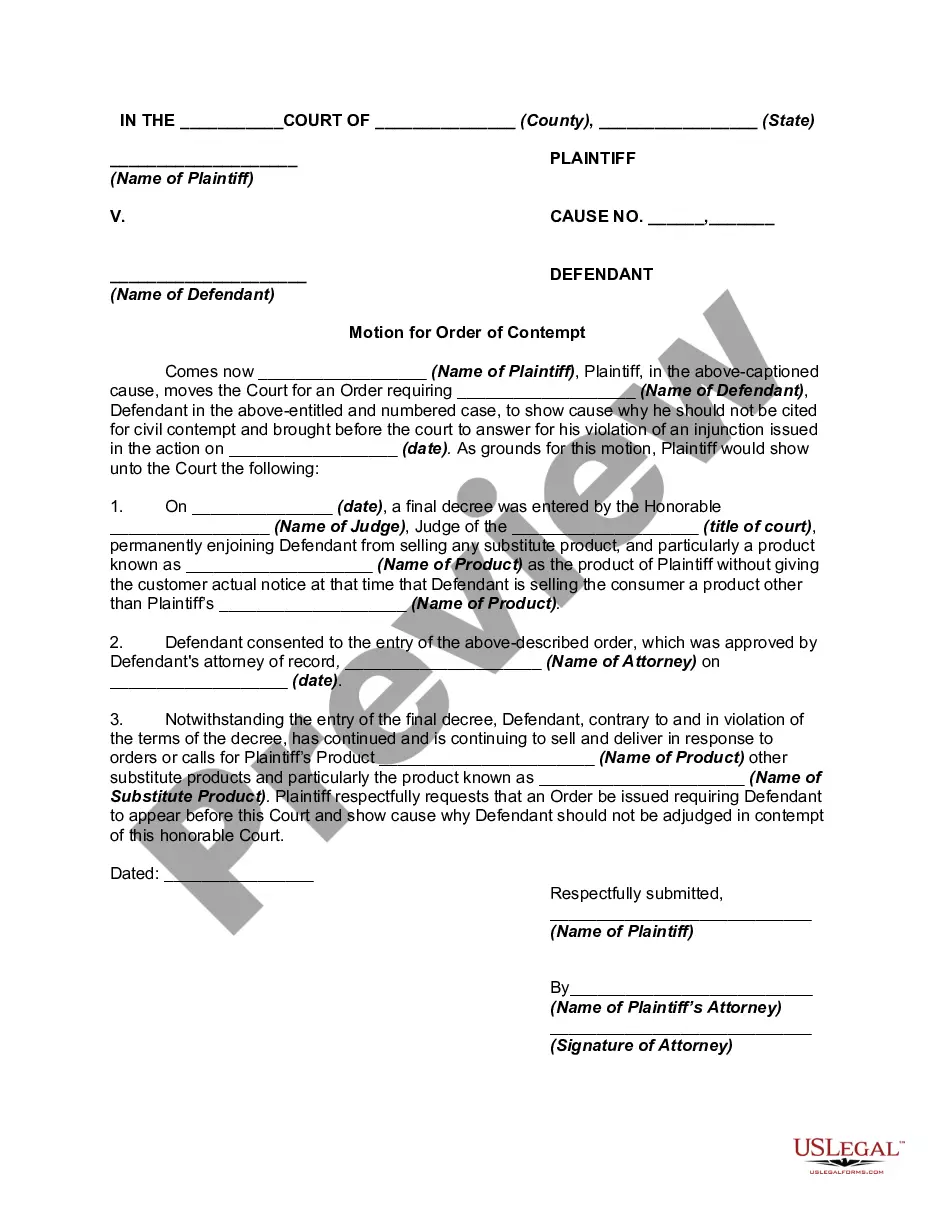
- Request for the court to declare the creditor in civil contempt.
- Claim for damages, costs, and attorney fees related to the contempt action.
When this form is needed
This form is used when a debtor has filed for bankruptcy and a creditor continues to deduct wages or conduct collection activities that violate the automatic stay. It is particularly relevant when the debtor wishes to hold the creditor accountable in court for their actions and seek relief from the financial strain caused by these violations.
Who needs this form
- Debtors who have filed for bankruptcy under Chapter 13.
- Individuals whose wages are being garnished after filing for bankruptcy.
- Attorneys representing debtors in bankruptcy cases.
Instructions for completing this form
- Fill in the case caption with the debtor's name and case number.
- Provide the date when the bankruptcy petition was filed.
- Identify the creditor and describe the nature of the violation of the automatic stay.
- State the damages requested and any associated costs.
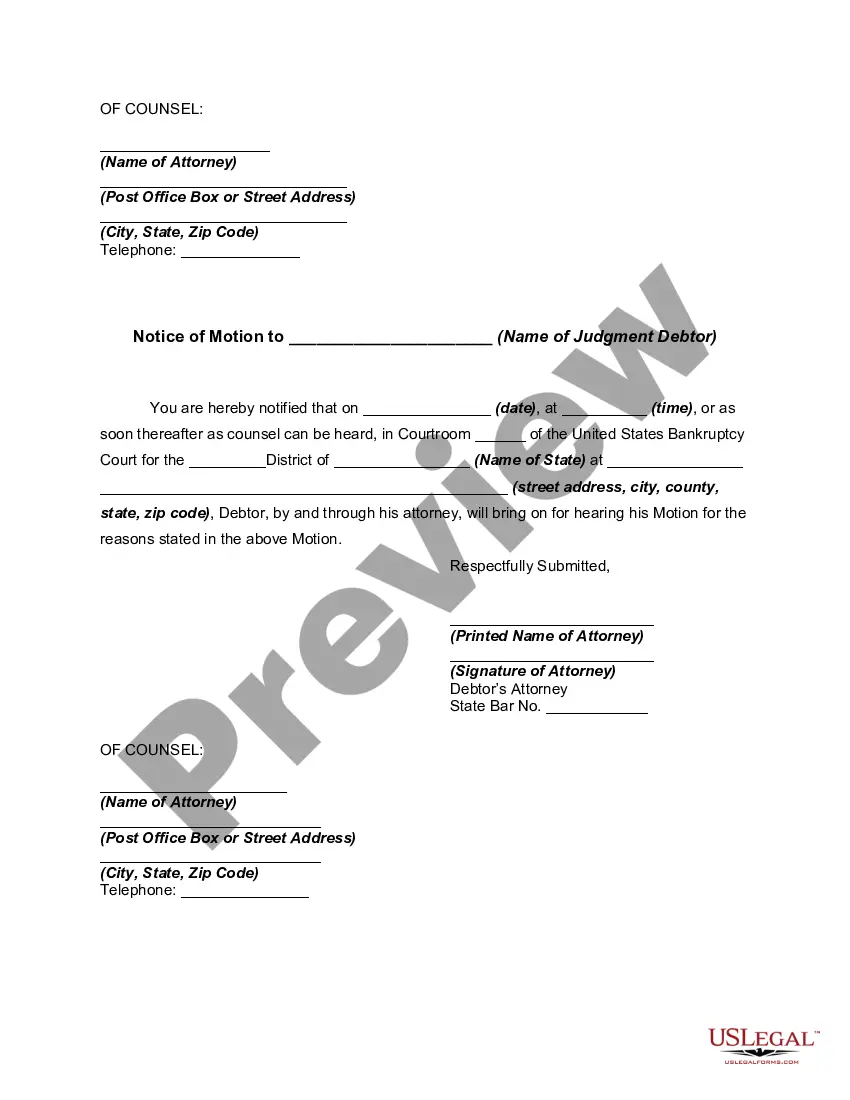
- Sign and date the motion, ensuring all required parties are listed appropriately.
Is notarization required?
This form does not typically require notarization to be legally valid. However, some jurisdictions or document types may still require it. US Legal Forms provides secure online notarization powered by Notarize, available 24/7 for added convenience.
Get your form ready online
Our built-in tools help you complete, sign, share, and store your documents in one place.
Make edits, fill in missing information, and update formatting in US Legal Forms—just like you would in MS Word.
Download a copy, print it, send it by email, or mail it via USPS—whatever works best for your next step.
Sign and collect signatures with our SignNow integration. Send to multiple recipients, set reminders, and more. Go Premium to unlock E-Sign.
If this form requires notarization, complete it online through a secure video call—no need to meet a notary in person or wait for an appointment.
We protect your documents and personal data by following strict security and privacy standards.

Make edits, fill in missing information, and update formatting in US Legal Forms—just like you would in MS Word.

Download a copy, print it, send it by email, or mail it via USPS—whatever works best for your next step.

Sign and collect signatures with our SignNow integration. Send to multiple recipients, set reminders, and more. Go Premium to unlock E-Sign.

If this form requires notarization, complete it online through a secure video call—no need to meet a notary in person or wait for an appointment.

We protect your documents and personal data by following strict security and privacy standards.
Common mistakes to avoid
- Failing to provide specific details about the creditor's actions.
- Not including the correct case number or debtor information.
- Omitting the signature of the attorney or debtor.
Benefits of completing this form online
- Convenient access to professionally drafted legal documents.
- Instant downloads that can be completed at your own pace.
- Ensures adherence to legal requirements for filings in bankruptcy court.
Legal use & context
- This form serves as a formal request to the court, intended to maintain the debtor's rights under bankruptcy law.
- Enforcement of the automatic stay is crucial for protecting debtor assets during bankruptcy proceedings.
- Violations of the stay can result in serious legal consequences for creditors, including contempt findings.
Summary of main points
- This motion protects debtors from unauthorized creditor actions after filing for bankruptcy.
- Timely filing is crucial to enforce your rights under bankruptcy law.
- Using a well-drafted form can simplify the legal process and enhance your chances of a successful outcome.
Looking for another form?

Form popularity
FAQ
If it's already started, you can try to challenge the judgment or negotiate with the creditor. But, they're in the driver's seat, and if they don't allow you to stop a garnishment by agreeing to make voluntary payments, you can't really force them to. You can, however, stop the garnishment by filing a bankruptcy case.
In most states, employers answer a writ of garnishment by filling out the paperwork attached to the judgment and returning it to the creditor or the creditor's attorney.
Pay the debt in full. Make alternative repayment arrangements. Apply to pay by instalments through the court. Use the Bankruptcy Act.
Include in your letter what steps you plan to take to address the default, such as making a reasonable effort at a payment plan. Mention any circumstances that have changed recently to make your ability to pay off the debt more likely. This conveys to the creditor your goodwill toward satisfying the debt.
If you receive a notice of a wage garnishment order, you might be able to protect or exempt some or all of your wages by filing an exemption claim with the court. You can also stop most garnishments by filing for bankruptcy. Your state's exemption laws determine the amount of income you'll be able to keep.
Respond to the Creditor's Demand Letter. Seek State-Specific Remedies. Get Debt Counseling. Object to the Garnishment. Attend the Objection Hearing (and Negotiate if Necessary) Challenge the Underlying Judgment. Continue Negotiating.
If you are served with a garnishment summons, do not ignore these documents because they do not directly involve a debt that you owe. Instead, you should immediately freeze any payments to the debtor, retain the necessary property, and provide the required written disclosure.
There is no wage garnishment tax deduction that can automatically reduce your income tax if you have wages garnished. However, if your wages are being garnished to pay a tax-deductible expense, like medical debt, you may be able to deduct those payments.
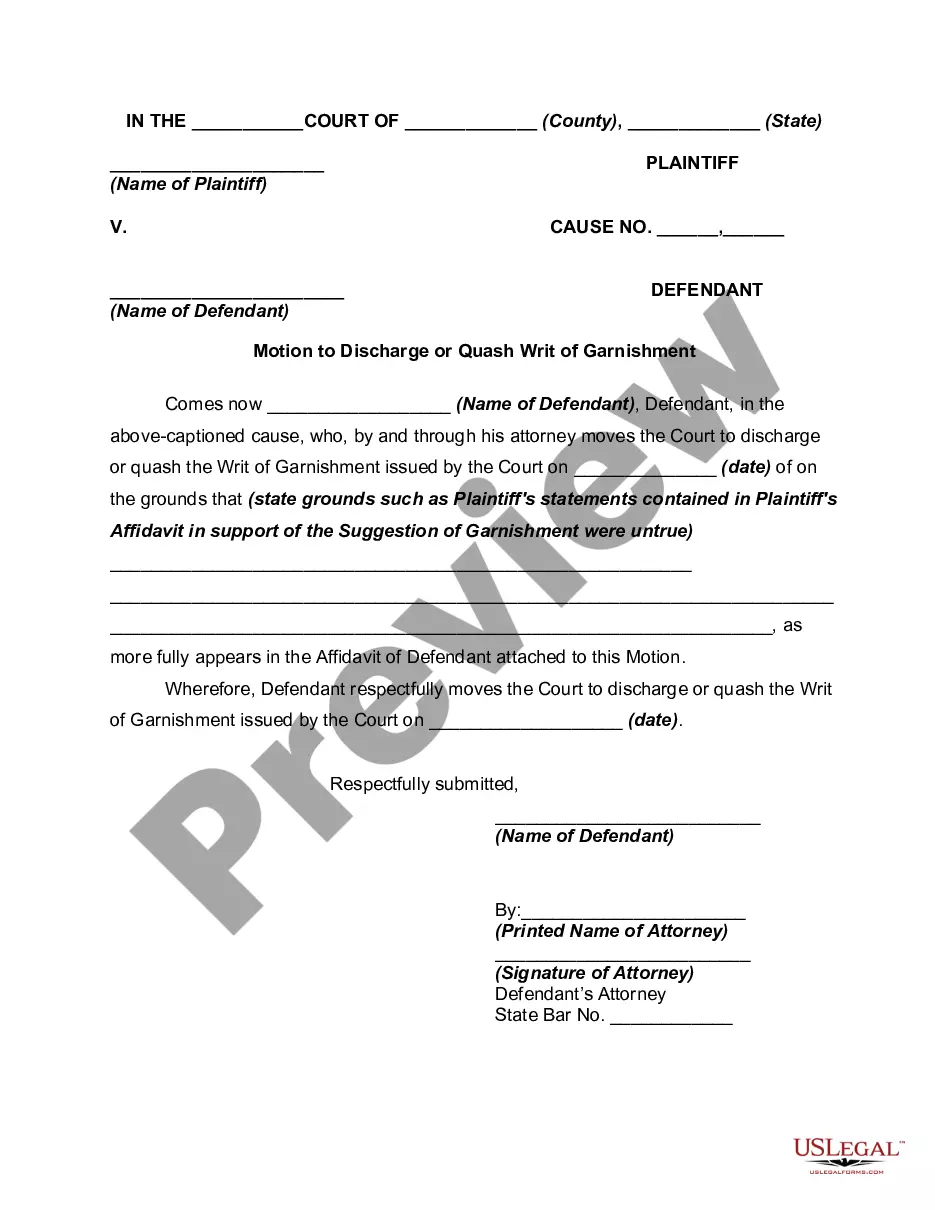
Judgment Creditors Regular creditors cannot garnish your wages without first suing you in court and obtaining a money judgment. That means that if you owe money to a credit card company, doctor, dentist, furniture company, or the like, you don't have to worry about garnishment unless those creditors sue you in court.