Affidavit by Claimant of Lost Property
What is this form?
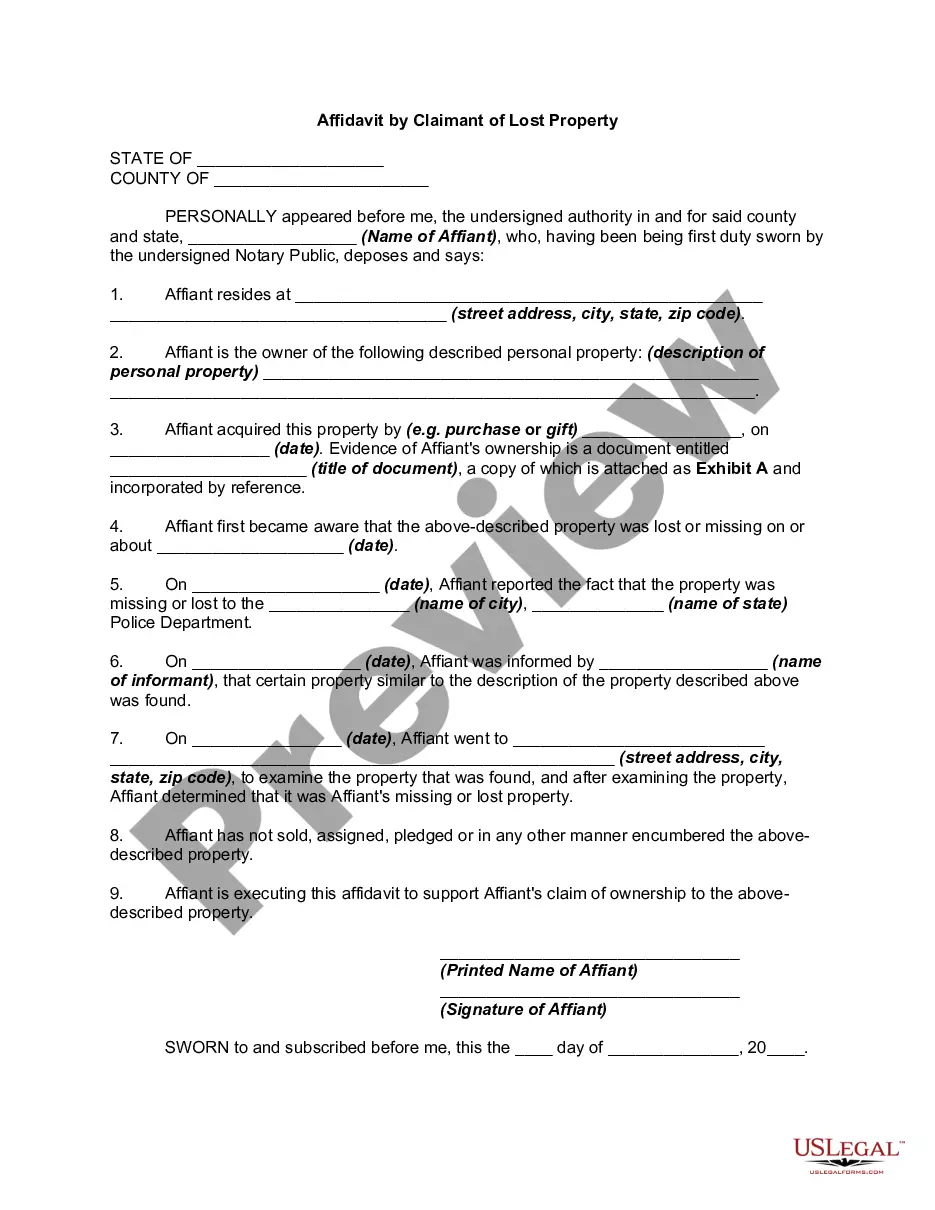
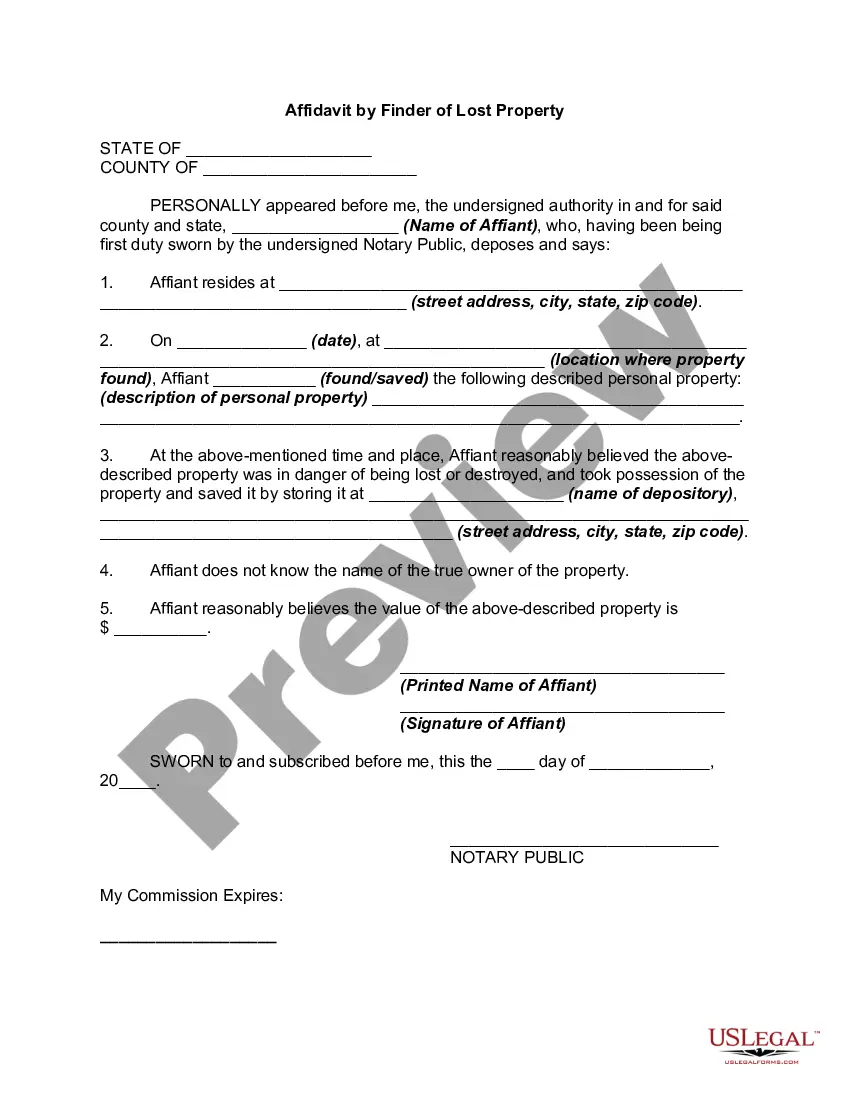
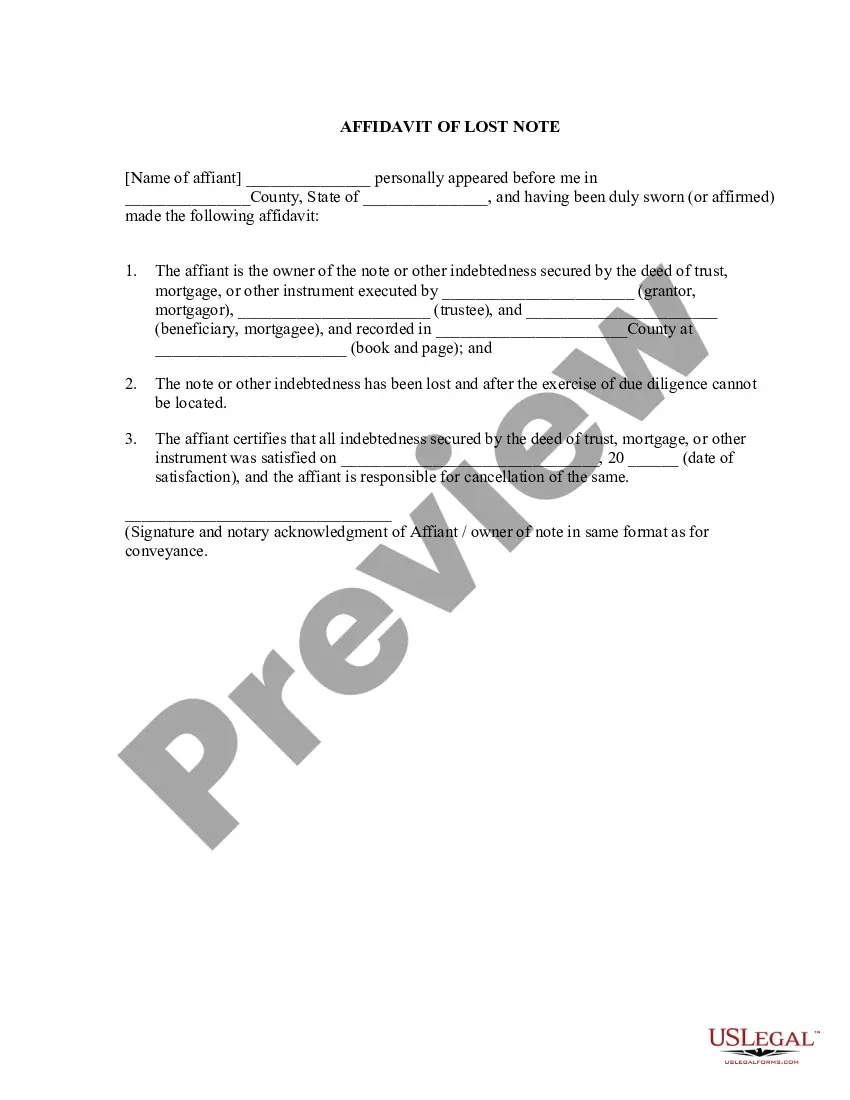
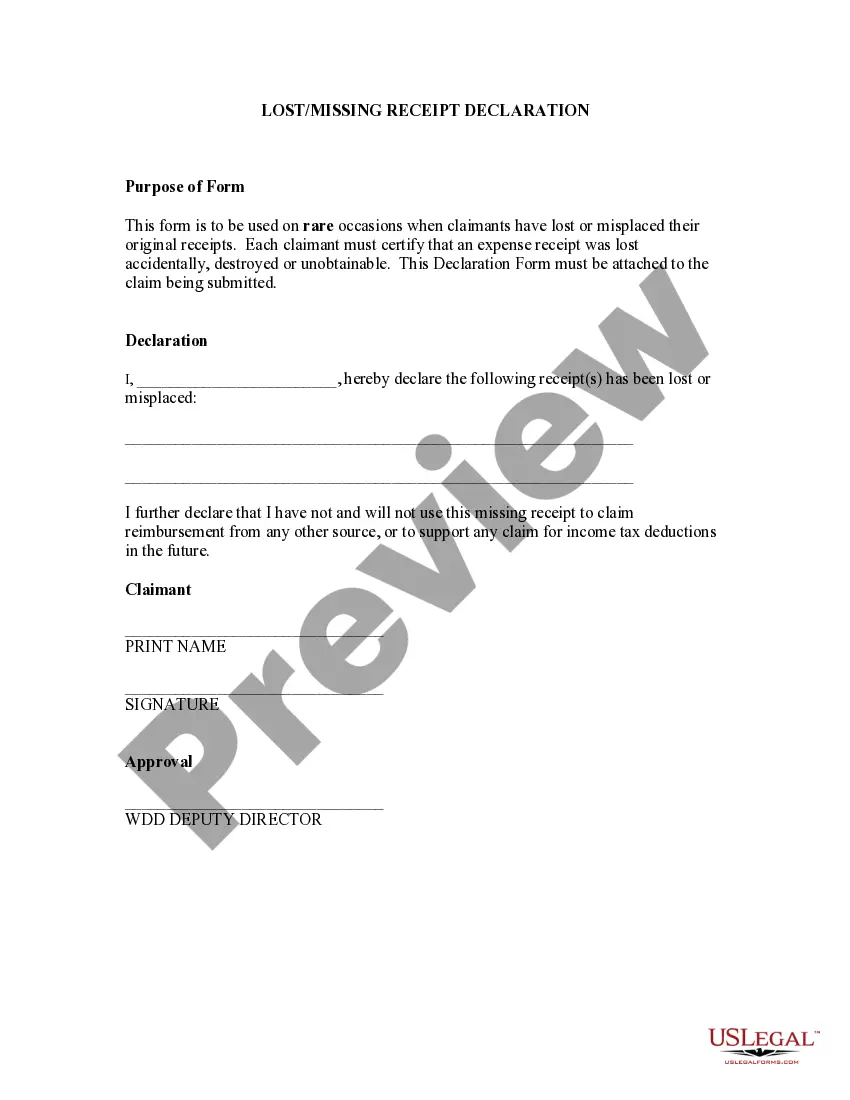
The Affidavit by Claimant of Lost Property is a legal document used by individuals to declare that they are the rightful owners of personal property that has been lost. This form serves to formally assert ownership of the lost property and to support any claims made to recover it. Unlike similar declarations, this affidavit requires specific information regarding the loss of the property and a sworn statement from the claimant, ensuring that the document is legally binding.
Key components of this form
- Name and address of the claimant (affiant).
- Description of the lost property.
- Details on how the property was acquired and supporting evidence of ownership.
- Date when the property was first recognized as lost.
- Information about reporting the loss to local authorities.
- Statement confirming that the claimant has not disposed of the property in any manner.

When this form is needed
This affidavit should be used when an individual has lost personal property and needs to formally document their ownership and the circumstances surrounding the loss. It is particularly useful when the property is recovered, or when dealing with lost property found by others, as it establishes the claimant's legal claim to the item.
Who this form is for
- Individuals who have lost personal property and wish to claim it.
- Property owners who can provide proof of ownership.
- Anyone needing to assert a claim regarding lost property in a legal or authoritative context.
Steps to complete this form
- Identify yourself as the affiant with your full name and address.
- Provide a detailed description of the lost property.
- Indicate how you acquired the property and attach relevant documents as evidence.
- Record the date you first realized the property was missing.
- Document any reports made to local police regarding the lost property.
- Sign the affidavit before a notary public to validate your statement.
Notarization guidance
This form needs to be notarized to ensure legal validity. US Legal Forms provides secure online notarization powered by Notarize, allowing you to complete the process through a verified video call, available anytime.
Get your form ready online
Our built-in tools help you complete, sign, share, and store your documents in one place.
Make edits, fill in missing information, and update formatting in US Legal Forms—just like you would in MS Word.
Download a copy, print it, send it by email, or mail it via USPS—whatever works best for your next step.
Sign and collect signatures with our SignNow integration. Send to multiple recipients, set reminders, and more. Go Premium to unlock E-Sign.
If this form requires notarization, complete it online through a secure video call—no need to meet a notary in person or wait for an appointment.
We protect your documents and personal data by following strict security and privacy standards.

Make edits, fill in missing information, and update formatting in US Legal Forms—just like you would in MS Word.

Download a copy, print it, send it by email, or mail it via USPS—whatever works best for your next step.

Sign and collect signatures with our SignNow integration. Send to multiple recipients, set reminders, and more. Go Premium to unlock E-Sign.

If this form requires notarization, complete it online through a secure video call—no need to meet a notary in person or wait for an appointment.

We protect your documents and personal data by following strict security and privacy standards.
Avoid these common issues
- Failing to include a complete description of the lost property.
- Not providing evidence of ownership.
- Omitting the date when the property was first recognized as lost.
- Neglecting to sign the affidavit in the presence of a notary.
Why use this form online
- Convenient access to legally sound templates crafted by licensed attorneys.
- Easy to fill and customize according to individual circumstances.
- Secure storage and downloading options for your important documents.
What to keep in mind
- The Affidavit by Claimant of Lost Property is a crucial document for asserting ownership of lost items.
- Must include detailed descriptions and evidence of ownership.
- Requires notarization to ensure legal validity.
Looking for another form?







Form popularity
FAQ
The Michigan Unclaimed Property website is available at www.michigan.gov/unclaimedproperty. Claimants may also call Michigan Unclaimed Property at (517) 636-5320 between 9 a.m. and 4 p.m. on weekdays.
After one year or more, those assets are unclaimed and go to the state. That money is lawfully protected and kept by the state to be returned to the owner rather than reverting back to the party who initially distributed the money. In most states, the money is generally held until the owner is found.
The Michigan Unclaimed Property website is available at www.michigan.gov/unclaimedproperty. Claimants may also call Michigan Unclaimed Property at (517) 636-5320 between 9 a.m. and 4 p.m. on weekdays.
You can search for yourself or for others by visiting claimit.ca.gov. More information is available by contacting the Unclaimed Property Division at (800) 992-4647.
For assistance with property owner claim inquiries, contact UPD Call Center: (800) 992-4647 (Nationwide), (916) 323-2827 (Outside of U.S.) You may also submit an email form to request additional information.
The executor or administrator must complete the claim. If there's more than one executor or administrator, all must be part of the claim. Search online for the unclaimed money. Lodge a claim online for the unclaimed money.
First, go to your state's unclaimed property website to check if you're owed funds. If you've moved around a lot, you can try sites like missingmoney.com or unclaimed.org, which may be able to search multiple state databases at once.
The States want to get the unclaimed property to The Rightful Owner, and, unfortunately, there is always someone out there that wants property that is not theirs to claim, so the States are diligent in the investigation of a claim. They will request information to prove your claim and that you are The Rightful Owner.
Relatives are entitled to unclaimed money belonging to a deceased family member. Billions of dollars in unclaimed property collects dust each year in the unclaimed property divisions that are maintained by state governments across the country.Unclaimed money can legally be claimed by relatives of a deceased person.