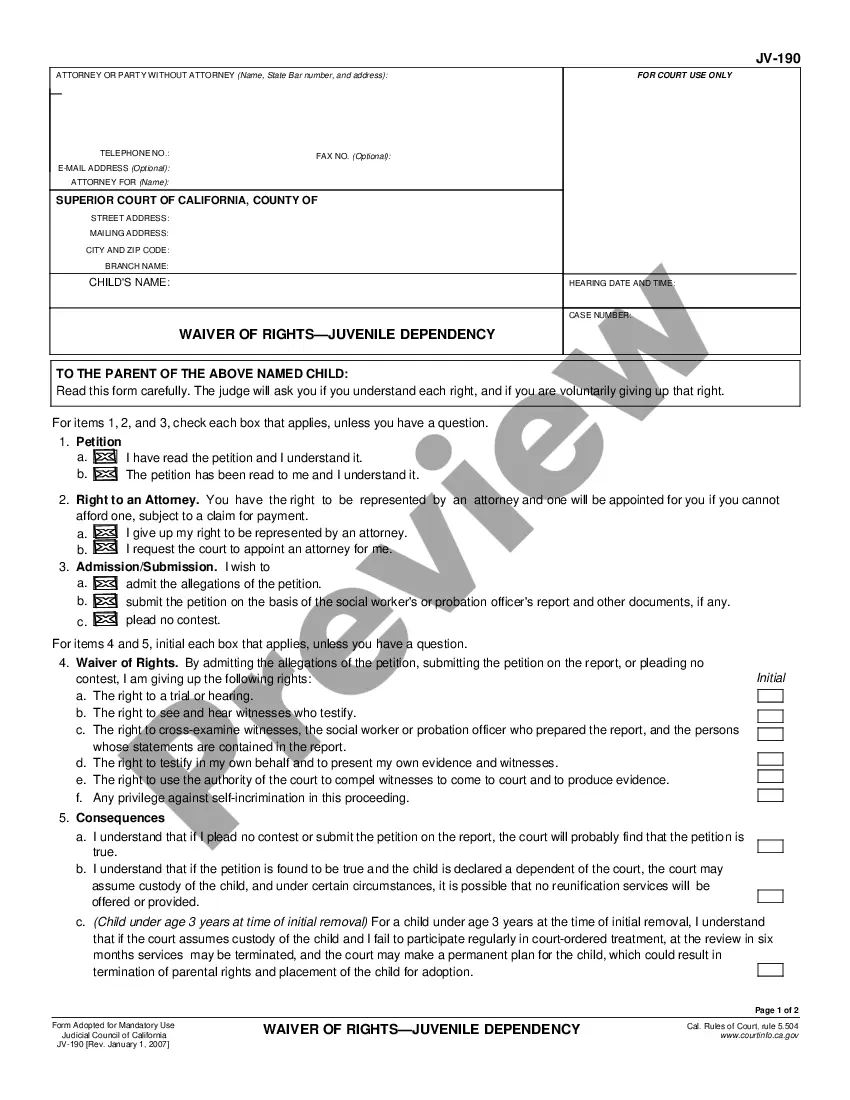
Motion by Defendant to Dismiss with Prejudice for Failure to Prosecute
About this form
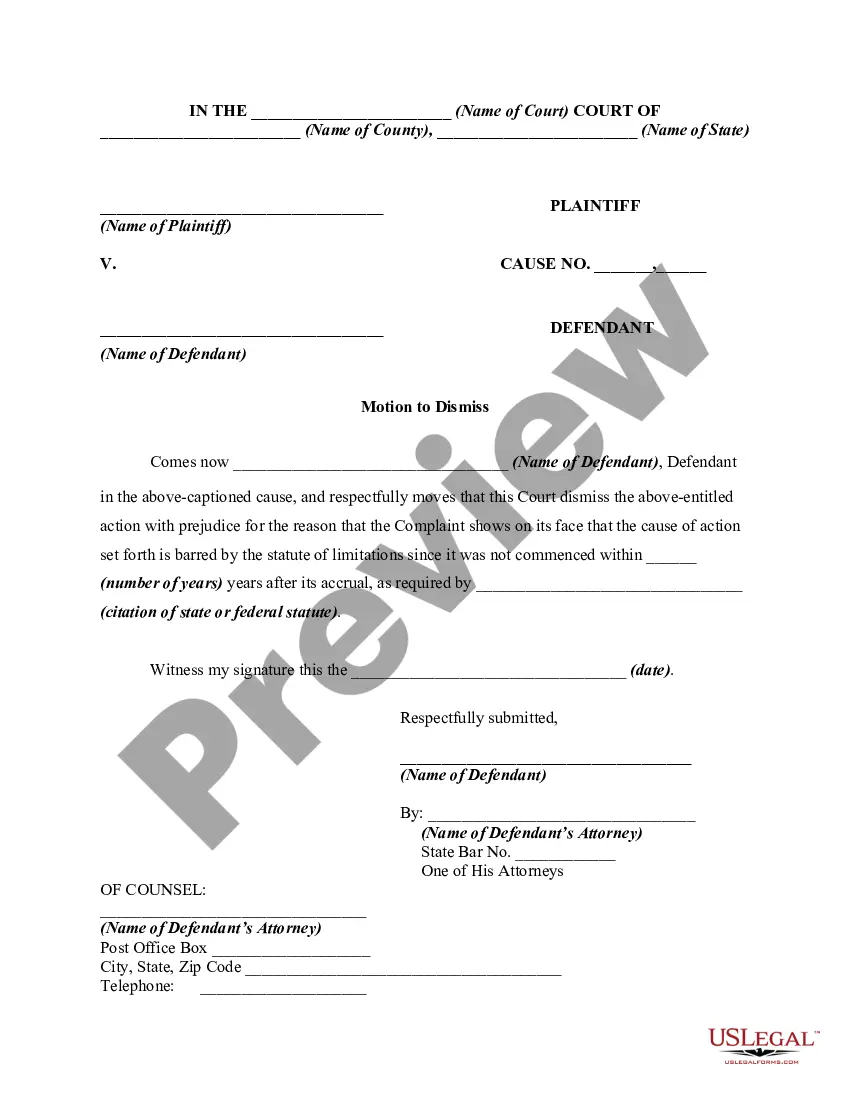
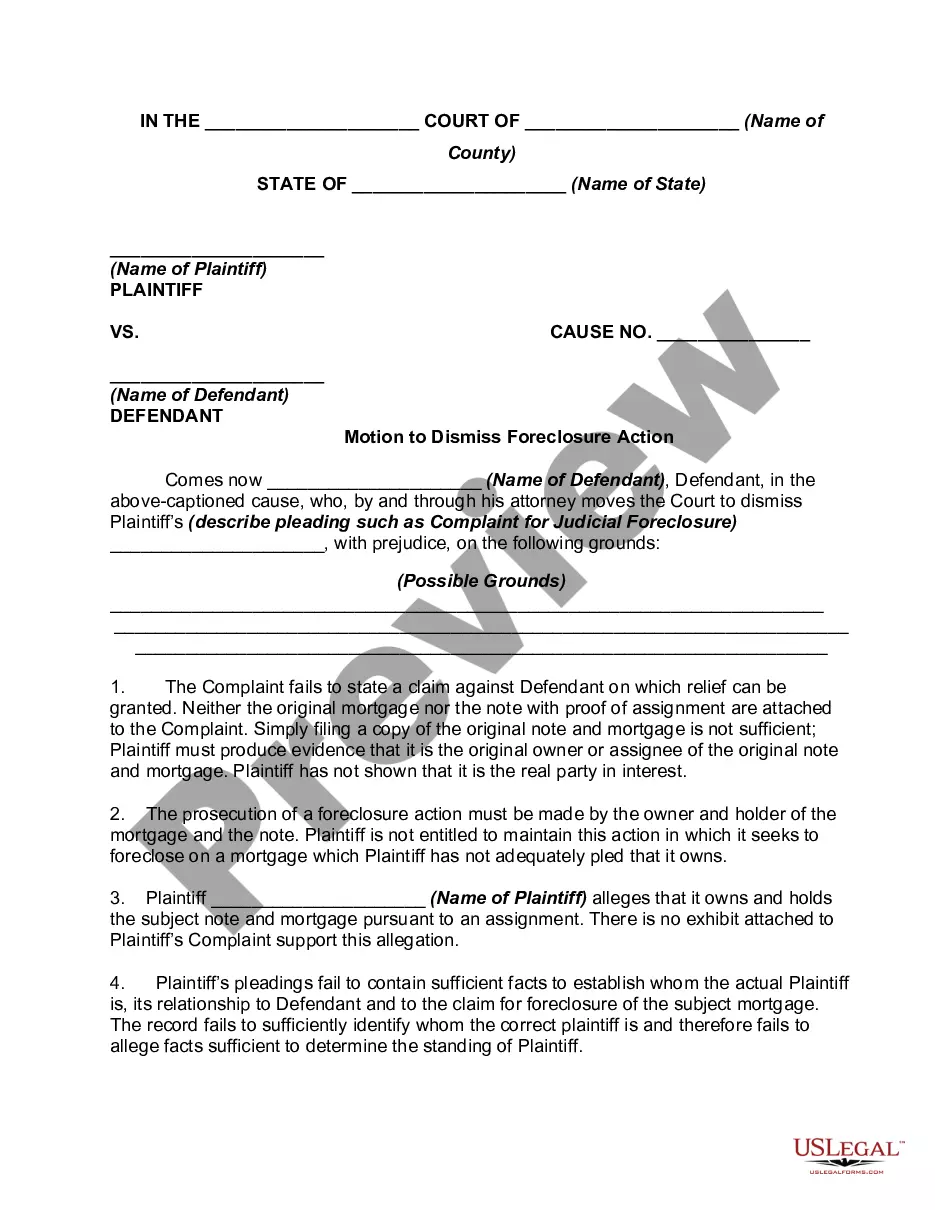
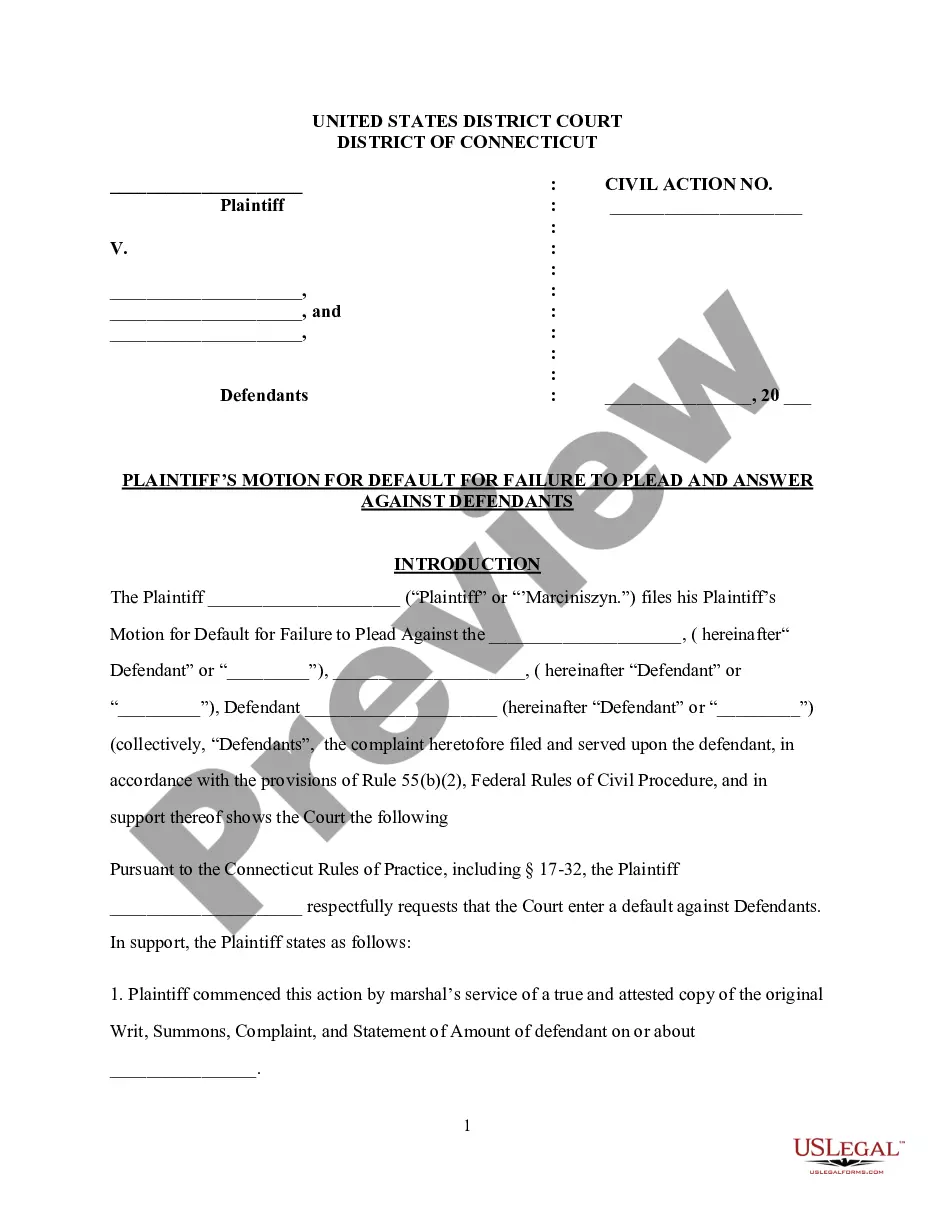
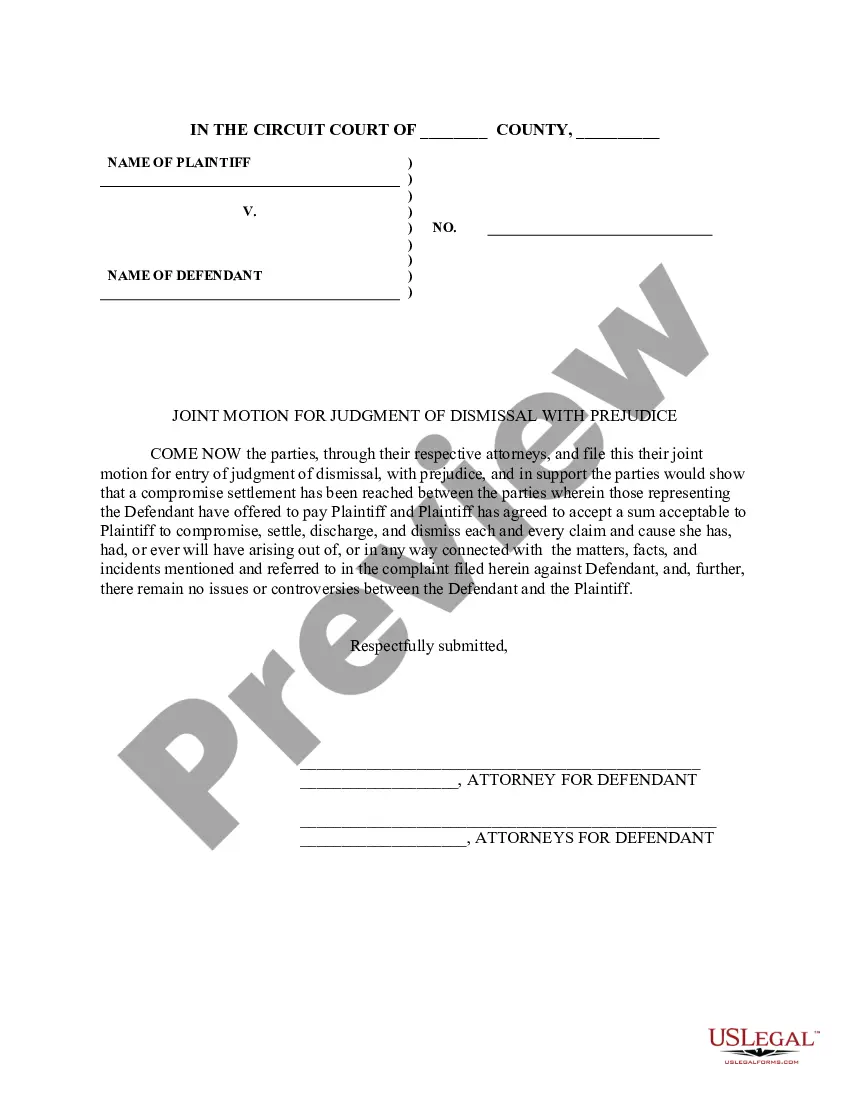
The Motion by Defendant to Dismiss with Prejudice for Failure to Prosecute is a legal document used by defendants in civil cases. Its purpose is to request the court to dismiss the case due to the plaintiff's failure to actively pursue the lawsuit. This motion is a serious action, as it seeks a dismissal with prejudice, meaning the plaintiff cannot refile the case. This form adheres to the guidelines provided under Rule 41(b) of the Federal Rules of Civil Procedure, which many states incorporate into their own rules.
What’s included in this form
- Case title: Names of the plaintiff and defendant.
- Motion heading: States the purpose of the document.
- Grounds for dismissal: Explanation of the plaintiff's lack of diligence.
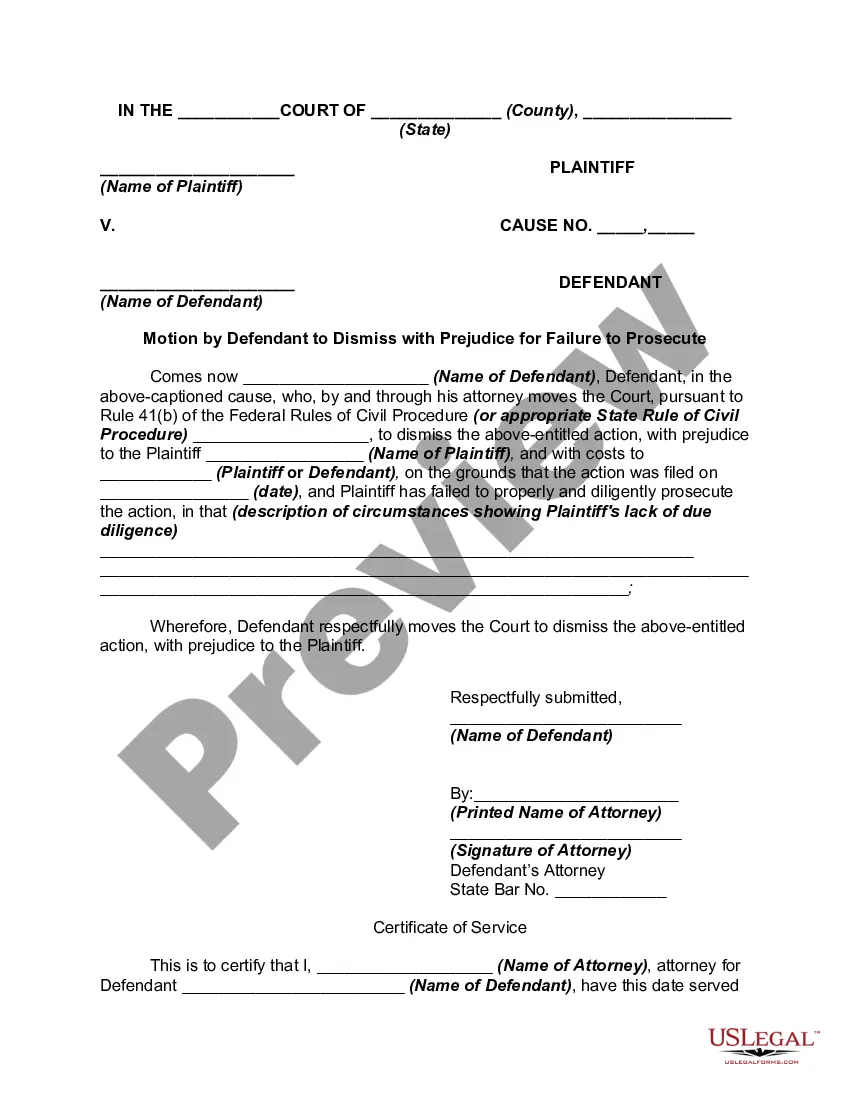
- Signature line for the defendant's attorney: Includes printed name and state bar number.
- Certificate of service: Confirms that the motion has been sent to the plaintiff's attorney.
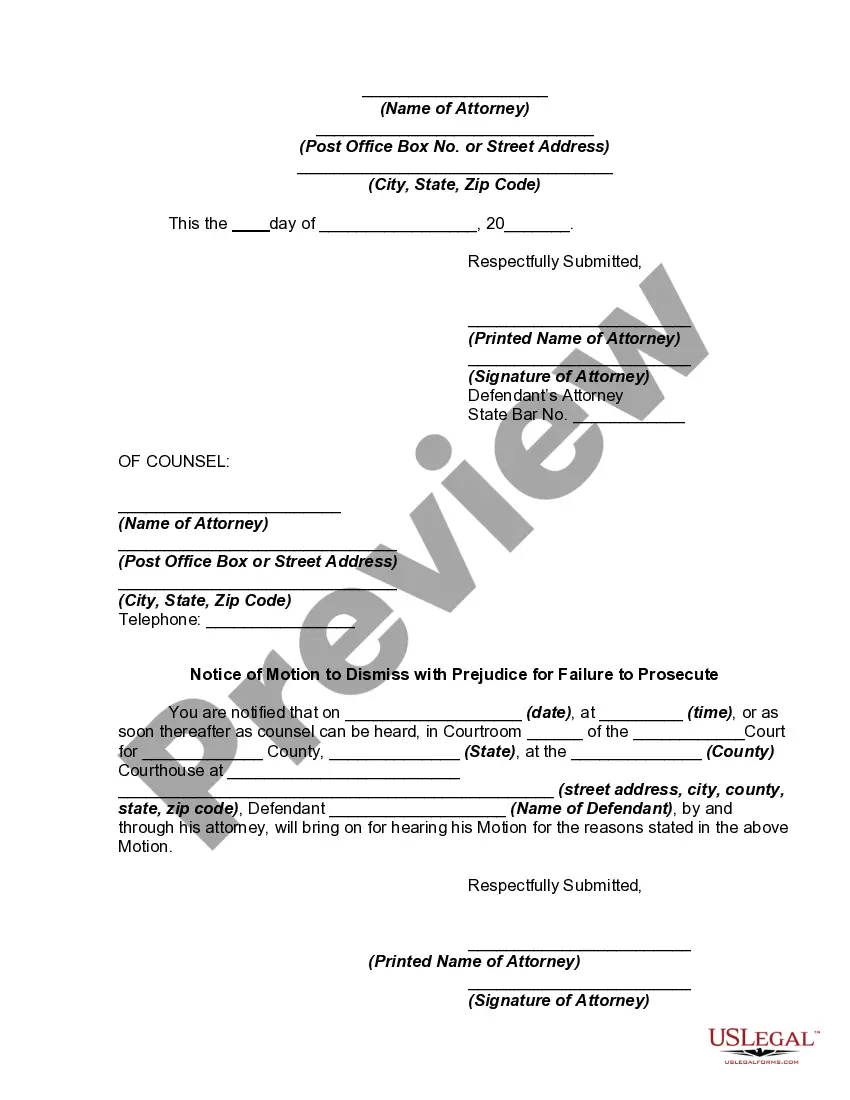
- Notice of motion: Provides details on the hearing date and location.

Situations where this form applies
This form should be used when a defendant believes that the plaintiff is not adequately pursuing their case. Common scenarios for filing this motion include prolonged inactivity in the case, failure to adhere to court orders, or lack of communication from the plaintiff. It helps defendants protect their interests and avoid unnecessary delays in the legal process.
Who needs this form
- Defendants in civil lawsuits who are experiencing delays caused by the plaintiff.
- Attorneys representing defendants seeking a formal dismissal of the case.
- Parties interested in streamlining their legal proceedings when faced with inactive cases.
Instructions for completing this form
- Identify the parties involved: Fill in the names of the plaintiff and defendant.
- Specify the grounds for dismissal: Clearly describe the reasons for the motion, including any lack of diligence by the plaintiff.
- Enter relevant dates: Include the date the action was filed and the current date for the motion hearing.
- Sign and date the motion: The attorney for the defendant must sign and provide their state bar number.
- Notify the opposing counsel: Include a certificate of service detailing how the motion was delivered to the plaintiffâs attorney.
Is notarization required?
This form does not typically require notarization unless specified by local law. However, always ensure compliance with your jurisdiction's specific requirements.
Get your form ready online
Our built-in tools help you complete, sign, share, and store your documents in one place.
Make edits, fill in missing information, and update formatting in US Legal Forms—just like you would in MS Word.
Download a copy, print it, send it by email, or mail it via USPS—whatever works best for your next step.
Sign and collect signatures with our SignNow integration. Send to multiple recipients, set reminders, and more. Go Premium to unlock E-Sign.
If this form requires notarization, complete it online through a secure video call—no need to meet a notary in person or wait for an appointment.
We protect your documents and personal data by following strict security and privacy standards.

Make edits, fill in missing information, and update formatting in US Legal Forms—just like you would in MS Word.

Download a copy, print it, send it by email, or mail it via USPS—whatever works best for your next step.

Sign and collect signatures with our SignNow integration. Send to multiple recipients, set reminders, and more. Go Premium to unlock E-Sign.

If this form requires notarization, complete it online through a secure video call—no need to meet a notary in person or wait for an appointment.

We protect your documents and personal data by following strict security and privacy standards.
Avoid these common issues
- Failing to include specific reasons for the plaintiff's lack of prosecution.
- Not providing proper notice to opposing counsel about the motion hearing.
- Missing attorney signatures or state bar numbers.
- Submitting the motion without adhering to any local jurisdiction deadlines.
Advantages of online completion
- Easy access to a legally vetted form customized for your needs.
- Convenient electronic filing options to streamline the legal process.
- Editable documents that can be tailored to specific case requirements.
- Immediate downloads allowing for quick preparation and submission.
Looking for another form?
Form popularity
FAQ
A case will be dismissed with prejudice if there is reason for the case not to be brought back to court; for example, if the judge deems the lawsuit frivolous or the the matter under consideration is resolved outside of court.
Federal EEOC guidelines forbid turning down job candidates on the sole basis of arrests that don't lead to conviction. GoodHire excludes dismissed charges from its background check results.
Dismissed for want of prosecution or DWOP means your case is dismissed by the judge because nothing has happened in your case for a while or you missed a hearing or trial (of which you had notice).
LOP stands for Lack of Prosecution. Generally Dismissal for lack of prosecution occurs when the court closes a case as nothing has been filed within a specified period of time.Usually the case is dismissed without prejudice so that the party can re-file the case.
Yes, you can be recharged. A dismissal is not an adjudication of the charge on its merits, so double jeopardy doesn't apply. To dismiss and recharge an individual is a common tactic utilized by the state frequently.
WHAT IS A DISMISSED CASE? A dismissed criminal case is one in which you were not convicted. When a criminal charge is dismissed, you are not guilty and the case is concluded.
In a criminal court, a judge can dismiss a case with prejudice, for example, when false accusations and lingering suspicions may do harm to the defendant's reputation or position in the community.
Dismissal. A civil matter which is "dismissed with prejudice" is over forever.The dismissal itself may be appealed. If it is a "voluntary dismissal with prejudice", it is the result of an out of court agreement or settlement between parties that they agree is final.
The first lines of your motion should state your name and role in the case, and what you are asking the judge to do. Traditionally, the first line begins "Comes now the defendant," followed by your name. Then you state that you're asking the court to dismiss the plaintiff's complaint.