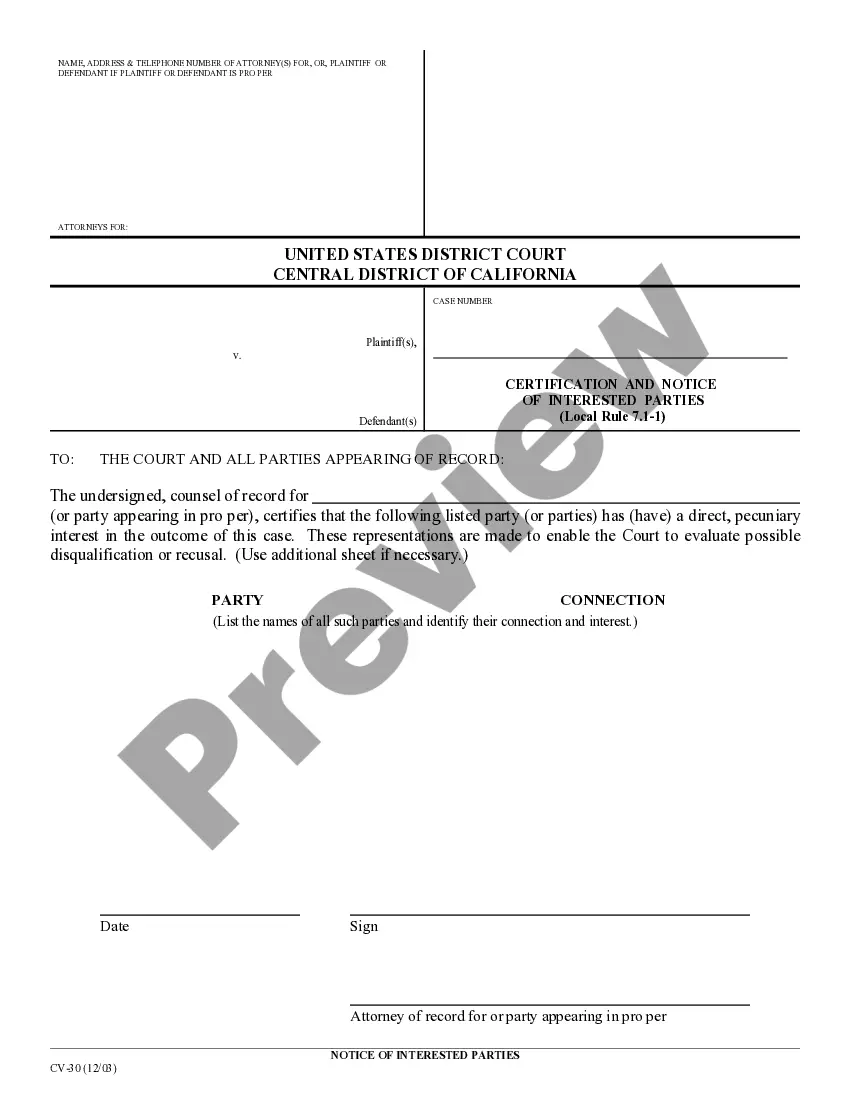
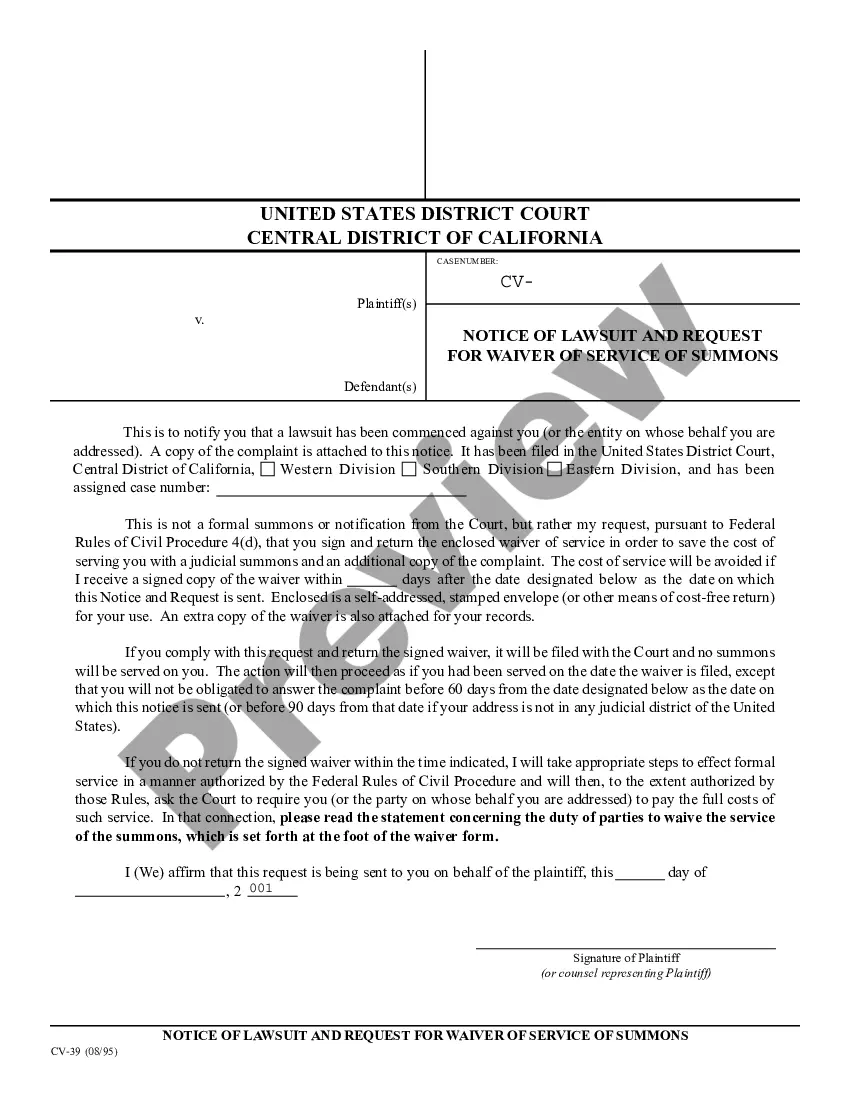
Motion for New Trial for Purpose of Expunging Criminal Record
What this document covers
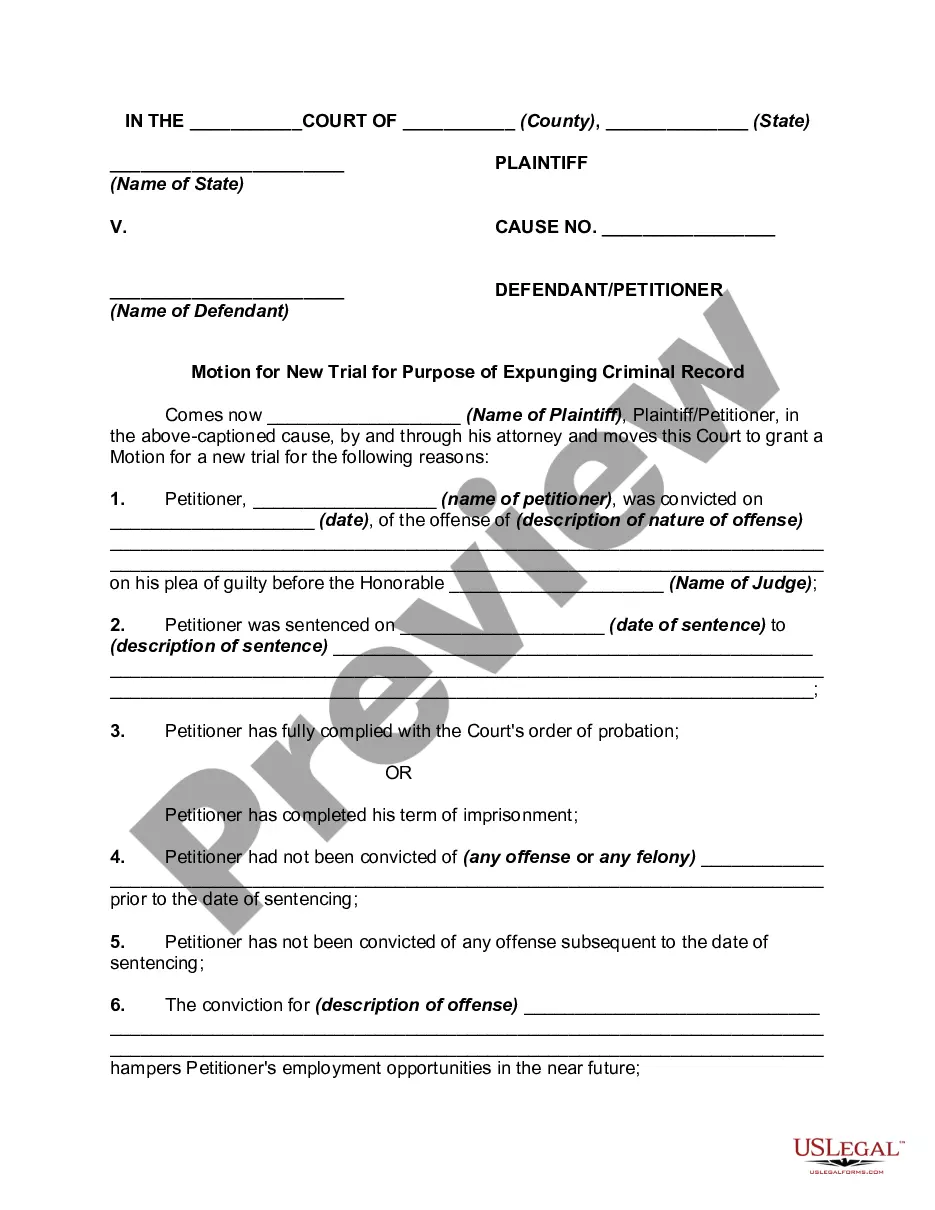
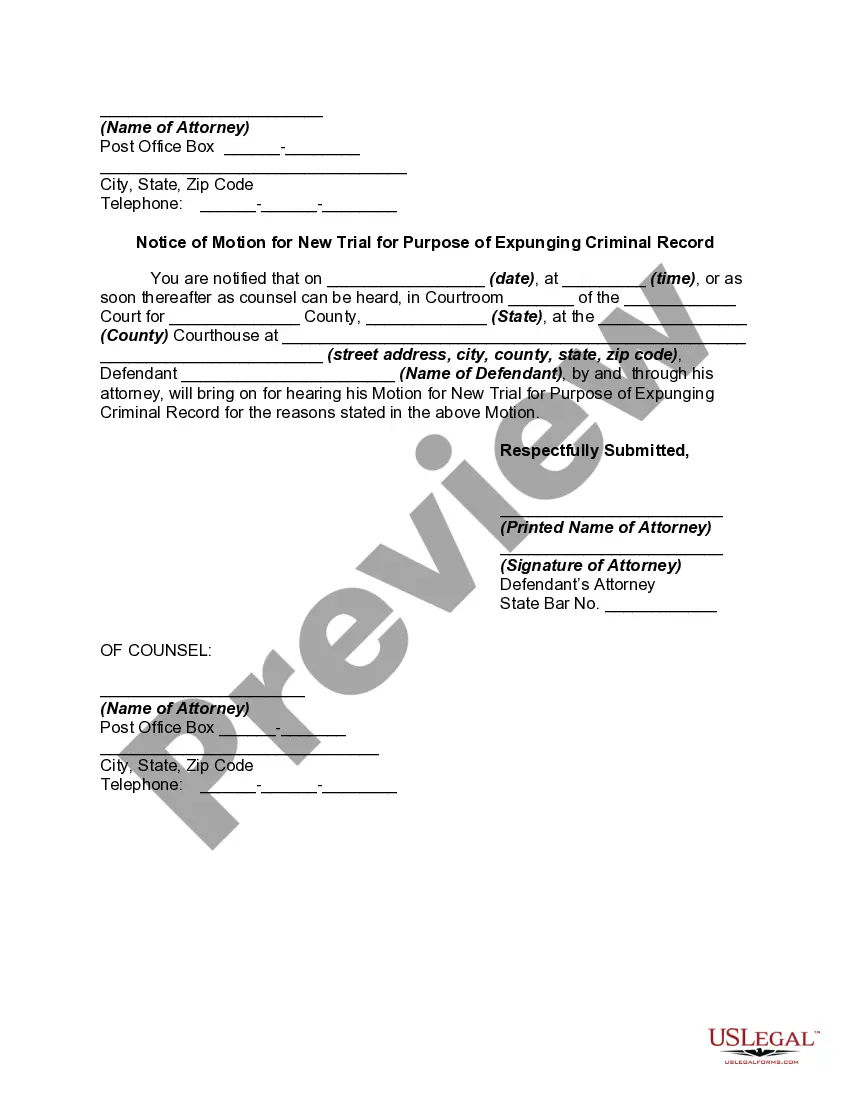
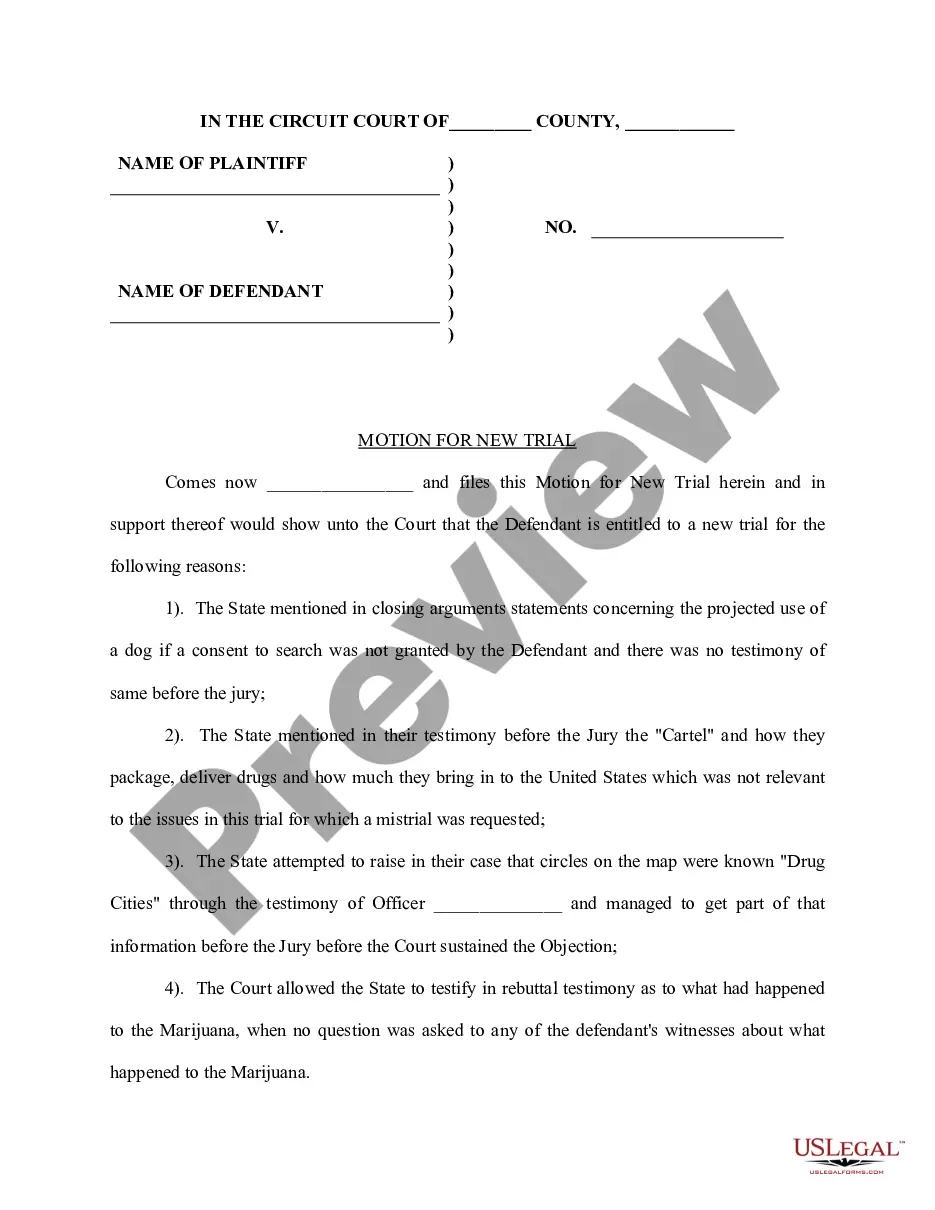
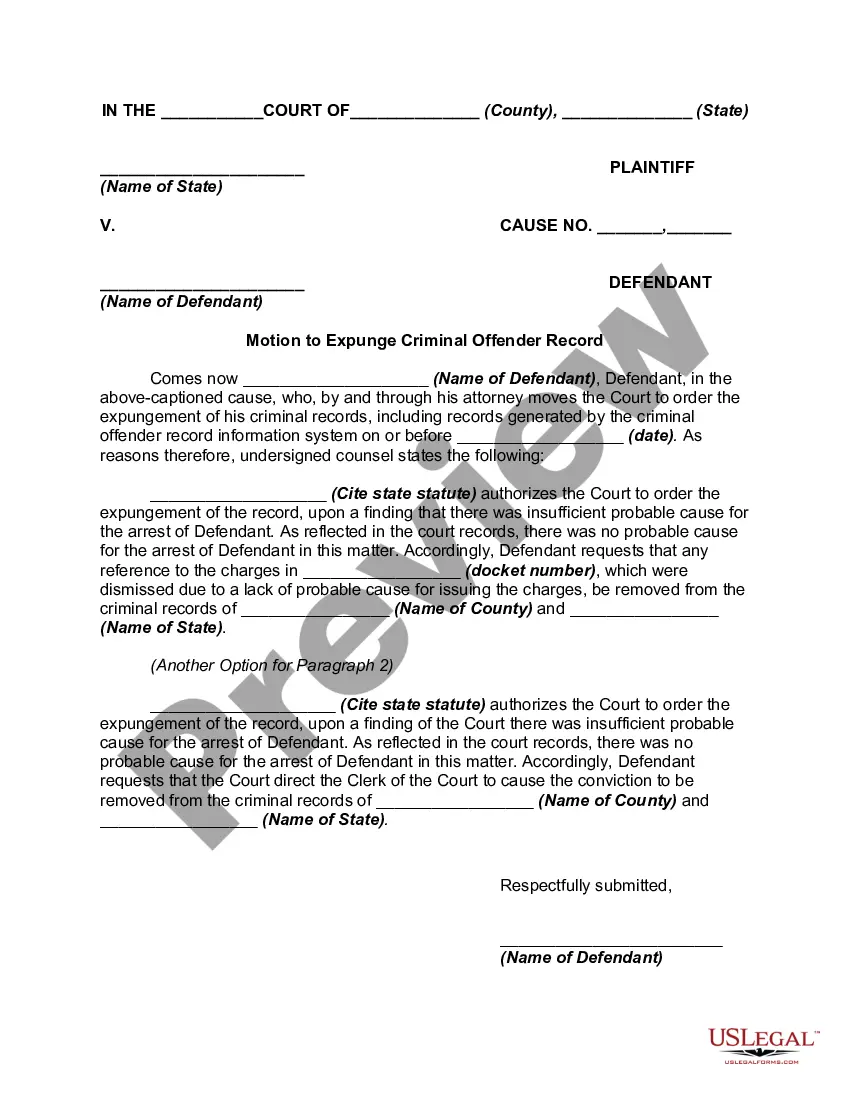
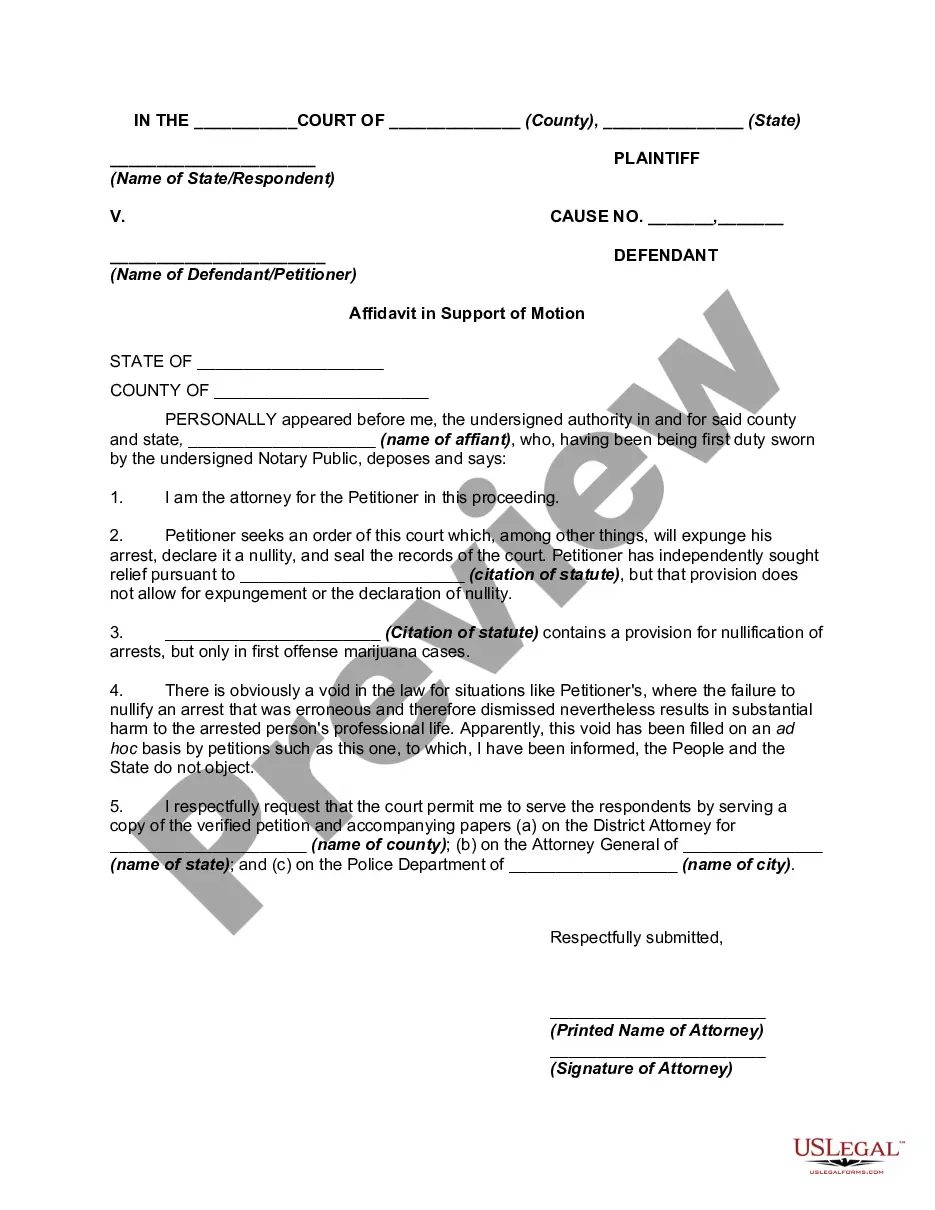
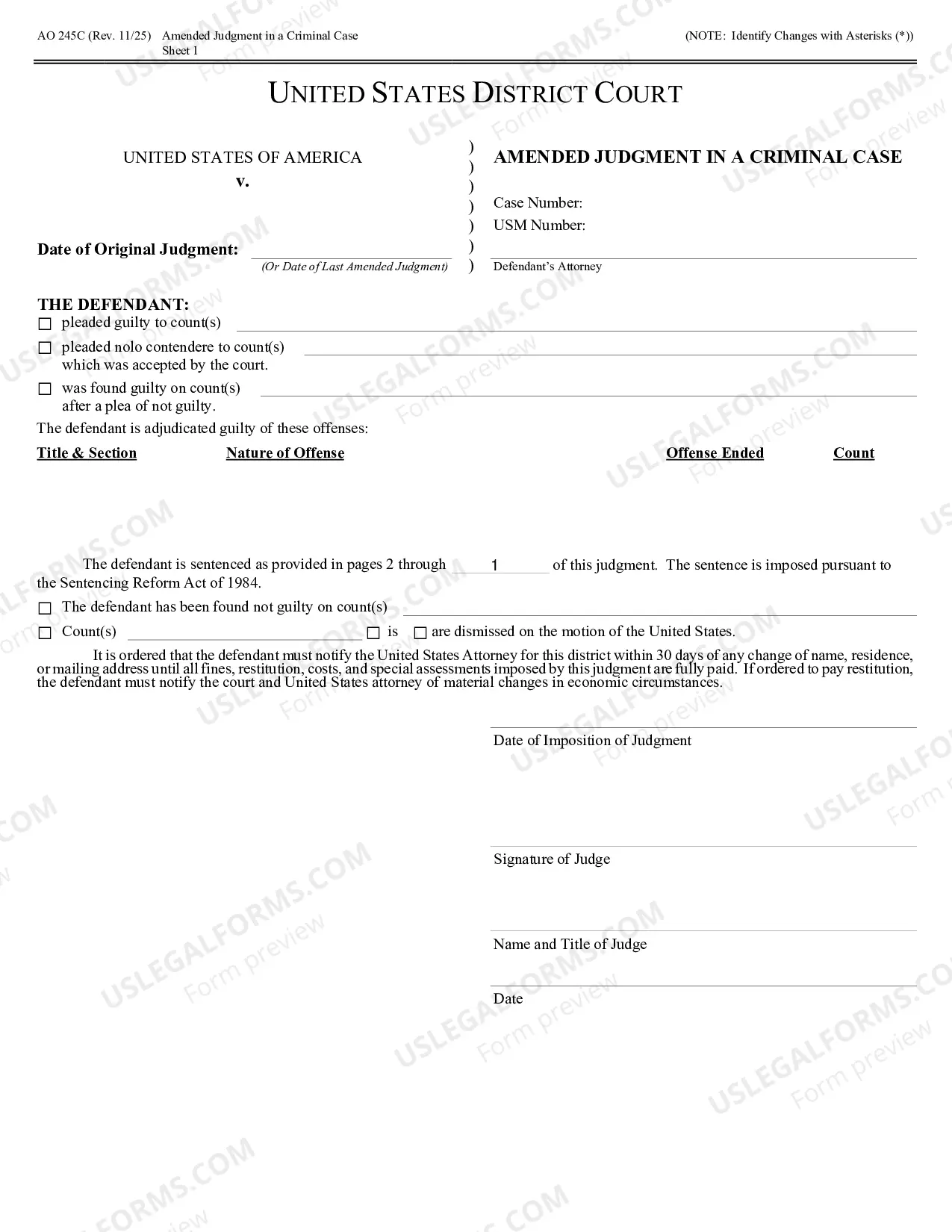
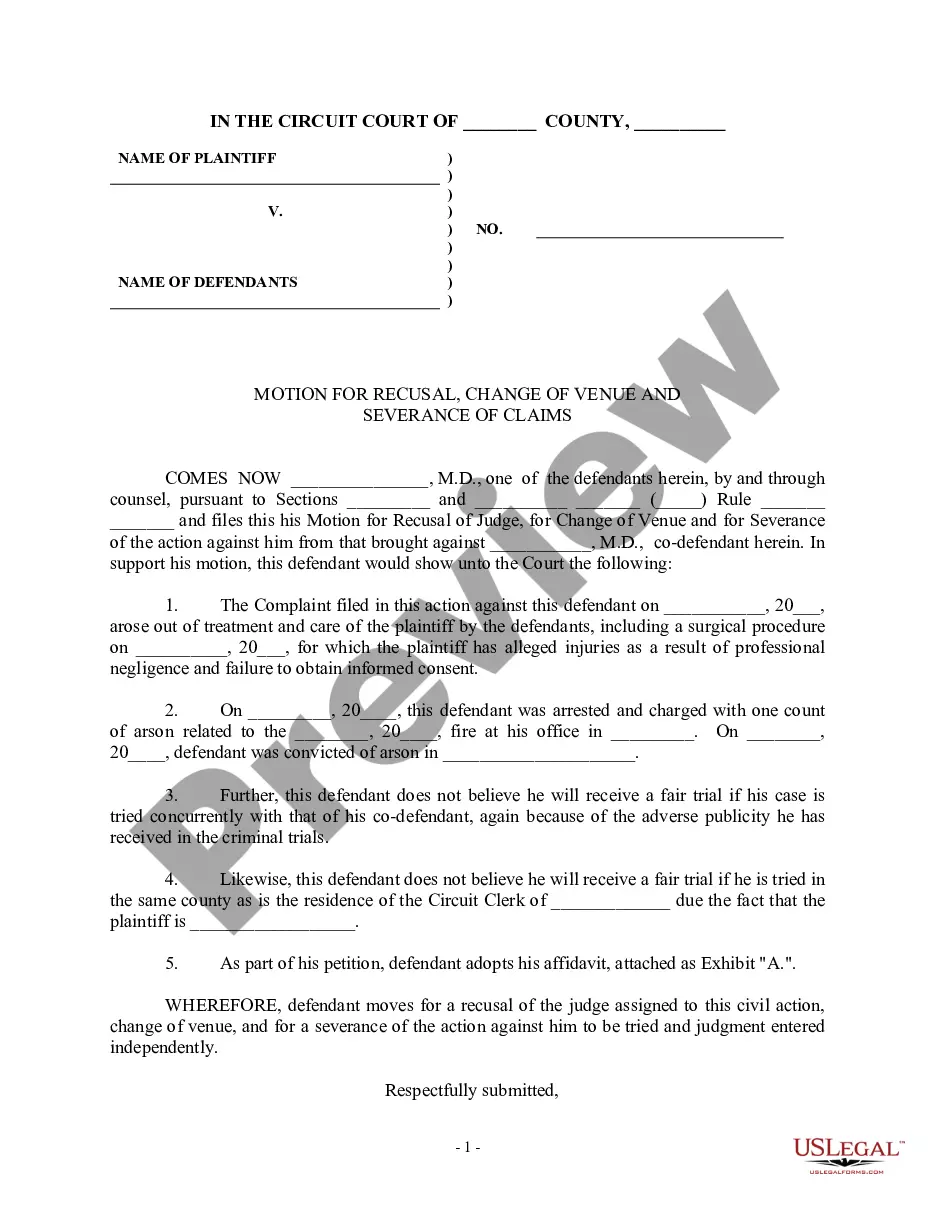
The Motion for New Trial for Purpose of Expunging Criminal Record is a legal document that requests a court to grant a new trial for the specific purpose of eliminating a criminal conviction from public records. This form allows individuals who have been convicted of a crime, particularly a felony, to seek expungement, which can help remove barriers to employment and improve their quality of life. It is essential to note that expungement laws vary by state, and not all convictions are eligible for expungement.
Form components explained
- Identification of the parties involved, including the plaintiff and defendant
- Details of the original conviction, including the date and nature of the offense
- Statement of compliance with court orders, such as probation or sentence completion
- Assertion that the petitioner has no prior or subsequent convictions
- Explanation of how the conviction negatively impacts employment opportunities
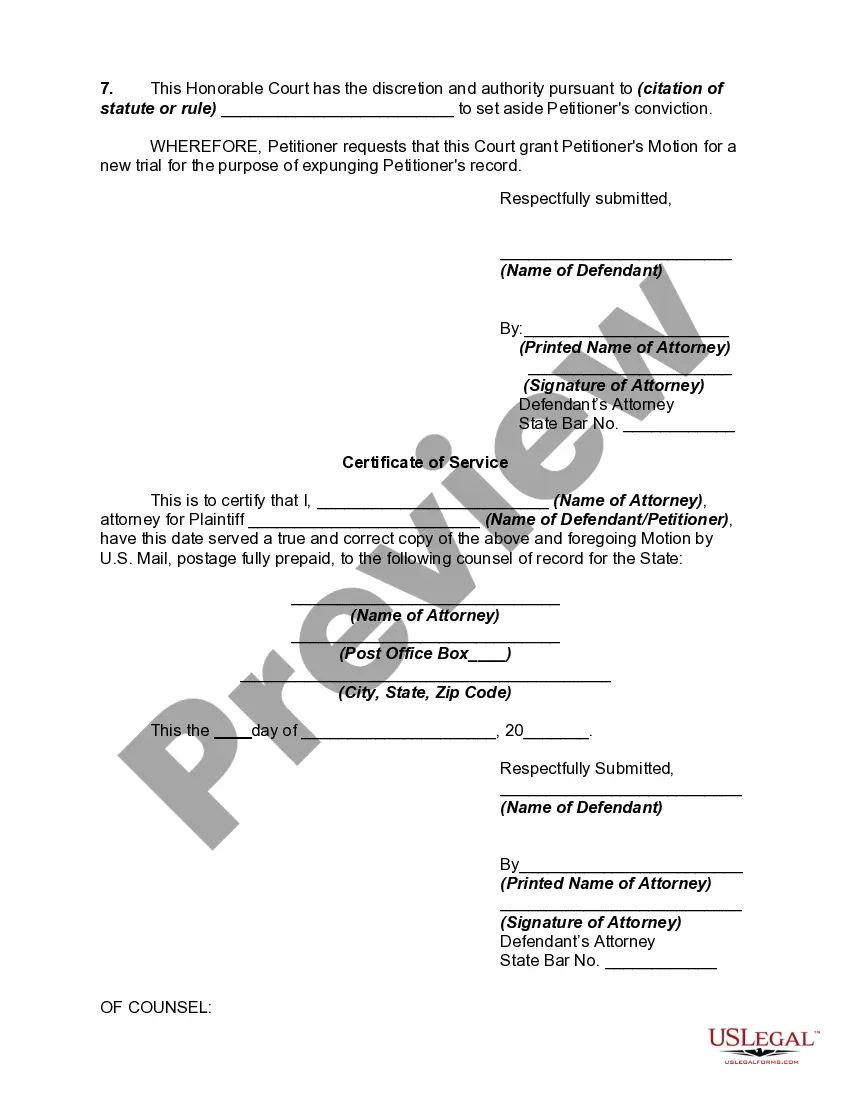
- Citation of the statute or rule granting the court discretion to expunge the record
Common use cases
This form should be used when an individual who has been convicted of a felony seeks to have their conviction expunged. It is particularly relevant for those who believe they meet the eligibility requirements for expungement in their state, have fulfilled all probation requirements, and wish to remove the conviction from their record to improve employment prospects and overall quality of life.
Who can use this document
This motion is intended for:
- Individuals with a felony conviction seeking to have their record expunged
- Persons who have completed their sentencing, including probation or imprisonment
- Those who have no unresolved legal issues, such as other felony convictions
- People who wish to improve their employment opportunities
Instructions for completing this form
- Identify the plaintiff and defendant clearly at the top of the form.
- Enter the details of the original conviction, including dates and offense descriptions.
- Indicate whether the petitioner has completed all sentencing requirements.
- Provide a statement affirming no prior or subsequent convictions.
- Explain the impact of the conviction on employment opportunities.
- Include any relevant statute or rule that gives authority to the court to grant expungement.
Is notarization required?
In most cases, this form does not require notarization. However, some jurisdictions or signing circumstances might. US Legal Forms offers online notarization powered by Notarize, accessible 24/7 for a quick, remote process.
Get your form ready online
Our built-in tools help you complete, sign, share, and store your documents in one place.
Make edits, fill in missing information, and update formatting in US Legal Forms—just like you would in MS Word.
Download a copy, print it, send it by email, or mail it via USPS—whatever works best for your next step.
Sign and collect signatures with our SignNow integration. Send to multiple recipients, set reminders, and more. Go Premium to unlock E-Sign.
If this form requires notarization, complete it online through a secure video call—no need to meet a notary in person or wait for an appointment.
We protect your documents and personal data by following strict security and privacy standards.

Make edits, fill in missing information, and update formatting in US Legal Forms—just like you would in MS Word.

Download a copy, print it, send it by email, or mail it via USPS—whatever works best for your next step.

Sign and collect signatures with our SignNow integration. Send to multiple recipients, set reminders, and more. Go Premium to unlock E-Sign.

If this form requires notarization, complete it online through a secure video call—no need to meet a notary in person or wait for an appointment.

We protect your documents and personal data by following strict security and privacy standards.
Common mistakes to avoid
- Failing to comply with state-specific eligibility criteria for expungement.
- Not including all required information about the original conviction.
- Omitting signatures from the petitioner or attorney.
- Forgetting to serve notice of the motion to the appropriate parties.
Advantages of online completion
- Convenience of downloading and filling out the form from home.
- Editable templates make it easy to complete the form accurately.
- Access to attorney-drafted forms ensures legal validity.
- Immediate availability of the form without waiting for postal delivery.
Key takeaways
- The Motion for New Trial for Purpose of Expunging Criminal Record is a critical step for those looking to remove criminal convictions from public records.
- Eligibility for expungement varies by state, so it is essential to understand local laws.
- Completing the form accurately can significantly enhance employment opportunities for the petitioner.
Looking for another form?









Form popularity
FAQ
Basically, if evidence is to be admitted at court, it must be relevant, material, and competent.
The appeals courts do not usually consider new witnesses or new evidence. Appeals in either civil or criminal cases are usually based on arguments that there were errors in the trial's procedure or errors in the judge's interpretation of the law.Sometimes, they hear oral arguments before deciding a case.
Sometimes after a trial is concluded, new evidence may be discovered about your case which might have exonerated you had it been presented at trial.In effect, this is a request for the judge to vacate the jury's verdict, declare the old trial null, and start over again with a new trial, complete with a new jury.
Typically, the defendant will file a motion for a retrial after a guilty verdict. If the judge denies the motion, then the defendant may file an appeal to a higher court asking to overrule the judge and grant a new trial.
In the United States, if a defendant is acquitted of a crime, the Fifth Amendment generally prohibits a retrial; thus, with few exceptions, a retrial only can occur if the verdict in the first trial was "guilty", or if there was no verdict.
New Trials Based on Legal Errors If a mistake of law during the trial was sufficiently significant, the judge might grant a new trial.Appellate courts usually give significant deference to trial judges, though. Legal errors often relate to the admission or exclusion of evidence.
Examples of real evidence include fingerprints, blood samples, DNA, a knife, a gun, and other physical objects. Real evidence is usually admitted because it tends to prove or disprove an issue of fact in a trial.
Yes, in your hypothetical case, the plaintiff can introduce new evidence and called undisclosed witnesses at trial in two typical scenarios.