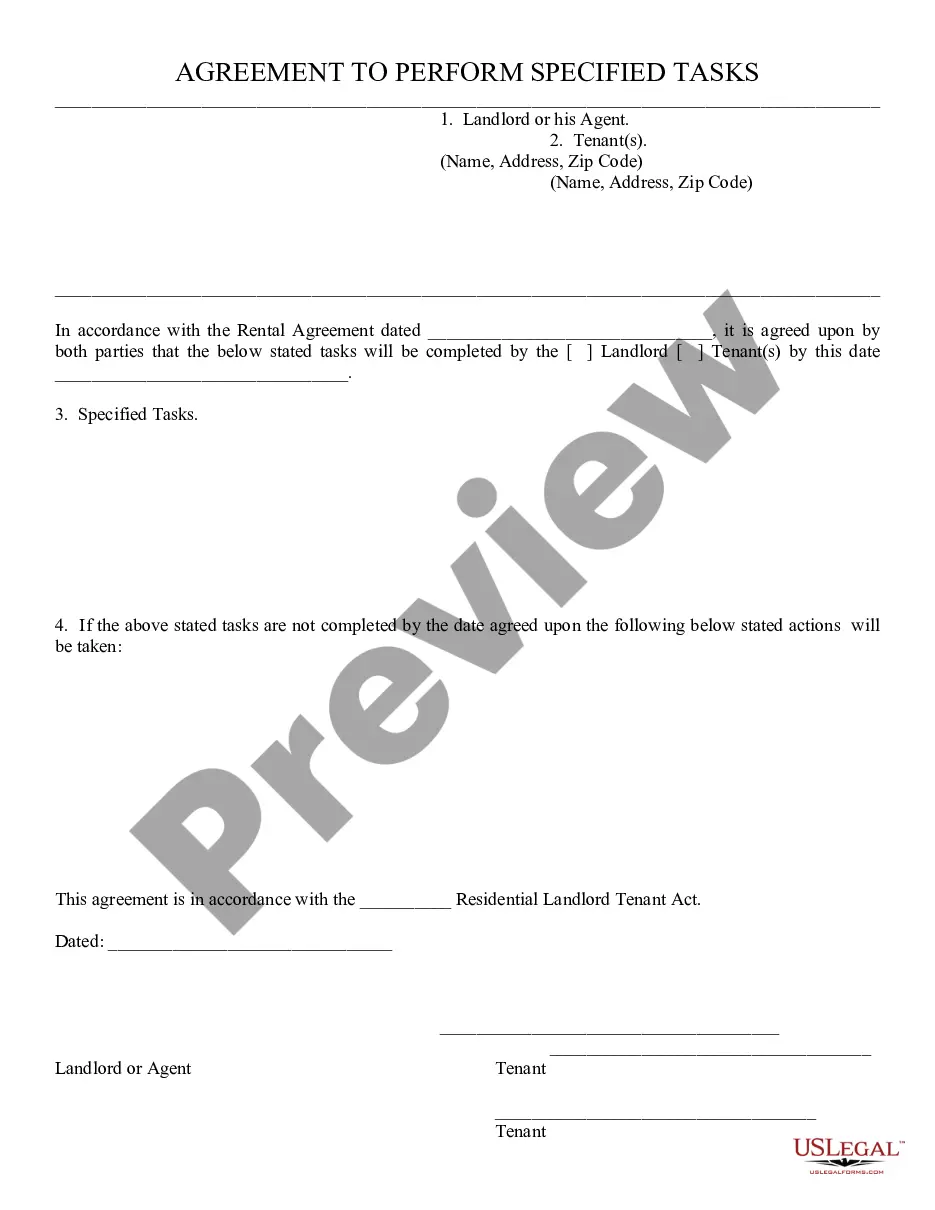
Complaint for Malicious Prosecution Involving Filing a False Police Report
What is this form?
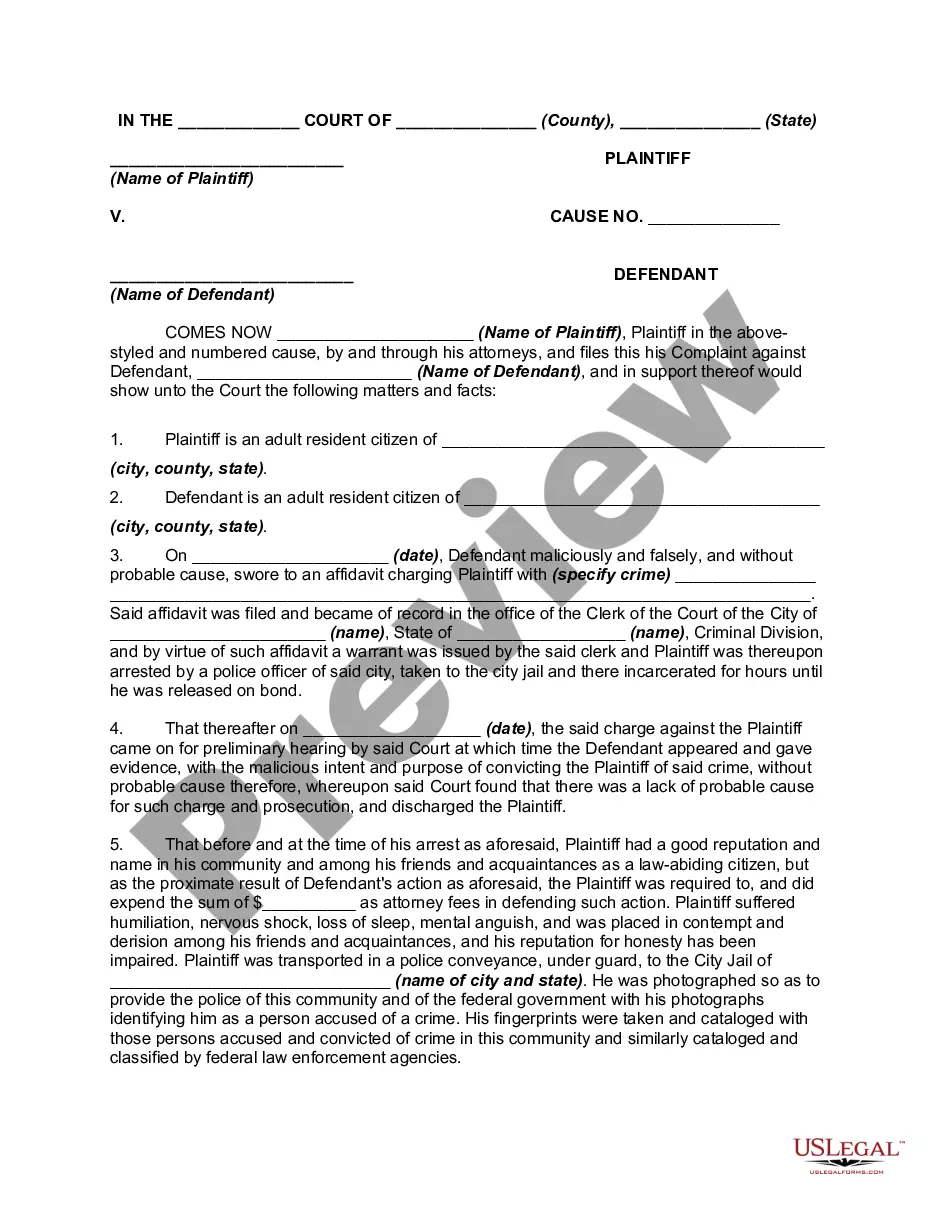
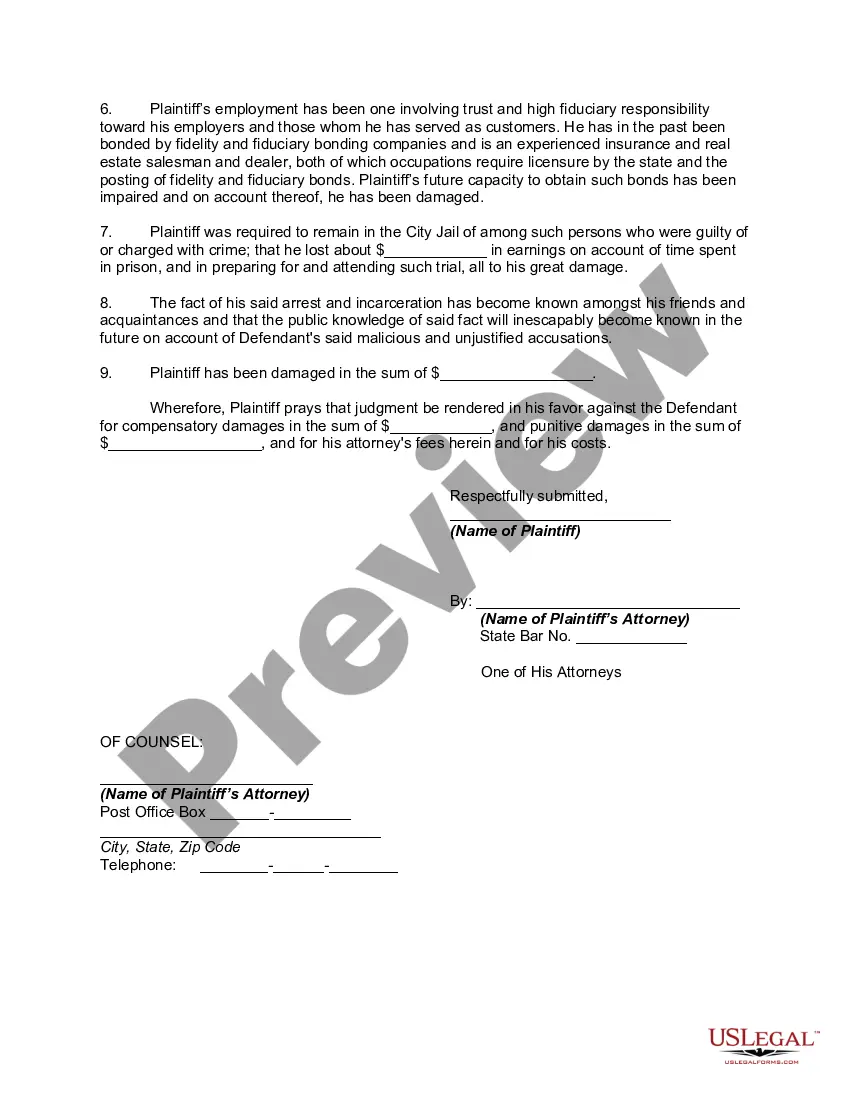
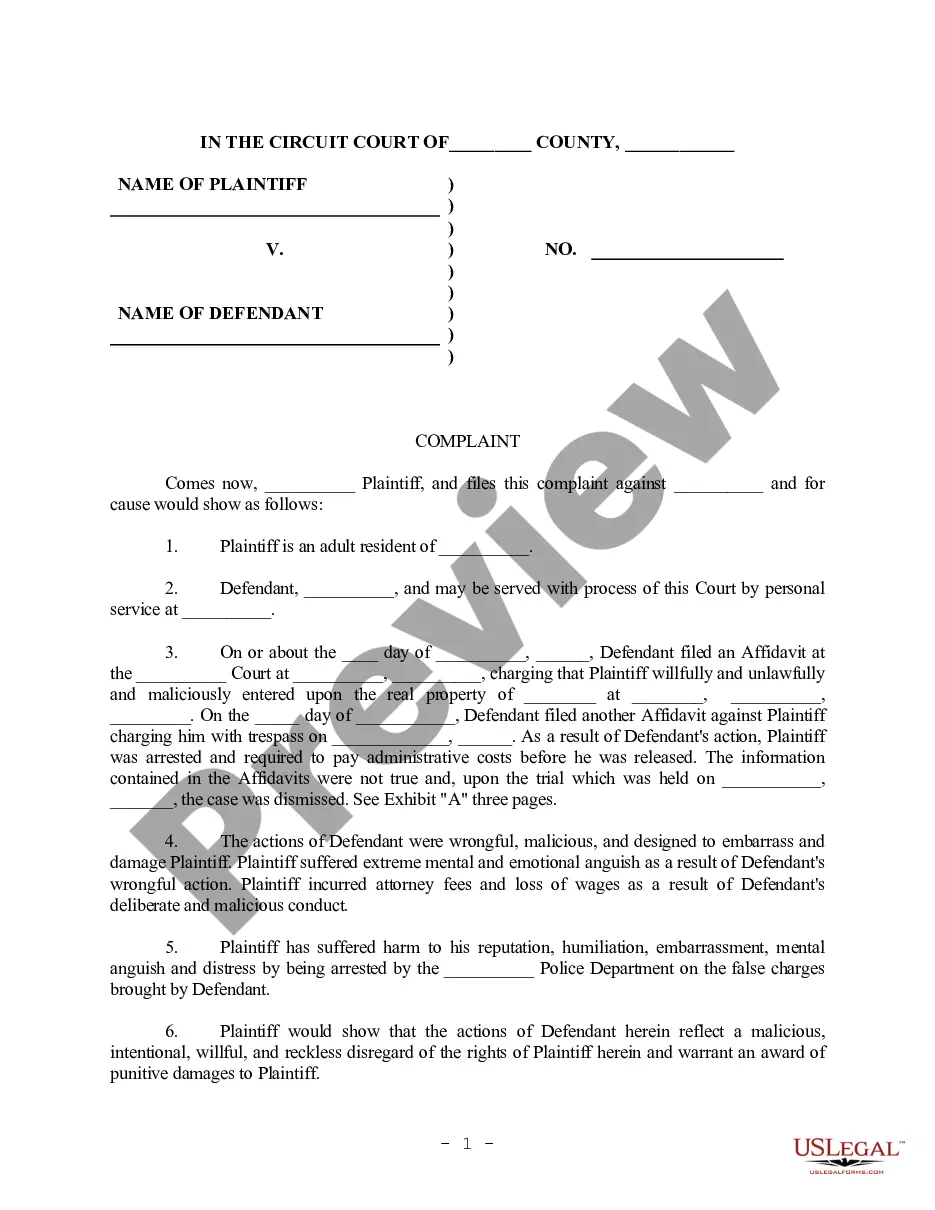
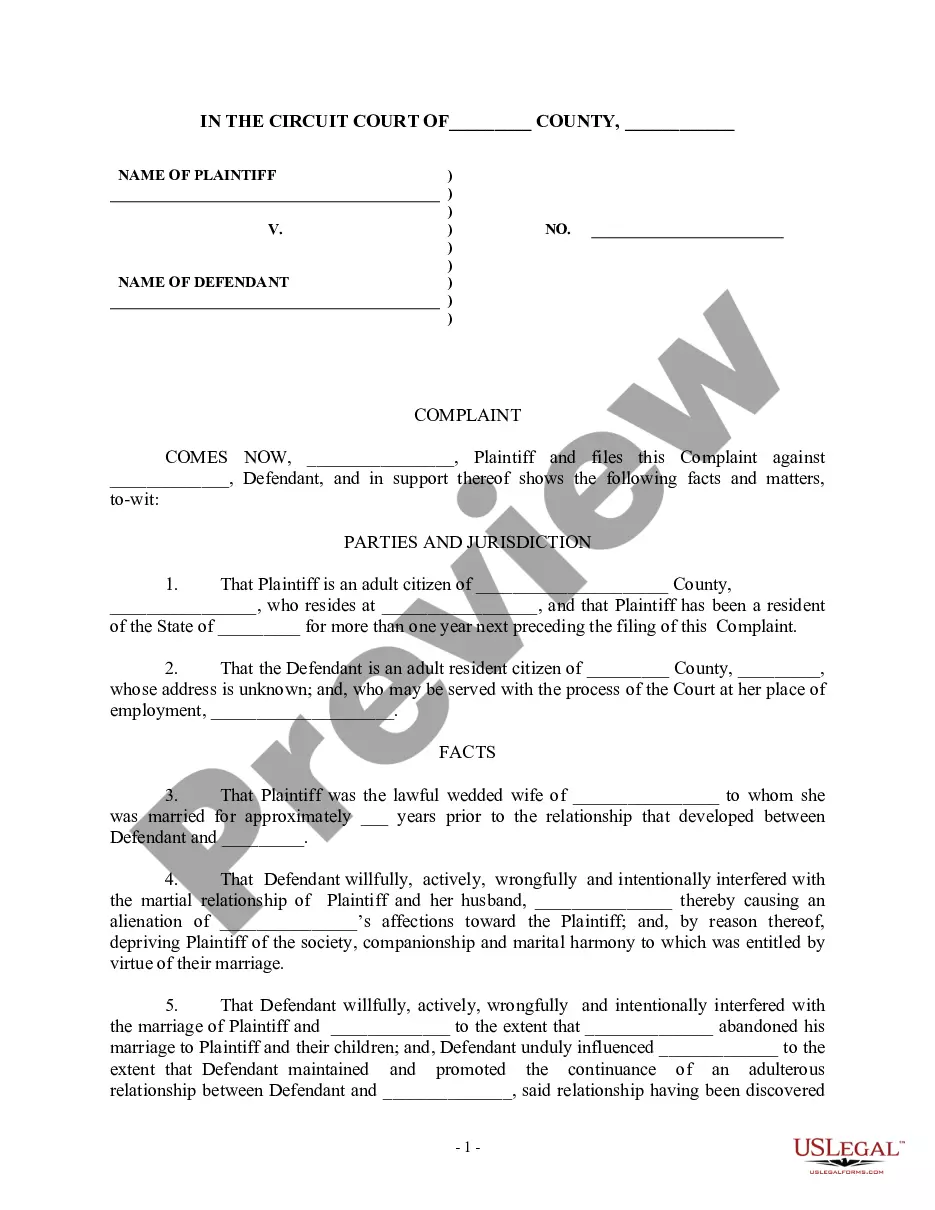
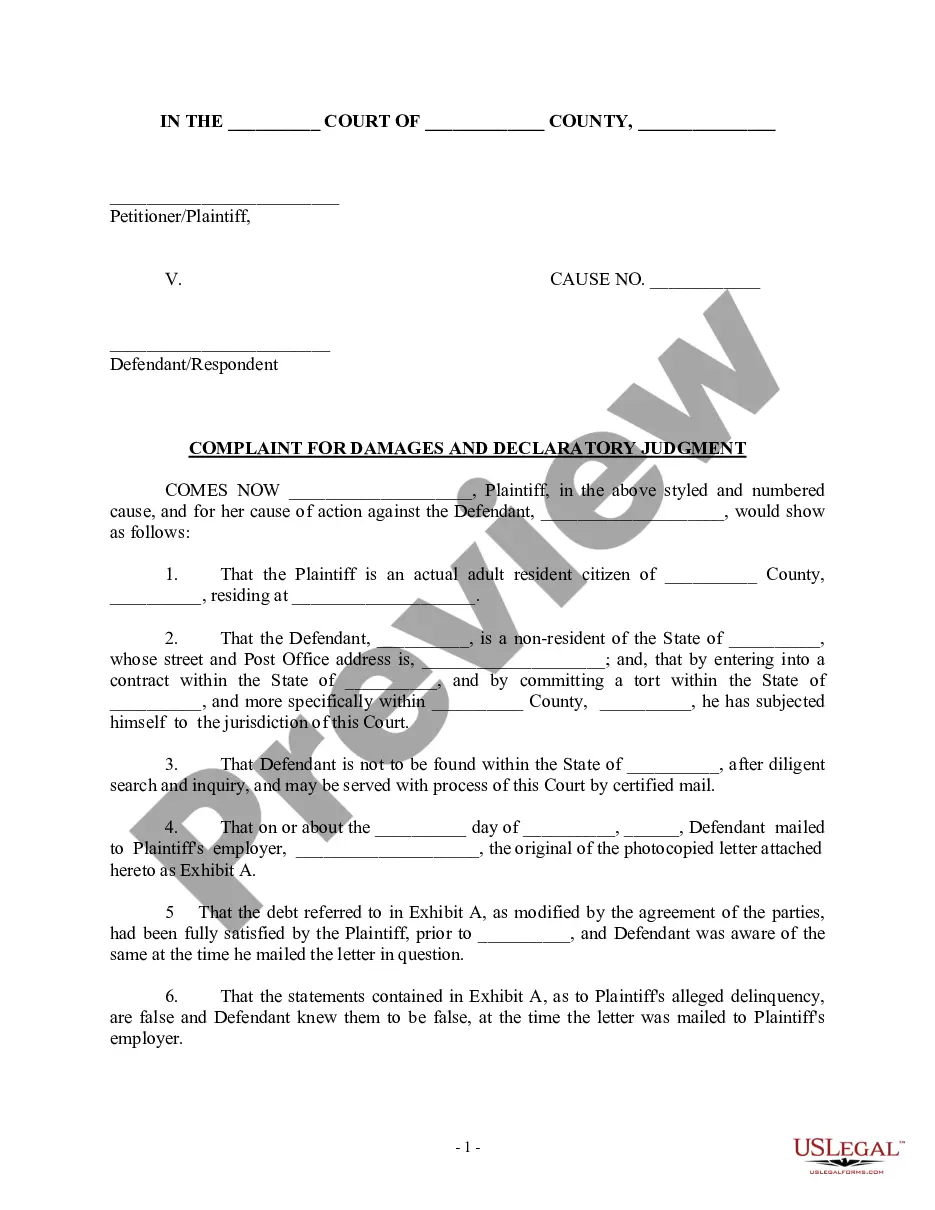
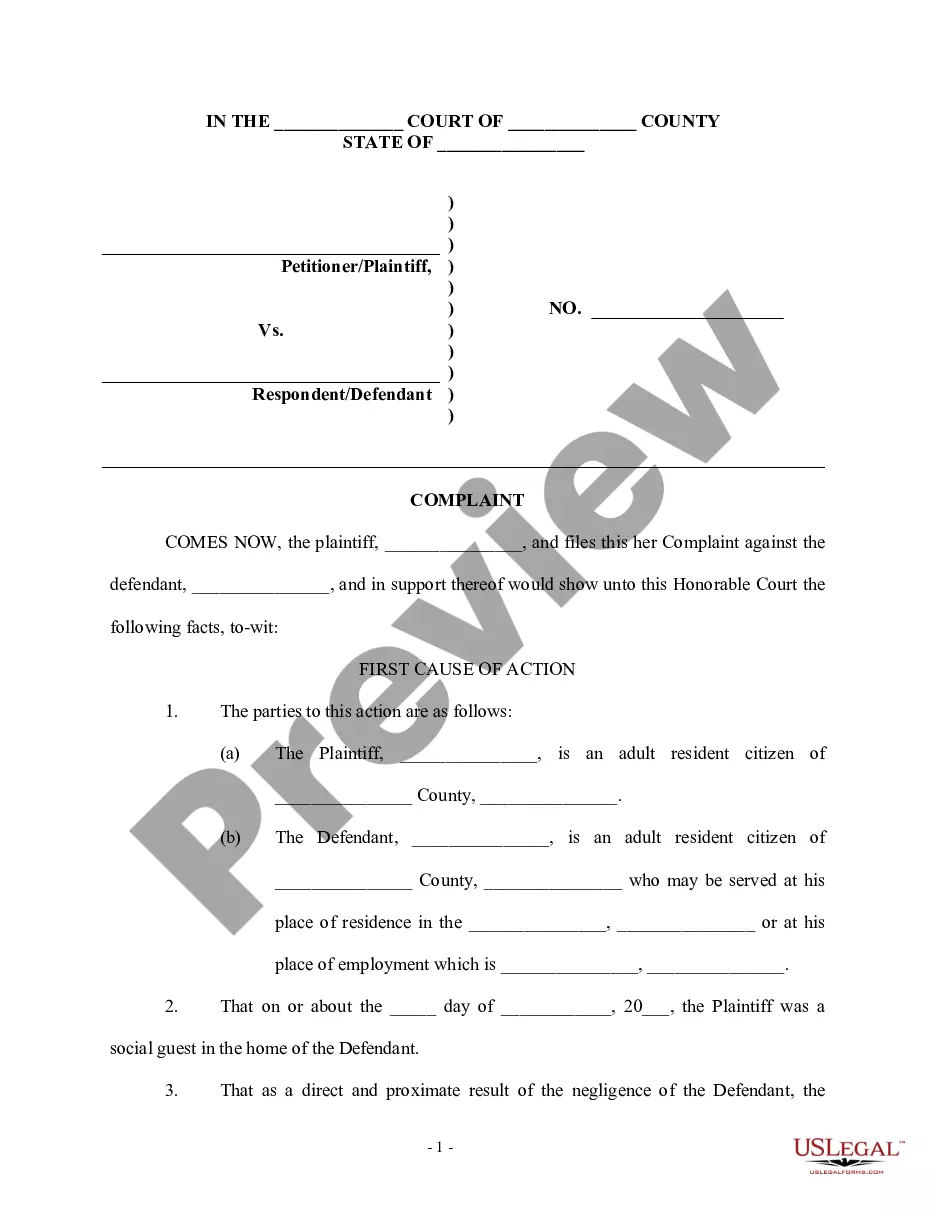
The Complaint for Malicious Prosecution Involving Filing a False Police Report is a legal document that allows a plaintiff to claim damages from a defendant for wrongfully initiating legal action without probable cause. This form specifically addresses situations where false police reports have led to malicious prosecution, distinguishing it from other types of legal complaints by focusing on the malicious intent and lack of legal foundation behind the original action.
What’s included in this form
- Plaintiff and Defendant Information: Names and addresses of both parties involved.
- Original Judicial Action: Description of the legal action that was maliciously initiated.
- Claims of Malice: A statement detailing the defendantâs motives for filing the false report.
- Probable Cause Assessment: Explanation of the lack of probable cause for the original arrest or charges.
- Damages Incurred: A section to specify the harm suffered by the plaintiff, including financial and reputational damages.


Situations where this form applies
This form is needed when you have been falsely accused of a crime based on a malicious police report that led to your arrest. You may wish to file a Complaint for Malicious Prosecution if you believe the accuser acted with ill intent and that their claims resulted in substantial damage to your reputation, finances, or emotional well-being.
Who this form is for
- Individuals who have been wrongfully accused and arrested based on a false police report.
- Those who have experienced significant emotional distress and financial loss due to the malicious prosecution.
- People seeking to restore their reputation after a wrongful arrest.
Instructions for completing this form
- Identify the parties involved by providing the names and addresses of both the plaintiff and the defendant.
- Describe the original charge or crime that you were falsely accused of and the details of the false police report.
- Include specific dates related to the arrest and original court proceedings.
- Document the damages you have suffered, such as attorney fees, emotional distress, and loss of earnings.
- Sign the complaint and have it filed with the appropriate court.
Is notarization required?
This form does not typically require notarization unless specified by local law. It is always advisable to consult with an attorney if you have questions regarding notarization in your specific case.
Get your form ready online
Our built-in tools help you complete, sign, share, and store your documents in one place.
Make edits, fill in missing information, and update formatting in US Legal Forms—just like you would in MS Word.
Download a copy, print it, send it by email, or mail it via USPS—whatever works best for your next step.
Sign and collect signatures with our SignNow integration. Send to multiple recipients, set reminders, and more. Go Premium to unlock E-Sign.
If this form requires notarization, complete it online through a secure video call—no need to meet a notary in person or wait for an appointment.
We protect your documents and personal data by following strict security and privacy standards.

Make edits, fill in missing information, and update formatting in US Legal Forms—just like you would in MS Word.

Download a copy, print it, send it by email, or mail it via USPS—whatever works best for your next step.

Sign and collect signatures with our SignNow integration. Send to multiple recipients, set reminders, and more. Go Premium to unlock E-Sign.

If this form requires notarization, complete it online through a secure video call—no need to meet a notary in person or wait for an appointment.

We protect your documents and personal data by following strict security and privacy standards.
Common mistakes
- Failing to provide sufficient evidence of malice or lack of probable cause.
- Not documenting all damages properly, which can weaken the case.
- Missing deadlines for filing the complaint, leading to the potential dismissal of the case.
Why complete this form online
- Convenient access to a legally drafted form that ensures compliance with legal standards.
- Editability allows you to customize the form to your specific situation before downloading.
- Instant download options make it easy to get started without waiting for paper copies.
Legal use & context
- This form is used within civil law to seek damages for wrongful prosecution.
- Understanding proper legal context ensures effective use and compliance with judicial requirements.
- Each state may impose different statutes of limitations on filing claims for malicious prosecution.
What to keep in mind
- The form is intended for those wrongfully accused and suffering from malicious prosecution.
- Key components include details about the parties involved, the incident, and damages claimed.
- Understanding the process and recognizing potential mistakes can enhance your filing's success.
Looking for another form?
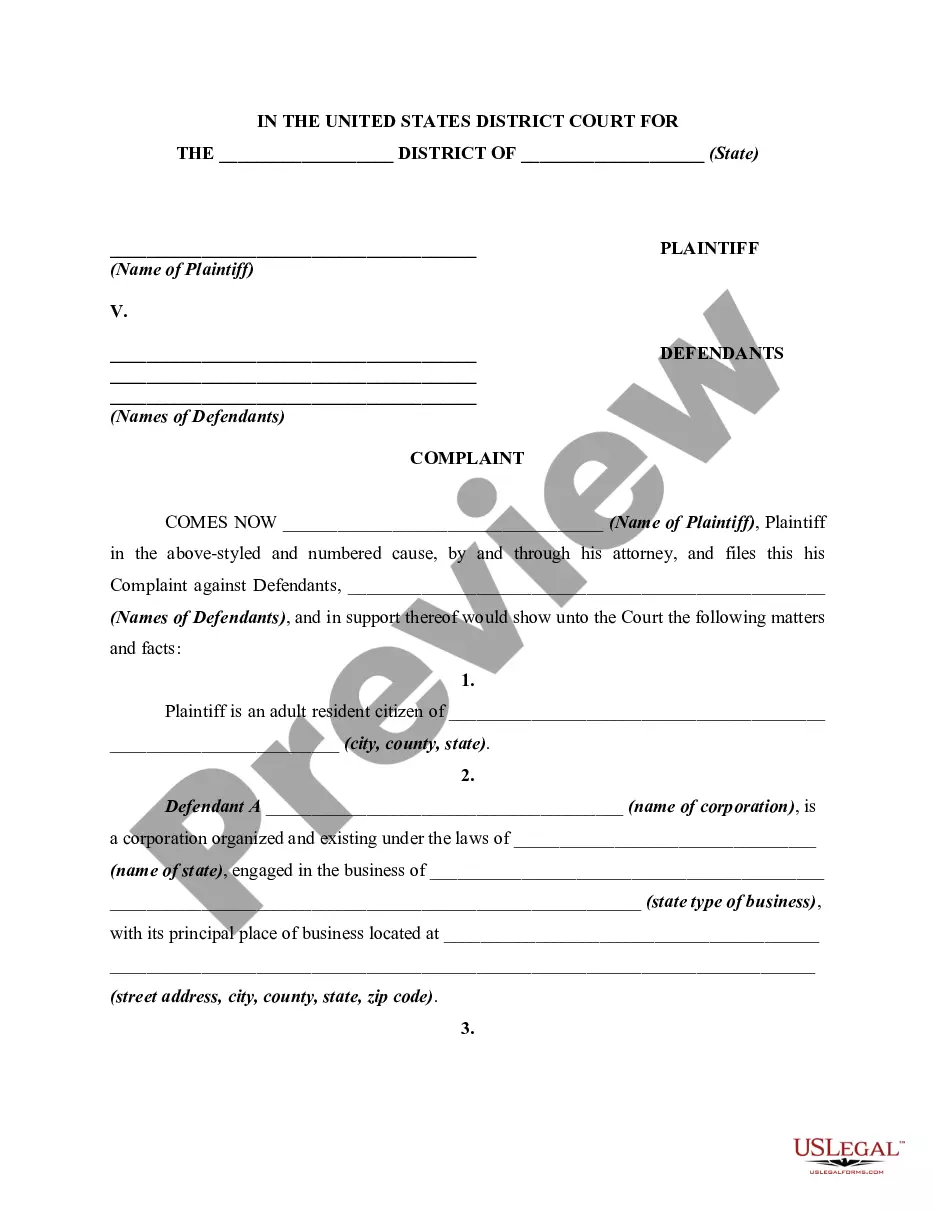
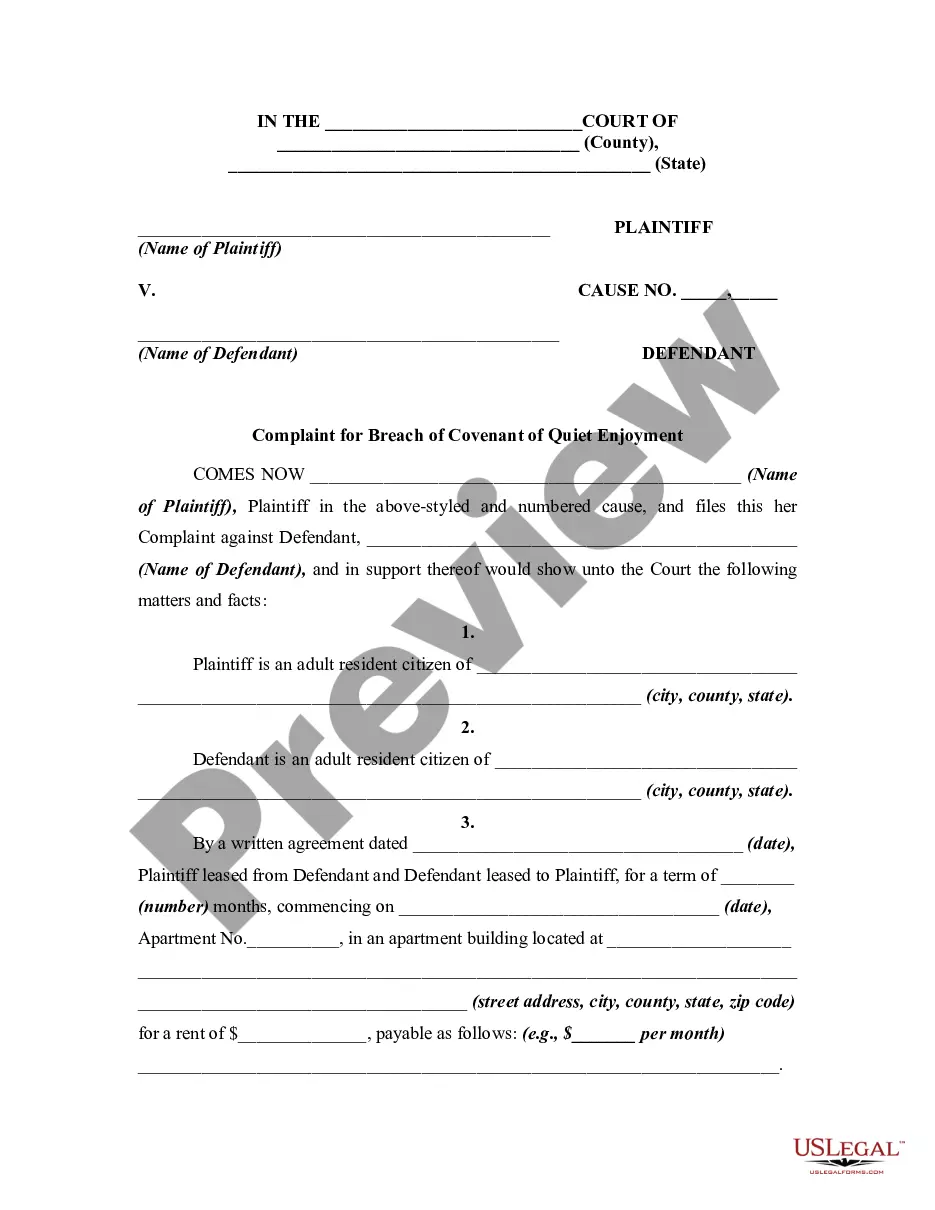
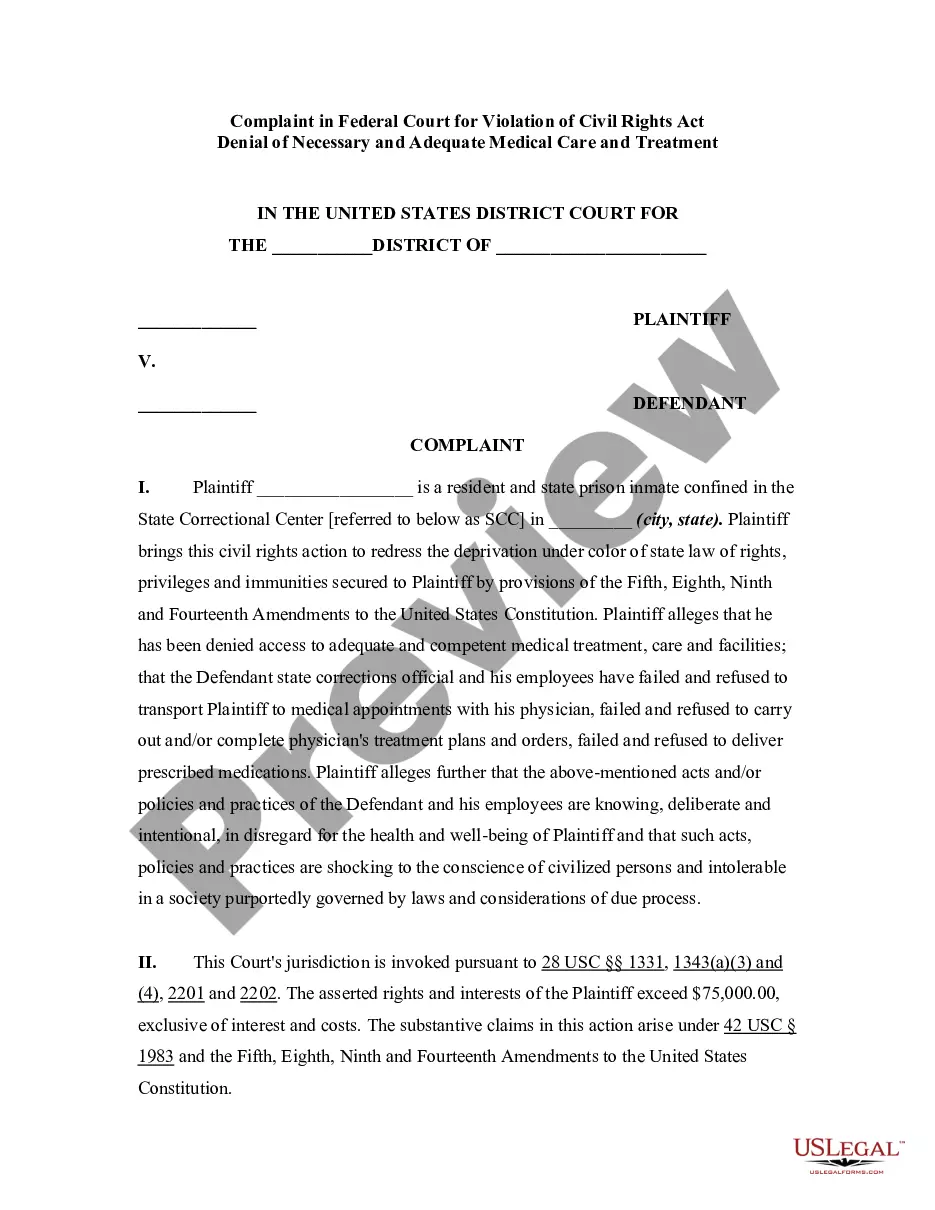
Form popularity
FAQ
No matter what the prosecutor's personal feelings about the case, the prosecutor needs legally admissible evidence sufficient to prove the defendant's guilt beyond a reasonable doubt. If the evidence isn't there (or likely to be suppressed before trial), proceeding would be futile.
To show that prosecutorial misconduct requires dismissal of the indictment or a mistrial, the defendant usually has to show that the prosecutor willfully engaged in misconduct and that the misconduct prejudiced the defendant.
For this reason, judges find it particularly frustrating when a frivolous lawsuit is filed. Fortunately, judges have the authority to sanction lawyers and fine plaintiffs who file frivolous lawsuits. What's more, a defendant in a frivolous lawsuits can turn around and sue the plaintiff for malicious prosecution.
If someone has wrongfully sued you or prosecuted you for a crime, you may have a valid malicious prosecution or abuse of process claim.The prior case can be either criminal or civil in nature.
Four types of prosecutorial misconduct are offering inadmissible evidence in court, suppressing evidence from the defense, encouraging deceit from witnesses, and prosecutorial bluffing (threats or intimidation).
To win a suit for malicious prosecution, the plaintiff must prove four elements: (1) that the original case was terminated in favor of the plaintiff, (2) that the defendant played an active role in the original case, (3) that the defendant did not have probable cause or reasonable grounds to support the original case,
Malicious prosecution occurs when one party has knowingly and with malicious intent initiated baseless litigation against another party. This includes both criminal charges and civil claims, for which the cause of action is essentially the same.
Filing a False Report by a Police Officer is a wobbler offense. That means that it can be prosecuted as a felony or a misdemeanor, depending on the circumstances of the offense and the criminal history, if any, of the officer.
In the case of false imprisonment there is an important element of total restraint of personal liberty without lawful justification. But in the case of malicious prosecution there is the element of causing damage by means of an abuse of the process of Court.In an action for false imprisonment, it is not so required.