Petition for Expungement of Record in Case of Acquittal and Release without Conviction
What this document covers
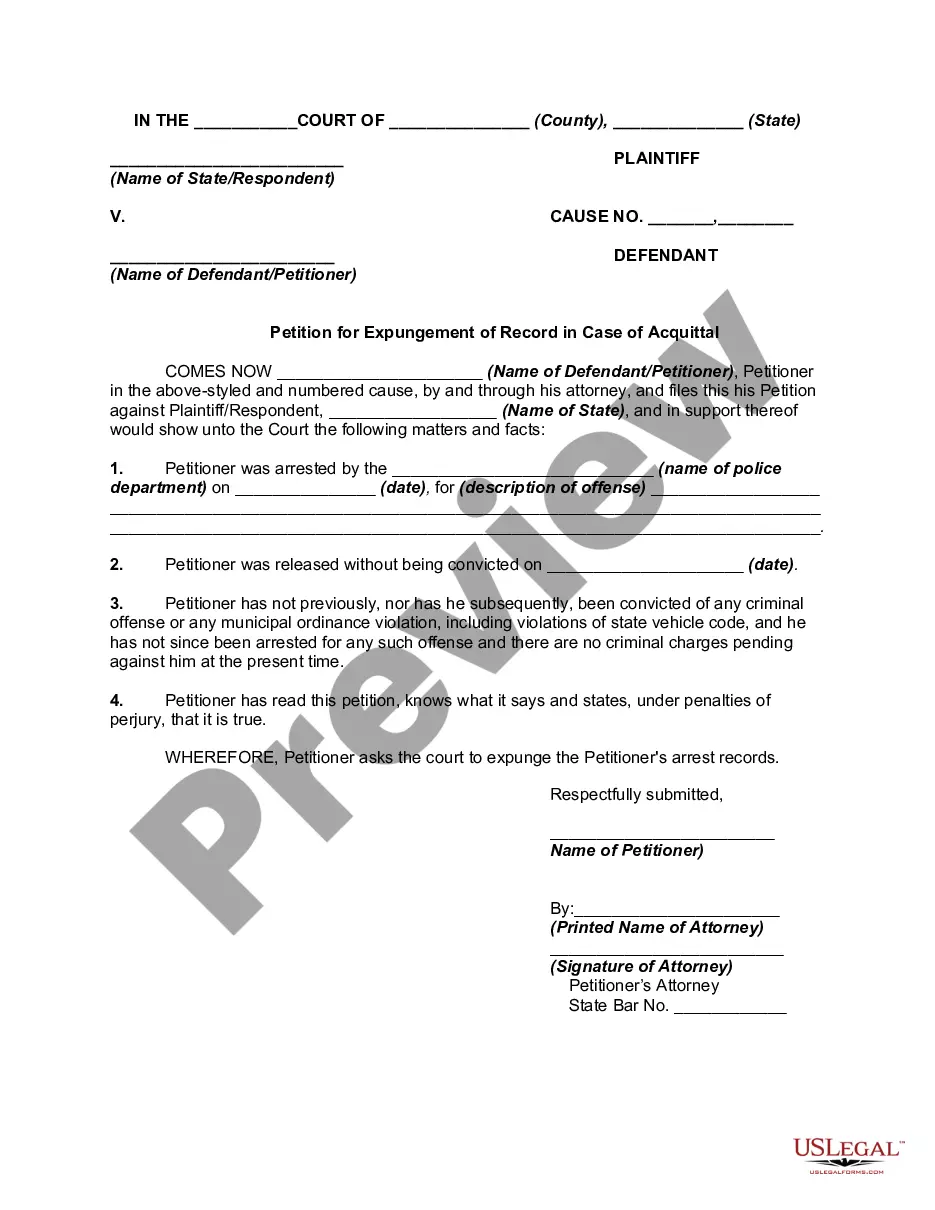
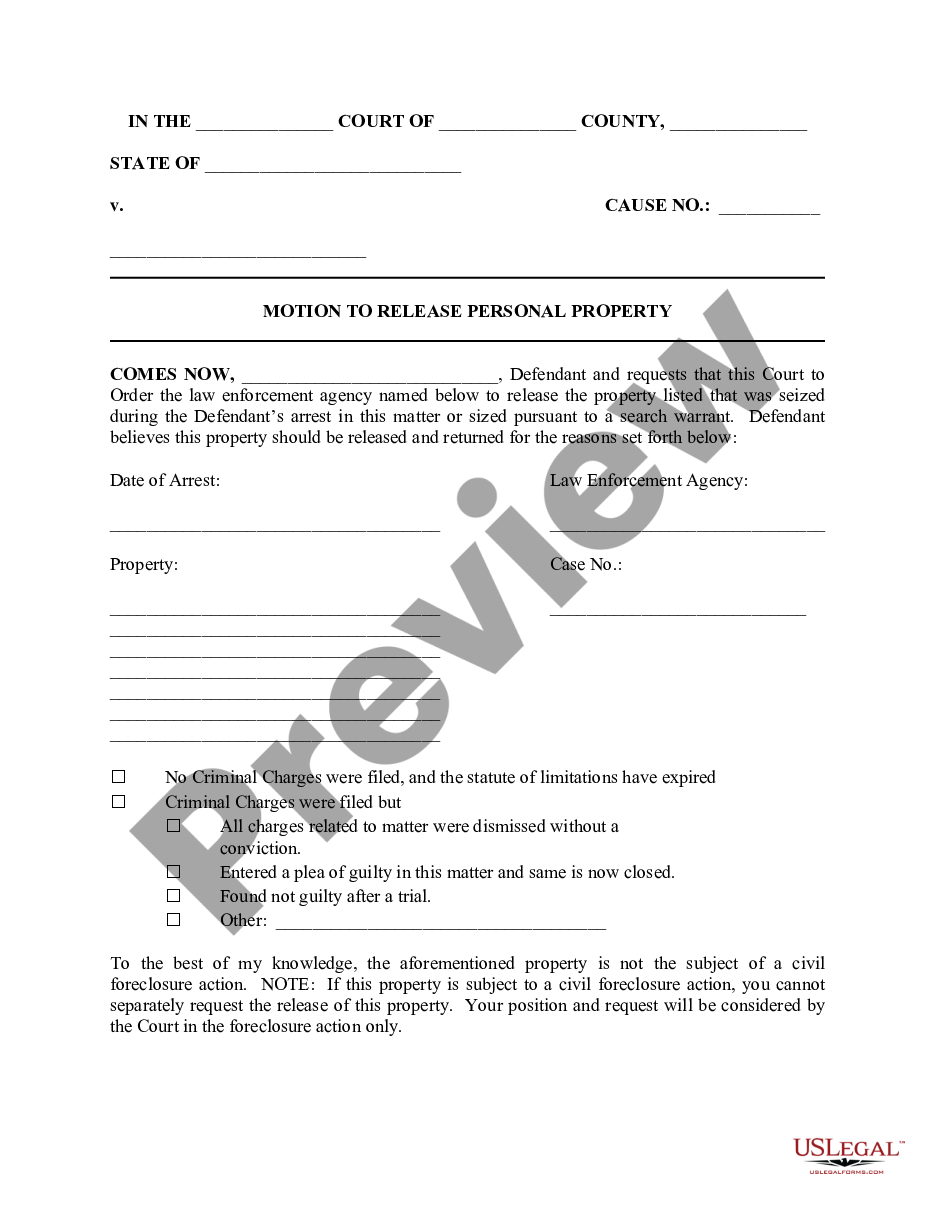
The Petition for Expungement of Record in Case of Acquittal and Release without Conviction is a legal document used to request the removal of certain arrest records when a person has been acquitted of charges and released without conviction. Unlike other expungement forms that may involve felony convictions, this form specifically addresses cases where an individual was not ultimately found guilty, allowing them to clear their arrest record and move forward without the stigma of an unproven charge.
Form components explained
- Petitioner's name and contact information.
- Name of the state or respondent (the prosecuting entity).
- Details of the arrest, including the police department and date of arrest.
- Date of release from custody without convictions.
- Statement regarding the absence of prior or subsequent convictions.
- Signature of the petitioner and the attorney filed on the petition.
Common use cases
This form should be used when an individual has been arrested, subsequently acquitted, and released without any convictions. It allows the individual to legally expunge their arrest record, ensuring that such records do not hinder future employment opportunities, housing applications, or other aspects of life. If you want to clear your name and eliminate potential negative impacts from an arrest that did not result in a conviction, this form is appropriate for you.
Who should use this form
- Individuals who were arrested but found not guilty.
- People who have not been convicted of any criminal offense after their arrest.
- Anyone looking to expunge arrest records to improve personal and professional prospects.
Steps to complete this form
- Enter the full name of the petitioner and the state or respondent in the respective fields.
- Provide the date and details of the arrest, including the name of the police department involved.
- Indicate the date of release and confirm that there are no prior convictions.
- Read through the petition to ensure accuracy, then sign and date it at the bottom.
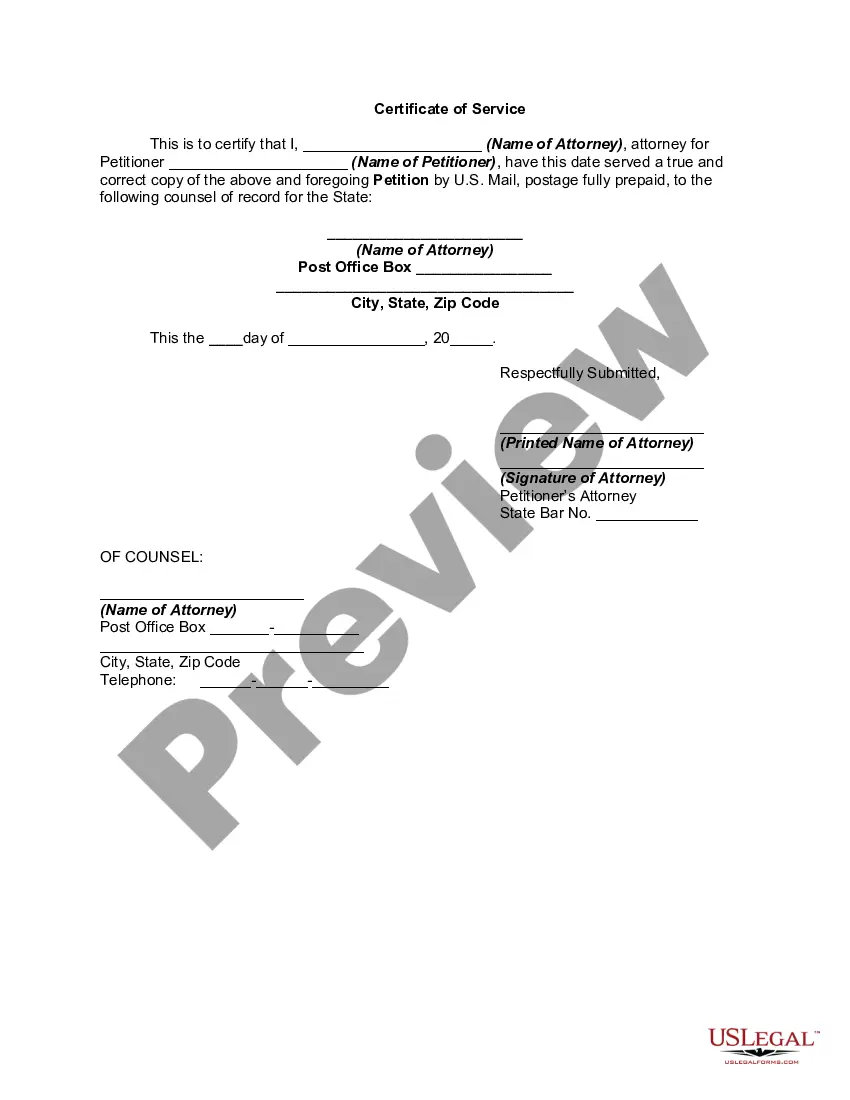
- Have your attorney sign the petition if you are represented, including their state bar number.
Notarization guidance
Notarization is not commonly needed for this form. However, certain documents or local rules may make it necessary. Our notarization service, powered by Notarize, allows you to finalize it securely online anytime, day or night.
Get your form ready online
Our built-in tools help you complete, sign, share, and store your documents in one place.
Make edits, fill in missing information, and update formatting in US Legal Forms—just like you would in MS Word.
Download a copy, print it, send it by email, or mail it via USPS—whatever works best for your next step.
Sign and collect signatures with our SignNow integration. Send to multiple recipients, set reminders, and more. Go Premium to unlock E-Sign.
If this form requires notarization, complete it online through a secure video call—no need to meet a notary in person or wait for an appointment.
We protect your documents and personal data by following strict security and privacy standards.

Make edits, fill in missing information, and update formatting in US Legal Forms—just like you would in MS Word.

Download a copy, print it, send it by email, or mail it via USPS—whatever works best for your next step.

Sign and collect signatures with our SignNow integration. Send to multiple recipients, set reminders, and more. Go Premium to unlock E-Sign.

If this form requires notarization, complete it online through a secure video call—no need to meet a notary in person or wait for an appointment.

We protect your documents and personal data by following strict security and privacy standards.
Common mistakes to avoid
- Failing to provide complete and accurate information about the arrest.
- Not signing the petition or having the attorney's signature omitted.
- Overlooking state-specific requirements regarding form submission.
Advantages of online completion
- Convenient access to legal forms from anywhere at any time.
- Editability allows users to customize the form to their specific circumstances.
- Instant download ensures that you can complete your filing without delays.
Legal use & context
- Used to officially request the removal of specific arrest records.
- Protects the petitioner's rights by ensuring their records are sealed.
- Legally binding document that must be accurately completed to be effective.
What to keep in mind
- The form is specific to individuals who have been acquitted and released without a conviction.
- Completing the petition can help eliminate arrest records that may impact your future.
- State laws may vary, so check your local requirements when using this form.
Looking for another form?

Form popularity
FAQ
Your whole letter should be about three paragraphs. Begin by telling how you got in trouble in the first place, but keep this part short. Give just enough detail for the employer to understand the nature of your infraction, but do not give too much detail.
Expect to pay $100 to $600 in document processing and filing fees. If you feel you may have trouble coming up with the money to pay those fees, some states do offer free expungement services to indigent clients.
Most expungements will cost around $1,500, although each case differs according to the individual facts and circumstances, and the jurisdiction.
After the petition is filed, the state's attorney, the state police, and all other notified parties have 60 days to object. If the judge grants the petition, an order is entered, and all state agencies are given 60 days to expunge or seal the record. The total process typically takes about six months.
Always begin the letter with a formal greeting, such as "Dear Judge...", before composing the rest of the letter. Then, write the first paragraph of your letter by explaining why you are writing, what charge you wish to have expunged, and a short description of why you feel it should be expunged.
Online expungement is only available through Maryland expungement.com and not offered by a State or government website. This legal expungement service is particularly convenient for individuals who don't want to have to travel to the courthouse, obtain all the paperwork, drive home.
The letter must state the case and explain the changes that the person made in their life to correct their actions. Examples of life changes are helping others and not getting arrested again.
Generally, you fill out a Petition for Expungement of Records and file it with the court that heard your case. If it has been less than three years from the time your case was concluded, you will also need to file a General Waiver and Release. A filing fee of $30 may apply. This filing fee is not refundable.
I would like to expunge my ex-husband from my memory. Because the court has decided to expunge my criminal record, there will be no evidence of my past misdeeds. The president has the power to expunge any person's criminal history in order to give that individual a fresh start in life.