Notice And Acknowledgment for deposit of Will by Client
What this document covers
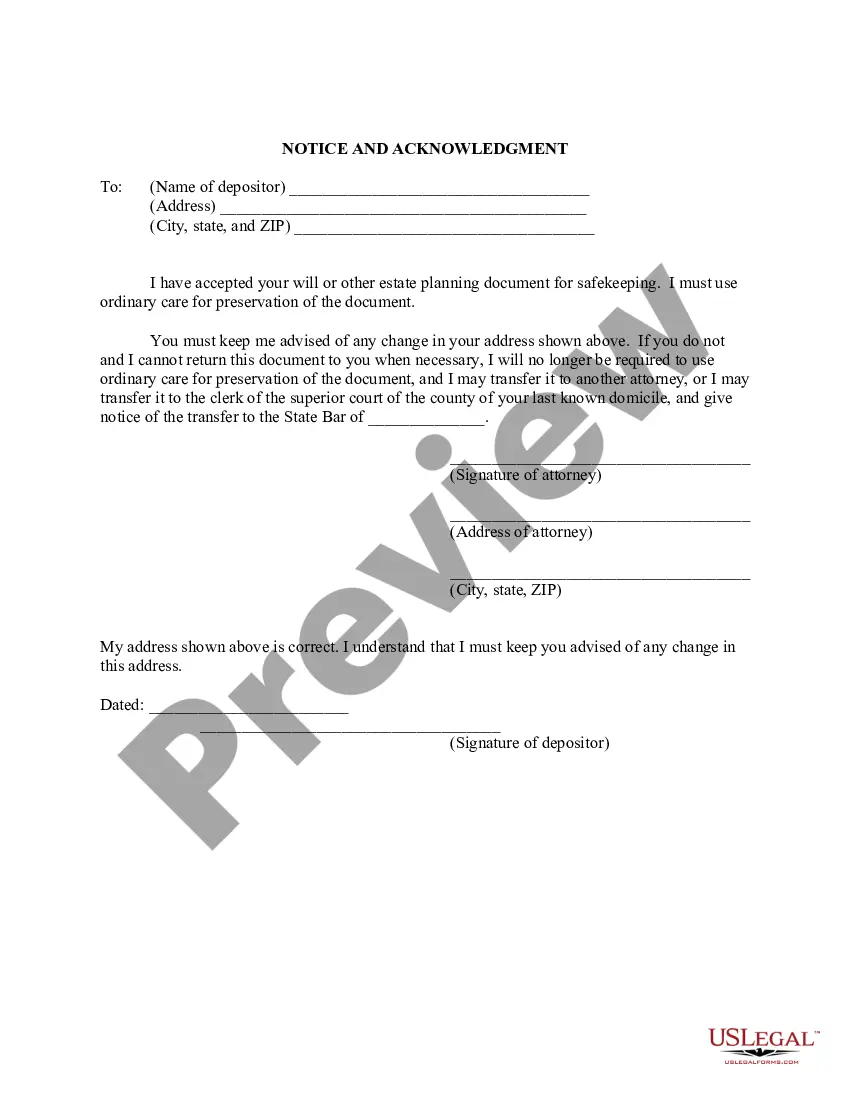
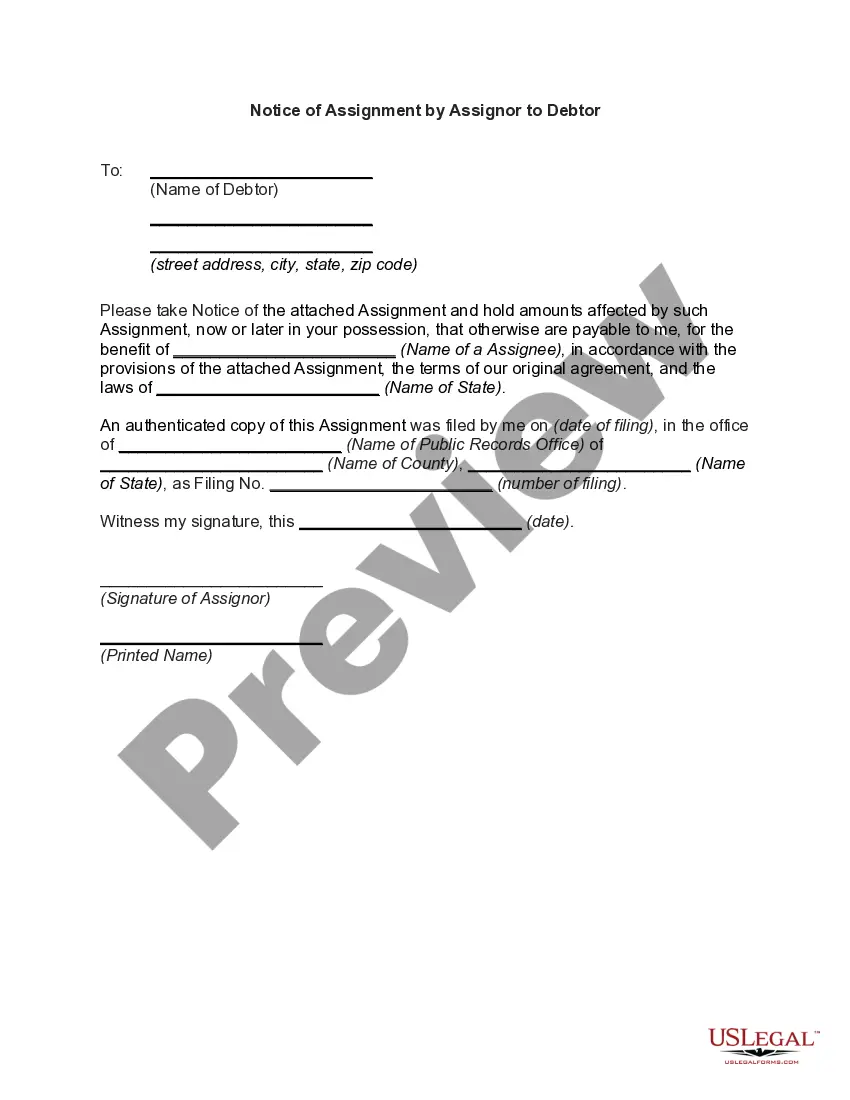
The Notice and Acknowledgment for Deposit of Will by Client is a legal document used by attorneys to confirm their acceptance of a client's estate planning documents for safekeeping. This form establishes the attorney's responsibility to preserve the will and outlines the need for the client to inform the attorney of any address changes. By using this form, clients ensure clear communication regarding the handling of their estate planning documents and help protect their interests.
Key parts of this document
- Identification fields for the depositor, including name and address.
- Attorney's acknowledgment of receipt of the will or estate planning document.
- Clause outlining the attorneyâs responsibility for the document's preservation.
- Requirement for the client to communicate any changes to their address.
- Signature lines for both the attorney and the client, confirming their understanding.
- Date field for formal record-keeping.
When to use this form
This form is crucial when an attorney takes possession of a client's will or other estate planning documents. Use this form during initial consultations or meetings when clients submit these documents for safekeeping. It is important to have this acknowledgment documented to clarify responsibilities and maintain effective communication, particularly if the client moves or changes contact information.
Who should use this form
- Attorneys managing clients' estate planning documents.
- Clients who wish to ensure their wills and other estate documents are properly safeguarded.
- Individuals involved in estate planning processes who need written acknowledgment of document preservation.
How to complete this form
- Enter the name and address of the depositor at the top of the form.
- The attorney should sign the acknowledgment section confirming receipt and responsibilities.
- Ensure the attorney includes their address for clear communication.
- Clients must sign to confirm their understanding of the need to report address changes.
- Date the form upon completion to verify when the document was executed.
Does this form need to be notarized?
This form does not typically require notarization unless specified by local law. It is advisable to check specific regulations that may apply in your jurisdiction to ensure the form is legally binding.
Get your form ready online
Our built-in tools help you complete, sign, share, and store your documents in one place.
Make edits, fill in missing information, and update formatting in US Legal Forms—just like you would in MS Word.
Download a copy, print it, send it by email, or mail it via USPS—whatever works best for your next step.
Sign and collect signatures with our SignNow integration. Send to multiple recipients, set reminders, and more. Go Premium to unlock E-Sign.
If this form requires notarization, complete it online through a secure video call—no need to meet a notary in person or wait for an appointment.
We protect your documents and personal data by following strict security and privacy standards.

Make edits, fill in missing information, and update formatting in US Legal Forms—just like you would in MS Word.

Download a copy, print it, send it by email, or mail it via USPS—whatever works best for your next step.

Sign and collect signatures with our SignNow integration. Send to multiple recipients, set reminders, and more. Go Premium to unlock E-Sign.

If this form requires notarization, complete it online through a secure video call—no need to meet a notary in person or wait for an appointment.

We protect your documents and personal data by following strict security and privacy standards.
Common mistakes to avoid
- Failing to complete all required fields, particularly the depositor's and attorney's addresses.
- Not signing the form, which can render it invalid.
- Neglecting to date the form, which can create ambiguity about when the acknowledgment occurred.
- Forgetting to discuss address change obligations with the client.
Benefits of completing this form online
- Convenient access to customizable legal forms at any time.
- Instant downloads allow for immediate use without the need to visit a law office.
- Document can be easily edited based on specific client needs and circumstances.
- Ensures compliance with legal standards and reduces the likelihood of errors.
Legal use & context
- This form legally binds the attorney to safeguard the clientâs documents under specified conditions.
- It protects the rights of the client by ensuring clear communication about their responsibilities regarding change of address.
- Failure to inform the attorney of address changes can release the attorney from liability, making this form crucial for legal clarity.
Main things to remember
- The form establishes written acknowledgment of safekeeping of estate documents.
- Clients must keep attorneys updated about their address changes.
- It is important for both parties to retain copies for their records.
Looking for another form?



Form popularity
FAQ
What happens to my files if my attorney dies?Generally, the executor or administrator of the attorney's estate is responsible for notifying clients and returning their files. In some instances, the local superior court may appoint a practice administrator to handle these duties.
A client is somebody who buys goods or pays for services. Companies and other organizations may also be clients. As opposed to customers, clients usually have an arrangement or a relationship with the seller.
A lot of attorneys offer to keep the original wills they prepare for their clients, at no charge.If the will is in your attorney's safe, that will not happen. In your case, this backfired. After your attorney retired or died, his staff should have mailed the original wills to you and your husband.
A firm may close voluntarily, in which case it will make arrangements with its clients to deal with any ongoing work, and to arrange for the return of clients' papers and money.other legal professionals such as barristers, who may be owed money for professional fees.
The American Academy of Matrimonial Lawyers, in its Standards of Conduct in Family Law Litigation, specifically prohibits attorney-client sex: "An attorney should never have a sexual relationship with a client or opposing counsel during the time of the representation" (§ 2.16 1991).
Lawyers retain their client files, which may include a copy of a will, for a state specific time period, which is usually 7 years. Original documents are given to clients for safe keeping. Many years ago some law firms did hold originals in a firm safety...
Noun. a person or group that uses the professional advice or services of a lawyer, accountant, advertising agency, architect, etc. a person who is receiving the benefits, services, etc., of a social welfare agency, a government bureau, etc.
What Does a Wills and Probate Lawyer Do? A will attorney can create your will, a document that declares how your possessions will be divided after death. A probate attorney will then help the family through the process of carrying out these wishes.