Disclaimer and Terms of Use
What is this form?
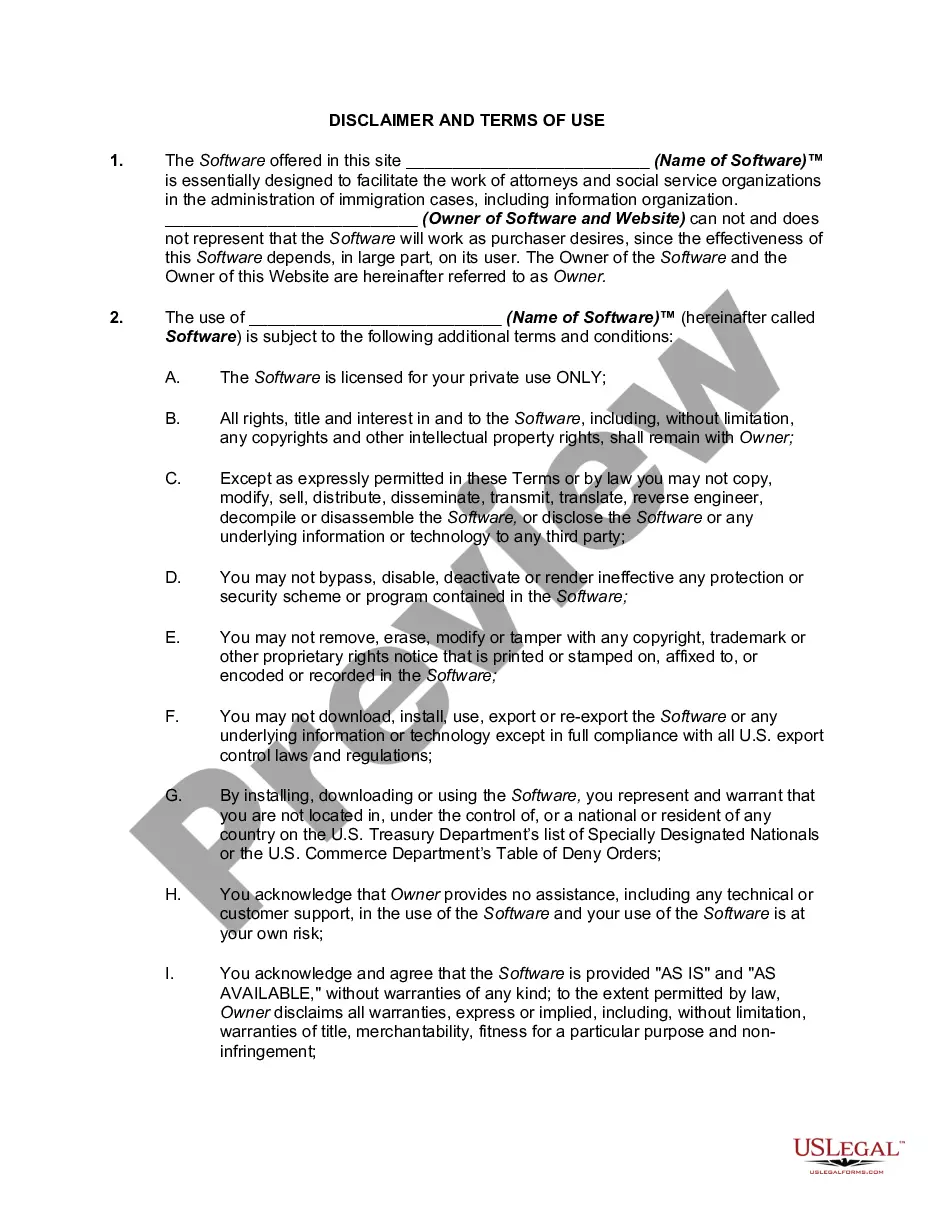
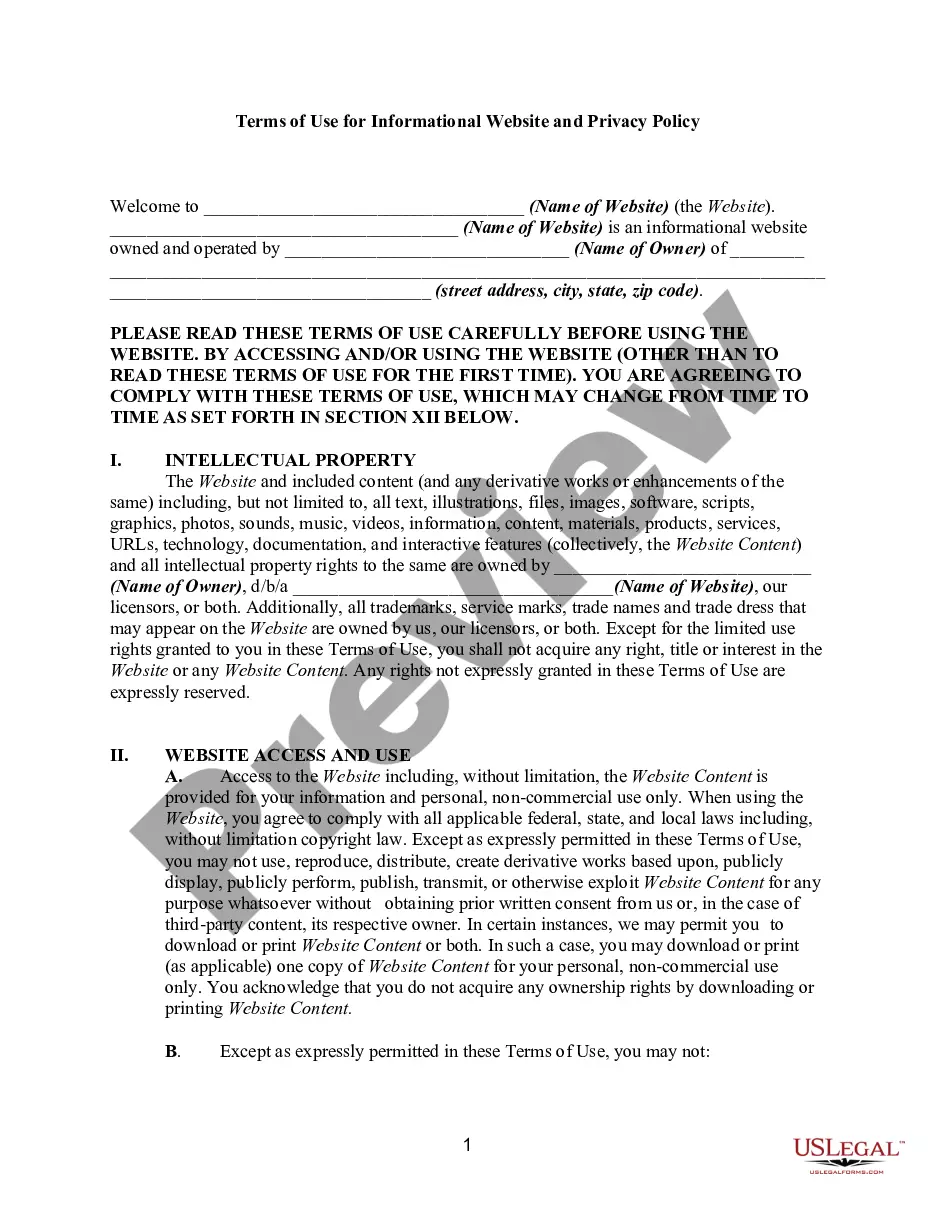
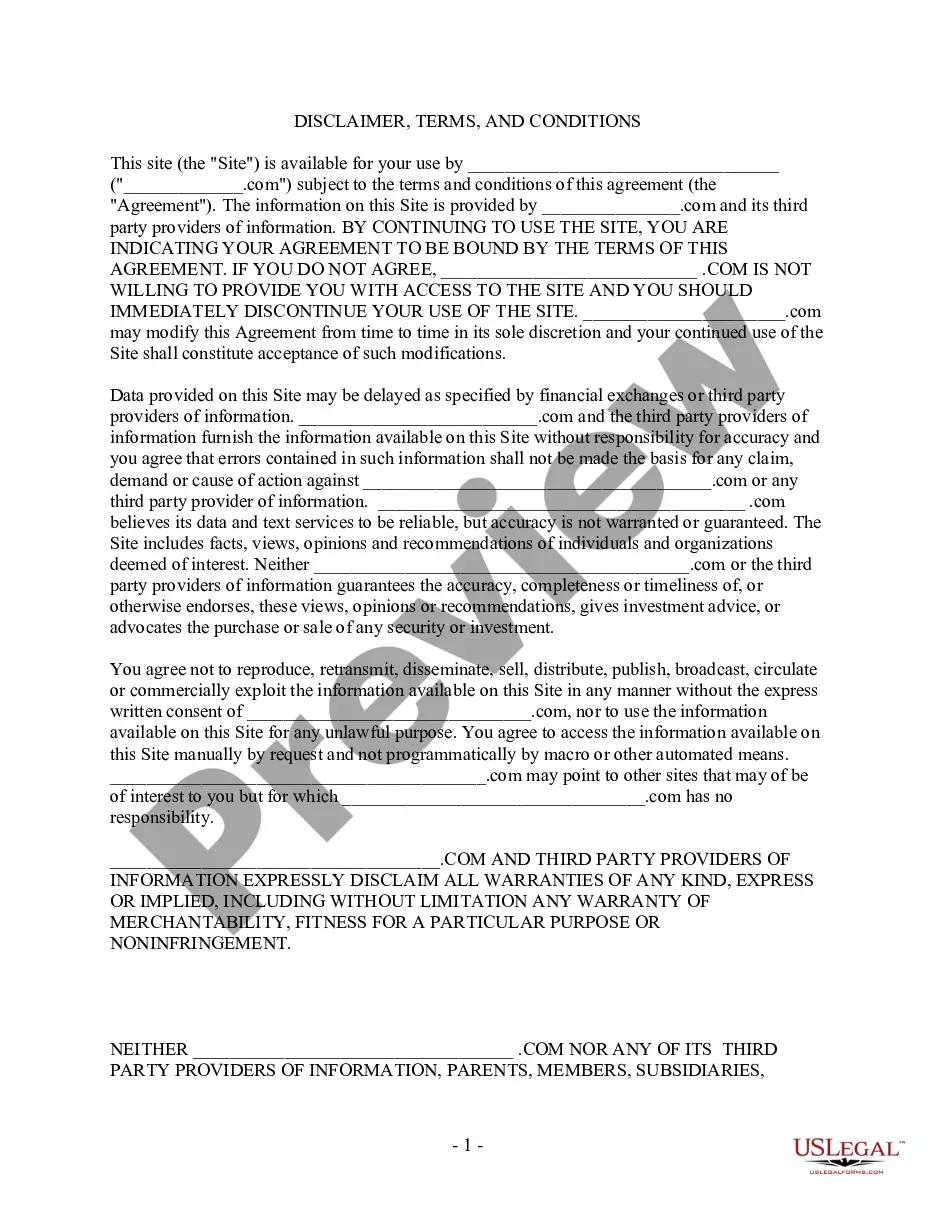
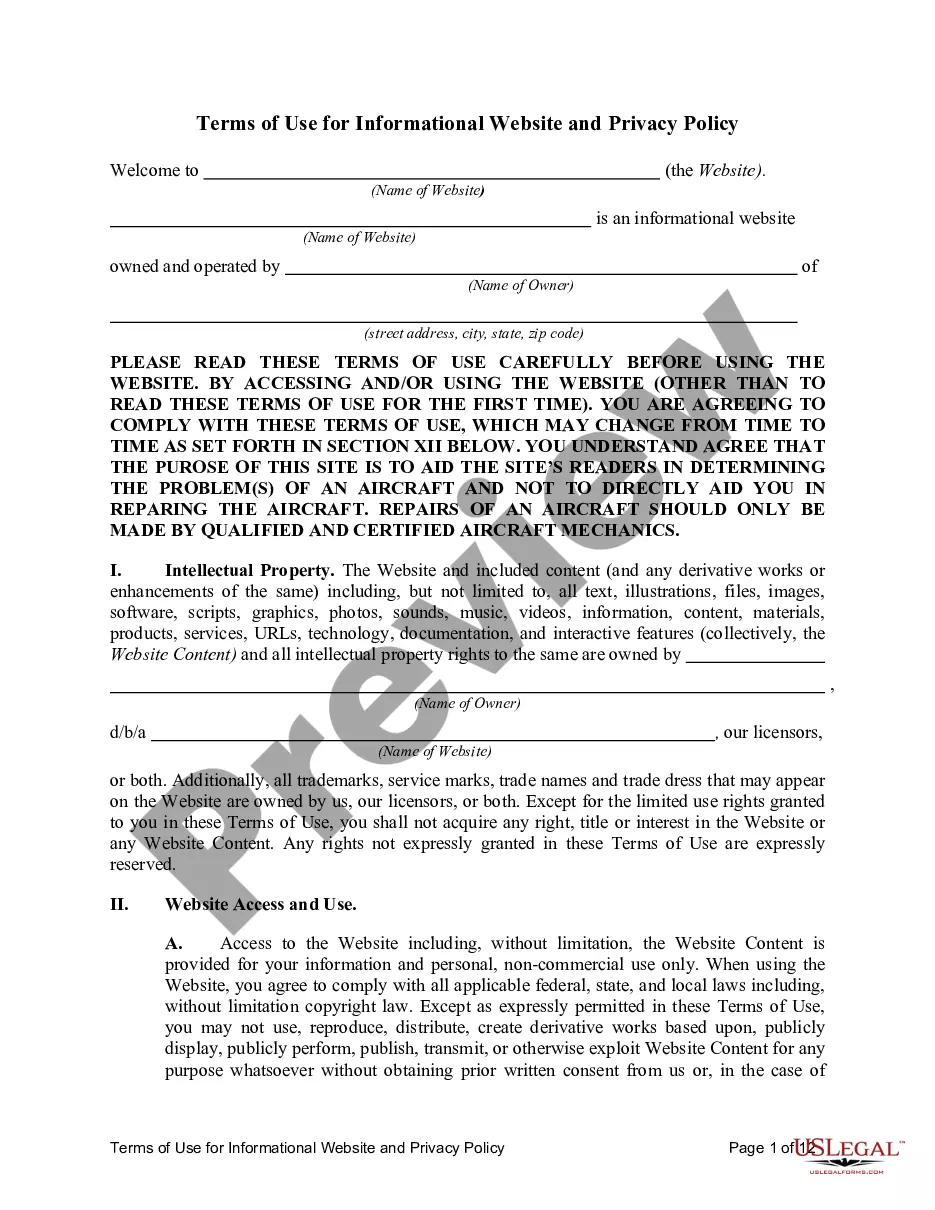
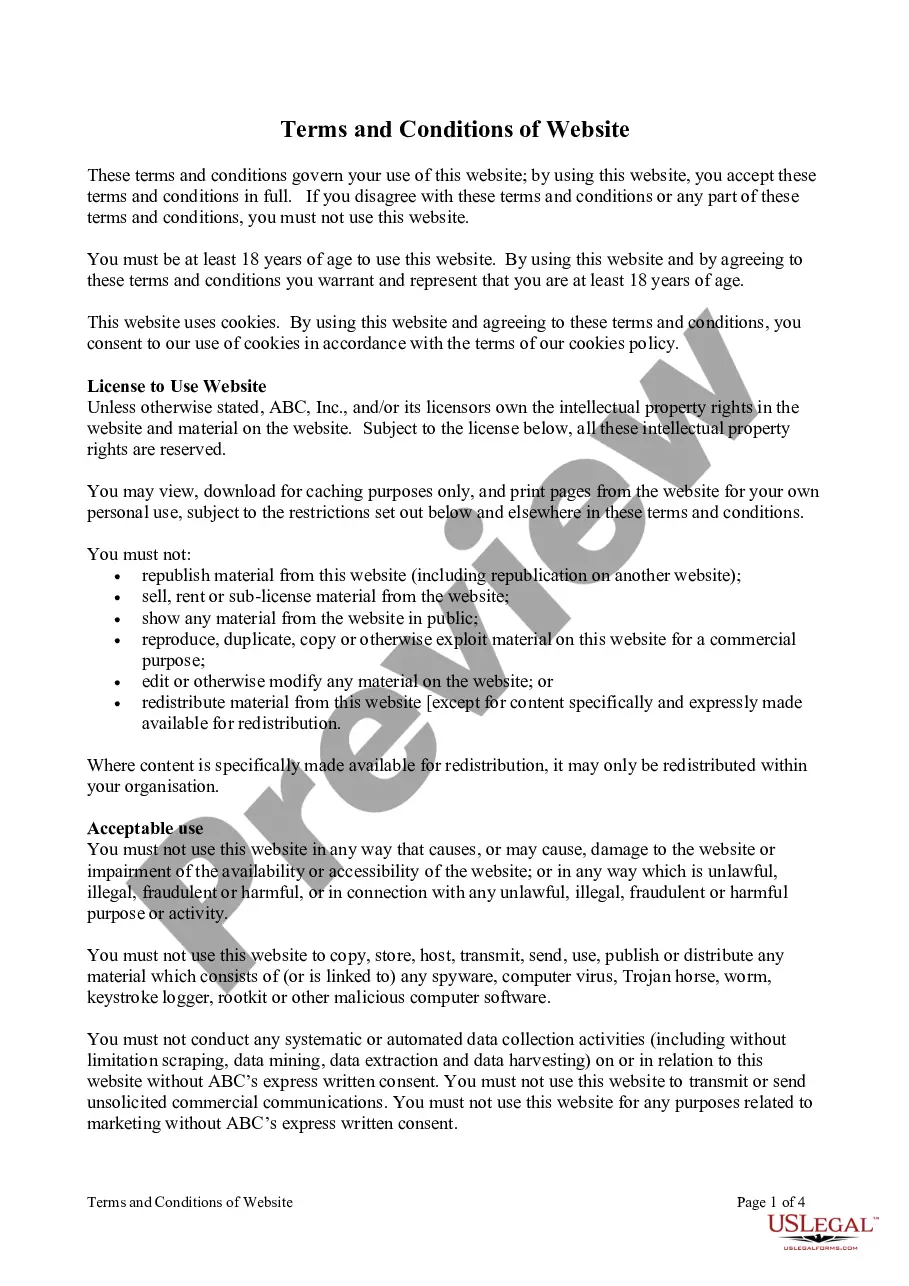
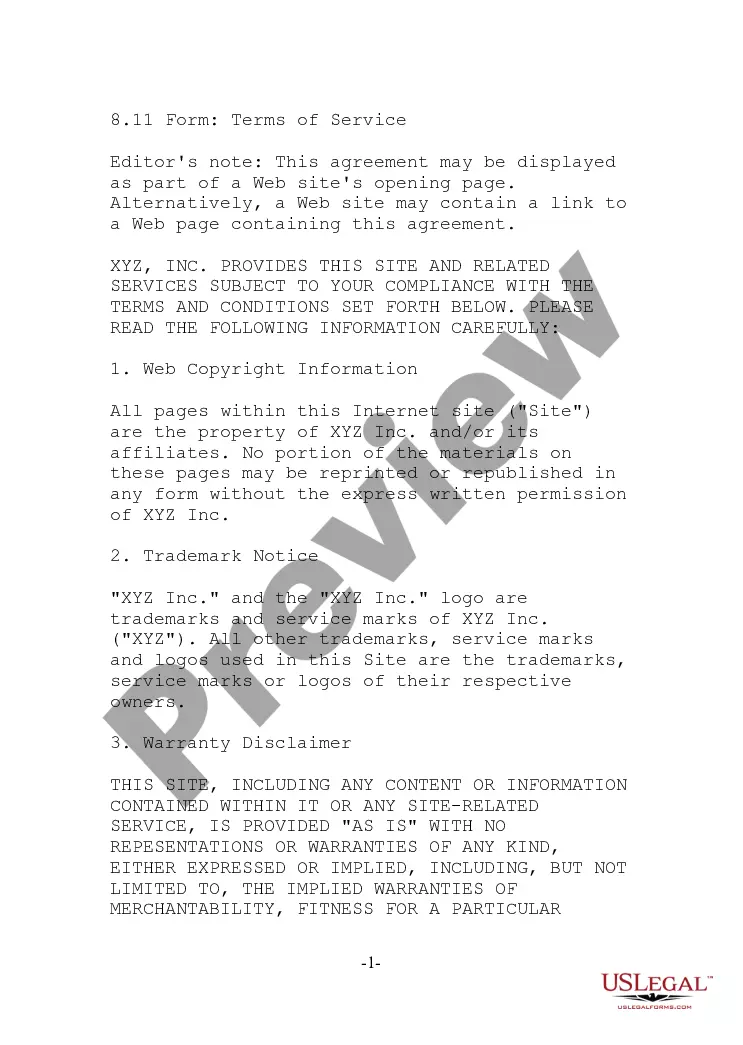
The Disclaimer and Terms of Use is a legal document that outlines the conditions under which users may access and use software provided on a website. This form clarifies limitations of liability, user responsibilities, and intellectual property rights associated with the software. It is essential for protecting both the provider and the user by clearly defining the terms of usage and avoiding potential legal issues arising from misunderstandings or misuse.
Main sections of this form
- Scope of use: Details on permitted and prohibited actions regarding the software.
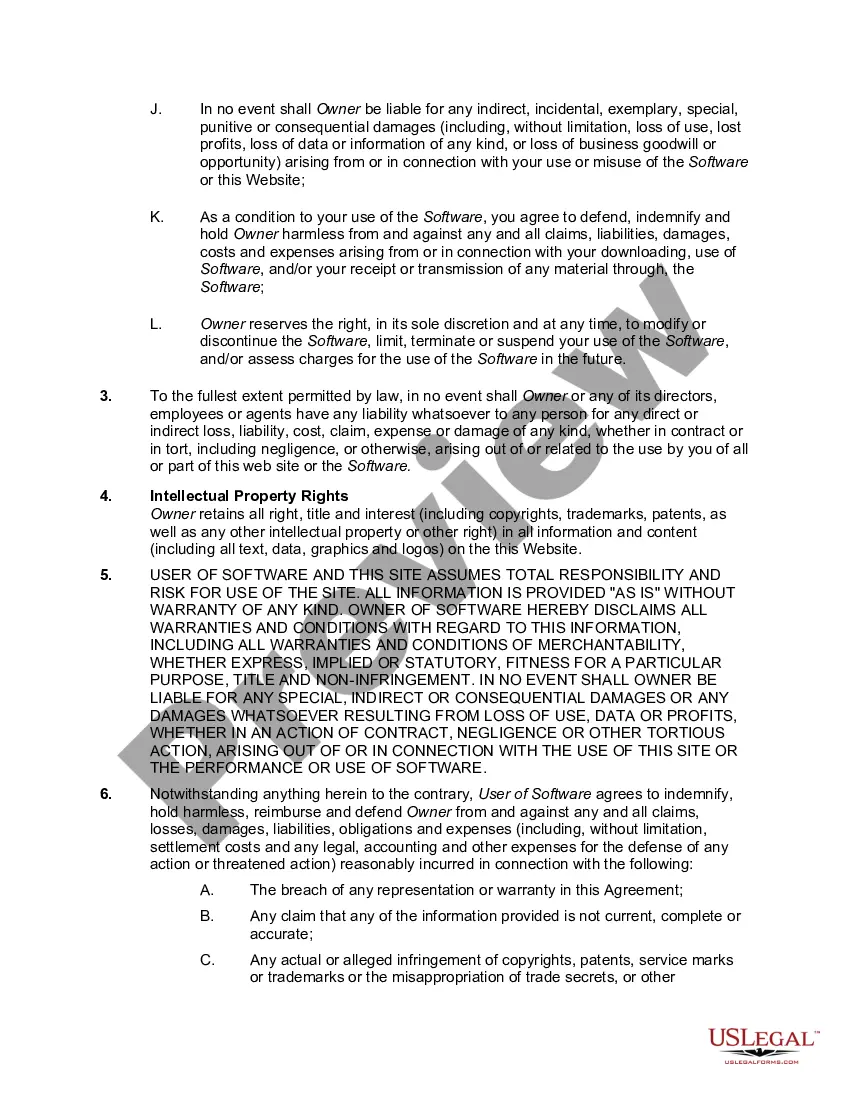
- Warranties and disclaimers: Clarifications regarding the absence of warranties and conditions, and limitations of liability for the provider.
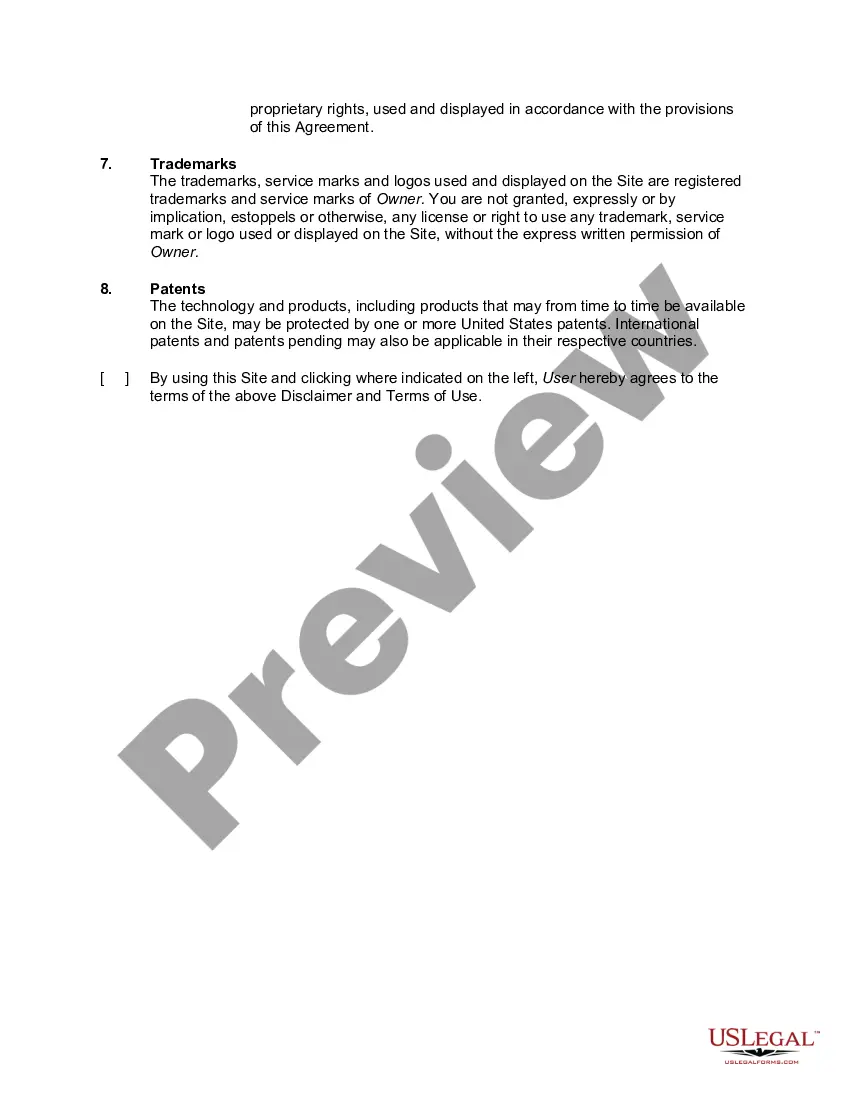
- Intellectual property rights: Information on ownership of content, trademarks, and copyright.
- Indemnification clause: User's responsibility to protect the provider from claims related to software use.
- Modification rights: The provider's rights to change or discontinue the software at any time.
Situations where this form applies
This form should be used when downloading, installing, or utilizing software provided by a website. It is crucial for users to understand their rights and obligations regarding the software usage, especially in settings where liability concerns or intellectual property issues may arise. This disclaimer helps prevent confusion and outlines potential risks associated with the software.
Who needs this form
- Website owners or software providers looking to outline usage terms.
- Users of software who need clarity on their rights and liabilities.
- Developers who wish to protect their intellectual property when providing online software.
- Enterprises that distribute software and need a legal framework to manage user expectations.
Steps to complete this form
- Read the terms carefully: Understand your rights and responsibilities before agreeing.
- Identify the parties: Ensure that the software provider and the user are correctly identified.
- Agree to the terms: Indicate agreement by checking the appropriate box or clicking the acceptance button.
- Keep a copy: Download or save a copy of the disclaimer for personal records.
Does this document require notarization?
This form does not typically require notarization unless specified by local law. Users are advised to review the specific requirements of their jurisdiction.
Get your form ready online
Our built-in tools help you complete, sign, share, and store your documents in one place.
Make edits, fill in missing information, and update formatting in US Legal Forms—just like you would in MS Word.
Download a copy, print it, send it by email, or mail it via USPS—whatever works best for your next step.
Sign and collect signatures with our SignNow integration. Send to multiple recipients, set reminders, and more. Go Premium to unlock E-Sign.
If this form requires notarization, complete it online through a secure video call—no need to meet a notary in person or wait for an appointment.
We protect your documents and personal data by following strict security and privacy standards.

Make edits, fill in missing information, and update formatting in US Legal Forms—just like you would in MS Word.

Download a copy, print it, send it by email, or mail it via USPS—whatever works best for your next step.

Sign and collect signatures with our SignNow integration. Send to multiple recipients, set reminders, and more. Go Premium to unlock E-Sign.

If this form requires notarization, complete it online through a secure video call—no need to meet a notary in person or wait for an appointment.

We protect your documents and personal data by following strict security and privacy standards.
Common mistakes to avoid
- Not reading the terms thoroughly before acceptance.
- Assuming the software is free from risks without understanding disclaimers.
- Neglecting to save a copy of the agreement for future reference.
- Overlooking intellectual property clauses that may affect use.
Benefits of completing this form online
- Convenience: Easily download and access the form at any time.
- Editability: Customize the disclaimer to suit specific software or services.
- Reliability: Access forms drafted by licensed attorneys, ensuring legal accuracy.
Legal use & context
- This form establishes the legal boundaries for software use and protects intellectual property rights.
- Using this form properly can prevent legal disputes between software owners and users.
- The terms outlined help mitigate risks associated with software distribution and usage.
Quick recap
- This form serves to protect the rights of software providers and inform users of their responsibilities.
- It is crucial for businesses that offer downloadable applications or web services.
- Clear terms help to mitigate legal risks and clarify the relationship between the user and the provider.
Looking for another form?








Form popularity
FAQ
A disclaimer is generally any statement intended to specify or delimit the scope of rights and obligations that may be exercised and enforced by parties in a legally recognized relationship.
Writing Your Terms and Conditions. Start with a statement regarding the acceptance of your terms and conditions. Your very first paragraph should always be an acceptance of terms clause. This clause ensures that your users understand that by using your service they are accepting the terms and conditions.
In your disclaimer, cover any and all liabilities for the product or service that you provide. You should warn consumers of any dangers or hazards posed by your product. You should list specific risks while at the same time acknowledging that the list is not exhaustive. For example, you could write, NOTICE OF RISK.
Introduction. Right to make changes to the agreement. User guidelines (rules, restrictions, requirements) Copyright and intellectual property. Governing law. Warranty disclaimer. Limitation of liability.
"I have read and agree to the Terms" or "I have read and agree to the Privacy Policy" "I accept the Terms of Service" or "I accept the Privacy Statement" "Click here to indicate that you have read and agree to the terms presented in the Terms and Conditions agreement"
1They also had to sign a disclaimer saying that they would not put his information to use.2She said she was coerced by an officer into signing a disclaimer saying she would not take her complaint further.3That's why we issue a disclaimer with our referrals.Disclaimer definition and meaning Collins English Dictionary\nwww.collinsdictionary.com > dictionary > english > disclaimer
They also had to sign a disclaimer saying that they would not put his information to use. She said she was coerced by an officer into signing a disclaimer saying she would not take her complaint further. That's why we issue a disclaimer with our referrals.
1Use clear and concise language.2Try and use language that is friendly and positive and explain the rational for provisions that might otherwise appear too strong.3Make sure the information is set out in a well-structured and logical way.How To Write Effective Terms And Conditions\nwww.jonathanlea.net > how-to-write-effective-terms-and-conditions
A brief introduction. The effective date. Jurisdiction/governing law. Link to your Privacy Policy. Contact information. Limitation of liability and disclaimer of warranties. Rules of conduct. User restrictions.