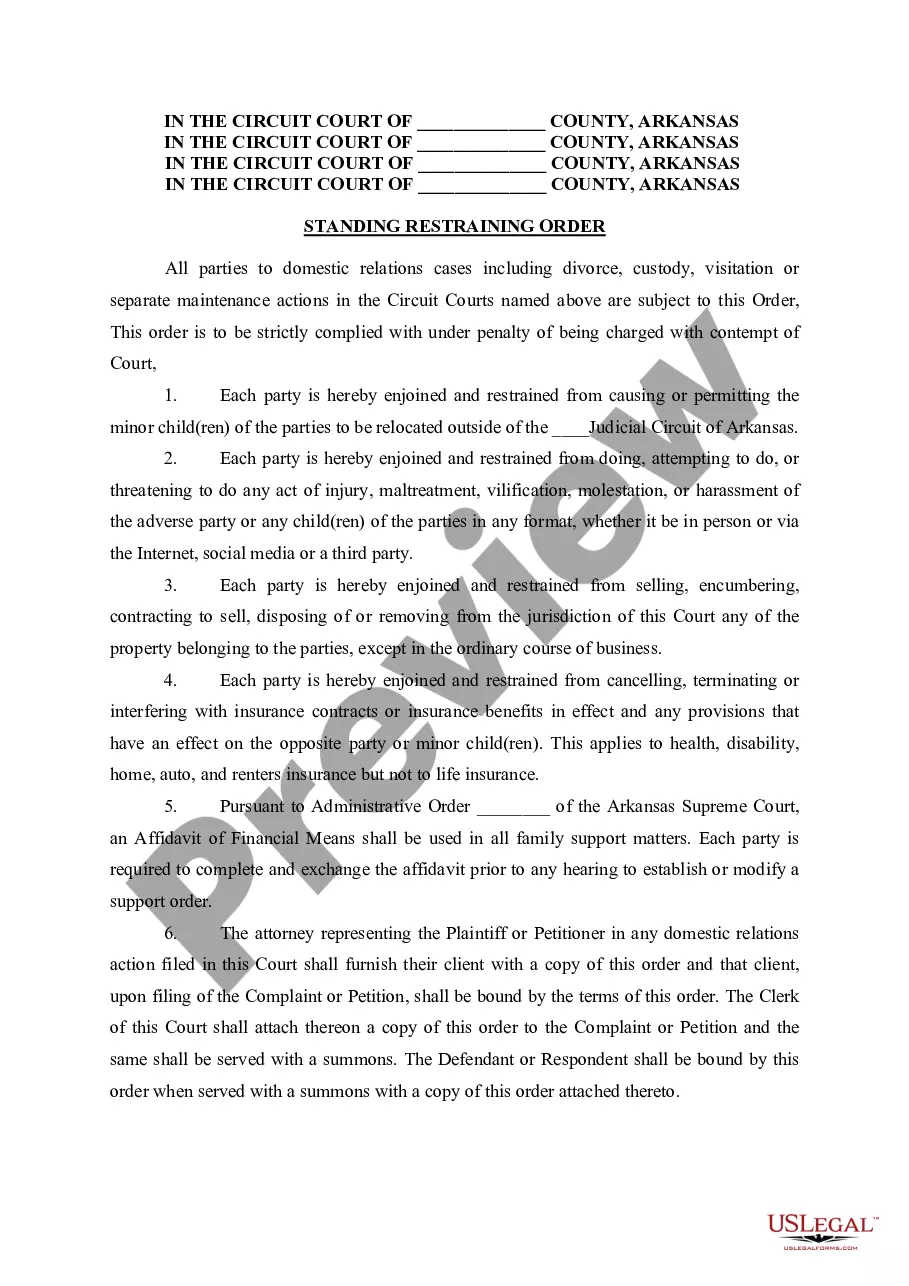
Subpoena to Produce Documents, Information, or Objects or Permit Inspection of Premises in a Civil Action Involving Identity Theft
About this form
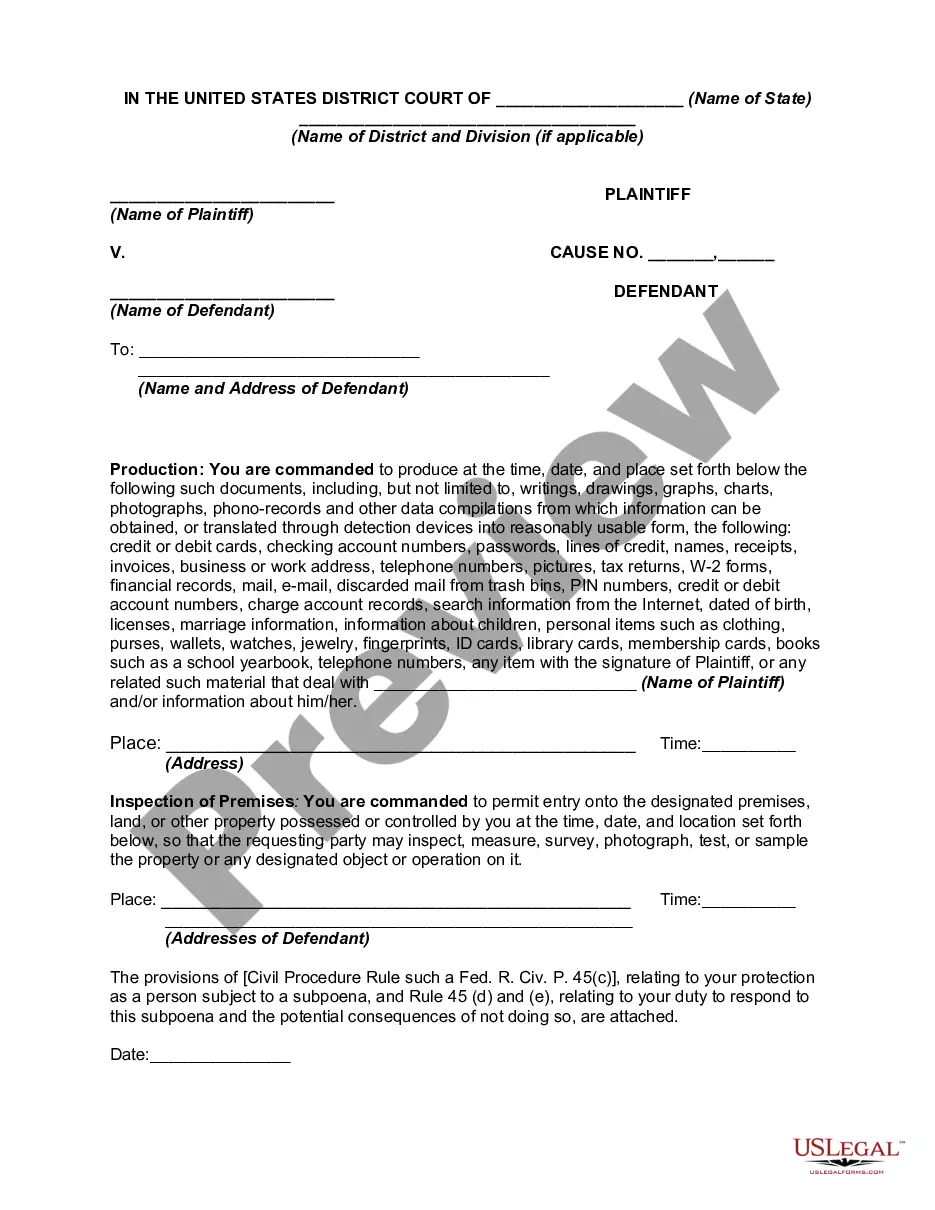
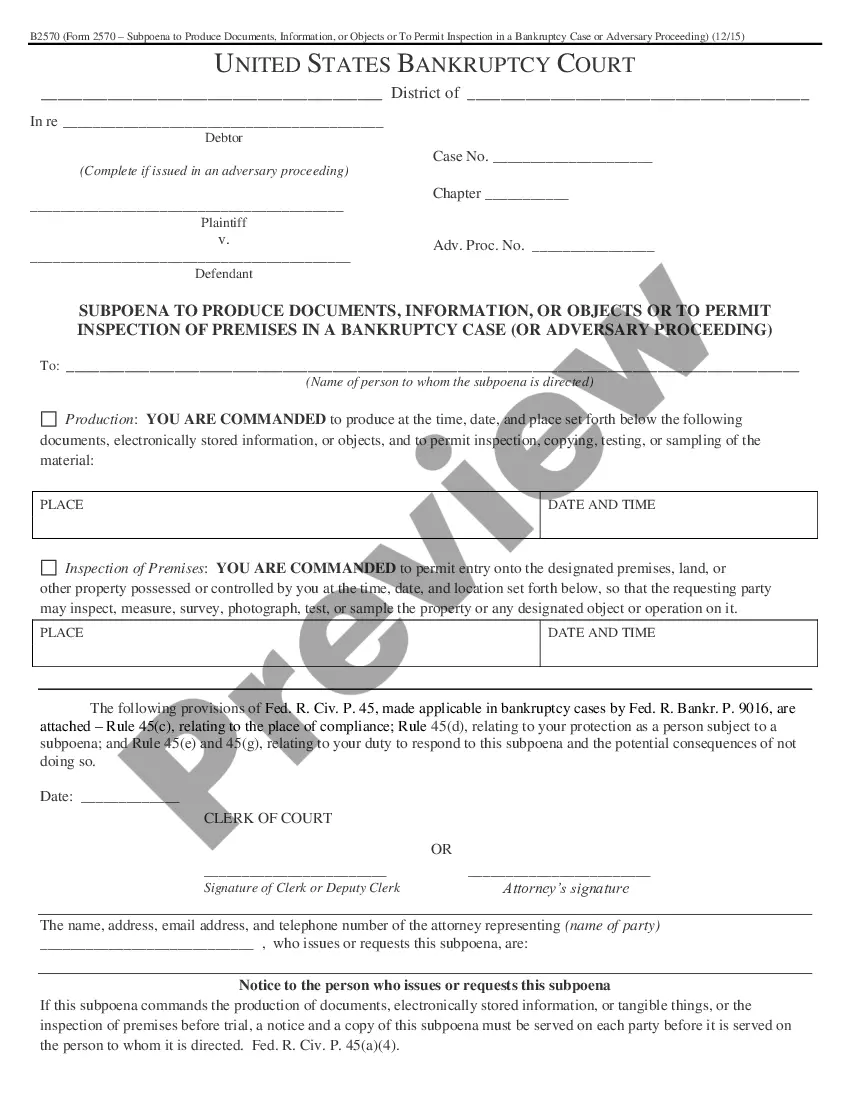
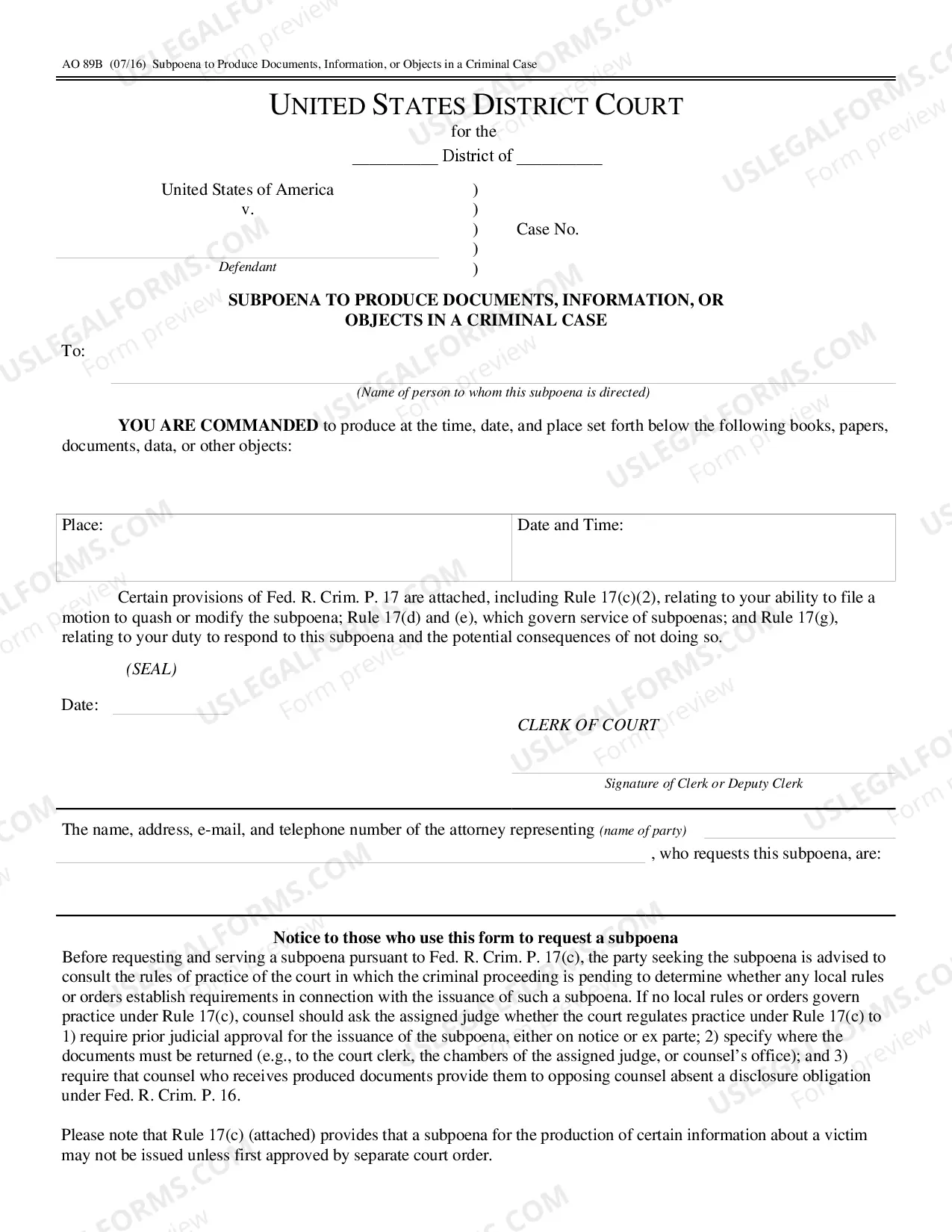
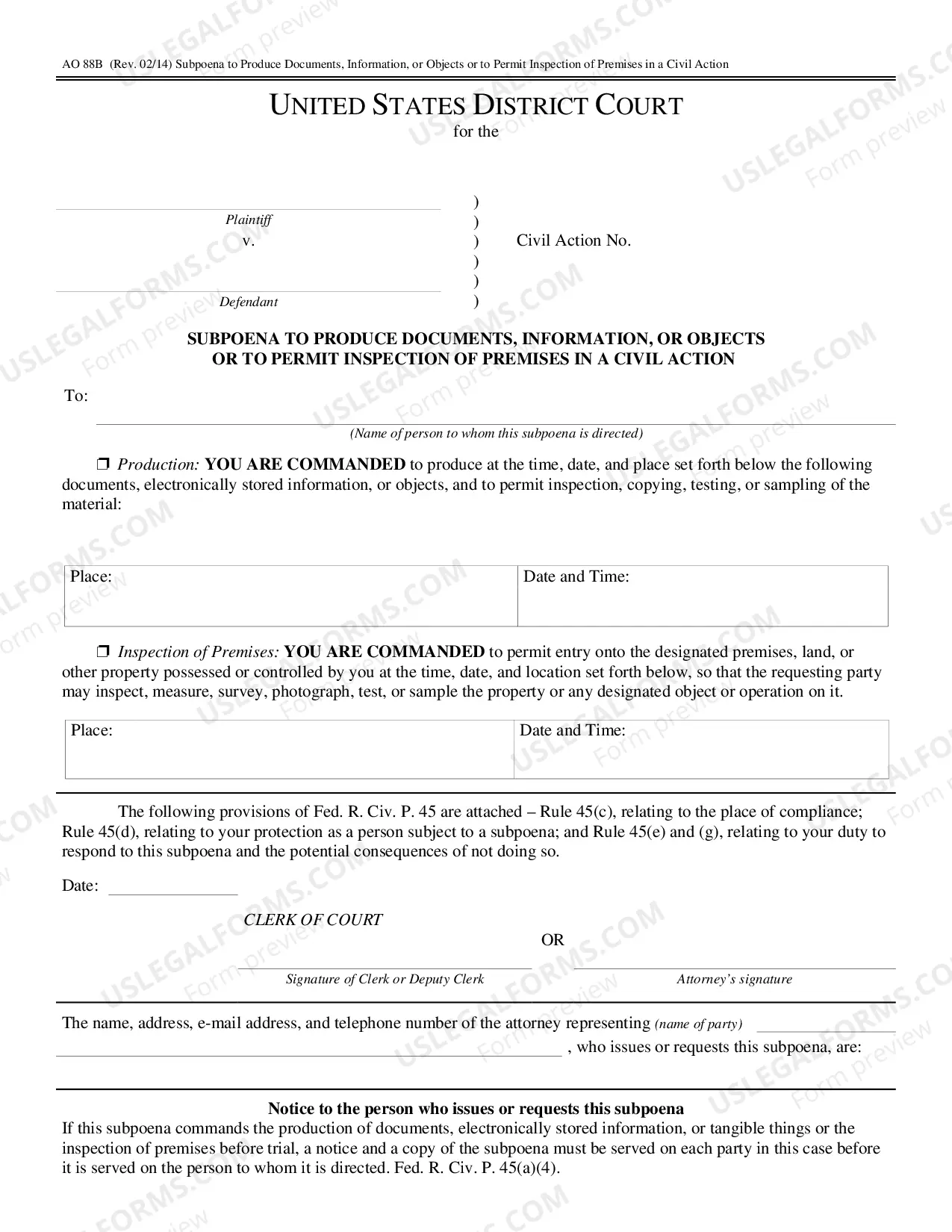
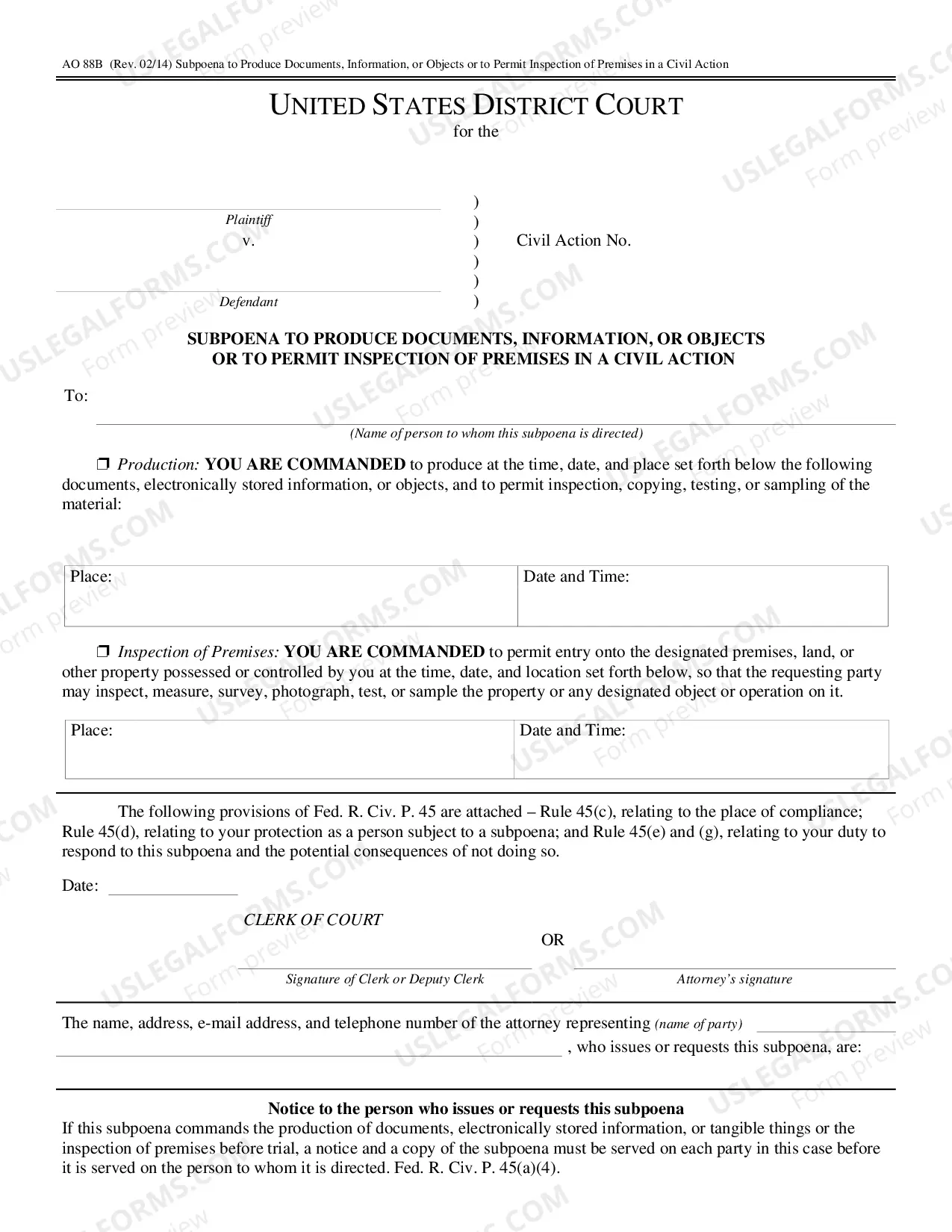
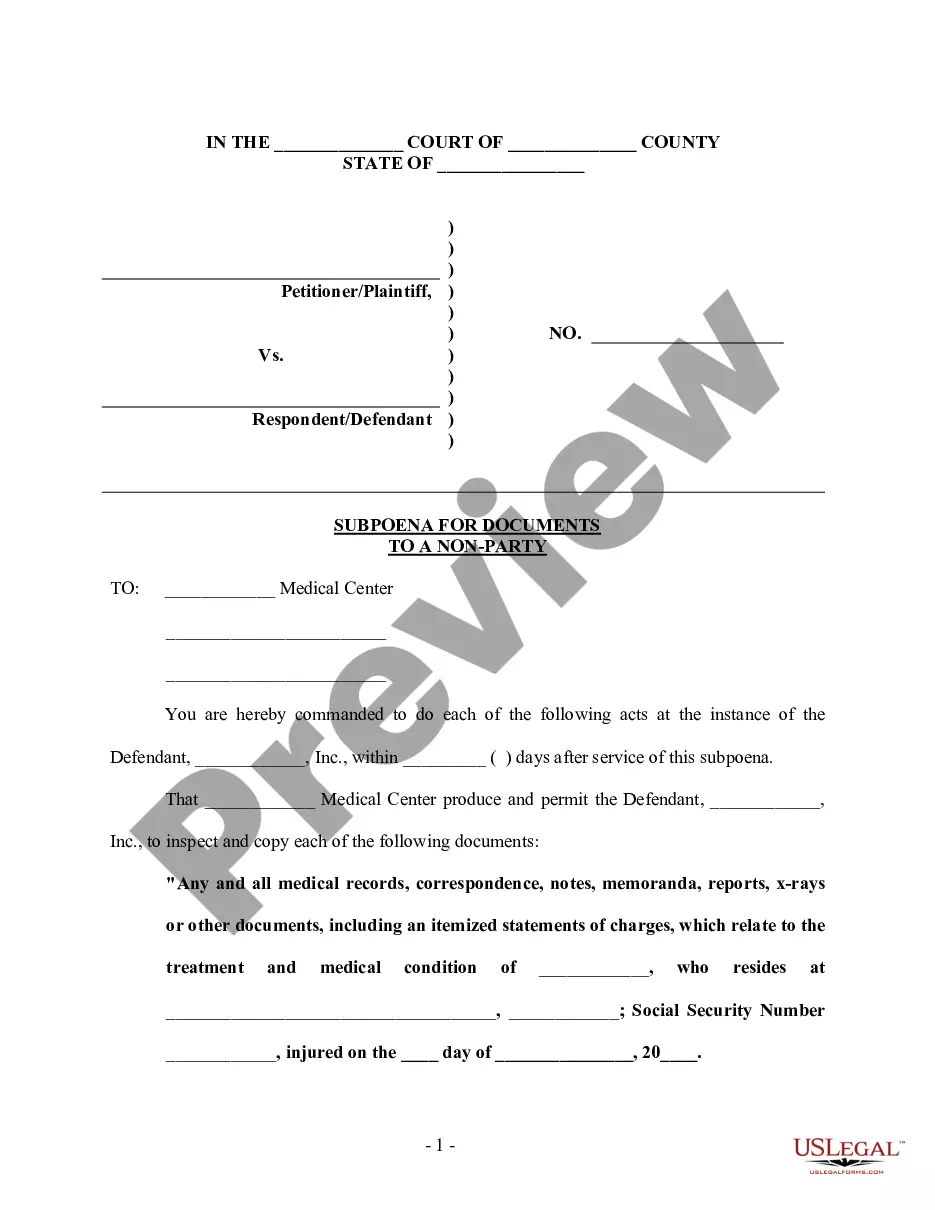
The Subpoena to Produce Documents, Information, or Objects or Permit Inspection of Premises in a Civil Action Involving Identity Theft is a legal document that commands a person to provide specific evidence or allow an inspection related to a civil lawsuit involving identity theft. Unlike traditional subpoenas, this form is tailored specifically for cases where identity theft is involved, ensuring that plaintiffs can gather essential documents and inspect premises pertinent to the case.
Form components explained
- Name of the court and jurisdiction.
- Details of the plaintiff and defendant.
- Specific instructions for the production of documents and information.
- Time, date, and place for compliance.
- Information regarding the inspection of premises.
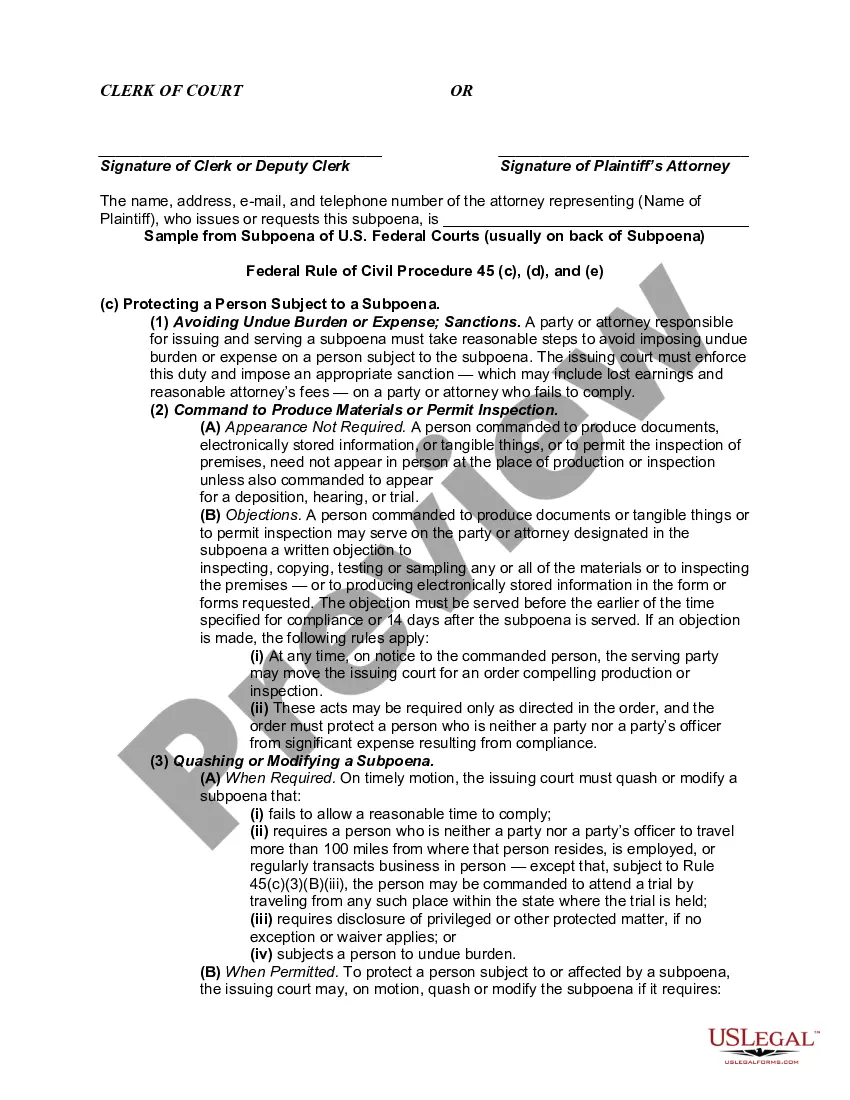
- Signatures of the clerk or deputy clerk and the plaintiff's attorney.

When to use this form
This form should be used in civil cases where identity theft has been alleged. It allows the requesting party to obtain pertinent documents or inspect locations that may hold evidence necessary for supporting their claims. Common scenarios include gathering records related to unauthorized access to banking information, retrieving personal identification used fraudulently, or examining locations where identity theft-related activities occurred.
Who this form is for
- Individuals or entities involved in a civil lawsuit regarding identity theft.
- Attorneys representing plaintiffs seeking evidence related to identity theft claims.
- Parties who need to verify information as part of legal proceedings regarding identity theft.
Completing this form step by step
- Identify the district and division where the case is filed.
- Clearly state the names of the plaintiff and defendant, including their addresses.
- Specify all requested documents for production, detailing what is needed for the case.
- Indicate the time, date, and place for producing documents and permits for inspections.
- Obtain the signatures required from the clerk or deputy clerk and the attorney designated.
Does this document require notarization?
This form usually doesn’t need to be notarized. However, local laws or specific transactions may require it. Our online notarization service, powered by Notarize, lets you complete it remotely through a secure video session, available 24/7.
Get your form ready online
Our built-in tools help you complete, sign, share, and store your documents in one place.
Make edits, fill in missing information, and update formatting in US Legal Forms—just like you would in MS Word.
Download a copy, print it, send it by email, or mail it via USPS—whatever works best for your next step.
Sign and collect signatures with our SignNow integration. Send to multiple recipients, set reminders, and more. Go Premium to unlock E-Sign.
If this form requires notarization, complete it online through a secure video call—no need to meet a notary in person or wait for an appointment.
We protect your documents and personal data by following strict security and privacy standards.

Make edits, fill in missing information, and update formatting in US Legal Forms—just like you would in MS Word.

Download a copy, print it, send it by email, or mail it via USPS—whatever works best for your next step.

Sign and collect signatures with our SignNow integration. Send to multiple recipients, set reminders, and more. Go Premium to unlock E-Sign.

If this form requires notarization, complete it online through a secure video call—no need to meet a notary in person or wait for an appointment.

We protect your documents and personal data by following strict security and privacy standards.
Mistakes to watch out for
- Failing to provide clear and complete descriptions of the requested documents.
- Not ensuring the subpoena is signed by the appropriate court officer.
- Missing the specified time and date for compliance.
- Overlooking the need to protect sensitive information when detailing requests.
Why use this form online
- Convenience of downloading and accessing the form instantly from any location.
- Editable templates that allow for easy customization before printing.
- Guidance provided by licensed attorneys to ensure legal accuracy.
Looking for another form?


Form popularity
FAQ
Subpoena has not been issued correctly according to the law (technical grounds); subpoena is an abuse of process or oppressive (general objections); and. requested documents cannot be disclosed because of special rules that apply to the evidence (privilege).
Take a blank Subpoena to the clerk to have it issued. Take a blank Civil Subpoena (Form SUBP-001 ) to the clerk. Fill out the Subpoena. Make copies of your issued Subpoena. Serve the Subpoena. Fill out Page 3 of the original Civil Subpoena. Return the Subpoena to the clerk before your hearing (or trial).
The first, called subpoena ad testificandum (pronounced "ad test- te-fi-kan-dum"), requires you to testify before a court, or other legal authority. The second, called subpoena duces tecum (pronounced "doo-seez tee-kum"), requires you to produce documents, materials, or other tangible evidence.
Complete the subpoena form. Prepare a declaration under penalty of perjury. Briefly describe the documents you need and why they are necessary to prove issues involved in the case. Have a subpoena issued by the small claims clerk.
Take a blank Subpoena to the clerk to have it issued. Take a blank Civil Subpoena (Form SUBP-001 ) to the clerk. Fill out the Subpoena. Make copies of your issued Subpoena. Serve the Subpoena. Fill out Page 3 of the original Civil Subpoena. Return the Subpoena to the clerk before your hearing (or trial).
WHAT IS A SUBPOENA? A subpoena pronunciation is a court-ordered command which requires someone to either appear in court as a witness, attend a deposition, or provide evidence such as documents or a physical object in a legal case.
Although receiving a court summons may be jarring, it does not automatically mean you are in trouble. You may just have important information or access to information necessary for a particular case to proceed.
Failure to respond to a subpoena is punishable as contempt by either the court or agency issuing the subpoena. Punishment may include monetary sanctions (even imprisonment although extremely unlikely).
A subpoena is a legal document that commands a person or entity to testify as a witness at a specified time and place (at a deposition, trial, or other hearing), and/or to produce documents or other tangible objects in a legal proceeding. Subpoenas are time-sensitive with court-imposed deadlines.