Assignment of Escrow Account
What this document covers
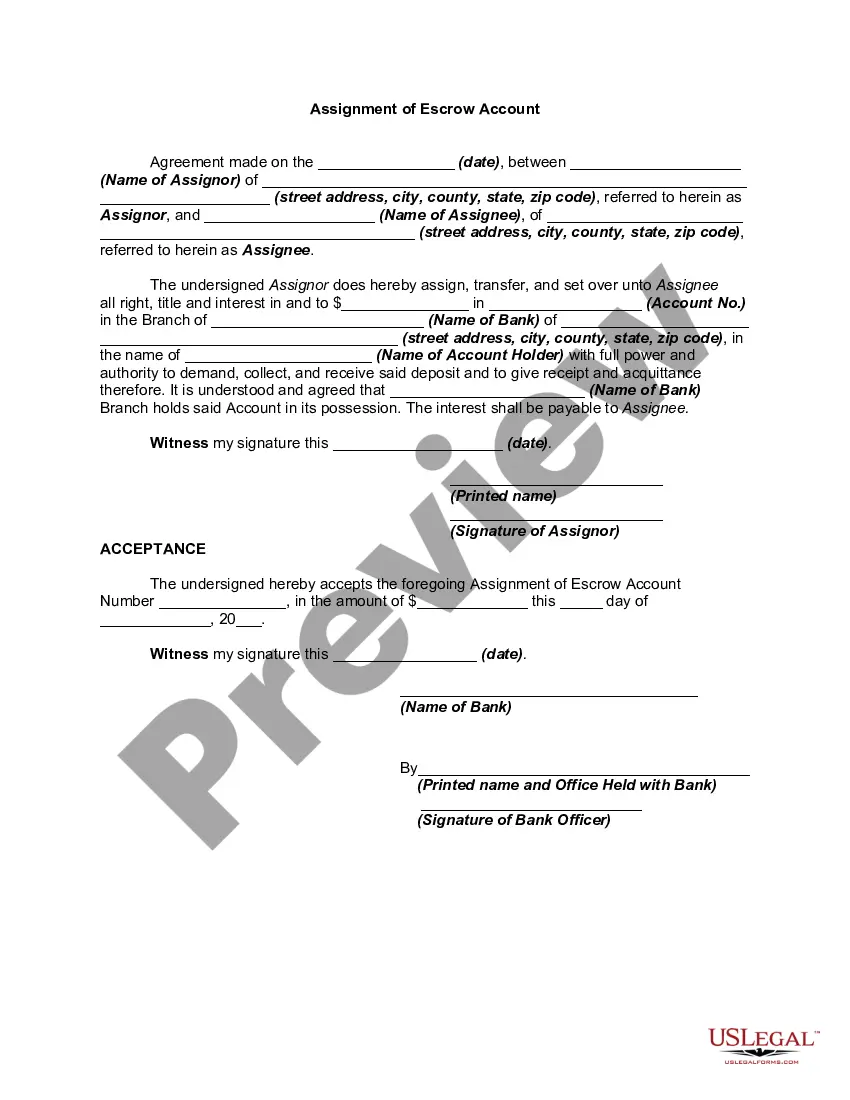
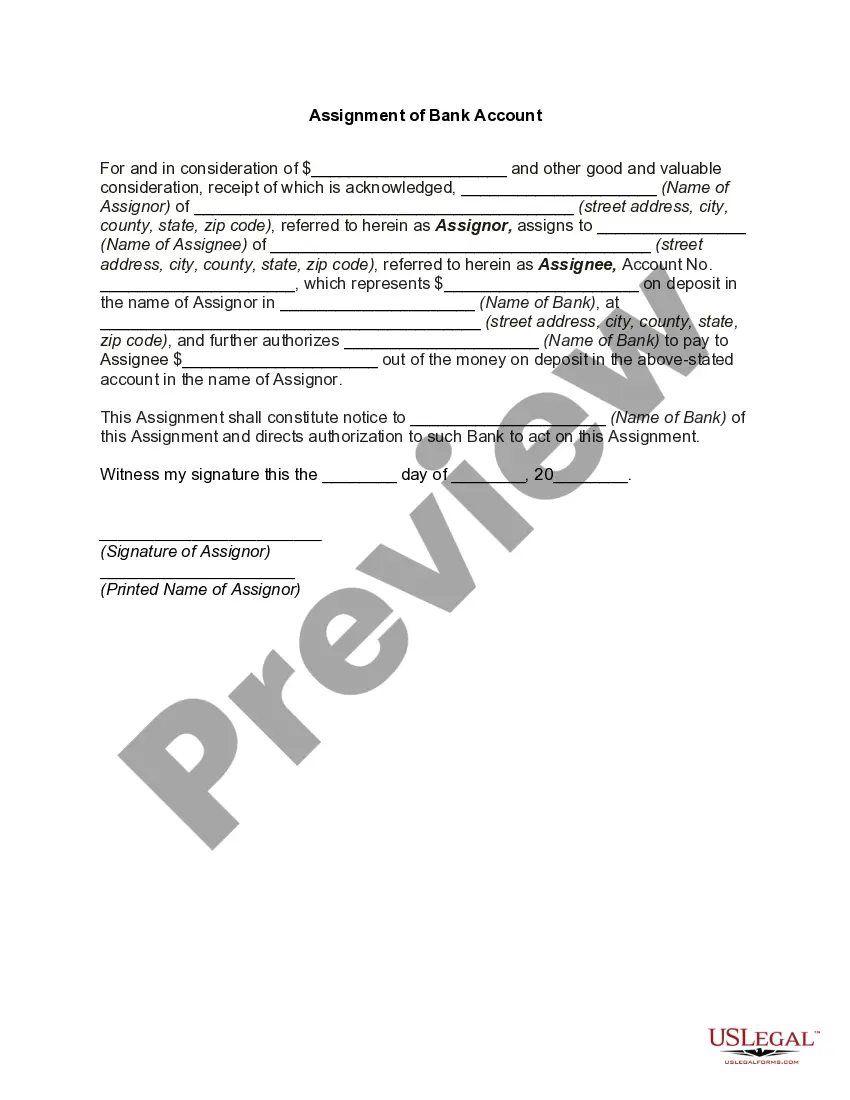
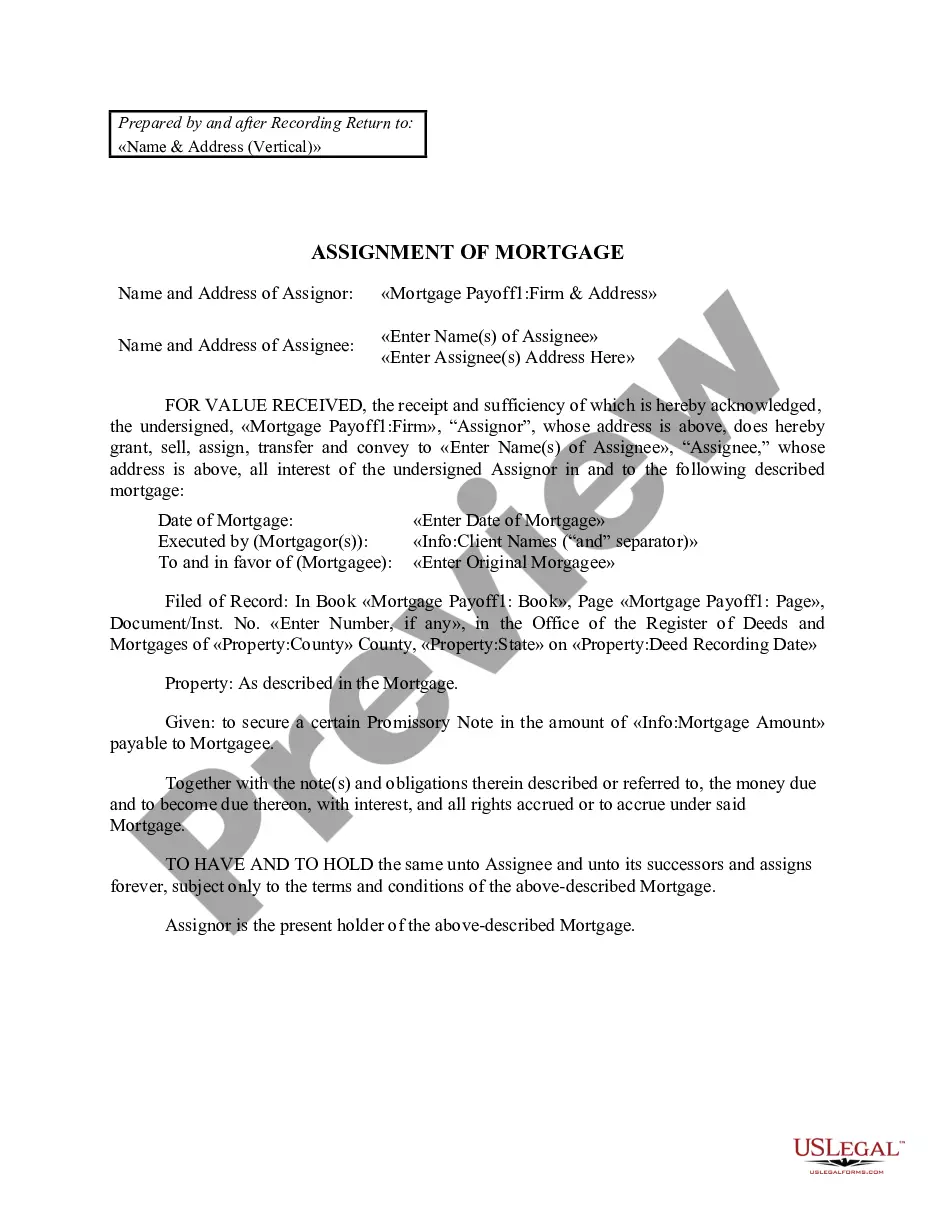
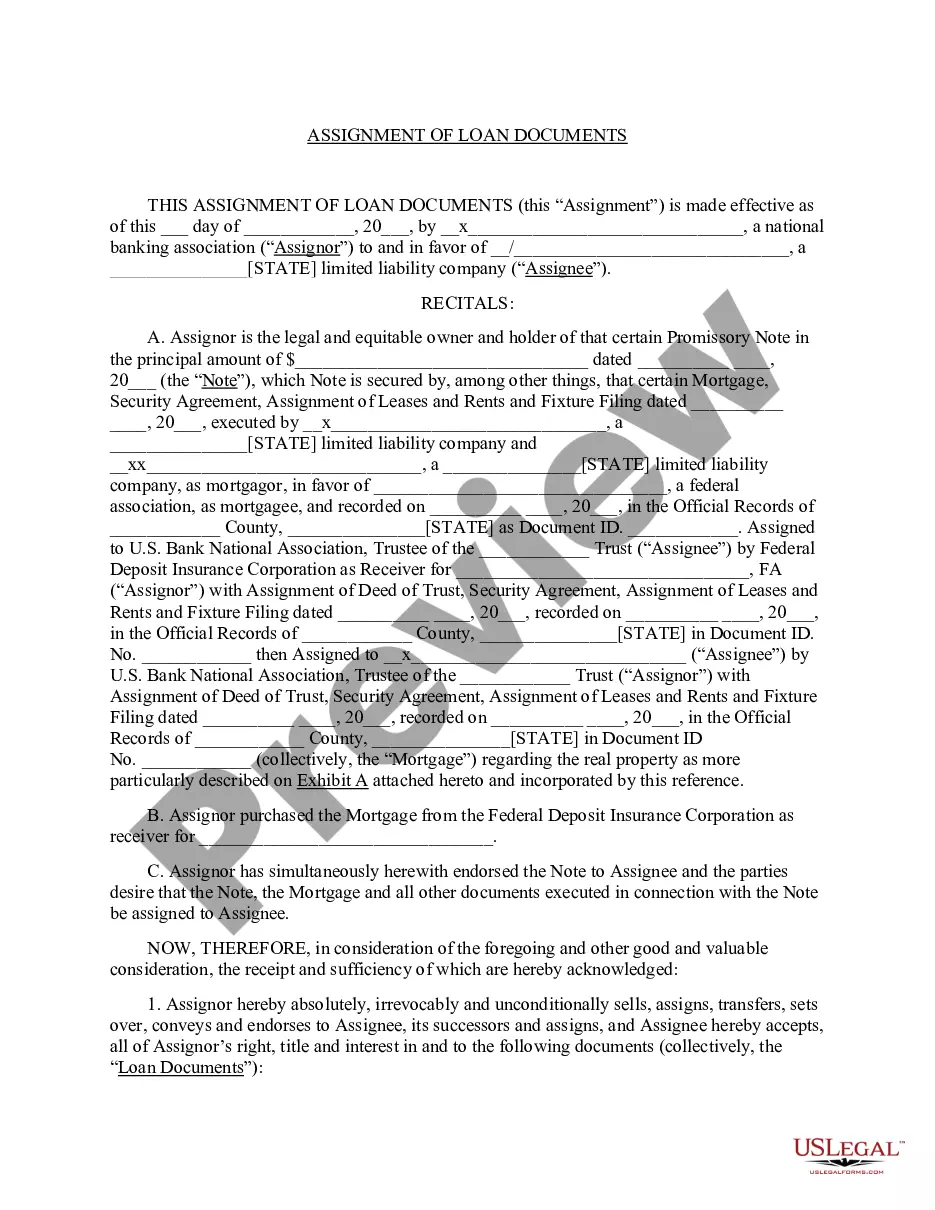
The Assignment of Escrow Account is a legal document used to transfer rights to an escrow account from one party, known as the Assignor, to another party, the Assignee. This form facilitates the transfer of ownership of funds held in escrow, typically used for paying property-related expenses such as taxes and insurance. It serves a specific purpose distinct from other legal forms by focusing exclusively on the assignment of the escrow account, ensuring a clear understanding of the rights being transferred.
What’s included in this form
- Names and addresses of the Assignor and Assignee.
- Details of the escrow account including account number and bank information.
- Terms of the assignment including rights transferred.
- Signatures for acknowledgment from both parties and the bank.
- Date of the agreement.
When this form is needed
This form should be used when the owner of an escrow account (Assignor) wishes to transfer their rights to the account to another individual or entity (Assignee). Common situations include selling a property where the escrow account was established as part of the transaction or transferring the responsibility for payment of property-related expenses to another party. It is important to use this form whenever a clear legal transfer of escrow rights is needed to avoid disputes later.
Who should use this form
- Individuals or entities that hold an escrow account and wish to assign their rights to another party.
- Real estate professionals facilitating a property sale involving escrow accounts.
- Borrowers with a mortgage who need to transfer responsibility for escrow accounts.
How to prepare this document
- Identify the parties involved: the Assignor and Assignee.
- Fill in the address information for both the Assignor and Assignee.
- Specify the details of the escrow account, including the account number and bank name.
- Enter the date of the agreement and obtain necessary signatures.
- Ensure that a bank officer reviews and accepts the assignment by signing the form.
Does this document require notarization?
This form does not typically require notarization unless specified by local law. It is important to check your stateâs regulations regarding notarization to ensure compliance.
Get your form ready online
Our built-in tools help you complete, sign, share, and store your documents in one place.
Make edits, fill in missing information, and update formatting in US Legal Forms—just like you would in MS Word.
Download a copy, print it, send it by email, or mail it via USPS—whatever works best for your next step.
Sign and collect signatures with our SignNow integration. Send to multiple recipients, set reminders, and more. Go Premium to unlock E-Sign.
If this form requires notarization, complete it online through a secure video call—no need to meet a notary in person or wait for an appointment.
We protect your documents and personal data by following strict security and privacy standards.

Make edits, fill in missing information, and update formatting in US Legal Forms—just like you would in MS Word.

Download a copy, print it, send it by email, or mail it via USPS—whatever works best for your next step.

Sign and collect signatures with our SignNow integration. Send to multiple recipients, set reminders, and more. Go Premium to unlock E-Sign.

If this form requires notarization, complete it online through a secure video call—no need to meet a notary in person or wait for an appointment.

We protect your documents and personal data by following strict security and privacy standards.
Avoid these common issues
- Failing to include accurate account details, which can lead to confusion.
- Not obtaining signatures from all parties and the bank officer.
- Leaving out the date, which can make the document invalid.
- Assuming that verbal agreements regarding the assignment will be accepted; always use written documentation.
Why use this form online
- Convenience of accessing and completing the form from anywhere at any time.
- Editable templates allow for customization to meet specific needs.
- Reliability of having a legally compliant document drafted with guidance from legal standards.
Legal use & context
- The assignment is enforced as a legal transfer of rights, provided it is executed correctly.
- Failure to adhere to local regulations may result in invalidation of the form.
- It is recommended to seek legal advice if there are uncertainties about the assignment process.
Main things to remember
- The Assignment of Escrow Account is crucial for transferring financial responsibilities linked to property.
- Ensure all required information is complete and accurate to avoid issues.
- Consult local laws to remain compliant with any state-specific requirements.
Looking for another form?


Form popularity
FAQ
PayPal does not work this way; they do not hold funds in escrow.Once the item has been shipped, it's too latethe scammer will get an item that they never paid for, and the seller will eventually realize that PayPal was never holding money for them.
When you close on your loan, your lender will collect enough funds to establish an escrow account. Each month, a portion of your mortgage payment will go into your escrow account, and your lender will use that money to pay your taxes and homeowners insurance bills when they are due.
Each month, the lender deposits the escrow portion of your mortgage payment into the account and pays your insurance premiums and real estate taxes when they are due. Your lender may require an escrow cushion, as allowed by state law, to cover unanticipated costs, such as a tax increase.
You'll submit a cashier's check or arrange a wire transfer to meet the remaining down paymentsome of which is covered by your earnest moneyand closing costs, and your lender will wire your loan funds to escrow so the seller and, if applicable, the seller's lender, can be paid.
For example, an escrow account can be used for the sale of a house.In this case, the buyer of the property deposits the payment amount for the house in an escrow account held by a third party. The seller can proceed with house inspections confident that the funds are there, and the buyer is capable of making payment.
A Definition. Escrow is a legal arrangement in which a third party temporarily holds large sums money or property until a particular condition has been met (e.g., the fulfillment of a purchase agreement).
You can add extra money to your escrow account. Just indicate that it is for the escrow account as opposed to the principal and make sure to include your loan number.
An assignment of contract occurs when one party to an existing contract (the "assignor") hands off the contract's obligations and benefits to another party (the "assignee"). Ideally, the assignor wants the assignee to step into his shoes and assume all of his contractual obligations and rights.
Escrow protects all of the relevant parties in a real estate transaction, including the seller, the home buyer, and the lender, by ensuring that no escrow funds from your lender and other property change hands until all of the conditions in the agreement have been met.