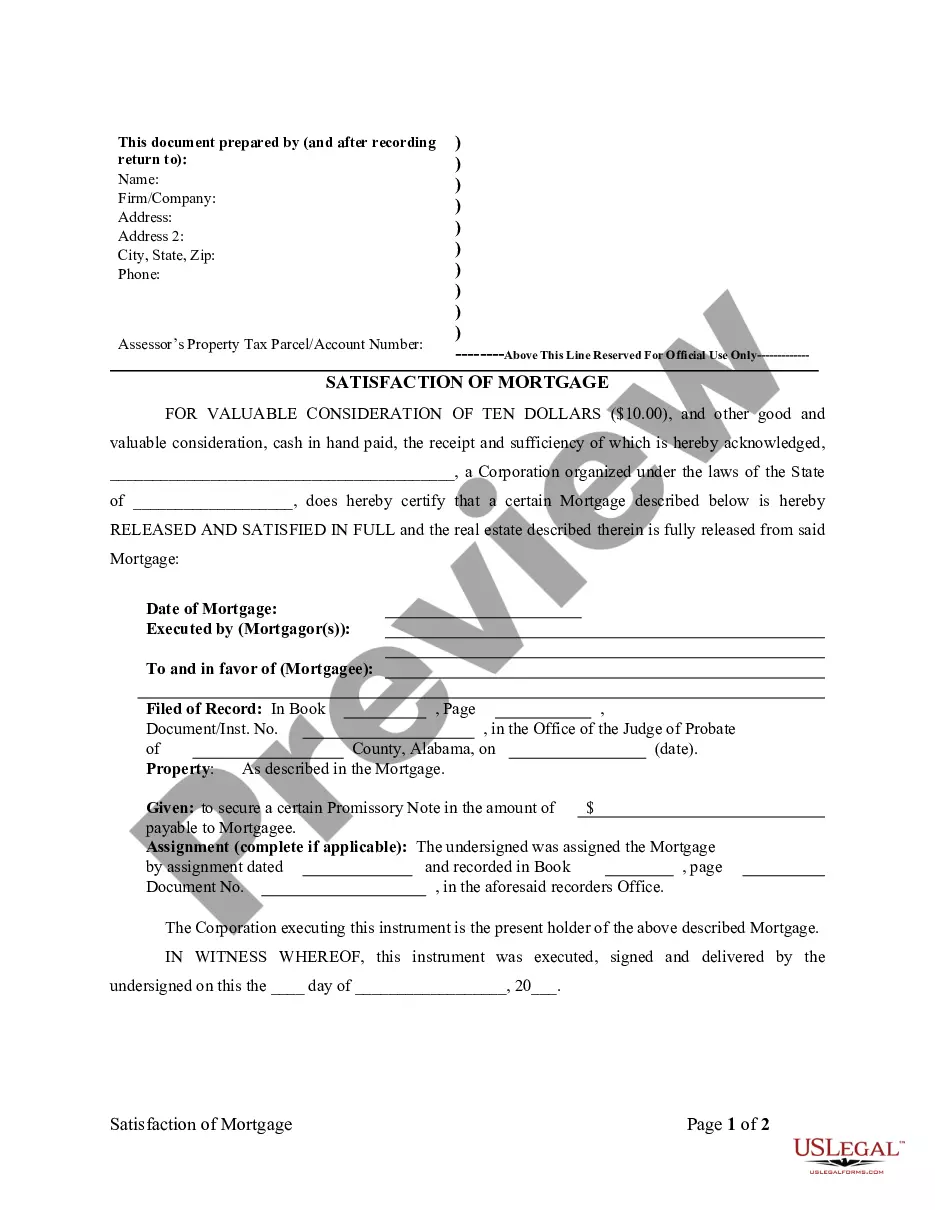
Deed of Trust Securing Obligations Pursuant to Indemnification Agreement
What this document covers
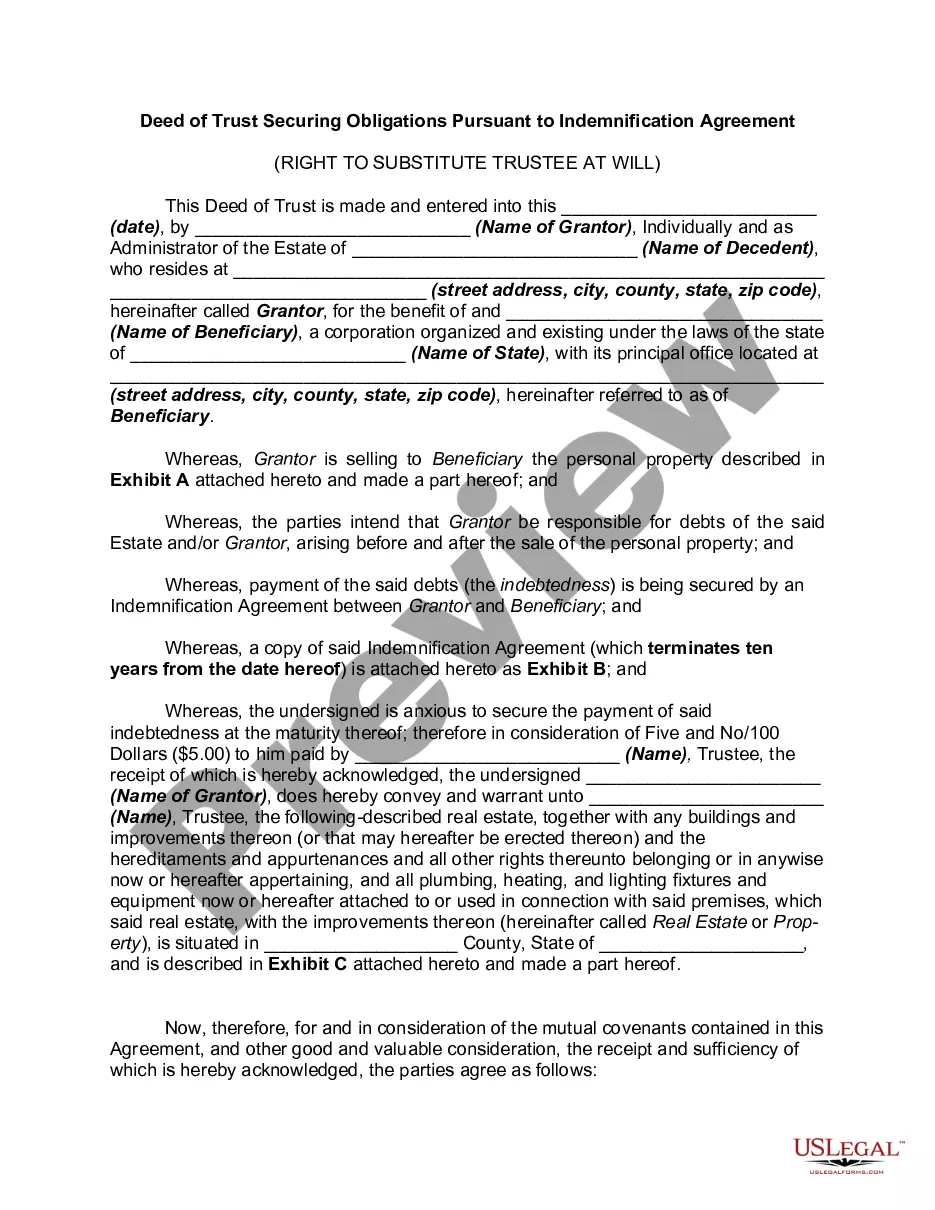
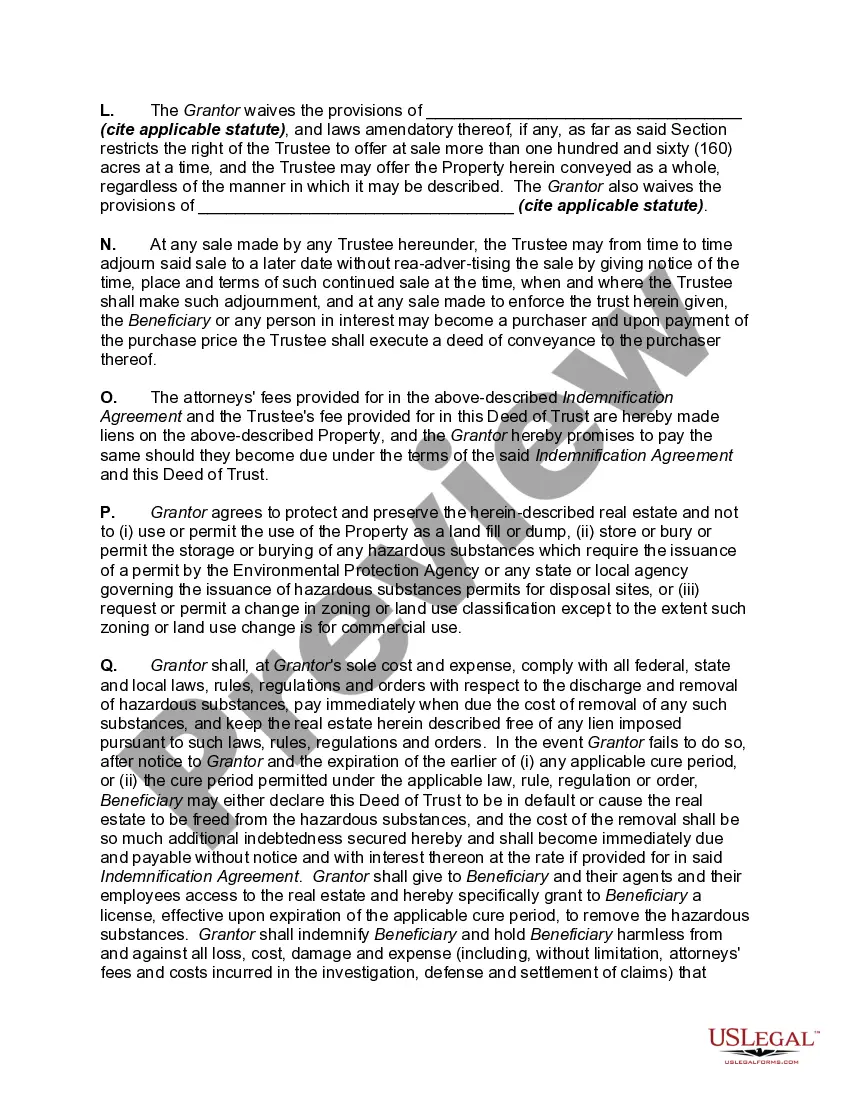
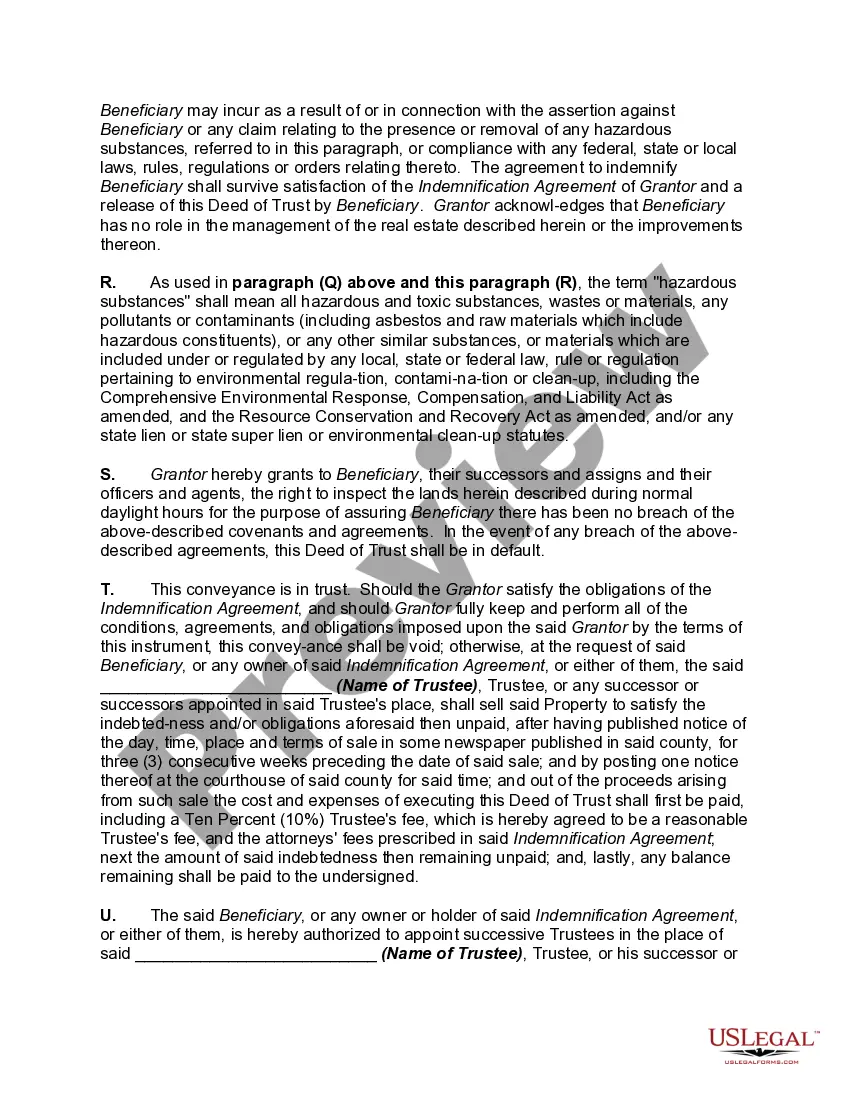
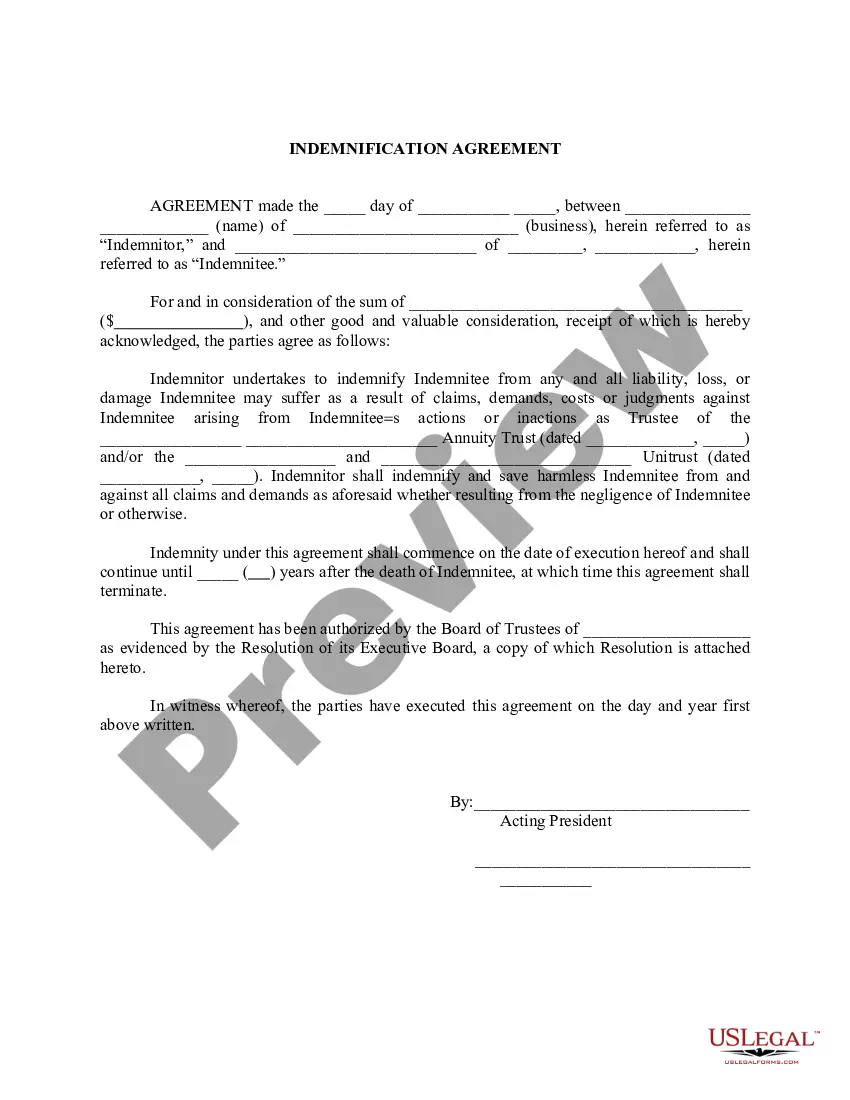
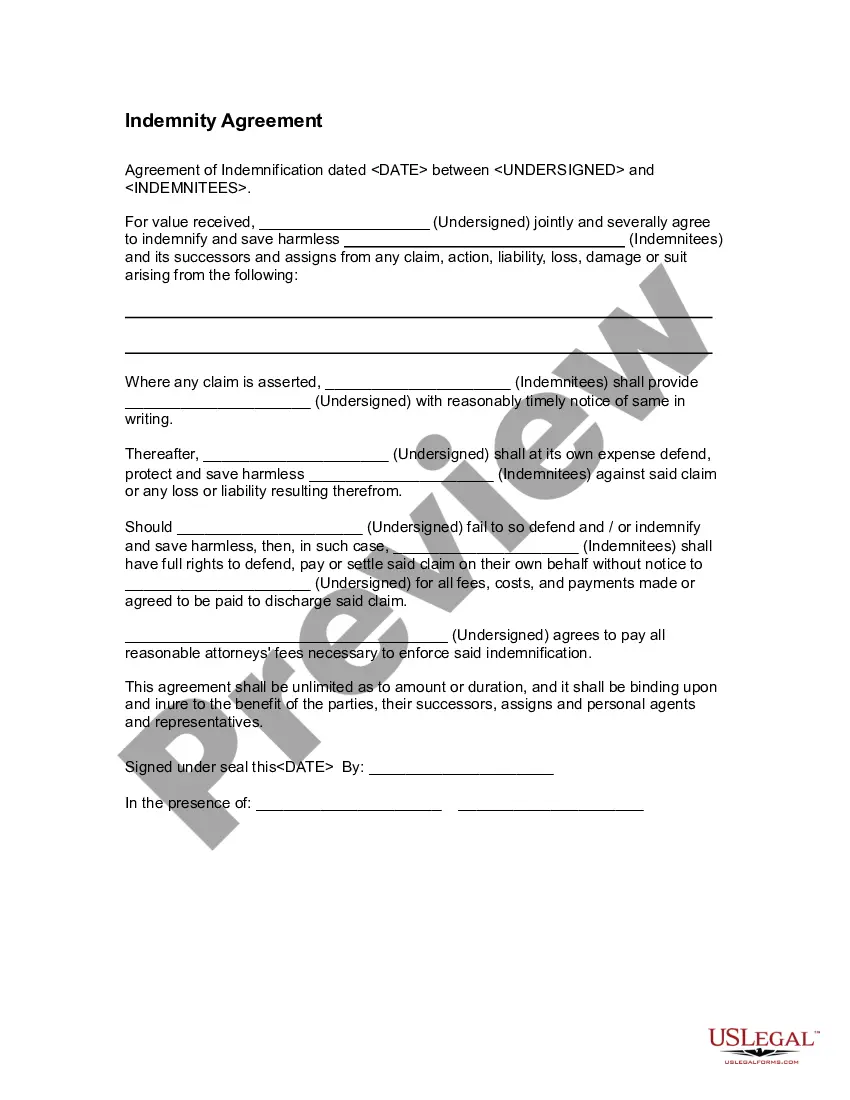
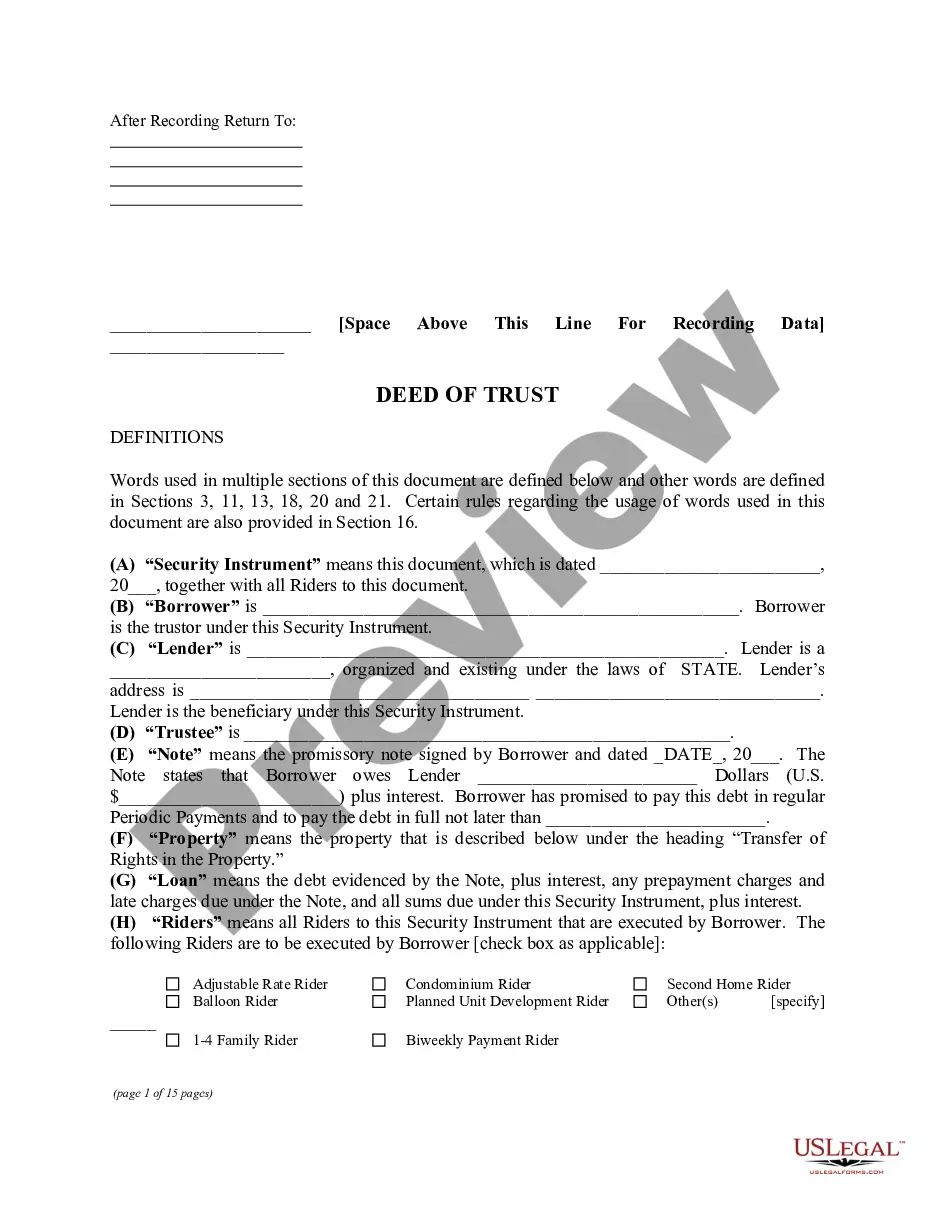
The Deed of Trust Securing Obligations Pursuant to Indemnification Agreement is a legal document used to secure the payment of debts associated with an indemnification agreement. This form establishes a trust agreement in which a trustee holds the property as collateral until the obligations are met. Unlike other property-related documents, this deed specifically ties the property's security to indemnity obligations, which may arise from various personal or estate-related transactions.
Key components of this form
- Identification of the Grantor and Beneficiary, including their addresses.
- Description of the property secured by the deed, included as an attachment.
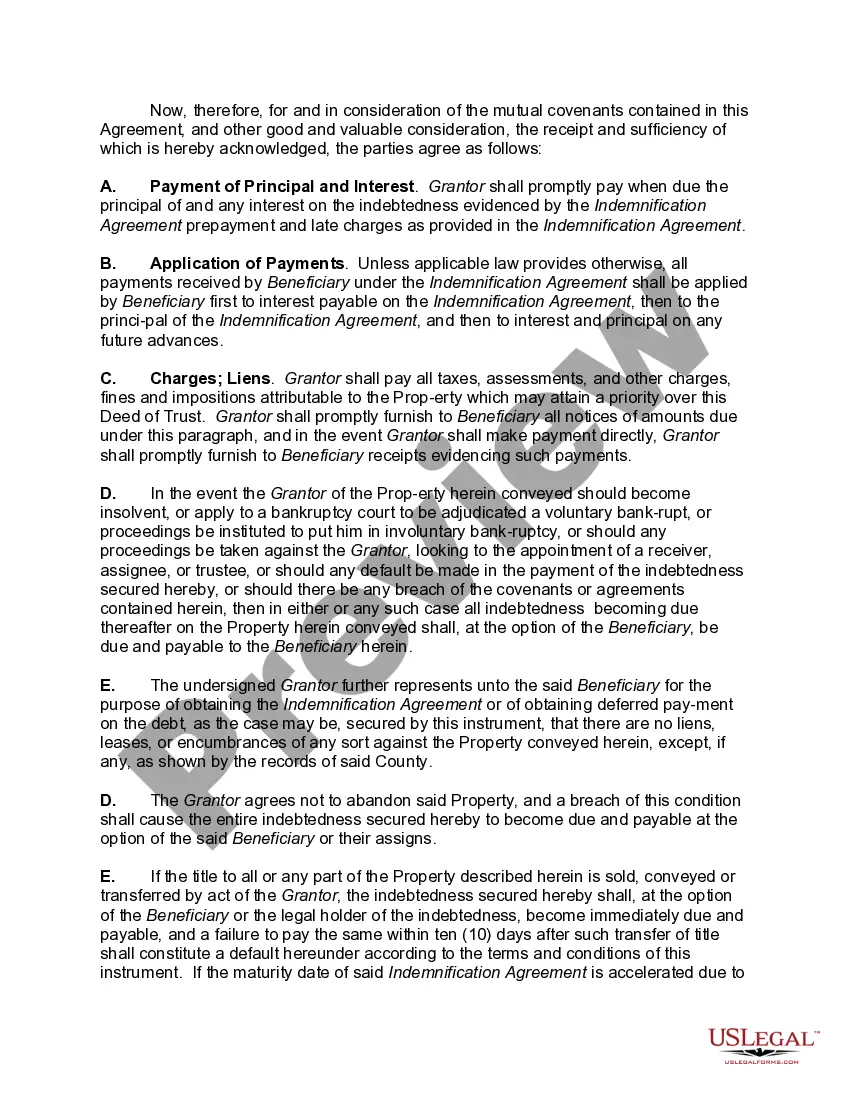
- Outline of obligations, including payment terms and conditions for default.
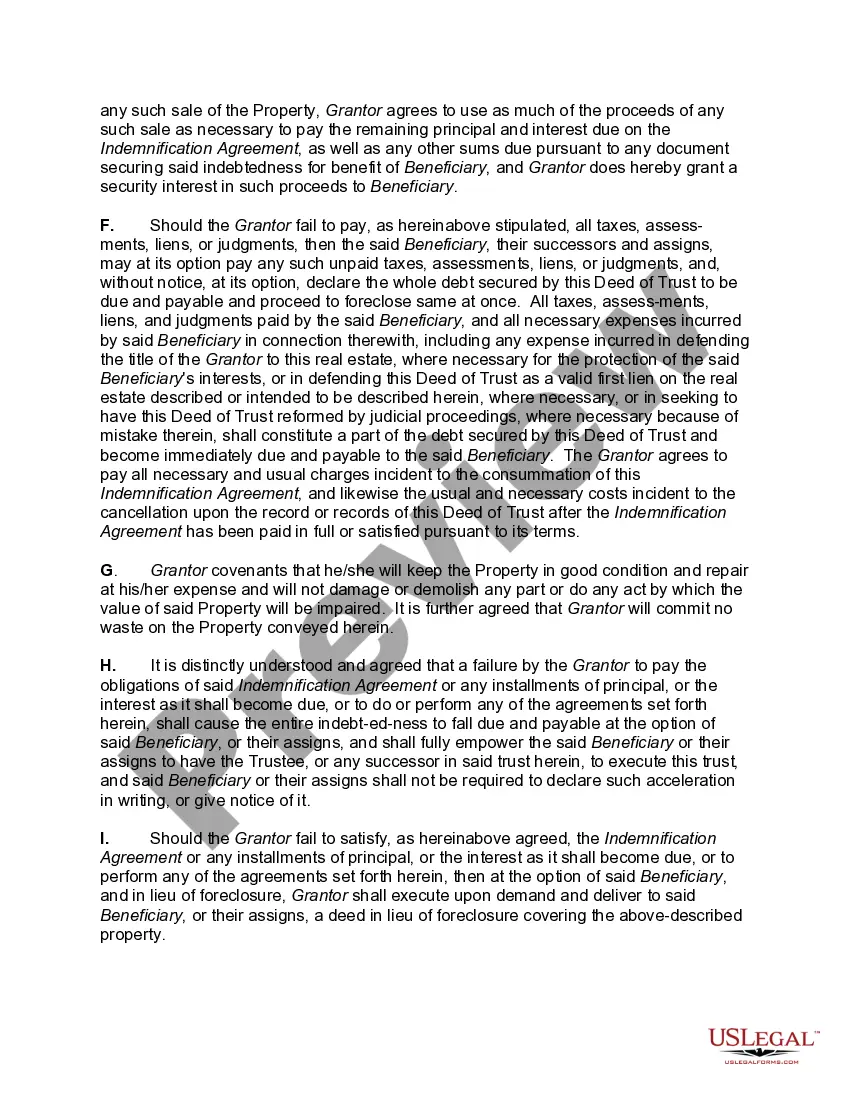
- Clauses regarding the trustee's role and powers during foreclosure or sale.
- Indemnification and responsibility for any property-related liabilities.
When to use this form
This form should be used when a property owner (Grantor) needs to secure payments related to debts arising from an indemnification agreement. It is frequently applied in situations involving estate settlements, loan agreements, or any scenario where a party is assuming liability and needs to provide collateral in the form of real estate to another party (Beneficiary).
Who this form is for
- Property owners looking to secure debts with real estate.
- Heirs or administrators of an estate managing liabilities.
- Individuals entering into indemnification agreements that require collateral.
- Beneficiaries who need legal assurance on repayment of debts secured by property.
How to complete this form
- Identify and enter the date of the agreement.
- Clearly state the names and addresses of the Grantor and Beneficiary.
- Include a detailed description of the property being secured.
- Outline all obligations and responsibilities referencing the indemnification agreement.
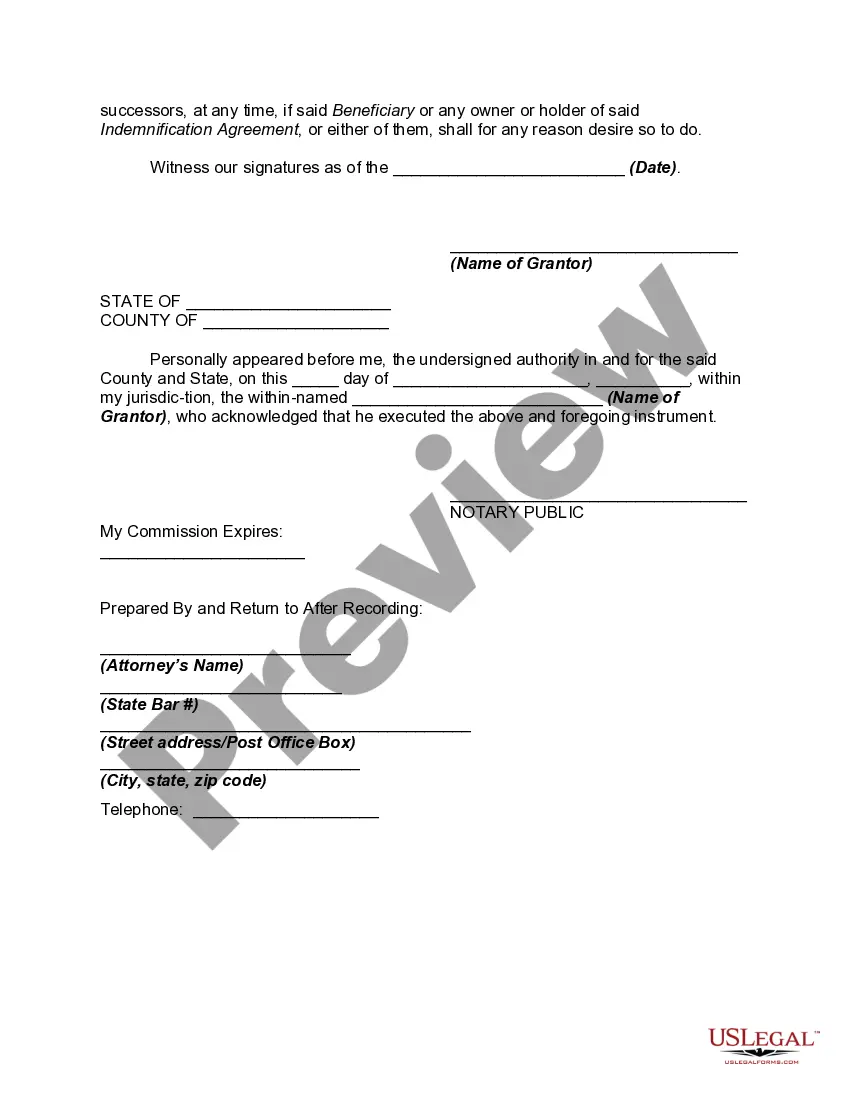
- Obtain signatures from all parties involved and arrange for notarization if required.
Notarization requirements for this form
This form needs to be notarized to ensure legal validity. US Legal Forms provides secure online notarization powered by Notarize, allowing you to complete the process through a verified video call, available anytime.
Get your form ready online
Our built-in tools help you complete, sign, share, and store your documents in one place.
Make edits, fill in missing information, and update formatting in US Legal Forms—just like you would in MS Word.
Download a copy, print it, send it by email, or mail it via USPS—whatever works best for your next step.
Sign and collect signatures with our SignNow integration. Send to multiple recipients, set reminders, and more. Go Premium to unlock E-Sign.
If this form requires notarization, complete it online through a secure video call—no need to meet a notary in person or wait for an appointment.
We protect your documents and personal data by following strict security and privacy standards.

Make edits, fill in missing information, and update formatting in US Legal Forms—just like you would in MS Word.

Download a copy, print it, send it by email, or mail it via USPS—whatever works best for your next step.

Sign and collect signatures with our SignNow integration. Send to multiple recipients, set reminders, and more. Go Premium to unlock E-Sign.

If this form requires notarization, complete it online through a secure video call—no need to meet a notary in person or wait for an appointment.

We protect your documents and personal data by following strict security and privacy standards.
Common mistakes
- Failing to accurately describe the secured property.
- Not including all parties' names and contact information.
- Overlooking the need for notarization or unable to produce necessary signatures.
- Neglecting to attach the indemnification agreement or its exhibits.
Benefits of using this form online
- Easy access to customizable templates tailored to your specific needs.
- Immediate downloadable content that allows for quick completion and usage.
- Secure document management options for storing and sharing important forms.
Looking for another form?
Form popularity
FAQ
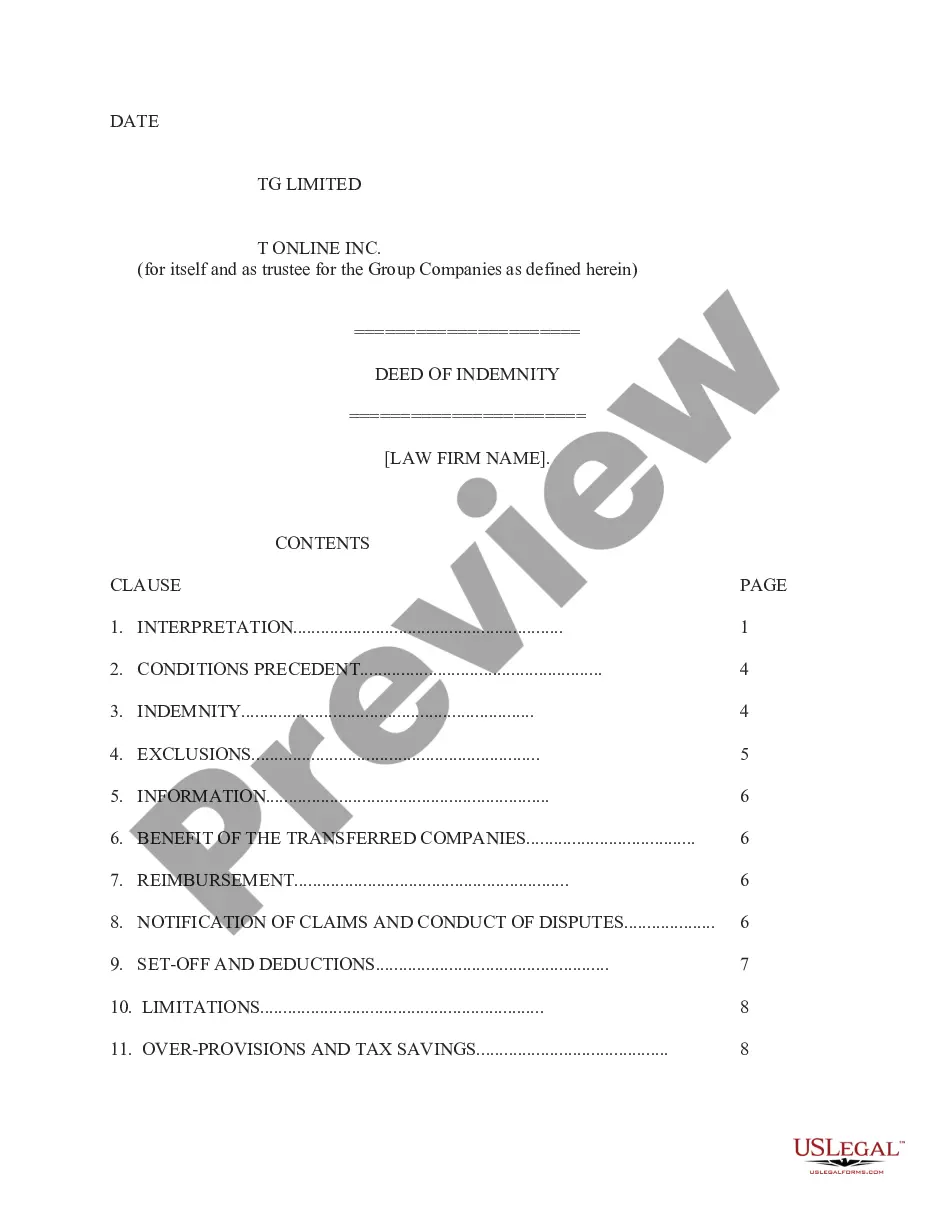
A deed of indemnity is a contractual agreement between a company and a company director. A deed of indemnity can help to indemnify a director against liabilities or legal costs incurred in his or her professional capacity as a director of the company.
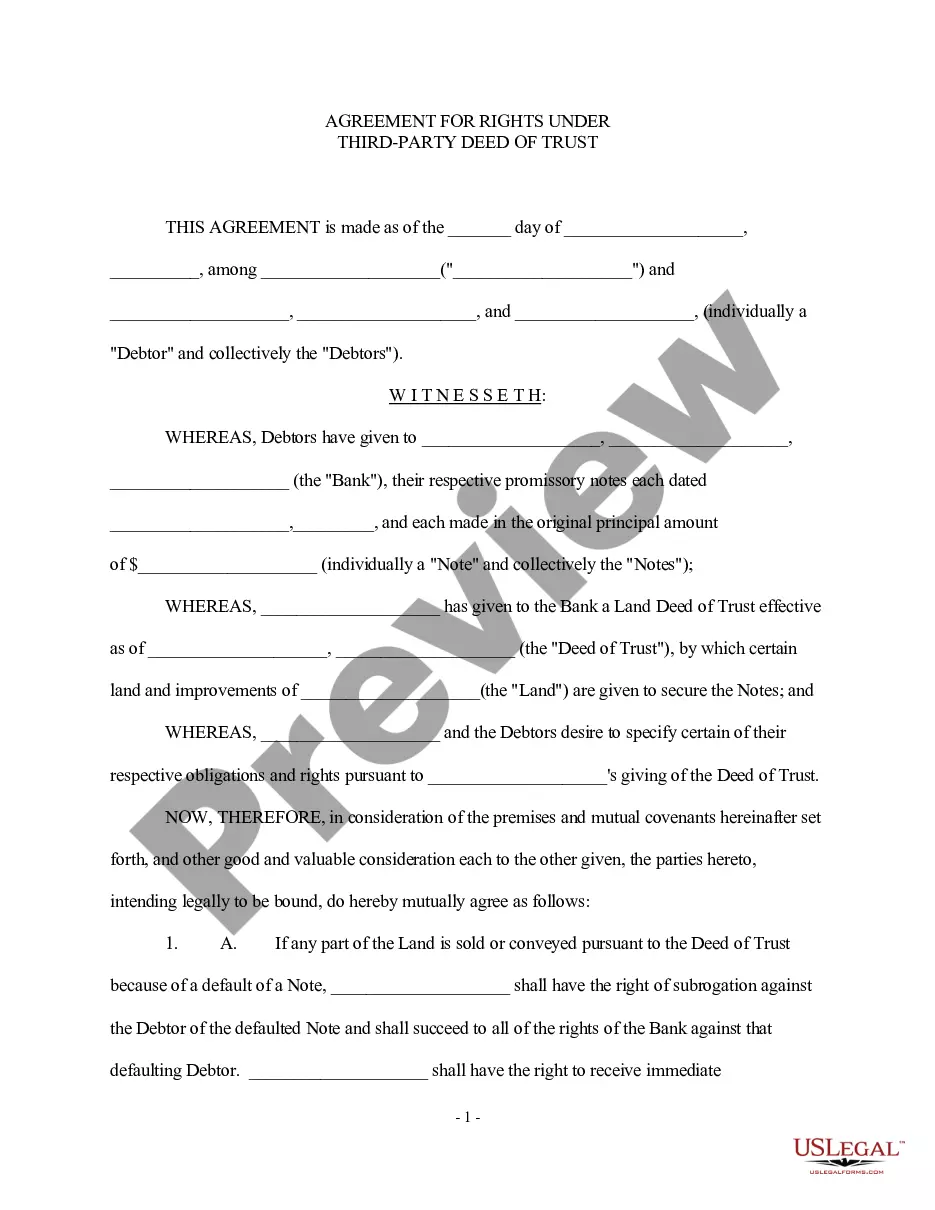
Yes, there are key differences between the two. With a deed, you transfer the ownership of the property to one party. In contrast, a deed of trust does not mean the holder owns the property. In an arrangement involving a deed of trust, the borrower signs a contract with the lender with details regarding the loan.
Some owners are put off using solicitors duke to the deed of trust cost. Individuals can write out their own, and use someone else as a witness. However, this may have errors or not be a legally binding document. The investment of getting a deed of trust when buying a property is often worth it in the long term.
Party information: names and addresses of the trustor(s), trustee(s), beneficiary(ies), and guarantor(s) (if applicable) Property details: full address of the property and its legal description (which can be obtained from the County Recorder's Office)
This may be referred to as the "power of sale" clause. This is the language that legally authorizes the trustee to sell the property outside of court if the buyer does not meet his or her obligations under the deed of trust and promissory note.
Indemnity clauses in trust deeds However, a trustee has a right of indemnity out of the trust fund, which is recognised by law subject to the condition that the liability is incurred in proper execution of trust duties.
The trustee's primary function is to hold and maintain a property title for the borrower and the lender for the duration of the loan. Therefore, it is the trustee who retains factual ownership and control of the property in question, not the lender.
The person who owns the property usually signs a promissory note and a deed of trust. The deed of trust does not have to be recorded to be valid.