Assignment of Interest in United States Patent
About this form
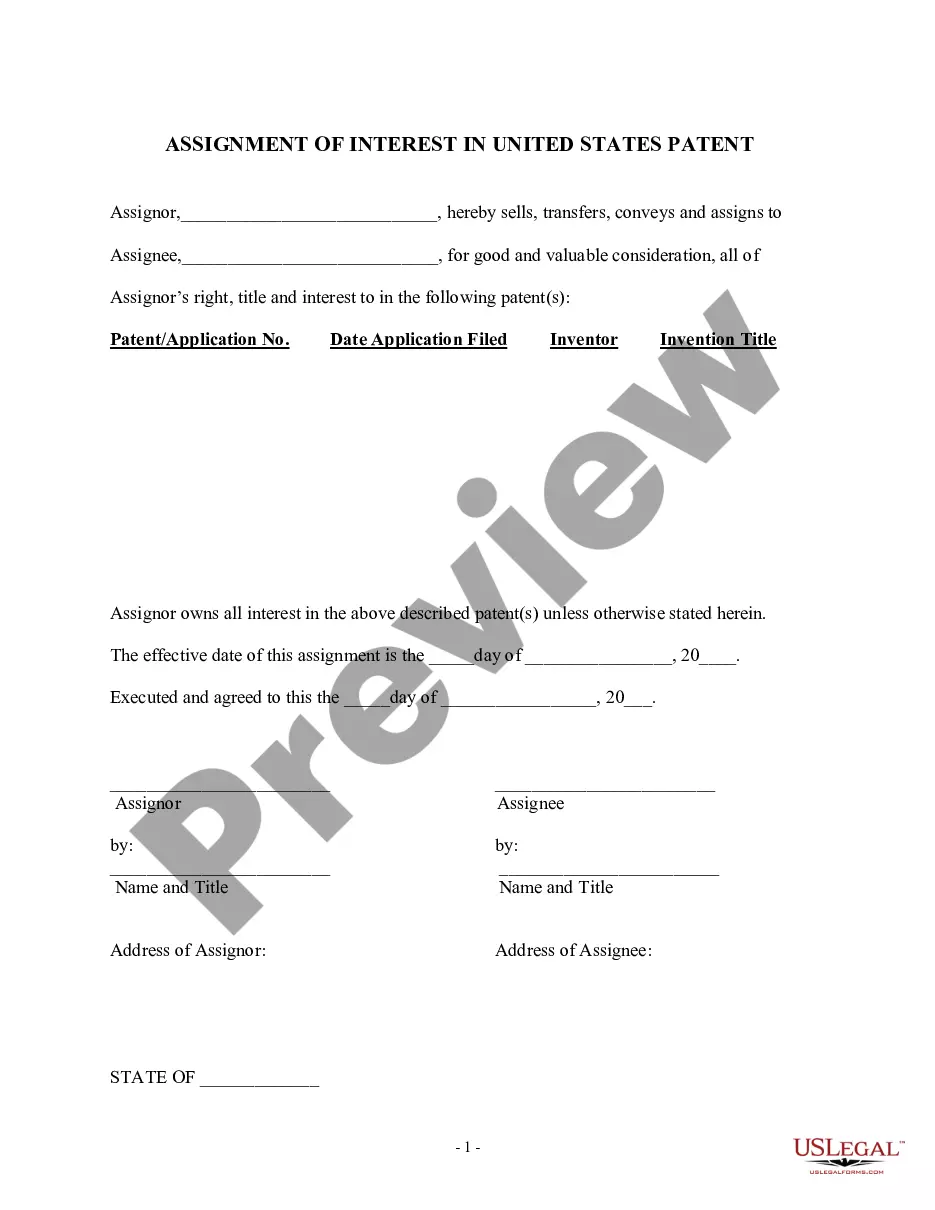
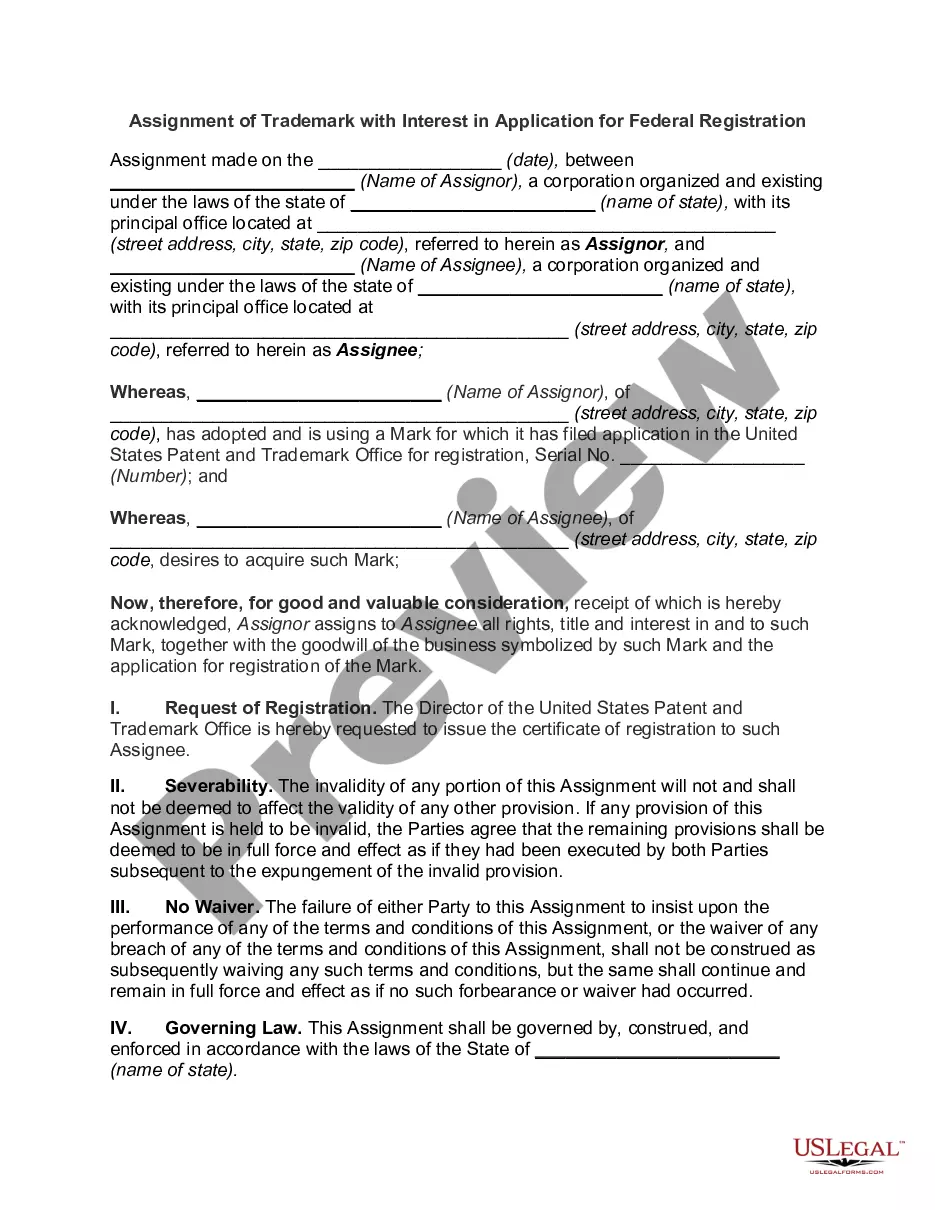
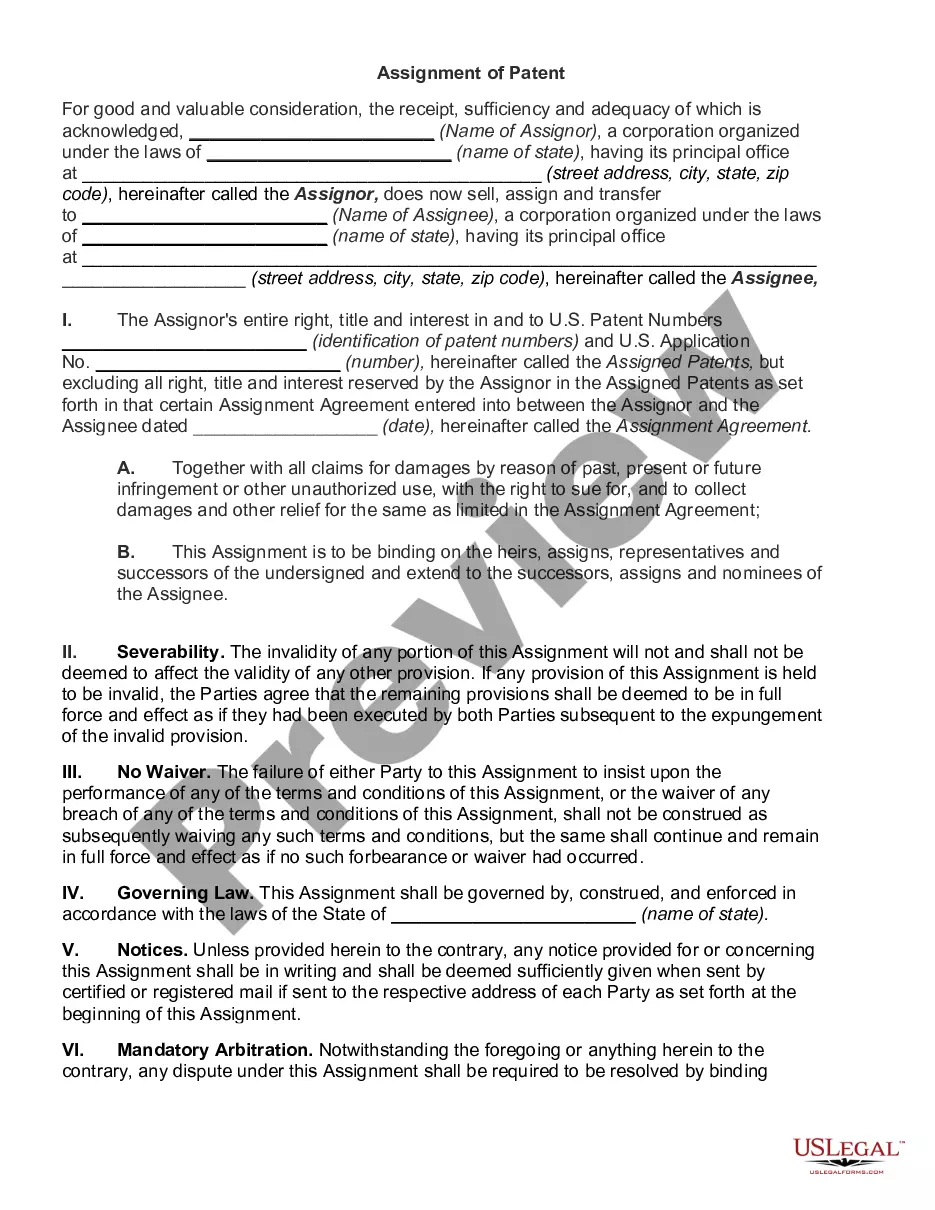
The Assignment of Interest in United States Patent is a legal form that transfers ownership of a U.S. patent from the original owner (assignor) to another entity (assignee). This form outlines the details of the patent being assigned and the effective date of the transfer. It is crucial for ensuring that the rights associated with the patent are legally recognized and that the assignee has full ownership, differentiating it from other similar forms, such as licensing agreements, where rights may be shared or limited.
Main sections of this form
- Assignor and Assignee Information: Name and identity details of both parties involved in the transfer.
- Patent Details: Specific information about the patent, including patent/application number, filing date, inventor, and title of the invention.
- Effective Date: Date on which the assignment becomes official.
- Signing Sections: Signature lines for both assignor and assignee, including their names and titles where applicable.
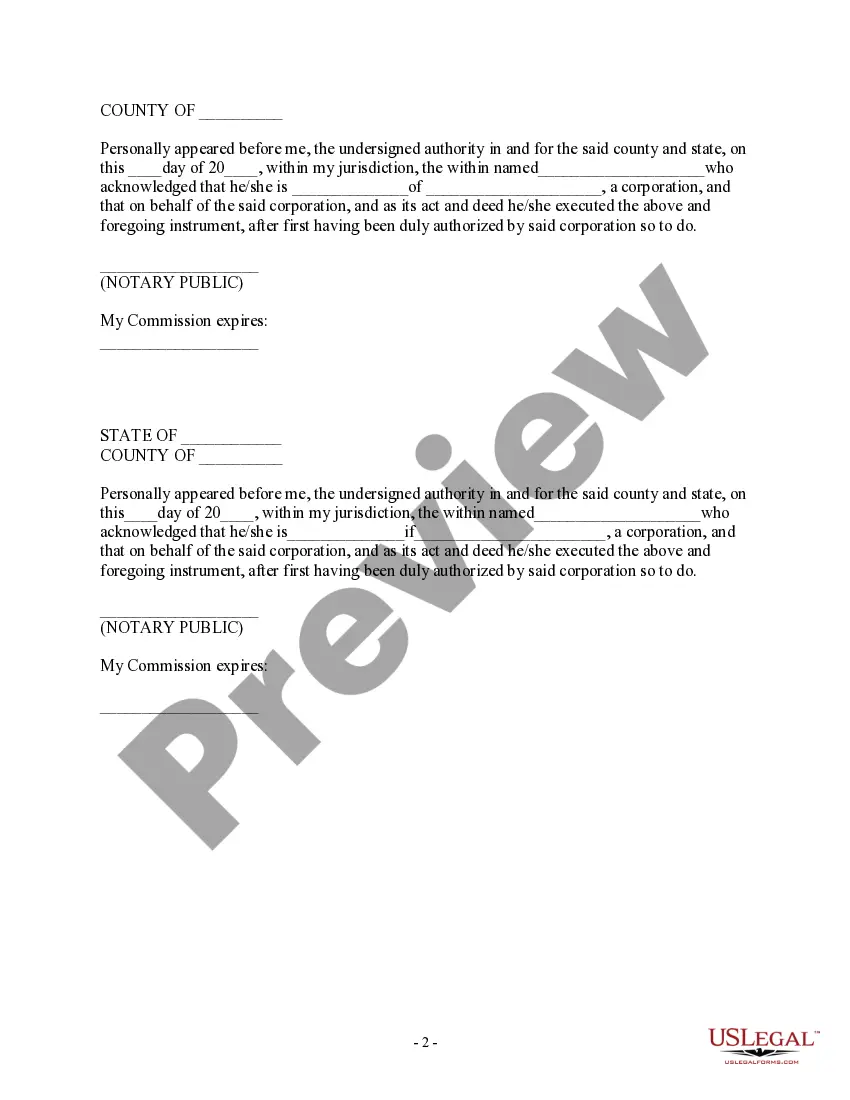
- Notarization Section: Areas designated for notarization to validate the assignment.

When this form is needed
This form should be used when the owner of a patent decides to transfer their rights to another person or entity, whether for monetary compensation or other considerations. It is commonly used in scenarios involving business transactions, mergers and acquisitions, or when inventors wish to sell their patents for various reasons.
Who this form is for
- Inventors looking to transfer their patent rights to another party.
- Businesses involved in buying patents as part of a strategic investment or acquisition.
- Attorneys representing clients in patent transactions.
- Anyone involved in negotiations pertaining to patent ownership and rights.
Completing this form step by step
- Identify the parties: Fill in the names of the assignor and assignee, ensuring that the information is accurate.
- Specify the patent: Include the patent number, the date the application was filed, the inventor's name, and the invention title.
- Enter the effective date: Specify the date on which the assignment becomes official.
- Obtain signatures: Ensure that both the assignor and assignee sign the document, including their names and titles if applicable.
- Notarization: Have the document notarized if required by local laws to make the assignment legally binding.
Notarization guidance
To make this form legally binding, it must be notarized. Our online notarization service, powered by Notarize, lets you verify and sign documents remotely through an encrypted video session.
Get your form ready online
Our built-in tools help you complete, sign, share, and store your documents in one place.
Make edits, fill in missing information, and update formatting in US Legal Forms—just like you would in MS Word.
Download a copy, print it, send it by email, or mail it via USPS—whatever works best for your next step.
Sign and collect signatures with our SignNow integration. Send to multiple recipients, set reminders, and more. Go Premium to unlock E-Sign.
If this form requires notarization, complete it online through a secure video call—no need to meet a notary in person or wait for an appointment.
We protect your documents and personal data by following strict security and privacy standards.

Make edits, fill in missing information, and update formatting in US Legal Forms—just like you would in MS Word.

Download a copy, print it, send it by email, or mail it via USPS—whatever works best for your next step.

Sign and collect signatures with our SignNow integration. Send to multiple recipients, set reminders, and more. Go Premium to unlock E-Sign.

If this form requires notarization, complete it online through a secure video call—no need to meet a notary in person or wait for an appointment.

We protect your documents and personal data by following strict security and privacy standards.
Mistakes to watch out for
- Failing to accurately fill out the patent details, which can result in confusion or invalid assignment.
- Not obtaining signatures from both parties involved, rendering the document incomplete.
- Skipping notarization when it is required, potentially invalidating the assignment.
- Not specifying the effective date of the assignment, leading to ambiguity in ownership.
Benefits of using this form online
- Convenience: Download and complete the form at your own pace, without the need to visit a lawyer.
- Editability: Modify the template as needed to suit specific circumstances.
- Reliability: Access templates drafted by licensed attorneys, ensuring accuracy and legal compliance.
- Speed: Complete the process quickly and efficiently to facilitate the transfer of rights.
Legal use & context
- Ensures the legal transfer of patent rights between parties.
- Protects the assignee's rights by providing a written record of ownership.
- Can be used in legal disputes to verify ownership of the patent.
Quick recap
- The Assignment of Interest in United States Patent form is essential for transferring patent ownership.
- Proper completion of this form protects the rights of both the assignor and assignee.
- Consult local legal requirements to ensure compliance before finalizing the assignment.
Looking for another form?



Form popularity
FAQ
Typically only the party assigning the intellectual property must sign the assignment, and while notarization is strongly preferred it is not strictly required.Failure to record an intellectual property transfer, or failure to make a timely recordation, can impact a startup's rights in a patent or patent application.
A Patent Number is assigned by the USPTO. A patent number may include up to eight characters and is formatted as follows: Utility : Patent numbers consist of six, seven or eight digits.H Documents : (e.g., Hnnnnnnn , H0000001) must enter leading zeroes between "H" and number to create 7 digits.
The original owner should record the assignment or name change with the USPTO's Assignment Recordation Branch by filing a Recordation Cover Sheet along with a copy of the actual assignment or proof of name change.
A patent application and any resulting patent is owned by the inventor(s) of the claimed invention, unless a written assignment is made or the inventors are under an obligation to assign the invention, such as an employment contract.
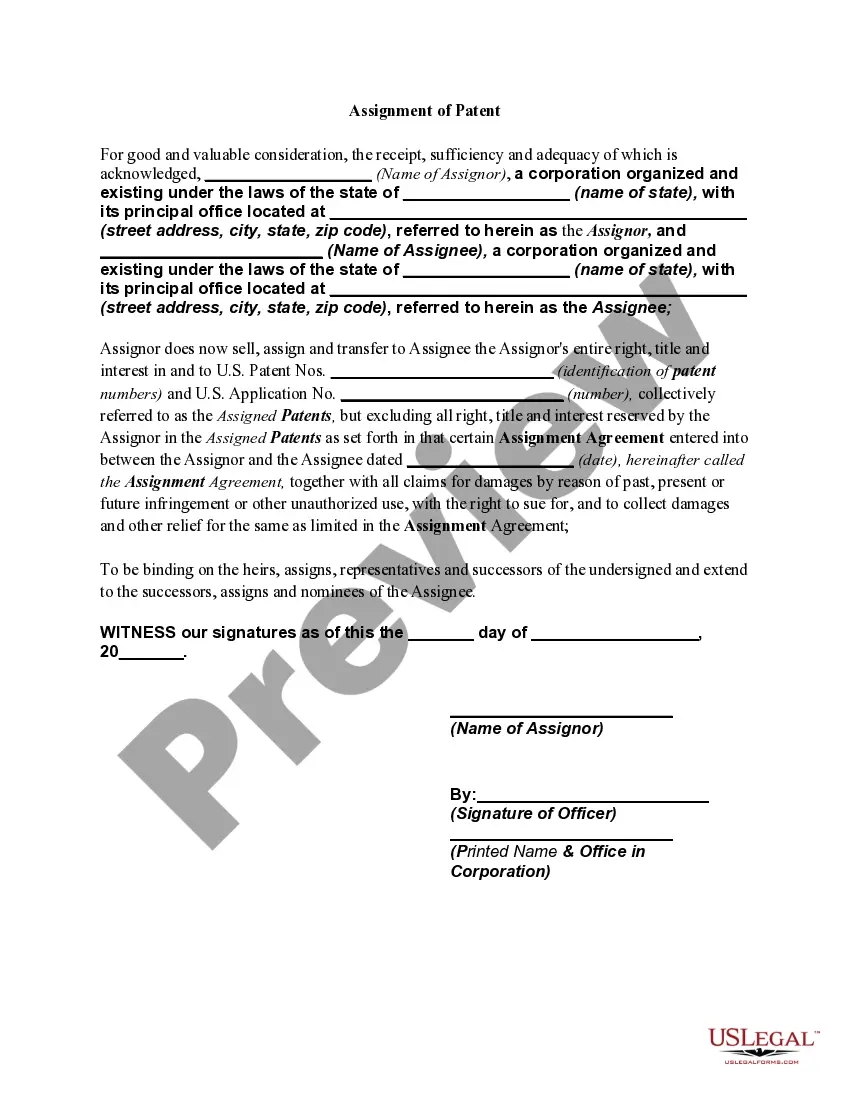
A patent assignment is an agreement where one entity (the assignor) transfers all or part of their right, title and interest in a patent or application to another entity (the assignee).
Assigning your patent rights to your company helps to build the asset valuation of your company, which will be important to any investors or lenders you may seek. Investors and lenders will often require you to assign patent rights to your company before they will complete a transaction with your company.
The USPTO does not require patent assignments to be notarized. The patent office only requires that the assignment be executed and signed by both the assignor and the assignee. Once an agreement is executed and signed by the parties, the assignment must be recorded with the patent office.
In 37 CFR 3.1, assignment of patent rights is defined as "a transfer by a party of all or part of its right, title and interest in a patent or patent application...." An assignment of a patent, or patent application, is the transfer to another of a party's entire ownership interest or a percentage of that party's