Drug-Testing Consent for NCAA Division III Athletics
Understanding this form
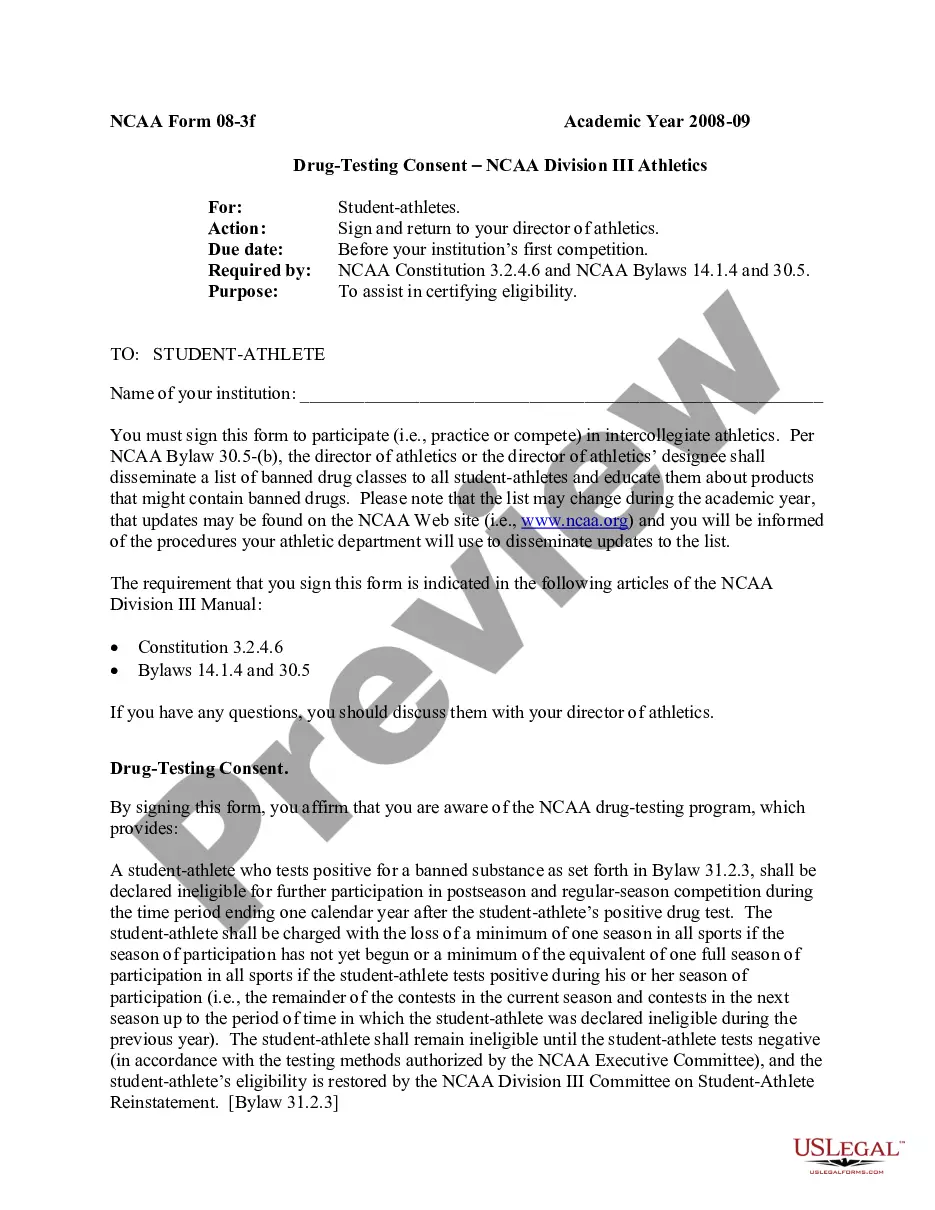
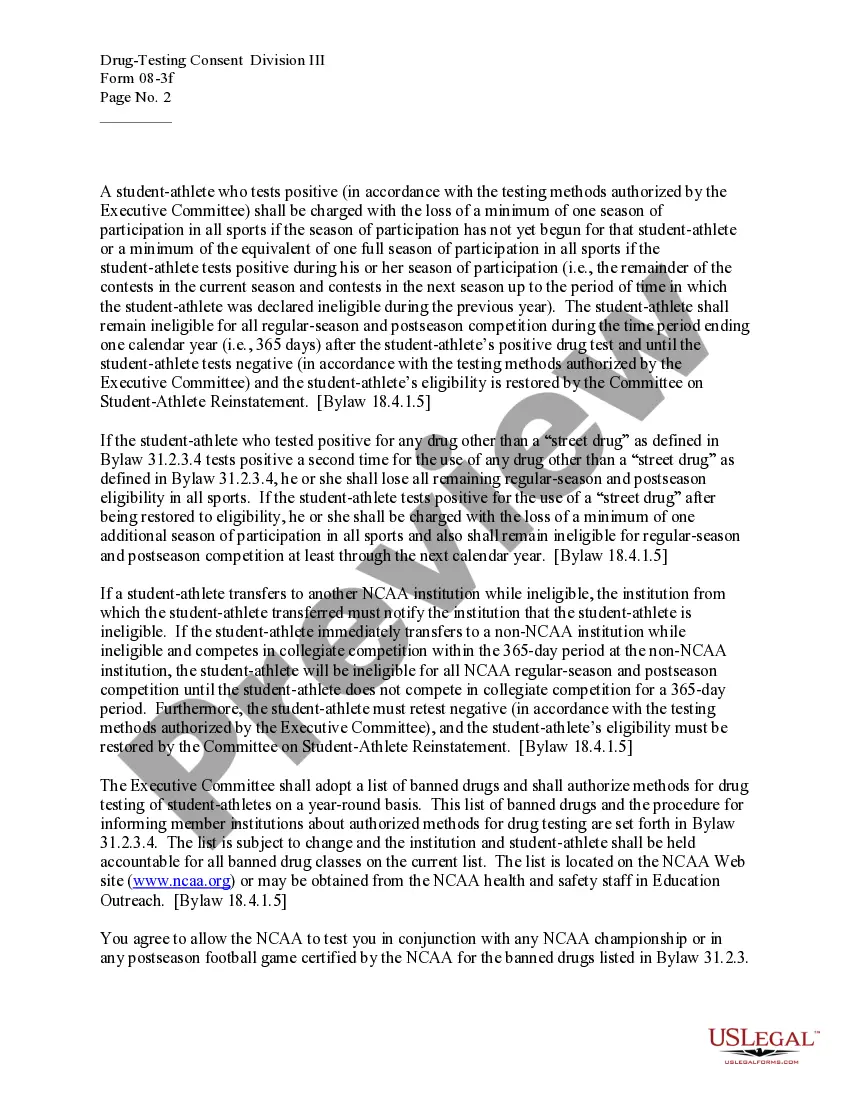
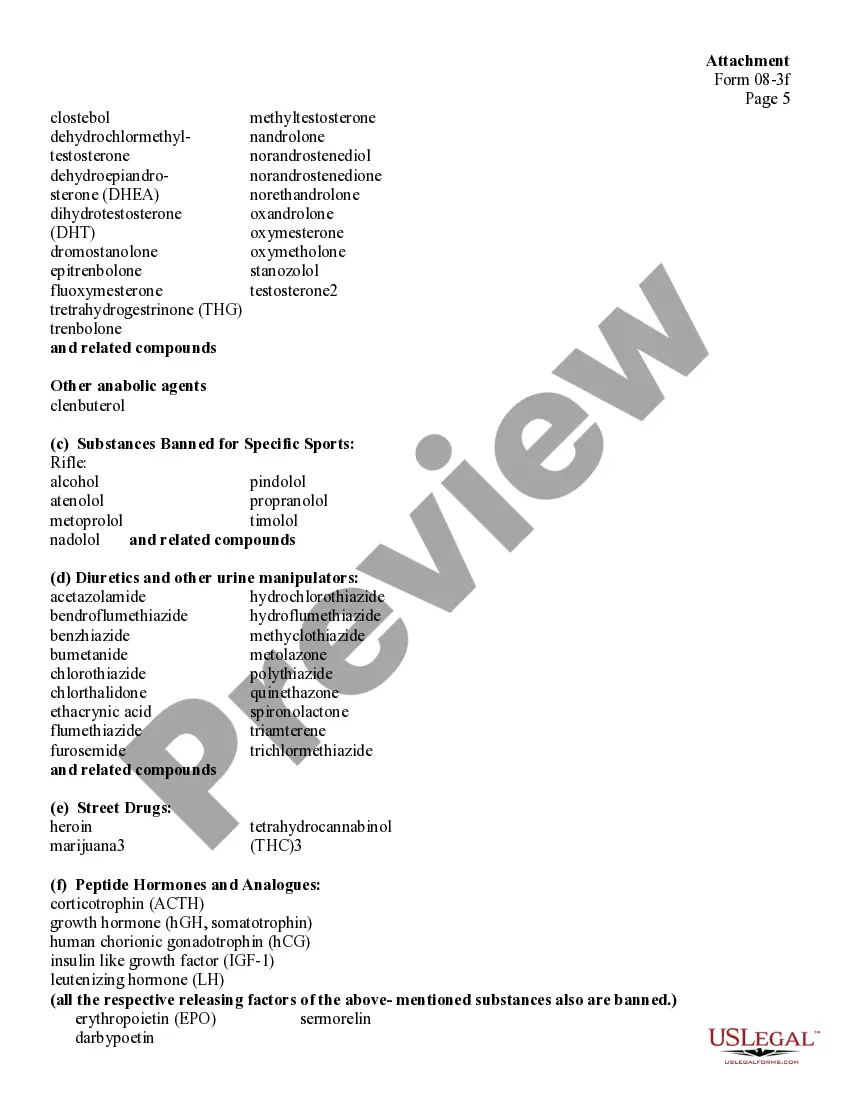
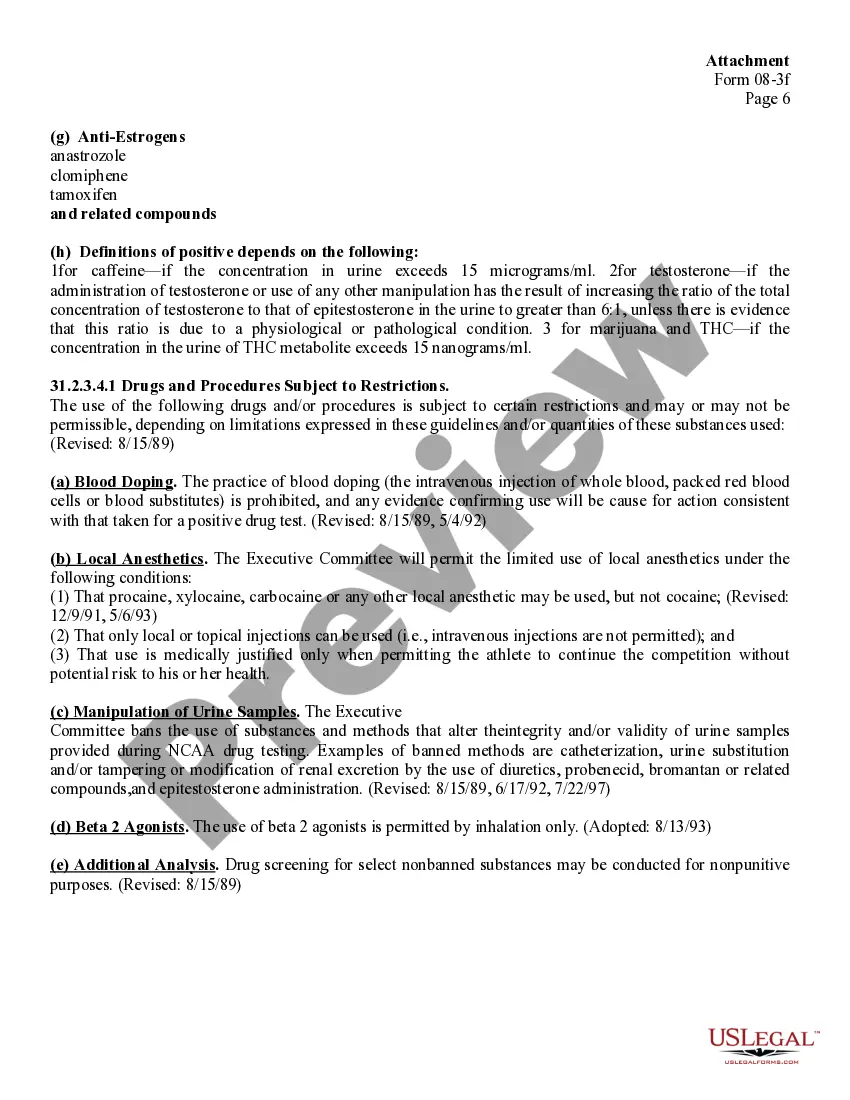
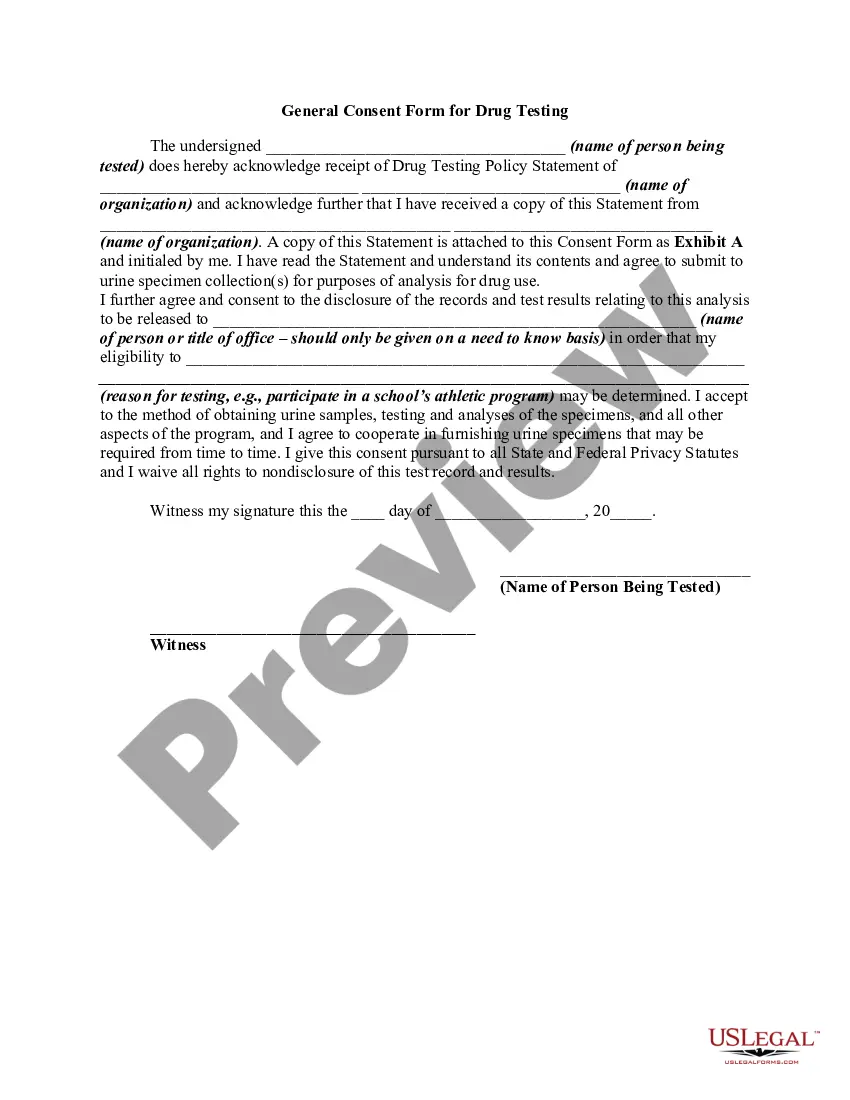
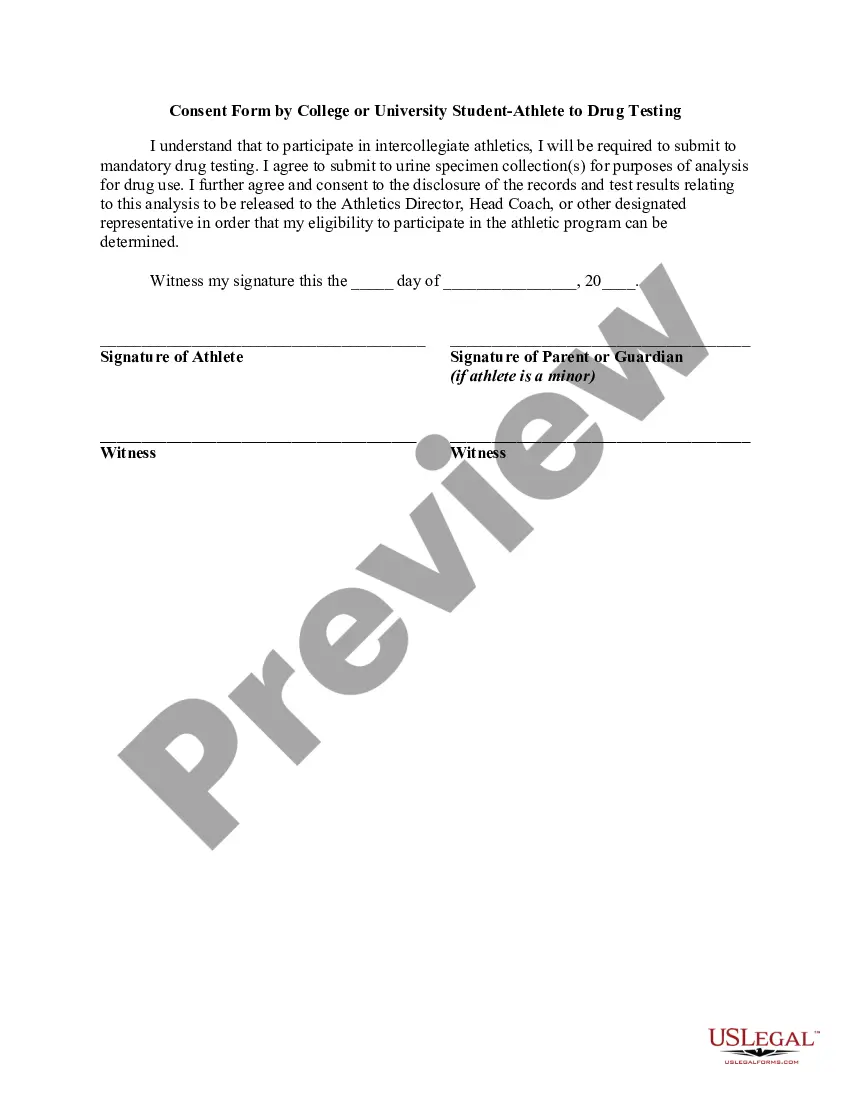
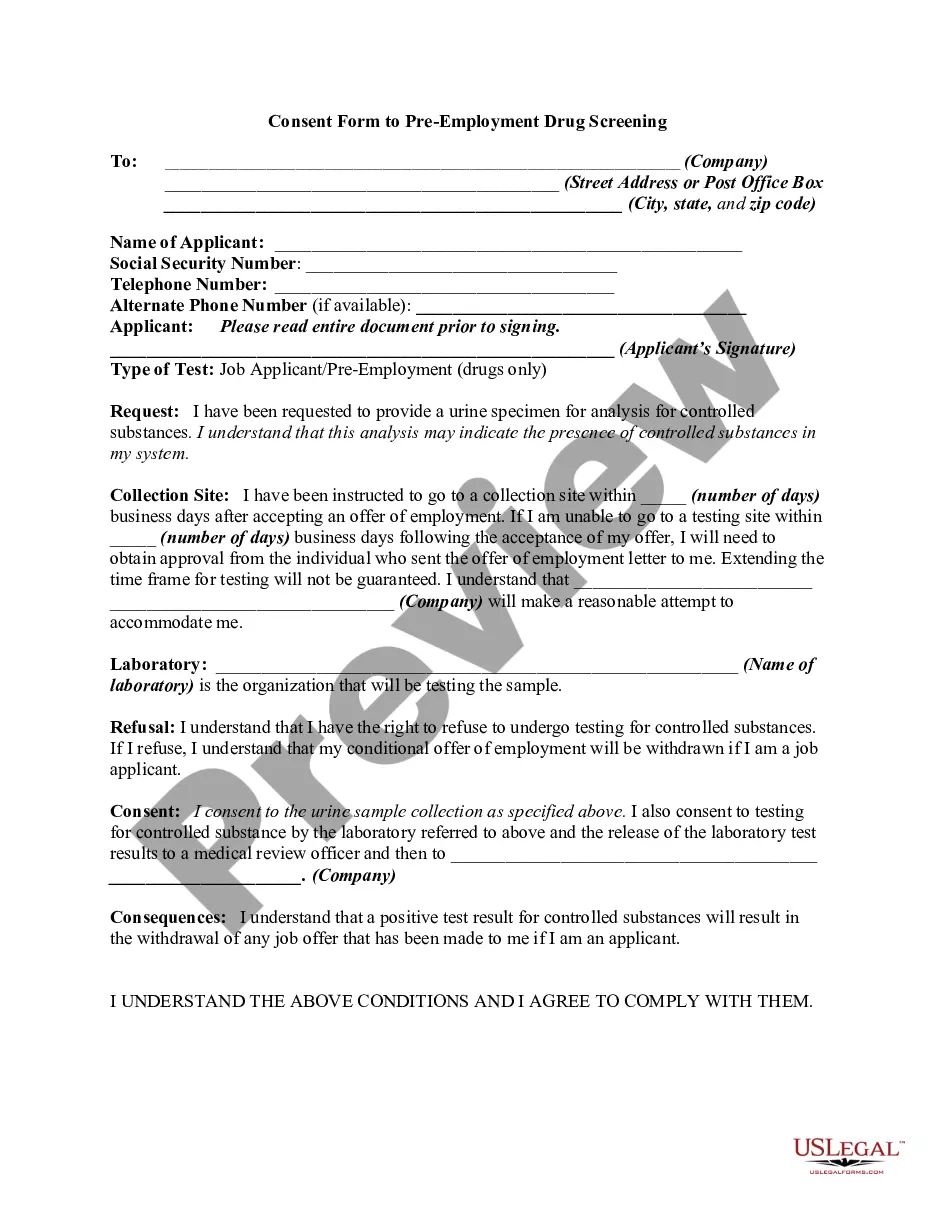
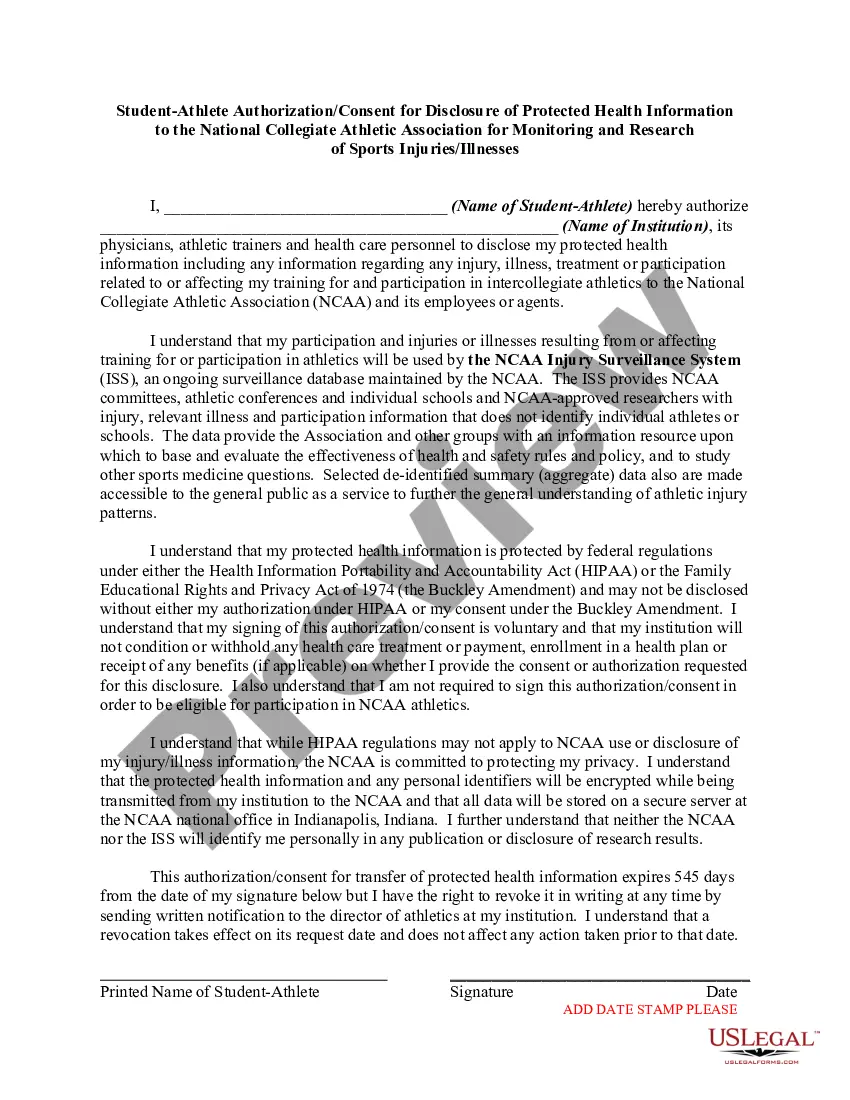
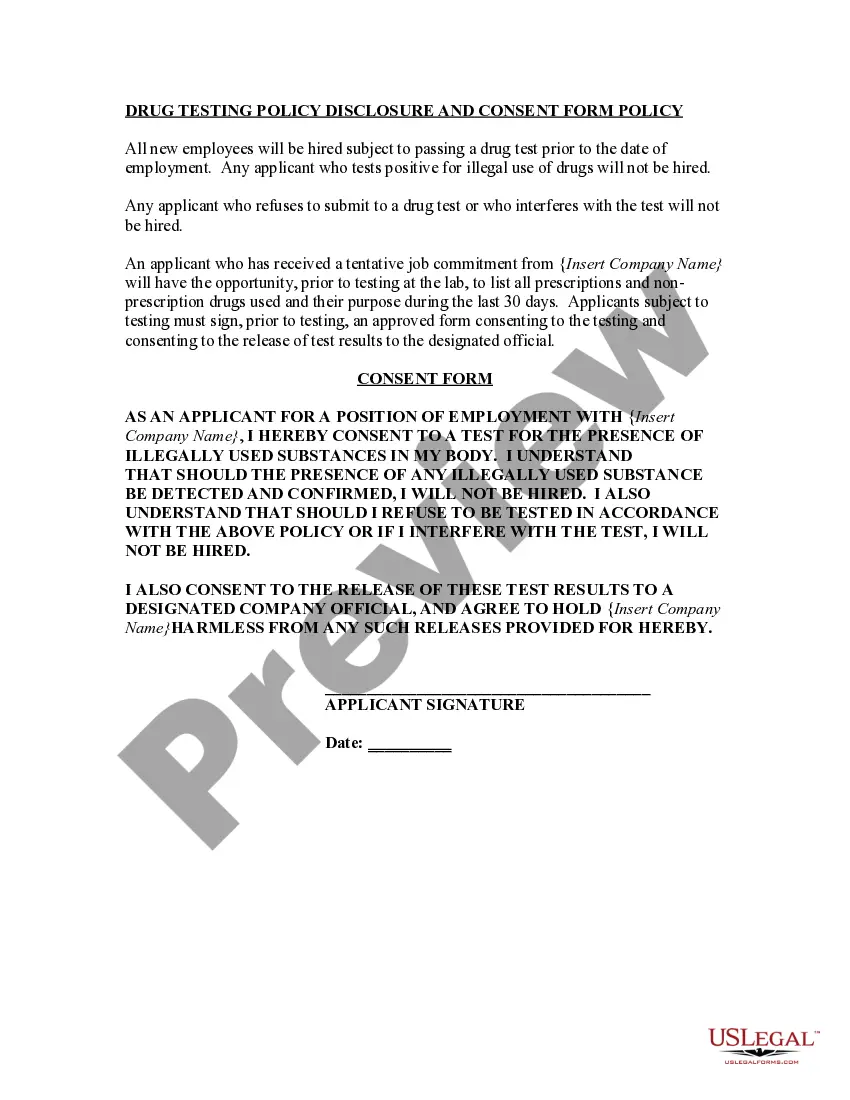
The Drug-Testing Consent for NCAA Division III Athletics is a crucial document for intercollegiate student-athletes. It is required by the National Collegiate Athletic Association (NCAA) to certify athletes' eligibility to compete in college sports. Signing this consent form acknowledges the athlete's understanding of the NCAA's drug-testing policies and their agreement to abide by them, distinguishing it from other forms by focusing specifically on drug-testing regulations and implications for competition eligibility.
Main sections of this form
- Identification of the student-athlete and their institution.
- Affirmation of understanding regarding NCAA drug-testing policies.
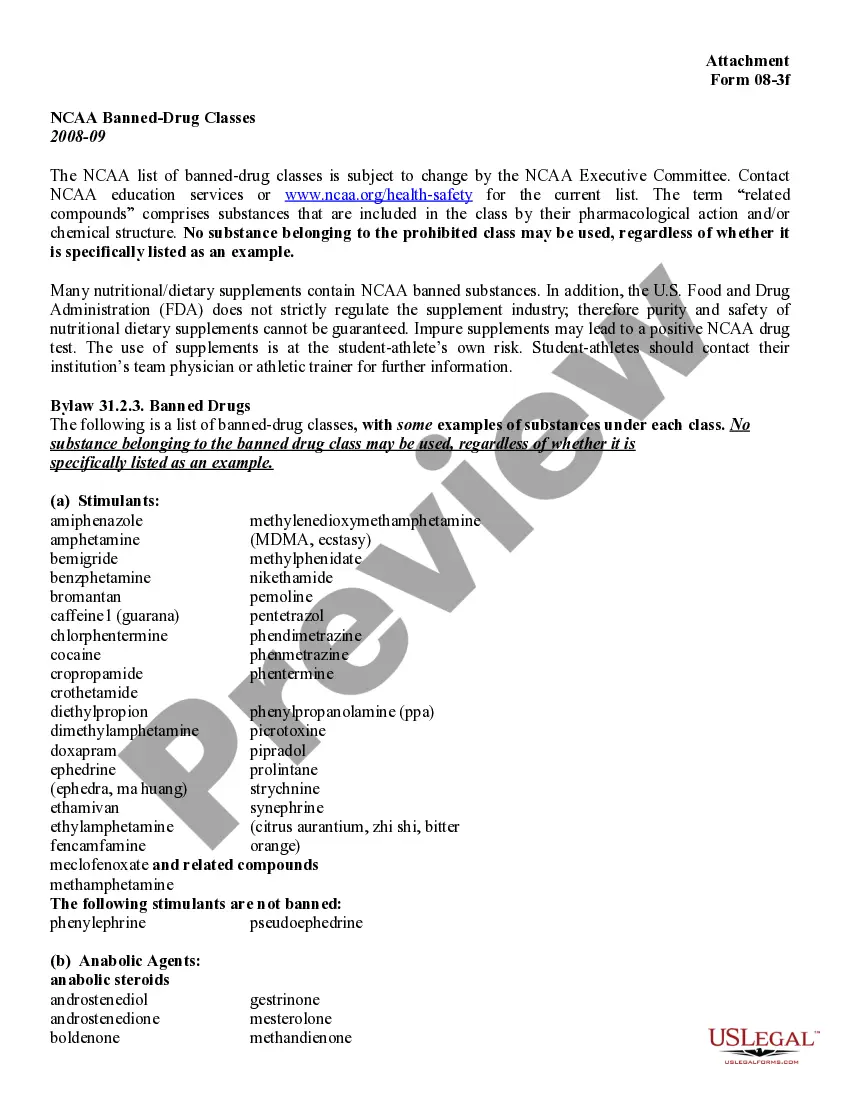
- Declaration of consent to be tested for banned substances.
- Details regarding consequences of positive drug tests, including eligibility loss.
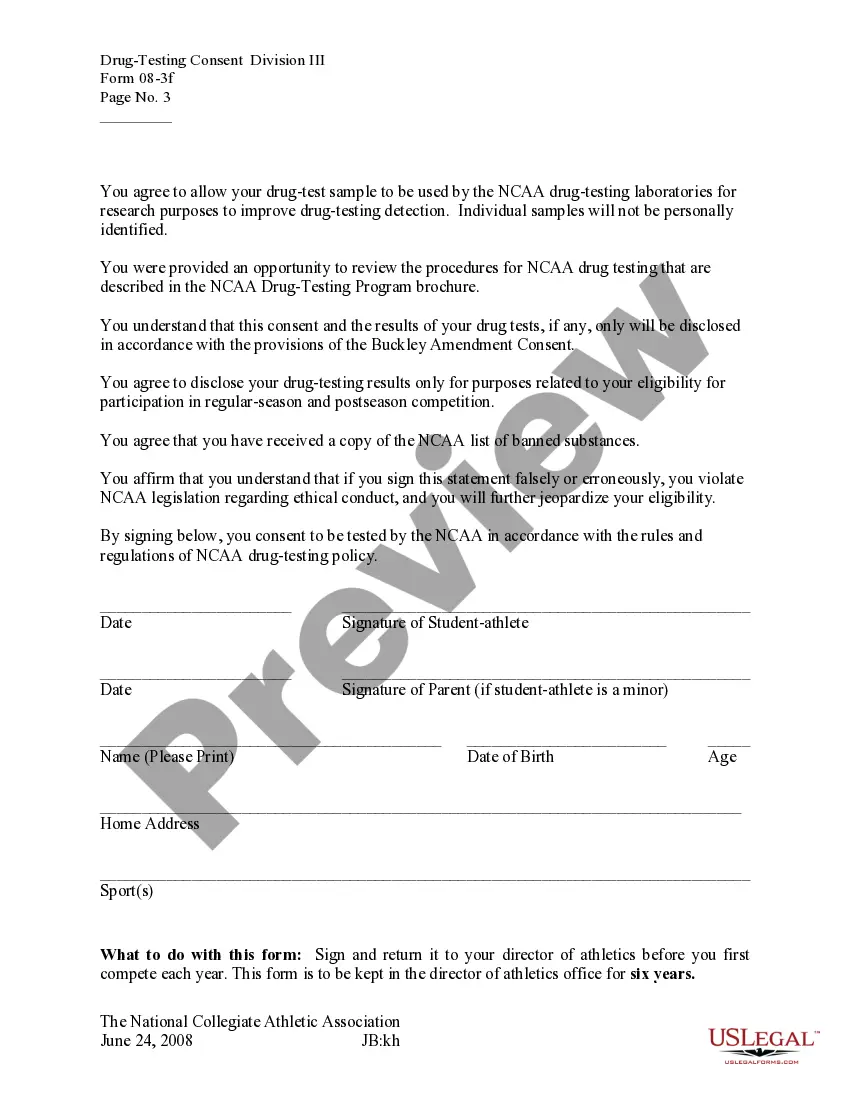
- Signature sections for both the student-athlete and parent (if applicable).
- Instructions on returning the form to the athletic director before the first competition.
When to use this document
This form should be used when an athlete wishes to participate in NCAA Division III athletics. It is specifically required to be signed and submitted before the athlete's first competition of the academic year. Failure to provide this consent may result in ineligibility to participate in practices or competitions.
Who can use this document
- Student-athletes enrolled in NCAA Division III institutions.
- Parents or guardians of minor student-athletes who need to provide consent.
How to complete this form
- Enter the name of the institution where the student-athlete is enrolled.
- Fill in the personal details of the student-athlete, including their name, birth date, and age.
- Review and understand the sections regarding drug-testing programs and consequences of positive tests.
- Obtain all necessary signatures from the student-athlete and parent/guardian if required.
- Submit the completed form to the athletic director's office prior to the first competition.
Does this document require notarization?
This form usually doesn’t need to be notarized. However, local laws or specific transactions may require it. Our online notarization service, powered by Notarize, lets you complete it remotely through a secure video session, available 24/7.
Get your form ready online
Our built-in tools help you complete, sign, share, and store your documents in one place.
Make edits, fill in missing information, and update formatting in US Legal Forms—just like you would in MS Word.
Download a copy, print it, send it by email, or mail it via USPS—whatever works best for your next step.
Sign and collect signatures with our SignNow integration. Send to multiple recipients, set reminders, and more. Go Premium to unlock E-Sign.
If this form requires notarization, complete it online through a secure video call—no need to meet a notary in person or wait for an appointment.
We protect your documents and personal data by following strict security and privacy standards.

Make edits, fill in missing information, and update formatting in US Legal Forms—just like you would in MS Word.

Download a copy, print it, send it by email, or mail it via USPS—whatever works best for your next step.

Sign and collect signatures with our SignNow integration. Send to multiple recipients, set reminders, and more. Go Premium to unlock E-Sign.

If this form requires notarization, complete it online through a secure video call—no need to meet a notary in person or wait for an appointment.

We protect your documents and personal data by following strict security and privacy standards.
Typical mistakes to avoid
- Not signing the form by the specified deadline.
- Failing to read or understand the implications of a positive drug test.
- Neglecting to include required signatures from both the athlete and parent/guardian if applicable.
- Forgetting to provide all personal information accurately.
Why use this form online
- Convenient access to a legally compliant template that can be filled out and printed at home.
- Easy to navigate and fill, reducing the likelihood of errors.
- Downloadable for safe record-keeping and easy submission.
Looking for another form?


Form popularity
FAQ
Currently, NCAA Division III policy does not require any drug tests at the DIII level unless a team is participating in national playoffs. Trinity's new random tests will test for PEDs, such as amphetamines and anabolic steroids.
For student-athletes, being drug tested isn't something new. Nearly every other week, athletes are randomly tested for various banned substances by the NCAA, the Big Ten Conference and by their respective universities.
The NCAA and its member schools share the responsibility of not only testing, but also educating student-athletes to prevent drug usage. The NCAA conducts testing at its championships, and year-round on campus in Division I and II programs.
Even if they are dumb as rocks, they are not likely to get caught. The NCAA tested only 121 players during last year's bowl season, up from 108 players the year before, according to the NCAA. That means there was no better than a 1 in 38 chance that a player would be asked to pee in a cup.
Failure to complete and sign the consent form as required in Bylaw 3.1 shall result in the student-athlete's ineligibility for participation in practice and competition in all intercollegiate athletics. The drug-testing consent form remains in effect until a subsequent form is executed.
The penalty for a positive test for a performance-enhancing drug (PED) is strict and automatic: student-athletes lose one full year of eligibility for the first offense (25 percent of their total eligibility) and are withheld from competition for 365 days from the date of the test.
How often do they test? Tests are conducted once during the regular season, and again during the postseason. There are also occasional offseason tests of Division I and D-II athletes (Division I schools have 18 football players and 8 other athletes, mostly baseball, tested during each offseason).
Selected student-athletes are required to sign the NCAA Student-Athlete Notification Form. 4. How are student-athletes tested and how long does it take? Student-athletes are drug tested through urinalysis and are observed providing their sample by a member on the drug-testing crew.
Stimulants and street/illicit drugs are generally not tested in NCAA year-round testing. NCAA championship and postseason bowl-game testing may test for all banned drug classes, and include tests for street/illicit drugs and stimulants.