Retirement Cash Flow
What is this form?
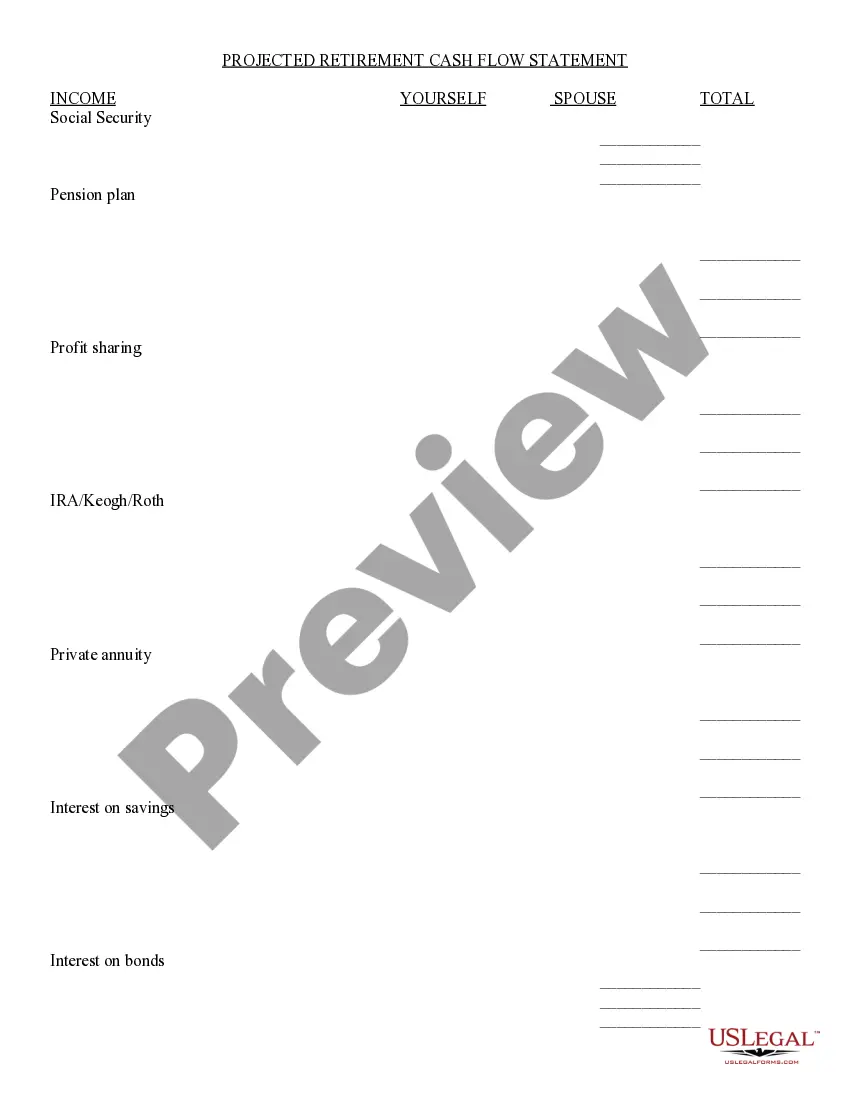
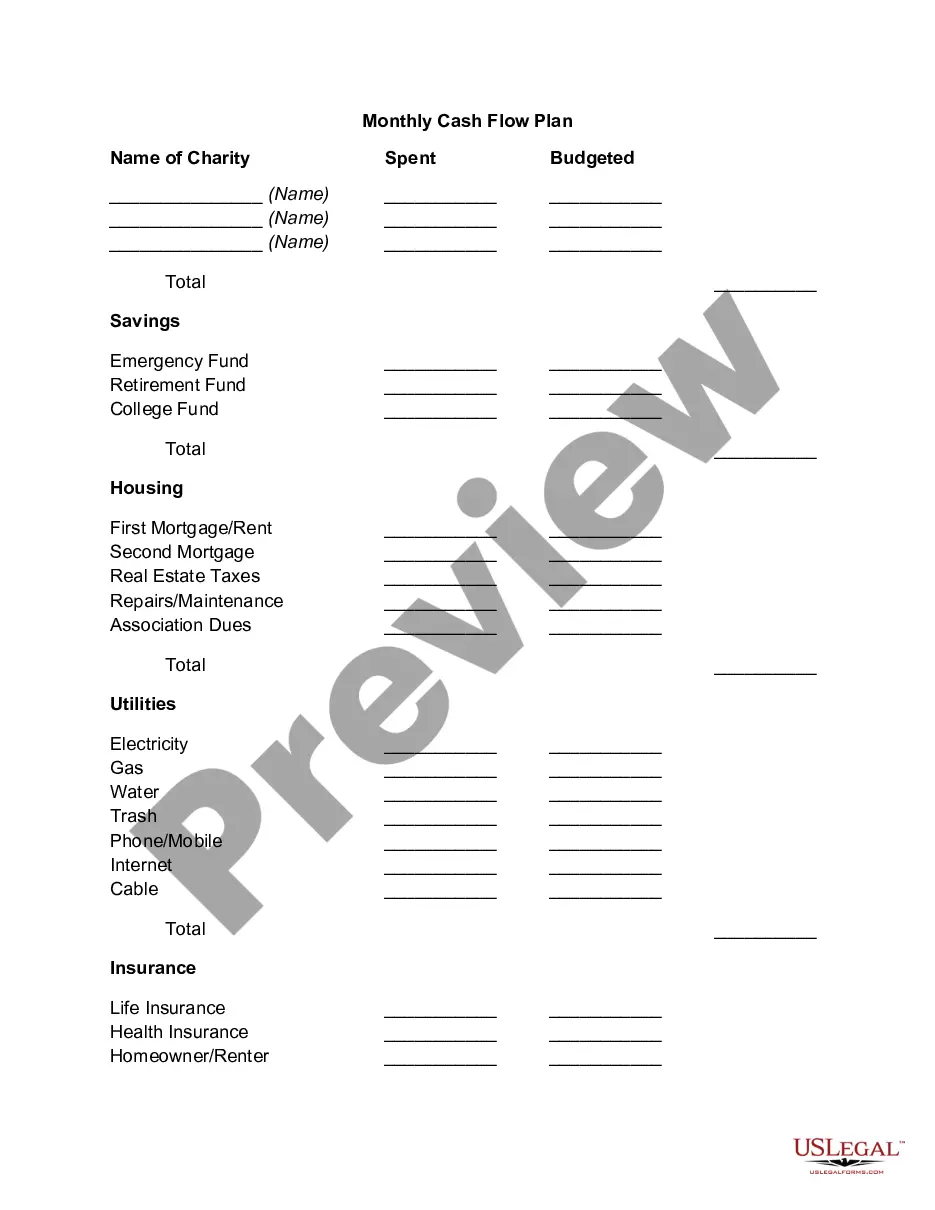
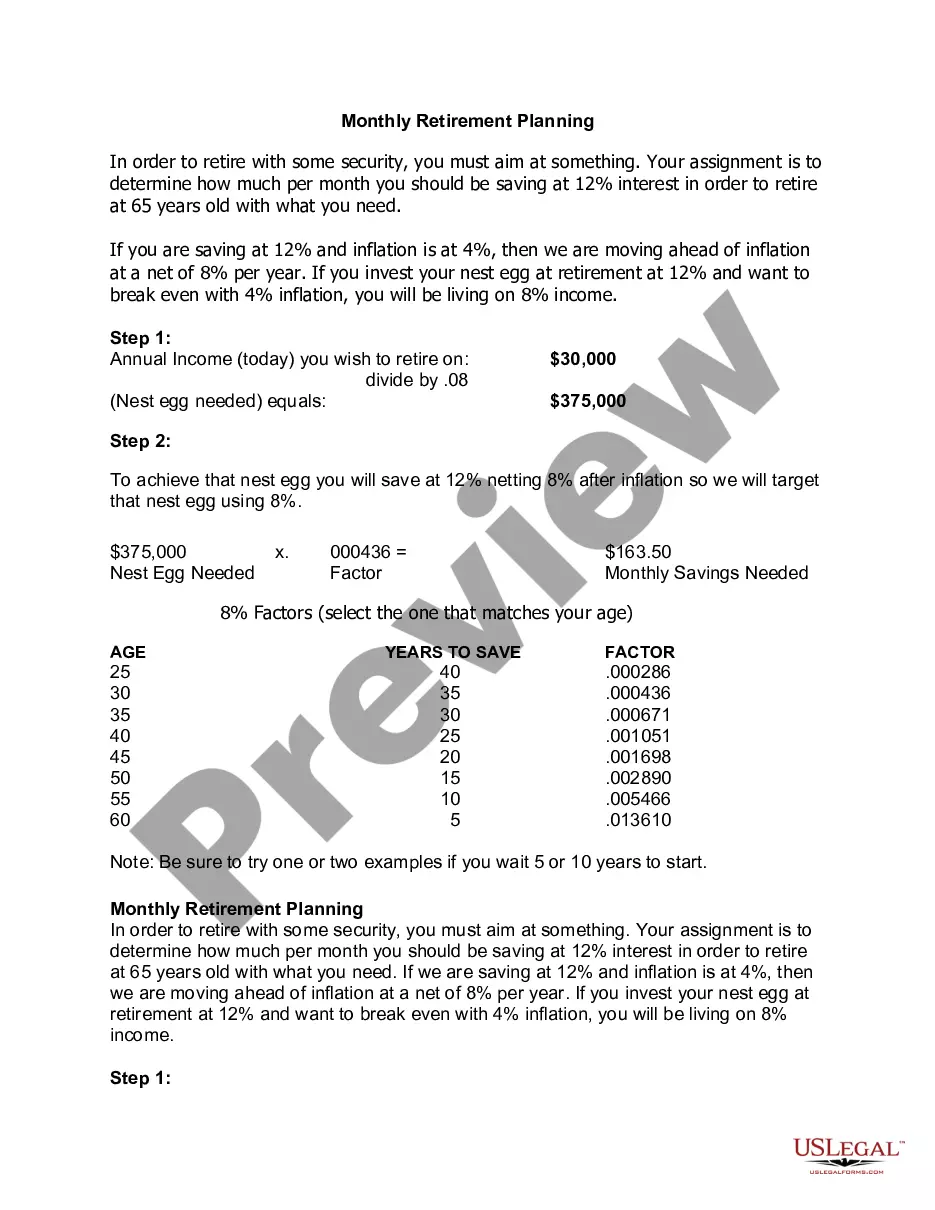
The Retirement Cash Flow form is a financial planning tool that helps retired individuals evaluate their available funds for savings and investments based on detailed retirement income, taxes, and living expenses. This form is designed specifically for retirees, enabling them to gain a clearer picture of their financial health and make informed decisions about their funds. Unlike other financial forms, this one focuses exclusively on income and expenses relevant to retirement, making it a vital resource for effective retirement planning.
Key parts of this document
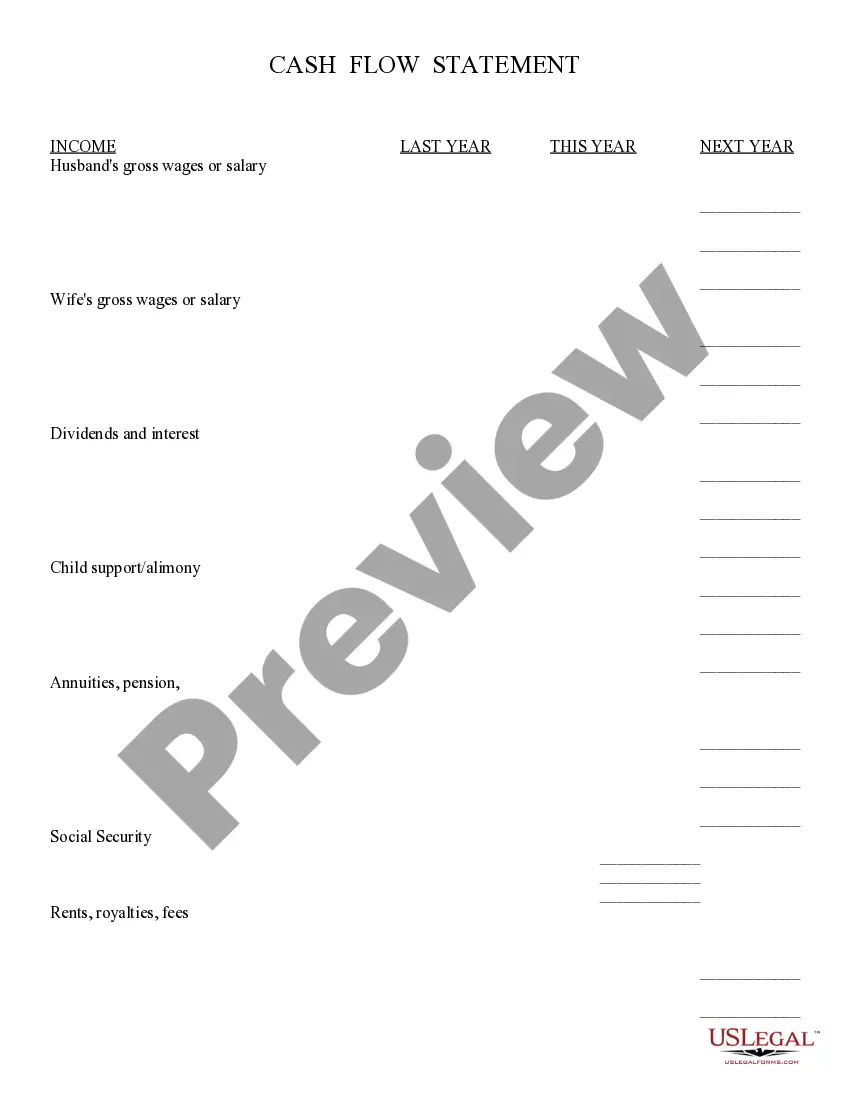
- Income sources including Social Security, pensions, and rental income.
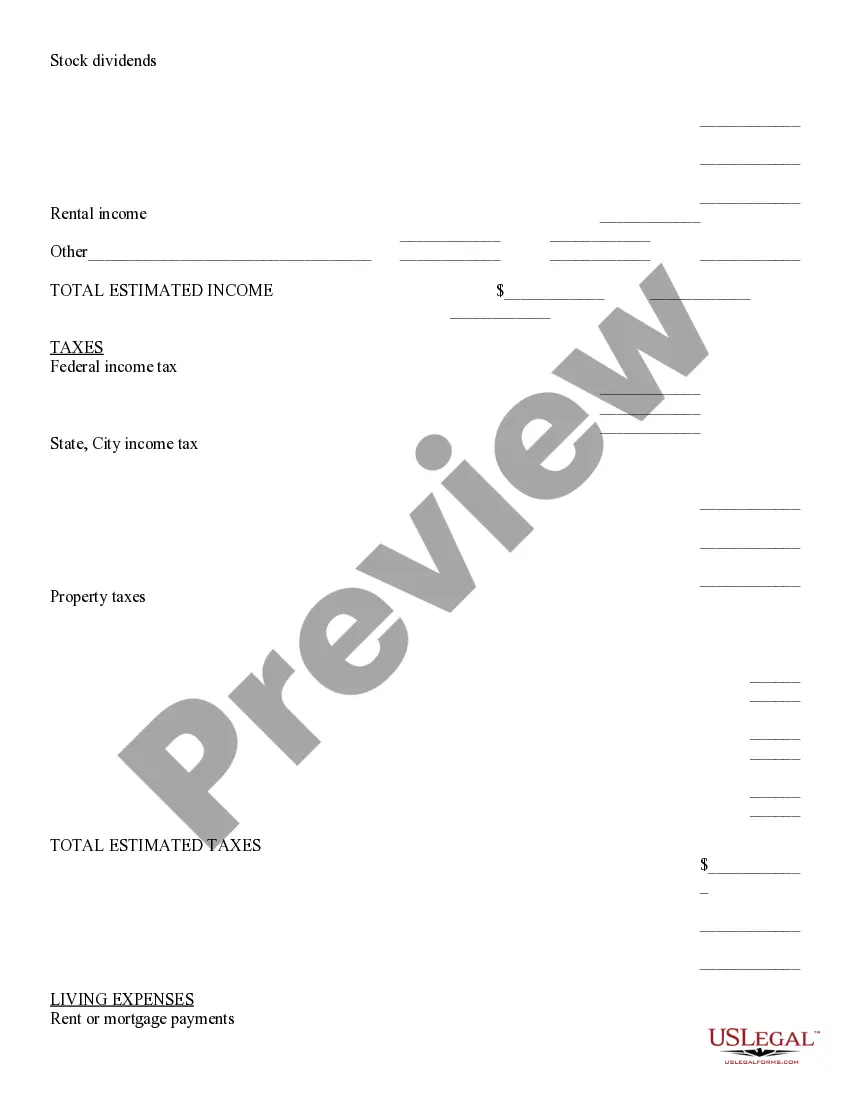
- Estimated taxes reflecting federal and state obligations.
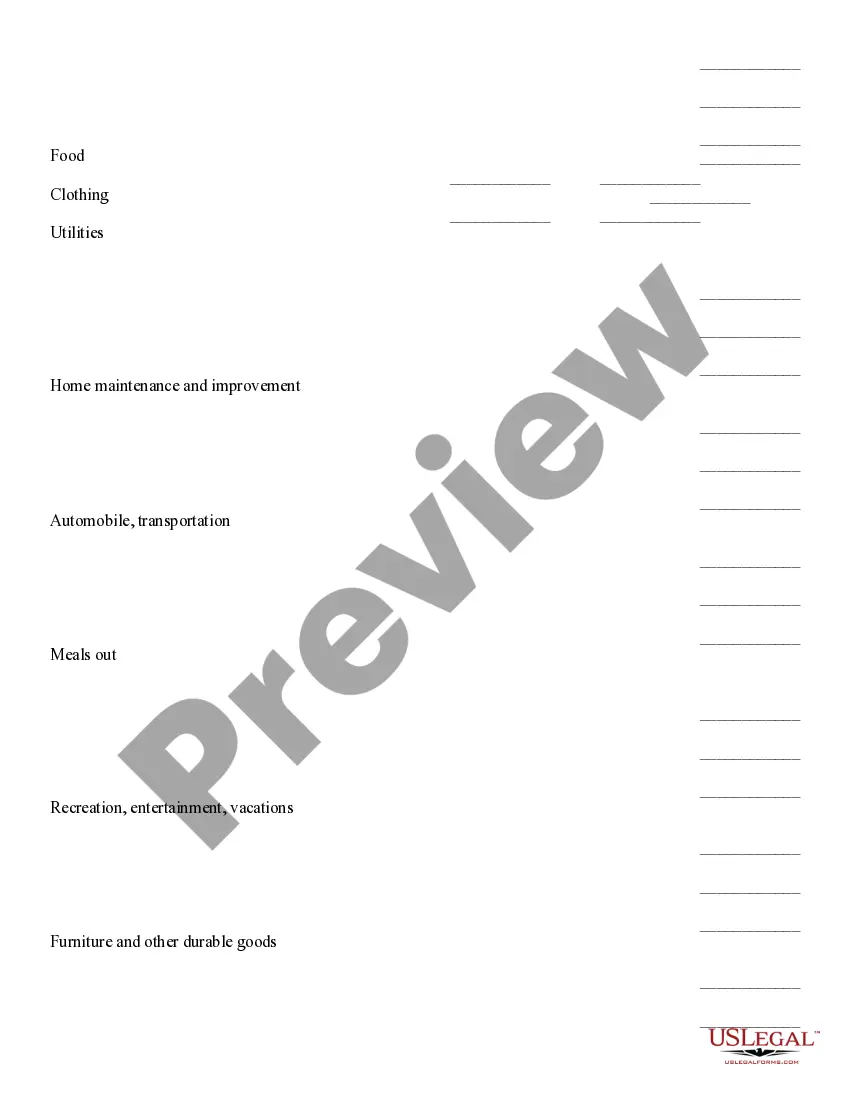
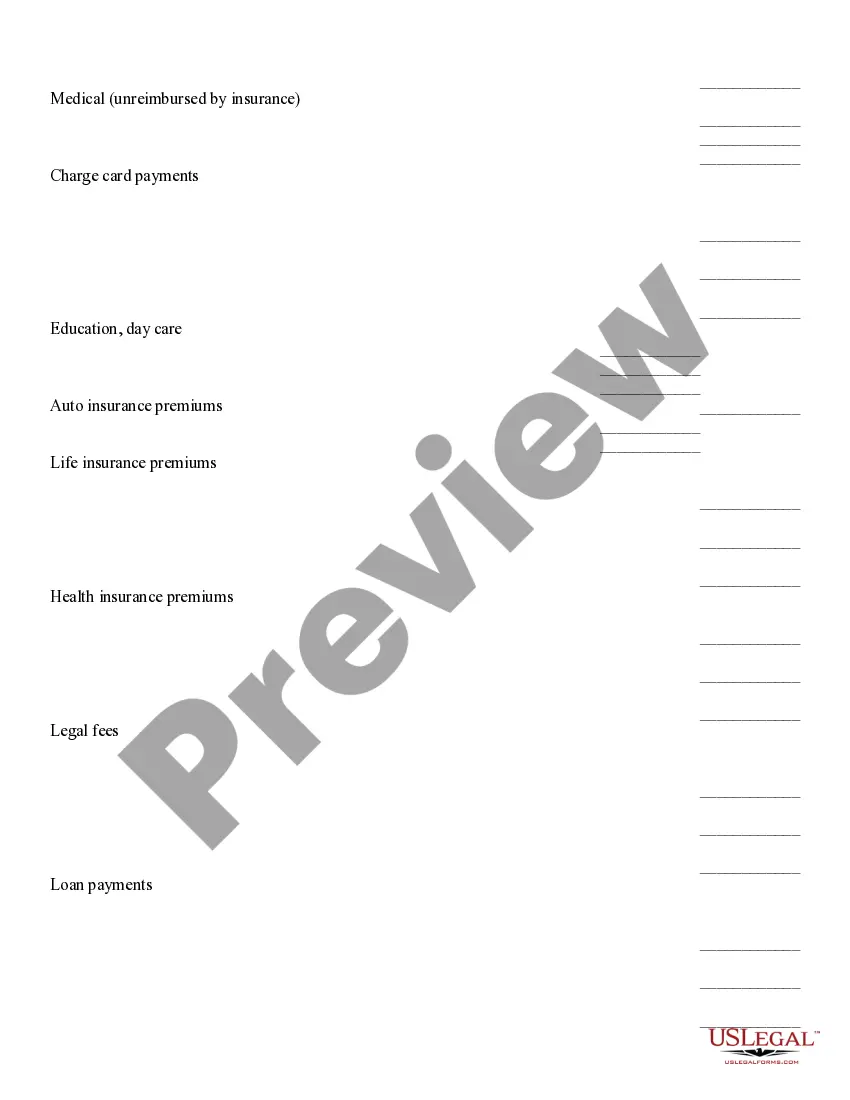
- Living expenses including housing, food, and medical costs.
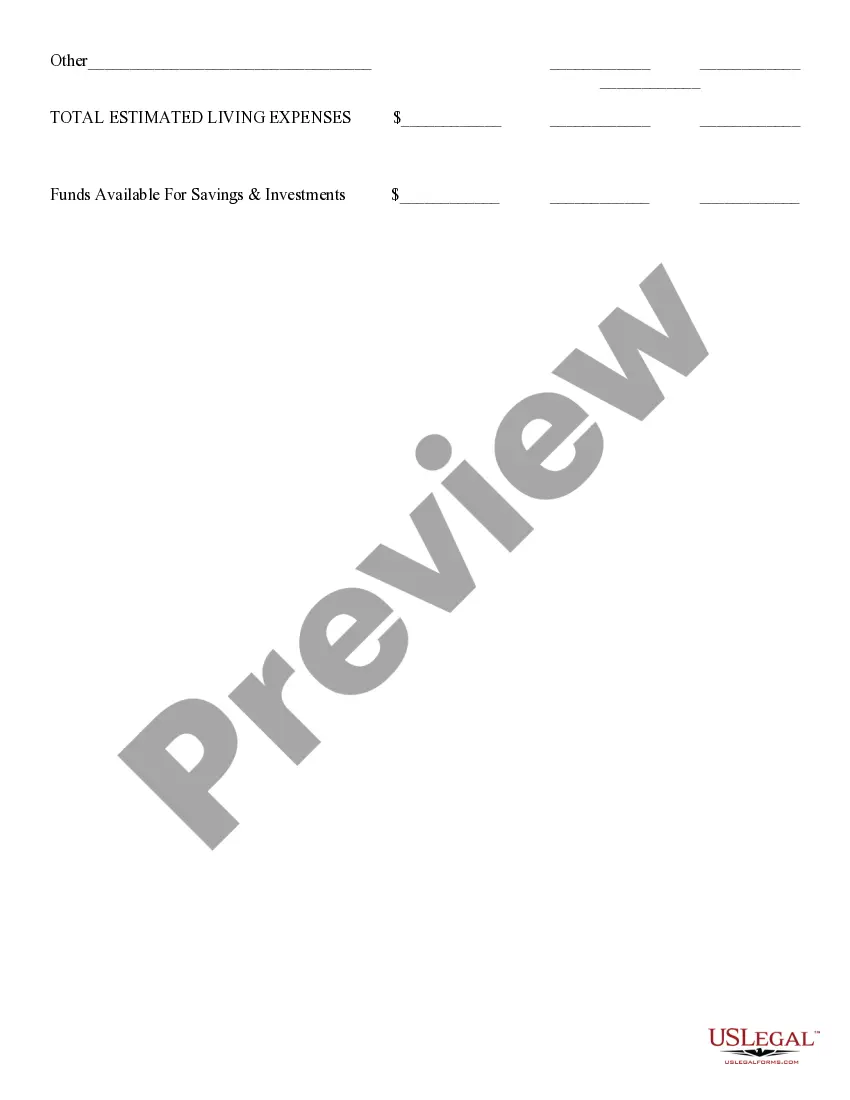
- Total estimated income, taxes, and living expenses summarized.
- Funds available for savings and investments after all expenses.
Situations where this form applies
This form is essential when planning for financial stability in retirement. Use it to assess your current financial situation, understand your cash flow, and determine how much you can allocate towards savings and investments. It is particularly useful if you want to set financial goals, budget for future expenses, or prepare for large expenditures in retirement.
Who needs this form
The Retirement Cash Flow form is intended for:
- Retired individuals looking to assess their post-retirement finances.
- Couples planning their financial needs in retirement.
- Financial planners assisting clients with retirement strategies.
- Anyone considering retirement who wants to understand their income and expenses.
How to prepare this document
- Identify all sources of income for yourself and your spouse, and enter the estimated amounts in the respective fields.
- Calculate and input estimated taxes that could be due based on your income.
- List all relevant living expenses, including housing, food, and healthcare costs.
- Add up the total estimated income, taxes, and living expenses to get a comprehensive view of your financial situation.
- Determine the funds available for savings and investments by subtracting total estimated expenses from total estimated income.
Is notarization required?
Notarization is not commonly needed for this form. However, certain documents or local rules may make it necessary. Our notarization service, powered by Notarize, allows you to finalize it securely online anytime, day or night.
Get your form ready online
Our built-in tools help you complete, sign, share, and store your documents in one place.
Make edits, fill in missing information, and update formatting in US Legal Forms—just like you would in MS Word.
Download a copy, print it, send it by email, or mail it via USPS—whatever works best for your next step.
Sign and collect signatures with our SignNow integration. Send to multiple recipients, set reminders, and more. Go Premium to unlock E-Sign.
If this form requires notarization, complete it online through a secure video call—no need to meet a notary in person or wait for an appointment.
We protect your documents and personal data by following strict security and privacy standards.

Make edits, fill in missing information, and update formatting in US Legal Forms—just like you would in MS Word.

Download a copy, print it, send it by email, or mail it via USPS—whatever works best for your next step.

Sign and collect signatures with our SignNow integration. Send to multiple recipients, set reminders, and more. Go Premium to unlock E-Sign.

If this form requires notarization, complete it online through a secure video call—no need to meet a notary in person or wait for an appointment.

We protect your documents and personal data by following strict security and privacy standards.
Avoid these common issues
- Failing to include all sources of income, particularly part-time work or freelance earnings.
- Underestimating living expenses, especially for medical needs or property taxes.
- Not updating the form regularly as income or expenses change.
- Overlooking potential tax liabilities that could affect cash flow.
Benefits of using this form online
- Convenient access: Download and fill out the form at your convenience.
- Editability: Easily make changes as your financial situation or goals evolve.
- Reliability: Use forms drafted by licensed attorneys to ensure all important aspects are covered.
Legal use & context
- The Retirement Cash Flow form is a personal financial tool and is not a legally binding contract.
- It serves as a guideline for managing retirement finances and planning future expenditures.
- Users should consult financial advisors for personalized advice based on their specific circumstances.
Main things to remember
- Understand and manage your retirement finances effectively with a clear view of your income and expenses.
- Regularly update the form to maintain accurate financial planning.
- Use this form as a starting point for discussions with financial advisors or family members regarding retirement planning.
Looking for another form?

Form popularity
FAQ
Sell Your Photos. Turn Your Interests Into a Podcast That Pays. Consider Ecotourism. Rent Your Space. Become a Translator and Interpreter. Start a Tutoring Service. Set up a Medical Tourism Business. Set up a Dive Business.
Finding the right withdrawal strategy Traditionally, many advisors have suggested withdrawing first from taxable accounts, then tax-deferred accounts, and finally Roth accounts where withdrawals are tax-free. The goal is to allow tax-deferred assets to grow longer and faster.
What Amount Should Retirees Have in an Emergency Fund? Three to six months' expenses is the rule of thumb for building an emergency fund.
Travel. Even if you're on a tight retirement budget, you can travel locally. Learn something new. Take a class. Teach a class. Volunteer. Start a side business. Work part-time. Mentor a child.
Certificates of Deposit and Other Safe Investments. Laddered Bonds. Stock Dividend Income. High Yield Investments. Systematic Withdrawals From a Balanced Portfolio. Immediate Annuities. The Income for Life Model.
You can put the money into a retirement account that's offered by your employer, such as a 401(k) or 403(b) plan. You can put the money into a tax-advantaged retirement account of your own, such as an IRA. You can put the money into a regular investment account that doesn't have tax advantages.
Simply multiply your monthly living expenses by the number of months you feel comfortable with and voila! That's how big your cash reserve should be. During your accumulation or working years, most financial planners recommend a cash reserve of somewhere between 6 and 24 months' worth of living expenses.
According to the Bureau of Labor Statistics data, older households defined as those run by someone 65 and older spend an average of $45,756 a year, or roughly $3,800 a month.
Certificates of Deposit and Other Safe Investments. Laddered Bonds. Stock Dividend Income. High Yield Investments. Systematic Withdrawals From a Balanced Portfolio. Immediate Annuities. The Income for Life Model.