Agreement of Adult Child Not to Contest Will of Parent
About this form
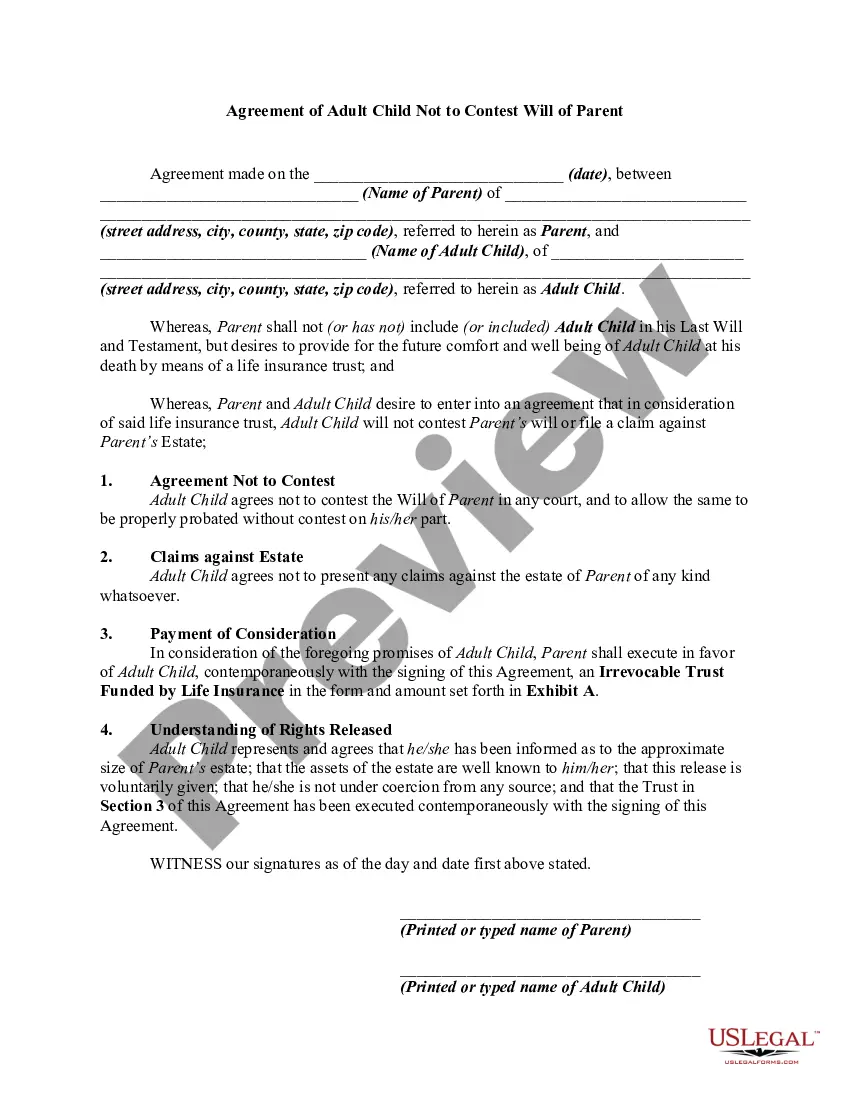
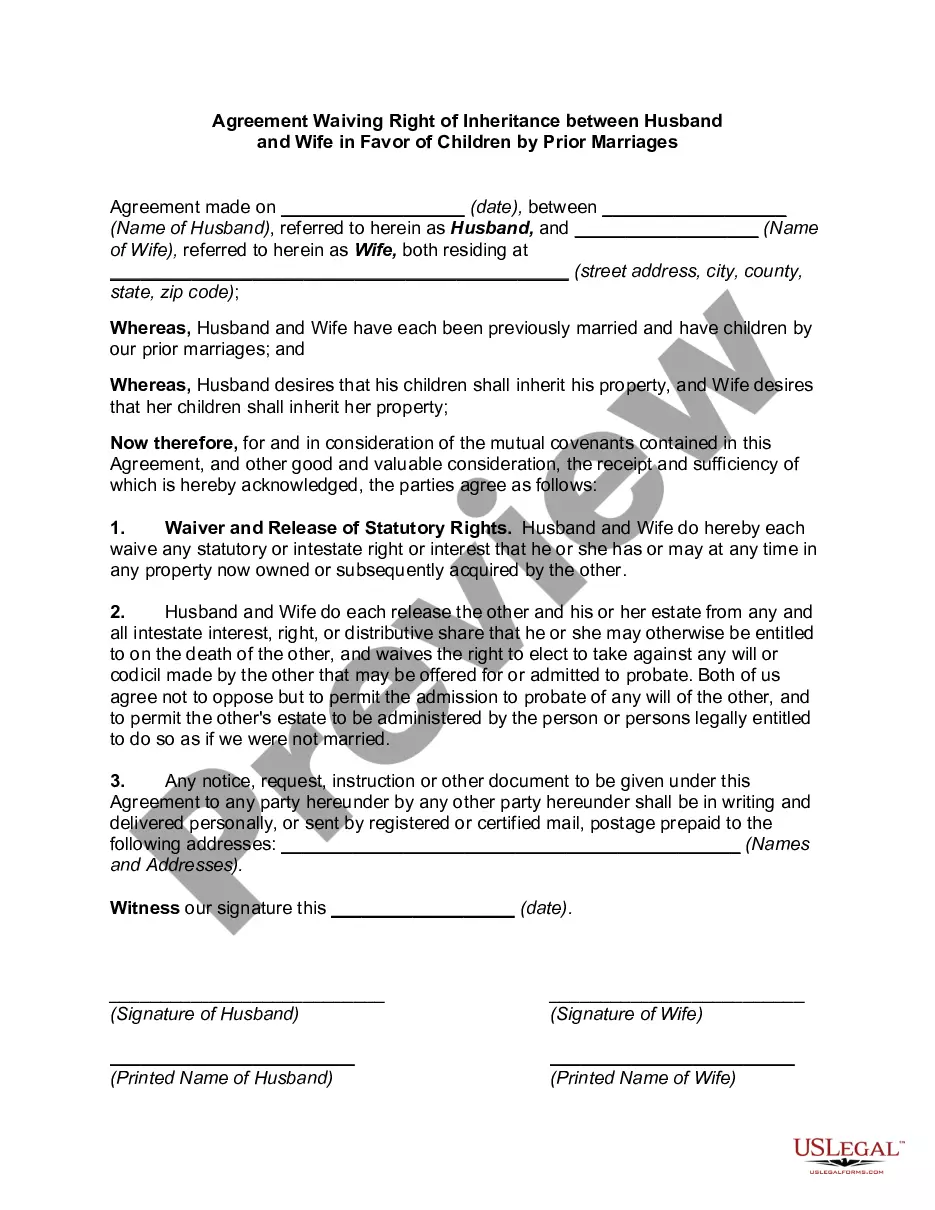
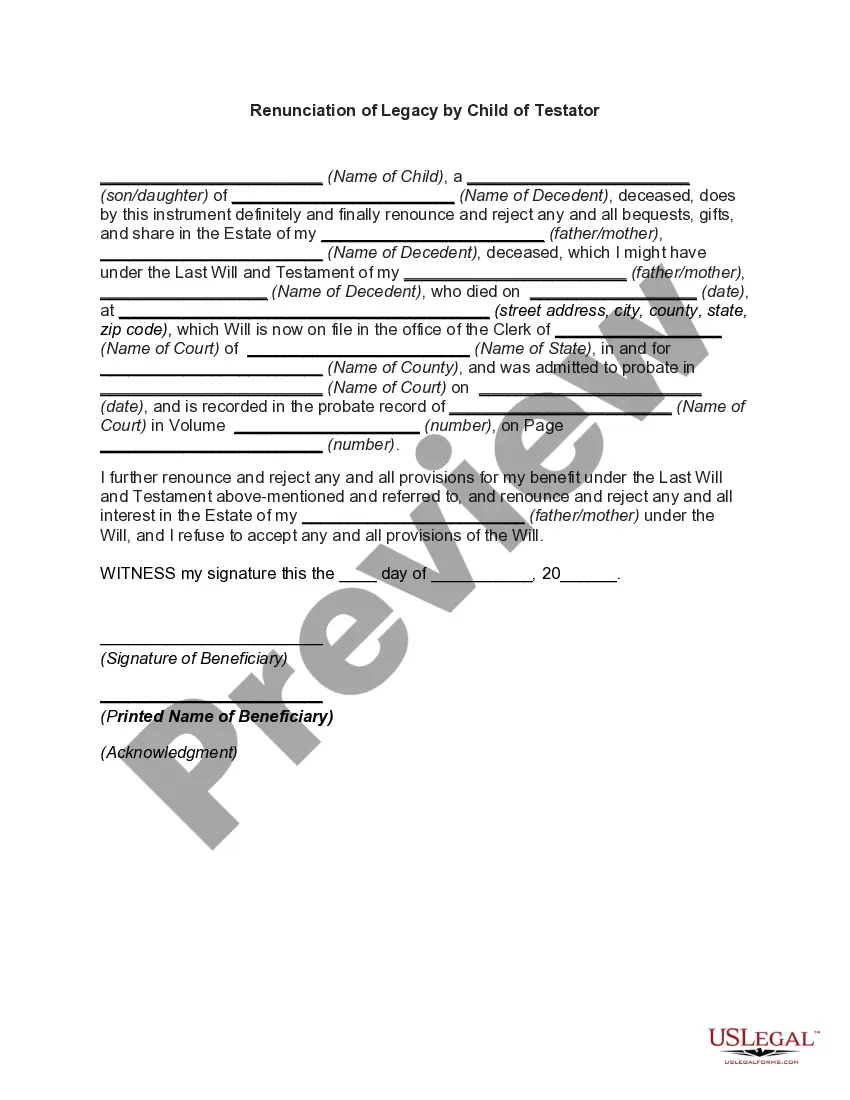
The Agreement of Adult Child Not to Contest Will of Parent is a legal document that outlines an adult child's commitment to not dispute the validity of their parent's will. This agreement is important because it can help ensure the smooth probate of the will and avoid potential conflicts among heirs. In exchange for this agreement, the parent may agree to establish a life insurance trust for the benefit of the adult child, providing a means of support without contesting the will.
Key parts of this document
- Date of the agreement
- Names and addresses of the Parent and Adult Child
- A clause stating the Adult Child agrees not to contest the Parent's will
- A clause prohibiting claims against the Parent's estate
- Details about the life insurance trust as consideration for the agreement
- A representation that the Adult Child understands their rights and the implications of the agreement
When to use this document
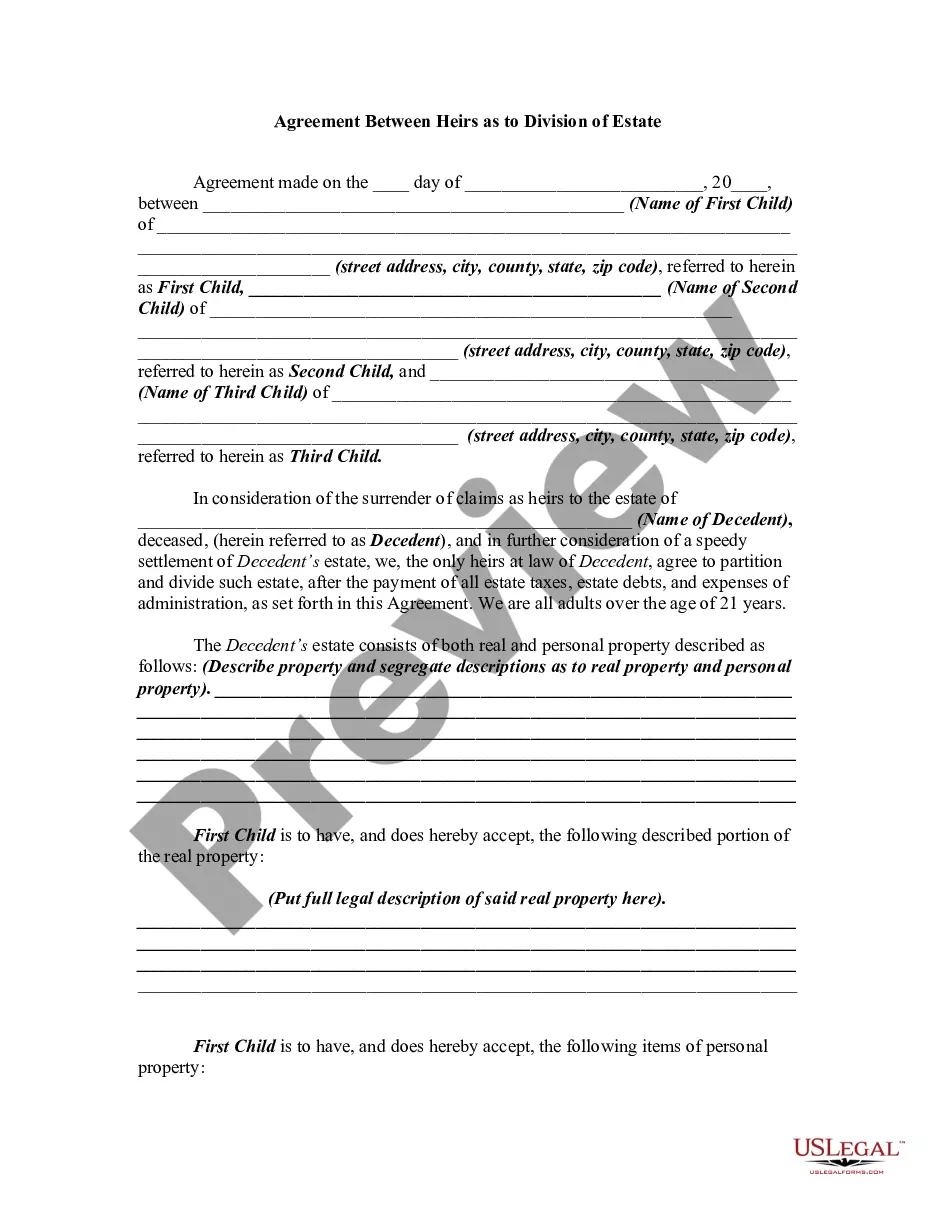
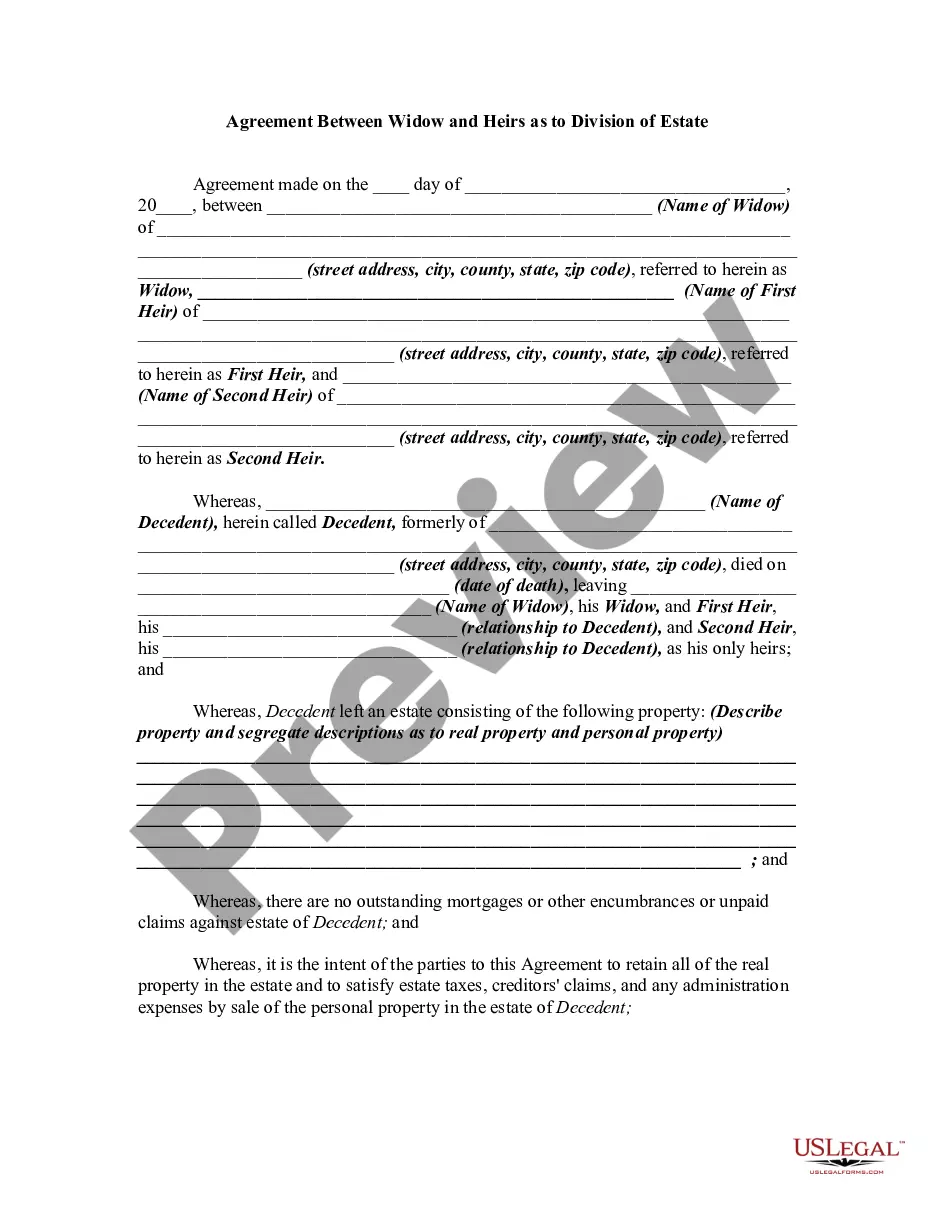
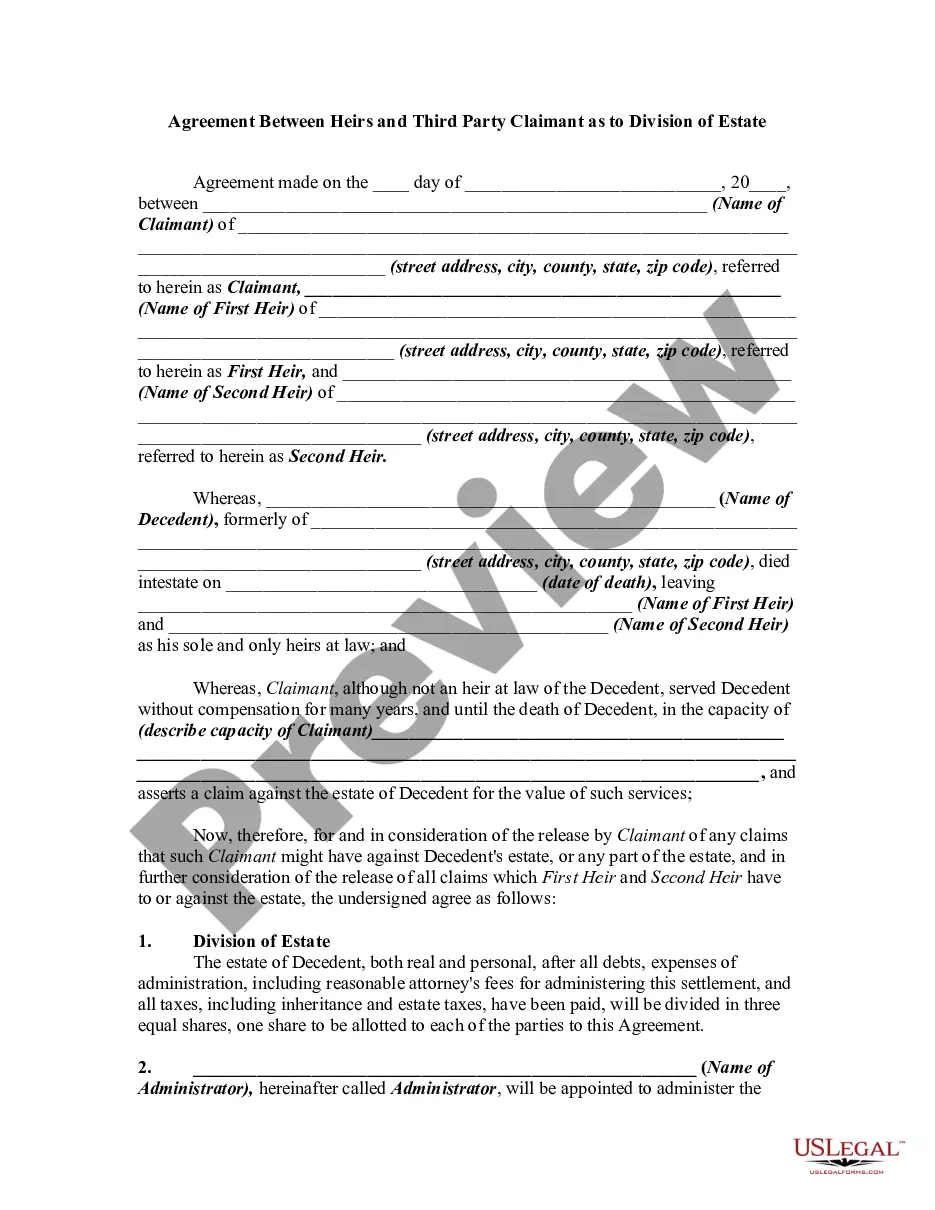
This agreement should be used when a parent wishes to provide for their adult child without including them in their will. It is particularly relevant when the parent wants to ensure that their estate is probated without dispute, which can help reduce family conflict and legal expenses during estate settlement. It is also useful in situations where the parent intends to establish a life insurance trust for the adult child.
Who this form is for
- Parents who wish to ensure that their will is not contested by an adult child
- Adult children who are offered a life insurance trust in exchange for agreeing not to contest the will
- Families looking to avoid legal disputes over estate distribution
How to complete this form
- Enter the date of the agreement at the top of the document.
- Fill in the names and addresses of both the Parent and Adult Child.
- Clearly state the agreement not to contest the will and the prohibition of claims against the estate.
- Include details about the life insurance trust that will serve as consideration for the Adult Child's agreement.
- Have both parties sign and date the agreement to indicate their acceptance.
Does this form need to be notarized?
This form does not typically require notarization to be legally valid. However, some jurisdictions or document types may still require it. US Legal Forms provides secure online notarization powered by Notarize, available 24/7 for added convenience.
Get your form ready online
Our built-in tools help you complete, sign, share, and store your documents in one place.
Make edits, fill in missing information, and update formatting in US Legal Forms—just like you would in MS Word.
Download a copy, print it, send it by email, or mail it via USPS—whatever works best for your next step.
Sign and collect signatures with our SignNow integration. Send to multiple recipients, set reminders, and more. Go Premium to unlock E-Sign.
If this form requires notarization, complete it online through a secure video call—no need to meet a notary in person or wait for an appointment.
We protect your documents and personal data by following strict security and privacy standards.

Make edits, fill in missing information, and update formatting in US Legal Forms—just like you would in MS Word.

Download a copy, print it, send it by email, or mail it via USPS—whatever works best for your next step.

Sign and collect signatures with our SignNow integration. Send to multiple recipients, set reminders, and more. Go Premium to unlock E-Sign.

If this form requires notarization, complete it online through a secure video call—no need to meet a notary in person or wait for an appointment.

We protect your documents and personal data by following strict security and privacy standards.
Mistakes to watch out for
- Failing to include all relevant names and addresses in the agreement.
- Not clearly specifying the details of the life insurance trust.
- Overlooking the need for both parties to sign the agreement.
- Assuming the agreement is valid without understanding the implications of not contesting the will.
Why use this form online
- Convenient access to legal forms that can be downloaded and completed at your own pace.
- Editable templates that can be customized to fit individual circumstances.
- Reliability provided by forms drafted by licensed attorneys to meet legal standards.
Looking for another form?





Form popularity
FAQ
If you are worried that disappointed heirs could contest your will or trust after you die, one option is to include a "no-contest clause" in your estate planning documents. A no-contest clause provides that if an heir challenges the will or trust and loses, then he or she will get nothing.
A trust does not pass through the court for the probate process and cannot be contested in most cases. Revocable living trusts remain private, so if someone is not listed in it, they are not privy to the details of it.
For starters, in California children do not have a right to inherit any property from a parent. In other words, a parent can disinherit a child, leaving them nothing.You can either challenge your parent's Will or you may be classified as an omitted child.
Since the 1975 Act adult children have always been able to make a claim in circumstances where they have been excluded from a will or have not had reasonable provision made for them, either by the will or by intestacy. Over the years the courts have viewed adult children claims with varying degrees of enthusiasm.
For starters, in California children do not have a right to inherit any property from a parent. In other words, a parent can disinherit a child, leaving them nothing.You can either challenge your parent's Will or you may be classified as an omitted child.
To contest the will, you need a valid reason. These are fairly straightforward. You need to reasonably prove the testator lacked the mental capacity to understand what was going on when the current will was signed, was pressured into changing it or that the will failed to meet state regulations and is thus not legal.
Wills can be contested during probate if a beneficiary feels like he or she was improperly excluded. Challenging a will is expensive and often unlikely to succeed. Challengers may be able to negotiate a settlement with the estate instead.
In most states, a spouse who has not agreed to be disinherited can take legal action against a decedent who disinherited them in a will or trust. Also, disinherited children can take legal action, especially if they can show the decedent disinherited them due to undue influence, duress, or lack of mental capacity.
A no-contest clause, also called an in terrorem clause, is a provision that you can include in your will or revocable living trust which states that if anyone files a lawsuit to challenge who you have provided for in your estate plan, then the person challenging the will or trust will receive nothing from your estate.