Complaint against Railroad by Employee for Hearing Loss
What this document covers
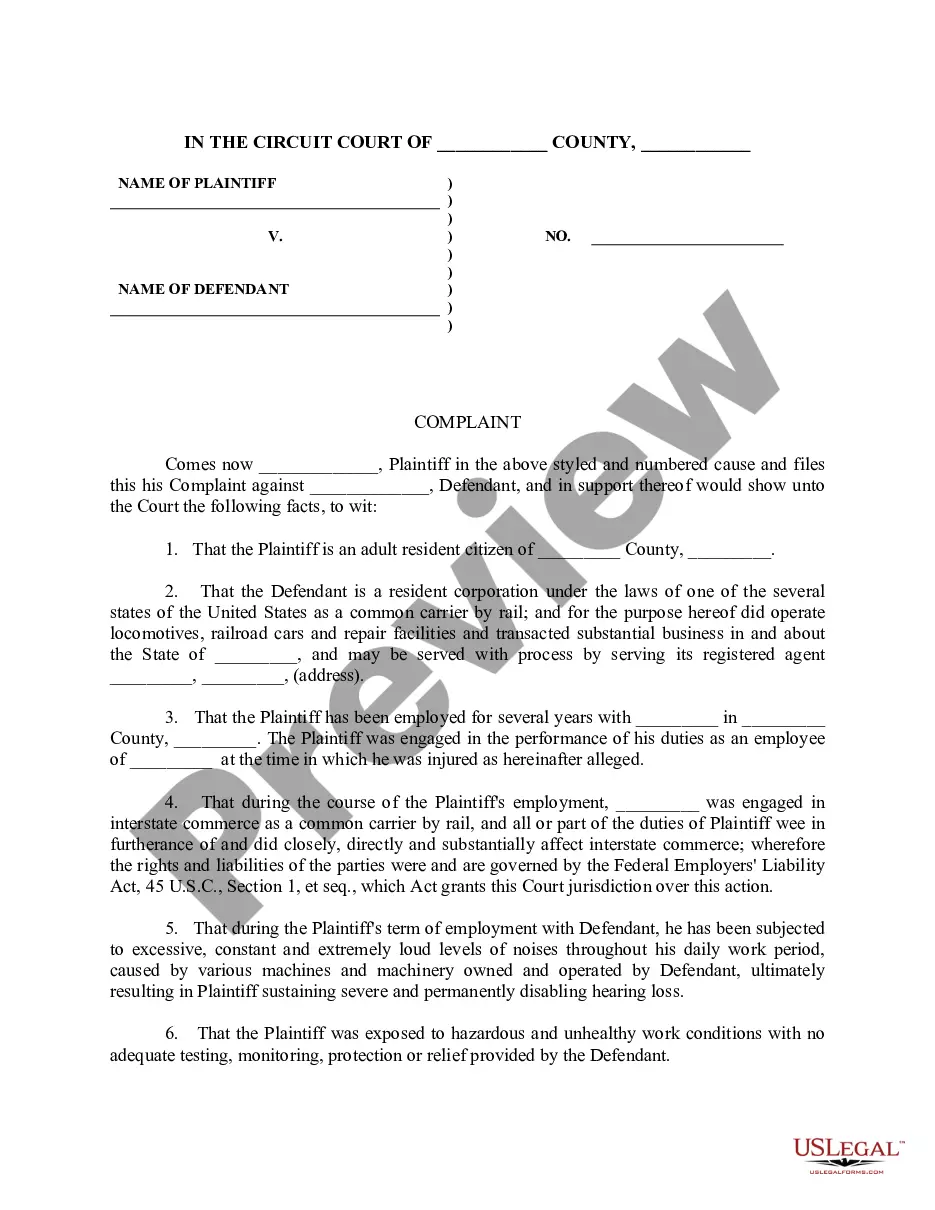
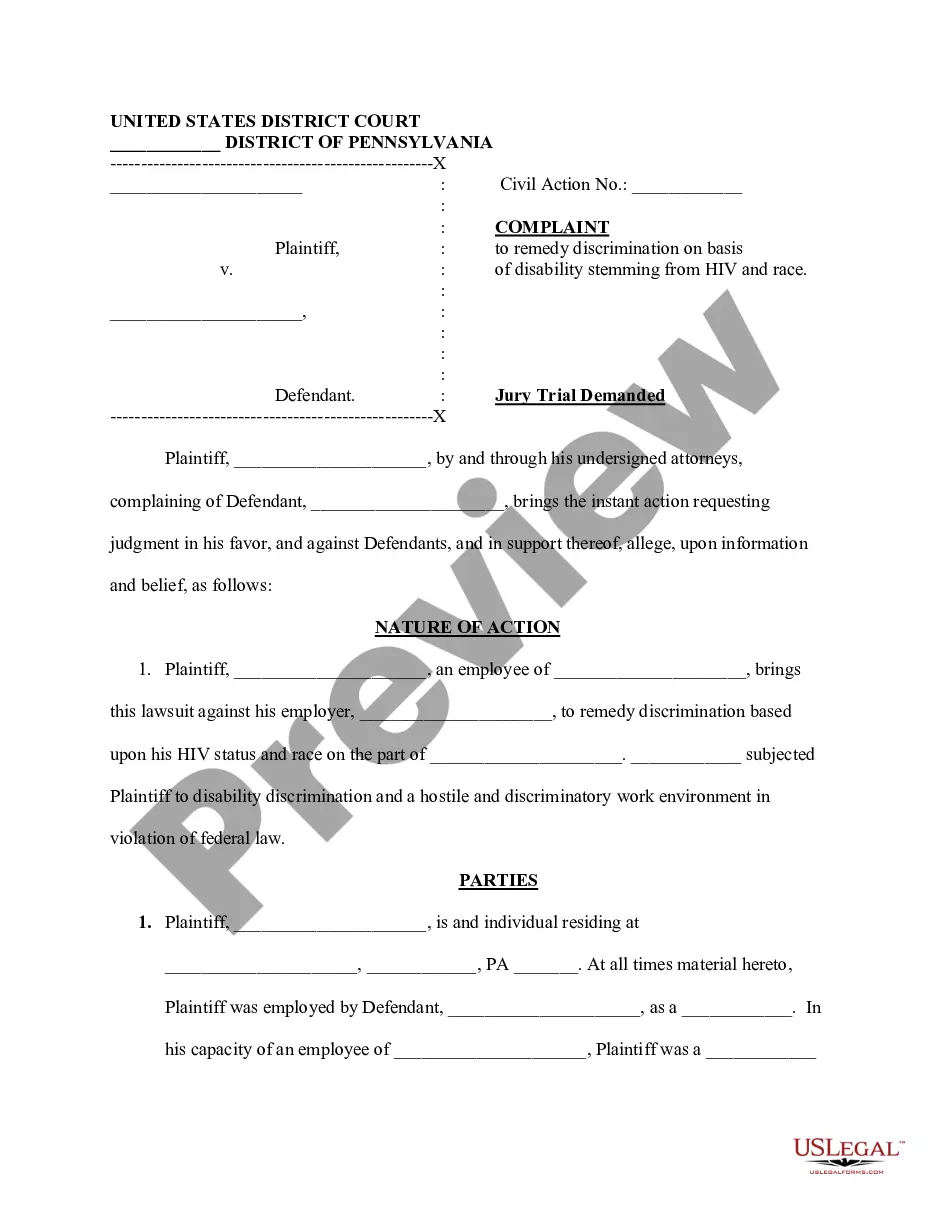
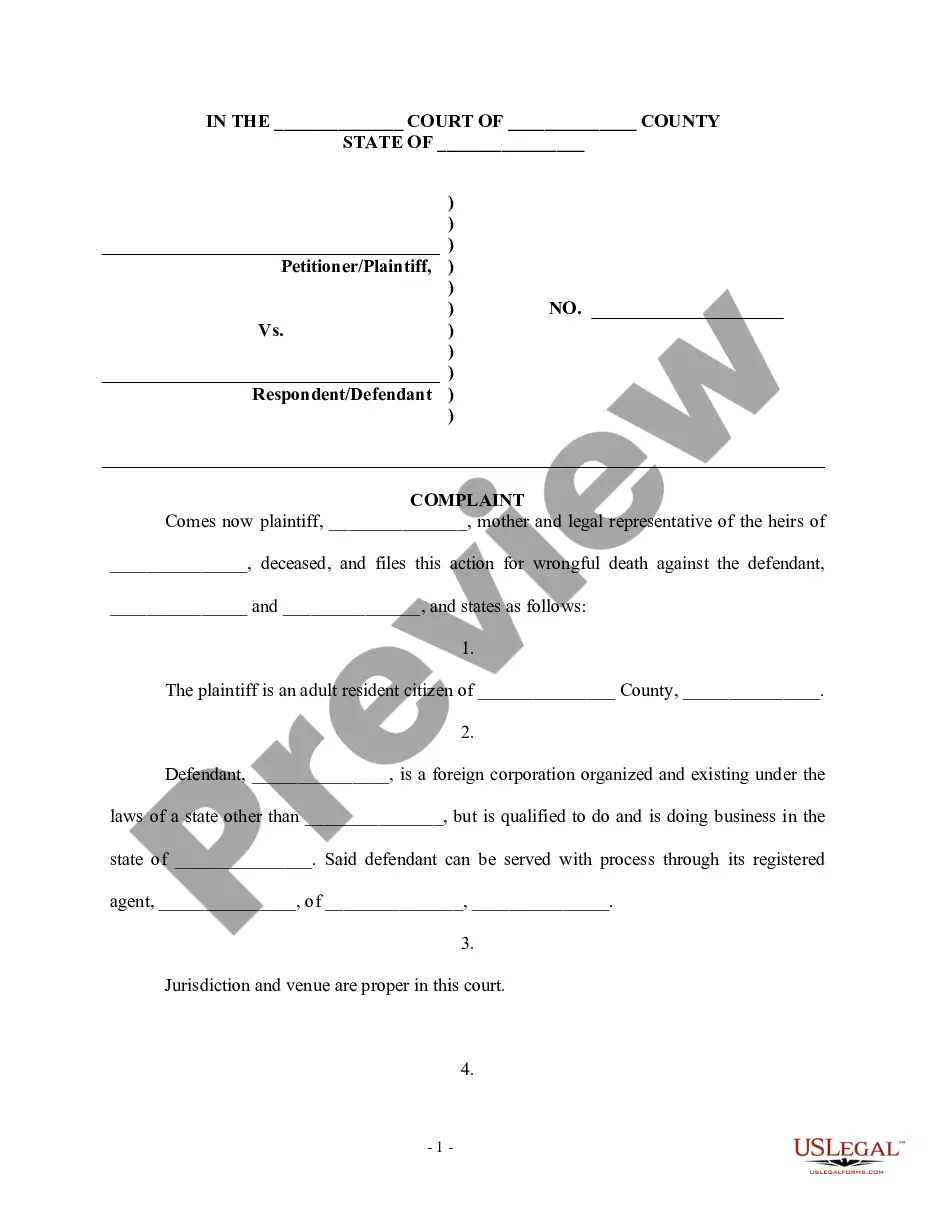
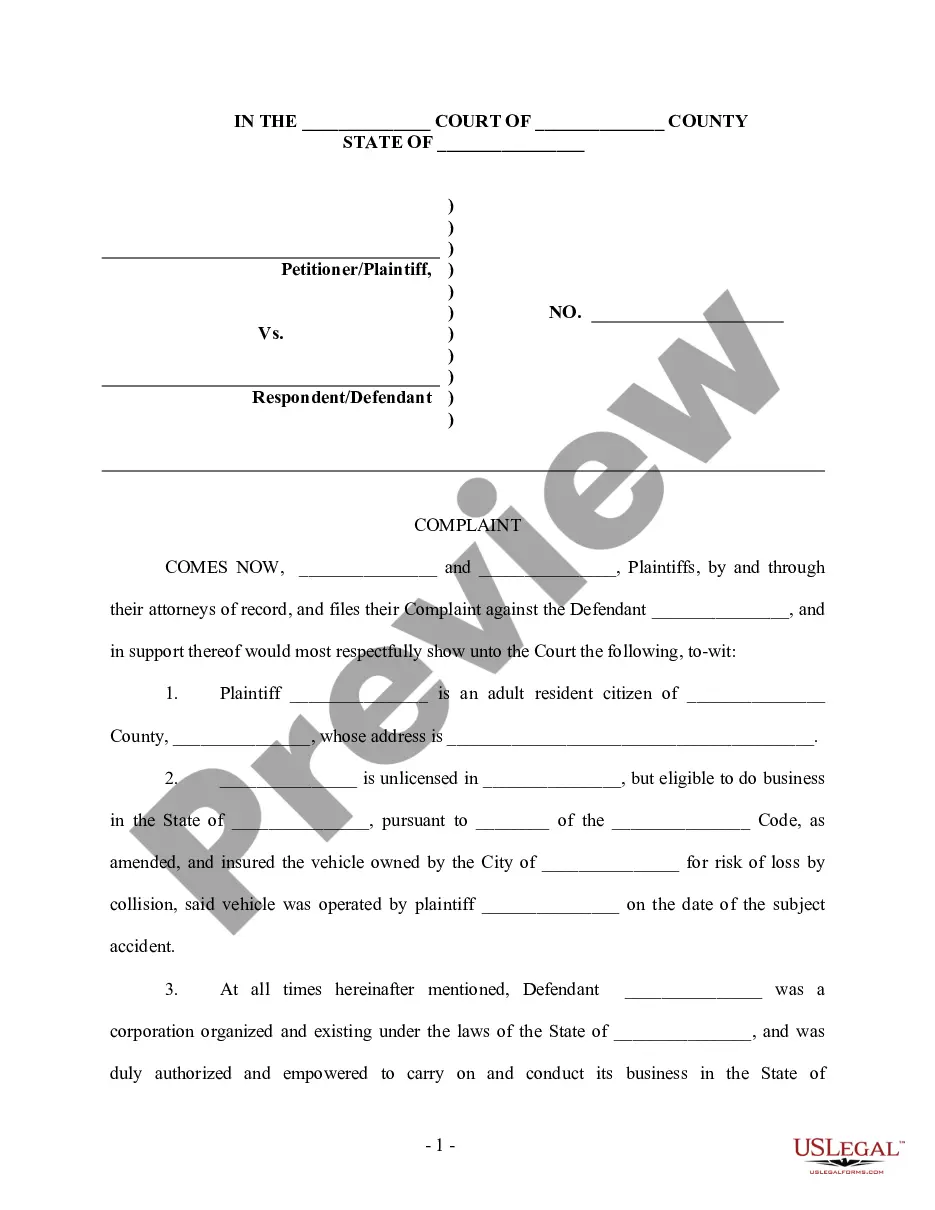
This Complaint against Railroad by Employee for Hearing Loss is a legal document used to initiate a civil lawsuit against a railroad company due to damages caused by hearing loss sustained during employment. This form is essential for employees who have sustained injuries as a result of unsafe working conditions and aims to provide a framework for seeking compensation for medical expenses and losses related to their injuries. It differs from other complaint forms by specifically addressing issues related to hearing loss within the context of federal employment laws applicable to railroad workers.
What’s included in this form
- Identification of the plaintiff and defendant, including residency information.
- Statement of jurisdiction under the Federal Employers Liability Act.
- Description of the plaintiff's employment history and exposure to hazardous conditions.
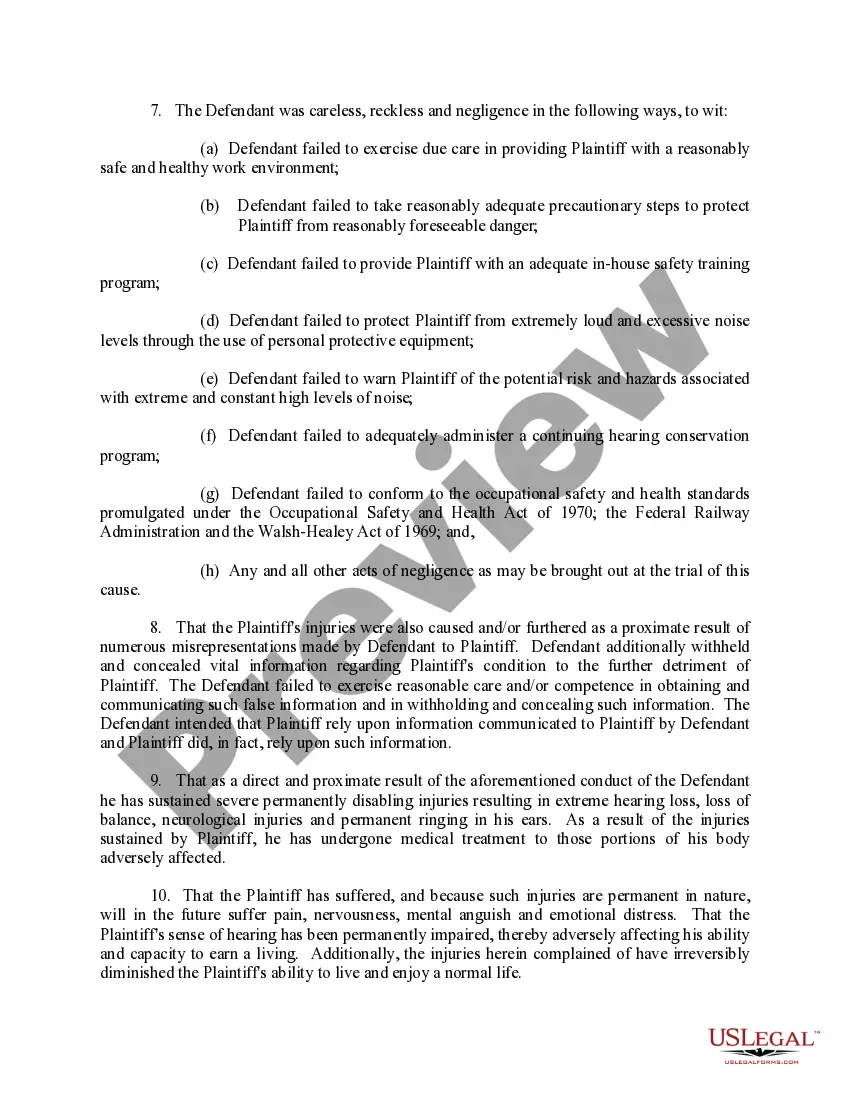
- Allegations of negligence by the defendant, including failure to provide a safe work environment.
- Details of the plaintiff's injuries and the impact on life and work capabilities.
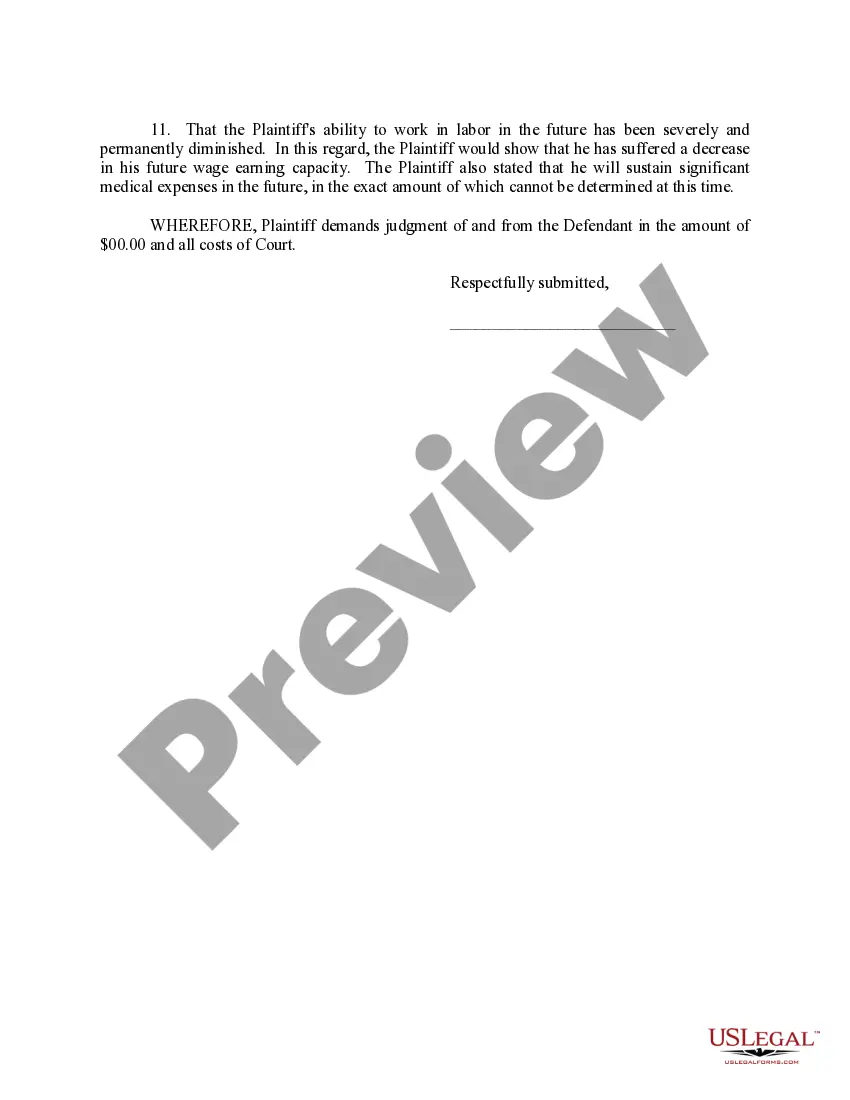
- Demand for judgment and compensation for damages incurred.


Situations where this form applies
This form should be used when an employee of a railroad company believes they have suffered hearing loss due to negligence in their workplace. If you have experienced excessive noise exposure without appropriate safety measures, training, or equipment, and this has led to permanent hearing issues, you may need this form to begin a lawsuit. Using this form promptly can help secure your legal rights and initiate the claims process against the railroad company.
Intended users of this form
This form is intended for:
- Workers employed by railroad companies who have experienced hearing loss due to unsafe work conditions.
- Individuals seeking compensation for medical costs related to hearing impairments resulting from employment.
- Employees who believe their employer's negligence directly contributed to their health issues.
How to prepare this document
- Identify and provide the names and addresses of both the plaintiff and the defendant.
- Clearly state the relevant facts leading to the complaint, including employment history and exposure to harmful conditions.
- Outline the allegations of negligence and how they led to your injuries.
- Detail the injuries sustained, including physical, medical, and emotional impacts.
- Specify the amount of damages you are seeking for your injuries.
Notarization guidance
This form does not typically require notarization to be legally valid. However, some jurisdictions or document types may still require it. US Legal Forms provides secure online notarization powered by Notarize, available 24/7 for added convenience.
Get your form ready online
Our built-in tools help you complete, sign, share, and store your documents in one place.
Make edits, fill in missing information, and update formatting in US Legal Forms—just like you would in MS Word.
Download a copy, print it, send it by email, or mail it via USPS—whatever works best for your next step.
Sign and collect signatures with our SignNow integration. Send to multiple recipients, set reminders, and more. Go Premium to unlock E-Sign.
If this form requires notarization, complete it online through a secure video call—no need to meet a notary in person or wait for an appointment.
We protect your documents and personal data by following strict security and privacy standards.

Make edits, fill in missing information, and update formatting in US Legal Forms—just like you would in MS Word.

Download a copy, print it, send it by email, or mail it via USPS—whatever works best for your next step.

Sign and collect signatures with our SignNow integration. Send to multiple recipients, set reminders, and more. Go Premium to unlock E-Sign.

If this form requires notarization, complete it online through a secure video call—no need to meet a notary in person or wait for an appointment.

We protect your documents and personal data by following strict security and privacy standards.
Avoid these common issues
- Failing to provide complete and accurate identification of parties involved.
- Neglecting to detail specific allegations of negligence.
- Omitting evidence or descriptions of how injuries occurred.
- Not stating the amount of damages sought clearly.
Benefits of using this form online
- Convenient access to legal documents from anywhere, at any time.
- Editability allows you to customize the form to your specific circumstances.
- Reliability of having forms drafted by licensed attorneys.
What to keep in mind
- This form is essential for employees suffering from hearing loss due to workplace conditions.
- Clearly outline negligence and the impacts of injuries to support your case.
- Be aware of your state's rules to ensure proper filing and legal compliance.
Looking for another form?


Form popularity
FAQ
There are a variety of reasons why train accidents occur most of which take place at crossings when cars try to "beat" the train. When these accidents occur, they often involve the passengers, driver, and some passersby. While every case is unique, the most common causes of train accidents include: Negligence.
1. When does someone with a hearing impairment have a disability within the meaning of the ADA? Individuals with a history of a hearing impairment will be covered under the second part of the definition of disability if they have a record of an impairment that substantially limited a major life activity in the past.
To be approved under this listing, you must meet at least one of the following criteria: An average air conduction hearing threshold of 90 decibels (dB) or greater in the better ear and have an average bone conduction hearing threshold of 60 dB or greater in the better ear, OR.
Severe hearing loss is a qualified disability under the Social Security Disability Act, but you must prove to the Social Security Administration (SSA) that you meet all eligibility requirements in order to receive Social Security Disability (SSD).
In order to have a good case with a civil lawsuit you must clearly identify how you have been injured and demand something to fix that injury.You have not incurred any damage and you cannot sue someone for the risk of potential future injury or loss.
Yes, you can sue for injury stemming from an accident at a railroad crossing.Railroads are only liable for incidents that stem from their negligence.
Are there limits to how much money I can recover? California Civil Code 3333.2 puts a cap of $250,000 on non-economic damages in medical malpractice cases. California Civil Code 3333.2 is the result of the Medical Injury Compensation Reform Act (MICRA), which California voters passed in 1975.
If a railroad company fails in the duty it owes to its employees, and that failure results in an injury to a railroad worker, the worker can seek compensation from the company through a lawsuit brought under the FELA Statute. Compensation includes lost wages, medical bills, and pain and suffering.
If you have profound hearing loss or deafness, you should be able to qualify for Social Security disability benefits.However, the SSA does not usually accept that mild and moderate hearing loss affects your capacity to work since these conditions can usually be corrected using hearing aids.