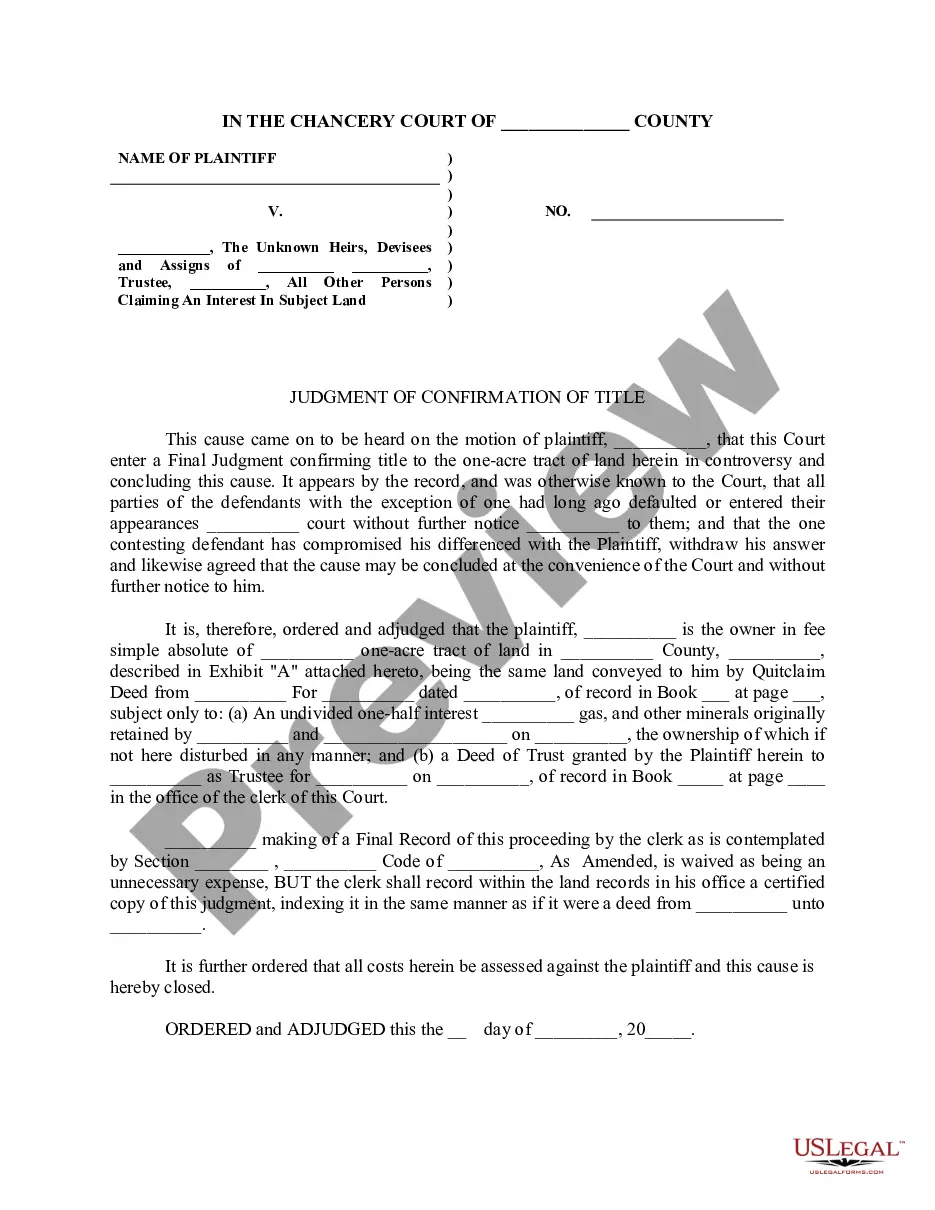
Judgment of Confirmation of Title
Overview of this form
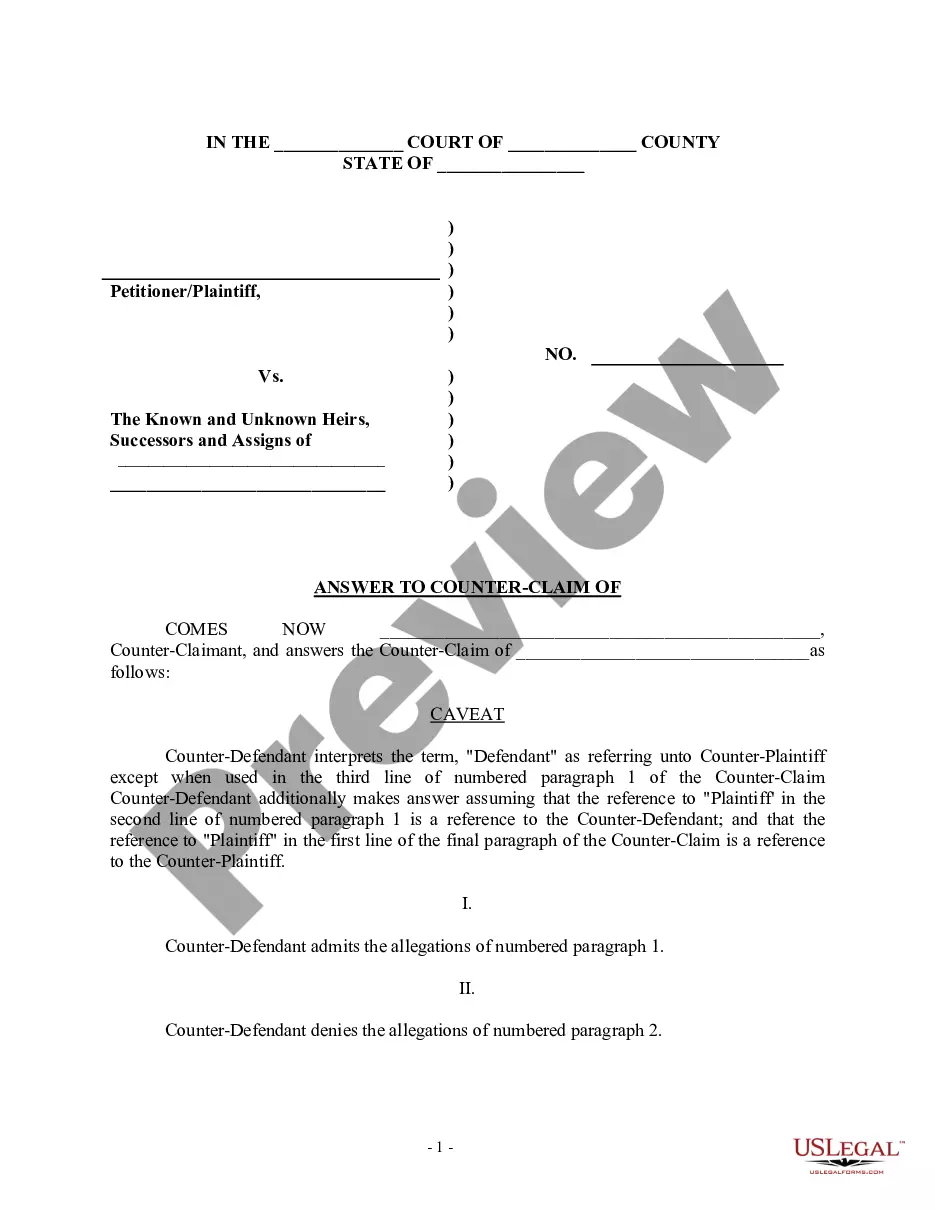
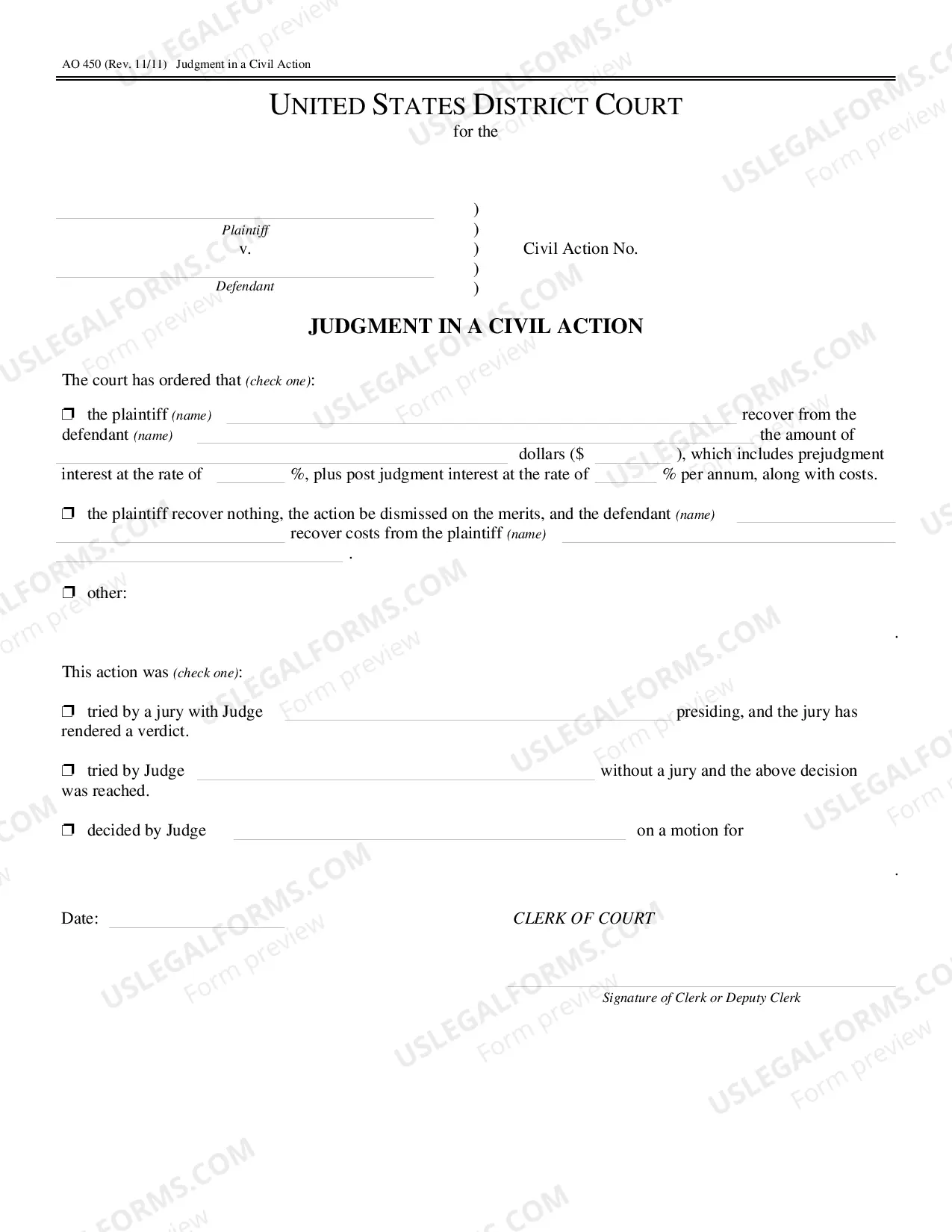
The Judgment of Confirmation of Title is a legal document that confirms ownership of a specific property, resolving disputes regarding title claims. This form helps protect the rights of the title holder by providing a court-ordered confirmation of title, distinguishing it from other ownership or property transfer documents. It is essential for those looking to legally affirm their ownership in the face of any challenges or disputes.
Key components of this form
- Identifies the plaintiff and the one-acre tract of land in question.
- Details the history of the case and parties involved, including defaults and compromises.
- Confirms the plaintiff's ownership as fee simple absolute of the specified property.
- Includes references to prior deeds and any encumbrances such as mineral rights or deeds of trust.
- Orders the recording of the judgment in the land records, ensuring public notice of ownership.
- Addresses cost assessment related to the judgment.

When to use this document
This form is commonly used when a property owner needs court confirmation of their title to resolve ownership disputes, prevent challenges from other parties, or clarify legal rights over a property. It is particularly useful when the ownership has been contested or there are lingering claims from previous owners or lessees. This form should be utilized when all parties to a dispute have either defaulted or have come to an agreement.
Who needs this form
This form is intended for:
- Property owners seeking to confirm their ownership title in court.
- Individuals involved in property disputes who wish to clear title clouds.
- Attorneys representing clients in real estate matters.
- Individuals managing estates or inheriting property with title complications.
How to prepare this document
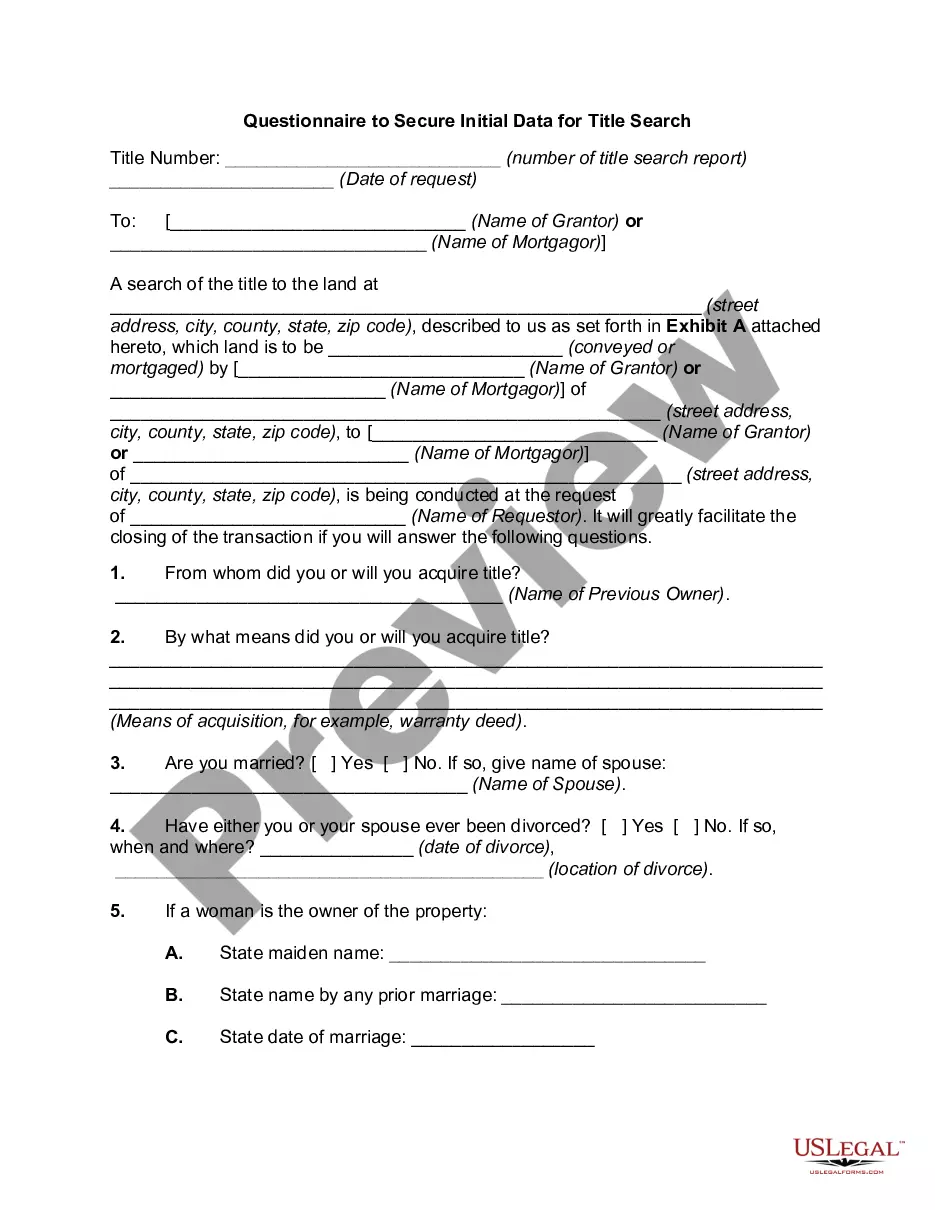
- Identify the parties involved, including the plaintiff and the contested property details.
- Specify the legal description of the property as outlined in previous deeds.
- Note any prior claims, encumbrances, or agreements related to the property.
- Indicate the date of judgment and include signatures as required by local law.
- File the completed form with the appropriate court to obtain the judgment.
Notarization guidance
This document requires notarization to meet legal standards. US Legal Forms provides secure online notarization powered by Notarize, allowing you to complete the process through a verified video call, available 24/7.
Get your form ready online
Our built-in tools help you complete, sign, share, and store your documents in one place.
Make edits, fill in missing information, and update formatting in US Legal Forms—just like you would in MS Word.
Download a copy, print it, send it by email, or mail it via USPS—whatever works best for your next step.
Sign and collect signatures with our SignNow integration. Send to multiple recipients, set reminders, and more. Go Premium to unlock E-Sign.
If this form requires notarization, complete it online through a secure video call—no need to meet a notary in person or wait for an appointment.
We protect your documents and personal data by following strict security and privacy standards.

Make edits, fill in missing information, and update formatting in US Legal Forms—just like you would in MS Word.

Download a copy, print it, send it by email, or mail it via USPS—whatever works best for your next step.

Sign and collect signatures with our SignNow integration. Send to multiple recipients, set reminders, and more. Go Premium to unlock E-Sign.

If this form requires notarization, complete it online through a secure video call—no need to meet a notary in person or wait for an appointment.

We protect your documents and personal data by following strict security and privacy standards.
Common mistakes
- Failing to accurately identify the property or its legal description.
- Neglecting to include relevant encumbrances or past ownership claims.
- Overlooking signatures from all required parties.
- Not complying with local procedural rules or formatting requirements.
Why use this form online
- Convenient accessibility allows users to download and fill out the form at their own pace.
- Editable templates enable customization to fit specific legal needs and circumstances.
- Reliability in terms of providing professionally drafted forms by licensed attorneys.
Legal use & context
- This judgment is legally binding once filed with the appropriate court.
- Can be used as evidence of ownership in future legal matters or property transactions.
- Helps to clear any existing title disputes before selling or transferring the property.
Summary of main points
- The Judgment of Confirmation of Title is crucial for affirming ownership and resolving disputes.
- This form highlights the importance of clear and accurate legal descriptions and histories of ownership.
- Proper completion and filing can prevent future legal challenges to property ownership.
Looking for another form?






Form popularity
FAQ
The lien or judgment may have to be paid off at closing in order to give the buyer clear title. If needed, obtain a payoff letter from the judgment creditor.If the buyer has a lender, the lien may or may not have to be paid off depending on whether or not the loan is a purchase money mortgage.
The role of a title company is to verify that the title to the real estate is legitimately given to the home buyer. Essentially, they make sure that a seller has the rights to sell the property to a buyer.
A judgment against a home buyer or home seller automatically attaches as a lien against their real property.This is why the title company is asking for your Social Security number to try to determine that the judgments that showed up in the records are not against you.
If the original owner does not redeem the property in three years from the filing of the tax sale certificate, the new purchaser may file a lawsuit to quiet the title to obtain full ownership. (LA R.S. 66) In simple terms, the purchaser sues the former owner for ownership.
The short answer is, yes, selling a house with a judgment can be done. But most homebuyers expect the title report to come back clean. So you'll need to be upfront about the property lien and have a plan for how you'll address it. You have options for satisfying the judgment creditors.
Pay the judgment voluntarily; Ask the creditor or the court to set up an installment payment plan; File an appeal; or. Fill out and send the creditor a Judgment Debtor's Statement of Assets (Form SC-133).
In order to vacate a judgment in California, You must file a motion with the court asking the judge to vacate or set aside the judgment. Among other things, you must tell the judge why you did not respond to the lawsuit (this can be done by written declaration).
Mortgage lenders will not generally close on a home with an unpaid judgment. They know that if they do, their mortgage lien might be subject to getting wiped out by a foreclosure. For a smooth closing, taking the steps to remove the judgment is needed.