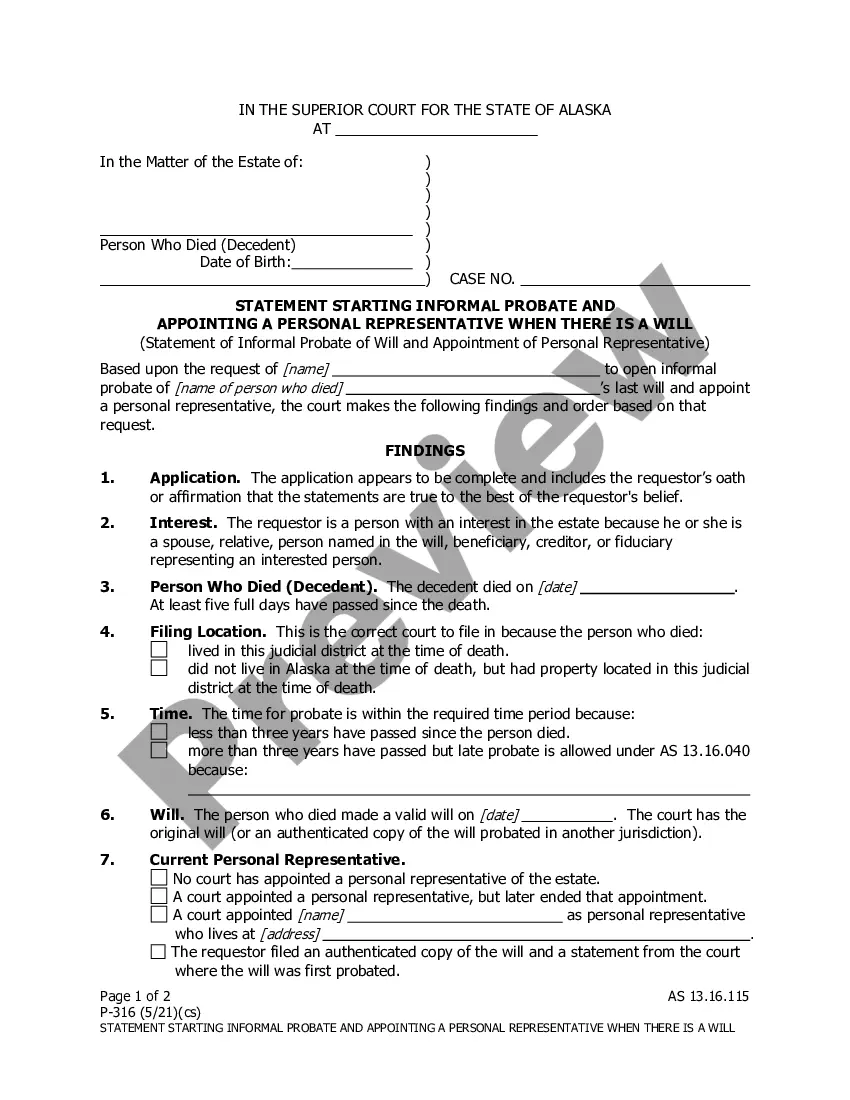
Affidavit of Marriage Relationship By Third Party
What is this form?
The Affidavit of Marriage Relationship By Third Party is a legal document in which a person, who is not one of the married individuals, attests to the validity of their marital relationship. This affidavit is particularly helpful when the couple needs to provide proof of their marriage but does not have sufficient documentation. Unlike other marriage verification documents, this affidavit relies on the personal knowledge and testimony of a third party, often a friend or family member who can confirm the relationship's authenticity.
Key parts of this document
- Affiantâs full name, address, and date of birth.
- Details of the affiant's relationship to the married individuals.
- Explanation of how the affiant gained knowledge of the marriage.
- Timeframe during which the couple has lived together as husband and wife.
- Affirmation that the individuals have presented themselves as a married couple.
- Signature of the affiant and notarization details.

Situations where this form applies
This affidavit is essential in scenarios where a married couple must demonstrate their marriage status for legal, immigration, or financial purposes. It can be used in situations such as applying for spousal benefits, resolving property issues, or verifying marital status during legal proceedings. If official marriage records are missing or incomplete, this affidavit serves as crucial supplemental evidence of the marriage.
Who this form is for
- Individuals who need to verify a marital relationship where no official documentation is available.
- Friends or family members who can attest to the marriage based on personal experience.
- Couples apply for legal benefits requiring proof of marriage.
How to prepare this document
- Begin by writing the state and county where the affidavit will be signed.
- Enter the full name and address of the affiant.
- Provide the date of birth of the affiant.
- Detail the relationship between the affiant and the married individuals, including how the affiant knows about the marriage.
- State the period during which the couple has lived together and affirm their status as husband and wife.
- Sign the affidavit in front of a notary public and ensure the notary completes their section.
Does this document require notarization?
Yes, this form must be notarized to be legally valid. This ensures the authenticity of the affiant's signature and testimony. US Legal Forms offers integrated online notarization services, allowing you to complete this process securely via a video call, ensuring legal equivalence without the need for travel.
Get your form ready online
Our built-in tools help you complete, sign, share, and store your documents in one place.
Make edits, fill in missing information, and update formatting in US Legal Forms—just like you would in MS Word.
Download a copy, print it, send it by email, or mail it via USPS—whatever works best for your next step.
Sign and collect signatures with our SignNow integration. Send to multiple recipients, set reminders, and more. Go Premium to unlock E-Sign.
If this form requires notarization, complete it online through a secure video call—no need to meet a notary in person or wait for an appointment.
We protect your documents and personal data by following strict security and privacy standards.

Make edits, fill in missing information, and update formatting in US Legal Forms—just like you would in MS Word.

Download a copy, print it, send it by email, or mail it via USPS—whatever works best for your next step.

Sign and collect signatures with our SignNow integration. Send to multiple recipients, set reminders, and more. Go Premium to unlock E-Sign.

If this form requires notarization, complete it online through a secure video call—no need to meet a notary in person or wait for an appointment.

We protect your documents and personal data by following strict security and privacy standards.
Avoid these common issues
- Failure to include personal details of the affiant, such as their full name and address.
- Not clearly explaining how the affiant knows the couple's marriage status.
- Omitting the signature of the affiant or the notary public.
- Using vague language instead of specific time frames for the couple's cohabitation.
Why use this form online
- Convenient access allows for immediate download and completion.
- Editable format enables easy customization to meet individual needs.
- Reliable legal templates drafted by licensed attorneys provide peace of mind.
Main things to remember
- The Affidavit of Marriage Relationship by Third Party is essential for validating a marriage from an external perspective.
- This document requires notarization to ensure its legal acceptance.
- It is generally used in various legal contexts, such as immigration or insurance claims.
Looking for another form?






Form popularity
FAQ
Deed to property showing both names. Mortgage or loan documents showing both names. Lease agreement showing both names. Driver's licenses or IDs showing the same address. Bank statements showing the same address. Voided or cancelled checks showing the same address.
Affidavits for a bona fide marriage are letters from third partiessuch as family members, friends, neighbors, and religious leadersattesting to the authenticity of your marriage.It must explain in detail how the person is connected to your relationship and why they believe it to be bona fide.
Title the affidavit. First, you'll need to title your affidavit. Craft a statement of identity. The very next section of your affidavit is what's known as a statement of identity. Write a statement of truth. State the facts. Reiterate your statement of truth. Sign and notarize.
Your relationship to the couple. A description of how the relationship started and how you became aware of the relationship. A statement that, in your judgement, the couple is in a real, ongoing, genuine relationship based on your experience and knowledge.
Who Qualifies for a Family-Based Visa. Once you're married, you'll need to submit taxes together. Proof of Shared Living. Proving that you live together is another great signal that your marriage is real. Joint Bank Accounts. Insurance. Joint Utility Bills. Affidavits from Family & Friends. Photographs. Social Media Posts.
Household bills in both names. mail or emails addressed to you both. documents that show joint responsibility for children. documents that prove your living arrangements.
Full name and address of affiant. Date and place of birth. Relationship to I-130 petitioner and spouse. An account of your relationship explaining: How you met the couple. Time frame you have known the couple. Give a sense of the frequency (i.e. frequently socialize) Date and signature.