Change of Beneficiary
Understanding this form
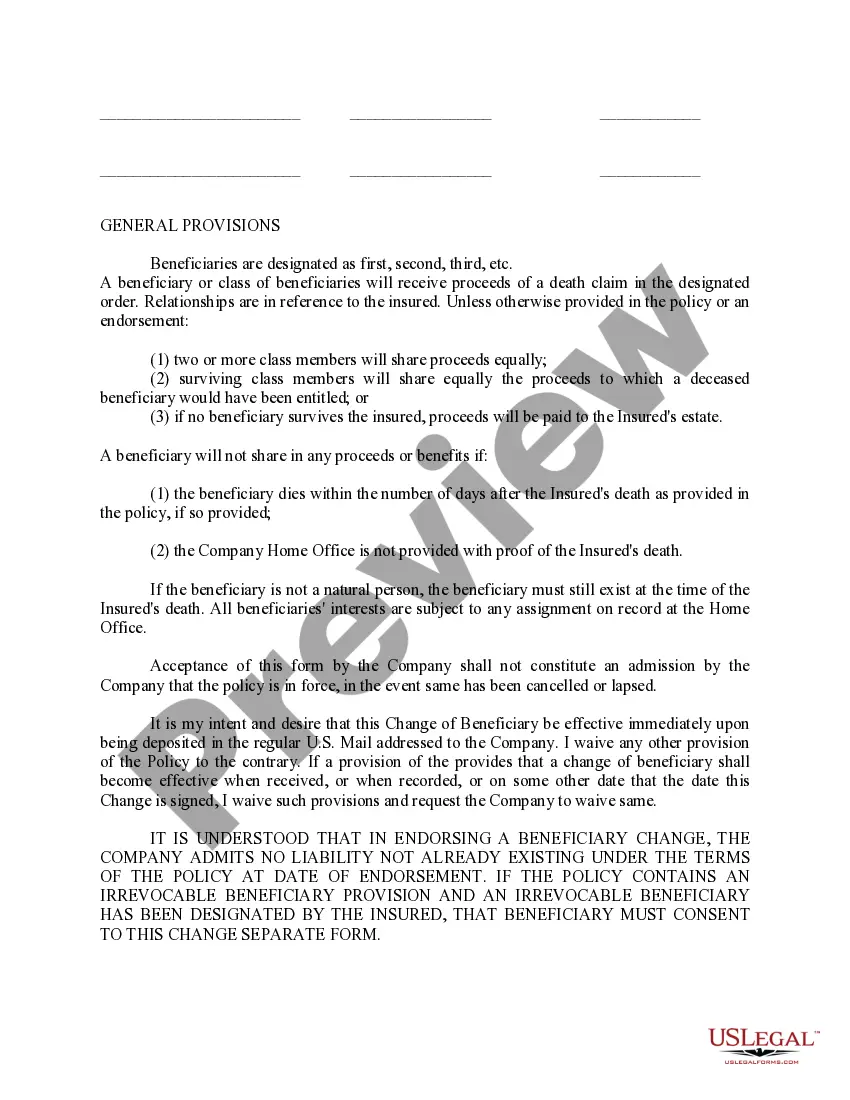
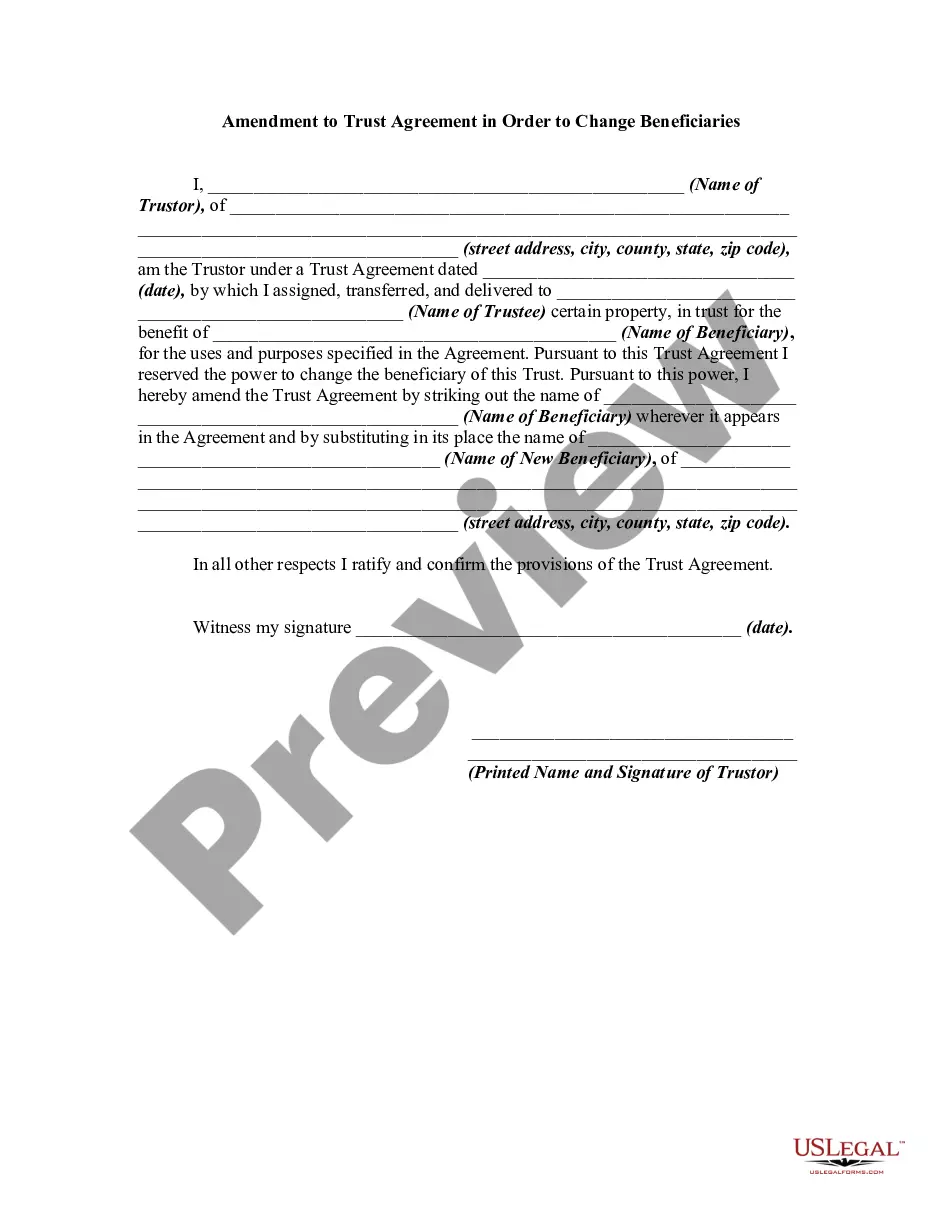
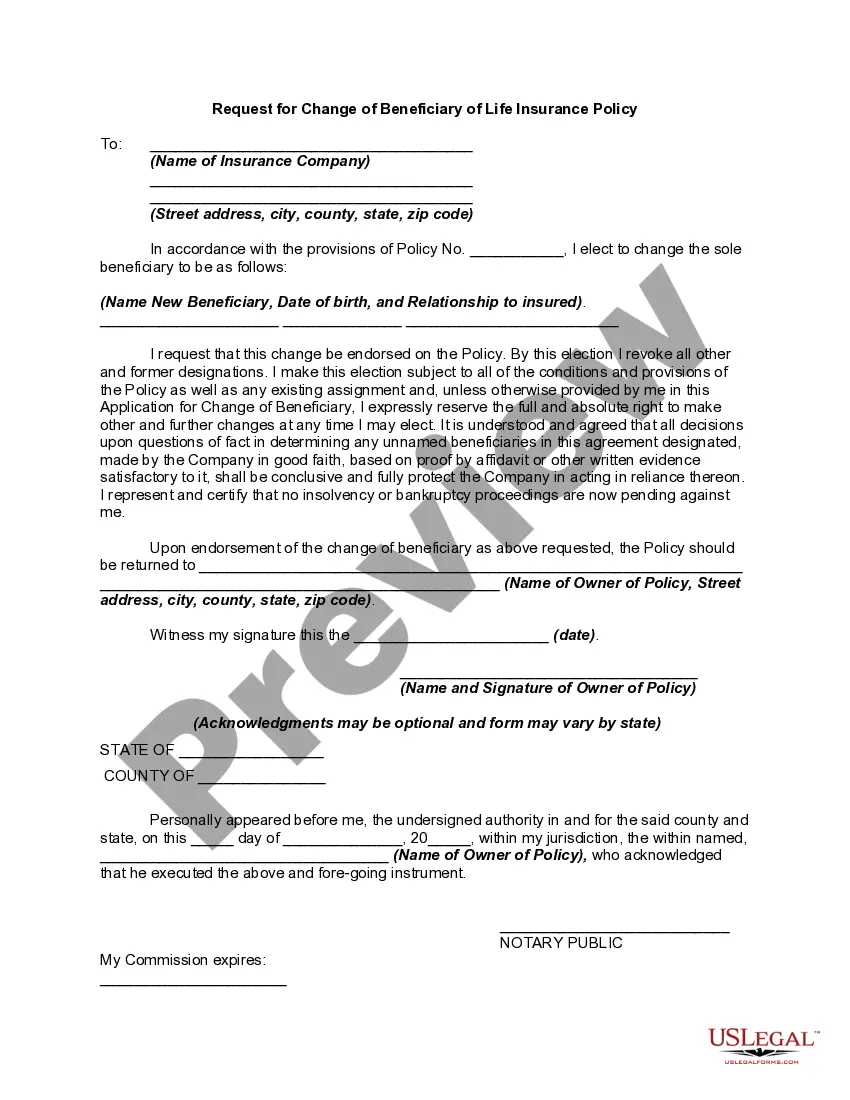
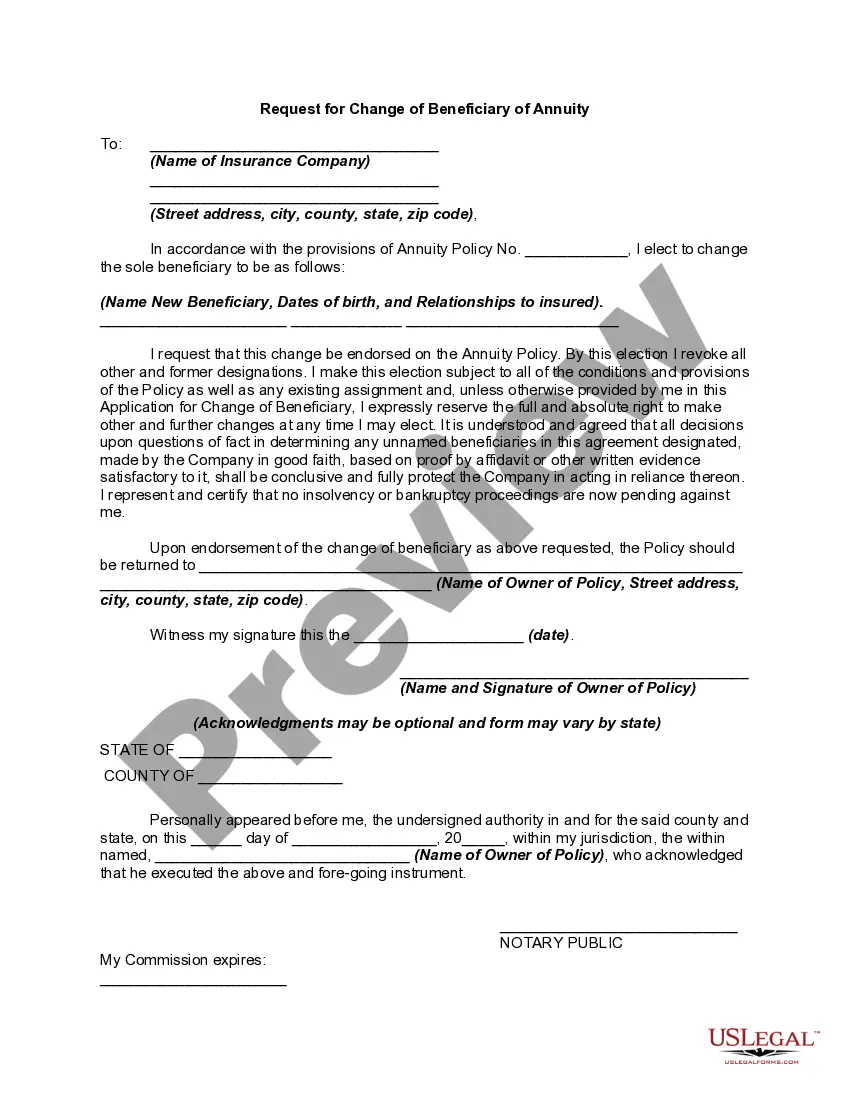
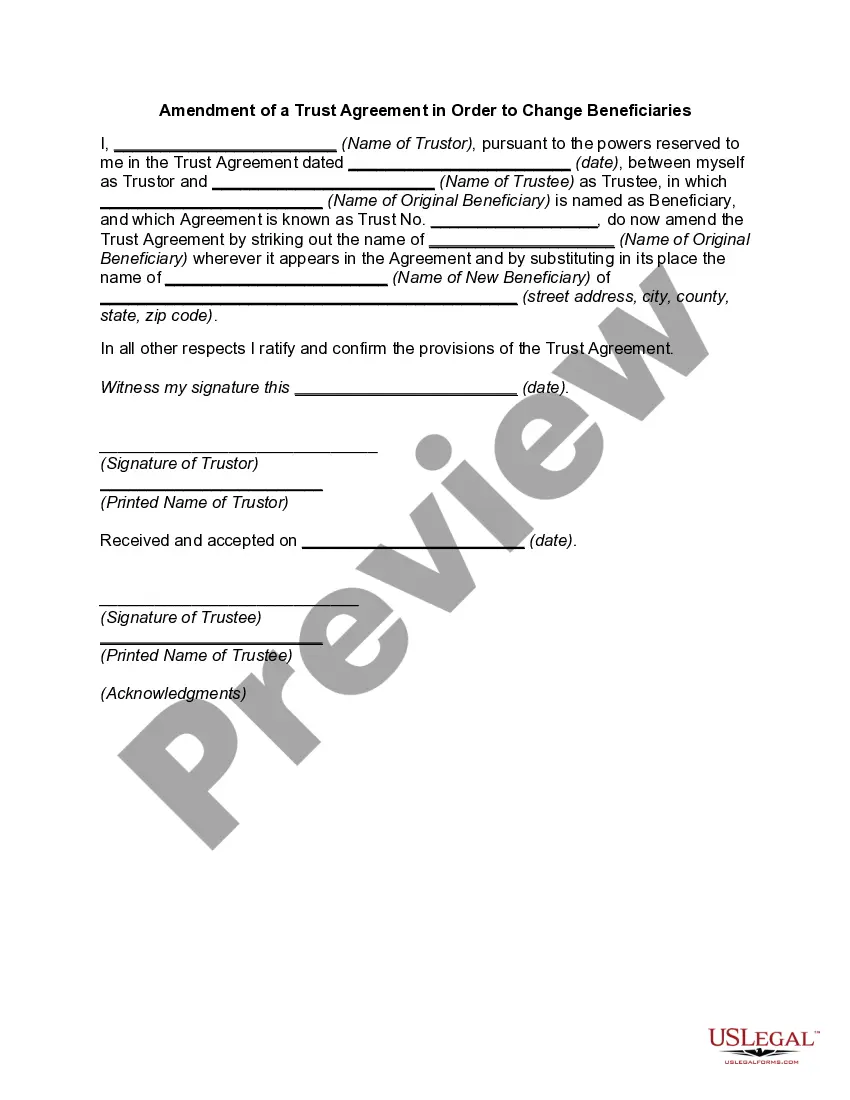
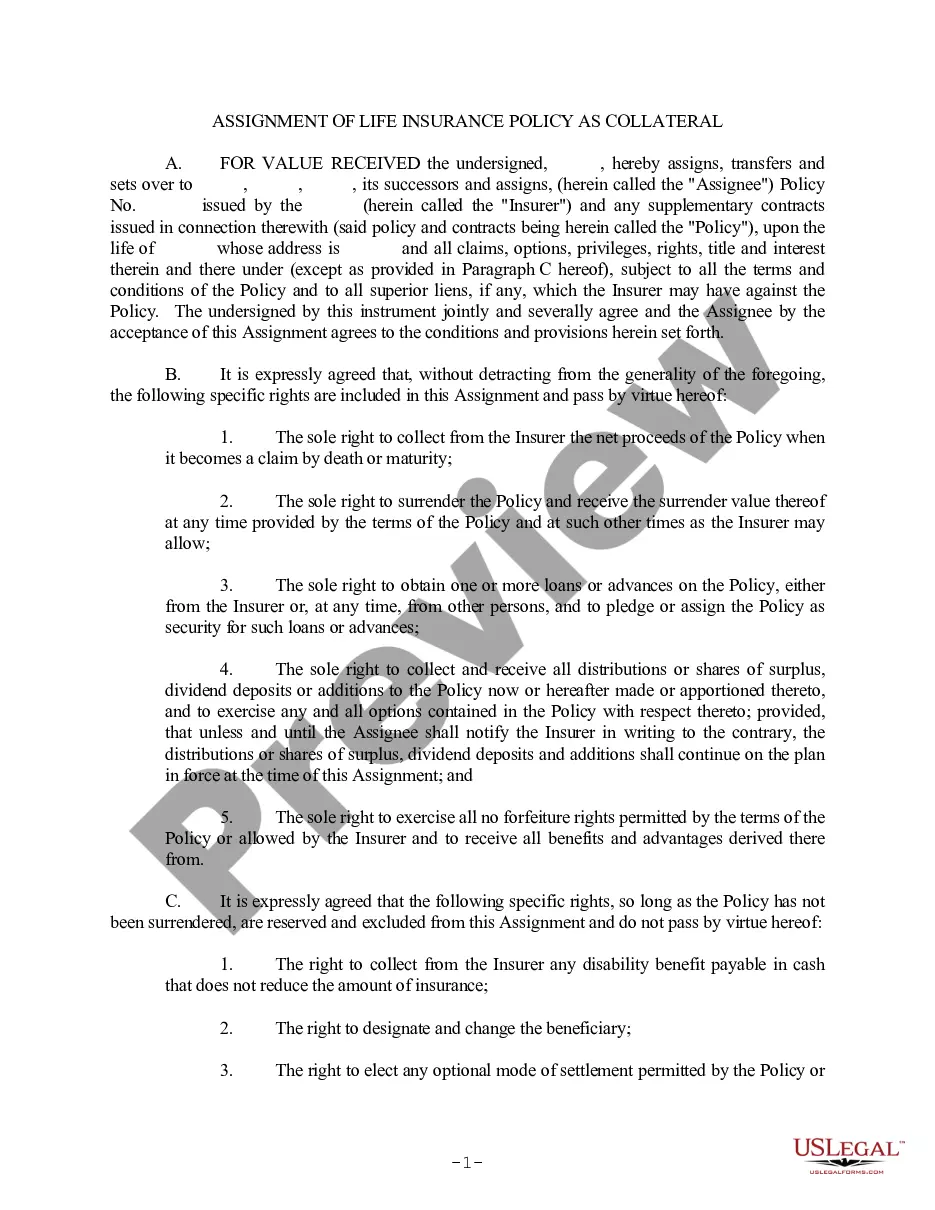
The Change of Beneficiary form is a legal document used to officially designate a new beneficiary for an insurance policy. This form revokes any previous beneficiary designations, ensuring that the insurance proceeds are directed to the intended recipient upon the policyholder's death. Unlike other forms, this one specifically addresses changes to beneficiary designations, making it essential for policyholders who wish to update their insurance records to reflect their current wishes.
Form components explained
- Policyholder's name, Social Security number, date of birth, and contact information
- Insurance company details and policy number
- Designated primary and contingent beneficiaries, including their names, relationships, and birth dates
- General provisions regarding beneficiary rights and conditions for payout
- Signature and date line for the policyholder's approval



Common use cases
This form should be used when a policyholder wants to update or change the beneficiary listed on their insurance policy. Situations may include changes in personal relationships, such as marriage or divorce, the death of a previous beneficiary, or a desire to change the beneficiary for other personal reasons. Completing this form ensures that your insurance policy reflects your current wishes regarding who will receive the benefits after your passing.
Who should use this form
This form is intended for individuals who hold an insurance policy and wish to change their designated beneficiaries. This includes:
- Policyholders of life insurance products
- Individuals updating their estate plans
- Those who have experienced significant life changes
How to prepare this document
- Enter your personal details, including your name, Social Security number, and date of birth.
- Provide your current address and the name of the insurance company along with the policy number.
- Identify and list the new primary beneficiaries and their relationships to you, including their birth dates.
- Add any contingent beneficiaries in the appropriate section.
- Sign and date the form to validate the changes.
Is notarization required?
Notarization is not commonly needed for this form. However, certain documents or local rules may make it necessary. Our notarization service, powered by Notarize, allows you to finalize it securely online anytime, day or night.
Get your form ready online
Our built-in tools help you complete, sign, share, and store your documents in one place.
Make edits, fill in missing information, and update formatting in US Legal Forms—just like you would in MS Word.
Download a copy, print it, send it by email, or mail it via USPS—whatever works best for your next step.
Sign and collect signatures with our SignNow integration. Send to multiple recipients, set reminders, and more. Go Premium to unlock E-Sign.
If this form requires notarization, complete it online through a secure video call—no need to meet a notary in person or wait for an appointment.
We protect your documents and personal data by following strict security and privacy standards.

Make edits, fill in missing information, and update formatting in US Legal Forms—just like you would in MS Word.

Download a copy, print it, send it by email, or mail it via USPS—whatever works best for your next step.

Sign and collect signatures with our SignNow integration. Send to multiple recipients, set reminders, and more. Go Premium to unlock E-Sign.

If this form requires notarization, complete it online through a secure video call—no need to meet a notary in person or wait for an appointment.

We protect your documents and personal data by following strict security and privacy standards.
Common mistakes
- Failing to sign and date the form, rendering it invalid
- Neglecting to include complete information for all beneficiaries
- Not properly revoking previous beneficiary designations
Benefits of using this form online
- Instant access to the form for immediate use
- Easy customization to fit specific needs
- Reliability from professionally drafted templates
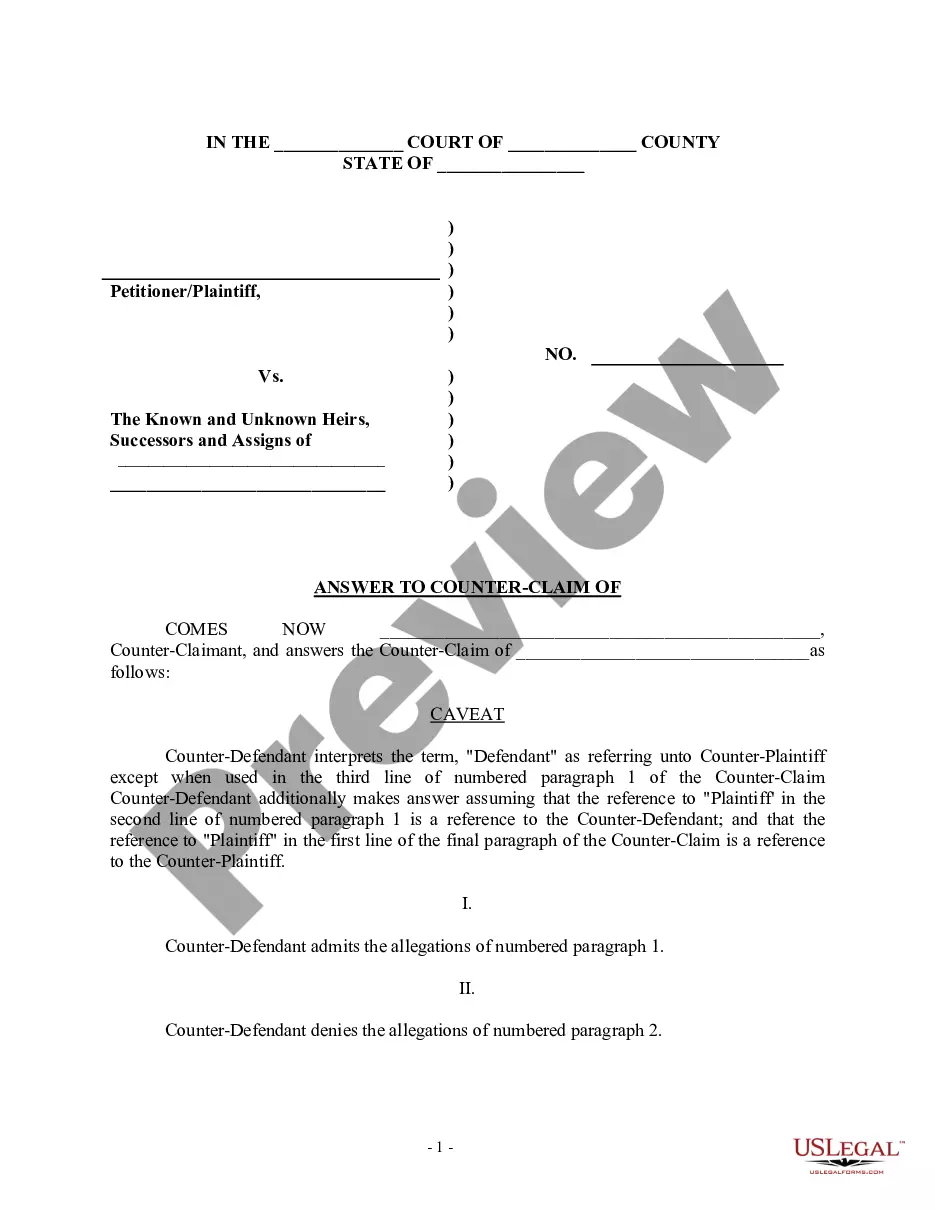
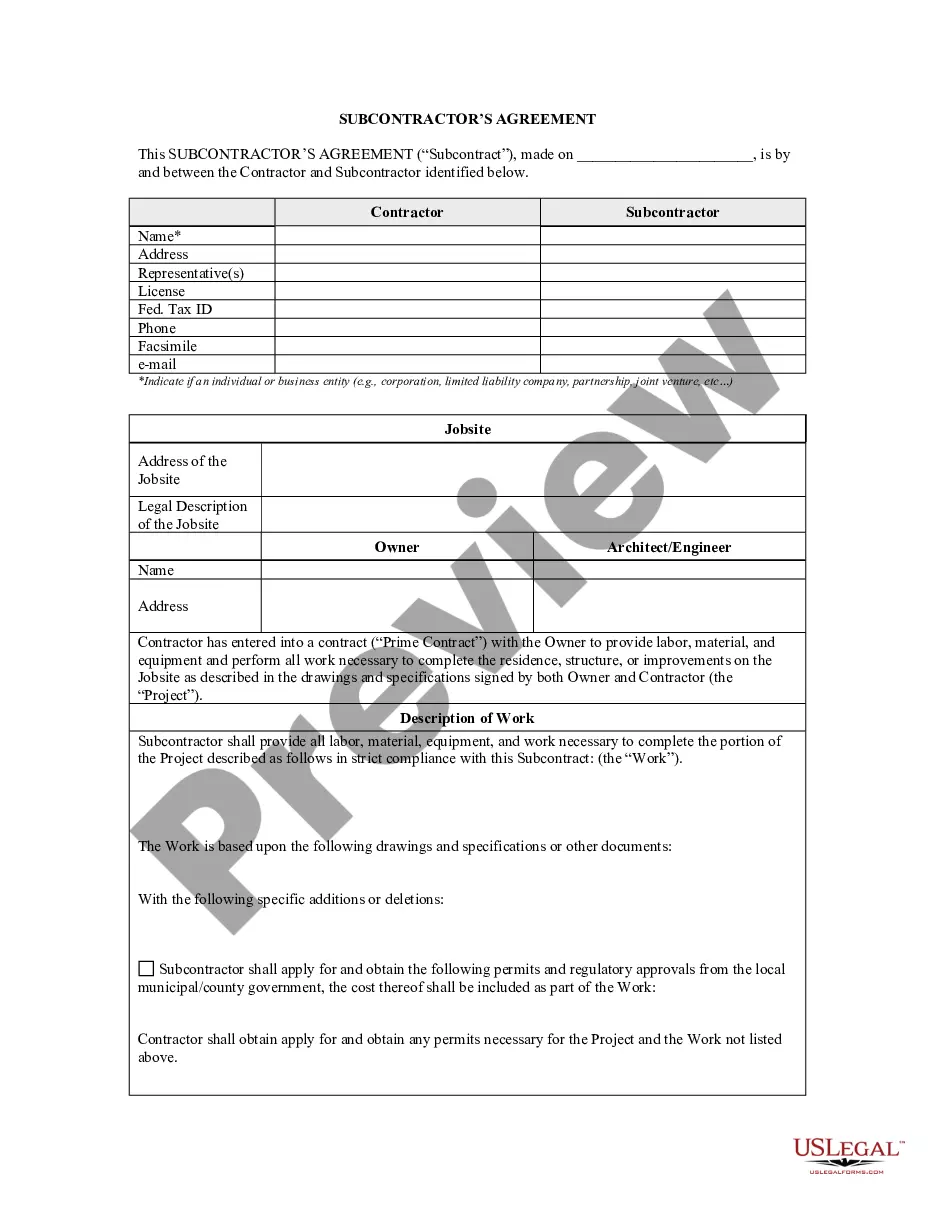
Looking for another form?

Form popularity
FAQ
Withdraw the money in the account, or. Go to the bank and change the paperwork. Fill out, sign, and deliver to the bank a new account registration card that names a different beneficiary or removes the POD designation altogether.
An Executor can override a beneficiary and stay compliant to their fiduciary duty as long as they remain faithful to the Will as well as any court mandates, which include paying state and federal back taxes, debts, and that the estate has assets to pay out to the beneficiary.
Revocable beneficiaries: The owner of the life insurance policy has the right to change the beneficiary designation at any time without the consent of the previously named beneficiary.
The beneficiaries cannot change it either. Legitimate wills are executed as they are. The exception is when beneficiaries agree to change certain aspects of the will or if a beneficiary wins in court after contesting a will.
You simply need to contact your insurer and request a change of beneficiary form and fill out the form accurately and completely. Make sure to spell out the complete names of all your beneficiaries and provide their Social Security numbers to facilitate payout of benefits in the event of your death.
Such last-minute beneficiary changes happen when the insured is gravely ill, in the hospital or nursing home, or of diminished mental capacity. Most of the time they occur a day or two before the insured's death.
The short answer is no. The beneficiary can't be "changed" after death. However, the beneficiary can disclaim an interest in the policy and then it would go to the contingent beneficiary...
Once a life insurance policyholder dies, little can be done to change the beneficiary designation and prevent a dispute. However, policyholders can protect their loved ones and beneficiaries by keeping their policies up-to-date. When life changes happen, changes in the life insurance policy should reflect them.