Alaska Corrective Quit Claim Deed
What this document covers
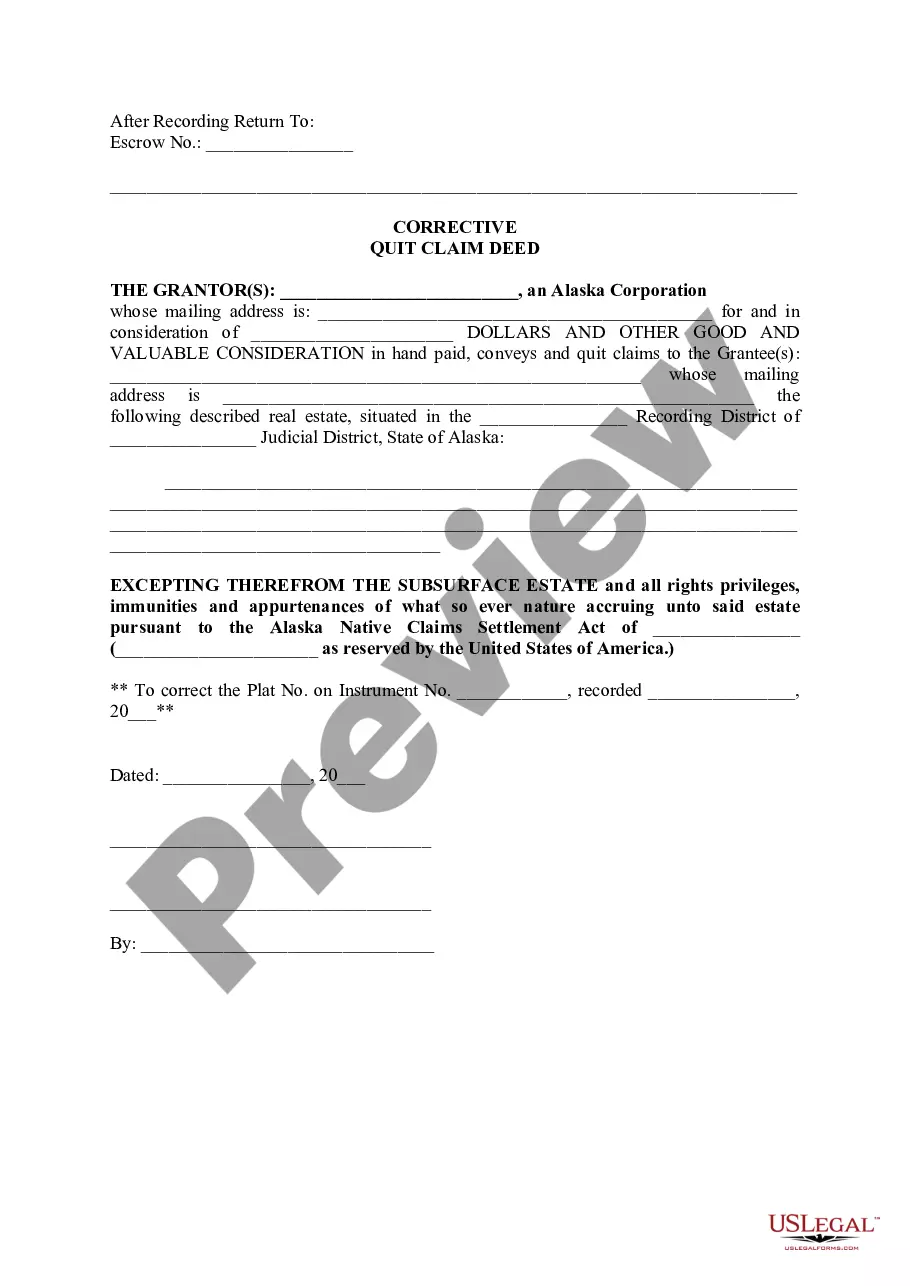
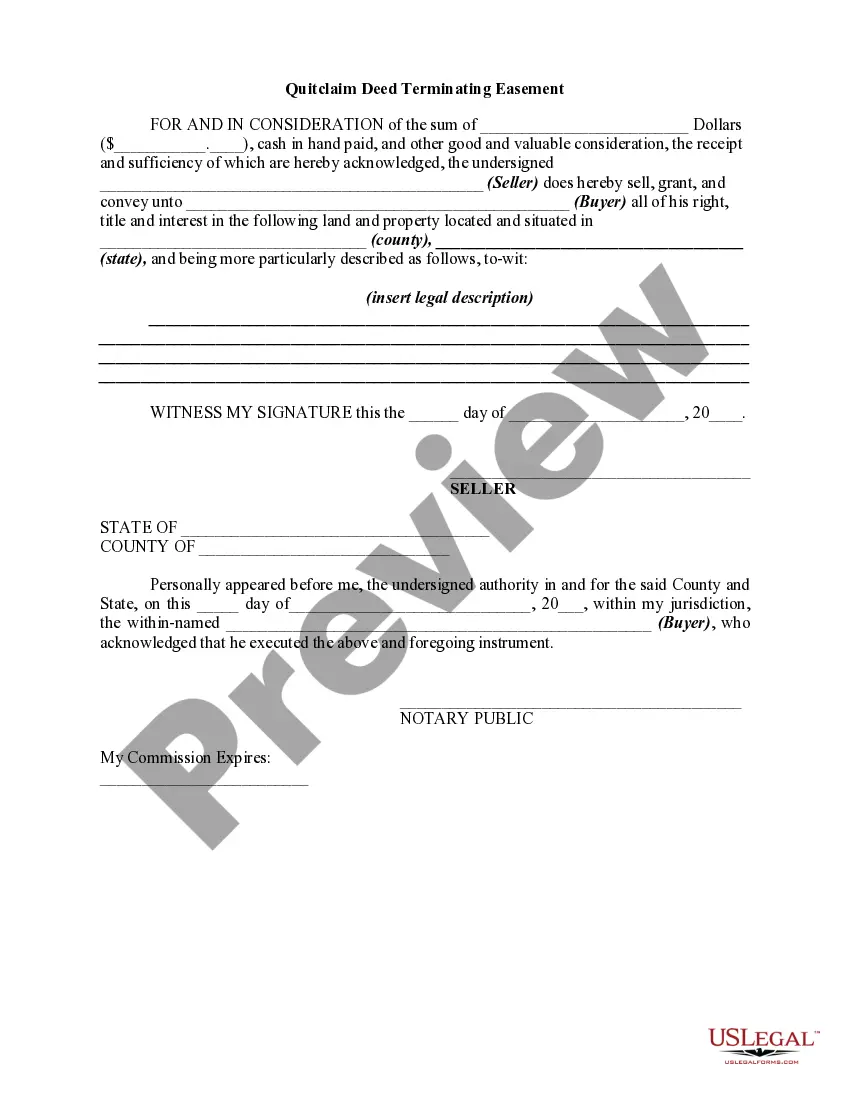
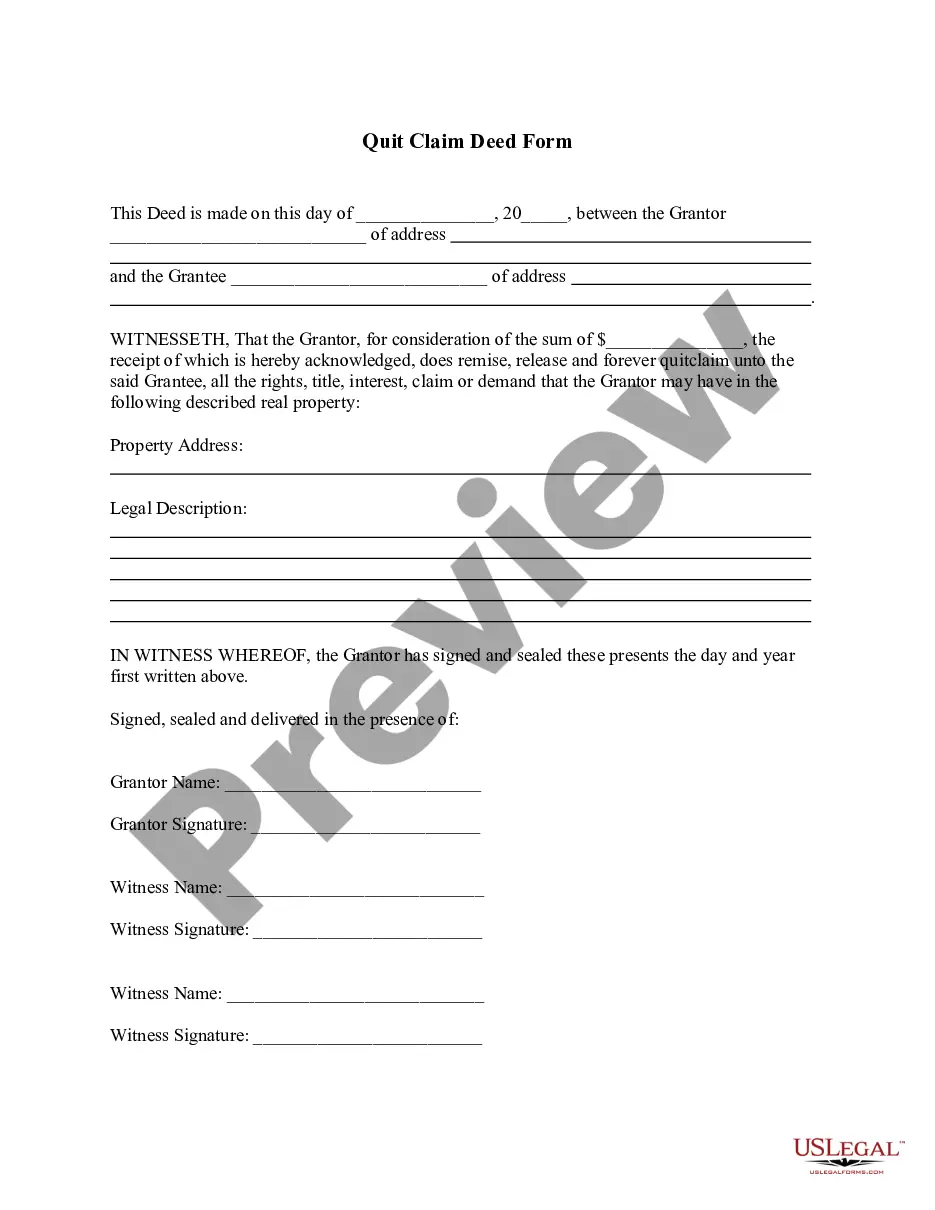
A corrective quit claim deed is a legal document used to fix minor errors in property transfer records. This form is specifically designed to address issues like misspelled names, incorrect middle initials, or omitted marital status. Unlike a standard quit claim deed, which transfers ownership without warranties, the corrective quit claim deed ensures that any inaccuracies in previous deeds are rectified for clarity and legal accuracy.
Key components of this form
- The name and address of the grantor(s) and grantee(s).
- The consideration amount, which represents the value exchanged.
- A description of the property involved, including any relevant legal identifiers.
- Details pertaining to the correction being made, such as incorrect plat numbers.
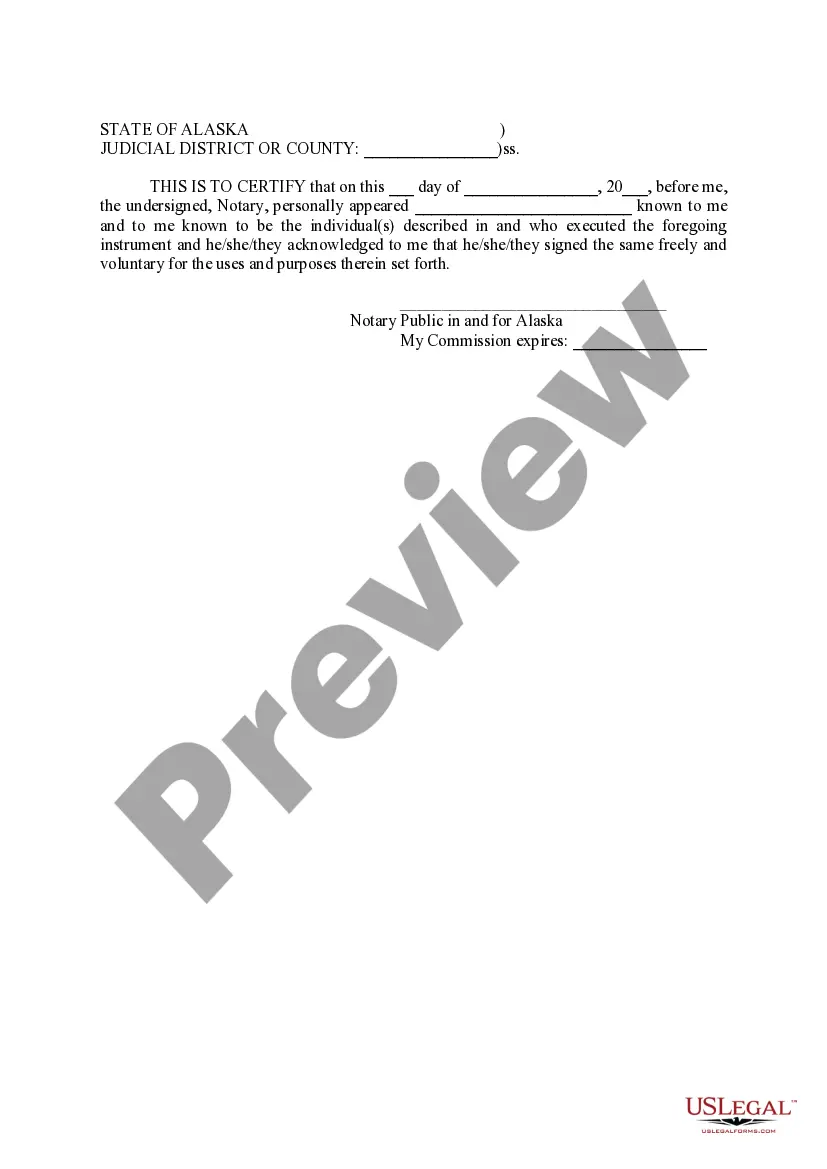
- Signature lines for the grantor(s) and the notary certification section.

When to use this form
This form should be used when you need to correct minor errors in a previously recorded quit claim deed. Common situations include correcting misspellings of names on the deed, adding missing middle initials, or clarifying marital status that wasn't included. It is essential to ensure that all property documents are accurate to avoid potential legal complications in the future.
Who this form is for
- Property owners who have identified errors in their property documents.
- Real estate professionals assisting clients with title corrections.
- Attorneys handling property disputes or clarifying title issues.
How to prepare this document
- Identify and clearly write the names and addresses of the grantor(s) and grantee(s).
- Enter the correct consideration amount reflecting the value exchanged.
- Provide a detailed legal description of the property to avoid ambiguity.
- Clearly state the specific correction being made, such as an erroneous plat number.
- Have the grantor(s) sign the document in the presence of a notary public.
Notarization guidance
Yes, this form must be notarized to be legally valid. A notary public must witness the signing of the deed, ensuring the identities of the grantors and the authenticity of the signatures. US Legal Forms provides integrated online notarization for convenience, enabling you to complete this process securely via video call at any time.
Get your form ready online
Our built-in tools help you complete, sign, share, and store your documents in one place.
Make edits, fill in missing information, and update formatting in US Legal Forms—just like you would in MS Word.
Download a copy, print it, send it by email, or mail it via USPS—whatever works best for your next step.
Sign and collect signatures with our SignNow integration. Send to multiple recipients, set reminders, and more. Go Premium to unlock E-Sign.
If this form requires notarization, complete it online through a secure video call—no need to meet a notary in person or wait for an appointment.
We protect your documents and personal data by following strict security and privacy standards.

Make edits, fill in missing information, and update formatting in US Legal Forms—just like you would in MS Word.

Download a copy, print it, send it by email, or mail it via USPS—whatever works best for your next step.

Sign and collect signatures with our SignNow integration. Send to multiple recipients, set reminders, and more. Go Premium to unlock E-Sign.

If this form requires notarization, complete it online through a secure video call—no need to meet a notary in person or wait for an appointment.

We protect your documents and personal data by following strict security and privacy standards.
Mistakes to watch out for
- Failing to provide a complete legal description of the property.
- Not including the exact correction needed, leading to further complications.
- Omitting the notarization, which is crucial for the validity of the document.
- Incorrectly spelling names, which could lead to further legal issues.
Advantages of online completion
- Immediate access to professionally drafted templates designed by licensed attorneys.
- Convenience of downloading and completing forms at your own pace.
- Editable documents allow for easy corrections and updates as needed.
- Secure storage of completed forms and easy retrieval for future use.
Looking for another form?
Form popularity
FAQ
Alaska quit claim deeds must be submitted to the recording district that is local to the property. They must also be accompanied by the applicable recording fee set by regulation; if the document is to be recorded for multiple purposes, it must be accompanied by the applicable fee for each of the multiple purposes.
It's usually a very straightforward transaction, but it's possible for a quitclaim deed to be challenged. If a quitclaim deed is challenged in court, the issue becomes whether the property was legally transferred and if the grantor had the legal right to transfer the property.
A corrections or corrective deed, according to the Real Estate Agent website, provides the accurate information the original quitclaim deed lacked, for example an incorrect legal description or a misspelled name.
But you might be wondering if an owner can transfer a deed to another person without a real estate lawyer. The answer is yes. Parties to a transaction are always free to prepare their own deeds.A quitclaim deed, for example, is far simpler than a warranty deed.
A Quitclaim Deed must be notarized by a notary public or attorney in order to be valid.Consideration in a Quitclaim Deed is what the Grantee will pay to the Grantor for the interest in the property.
Quitclaim deeds (sometimes erroneously called "quit claim deeds" or "quick claim deeds") are legally binding documents that do not require a lawyer's time to fill out and file.
When done properly, a deed is recorded anywhere from two weeks to three months after closing. However, there are many instances where deeds are not properly recorded. Title agents commit errors, lose deeds, and even go out of business. Even county offices sometimes fail to record deeds that were properly submitted.