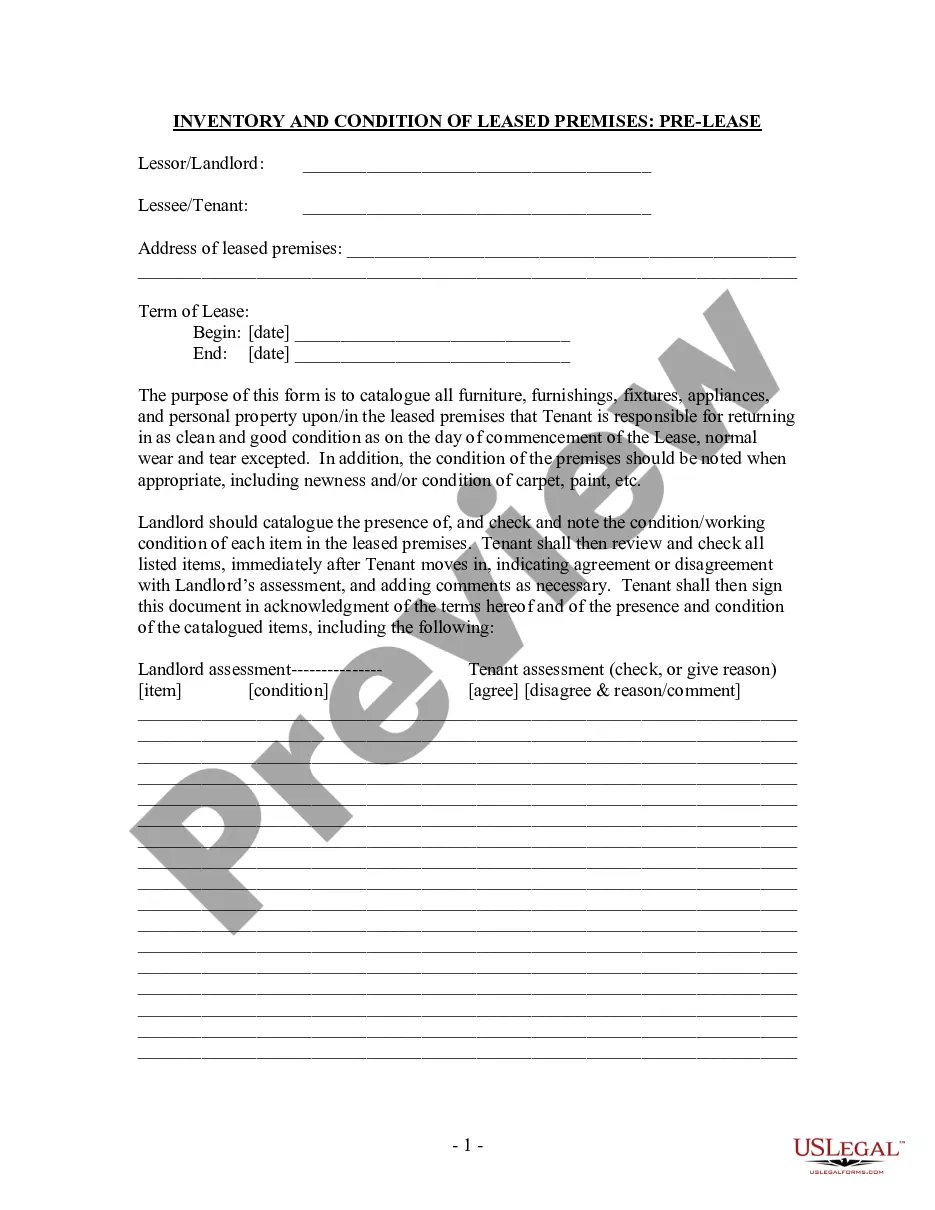
Answer of Defendants to Complaint by Debtor For Harassment in Attempting to Collect a Debt, Using Harassing and Malicious Information, and Violating the Federal Fair Debt Collection Practices Act
Overview of this form
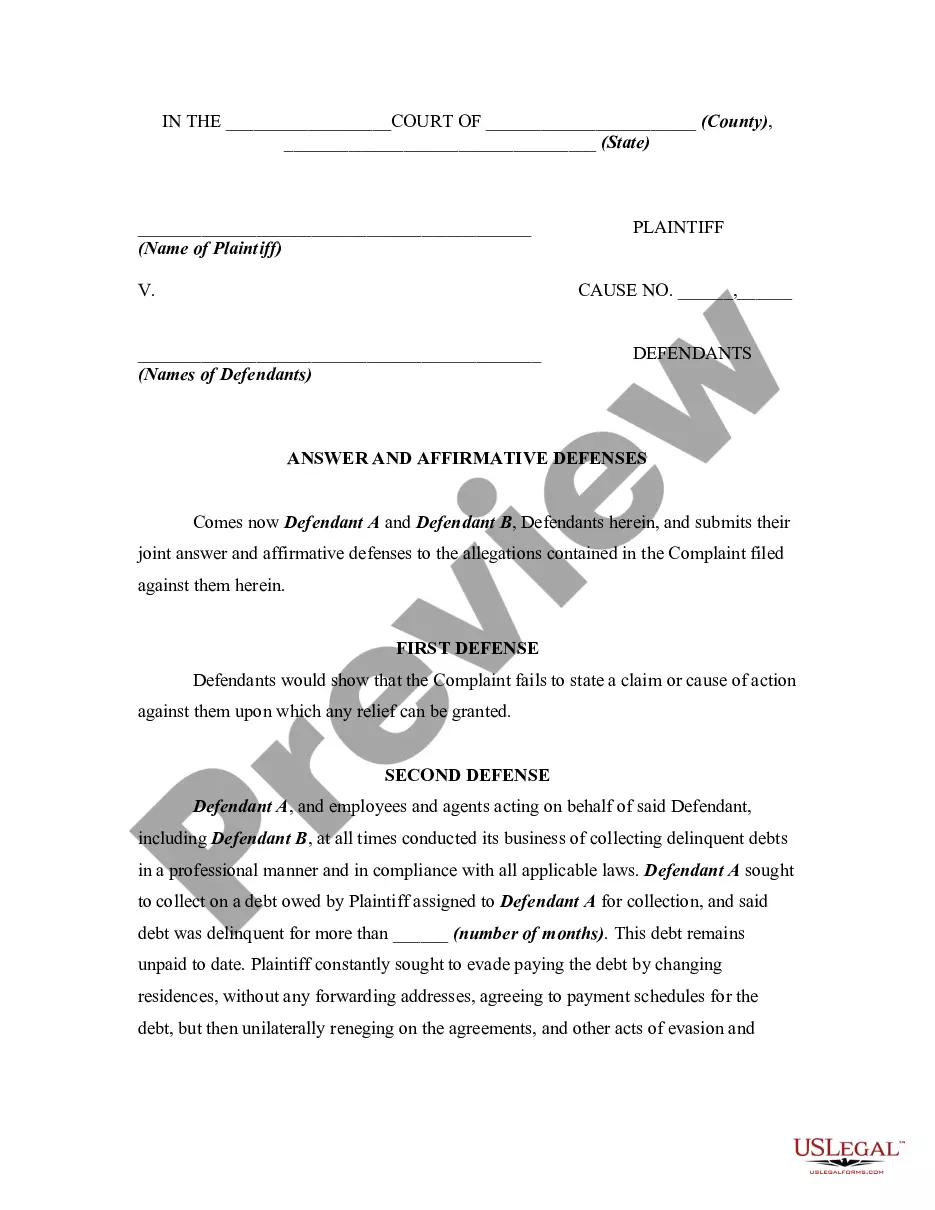
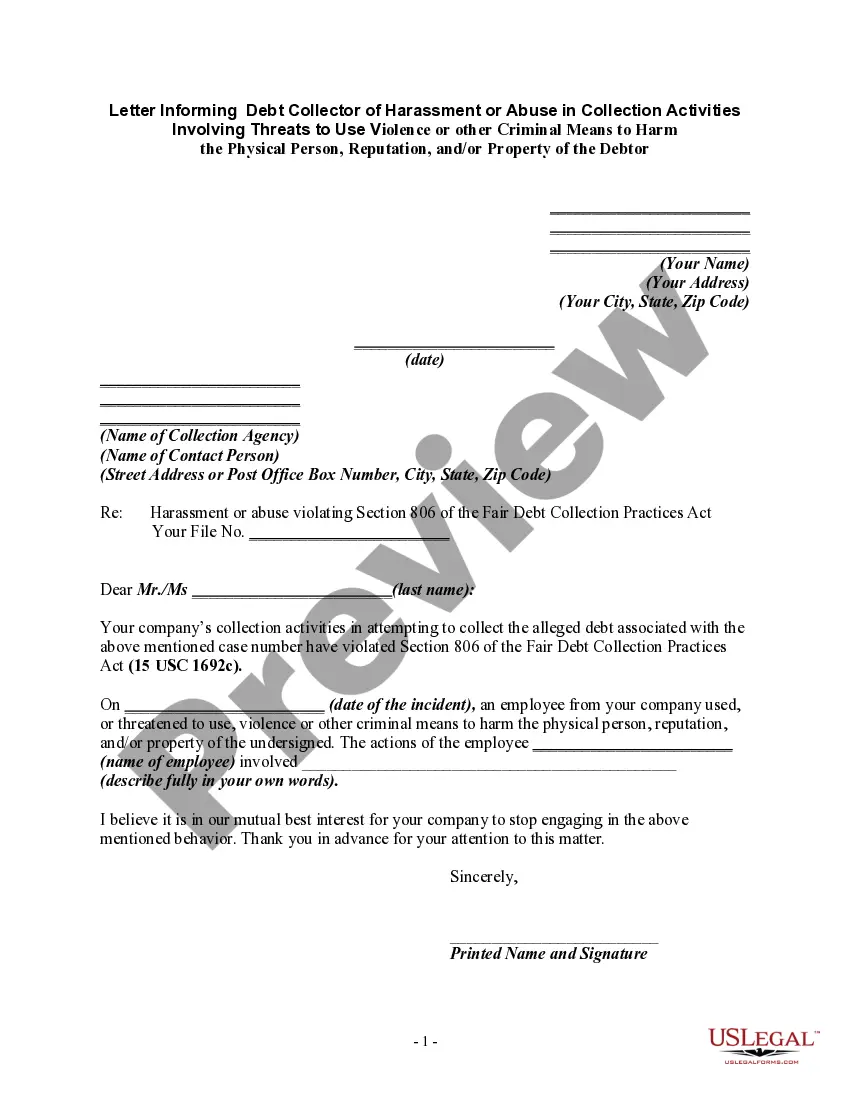
This form, titled "Answer of Defendants to Complaint by Debtor For Harassment in Attempting to Collect a Debt," is a legal document used by defendants responding to allegations made against them by a debtor regarding violations of the Fair Debt Collection Practices Act (FDCPA). This form allows defendants to outline their defenses and provide counterclaims against wrongful harassment claims. Unlike other forms that may solely address debt collection, this form specifically defends against accusations of harassment and seeks to clarify the conduct of the debt collector.
Key components of this form
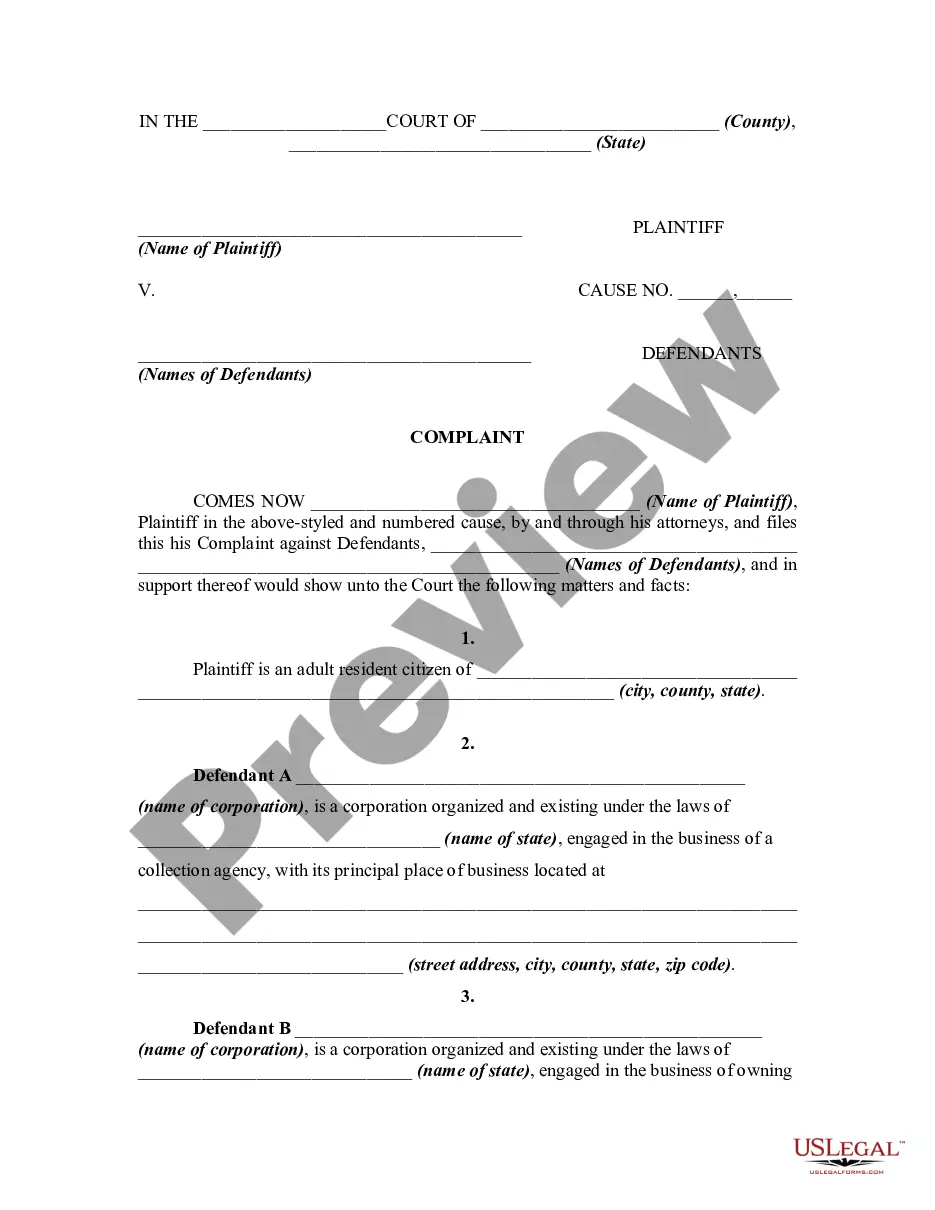
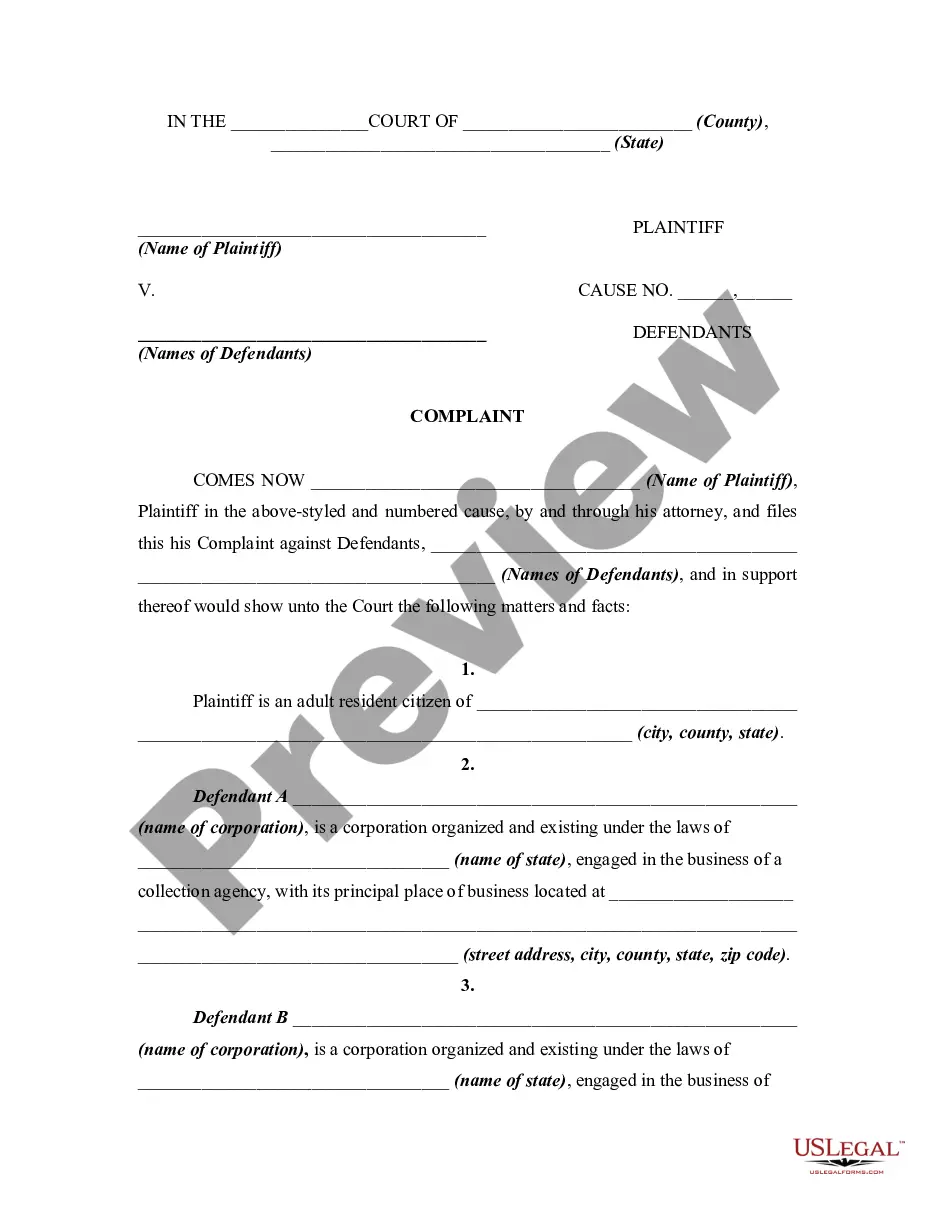
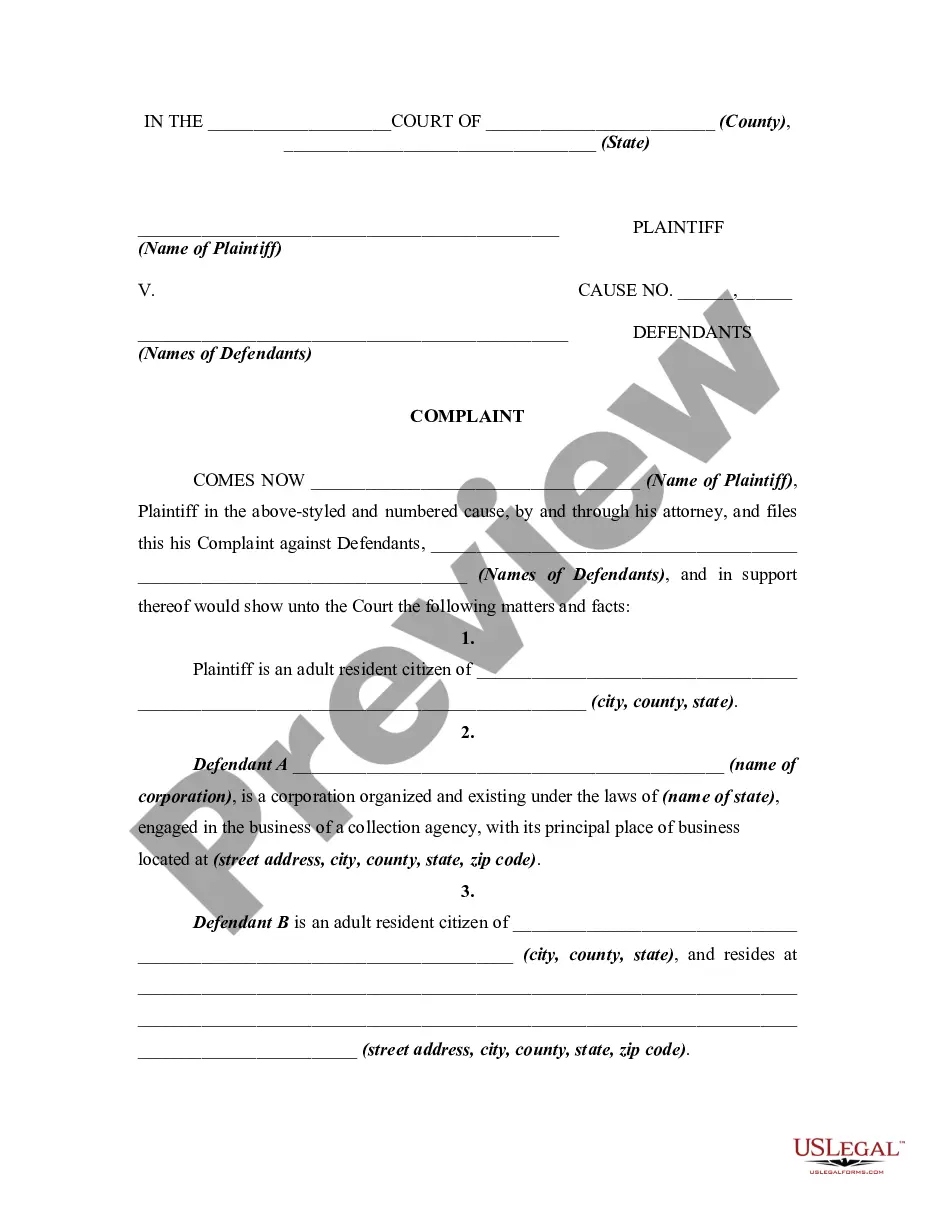
- Identifying information for the plaintiff and defendants, including names and addresses.
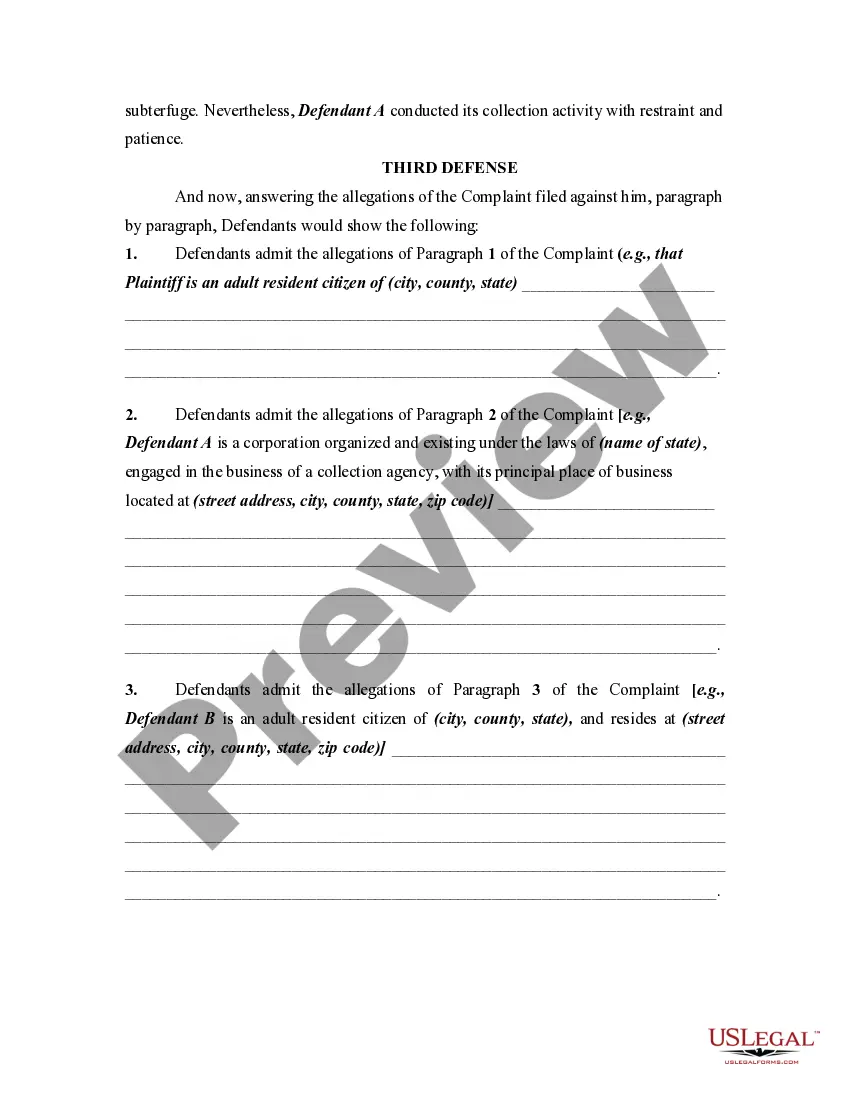
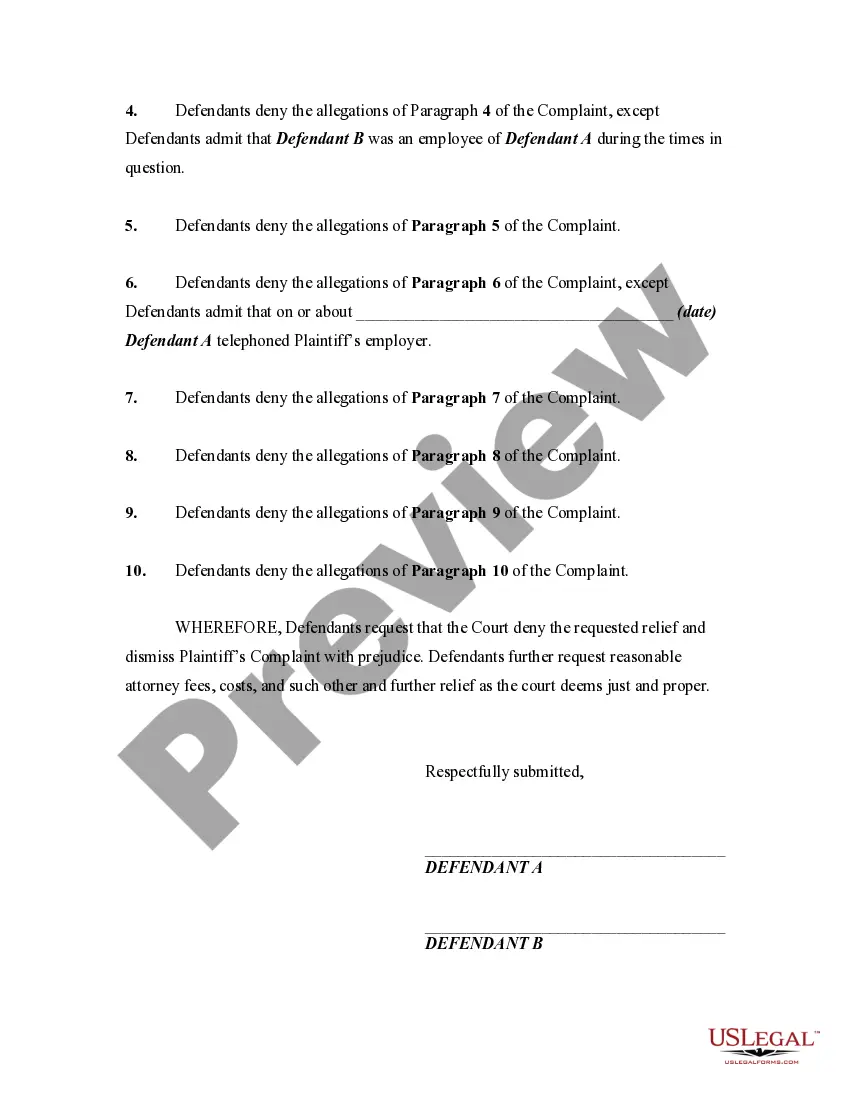
- Defendants' answers to each paragraph of the complaint, admitting or denying specific allegations.
- Affirmative defenses addressing how the debt collection was conducted legally and within guidelines.
- A request for the court to dismiss the complaint with prejudice, along with any claims for attorney fees.
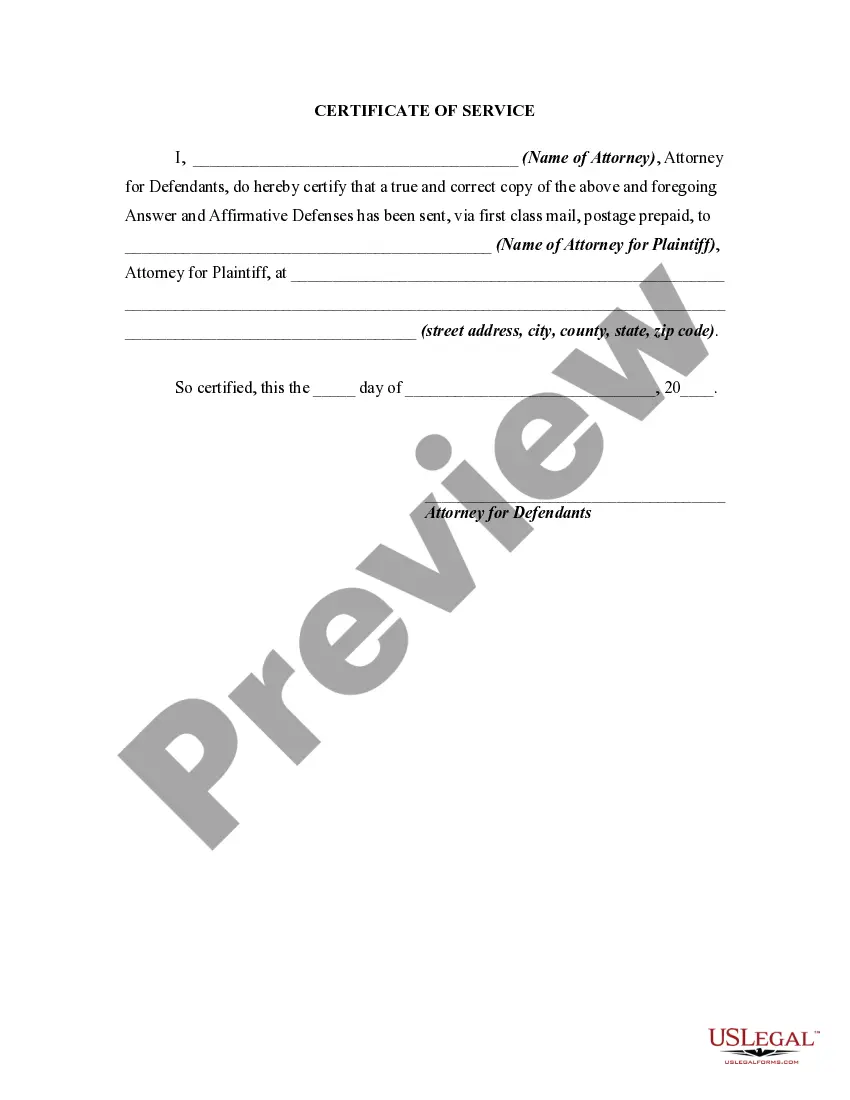
- Certification of service confirming that the complaint was properly served to opposing counsel.

When to use this document
This form is used when defendants need to formally respond to a complaint filed against them by a debtor alleging unfair or harassing debt collection practices. It is applicable in situations where a debtor claims that the collection efforts involved violations of the FDCPA, such as inappropriate communication or harassment tactics used by the defendant or their agents. Using this form ensures that defendants provide a structured and legally sound response to the allegations, safeguarding their rights and interests.
Who should use this form
- Defendants who have been accused of harassment in debt collection efforts.
- Individuals or businesses engaged in collecting consumer debts.
- Attorneys representing clients in cases related to debt collection and FDCPA violations.
- Anyone involved in a lawsuit regarding improper debt collection practices.
Instructions for completing this form
- Identify the parties involved by entering the names and addresses of the plaintiff and defendants.
- Read through each paragraph of the complaint and specify your response, either admitting or denying the claims made.
- Outline your affirmative defenses in detail, explaining how your debt collection efforts were compliant with applicable laws.
- Include a request for the court to dismiss the complaint and state any legal fees you are seeking.
- Sign and date the form, and ensure all parties involved are served a copy of the response.
Is notarization required?
In most cases, this form does not require notarization. However, some jurisdictions or signing circumstances might. US Legal Forms offers online notarization powered by Notarize, accessible 24/7 for a quick, remote process.
Get your form ready online
Our built-in tools help you complete, sign, share, and store your documents in one place.
Make edits, fill in missing information, and update formatting in US Legal Forms—just like you would in MS Word.
Download a copy, print it, send it by email, or mail it via USPS—whatever works best for your next step.
Sign and collect signatures with our SignNow integration. Send to multiple recipients, set reminders, and more. Go Premium to unlock E-Sign.
If this form requires notarization, complete it online through a secure video call—no need to meet a notary in person or wait for an appointment.
We protect your documents and personal data by following strict security and privacy standards.

Make edits, fill in missing information, and update formatting in US Legal Forms—just like you would in MS Word.

Download a copy, print it, send it by email, or mail it via USPS—whatever works best for your next step.

Sign and collect signatures with our SignNow integration. Send to multiple recipients, set reminders, and more. Go Premium to unlock E-Sign.

If this form requires notarization, complete it online through a secure video call—no need to meet a notary in person or wait for an appointment.

We protect your documents and personal data by following strict security and privacy standards.
Mistakes to watch out for
- Failing to respond to every allegation in the complaint, which could lead to default judgment.
- Not including all required information about the parties involved in the case.
- Using legal jargon without clear explanations, which may confuse the court.
- Omitting a signature or failing to properly certify service to the plaintiff.
Advantages of online completion
- Convenient access to professionally drafted legal templates at any time.
- Edit and customize the form to fit specific case details easily.
- Reliable information that adheres to current legal standards and practices.
- Reduces time and stress in preparing legal documents to address court complaints.
Legal use & context
- This form serves as an official response to allegations and is part of the legal proceedings in civil cases.
- Completing and filing this form correctly can protect defendants' rights by ensuring their side of the story is heard.
- The form should be filed within the appropriate time frame set by local rules to avoid default.
Summary of main points
- The form is specifically designed to respond to complaints under the FDCPA related to harassment in debt collection.
- It is essential to provide accurate and clear responses to each allegation made in the complaint.
- Filing this form correctly can aid in the dismissal of wrongful claims and support due legal process.
Looking for another form?

Form popularity
FAQ
A term used in accounting, 'creditor' refers to the party that has delivered a product, service or loan, and is owed money by one or more debtors. A debtor is the opposite of a creditor it refers to the person or entity who owes money.
The amount owed to a business will fluctuate alongside the amount it owes, affecting the assets and liabilities on your balance sheet. Customers who don't pay for products or services up front are debtors to your business, which serves as the creditor in this instance.
In short, a creditor is someone who lends money while a debtor is someone who owes money to a creditor. Ensuring the smooth flow of working capital is done by a company keeping track of the time lag between the receipt of payment from the debtors as well as payment of money to the creditors.
A debtor is a term used in accounting to describe the opposite of a creditor an individual that owes money, or who is in debt to an organisation or person. For example, a debtor is somebody who has taken out a loan at a bank for a new car. Examples of debtors: Trade debtors money owed from customers. Staff loans.