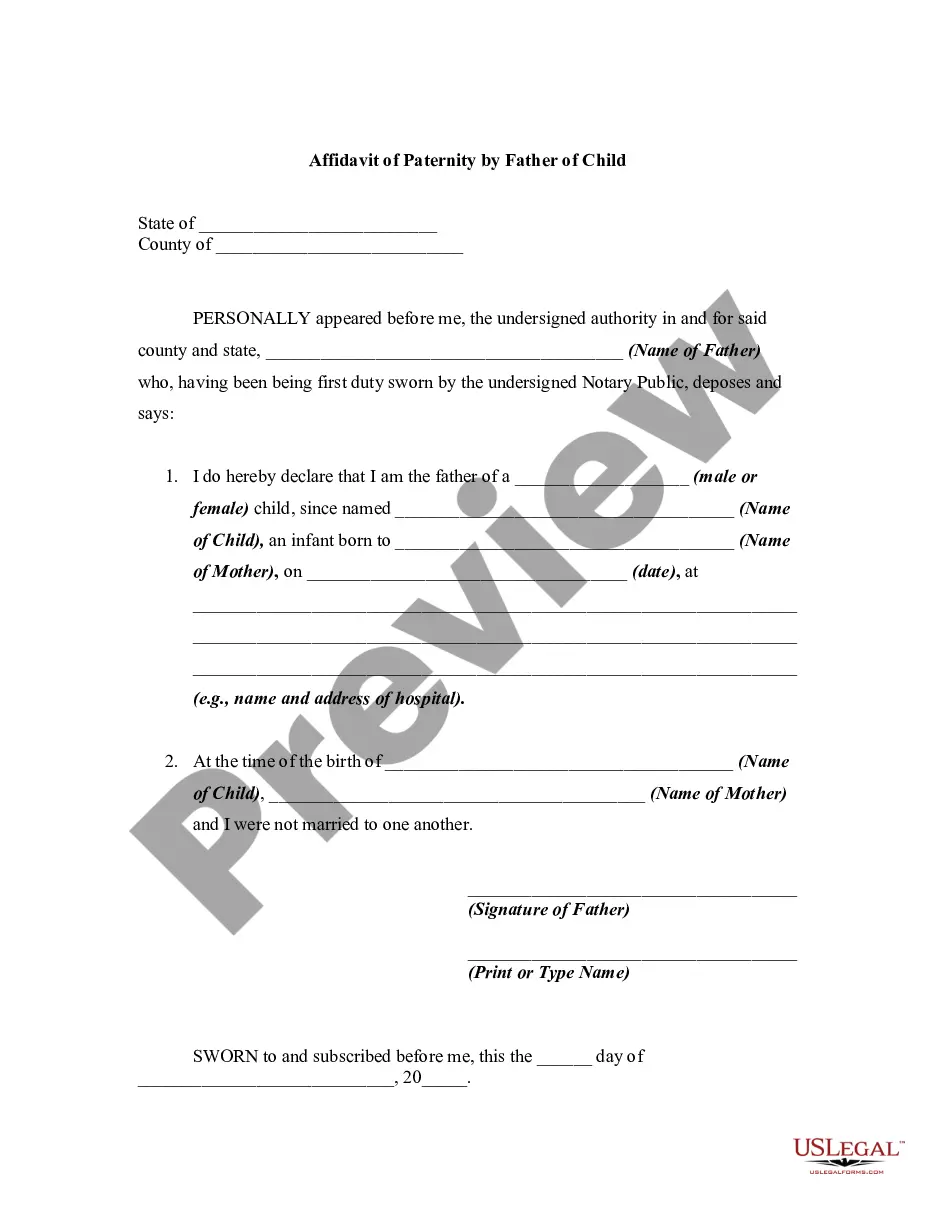
Affidavit of Paternity by Father of Child
About this form
The Affidavit of Paternity by Father of Child is a legal document that establishes the identity of a child's biological father. This form is essential when a putative father wishes to assert his paternity rights and responsibilities, particularly in situations where the parents are not married. Unlike other parental affidavits, this form specifically affirms the father's claim and provides legal acknowledgment of paternity.
What’s included in this form
- Name of the father
- Details of the child (name and gender)
- Name of the mother
- Date and place of the child's birth
- Declaration of paternity
- Signature of the father and notary acknowledgment

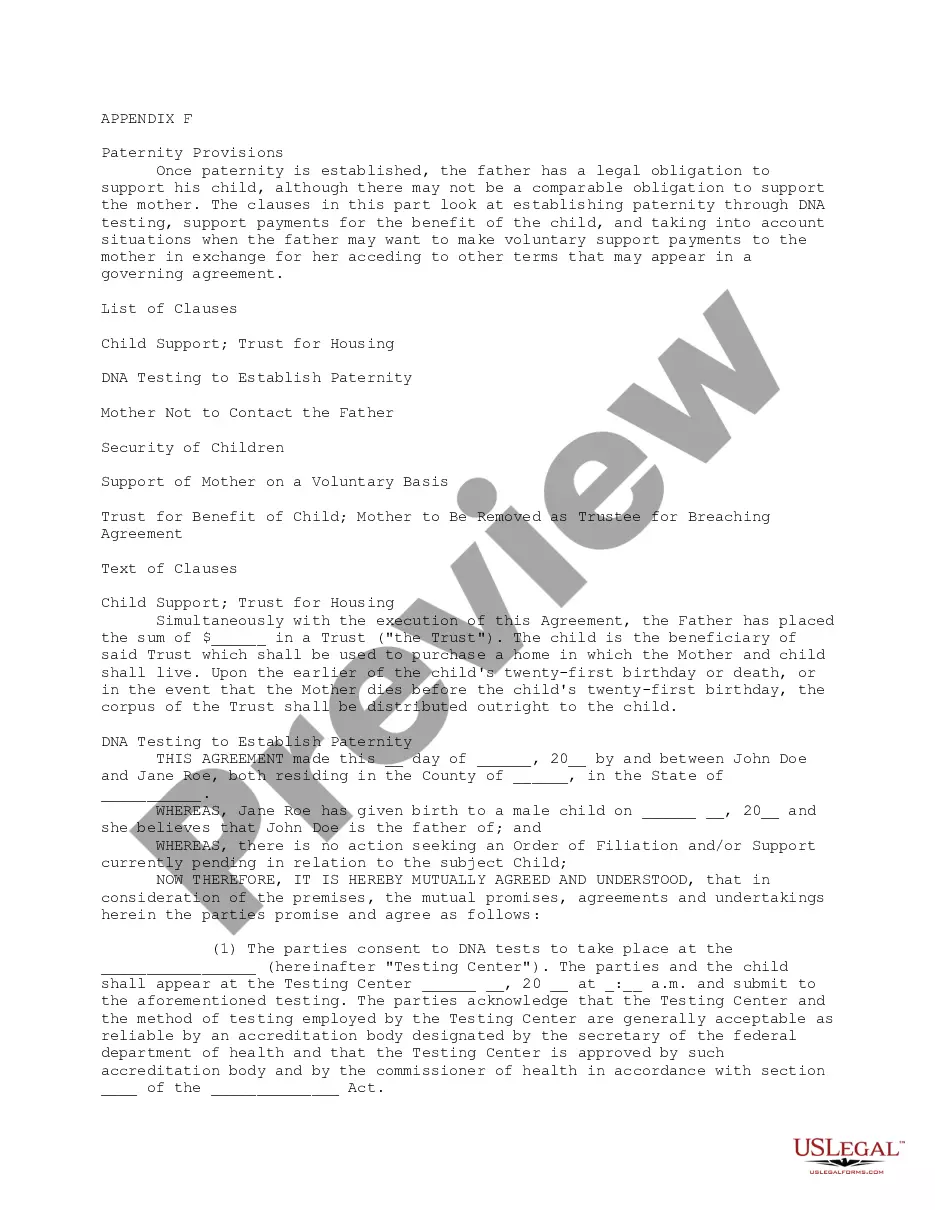
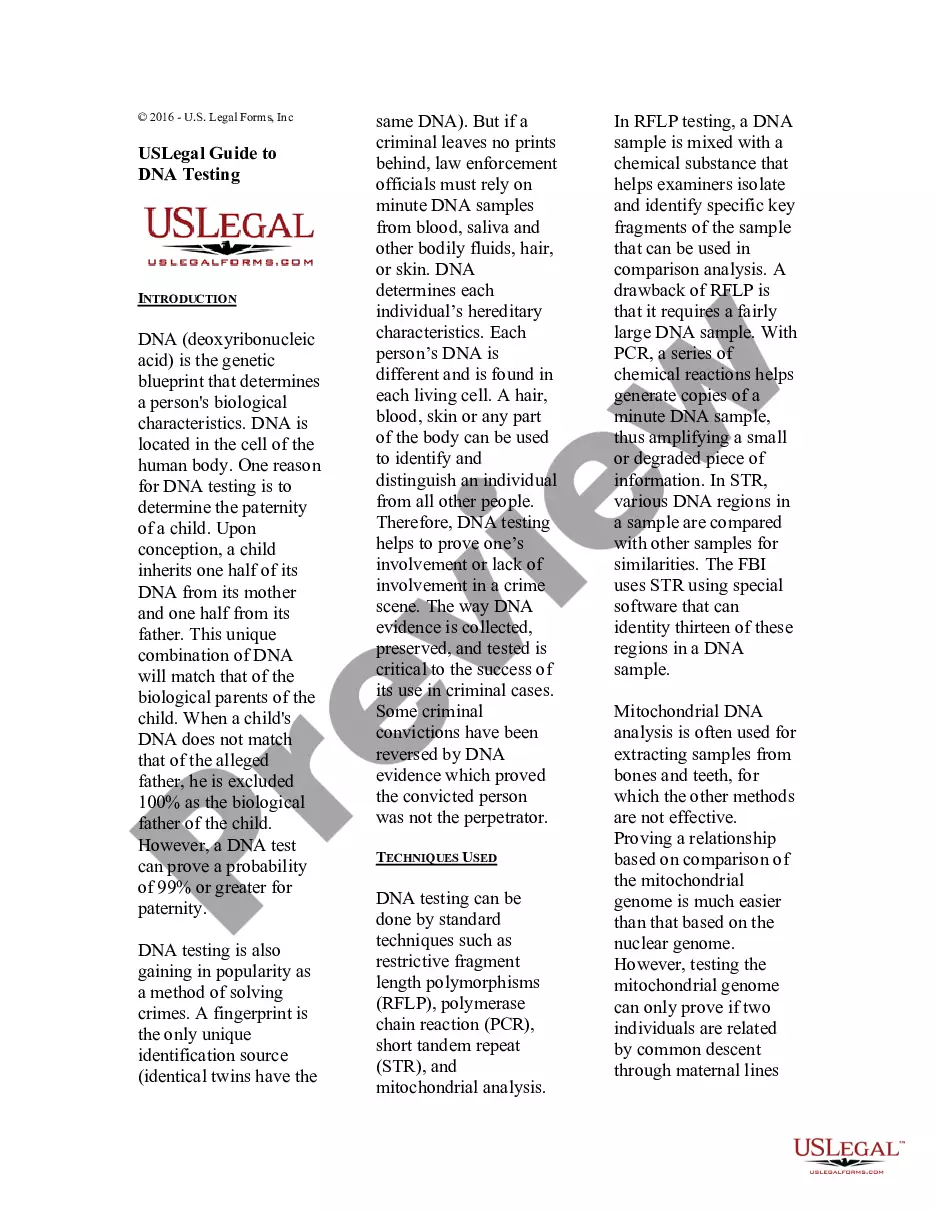
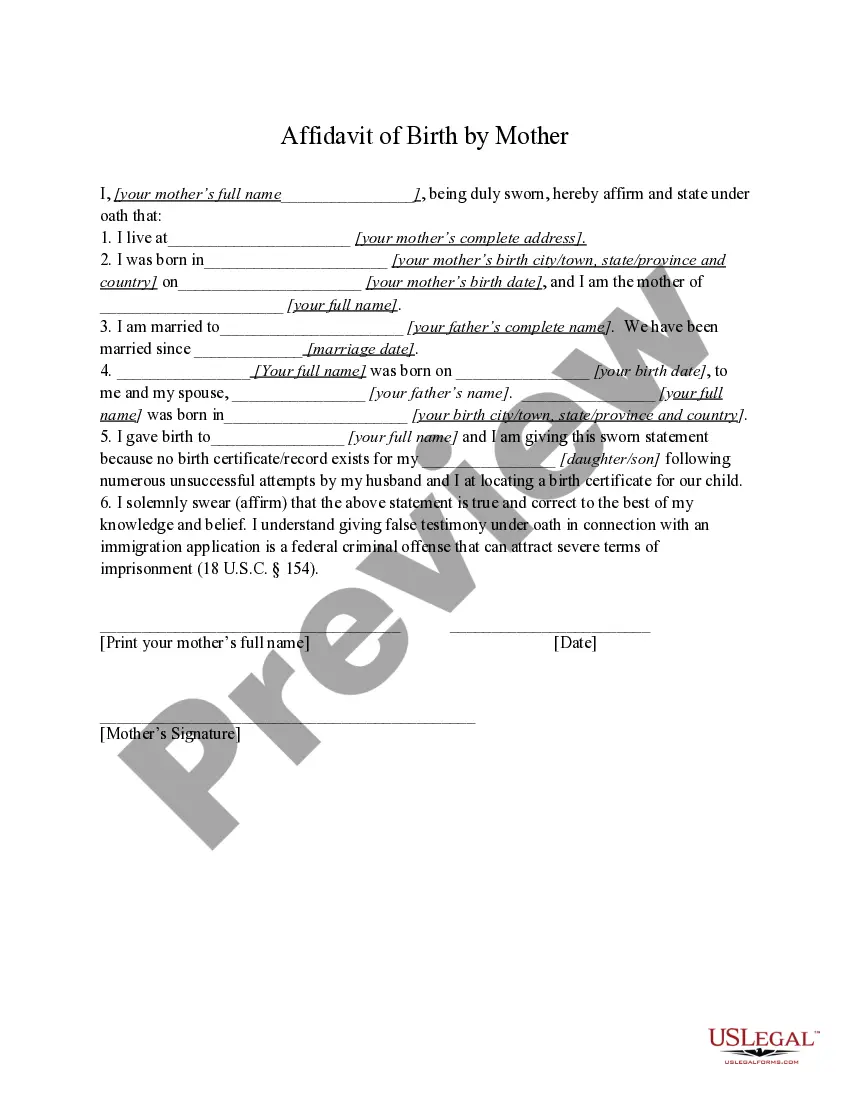
When this form is needed
This affidavit should be used when a father wants to legally acknowledge his paternity for a child born out of wedlock. It's often necessary for matters related to child custody, child support, inheritance rights, and access to the child's medical records or benefits.
Who can use this document
- Unmarried fathers who wish to establish paternity
- Fathers looking to secure legal rights regarding their child
- Individuals needing to clarify their parental status for legal or financial purposes
How to prepare this document
- Enter the state and county where the affidavit is being signed.
- Fill in the father's name and his declaration of paternity.
- Provide the child's name, gender, and date of birth.
- List the name of the mother and the details of the birth location.
- Sign the document in the presence of a notary public.
- Ensure the notary public completes their section, including the expiration date of their commission.
Notarization guidance
This document requires notarization to meet legal standards. US Legal Forms provides secure online notarization powered by Notarize, allowing you to complete the process through a verified video call, available 24/7.
Get your form ready online
Our built-in tools help you complete, sign, share, and store your documents in one place.
Make edits, fill in missing information, and update formatting in US Legal Forms—just like you would in MS Word.
Download a copy, print it, send it by email, or mail it via USPS—whatever works best for your next step.
Sign and collect signatures with our SignNow integration. Send to multiple recipients, set reminders, and more. Go Premium to unlock E-Sign.
If this form requires notarization, complete it online through a secure video call—no need to meet a notary in person or wait for an appointment.
We protect your documents and personal data by following strict security and privacy standards.

Make edits, fill in missing information, and update formatting in US Legal Forms—just like you would in MS Word.

Download a copy, print it, send it by email, or mail it via USPS—whatever works best for your next step.

Sign and collect signatures with our SignNow integration. Send to multiple recipients, set reminders, and more. Go Premium to unlock E-Sign.

If this form requires notarization, complete it online through a secure video call—no need to meet a notary in person or wait for an appointment.

We protect your documents and personal data by following strict security and privacy standards.
Mistakes to watch out for
- Forgetting to notarize the affidavit.
- Inaccurate or incomplete child or parental information.
- Failing to sign the document properly.
Advantages of online completion
- Convenient access to the legal form for immediate use.
- Editable for personalized information.
- Drafted by licensed attorneys for reliability and compliance.
Main things to remember
- The affidavit establishes paternity for unmarried fathers.
- It is essential for legal rights concerning the child.
- Notarization is required to validate the document.
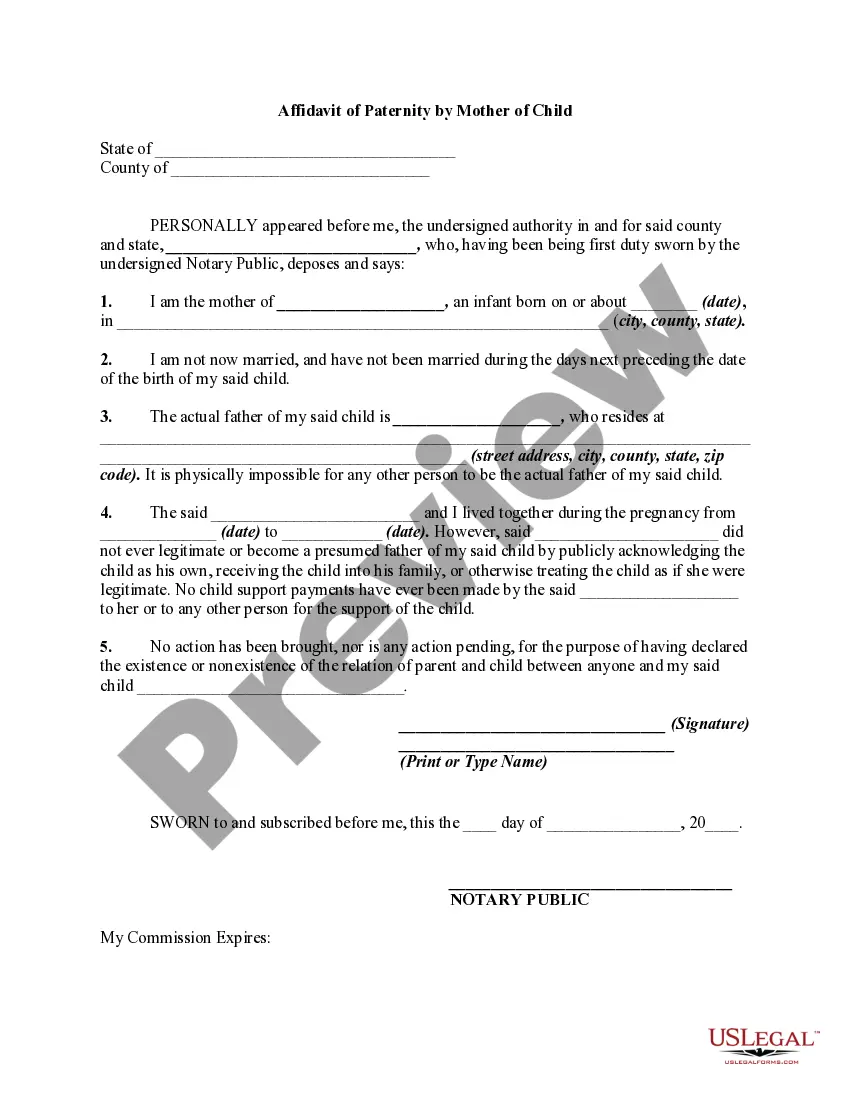
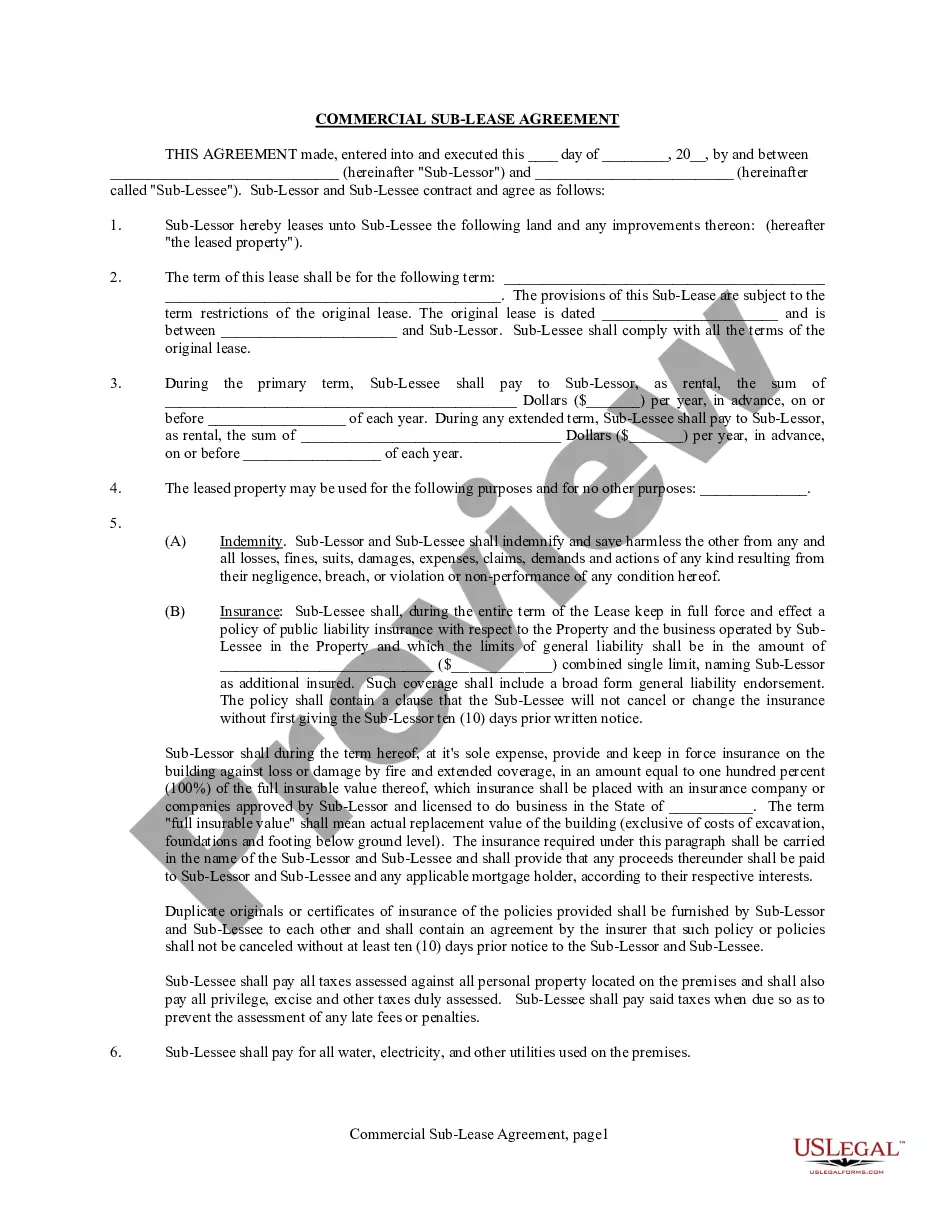
Looking for another form?


Form popularity
FAQ
Signing a paternity affidavit allows a father to put his name on the child's birth certificate and, if both parents agree, give the child his surname. A paternity affidavit makes a man who signs it the legal father of the child.
Get on the birth certificate. Once your child is born, the easiest way to establish paternity is by getting your name on the birth certificate. Get an order through an administrative agency. Get a court order.
Birth certificate. If a birth certificate declares the father and he signs it, this is a legally binding qualification of paternity. DNA test. Court order.
An Affidavit of Admission of Paternity is a document wherein the person signing the affidavit acknowledges that he is the father of an illegitimate child. An illegitimate child is a child whose parents are not legally married to each other.
Signing a voluntary declaration of parentage or paternity, OR. Getting a court order (either on your own or with the help of the Local Child Support Agency).
An acknowledgment of paternity will require some basic information including the child's full name, mother's full name, and father's full name. The father's date of birth, address, and Social Security number are also needed. The AOP must be signed and notarized by both parents.
The best way to establish the father's paternity is by naming him on the baby's birth certificate.In some states, including California, the only way that an unmarried father's name can be placed on a child's birth certificate is if the father signs a voluntary declaration of paternity.
For births that occur outside the Philippines, the Affidavit of Admission of Paternity, Private Handwritten Instrument, or Affidavit to Use the Surname of the Father executed in the Philippines shall be registered at the Local Civil Registry Office of the place of execution .