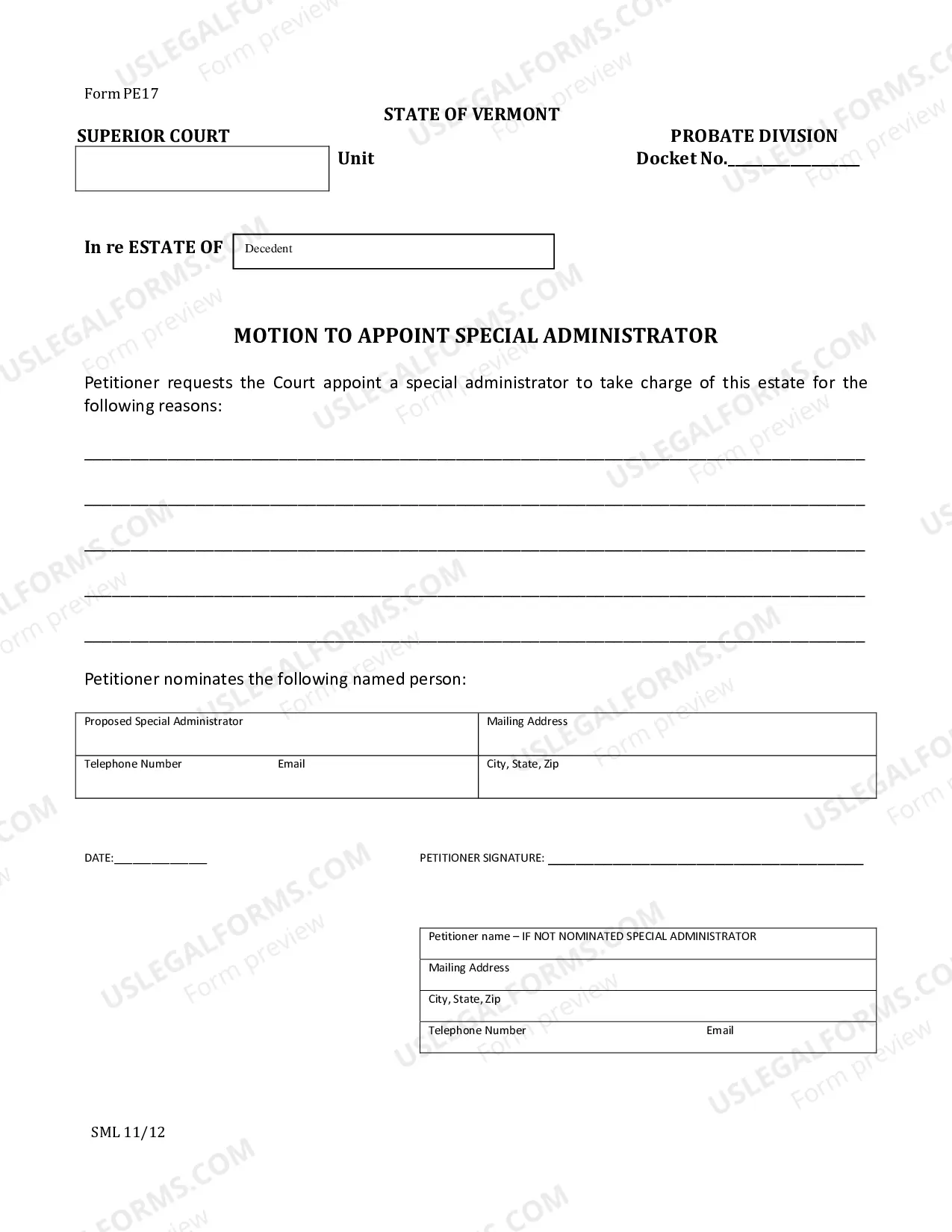
Continuing and Unconditional Guaranty of Business Indebtedness Including an Indemnity Agreement
About this form
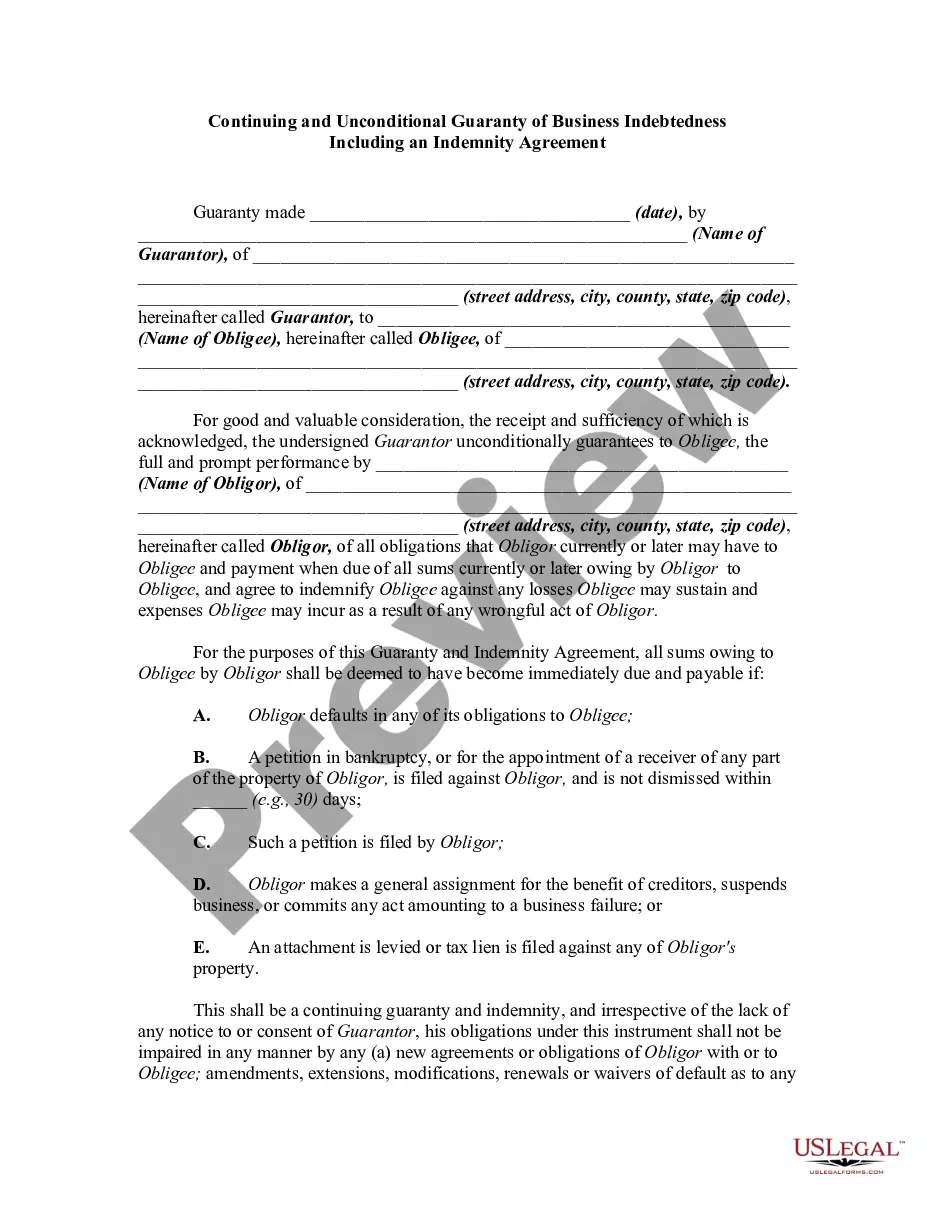
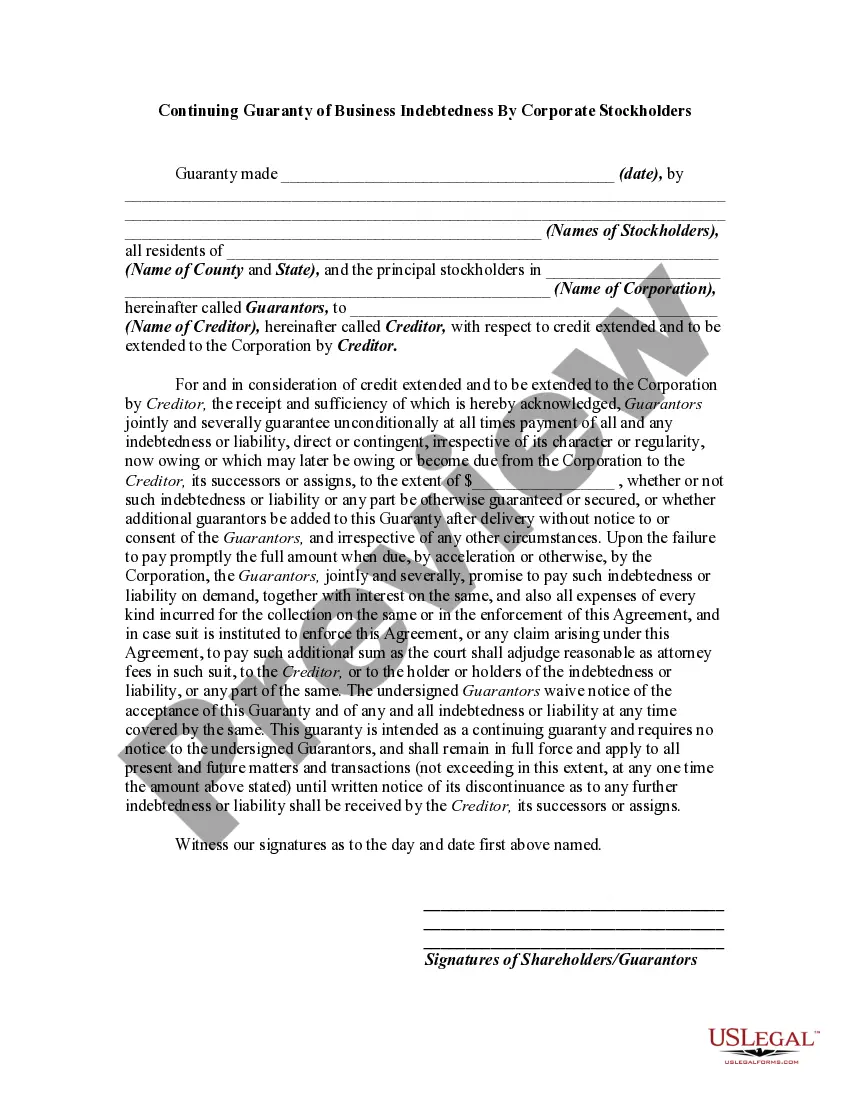
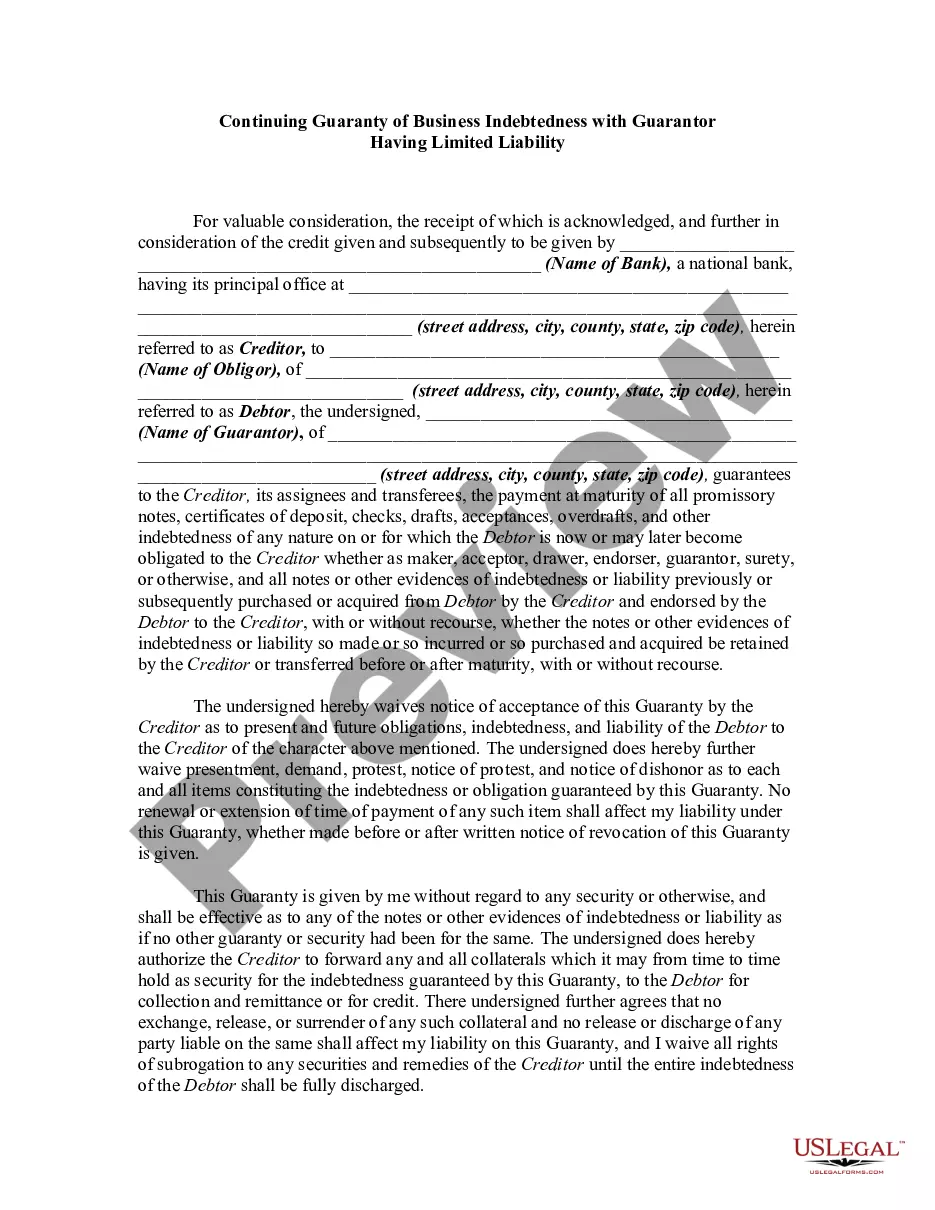
The Continuing and Unconditional Guaranty of Business Indebtedness Including an Indemnity Agreement is a legal document in which a guarantor agrees to take responsibility for the obligations of a debtor if the debtor fails to meet their financial commitments. Unlike a conditional guaranty, this form establishes an unconditional commitment, ensuring that the guarantor will perform the obligations regardless of the circumstances surrounding the debtor's default. This form is often used in business transactions where ongoing credit or financial support is necessary.
Key components of this form
- Date of the guaranty.
- Name and address of the guarantor.
- Name and address of the obligee.
- Name and address of the obligor.
- Unconditional nature of the guaranty and indemnity agreement.
- Terms regarding default scenarios and obligations.
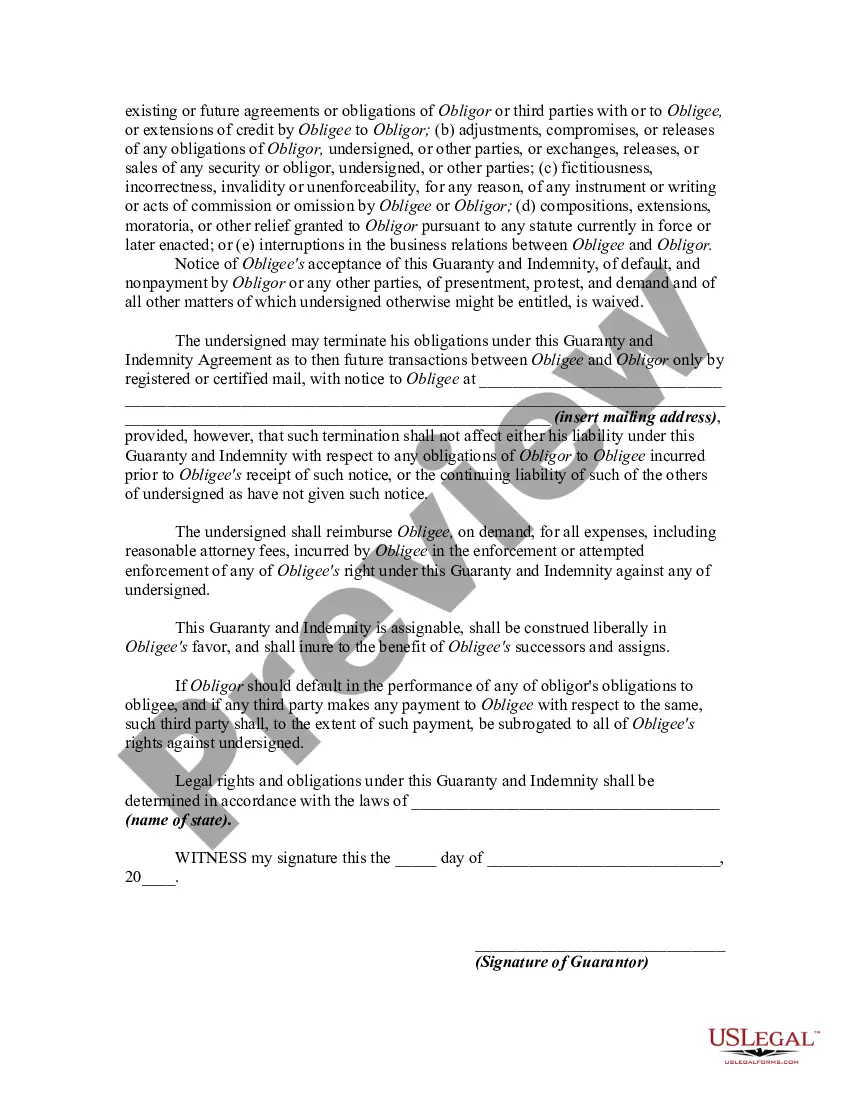
- Notice and termination provisions.
- Governing law applicable to the agreement.
When to use this document
This form should be used when a business or individual requires a third party to guarantee their financial obligations in a continuing manner. It is particularly relevant in situations where a borrower or debtor may not have sufficient credit history or assets to secure a loan or line of credit. If you are a lender seeking assurance that a payment obligation will be fulfilled, or if you are entering a business transaction where ongoing credit is expected, this form is essential.
Who should use this form
- Lenders and financial institutions providing credit to borrowers.
- Businesses that require the support of a guarantor for transactions.
- Individuals acting as guarantors who wish to formalize their obligations.
- Obligors looking to secure arrangements with creditors.
How to complete this form
- Provide the date on which the guaranty is made.
- Enter the name and address of the guarantor.
- Specify the name and address of the obligee (the entity to whom the obligation is owed).
- List the name and address of the obligor (the debtor whose obligations are being guaranteed).
- Detail the specific obligations that the obligor is responsible for.
- Sign and date the form in the presence of a witness if required.
Notarization guidance
Notarization is generally not required for this form. However, certain states or situations might demand it. You can complete notarization online through US Legal Forms, powered by Notarize, using a verified video call available anytime.
Get your form ready online
Our built-in tools help you complete, sign, share, and store your documents in one place.
Make edits, fill in missing information, and update formatting in US Legal Forms—just like you would in MS Word.
Download a copy, print it, send it by email, or mail it via USPS—whatever works best for your next step.
Sign and collect signatures with our SignNow integration. Send to multiple recipients, set reminders, and more. Go Premium to unlock E-Sign.
If this form requires notarization, complete it online through a secure video call—no need to meet a notary in person or wait for an appointment.
We protect your documents and personal data by following strict security and privacy standards.

Make edits, fill in missing information, and update formatting in US Legal Forms—just like you would in MS Word.

Download a copy, print it, send it by email, or mail it via USPS—whatever works best for your next step.

Sign and collect signatures with our SignNow integration. Send to multiple recipients, set reminders, and more. Go Premium to unlock E-Sign.

If this form requires notarization, complete it online through a secure video call—no need to meet a notary in person or wait for an appointment.

We protect your documents and personal data by following strict security and privacy standards.
Avoid these common issues
- Failing to include accurate names and addresses for all parties involved.
- Not clearly specifying the obligations being guaranteed.
- Overlooking necessary signatures or dates on the document.
- Assuming verbal agreements can substitute for written ones in legal contexts.
Benefits of using this form online
- Convenience: Downloadable forms allow you to complete legal agreements at your own pace.
- Editability: Customize the form to fit your specific situation before printing.
- Reliability: Forms are drafted by licensed attorneys to ensure legal compliance.
Legal use & context
- The guaranty provides legal assurance to the obligee regarding the obligor's obligations.
- Binding legal obligations arise when the guarantor signs the form, making it enforceable in court.
- A continuing guaranty can cover multiple transactions, thus offering an ongoing commitment.
Summary of main points
- A Continuing and Unconditional Guaranty ensures that obligations are met even with multiple transactions.
- This form is valuable for businesses seeking ongoing financial support.
- Clear understanding of conditions and responsibilities helps prevent future disputes.
Looking for another form?


Form popularity
FAQ
Continuing Guarantee: It is a guarantee for a series of transactions. According to Section 129, continuing guarantee extends to a series of transactions. The liability of surety in this case extends to a number of transactions and he becomes liable for the unpaid balance at the end of the. guarantee.
Unlike a guarantee, an indemnity need not be in writing or signed by the indemnifier in order to be effective. More robust. Being a primary obligation, an indemnity will be valid even if the underlying transaction is set aside; unlike a guarantee, which is dependent on the underlying transaction.
A guarantor is a person, third party or organisation that agrees to guarantee your loan. The guarantee is a legal assurance given by the guarantor to pay the loan if the borrower defaults and is unable to pay.
A guaranty of the payment of an obligation, without words of limitation or condition, is construed as an absolute or unconditional guaranty.
Indemnity is a contractual agreement between two parties. In this arrangement, one party agrees to pay for potential losses or damages caused by another party.With indemnity, the insurer indemnifies the policyholderthat is, promises to make whole the individual or business for any covered loss.
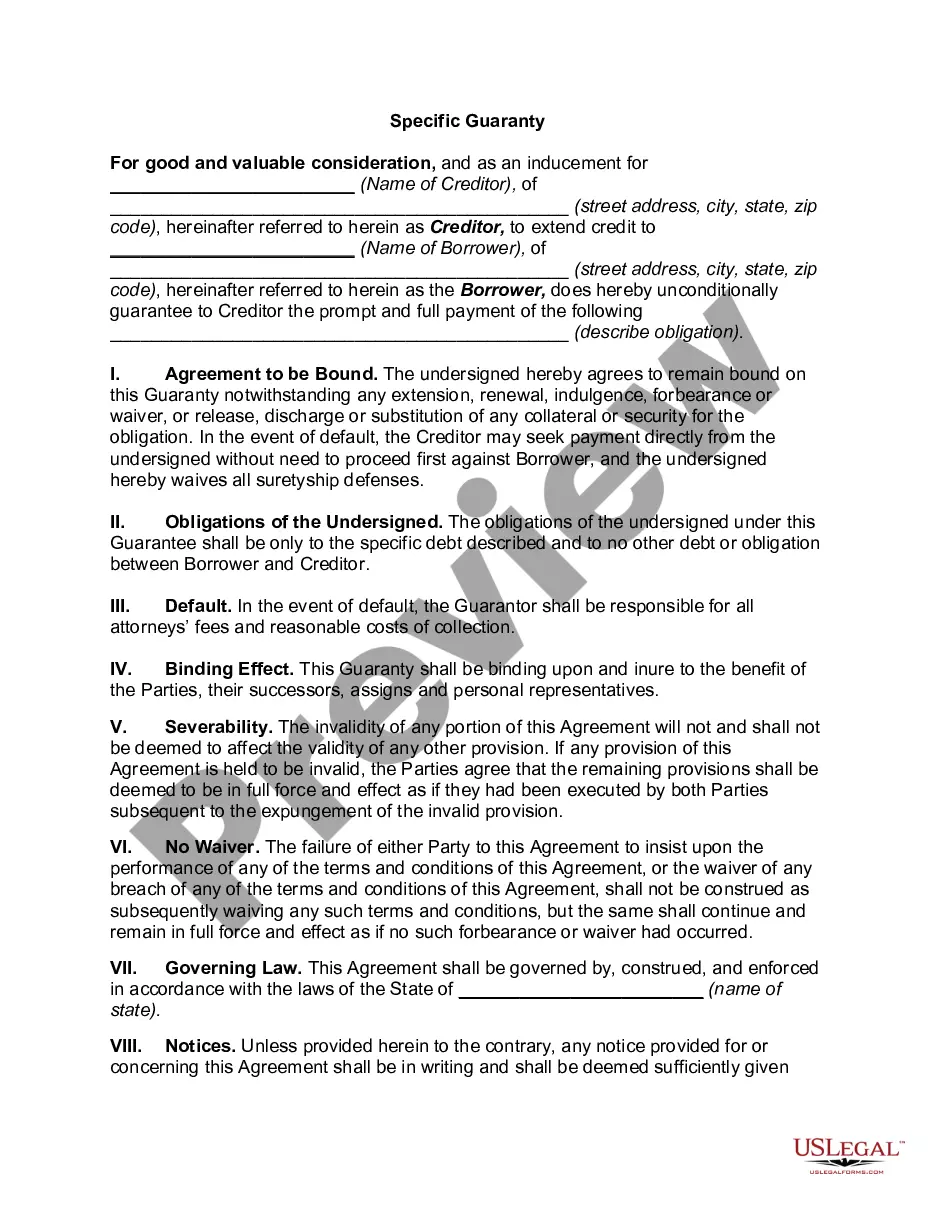
A continuing guaranty is an agreement by the guarantor to be liable for the obligations of someone else to the lender, even if there are several different obligations that are made, renewed or repaid over time. In contrast, a specific guaranty is limited only to one individual transaction.
In a contract of indemnity, there is a single promise or contract; a promise to pay if there is a loss. In a contract of guarantee, by contrast, there are multiple promises, including the original promise to pay or perform and the guarantor's promise to pay or perform in the event of default.
Guaranty Agreement a two-party contract in which the first party agrees to perform in the event that a second party fails to perform. Unlike a surety, a guarantor is only required to perform after the obligee has made every reasonable and legal effort to force the principal's performance.
The key differences between guarantees and indemnities include: a guarantee is a secondary liability, which means that there will be another person who is primarily liable for the obligation; whereas, an indemnity imposes a primary liability.a guarantor's liability is limited by the extent of the debtor's liability.