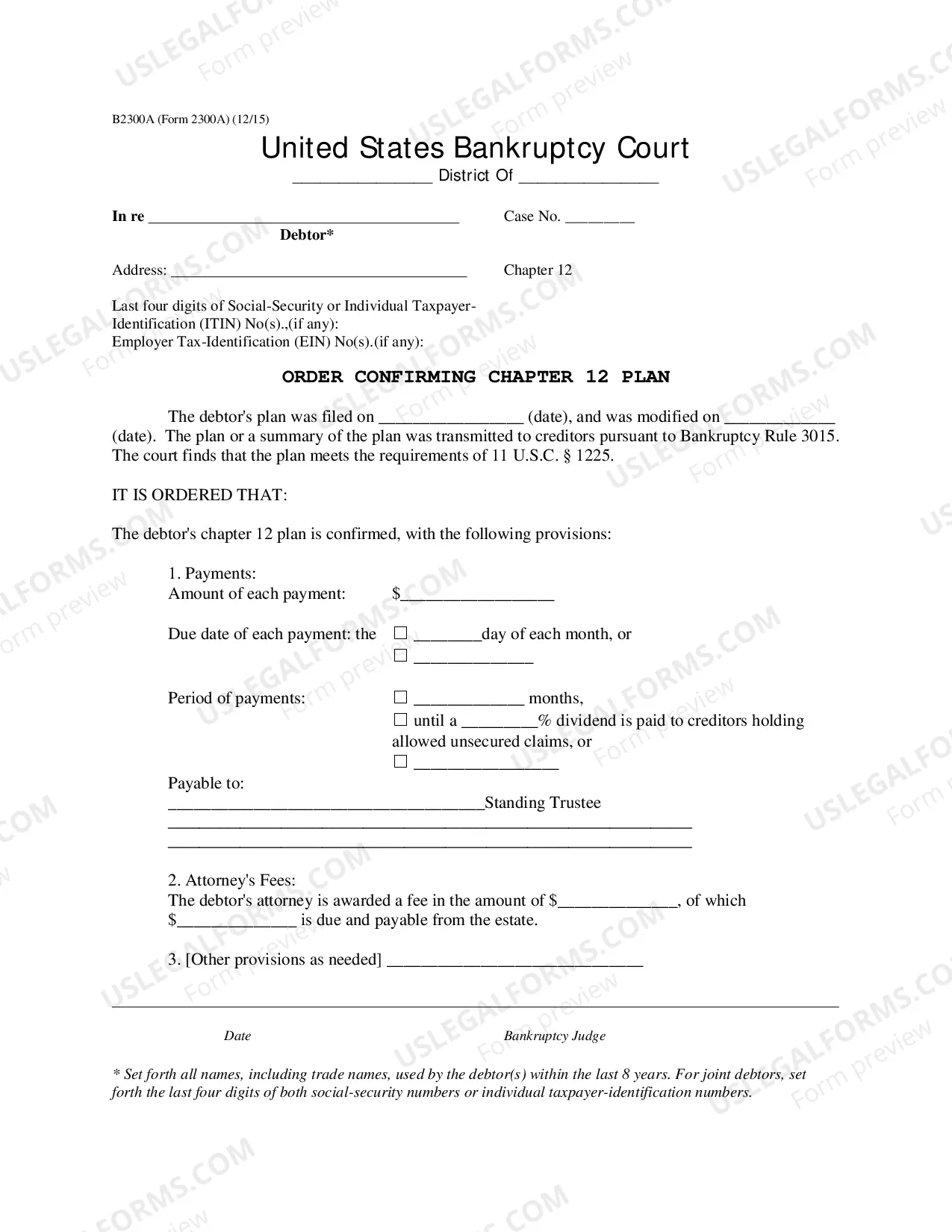
Complaint Objecting to Discharge of Debtor in Bankruptcy Proceedings for Refusal By Debtor to Obey a Lawful Order of the Court
Understanding this form
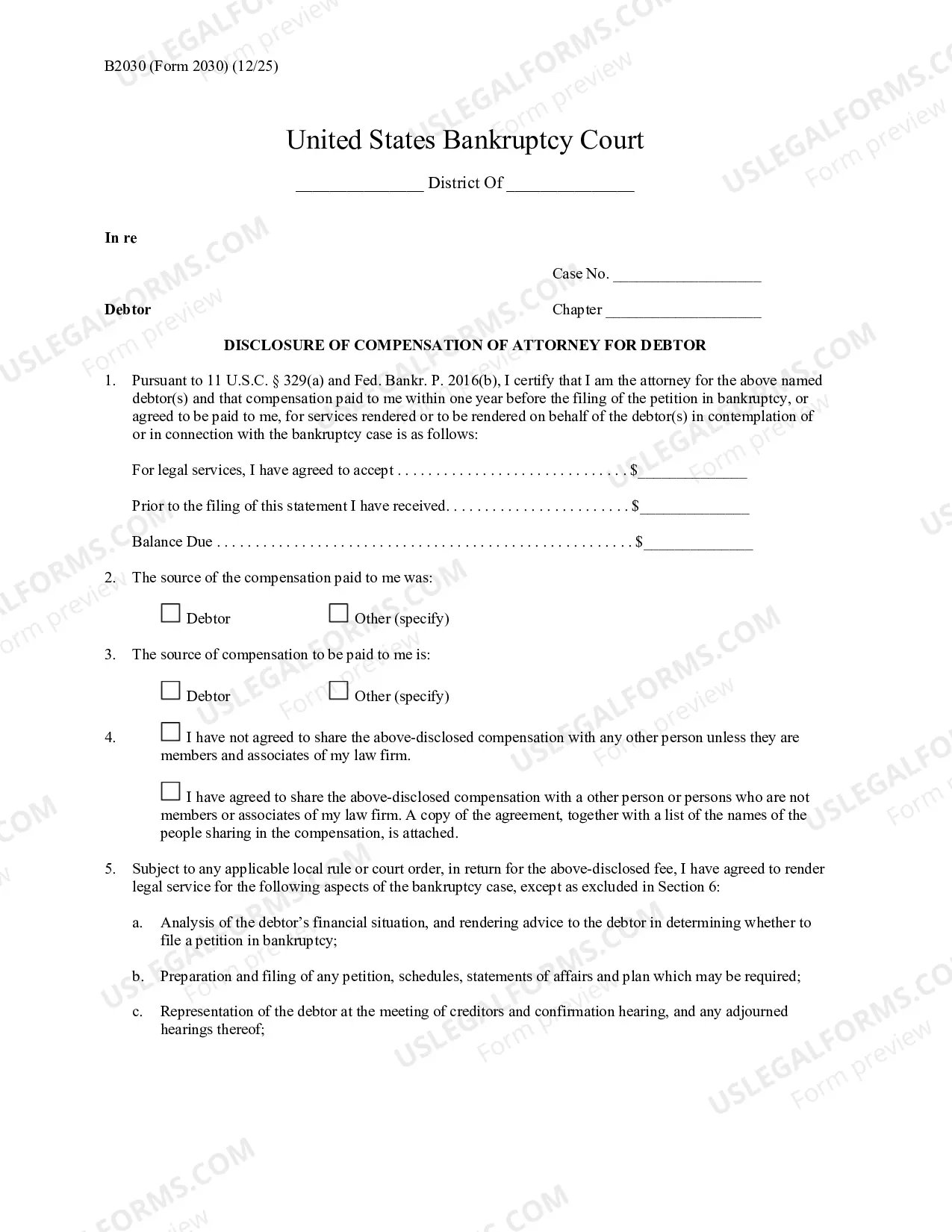
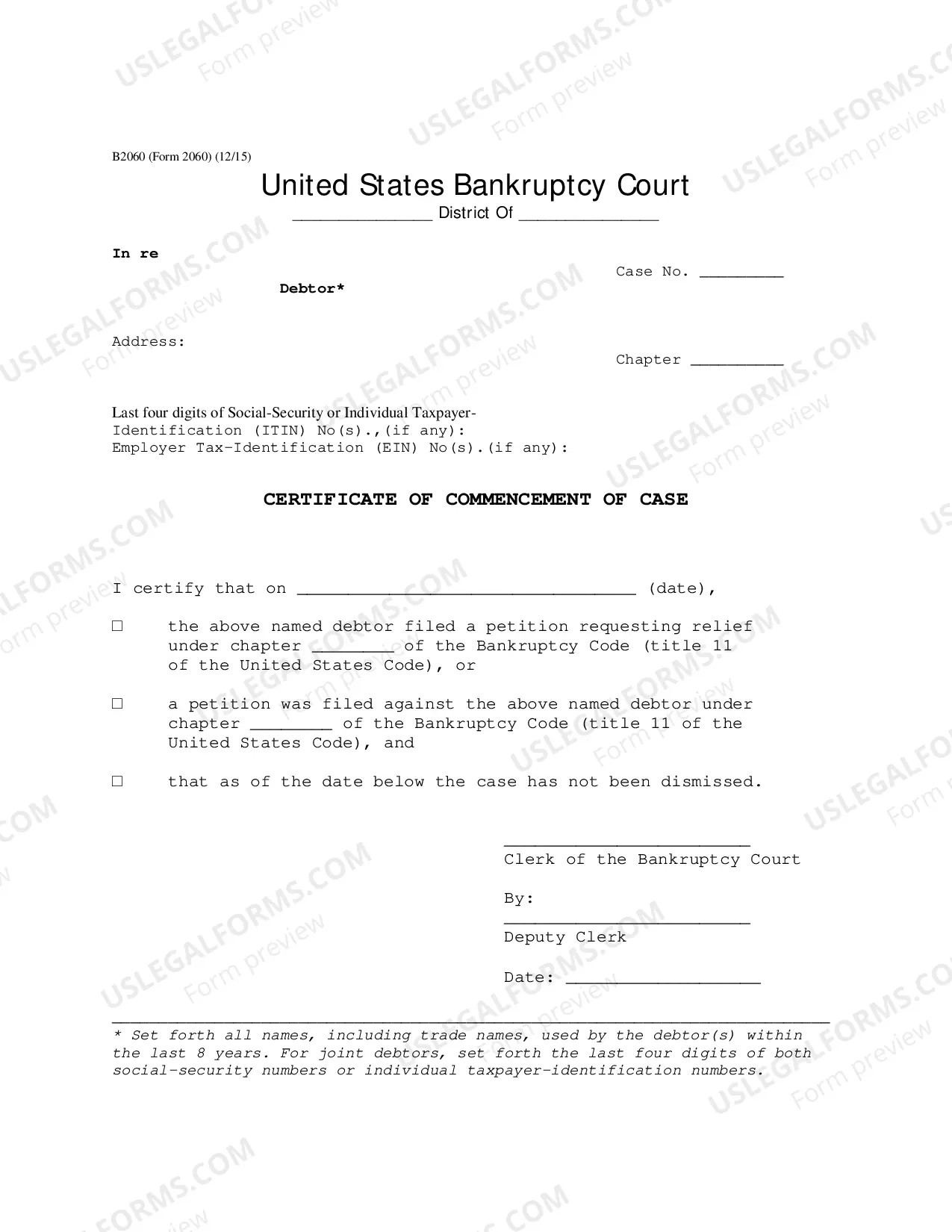
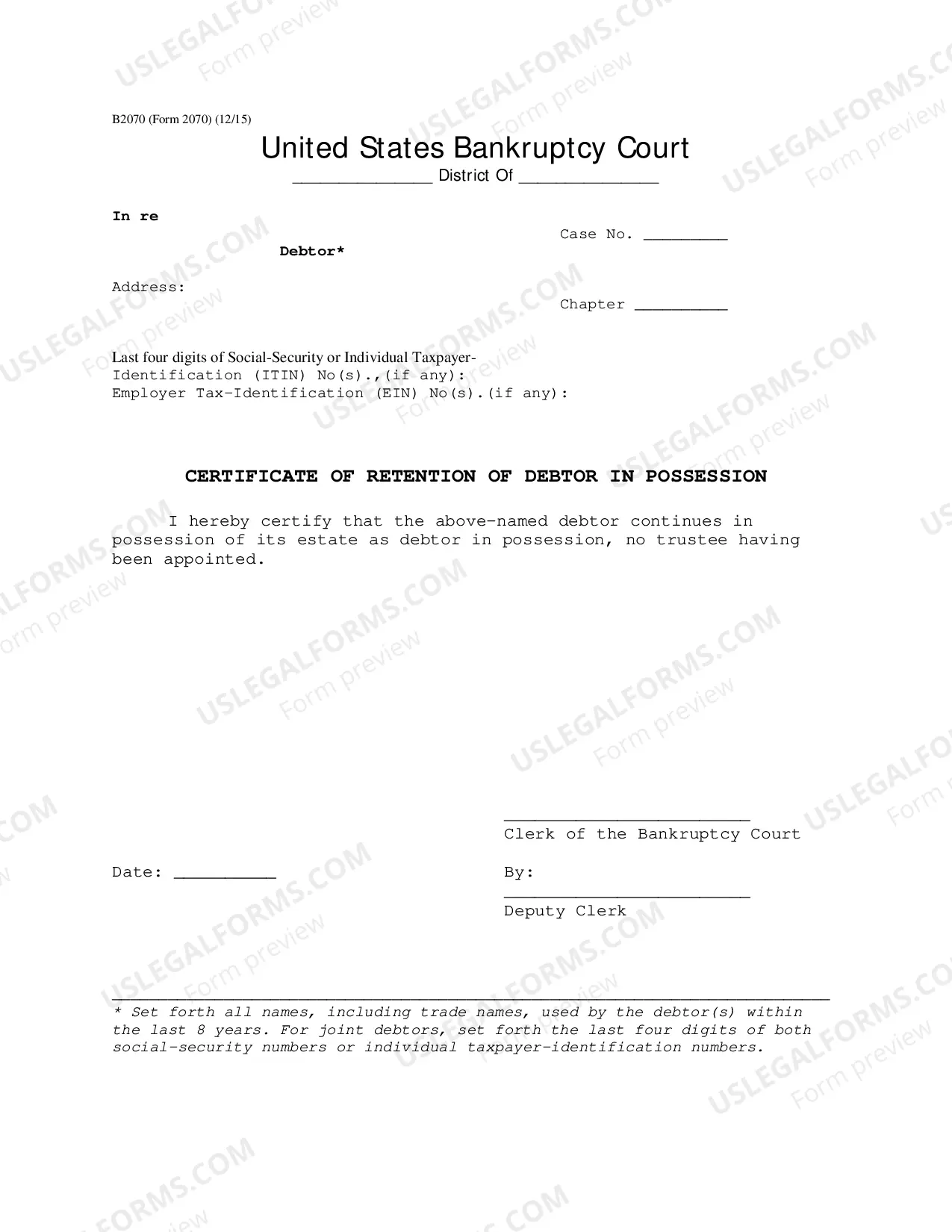
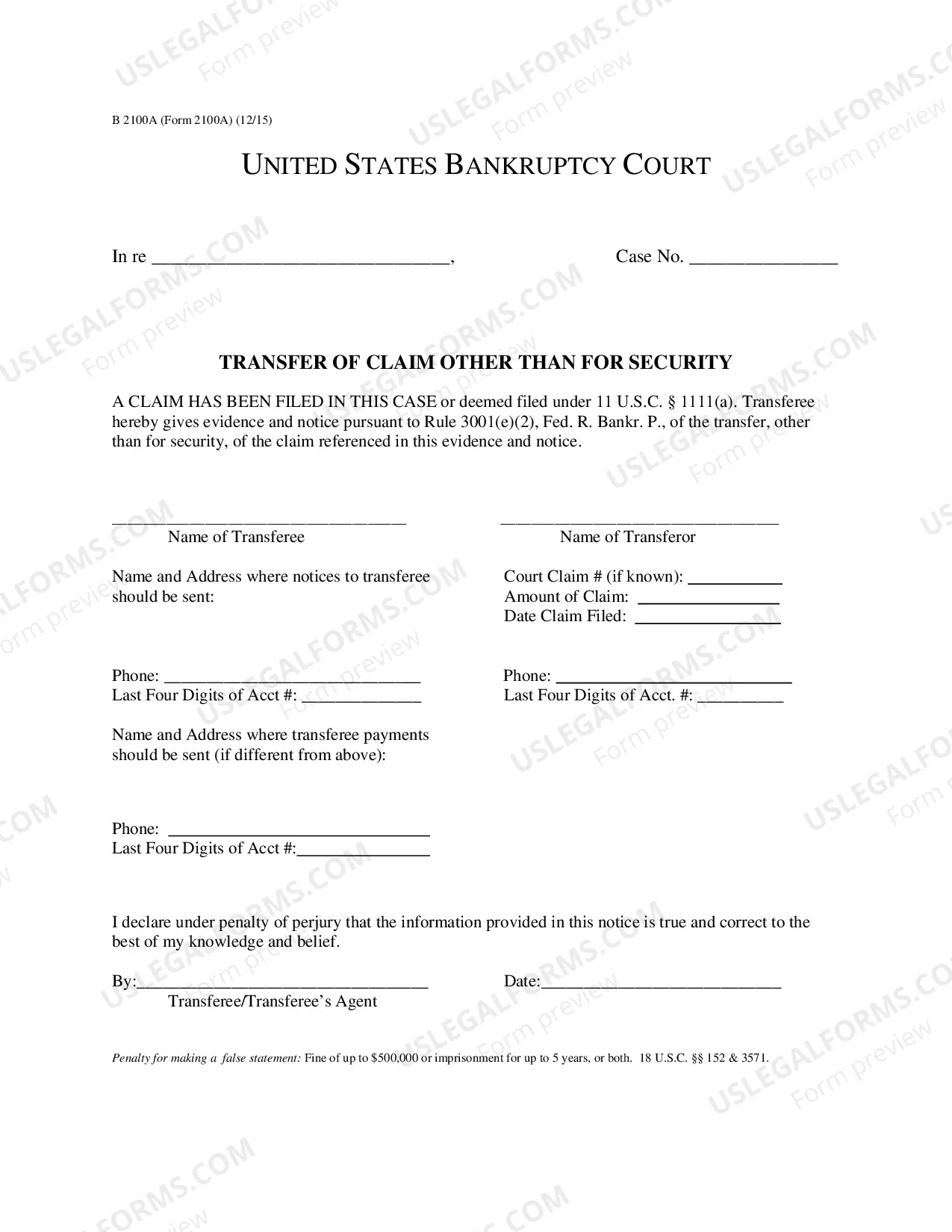
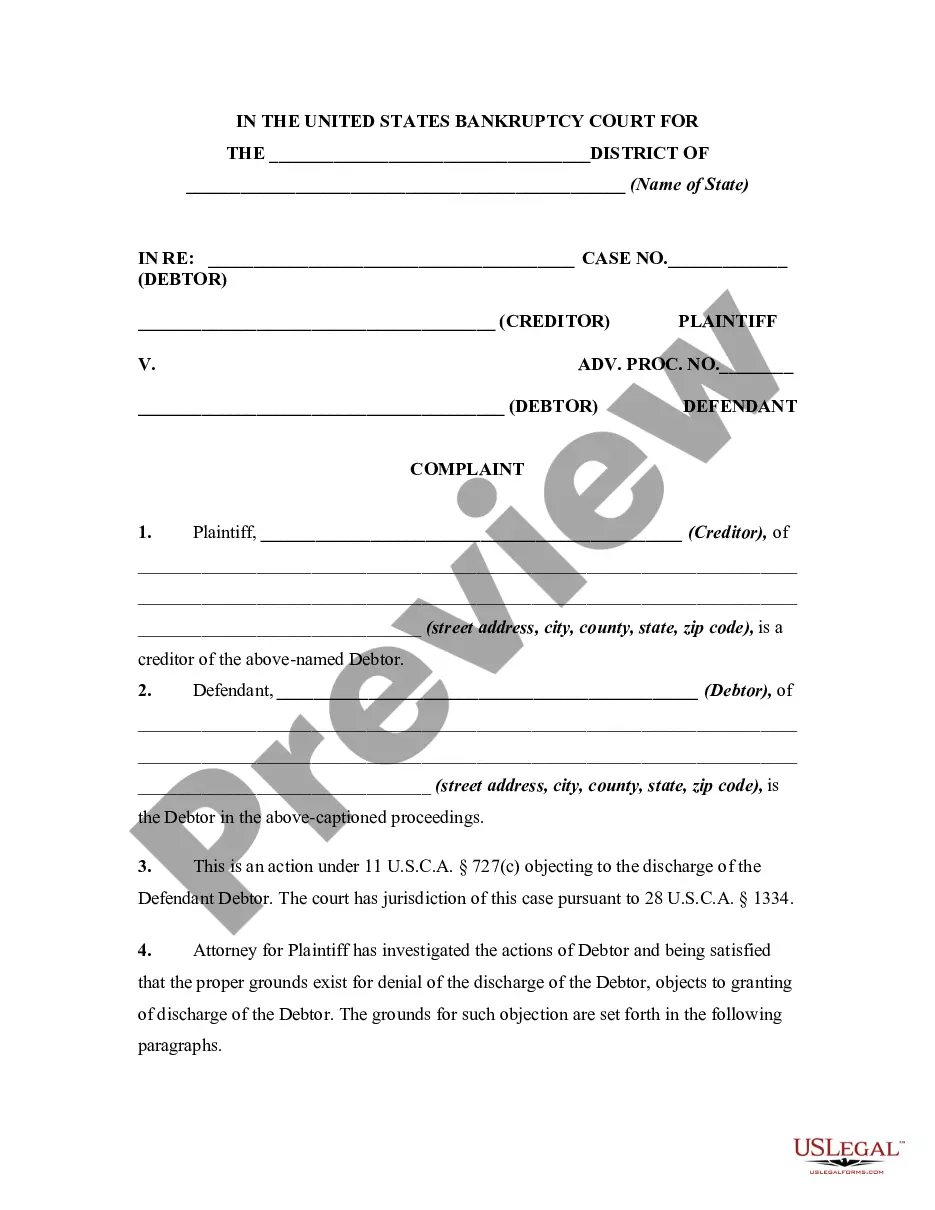
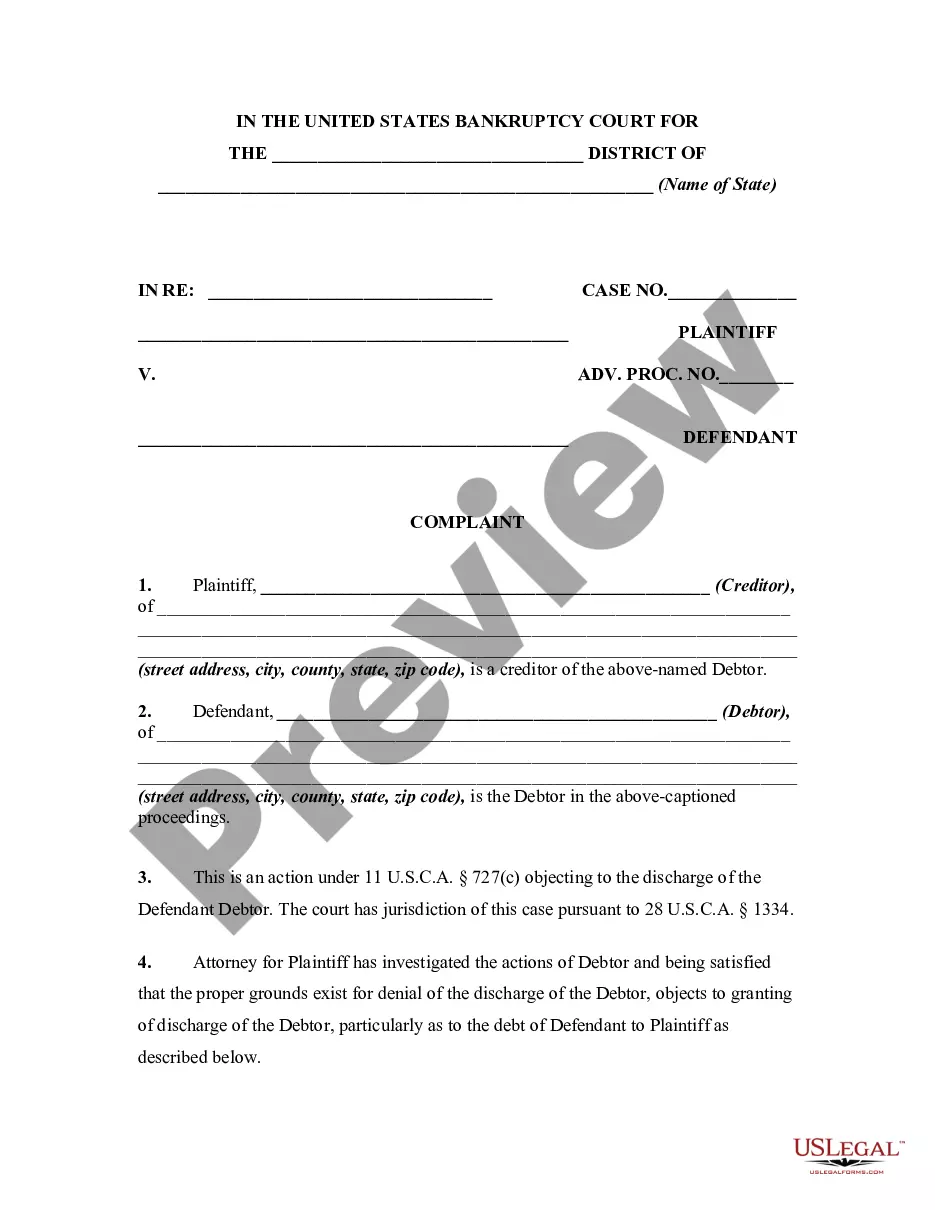
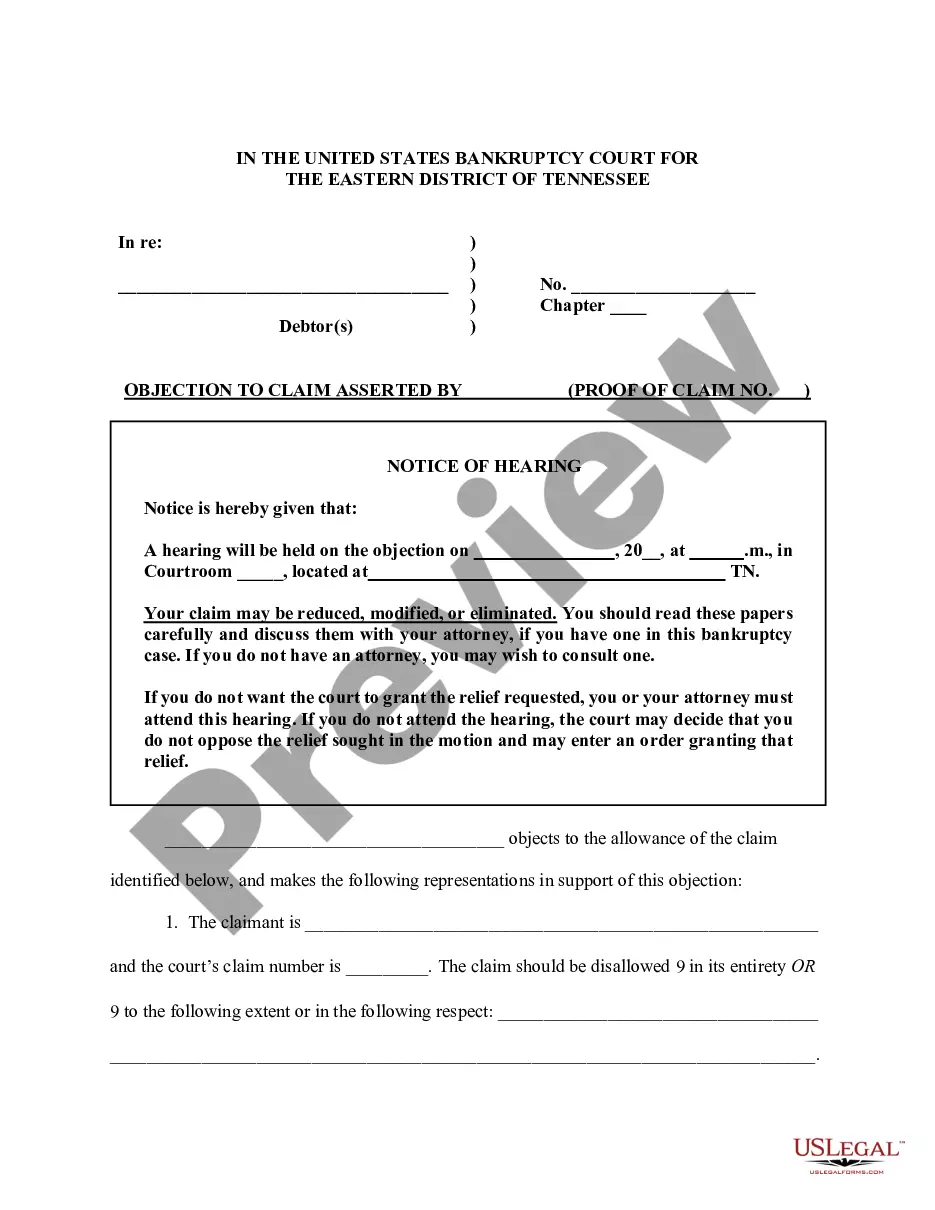
This form, Complaint Objecting to Discharge of Debtor in Bankruptcy Proceedings for Refusal By Debtor to Obey a Lawful Order of the Court, is used to challenge a debtor's request for discharge in bankruptcy proceedings. It is specifically applicable when the debtor has failed to comply with a lawful court order, which constitutes grounds for denying discharge from debts. This form differs from general bankruptcy discharge applications by focusing solely on non-compliance with court orders.
Form components explained
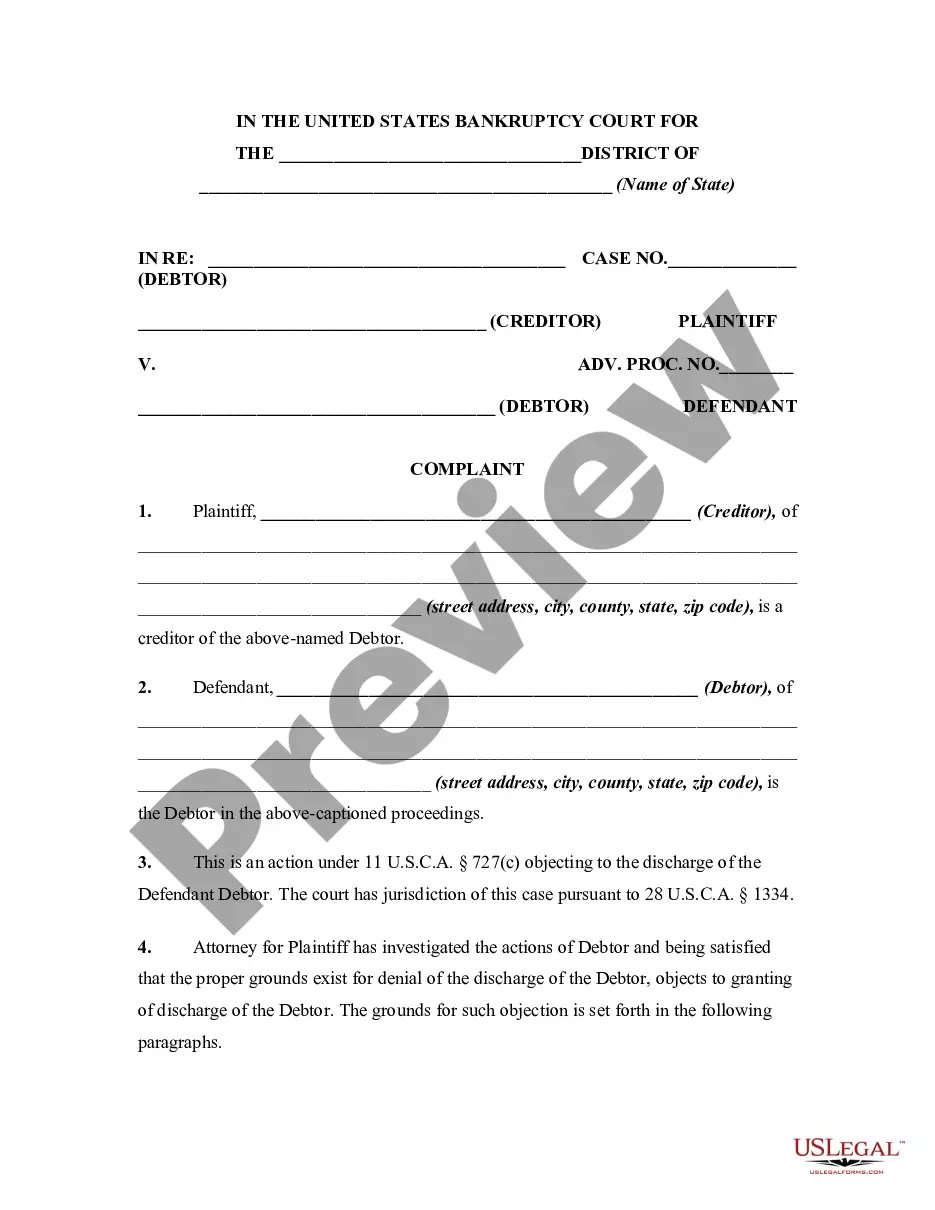
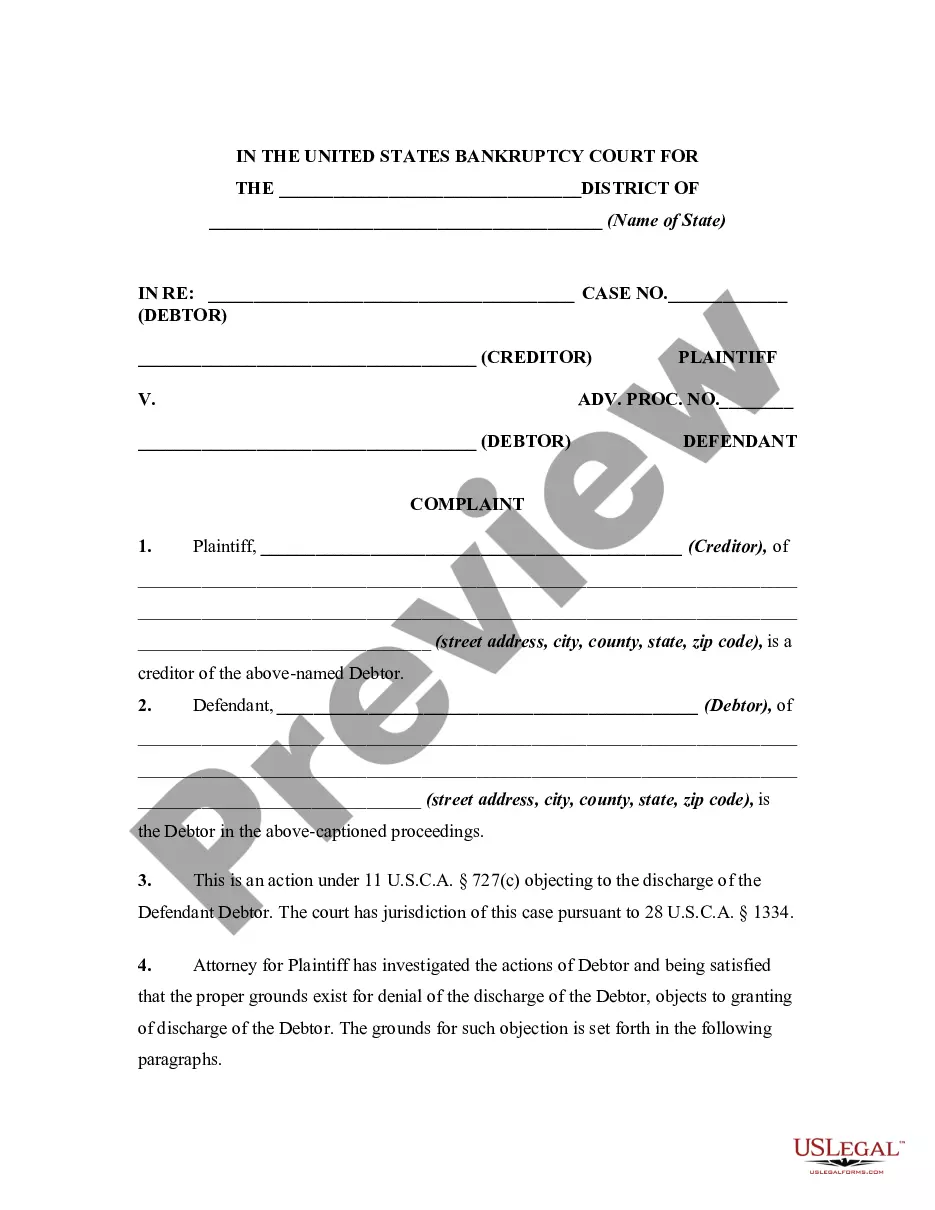
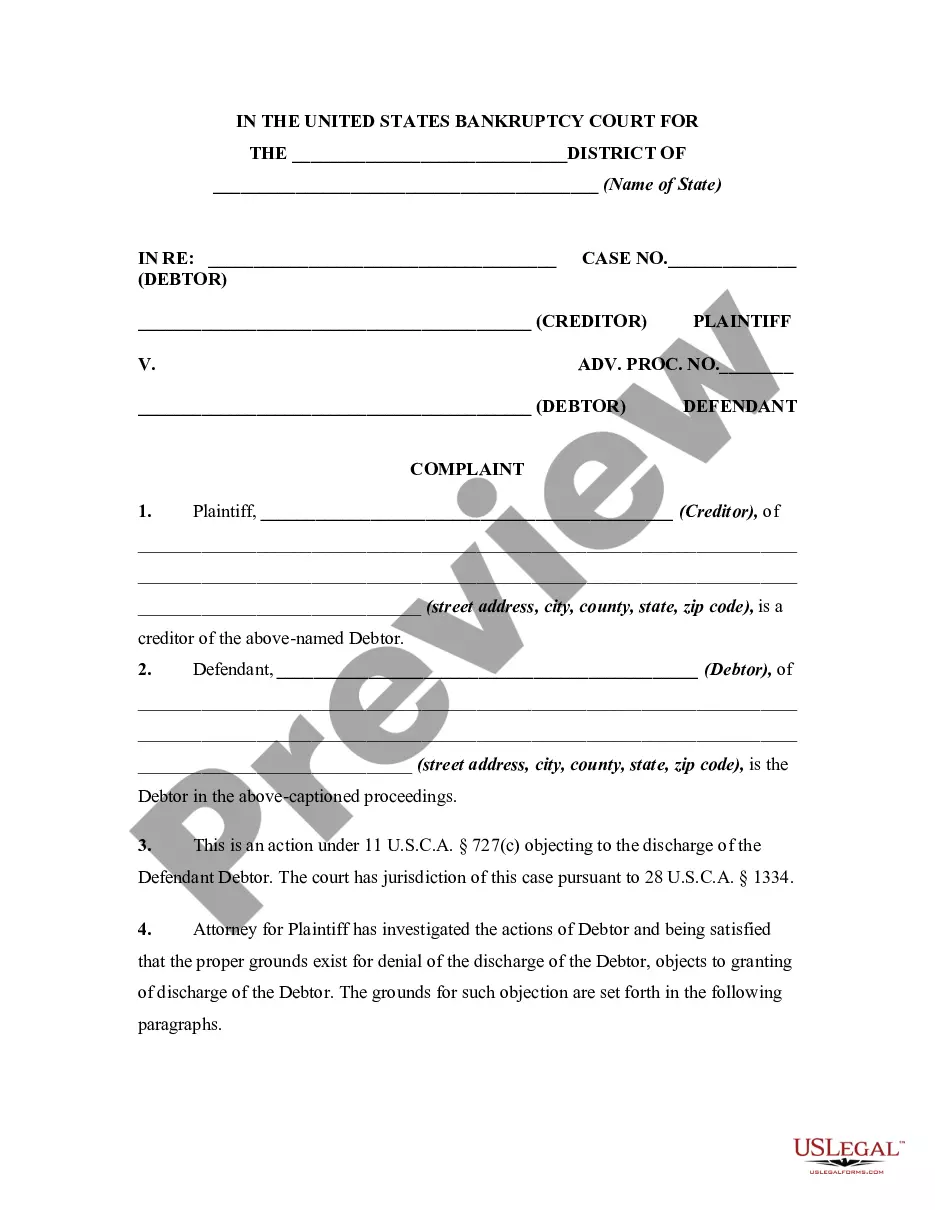
- Identification of the creditor and debtor involved in the case.
- Claims outlining the grounds for objecting to the debtor's discharge.
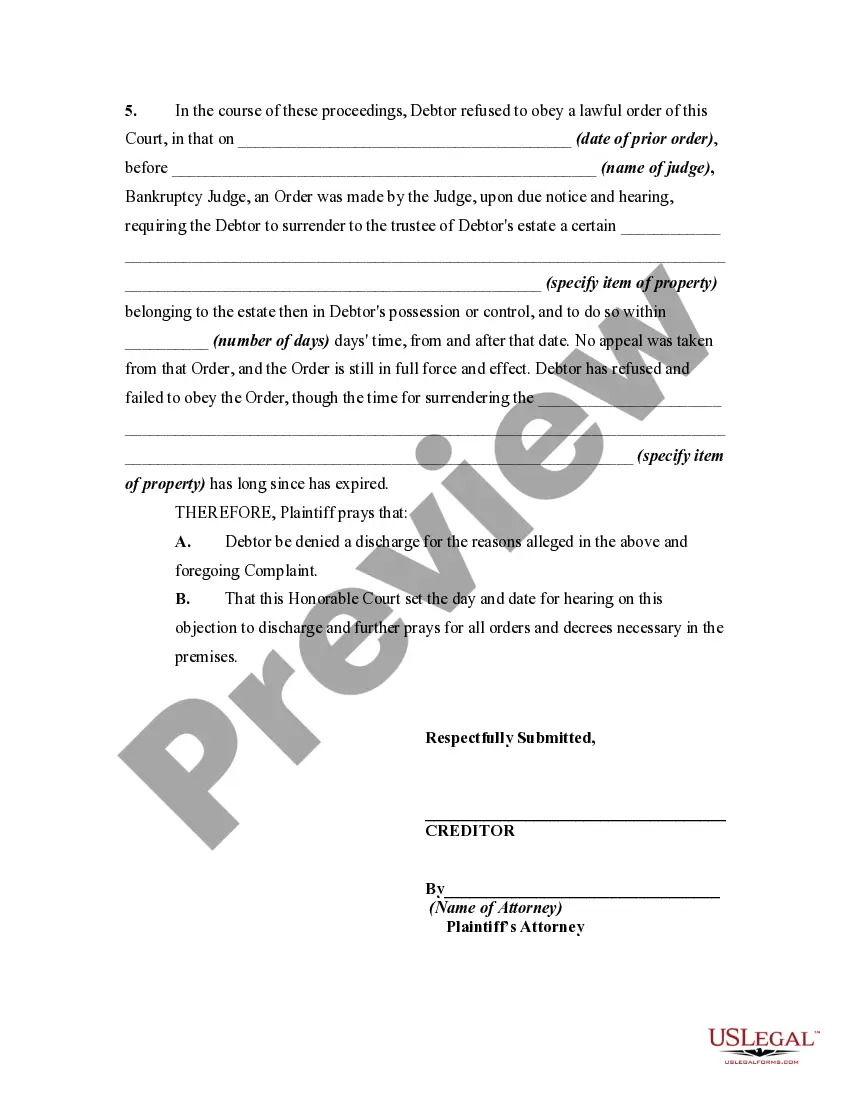
- Details of the specific court order that the debtor has failed to obey.
- Request for the court to set a hearing date for the objection.
Common use cases
This form should be utilized when a creditor believes that a debtor should not be granted a discharge due to the debtor's refusal to comply with a lawful court order. Common situations include instances where the debtor has failed to surrender specific property as required, despite having the ability to comply.
Who this form is for
- Creditors seeking to deny the discharge of debts owed to them.
- Legal representatives for creditors who are involved in bankruptcy proceedings.
- Individuals opposed to the discharge of debts based on the debtor's non-compliance with court orders.
How to complete this form
- Enter the names and addresses of both the creditor and debtor at the top of the form.
- Specify the case number and the court in which the bankruptcy proceedings are taking place.
- List the specific court order that the debtor has failed to comply with, including dates and details.
- State the reasons for the objection to the discharge based on the debtor's refusal to obey the order.
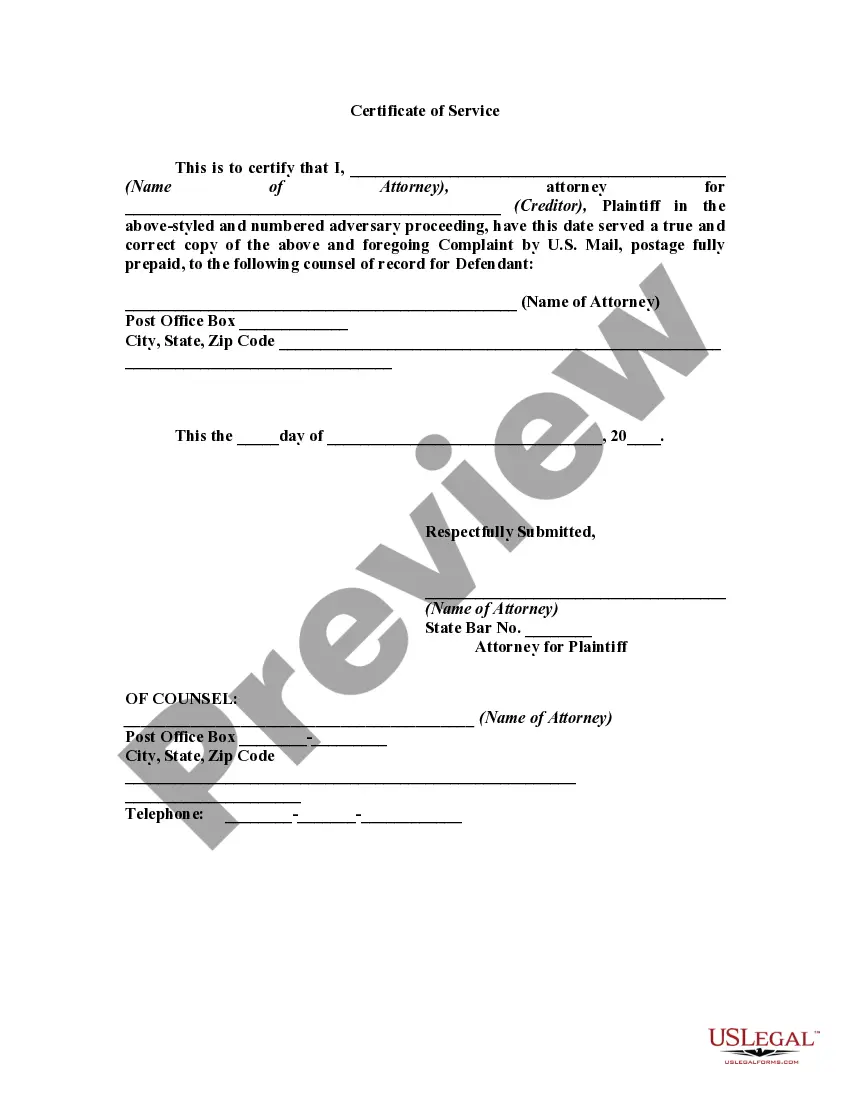
- Sign and date the complaint, and ensure that the certificate of service is completed and included.
Notarization guidance
This form does not typically require notarization unless specified by local law. However, it is important to check jurisdiction-specific requirements to ensure compliance.
Get your form ready online
Our built-in tools help you complete, sign, share, and store your documents in one place.
Make edits, fill in missing information, and update formatting in US Legal Forms—just like you would in MS Word.
Download a copy, print it, send it by email, or mail it via USPS—whatever works best for your next step.
Sign and collect signatures with our SignNow integration. Send to multiple recipients, set reminders, and more. Go Premium to unlock E-Sign.
If this form requires notarization, complete it online through a secure video call—no need to meet a notary in person or wait for an appointment.
We protect your documents and personal data by following strict security and privacy standards.

Make edits, fill in missing information, and update formatting in US Legal Forms—just like you would in MS Word.

Download a copy, print it, send it by email, or mail it via USPS—whatever works best for your next step.

Sign and collect signatures with our SignNow integration. Send to multiple recipients, set reminders, and more. Go Premium to unlock E-Sign.

If this form requires notarization, complete it online through a secure video call—no need to meet a notary in person or wait for an appointment.

We protect your documents and personal data by following strict security and privacy standards.
Mistakes to watch out for
- Failing to provide complete information about the parties involved.
- Not clearly stating the grounds for objecting to the discharge.
- Omitting necessary signatures or failing to file the complaint in the correct court.
Advantages of online completion
- Convenience of downloading the form directly at any time.
- Ability to edit the form as needed before finalizing.
- Access to templates created by licensed attorneys, ensuring legal accuracy.
- This form is enforceable in bankruptcy cases where a creditor needs to object to a debtor's discharge.
- Failure to comply with the rules specified may result in the objection being dismissed.
- Consulting with a legal professional is advisable to understand your rights and obligations when using this form.
Quick recap
- The form is crucial for creditors wishing to contest a debtor's bankruptcy discharge due to non-compliance with court orders.
- Proper completion and submission of the form are necessary to ensure legal standing in bankruptcy proceedings.
- Adherence to local bankruptcy court rules is essential for the success of your objection.
Looking for another form?







Form popularity
FAQ
The trustee (or a creditor) can object to the Chapter 13 plan if it appears that someone isn't getting paid the right amount. A judge has the final say, however, and will either approve or reject the plan at the confirmation hearing.
Grounds for Denial of a Debt Discharge Failed to keep or produce adequate books or financial records. Failed to explain any loss of assets. Committed a bankruptcy crime such as perjury. Failed to obey a lawful order of the bankruptcy court.
Ways to Object to a Bankruptcy Discharge If you'd like to dispute the debtor's right to a discharge, you'll need to file either an adversary proceeding (a type of lawsuit) or a motion, depending on the type of debt involved.
An objection to a proof of claim must be in writing and filed with the bankruptcy court. A copy of the objection and the notice of court hearing date must be mailed to the creditor, the trustee, and the debtor at least 30 days before the hearing.
It is important to understand the distinction between the exception of discharge and the denial of discharge. The exception of discharge is where one specific debt is denied but the rest are discharged. The denial of discharge is what is sounds like, all debts are not discharged.
A creditor or the trustee can object to the discharge of one or all of your debts in bankruptcy.But even if a debt qualifies for a discharge, a creditor or the bankruptcy trustee can object to the discharge of a particular debt or the entire bankruptcy case by filing a motion or lawsuit called an adversary proceeding.
An objection to claim may be filed to object to one claim or multiple claims subject to conditions in Federal Rule of Bankruptcy Procedure 3007(e). When an objection to claim objects to multiple claims, it is called an omnibus objection to claim. An omnibus objection to claim may cause the entry of multiple orders.
If the court grants a creditor or trustee's objection to a debt discharge, you'll remain responsible for paying the debt.Interested parties such as creditors or the trustee still have time to object to your bankruptcy discharge after your initial hearing.
Debts Never Discharged in Bankruptcy Alimony and child support. Certain unpaid taxes, such as tax liens.Debts for death or personal injury caused by the debtor's operation of a motor vehicle while intoxicated from alcohol or other substances. Debts you failed to list in your bankruptcy filing.