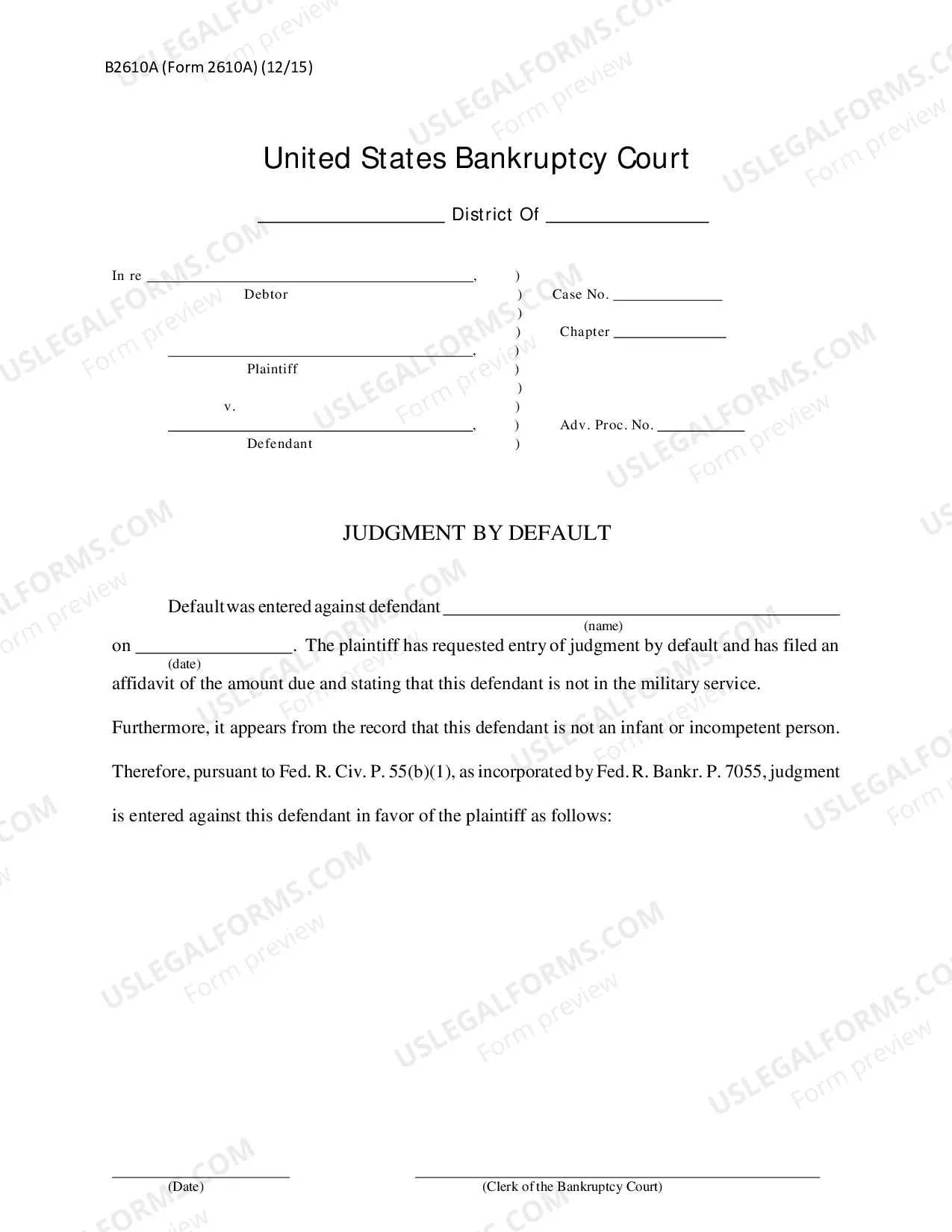
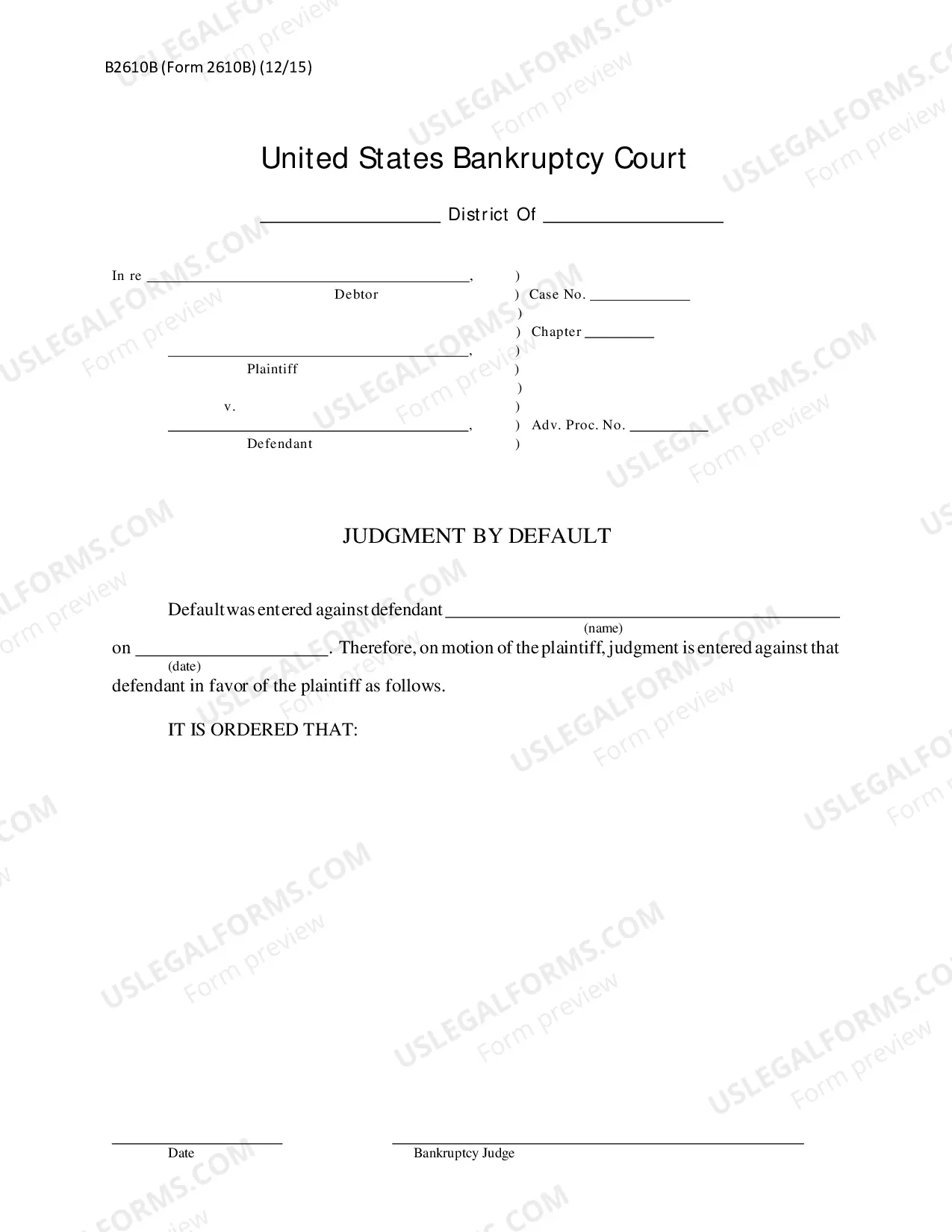
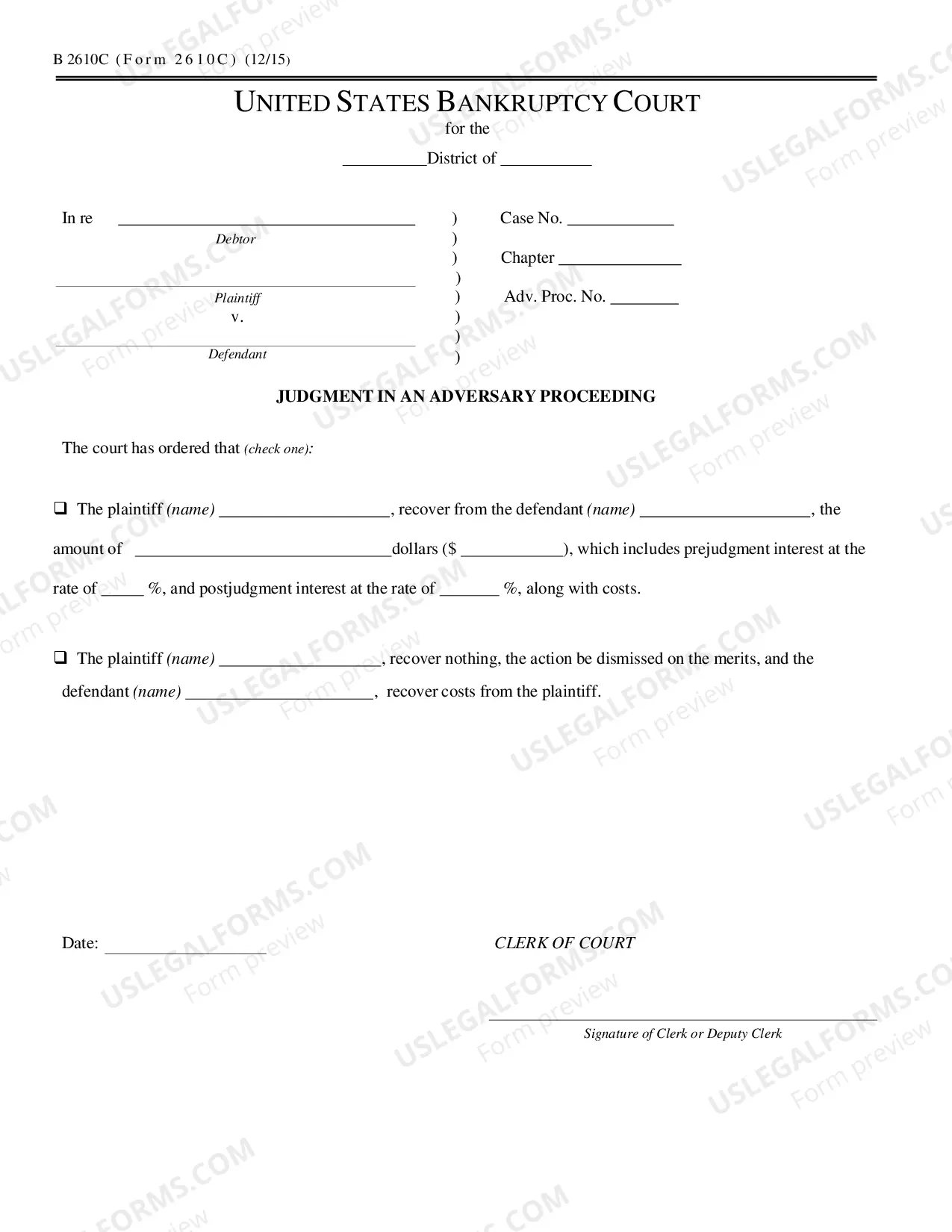
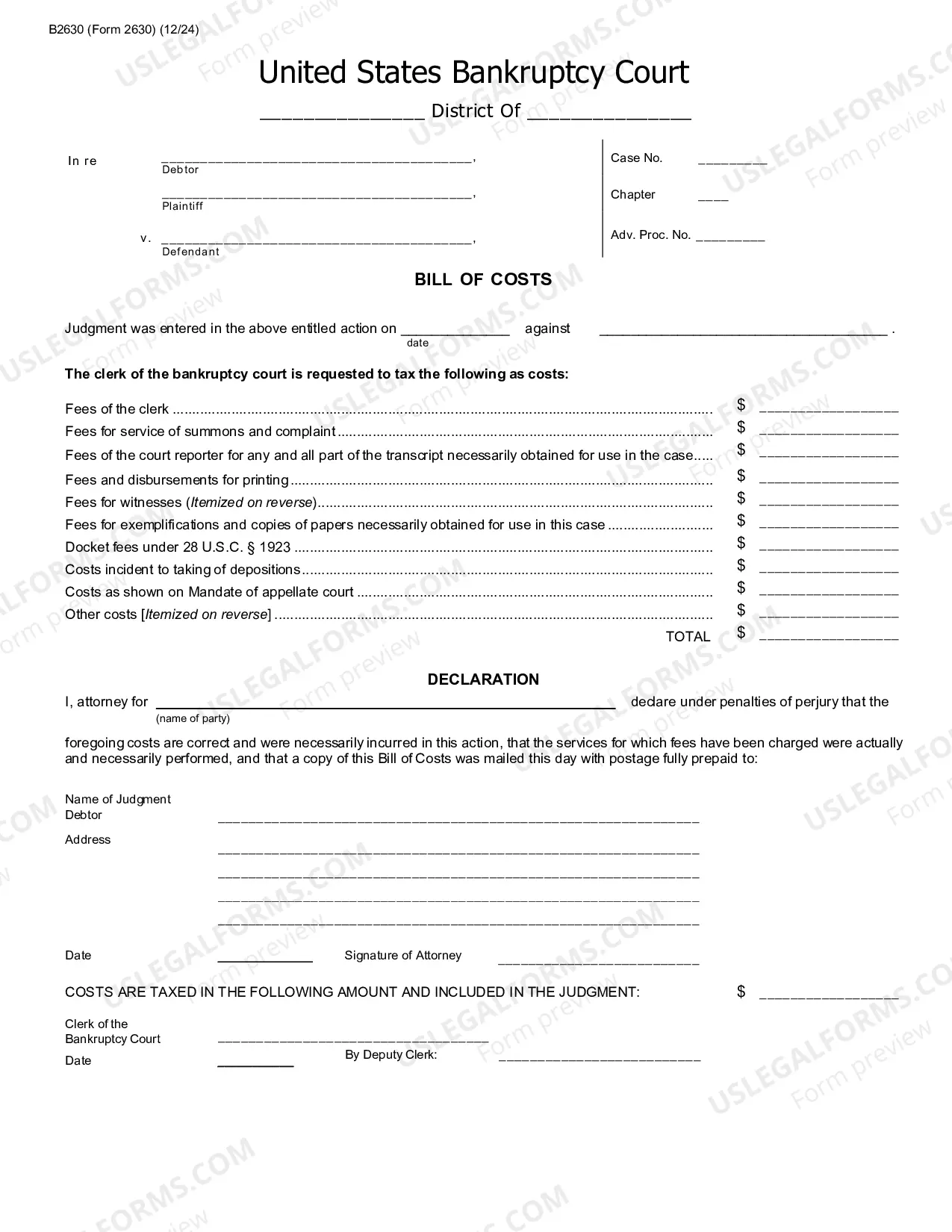
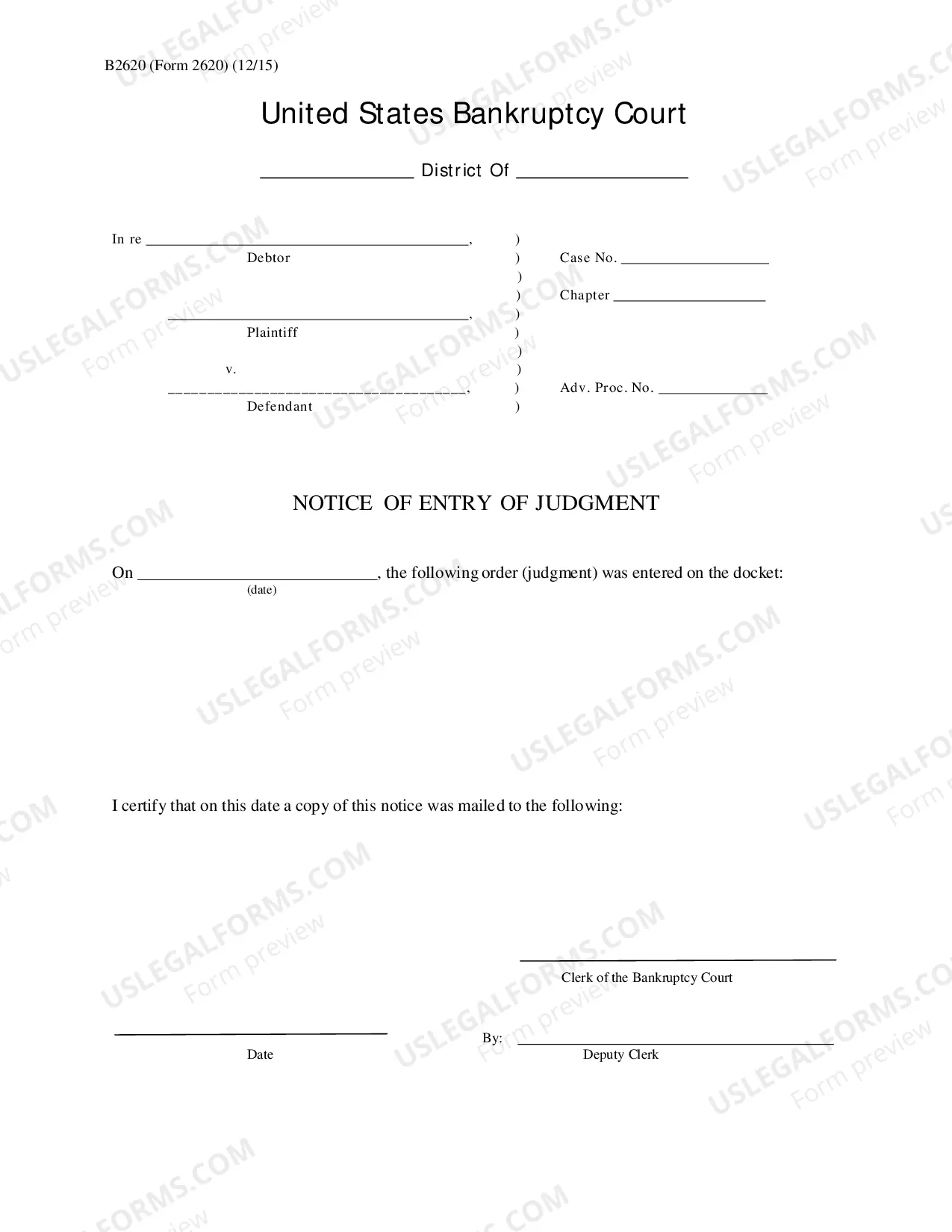
Motion of Defendant Requesting Court to Reconsider an Order and Notice of Motion to Plaintiff
What this document covers
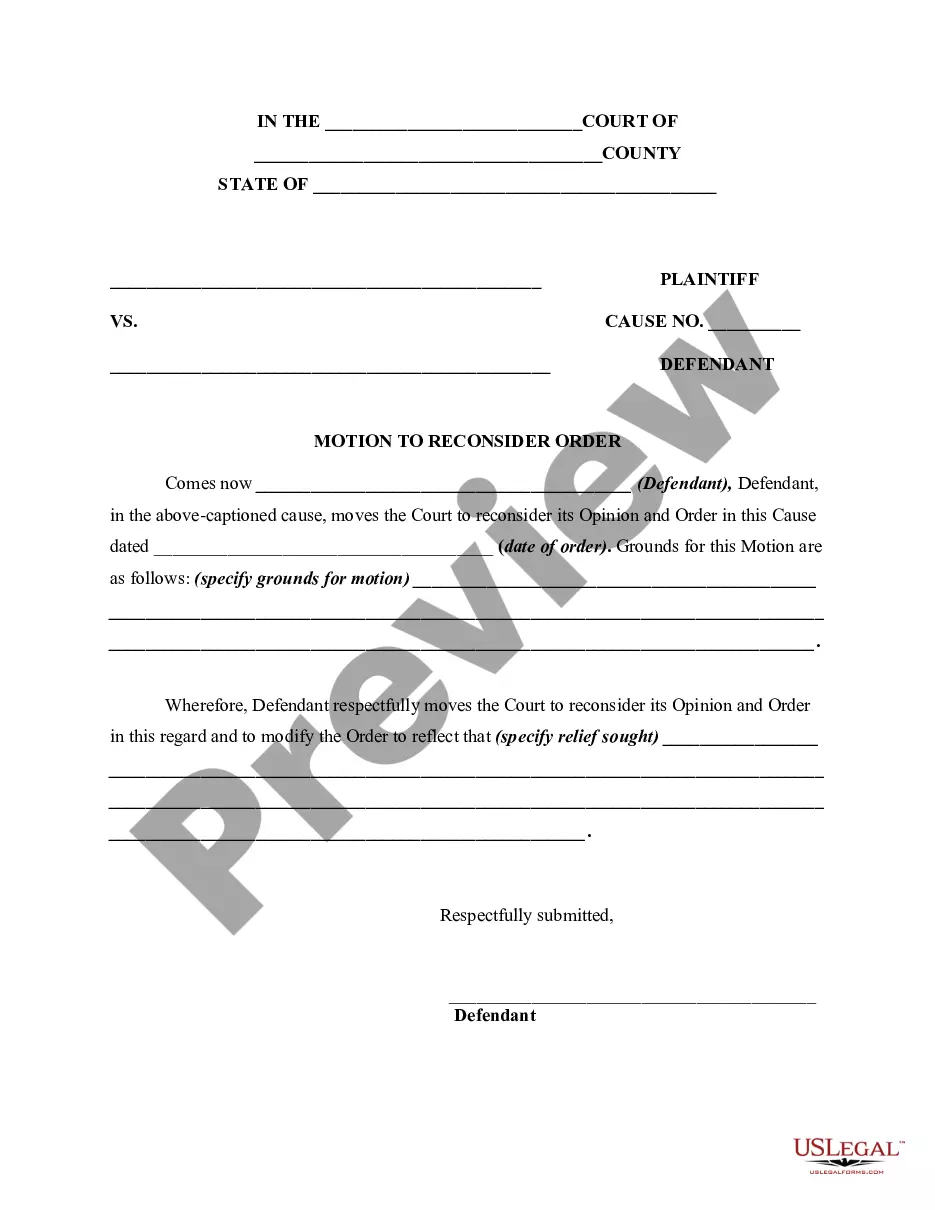
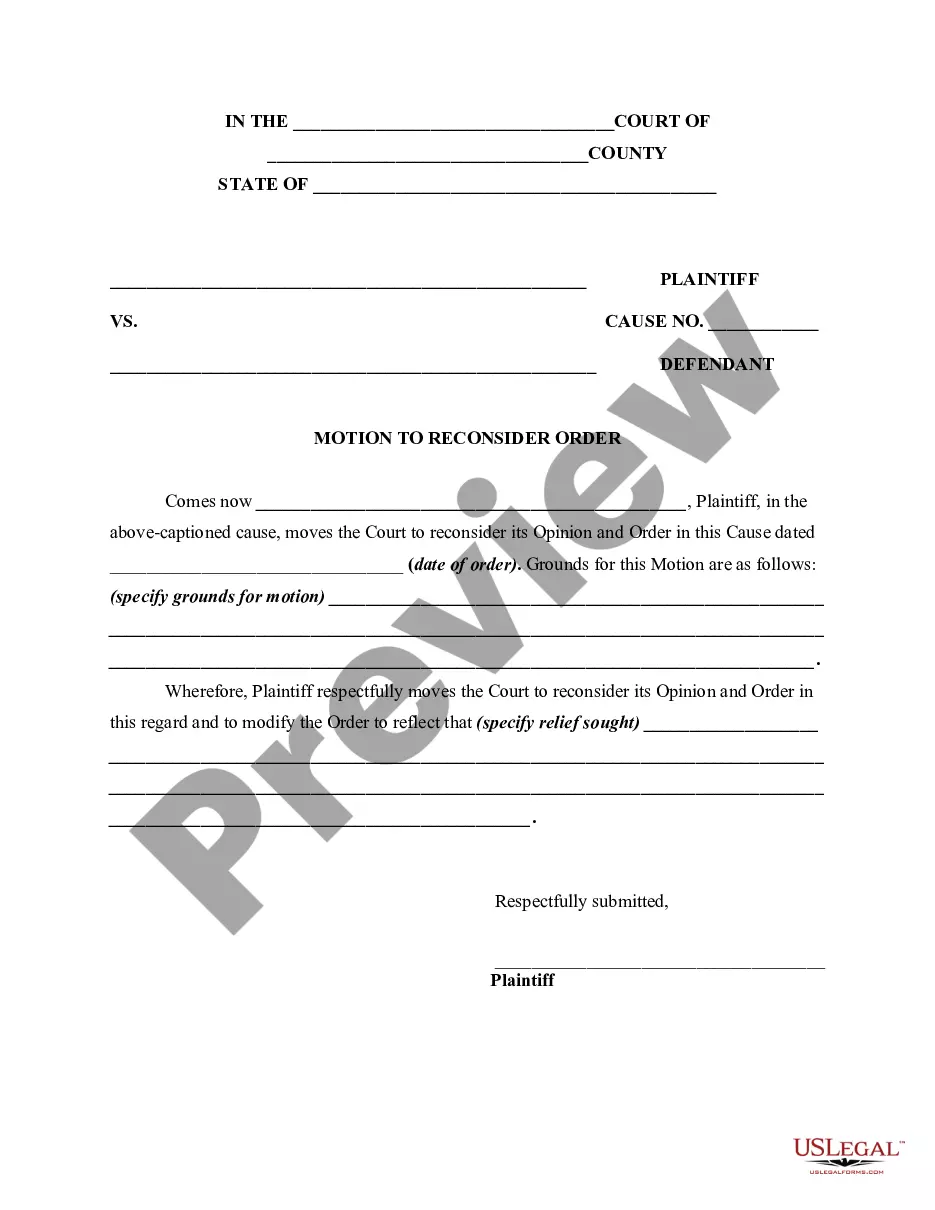
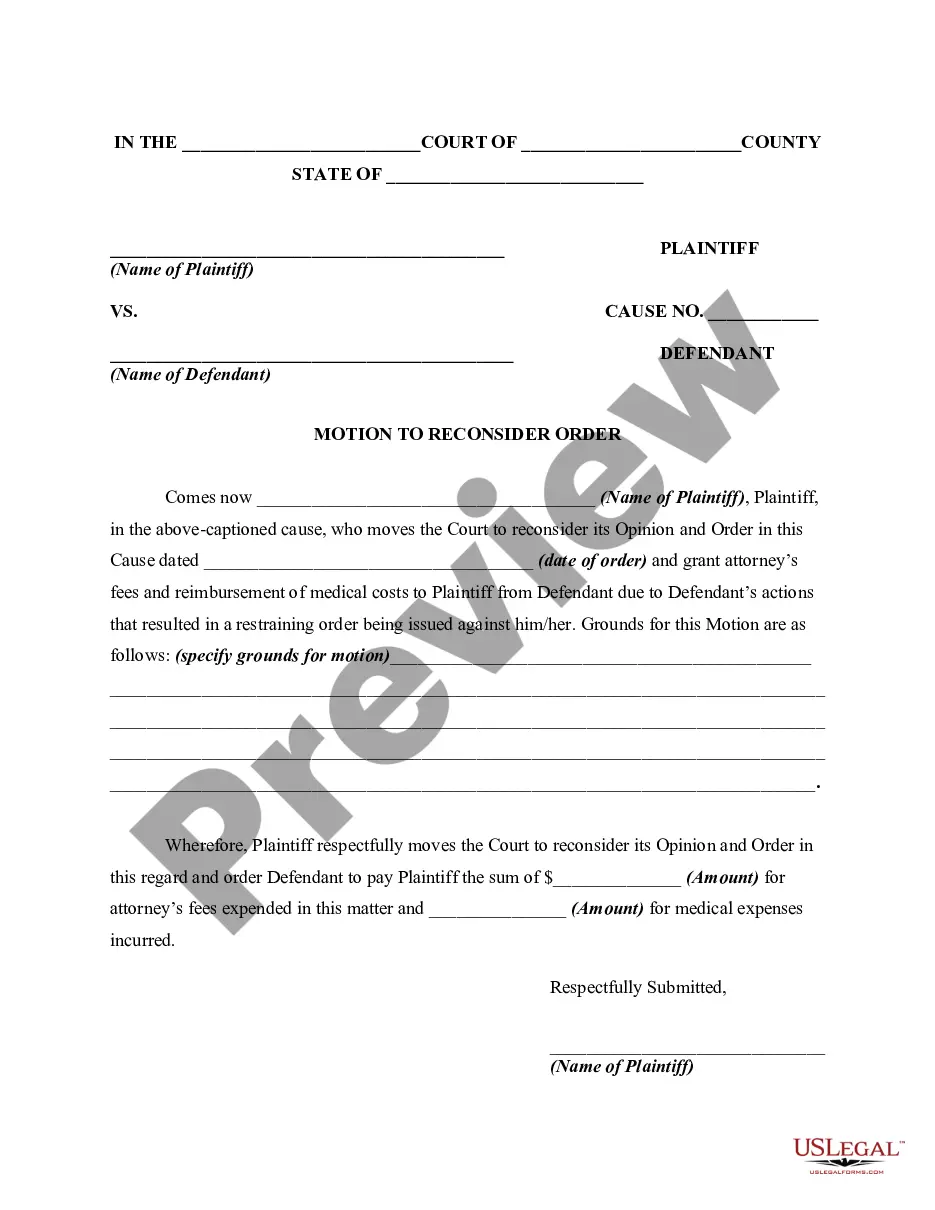
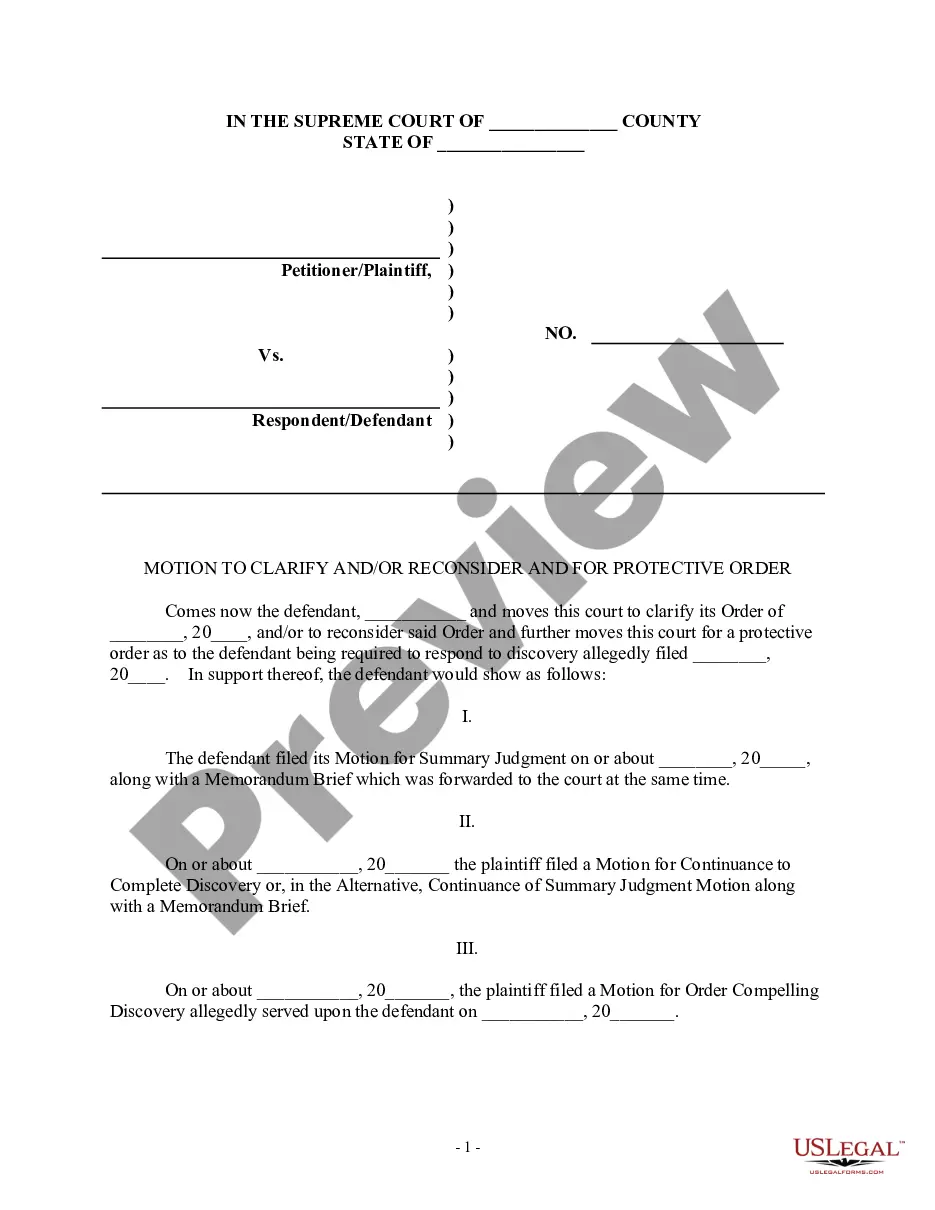
The Motion of Defendant Requesting Court to Reconsider an Order is a legal document that allows a defendant to formally ask a court to review and potentially change a prior decision. This motion is different from other claims or pleadings as it is specifically aimed at addressing an order that has already been made rather than initiating a new legal action. By submitting this motion, the defendant can present new information or arguments that may not have been considered previously.
Main sections of this form
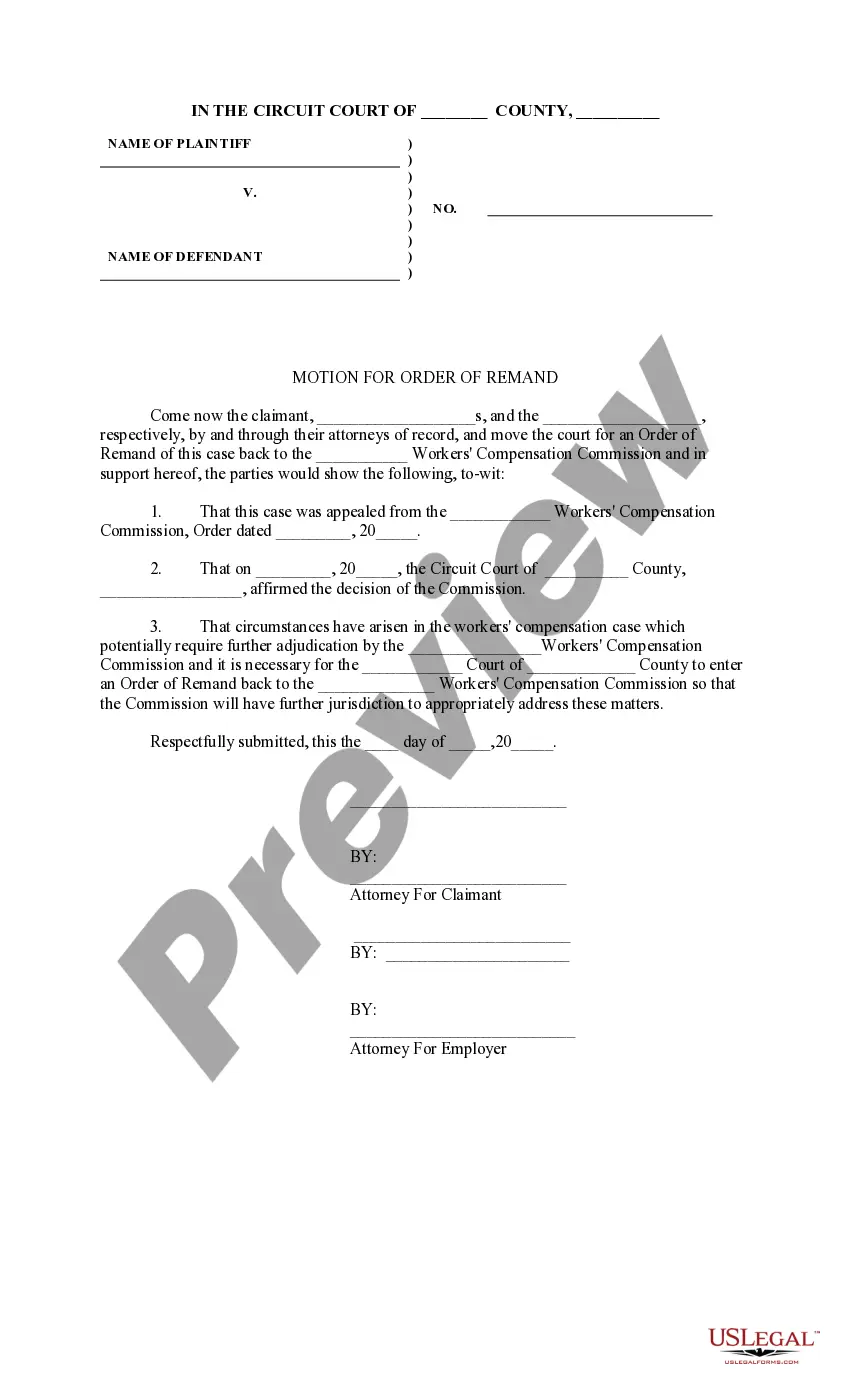
- Heading with case details including court information and parties involved.
- Grounds for the motion, specifying reasons why the court should reconsider its order.
- A request for specific relief or modification of the order.
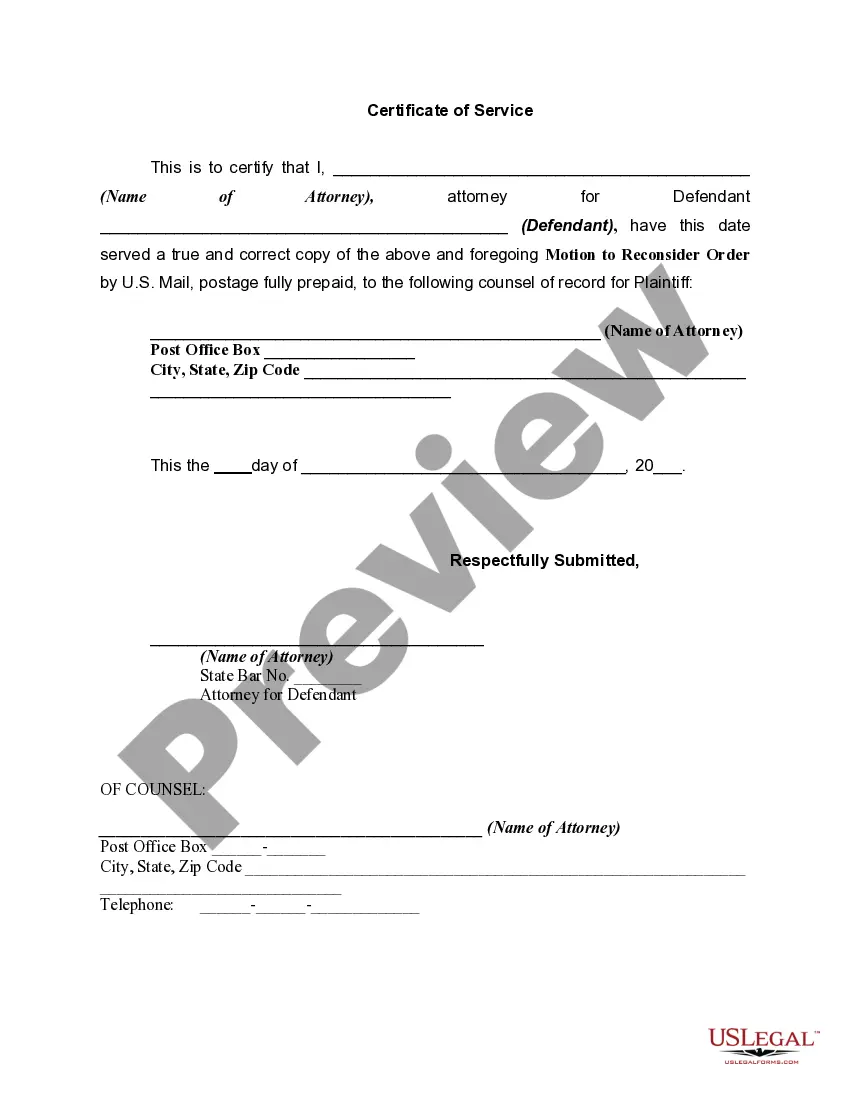
- Certificate of service, confirming delivery of the notice to the plaintiff's attorney.
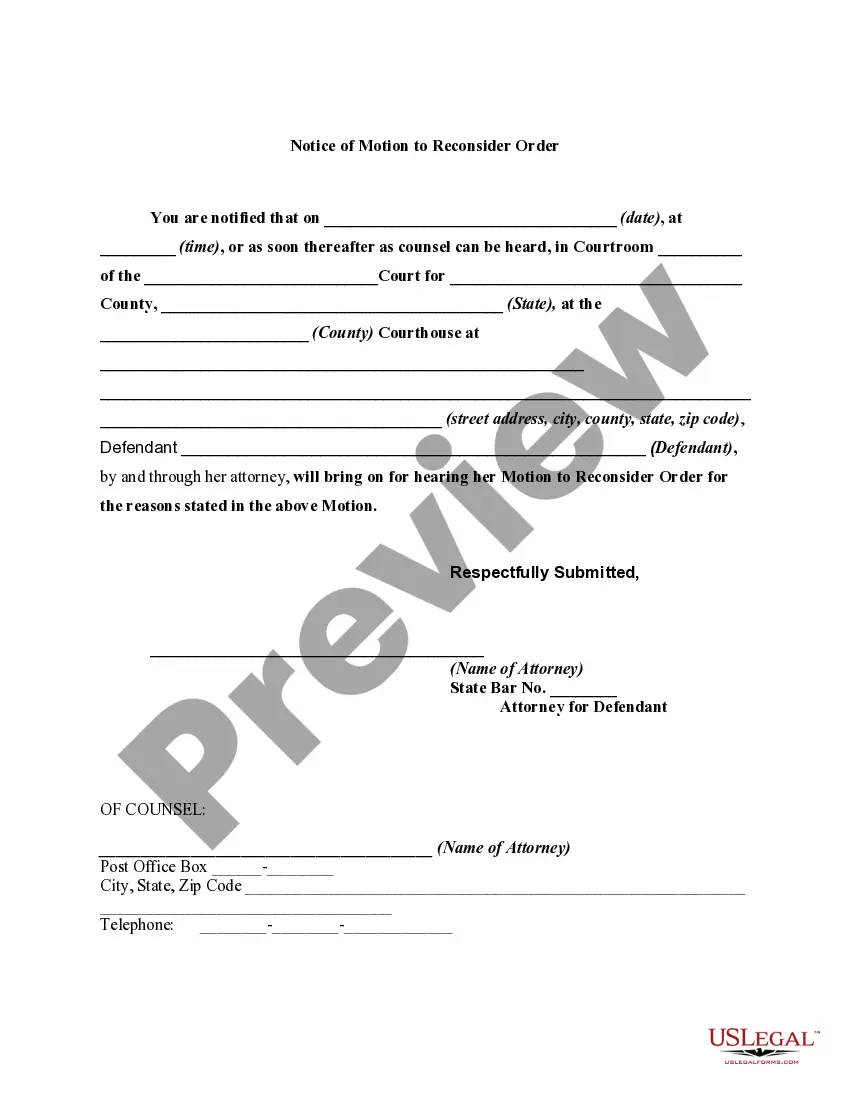
- Notice of the motion detailing the date, time, and place of the hearing.

When to use this form
This form should be used when a defendant believes that a court has made an error in its ruling or has overlooked important facts or arguments that would justify a different outcome. Situations may include unexpected evidence coming to light after a ruling, changes in circumstances, or legal errors in the original decision. Using this motion can help the defendant seek a fair reconsideration of the courtâs prior orders.
Who can use this document
- Defendants in legal proceedings who wish to contest a court's prior judgment.
- Individuals representing themselves in court (pro se litigants) who need to address a ruling.
- Attorneys acting on behalf of their clients to seek reconsideration of court decisions.
How to prepare this document
- Provide the case title, including the names of the plaintiff and defendant.
- Enter the case number and the date of the original order you want the court to reconsider.
- Clearly outline the grounds for your motion, detailing the reasons for the reconsideration.
- Specify the relief you are seeking from the court regarding the previous order.
- Include the necessary information for the certificate of service, confirming that the motion has been served to the plaintiff's attorney.
- Complete the notice of hearing section with the date, time, and location of the motion's hearing.
Does this document require notarization?
This form does not typically require notarization unless specified by local law. Always check with your local court to confirm any notarization requirements that may apply to your specific situation.
Get your form ready online
Our built-in tools help you complete, sign, share, and store your documents in one place.
Make edits, fill in missing information, and update formatting in US Legal Forms—just like you would in MS Word.
Download a copy, print it, send it by email, or mail it via USPS—whatever works best for your next step.
Sign and collect signatures with our SignNow integration. Send to multiple recipients, set reminders, and more. Go Premium to unlock E-Sign.
If this form requires notarization, complete it online through a secure video call—no need to meet a notary in person or wait for an appointment.
We protect your documents and personal data by following strict security and privacy standards.

Make edits, fill in missing information, and update formatting in US Legal Forms—just like you would in MS Word.

Download a copy, print it, send it by email, or mail it via USPS—whatever works best for your next step.

Sign and collect signatures with our SignNow integration. Send to multiple recipients, set reminders, and more. Go Premium to unlock E-Sign.

If this form requires notarization, complete it online through a secure video call—no need to meet a notary in person or wait for an appointment.

We protect your documents and personal data by following strict security and privacy standards.
Avoid these common issues
- Failing to specify clear grounds for reconsideration.
- Not adhering to local court rules regarding submission timelines.
- Incorrectly addressing or missing the certificate of service.
- Omitting necessary contact information for all parties involved.
Benefits of completing this form online
- Convenience of accessing and completing the form from home at any time.
- Editability allows users to customize the form according to their specific circumstances.
- Reliability of professionally drafted templates that ensure legal language is correct.
Legal use & context
- This motion is an important tool for defendants to correct potential judicial errors.
- While it is not an appeal, it serves as a way to challenge the courtâs interpretation of facts.
- Enforceability may depend on meeting specific procedural rules in your jurisdiction.
What to keep in mind
- The Motion of Defendant Requesting Court to Reconsider an Order is a vital legal tool for defendants seeking to modify court decisions.
- Clear and specific grounds for the motion are essential for consideration by the court.
- Proper completion and service of the form can significantly impact the outcome of the reconsideration request.
Looking for another form?

Form popularity
FAQ
A motion for reconsideration is a legal request that allows you to ask the judge to reconsider his/her ruling. Depending on your state's laws, a motion for reconsideration may be an option in situations:new evidence is available that you were not able to present before the judge made a decision.
Section 1. Filing of Motion for Reconsideration. - A party adversely affected by a final order, resolution, or decision of the Commission rendered in an adjudicative proceeding may, within fifteen (15) days from receipt of a copy thereof, file a motion for reconsideration.
An order denying a motion for reconsideration is not appealable, the remedy being an appeal from the judgment or final order.
Write a motion for reconsideration. You must explain why you think the ruling is wrong and the reason must be one of the nine reasons listed in Civil Rule 59(a) (on back of page). 2. File the motion within ten calendar days after the judge or court commissioner made the ruling.
You cannot appeal a court decision simply because you are unhappy with the outcome; you must have a legal ground to file the appeal. If the judge in your case made a mistake or abused his/her discretion, then you might have grounds to file an appeal.
Grounds of and period for filing motion for reconsideration. Within the period for taking an appeal, the aggrieved party may move for reconsideration upon the grounds that the evidence is insufficient to justify the decision or final order, or that the decision or final order is contrary to law.
Just as with your motion to stay, begin your motion for reconsideration by stating who you are, what you are asking of the judge, and which rule gives you permission to ask. From there on out, use the rule itself as a general outline for your motion.