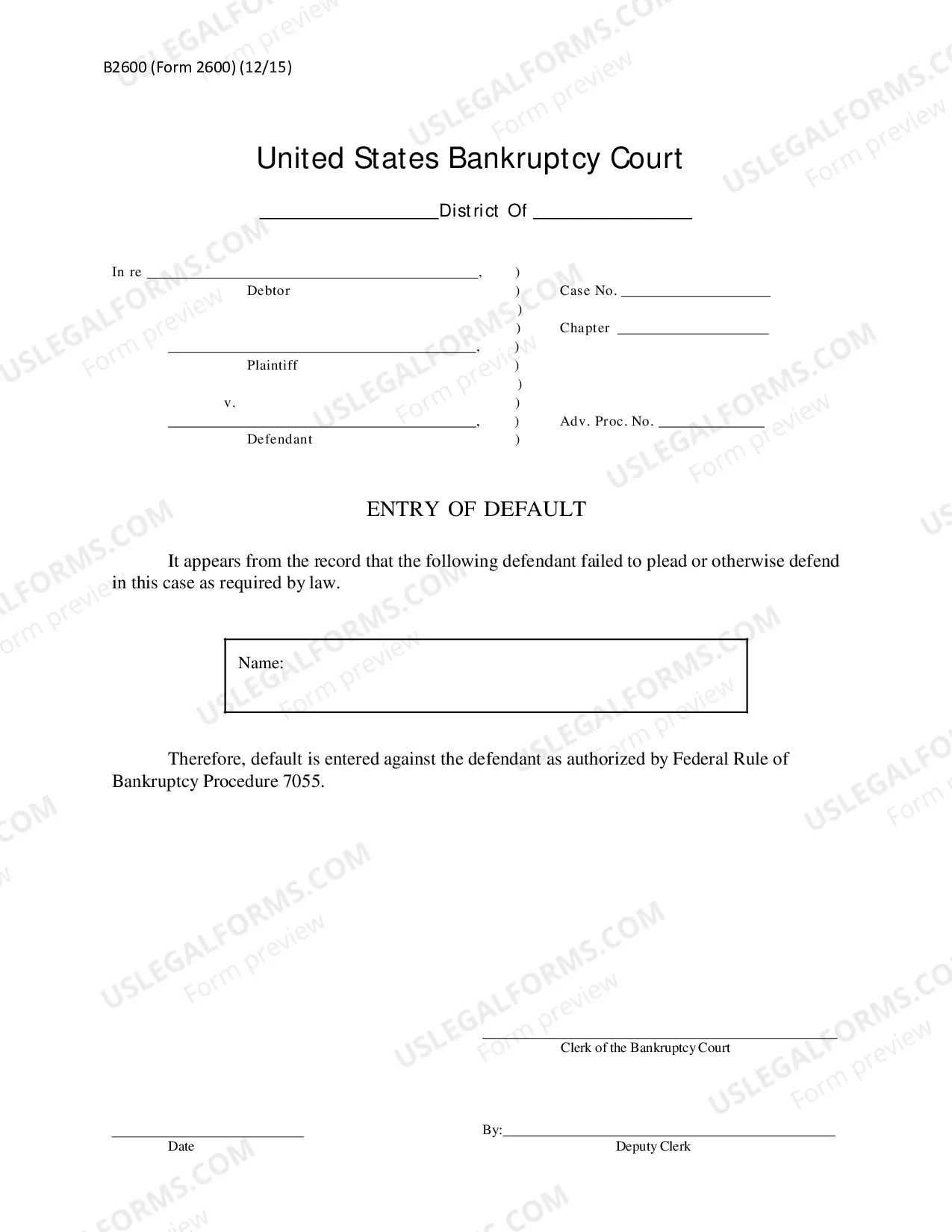
Motion of Plaintiff Requesting Court to Reconsider an Order and Notice of Motion to Defendant
Understanding this form
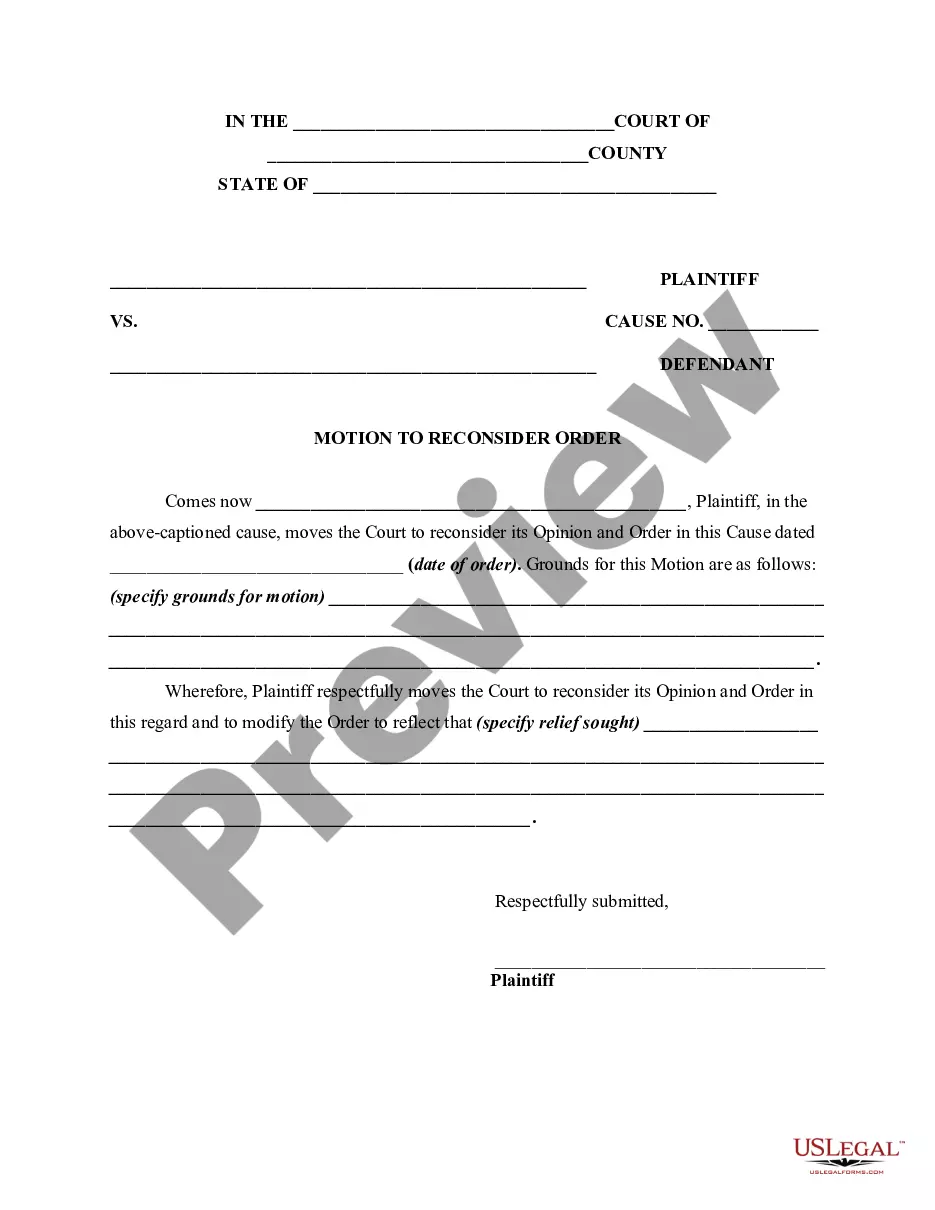
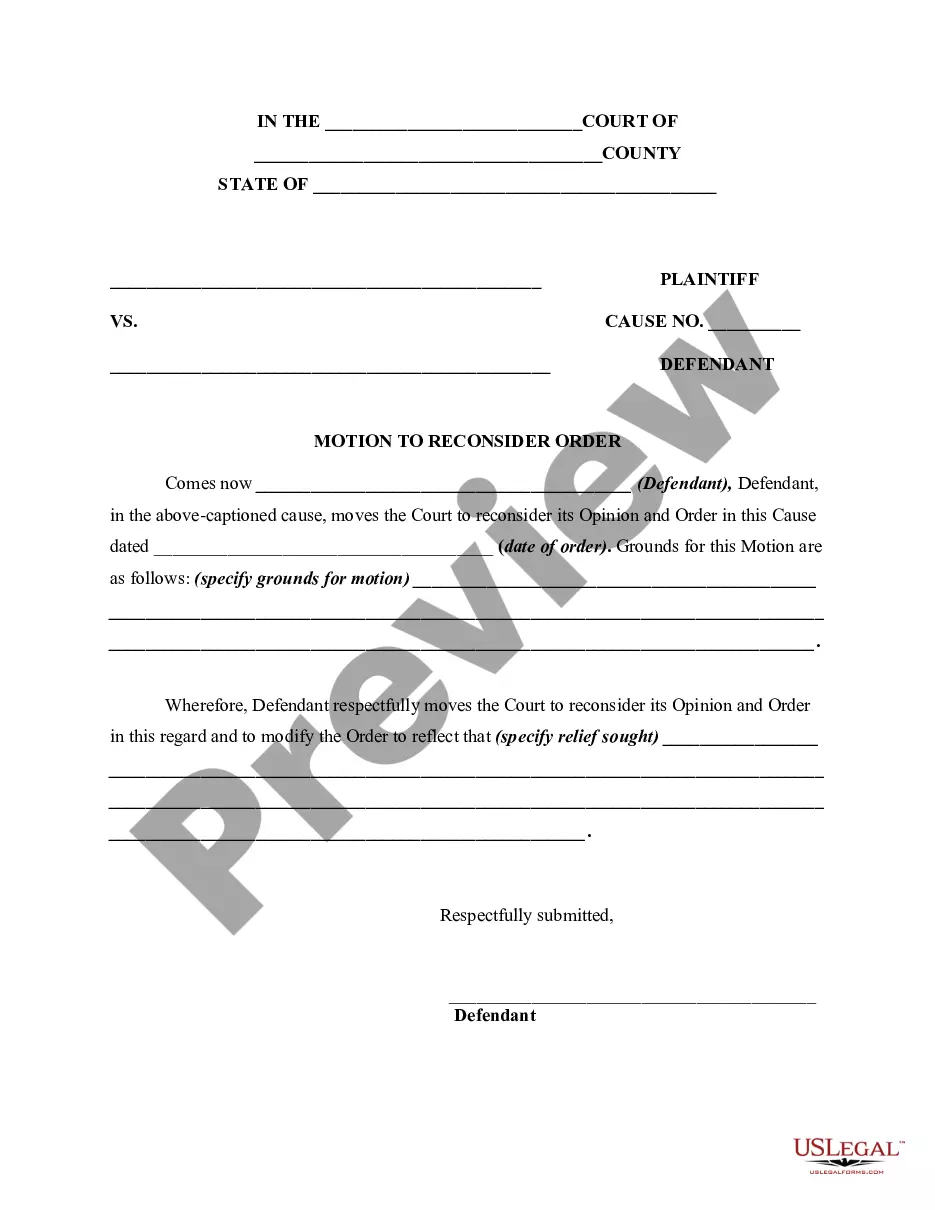
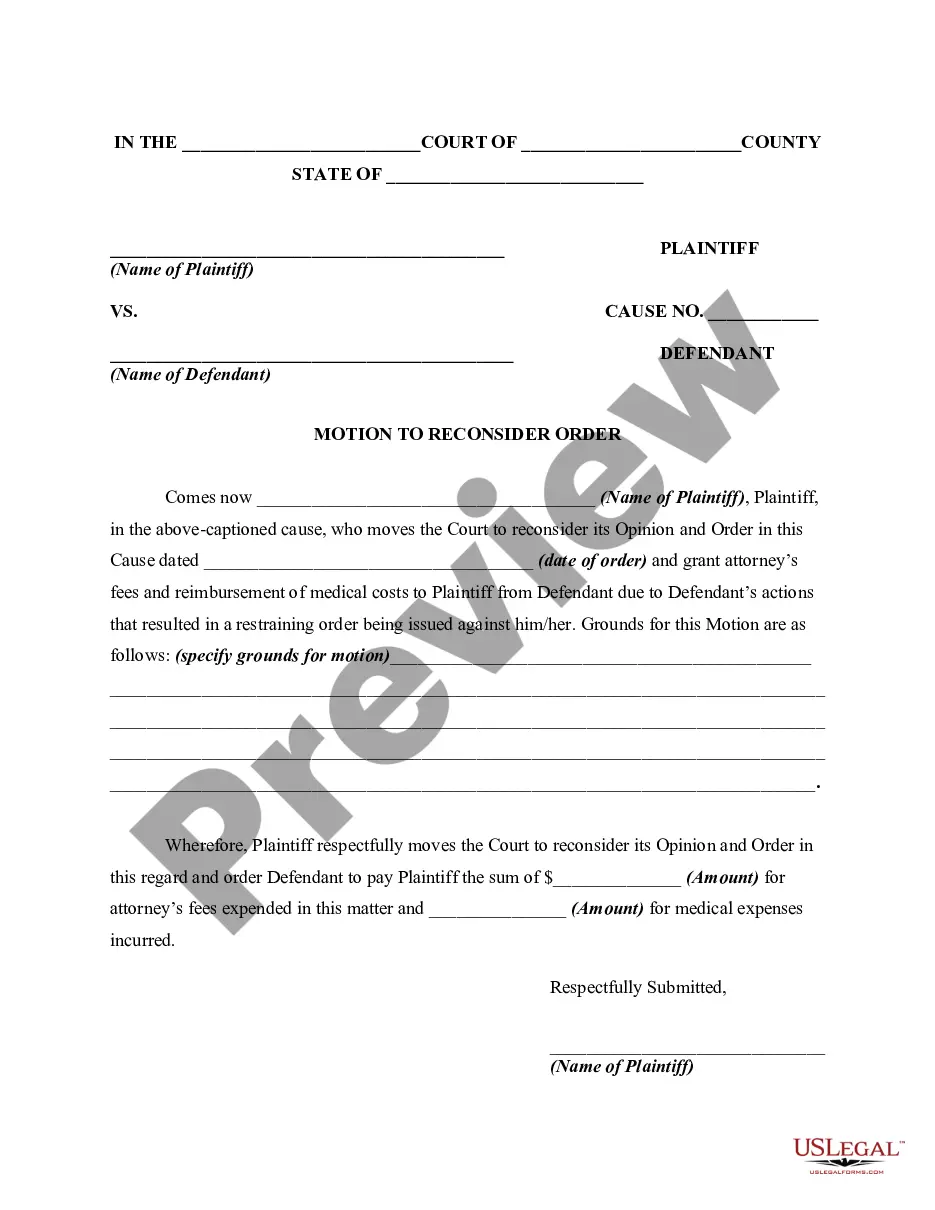
The Motion of Plaintiff Requesting Court to Reconsider an Order is a legal document used by a plaintiff to formally ask a court to review and potentially alter a prior order. This motion is different from other forms as it specifically targets an existing court ruling and articulates the reasons for the requested reconsideration, allowing for changes based on new evidence or errors in judgment.
Key components of this form
- Case caption, including the names of the parties involved and the cause number
- Statement from the plaintiff requesting the court to reconsider its previous order
- Specification of the grounds for the motion
- Details on the relief sought from the court
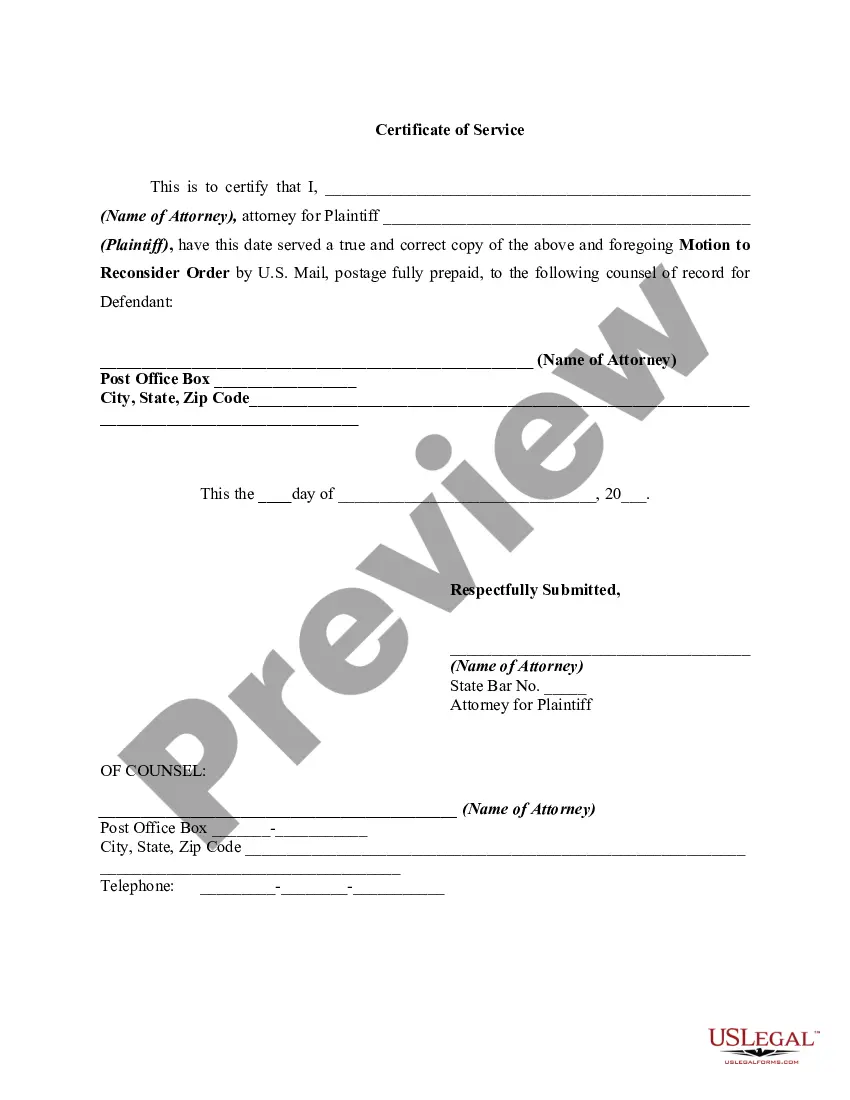
- Certificate of service confirming distribution of the motion to the defendant's counsel
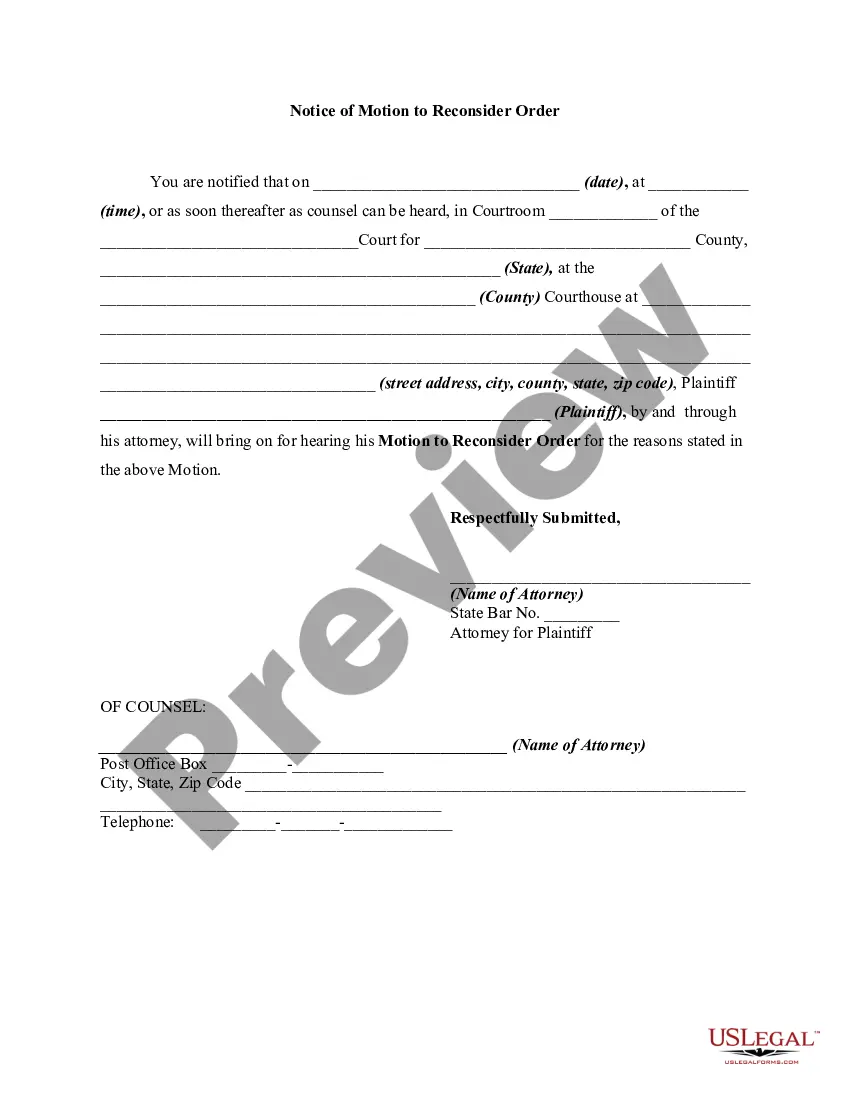
- Notice of motion outlining the hearing date and location

When this form is needed
This form should be used when a plaintiff believes the court's previous order was incorrect due to oversight, new evidence, or a change in circumstances that may warrant a change in the court's decision. Common situations include cases where the plaintiff feels their arguments were not adequately considered or new facts have emerged that could affect the outcome of the case.
Who should use this form
- Individuals or entities acting as plaintiffs in a legal proceeding
- Attorneys representing plaintiffs seeking to challenge a court order
- Parties to a case who have recently received an unfavorable ruling
Completing this form step by step
- Identify the names of the plaintiff and defendant, along with the case number, at the top of the form.
- Specify the date of the previous court order that you are requesting to be reconsidered.
- Clearly outline the grounds for your motion, detailing any errors or new evidence that supports your request.
- State the specific relief you are asking the court to grant in your motion.
- Sign the form as the plaintiff and provide your attorney's information if applicable.
- Attach the Certificate of Service and Notice of Motion to ensure proper notification to the defendant.
Does this document require notarization?
In most cases, this form does not require notarization. However, some jurisdictions or signing circumstances might. US Legal Forms offers online notarization powered by Notarize, accessible 24/7 for a quick, remote process.
Get your form ready online
Our built-in tools help you complete, sign, share, and store your documents in one place.
Make edits, fill in missing information, and update formatting in US Legal Forms—just like you would in MS Word.
Download a copy, print it, send it by email, or mail it via USPS—whatever works best for your next step.
Sign and collect signatures with our SignNow integration. Send to multiple recipients, set reminders, and more. Go Premium to unlock E-Sign.
If this form requires notarization, complete it online through a secure video call—no need to meet a notary in person or wait for an appointment.
We protect your documents and personal data by following strict security and privacy standards.

Make edits, fill in missing information, and update formatting in US Legal Forms—just like you would in MS Word.

Download a copy, print it, send it by email, or mail it via USPS—whatever works best for your next step.

Sign and collect signatures with our SignNow integration. Send to multiple recipients, set reminders, and more. Go Premium to unlock E-Sign.

If this form requires notarization, complete it online through a secure video call—no need to meet a notary in person or wait for an appointment.

We protect your documents and personal data by following strict security and privacy standards.
Common mistakes to avoid
- Failing to specify clear grounds for reconsideration.
- Omitting the relevant case number or date of the previous order.
- Not including the Certificate of Service documentation.
- Missing the filing deadlines set by the court.
- Using legal jargon without explanation, which can confuse the reader.
Advantages of online completion
- Convenience of downloading and filling out the form at any time.
- Editability allows for easy customization to meet your specific needs.
- Access to templates drafted by licensed attorneys ensures legal reliability.
Looking for another form?
Form popularity
FAQ
A motion on an appeal decision is a request for the official who made the latest decision in the proceeding (i.e., the AAT adjudicator) to review the unfavorable decision.
You simply need to request that the court deny the defendant's motion to dismiss. For example, you could write the following: For the foregoing reasons and all the others discussed in Plaintiff's Complaint, the present Motion to Dismiss should be denied.
Section 1. Filing of Motion for Reconsideration. - A party adversely affected by a final order, resolution, or decision of the Commission rendered in an adjudicative proceeding may, within fifteen (15) days from receipt of a copy thereof, file a motion for reconsideration.
Fill out the forms. You have to fill out at least 2 forms, maybe more, to file your opposition. File the forms. Turn in your completed forms by mail or efiling. Serve the other party. Get ready for the hearing. Prepare an order.
Just as with your motion to stay, begin your motion for reconsideration by stating who you are, what you are asking of the judge, and which rule gives you permission to ask. From there on out, use the rule itself as a general outline for your motion.
Overview. If one party to a case has filed a motion with the court, the other side can file an opposition. An opposition is a written statement explaining to the judge why the other side is not entitled to whatever he is asking for in his motion. It is your opportunity to oppose the other side's request.
An order denying a motion for reconsideration is not appealable, the remedy being an appeal from the judgment or final order.
Write a motion for reconsideration. You must explain why you think the ruling is wrong and the reason must be one of the nine reasons listed in Civil Rule 59(a) (on back of page). 2. File the motion within ten calendar days after the judge or court commissioner made the ruling.