Notice of Intent to Sue Publisher for Libel
What is this form?
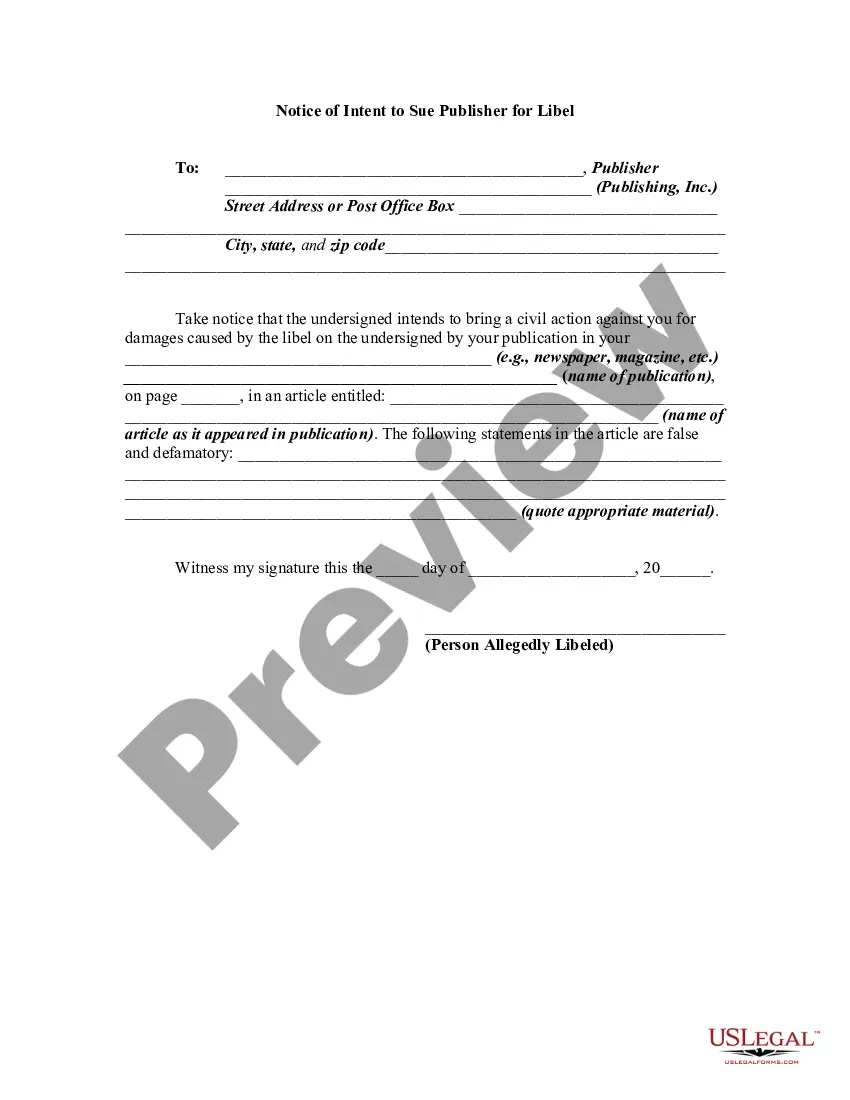
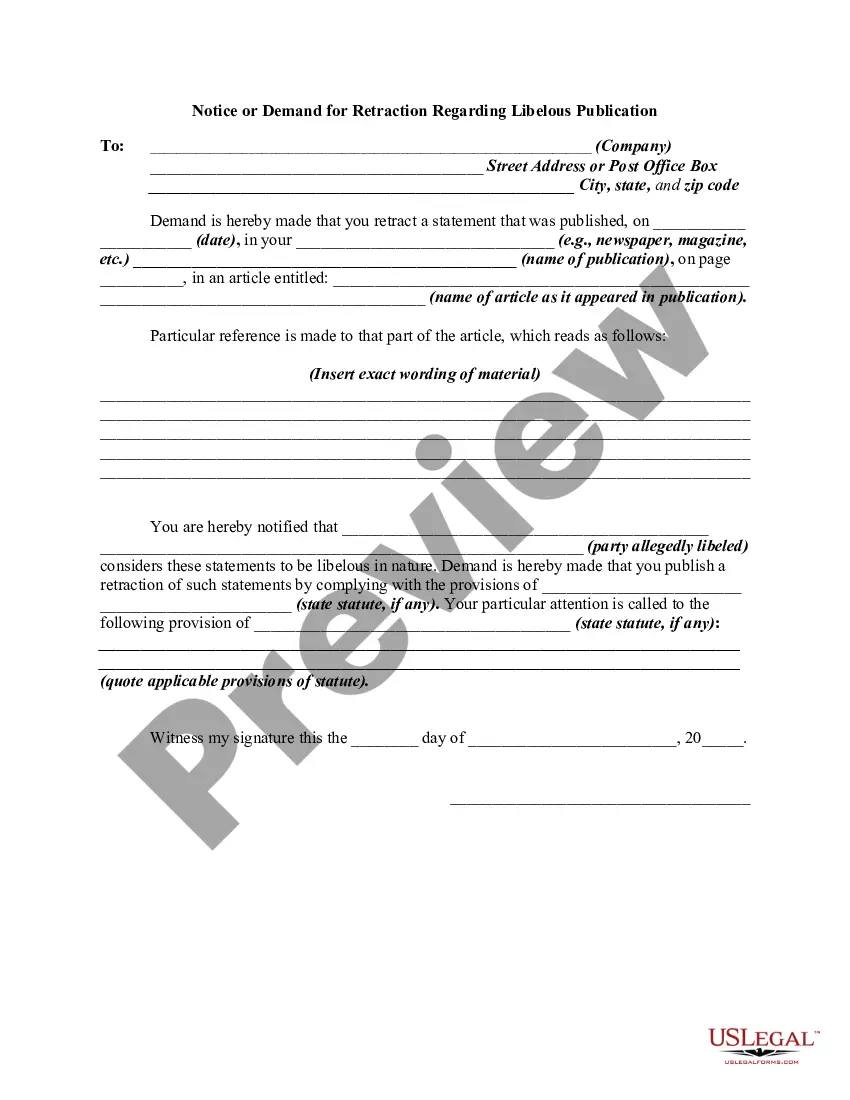
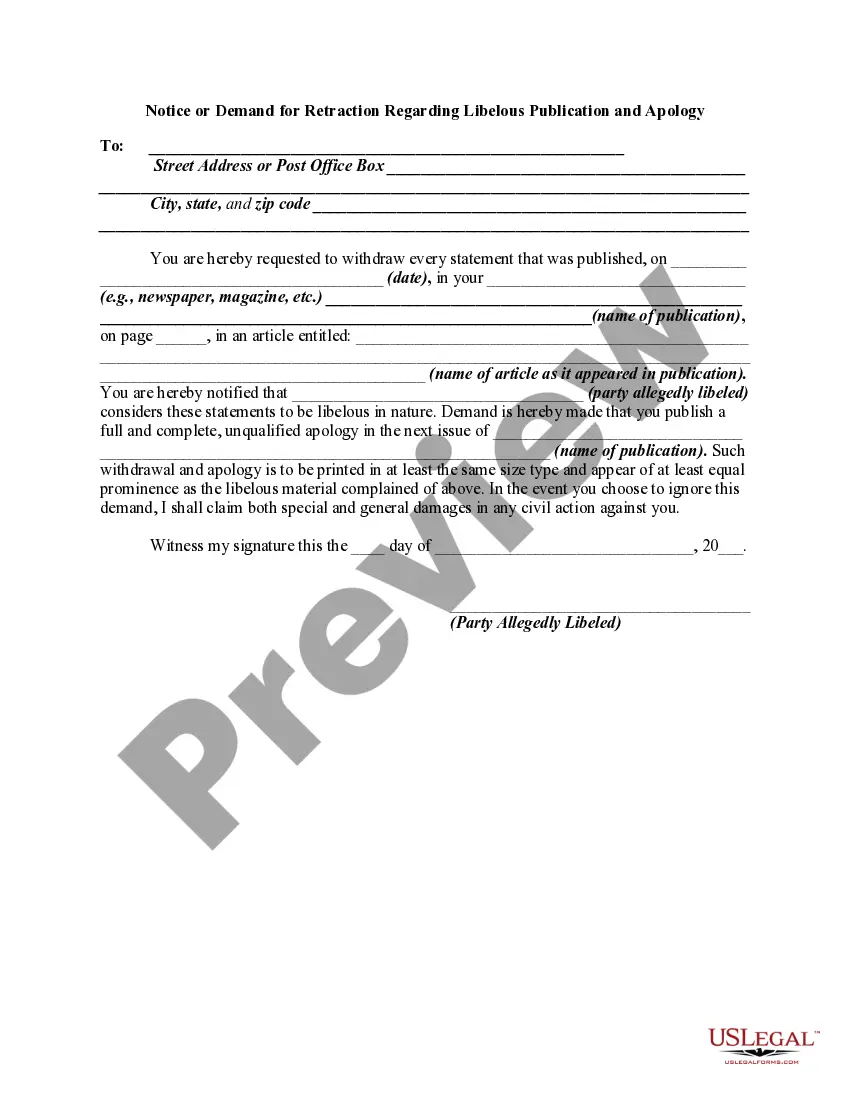
The Notice of Intent to Sue Publisher for Libel is a formal communication that informs a publisher about your intention to take legal action due to defamatory statements published about you. This form serves as an initial step in the legal process, allowing you to clearly articulate your grievances concerning written statements that you believe have harmed your reputation. Unlike other legal forms, this document specifically addresses libel, a subset of defamation related to written content, ensuring your intent to sue is adequately documented.
What’s included in this form
- Publisher's name and address
- Name of the publication where the alleged libel occurred
- Date and page number of the publication
- Title of the article containing defamatory statements
- Details of the statements that are deemed false and harmful
- Signature of the person allegedly libeled
Situations where this form applies
This form is used when an individual believes that a publisher has made false statements about them in a written publication, resulting in damage to their reputation. You would typically employ this notice if you are preparing to file a lawsuit for libel and need to formally notify the publisher of your intent to seek damages. Using this notice can help address the issue directly with the publisher before escalating to litigation.
Who this form is for
- Individuals who have been defamed through written publications
- People seeking to formally notify a publisher of their intent to sue for libel
- Anyone considering legal action for damages to their reputation due to false statements
Instructions for completing this form
- Identify the publisher and their publication details at the top of the form.
- Specify the name of the article and the publication where the libelous statements appeared.
- Clearly quote the false and defamatory statements that you are contesting.
- Provide the date you are signing the notice.
- Sign the document to affirm your intent to take legal action.
Does this document require notarization?
Notarization is generally not required for this form. However, certain states or situations might demand it. You can complete notarization online through US Legal Forms, powered by Notarize, using a verified video call available anytime.
Get your form ready online
Our built-in tools help you complete, sign, share, and store your documents in one place.
Make edits, fill in missing information, and update formatting in US Legal Forms—just like you would in MS Word.
Download a copy, print it, send it by email, or mail it via USPS—whatever works best for your next step.
Sign and collect signatures with our SignNow integration. Send to multiple recipients, set reminders, and more. Go Premium to unlock E-Sign.
If this form requires notarization, complete it online through a secure video call—no need to meet a notary in person or wait for an appointment.
We protect your documents and personal data by following strict security and privacy standards.

Make edits, fill in missing information, and update formatting in US Legal Forms—just like you would in MS Word.

Download a copy, print it, send it by email, or mail it via USPS—whatever works best for your next step.

Sign and collect signatures with our SignNow integration. Send to multiple recipients, set reminders, and more. Go Premium to unlock E-Sign.

If this form requires notarization, complete it online through a secure video call—no need to meet a notary in person or wait for an appointment.

We protect your documents and personal data by following strict security and privacy standards.
Avoid these common issues
- Failing to include accurate publication information.
- Not specifying the defamatory statements clearly.
- Omitting the date of publication or the article title.
- Not signing the notice before submitting it.
Benefits of completing this form online
- Immediate access to a professionally drafted legal form.
- Convenient download options that allow for easy editing.
- Secure and reliable format, ensuring your legal documents are correct and compliant.
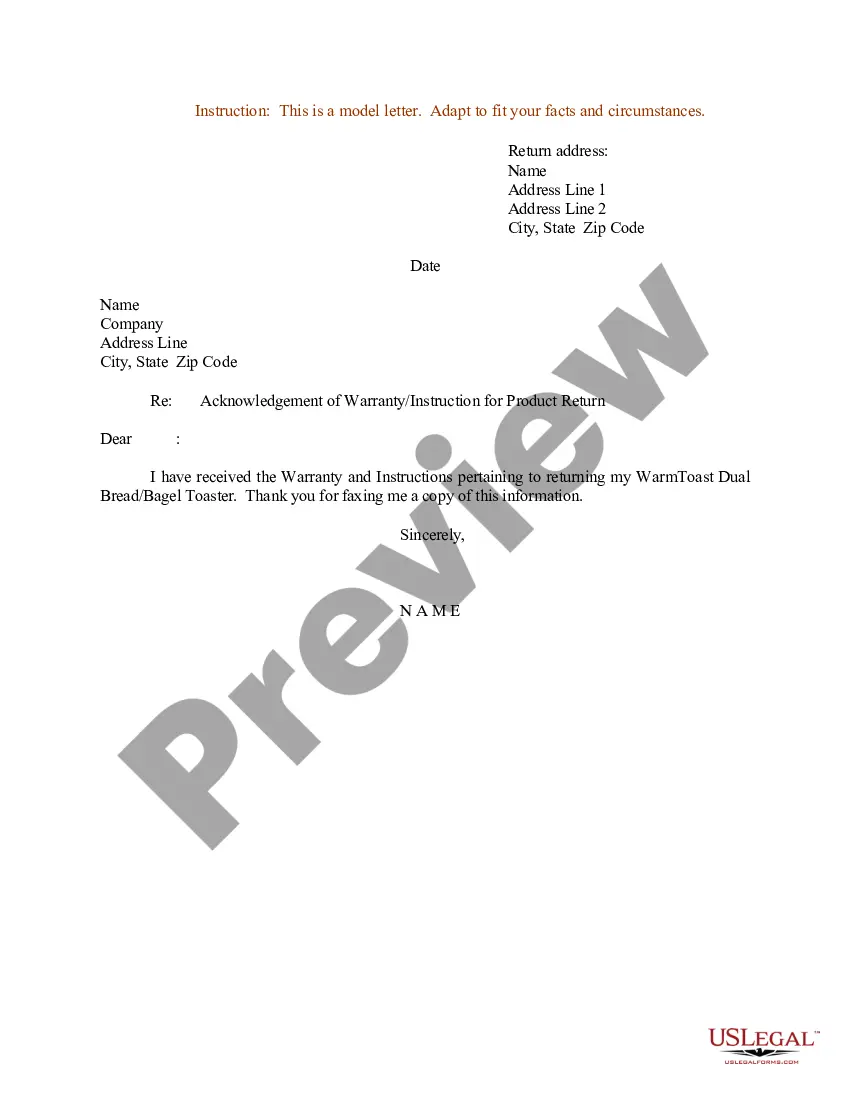
Looking for another form?



Form popularity
FAQ
Step 1 Sender and Effective Date. (1) Sender's Name and Address; and. Step 2 Being Sent to and Reason for the Lawsuit. (3) Name of the Person or Entity to who the letter is being sent; Step 3 The Parties and Settlement Demand. Step 4 Governing Law and Signature.
Someone made a false, defamatory statement about you knowing it was a false statement. The statement does not fall in any privileged category. The person who published it acted negligently when they published the statement. You were harmed by the statement.
To prove prima facie defamation, a plaintiff must show four things: 1) a false statement purporting to be fact; 2) publication or communication of that statement to a third person; 3) fault amounting to at least negligence; and 4) damages, or some harm caused to the person or entity who is the subject of the statement.
When someone says something that damages your reputation, it might be worthwhile to sue for defamation. "It takes many good deeds to build a good reputation and only one bad one to lose it," according to Benjamin Franklin. Defamation law recognizes this.
When it comes to lawsuits, a defamation case can be very challenging. For example, unless you hire an attorney who works on a pro bono basis, this type of lawsuit can be costly. The reason for this is that to win, there is a lot of fact-finding involved, which often requires the assistance of an expert.
Unlike the traditional meaning of the word "published," a defamatory statement does not need to be printed. Rather, a statement heard over the television or seen scrawled on someone's door is considered to be published.Falsity - Defamation law will only consider statements defamatory if they are, in fact, false.
The standard case is resolved for an average total of $15,000. But, this amount is not billed all at once, so monthly costs tend to run from $1,000 to $3,000 per month. Of course, some cases are resolved more affordably, and others get more expensive.
To prove prima facie defamation, a plaintiff must show four things: 1) a false statement purporting to be fact; 2) publication or communication of that statement to a third person; 3) fault amounting to at least negligence; and 4) damages, or some harm caused to the person or entity who is the subject of the statement.
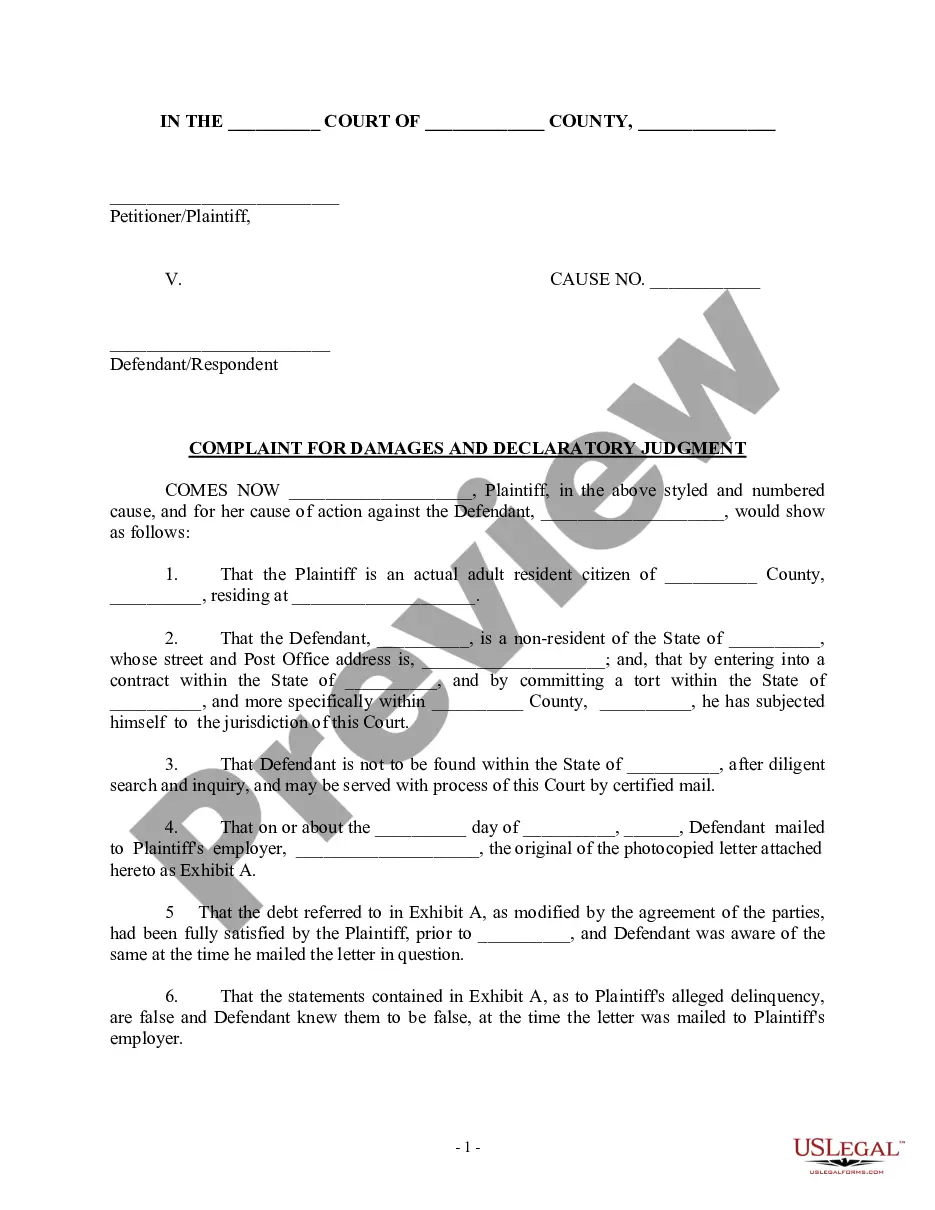
The Complaint Starts the Case. Once you've met with your attorney and he or she has done some initial investigation that indicates you have a viable case, a Complaint will be filed in your state's civil court system. Service, Answer, and Discovery. Depositions.