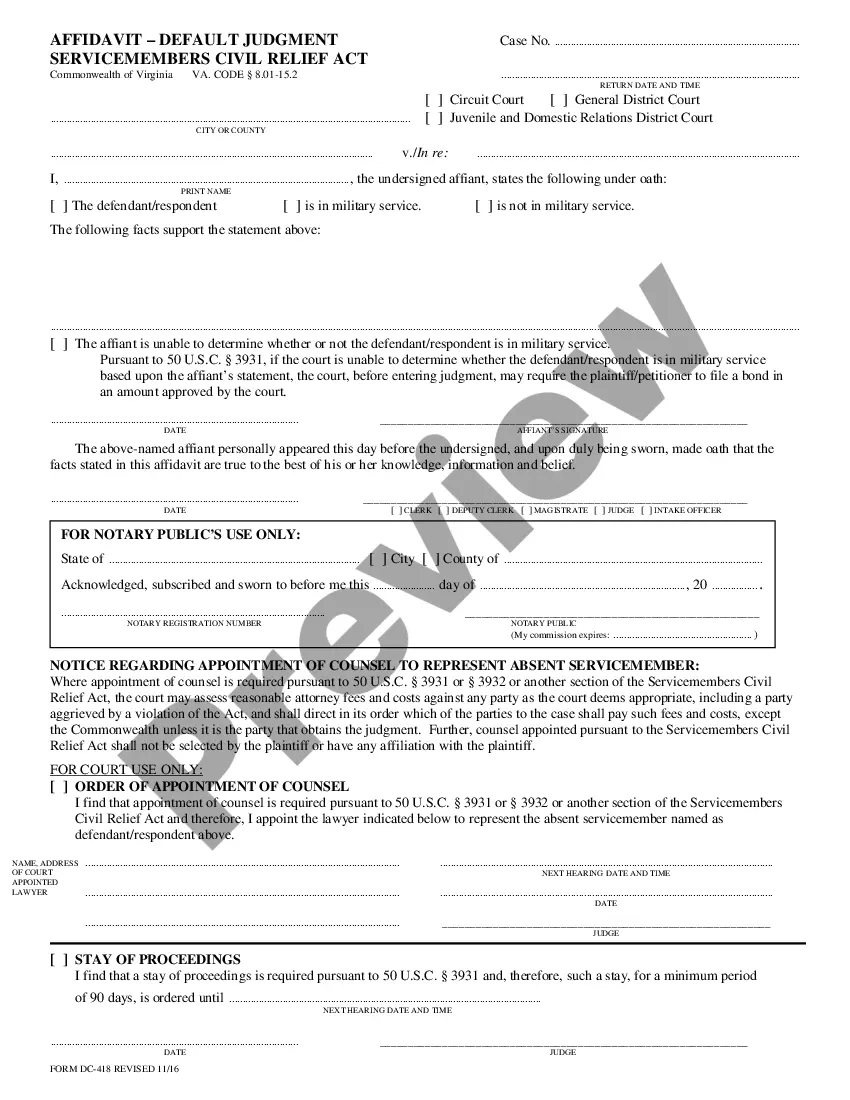
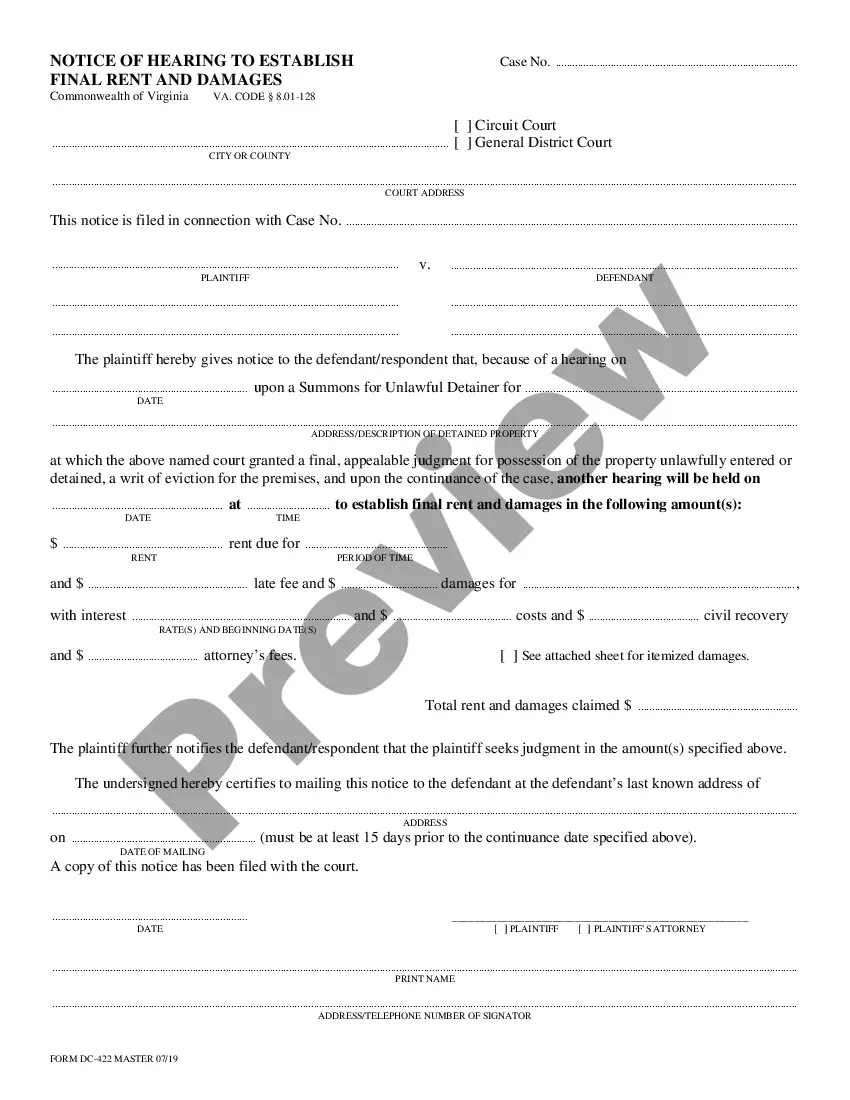
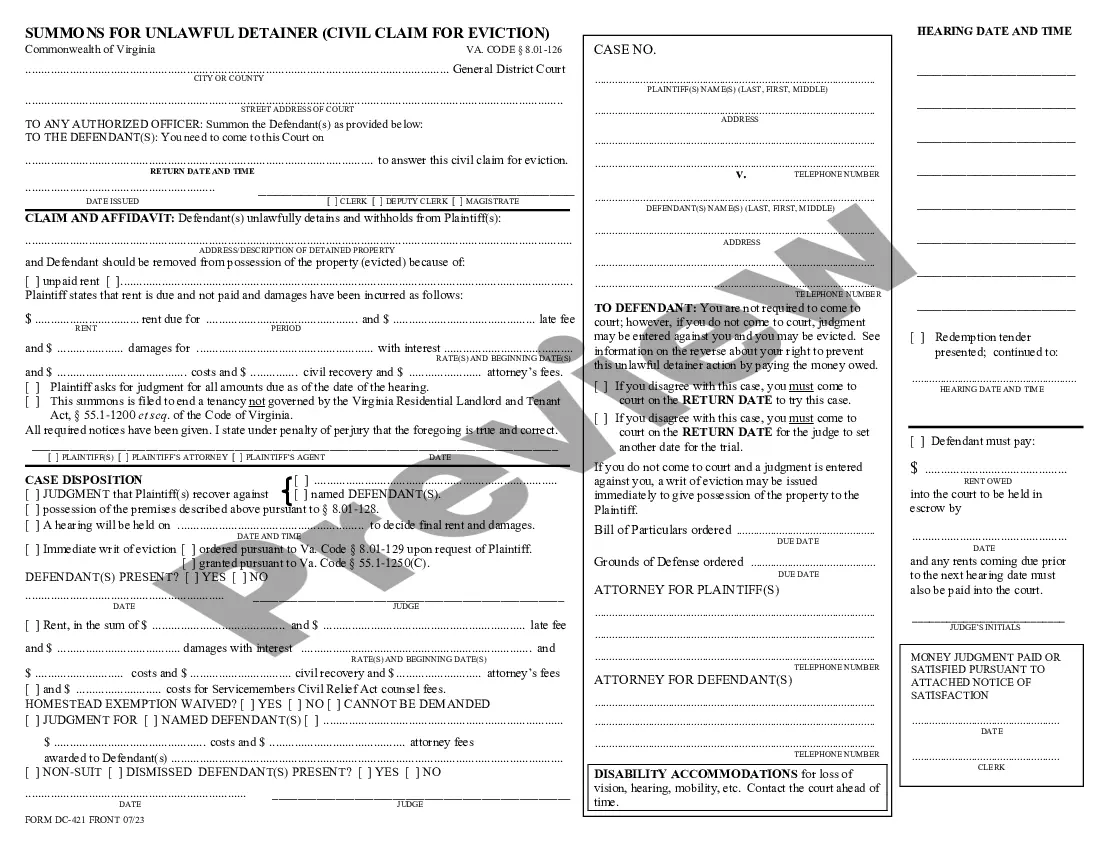
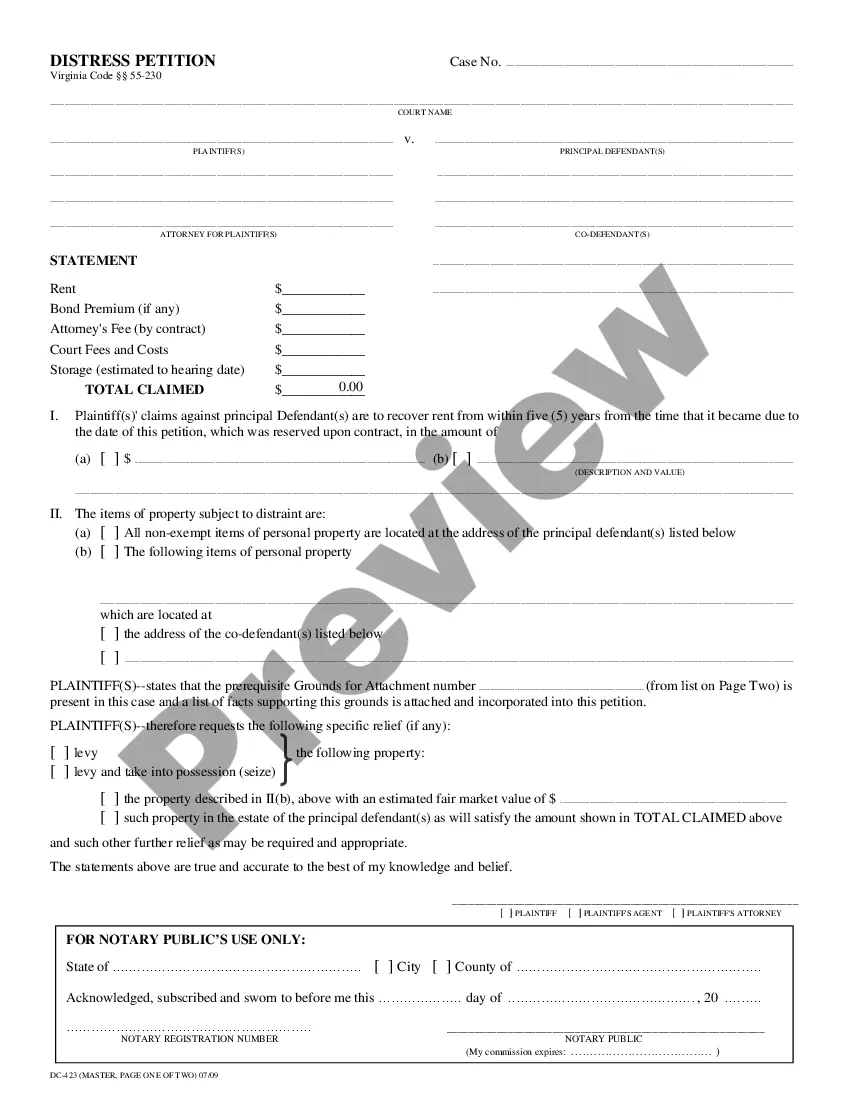
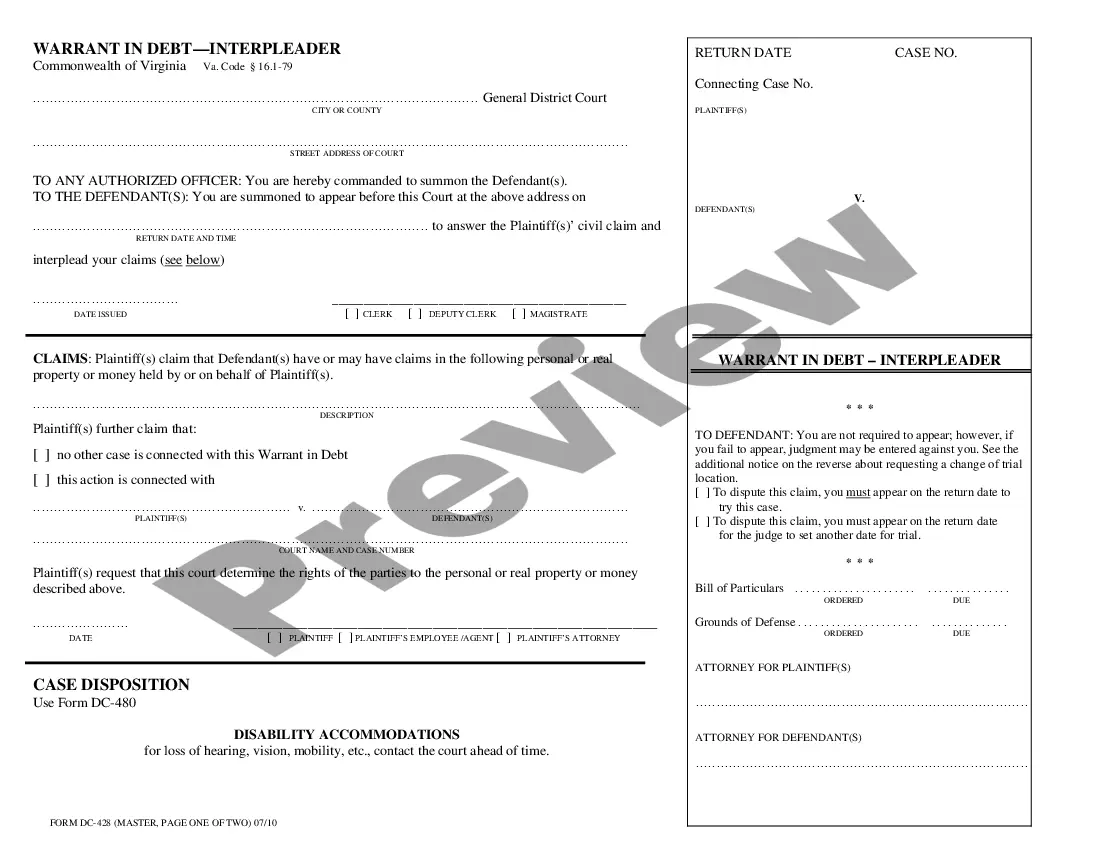
Complaint to Recover Possession of Leased Premises After Giving Statutory Notice to Quit to Month-to-Month Tenant
What this document covers
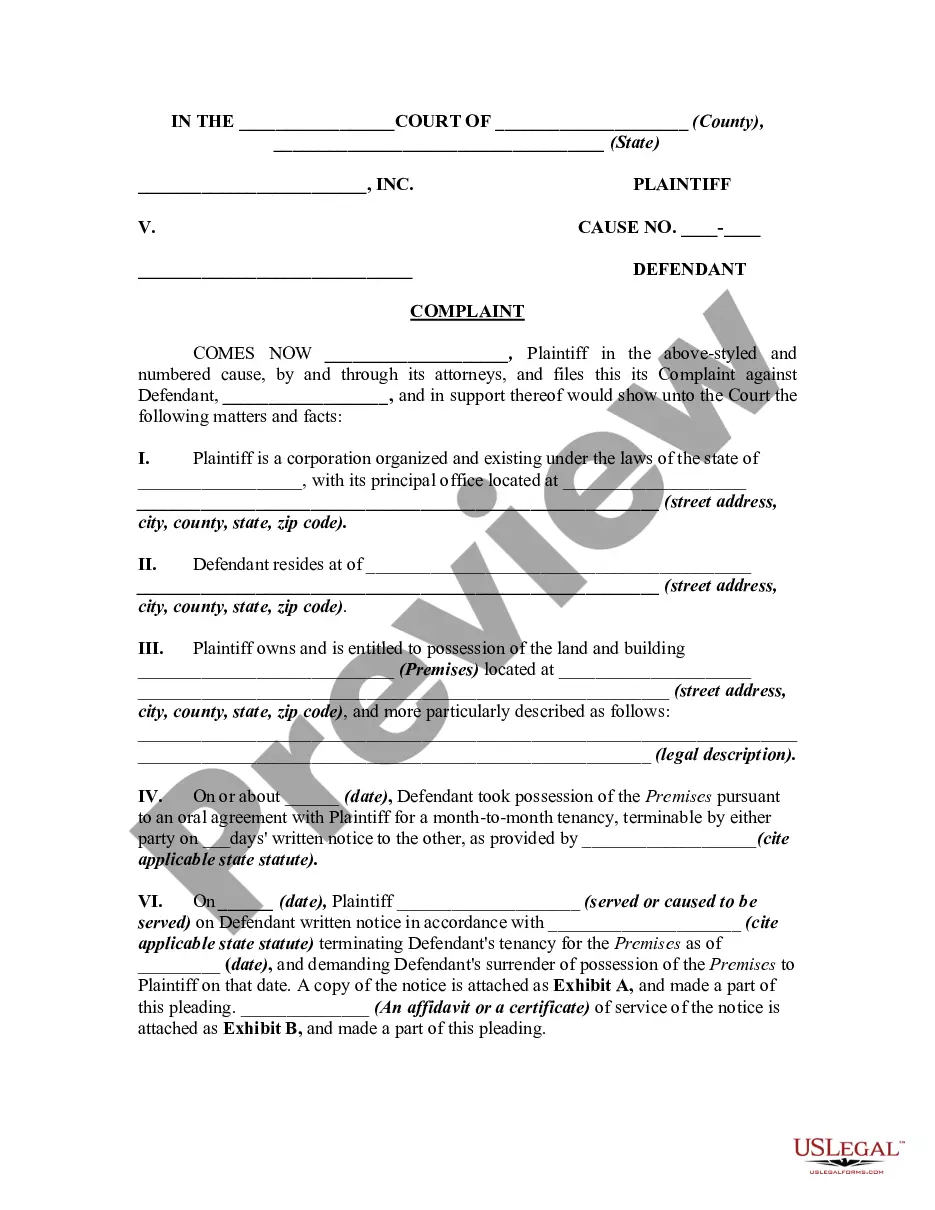
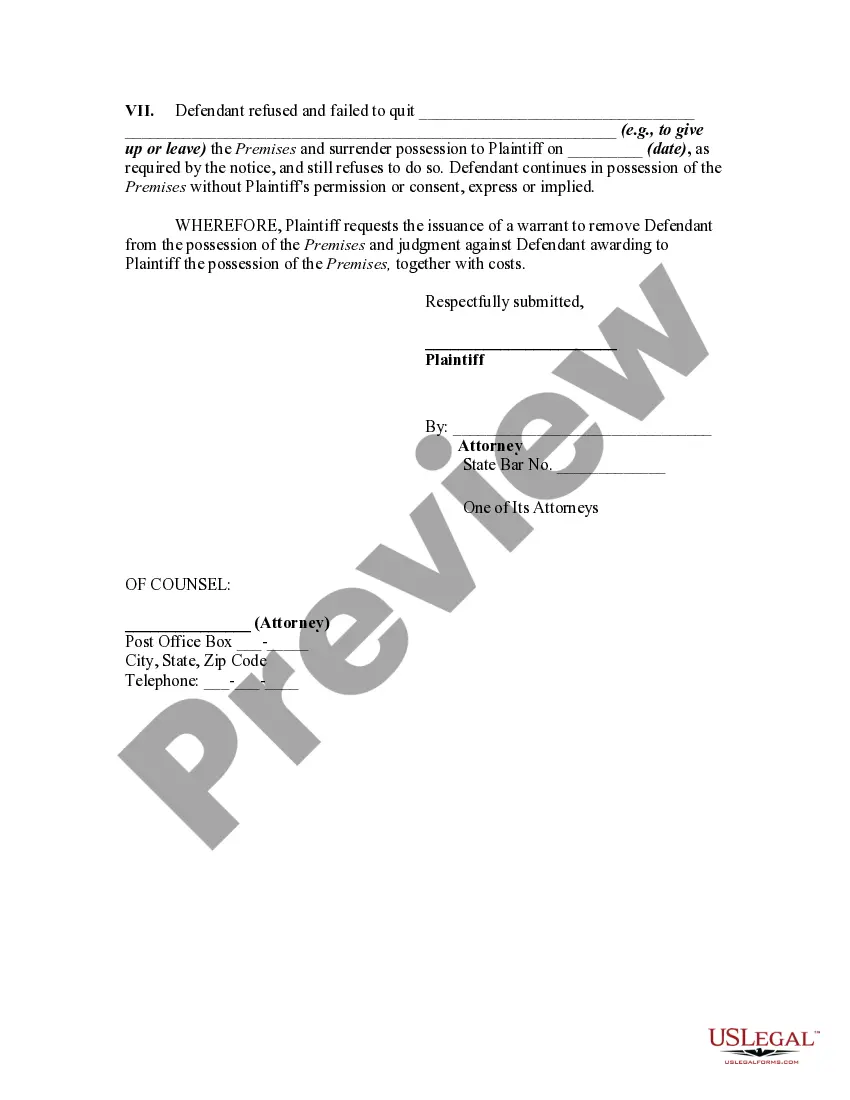
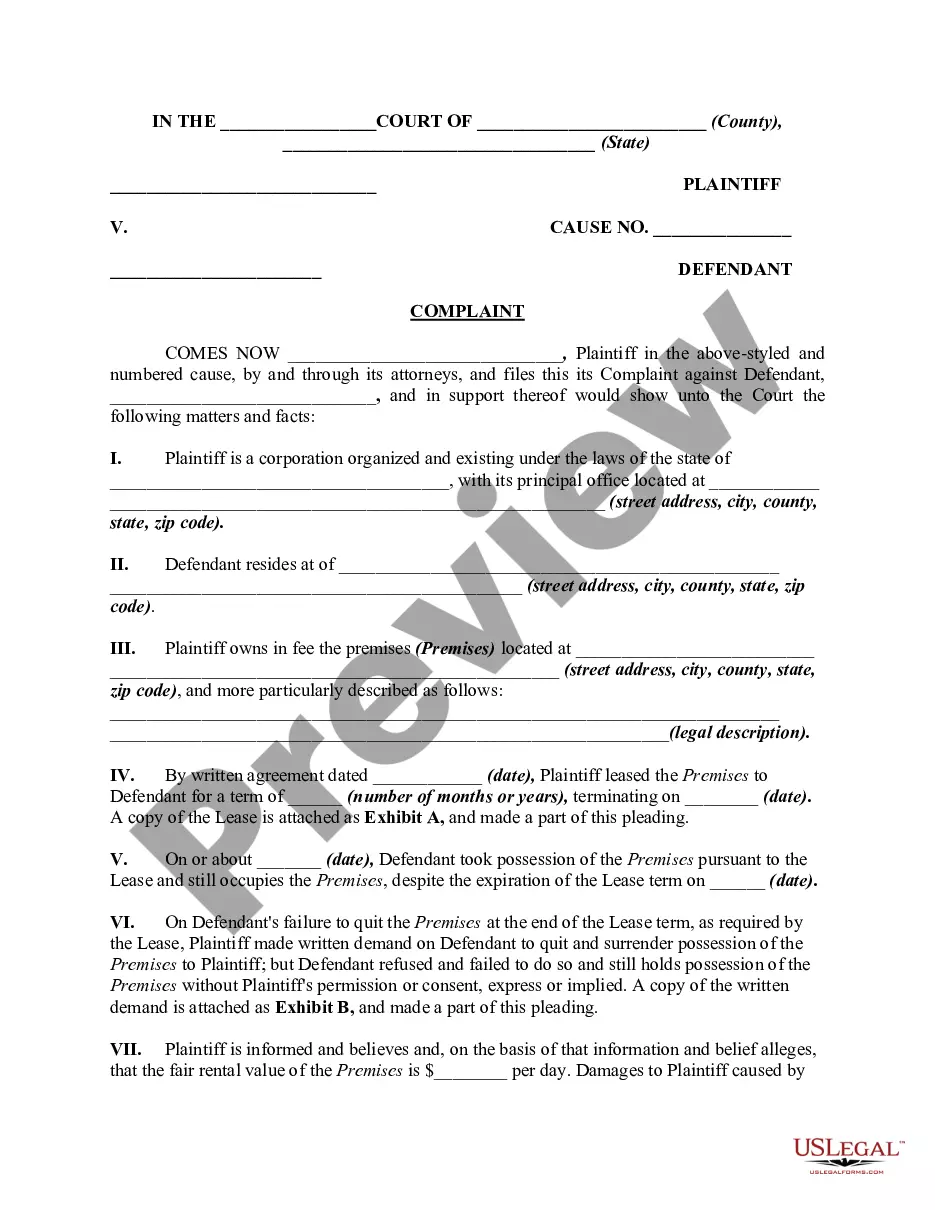
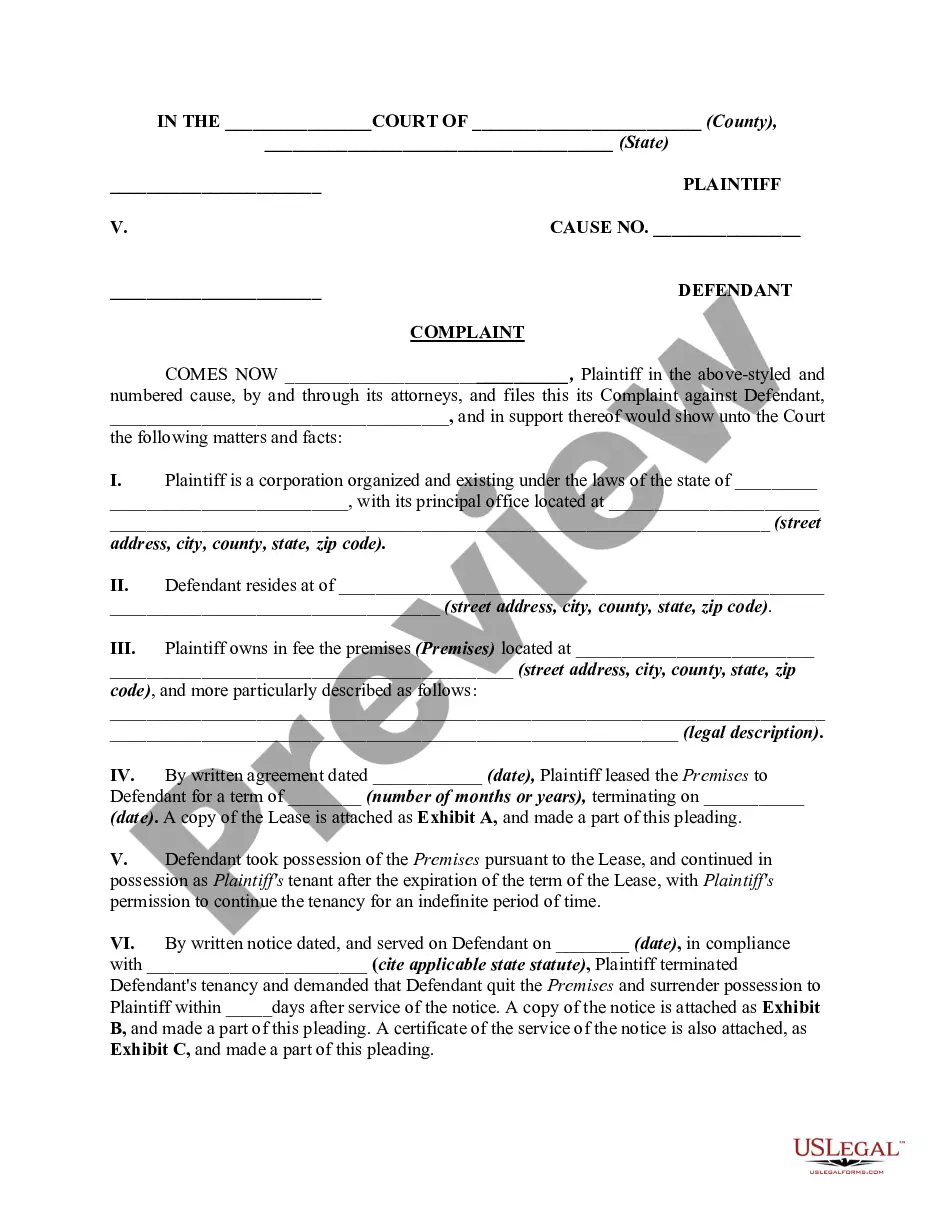
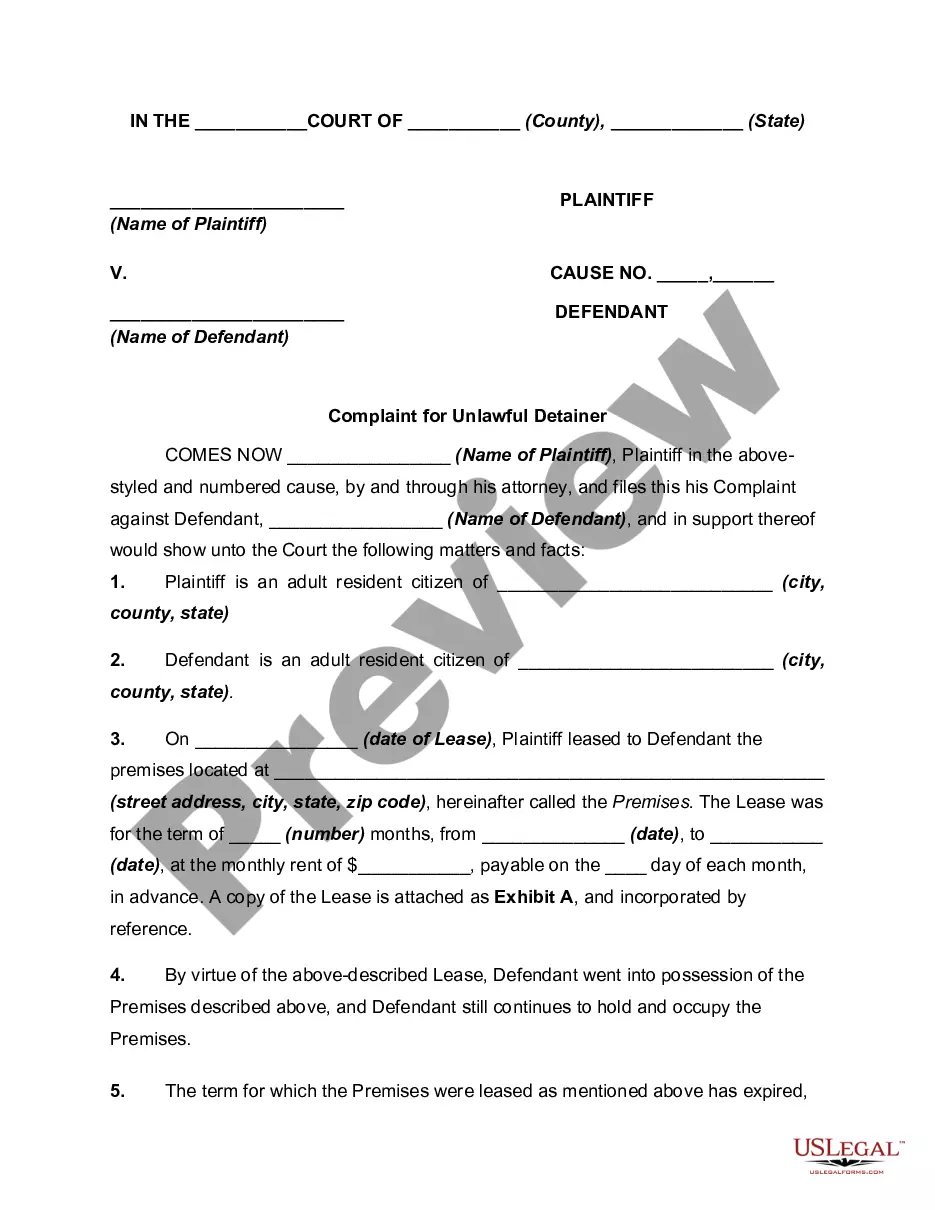
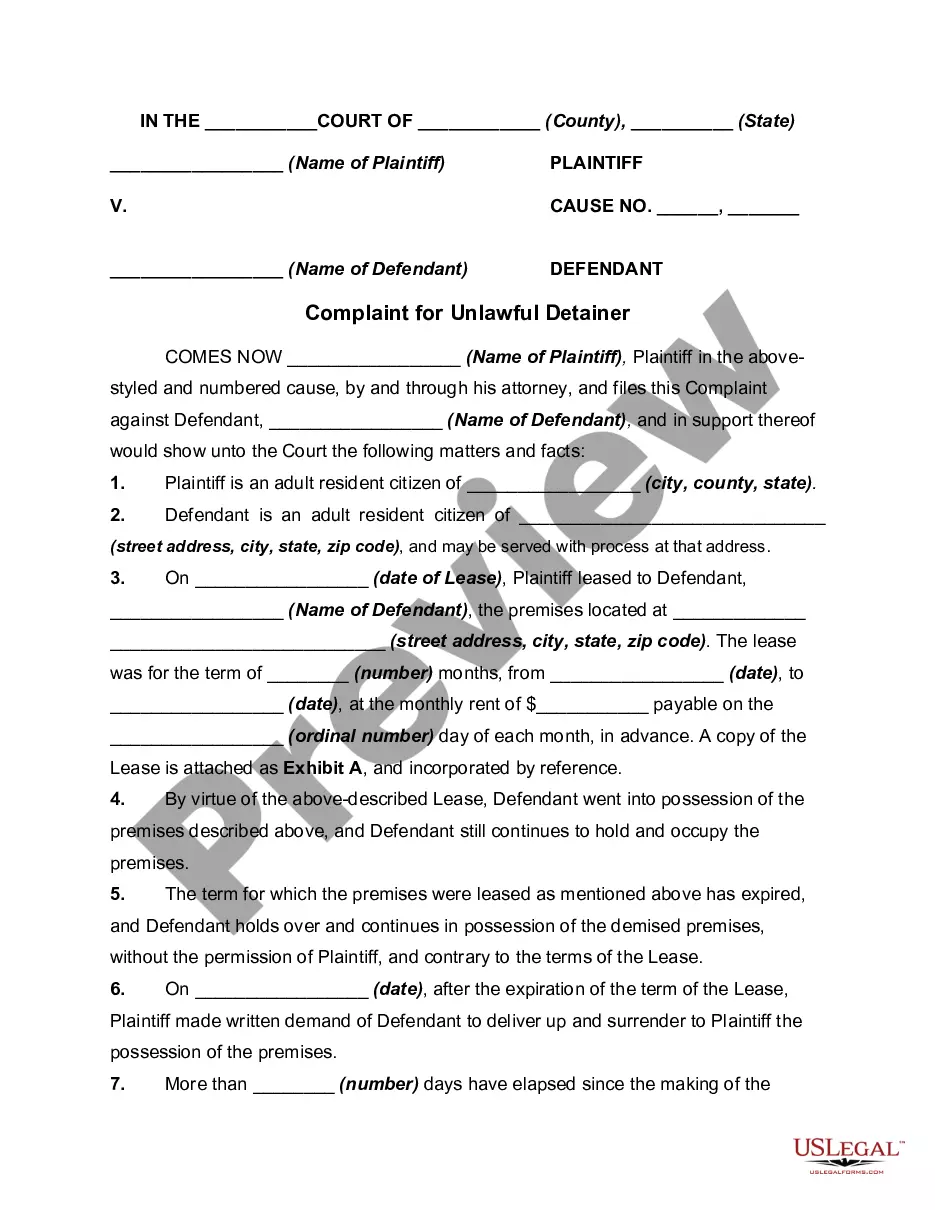
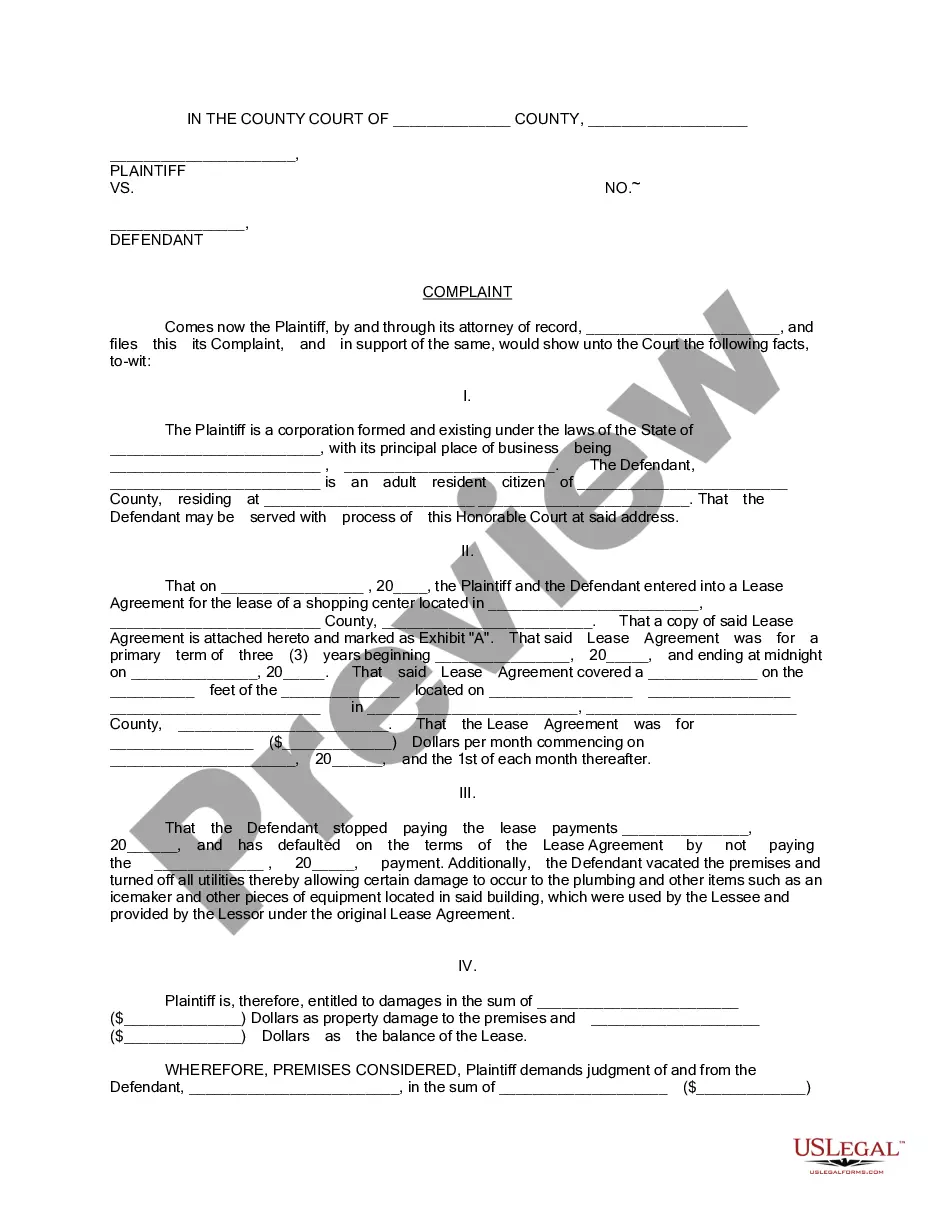
This form, known as the Complaint to Recover Possession of Leased Premises After Giving Statutory Notice to Quit to Month-to-Month Tenant, is used to formally initiate a legal action against a tenant who has not vacated the property after being given appropriate notice to leave. It differs from other eviction forms by specifically addressing month-to-month tenancies where a statutory notice has been served. This form helps landlords reclaim possession of their property through a court order.
Key components of this form
- Plaintiff information: Details about the landlord or property owner.
- Defendant information: Details about the tenant in question.
- Property description: Specific identification of the premises being leased.
- Tenancy agreement: Explanation of the month-to-month tenancy terms.
- Notice details: Confirmation of the statutory notice provided to the tenant.
- Request for relief: Demand for court-ordered possession of the premises.
Situations where this form applies
This form should be used when a landlord has given a month-to-month tenant a statutory notice to quit but the tenant has failed to vacate the premises. It is appropriate in situations where the landlord needs to formally recover possession of their property, such as when there are unpaid rent issues, or the tenant has violated terms of the lease agreement.
Intended users of this form
- Landlords seeking to evict month-to-month tenants.
- Property management companies acting on behalf of property owners.
- Individuals renting out residential properties who face tenancy issues.
How to complete this form
- Identify all parties involved by entering the names and addresses of the plaintiff (landlord) and defendant (tenant).
- Provide a detailed description of the leased premises, including full addresses and legal descriptions.
- State the terms of the month-to-month tenancy, including notice periods specified by law.
- Attach the notice provided to the tenant and include proof of service if applicable.
- Sign the complaint at the designated area and include your attorney information if represented.
Does this document require notarization?
This form does not typically require notarization to be legally valid. However, some jurisdictions or document types may still require it. US Legal Forms provides secure online notarization powered by Notarize, available 24/7 for added convenience.
Get your form ready online
Our built-in tools help you complete, sign, share, and store your documents in one place.
Make edits, fill in missing information, and update formatting in US Legal Forms—just like you would in MS Word.
Download a copy, print it, send it by email, or mail it via USPS—whatever works best for your next step.
Sign and collect signatures with our SignNow integration. Send to multiple recipients, set reminders, and more. Go Premium to unlock E-Sign.
If this form requires notarization, complete it online through a secure video call—no need to meet a notary in person or wait for an appointment.
We protect your documents and personal data by following strict security and privacy standards.

Make edits, fill in missing information, and update formatting in US Legal Forms—just like you would in MS Word.

Download a copy, print it, send it by email, or mail it via USPS—whatever works best for your next step.

Sign and collect signatures with our SignNow integration. Send to multiple recipients, set reminders, and more. Go Premium to unlock E-Sign.

If this form requires notarization, complete it online through a secure video call—no need to meet a notary in person or wait for an appointment.

We protect your documents and personal data by following strict security and privacy standards.
Common mistakes
- Failing to serve the statutory notice correctly before filing the complaint.
- Not providing complete and accurate property descriptions.
- Missing signatures or proper verification of the complaint.
- Using outdated or incorrect versions of the form for your state.
Benefits of using this form online
- Convenient access to the form at any time without the need for in-person visits.
- Edit and customize the document easily to fit specific circumstances.
- Reliable and compliant with the latest legal standards based on jurisdiction.
Legal use & context
- This form is enforceable in court as part of the legal proceedings to regain possession of a property.
- It is important to follow all local rules and procedures to avoid delays in the eviction process.
- Landlords should keep all documentation of notices and communications with the tenant.
Summary of main points
- This form is essential for landlords seeking to evict a month-to-month tenant after proper notice.
- Complete accuracy and compliance with local laws are critical for its success in court.
- Using this online form can offer convenience and certainty regarding legal standards.
Looking for another form?



Form popularity
FAQ
If a tenant breaches a tenancy agreement it is possible that their landlord will try and evict them from the property. The sort of breaches of tenancy which result in a landlord seeking a court order for possession include:Damage to the property (eg broken windows)
A breach of lease occurs when one of the party breaks one of the agreements in the lease document. A breach of lease does not mean that the tenant and landlord waive their respective rights. Tenants enjoy the rights of safety, privacy, binding terms, and in some cases the right to withhold rent.
Sue the landlord and whoever for up to $10,000 in small claims court for trespassing, breach of contract, invasion of privacy, and breach of quiet enjoyment; if you are two or more tenants, each can separately sue them for up to $10,000, and a joint action is not required.
If a tenant breaches a tenancy agreement it is possible that their landlord will try and evict them from the property. The sort of breaches of tenancy which result in a landlord seeking a court order for possession include:Damage to the property (eg broken windows)
Pay any delinquent rent that is due to the landlord within the allotted time of the notice. Move out of the premises within the allotted time of the notice. File an answer with the judicial court. File a motion to stay with the court.
You should check that the notice to quit or notice seeking possession meets the right legal requirements. For example, it might need to contain certain information. If the notice isn't correct, this could stop or delay your landlord from taking further action.