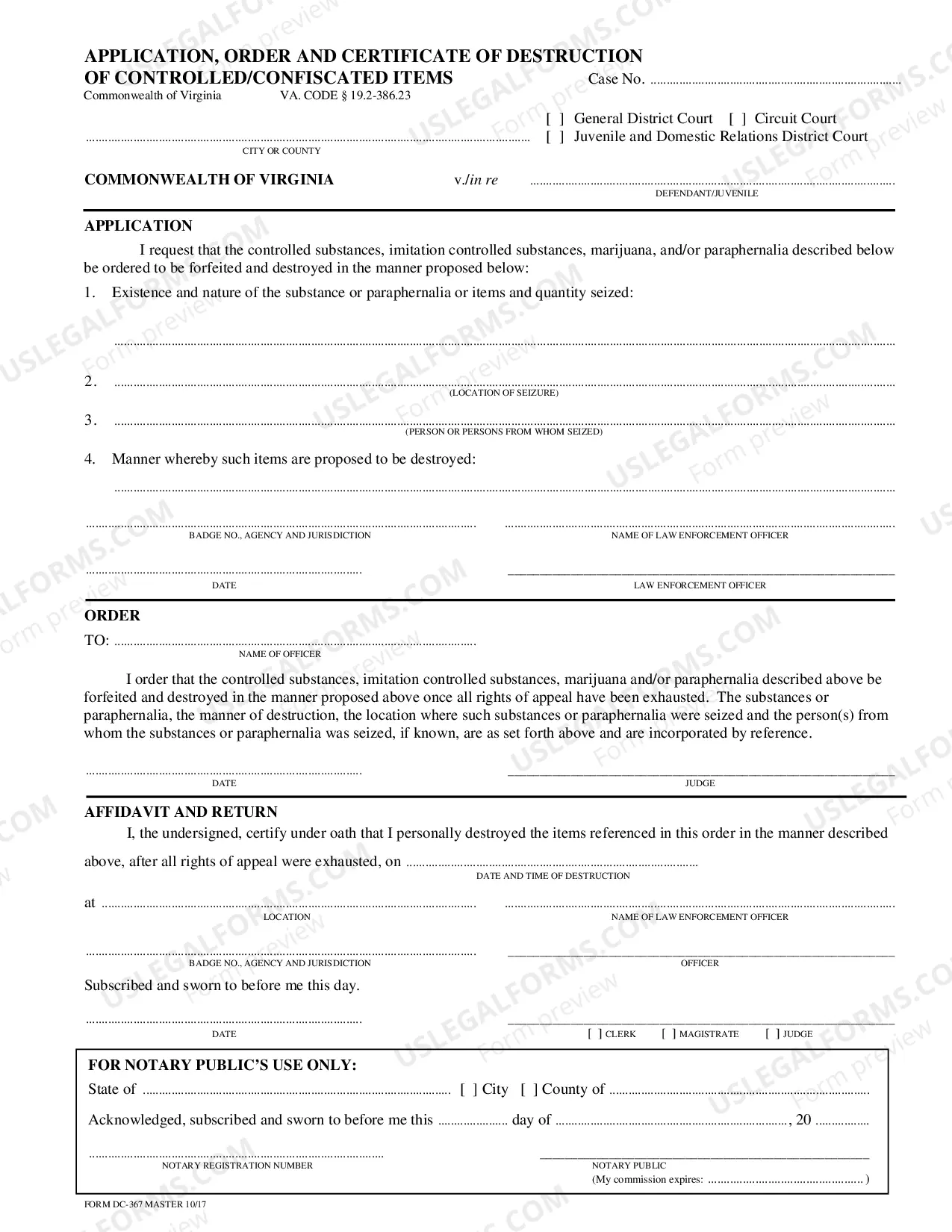
Release of Landlord, Waiver of Liability, and Assumption of all Risks of Personal Bodily Injury and Damage to Property Use of Owner's Property
About this form
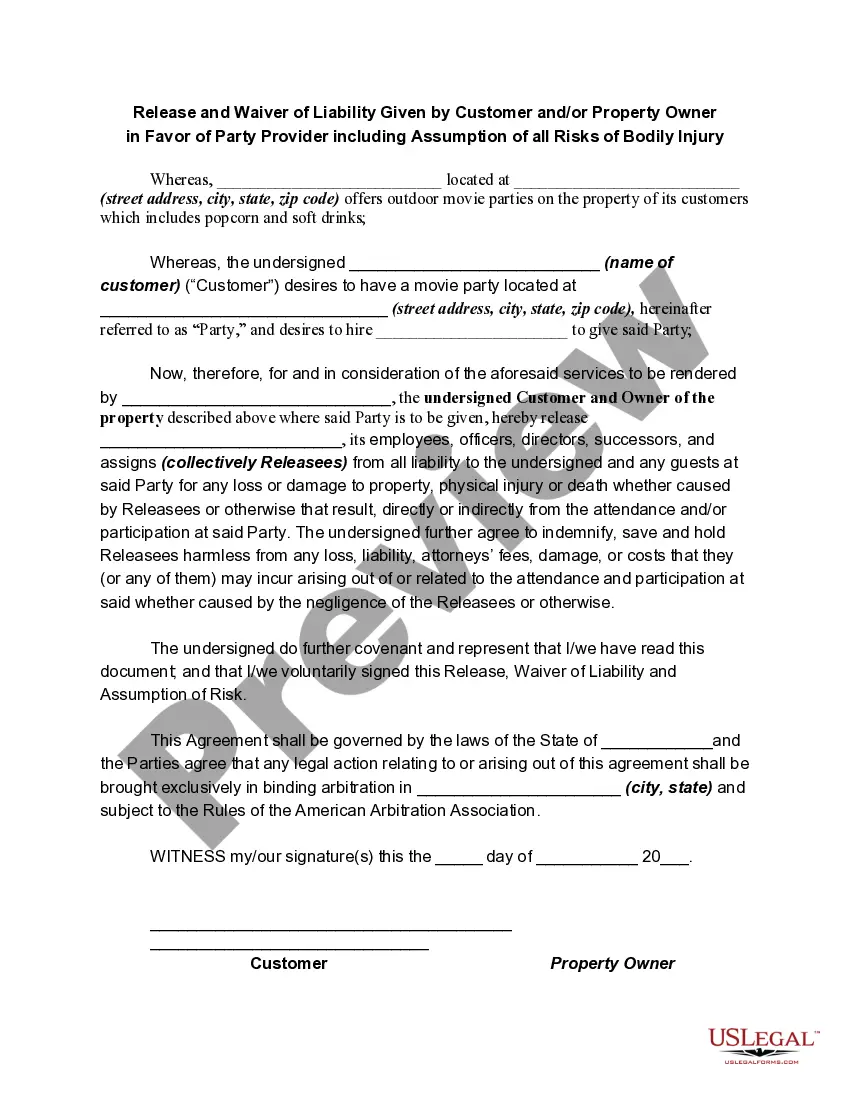
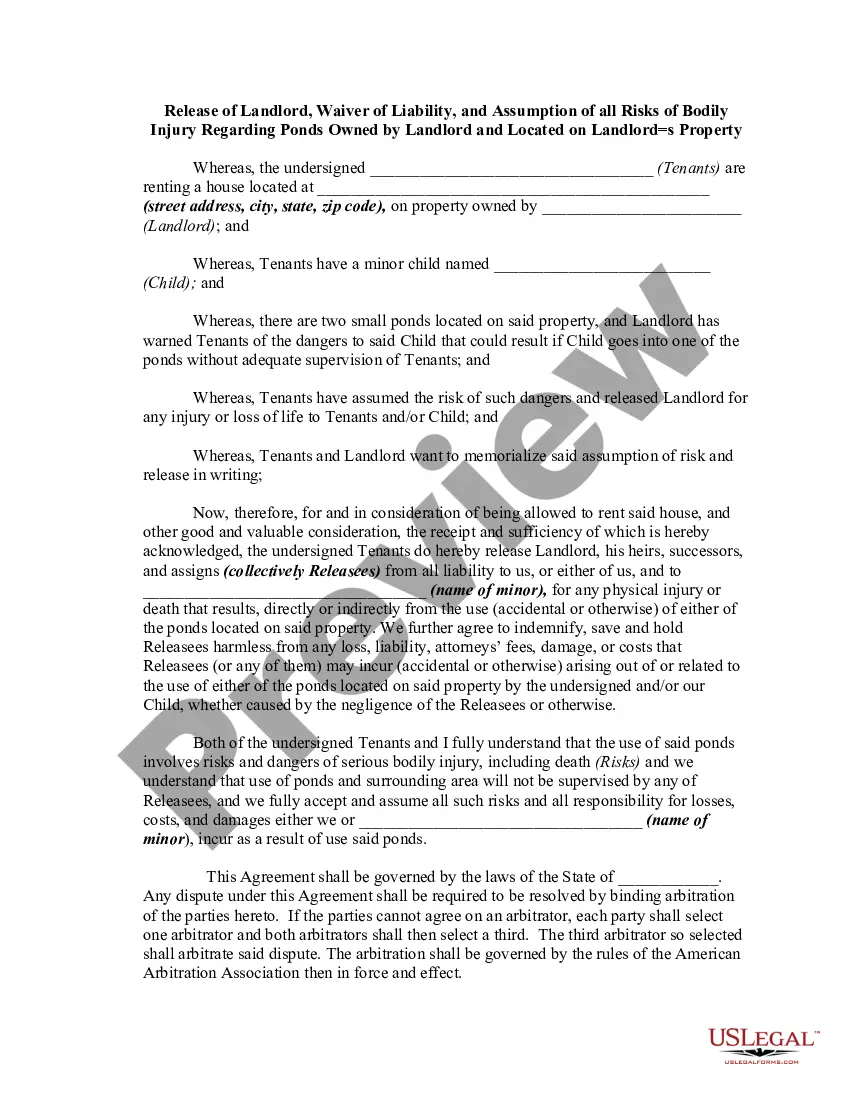
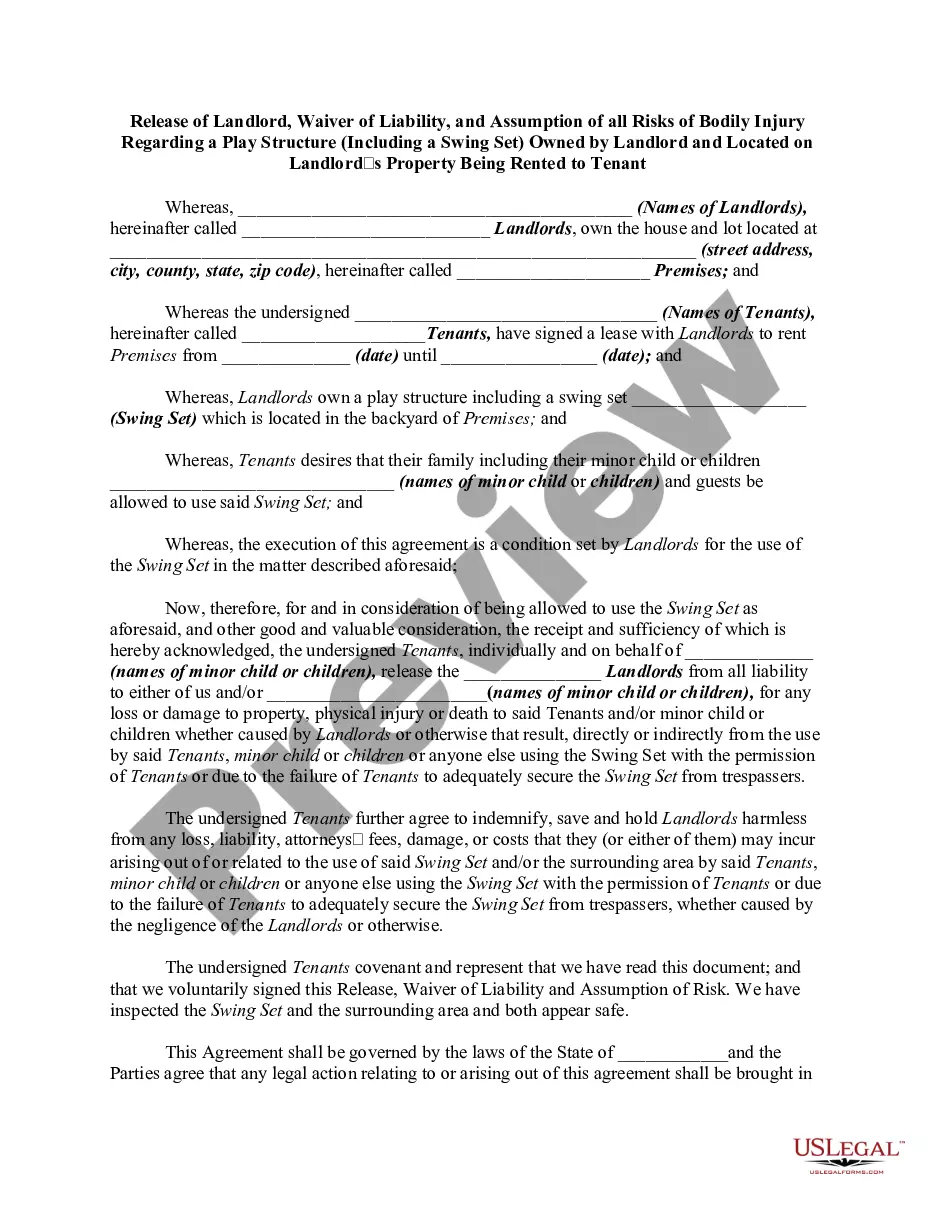
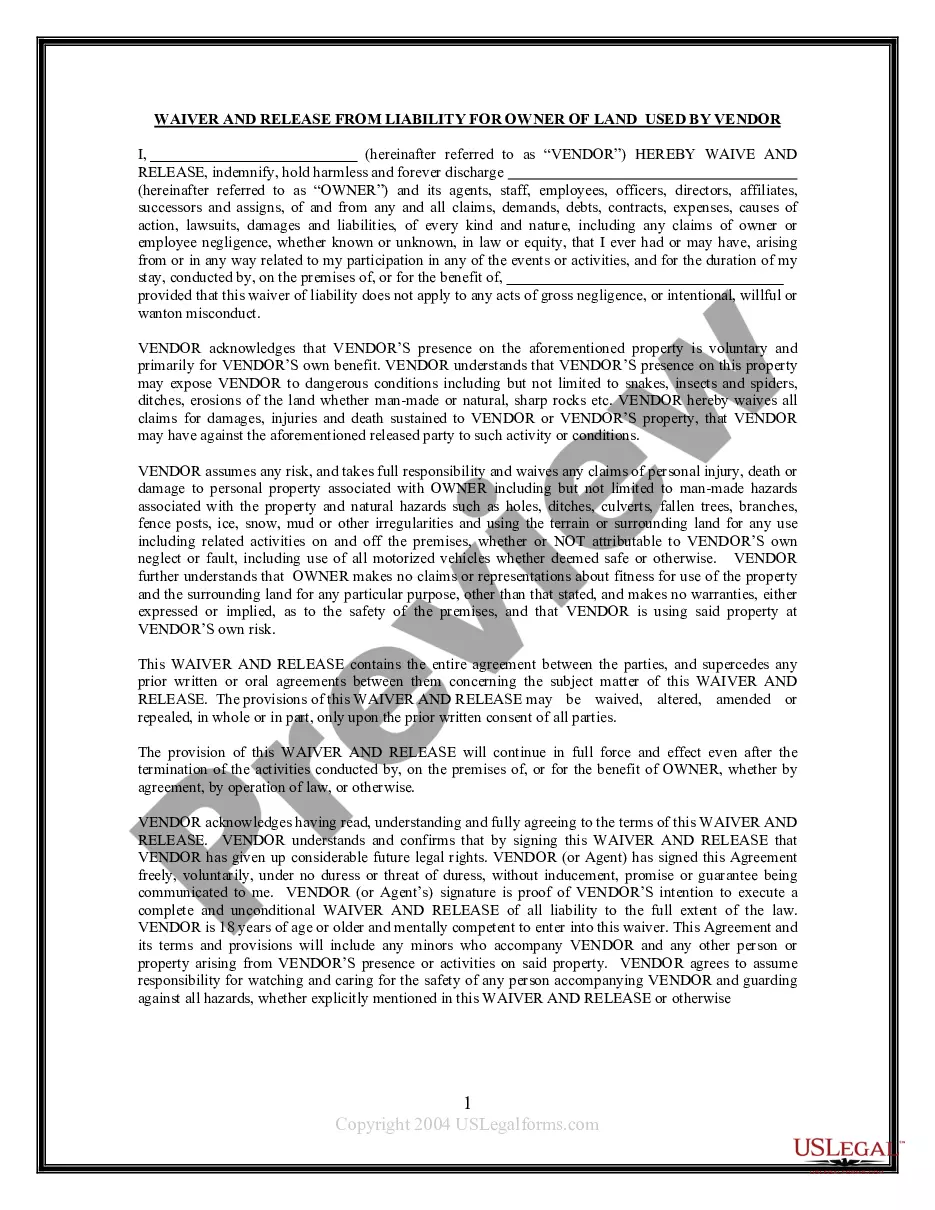
The Release of Landlord, Waiver of Liability, and Assumption of all Risks of Personal Bodily Injury and Damage to Property Use of Owner's Property is a legal document that allows a property owner to release liability for any injuries or damages that may occur while another party uses their property. This form is especially important in agricultural contexts, such as allowing a farming entity to conduct operations like hay production without facing potential lawsuits from the property owner. Unlike other liability waivers, this form specifically addresses the interactions between landlords and tenants or contractors on their property.
Key parts of this document
- Identification of the property owner and the entity (Farms) using the property.
- Details of the property location where hay operations will occur.
- A clause releasing the property owner from any liability for injuries or damages that may arise.
- Indemnification clause protecting the property owner from any claims by third parties.
- Governing law clause specifying the applicable state law.
- Arbitration clause for resolving disputes between the parties.
When this form is needed
This form should be used whenever a farming entity, such as Farms, seeks to utilize a property owned by another individual or entity for operations like hay production. It is applicable in scenarios where the property usage may pose risks of injury or property damage, and the property owner desires to limit their liability. Using this form helps protect the owner from potential lawsuits arising from the activities conducted on their land.
Who can use this document
This form is intended for:
- Property owners who wish to allow others to use their land for agricultural activities.
- Farming entities looking to mitigate legal risks before engaging in operations on a property owned by another party.
- Any individual or organization wanting to clarify liability issues associated with the use of property.
How to complete this form
- Identify and enter the date at the top of the form.
- Clearly specify the names and addresses of the property owner and Farms.
- Provide the exact location of the property where hay operations will take place.
- Review each clause and sign the form where indicated, including the printed name and title of the representative of Farms.
- Ensure both parties keep a signed copy of the completed agreement for their records.
Is notarization required?
This form does not typically require notarization unless specified by local law. However, it is advisable to check state-specific requirements to ensure the document is enforceable.
Get your form ready online
Our built-in tools help you complete, sign, share, and store your documents in one place.
Make edits, fill in missing information, and update formatting in US Legal Forms—just like you would in MS Word.
Download a copy, print it, send it by email, or mail it via USPS—whatever works best for your next step.
Sign and collect signatures with our SignNow integration. Send to multiple recipients, set reminders, and more. Go Premium to unlock E-Sign.
If this form requires notarization, complete it online through a secure video call—no need to meet a notary in person or wait for an appointment.
We protect your documents and personal data by following strict security and privacy standards.

Make edits, fill in missing information, and update formatting in US Legal Forms—just like you would in MS Word.

Download a copy, print it, send it by email, or mail it via USPS—whatever works best for your next step.

Sign and collect signatures with our SignNow integration. Send to multiple recipients, set reminders, and more. Go Premium to unlock E-Sign.

If this form requires notarization, complete it online through a secure video call—no need to meet a notary in person or wait for an appointment.

We protect your documents and personal data by following strict security and privacy standards.
Mistakes to watch out for
- Failing to accurately identify all parties involved, which can lead to disputes.
- Not specifying the exact location of the property, which can cause confusion later.
- Overlooking the indemnification clause, which is essential for protecting the property owner.
- Neglecting to sign and date the document by both parties.
- Using outdated versions of the form, which may not comply with current legal requirements.
Benefits of completing this form online
- Convenience of downloading and printing the form at your convenience.
- Easy customization to include specific details relevant to your agreement.
- Access to forms drafted by licensed attorneys, ensuring legal compliance.
- Quick updates and access to the latest legal templates.
Legal use & context
- The release can be enforced as long as it is executed properly and in accordance with local laws.
- Waivers like this one protect property owners from liability in case of accident or injury occurring during permitted activities.
- Ensure the form includes all necessary clauses to make it enforceable in your jurisdiction.
What to keep in mind
- Protects property owners from legal claims associated with the use of their land.
- Essential for anyone engaging in potentially risky activities on another personâs property.
- Proper execution and understanding of the formâs provisions are crucial for its legality.
Looking for another form?
Form popularity
FAQ
In California, a liability waiver must be clear, unambiguous, and explicit. In other words, waivers cannot be printed in faded ink, in small font, on the back of a paper, or in an otherwise ambiguous form. If the waiver that you sign is not represented clearly, it may not hold up in the event of a lawsuit.
Get help. Writing a waiver should not be complicated. Use the correct structure. Proper formatting. Include a subject line. Include a caution! Talk about the activity risks. Do not forget an assumption of risk. Hold harmless.
A waiver is not complete until it includes the signatures of both the event host and business owner and that of the participant. The date should also be included alongside the signatures. You may also include a signature line for a witness if necessary.
A liability waiver, or release of liability, is a legal document that a company or organization has you sign in order to protect them from being sued in the event that you are injured.
You do not have to sign this authorization form. Instead, you can provide only the medical documentation necessary for the insurer to evaluate your injuries and compensation.
A release form or a waiver is simply a legal document containing an agreement between two parties.A waiver is an essential document that informs participants of the risks involved in certain activities and also protects you from liability.
All parties involved in the incident. A statement saying you were involved in the accident that caused the injury. The total amount of the property damage. A statement that releases the defendant from any future claims or damages that are related to the incident.