Order - Writ of Habeas Corpus
What is this form?
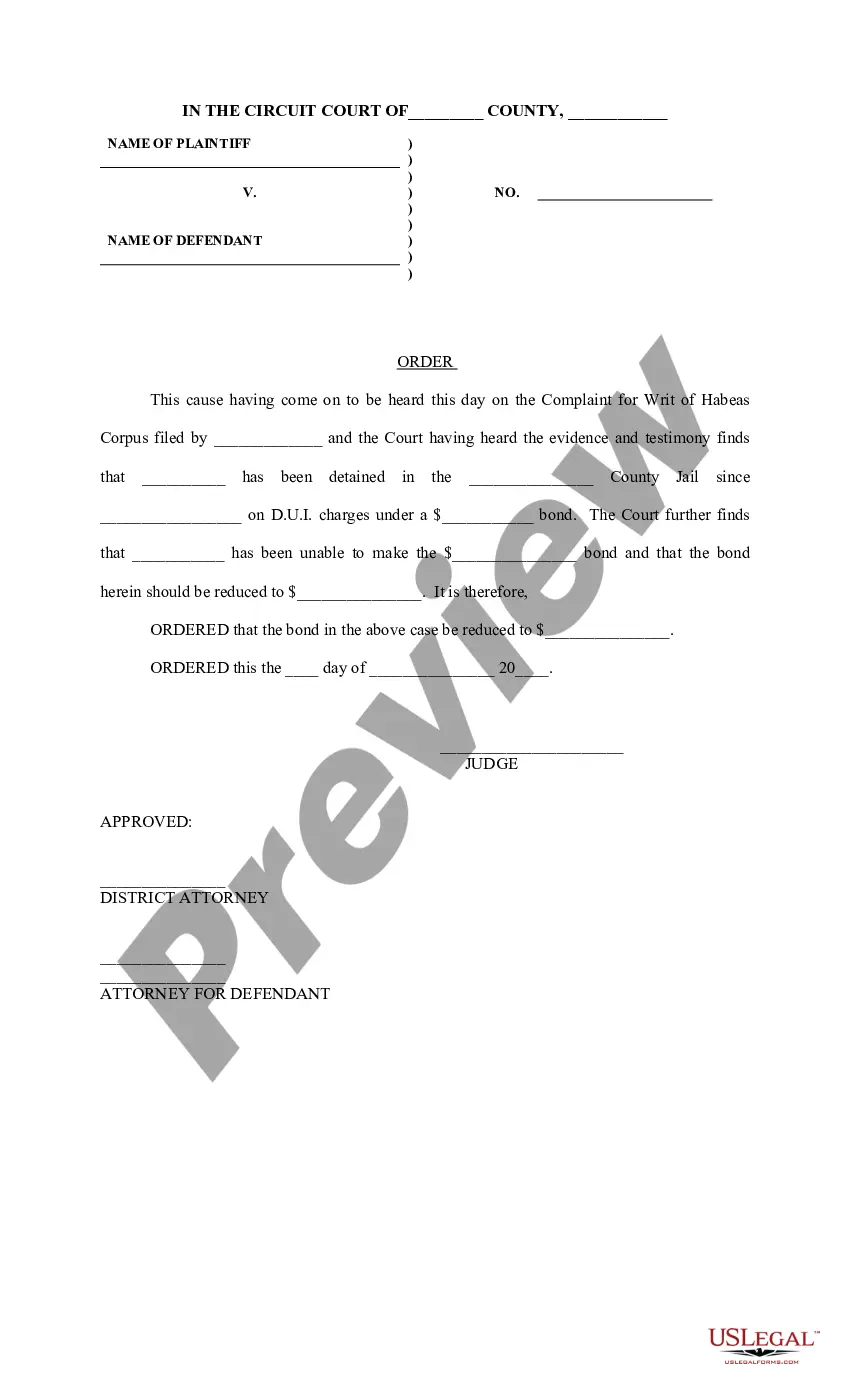
The Order - Writ of Habeas Corpus is a legal document used to request the release of an individual who is being unlawfully detained. This form allows the court to review the legality of the detention and take appropriate action. Unlike typical court orders, this writ specifically addresses the lawful nature of confinement and ensures that the rights of the detained individual are upheld.
Form components explained
- Order for bond reduction to a specified amount.
- Date of issuance to establish the timeline for the order.
- Signature lines for the judge, district attorney, and attorney for the defendant.

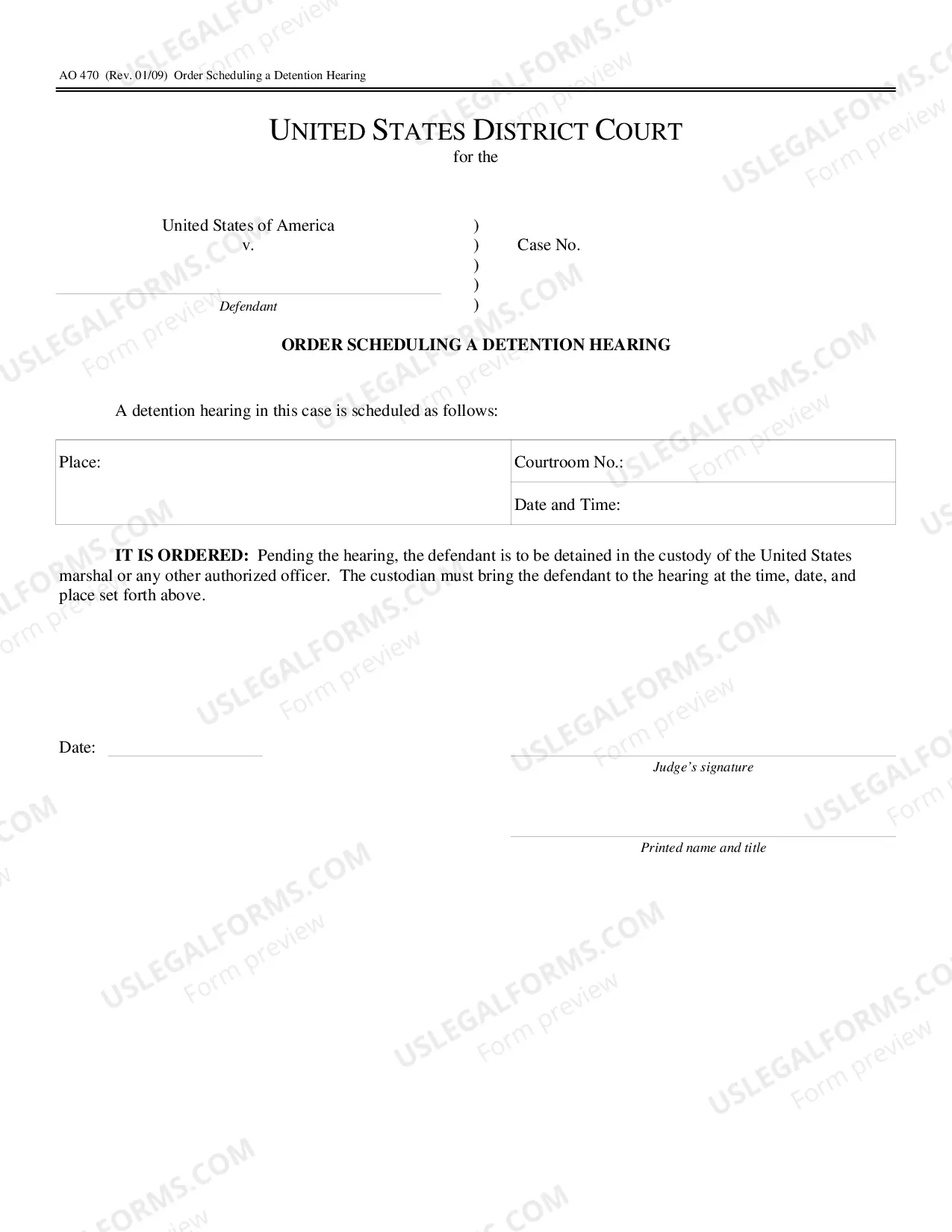
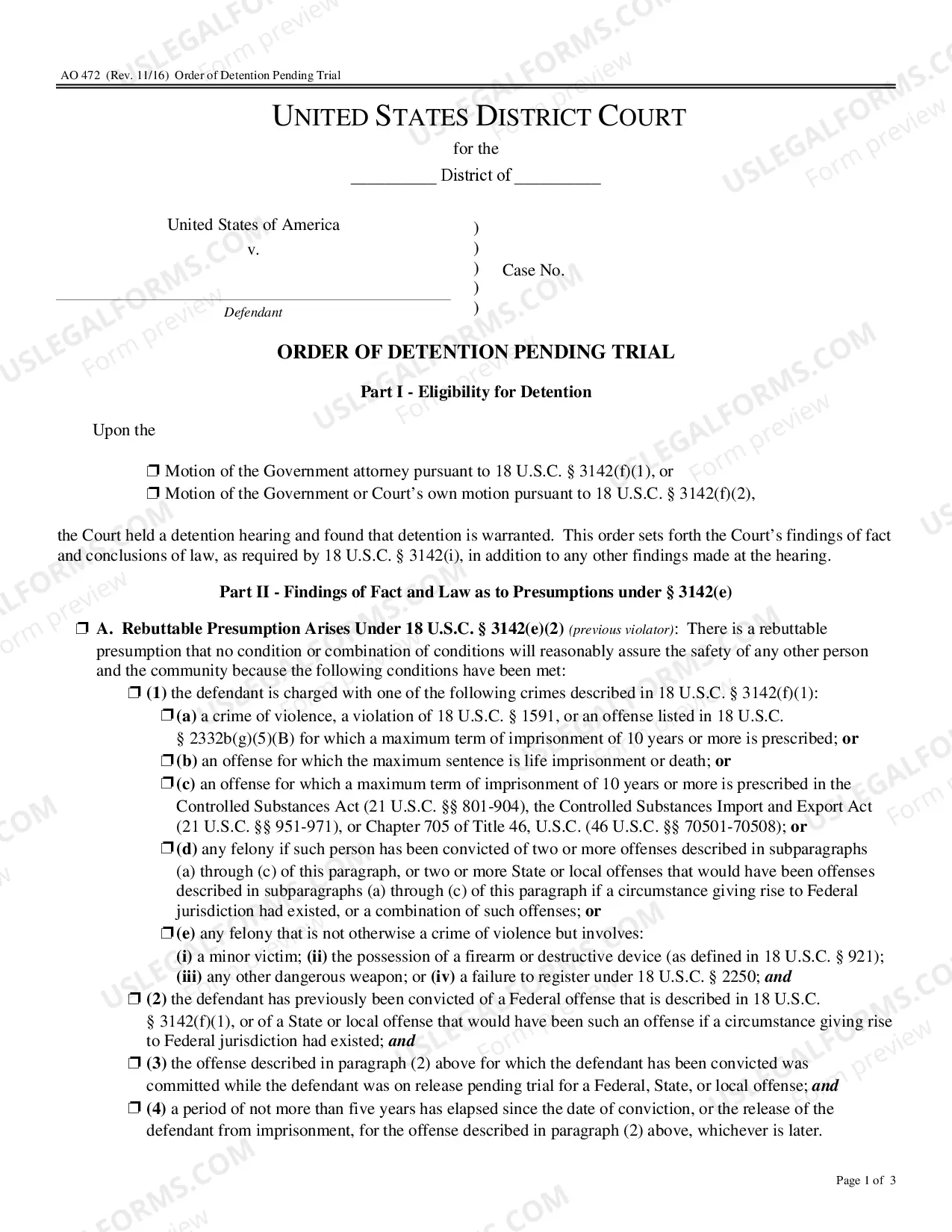
When to use this form
This form is used when a defendant or their attorney believes that the conditions of detention are unlawful and seeks a legal order to challenge this detention. It is commonly filed during criminal proceedings when there are grounds to argue for the individual's release or a reduction in bond requirements.
Intended users of this form
Individuals or their representatives who should consider using this form include:
- Defendants facing unlawful detention.
- Attorneys representing clients in habeas corpus petitions.
- Family members seeking to assist a loved one in custody.
How to prepare this document
To complete the Order - Writ of Habeas Corpus, follow these steps:
- Specify the amount to which the bond is to be reduced.
- Enter the date on which the order is issued.
- Ensure the judge's signature is affixed to the document.
- Provide the names of the district attorney and the attorney for the defendant.
Does this document require notarization?
This form does not typically require notarization unless specified by local law.
Get your form ready online
Our built-in tools help you complete, sign, share, and store your documents in one place.
Make edits, fill in missing information, and update formatting in US Legal Forms—just like you would in MS Word.
Download a copy, print it, send it by email, or mail it via USPS—whatever works best for your next step.
Sign and collect signatures with our SignNow integration. Send to multiple recipients, set reminders, and more. Go Premium to unlock E-Sign.
If this form requires notarization, complete it online through a secure video call—no need to meet a notary in person or wait for an appointment.
We protect your documents and personal data by following strict security and privacy standards.

Make edits, fill in missing information, and update formatting in US Legal Forms—just like you would in MS Word.

Download a copy, print it, send it by email, or mail it via USPS—whatever works best for your next step.

Sign and collect signatures with our SignNow integration. Send to multiple recipients, set reminders, and more. Go Premium to unlock E-Sign.

If this form requires notarization, complete it online through a secure video call—no need to meet a notary in person or wait for an appointment.

We protect your documents and personal data by following strict security and privacy standards.
Avoid these common issues
- Not providing accurate bond amounts or leaving it blank.
- Failing to include the correct date of issuance.
- Omitting signatures from required parties.
Why complete this form online
- Convenience of downloading and completing the form at your own pace.
- Editable format to tailor the document to specific needs.
- Reliability of using attorney-drafted templates to ensure legal compliance.
Key takeaways
- The Order - Writ of Habeas Corpus is essential for challenging unlawful detentions.
- Correct completion of the form is critical to ensure it is legally binding.
- It is applicable across multiple states, but it is important to check local requirements.
Looking for another form?


Form popularity
FAQ
A writ of habeas corpus is used to bring a prisoner or other detainee (e.g. institutionalized mental patient) before the court to determine if the person's imprisonment or detention is lawful. A habeas petition proceeds as a civil action against the State agent (usually a warden) who holds the defendant in custody.
An example of habeas corpus is if you file a petition with the court because you want to be brought before a judge where reasons for your arrest and detention must be shown.
An example of habeas corpus is if you file a petition with the court because you want to be brought before a judge where reasons for your arrest and detention must be shown.
The "Great Writ" of habeas corpus is a fundamental right in the Constitution that protects against unlawful and indefinite imprisonment. Translated from Latin it means "show me the body." Habeas corpus has historically been an important instrument to safeguard individual freedom against arbitrary executive power.
After the Writ of Habeas Corpus is filed, the Court has a few options. The Court may deny the Writ, the Court may request that the government submit a response to the Writ, or the Court may grant the Writ.
Known as "the Great Writ," habeas corpus gives individuals the power to get help from courts to keep government and any other institutions that may imprison people in check.The writ of habeas corpus gives jailed suspects the right to ask a judge to set them free or order an end to improper jail conditions.
The word habeas corpus literally means to have a body.Habeas corpus is the writ which was visualized as an effective means to provide a quick remedy to a person who has lost his personal liberty without any legal justification.
A writ of habeas corpus is used to bring a prisoner or other detainee (e.g. institutionalized mental patient) before the court to determine if the person's imprisonment or detention is lawful. A habeas petition proceeds as a civil action against the State agent (usually a warden) who holds the defendant in custody.