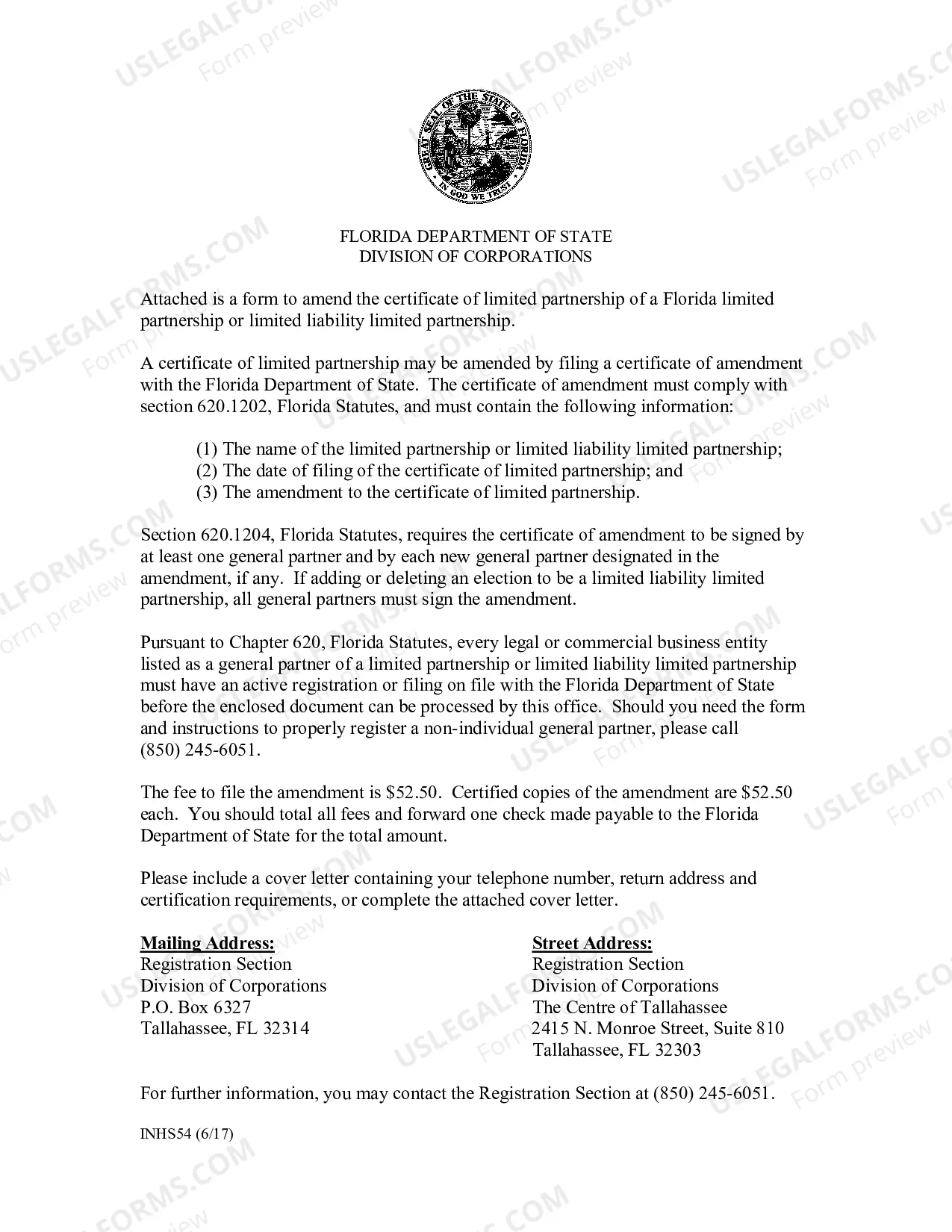
Oregon Letter from Tenant to Landlord containing Notice that premises in uninhabitable in violation of law and demand immediate repair
About this form
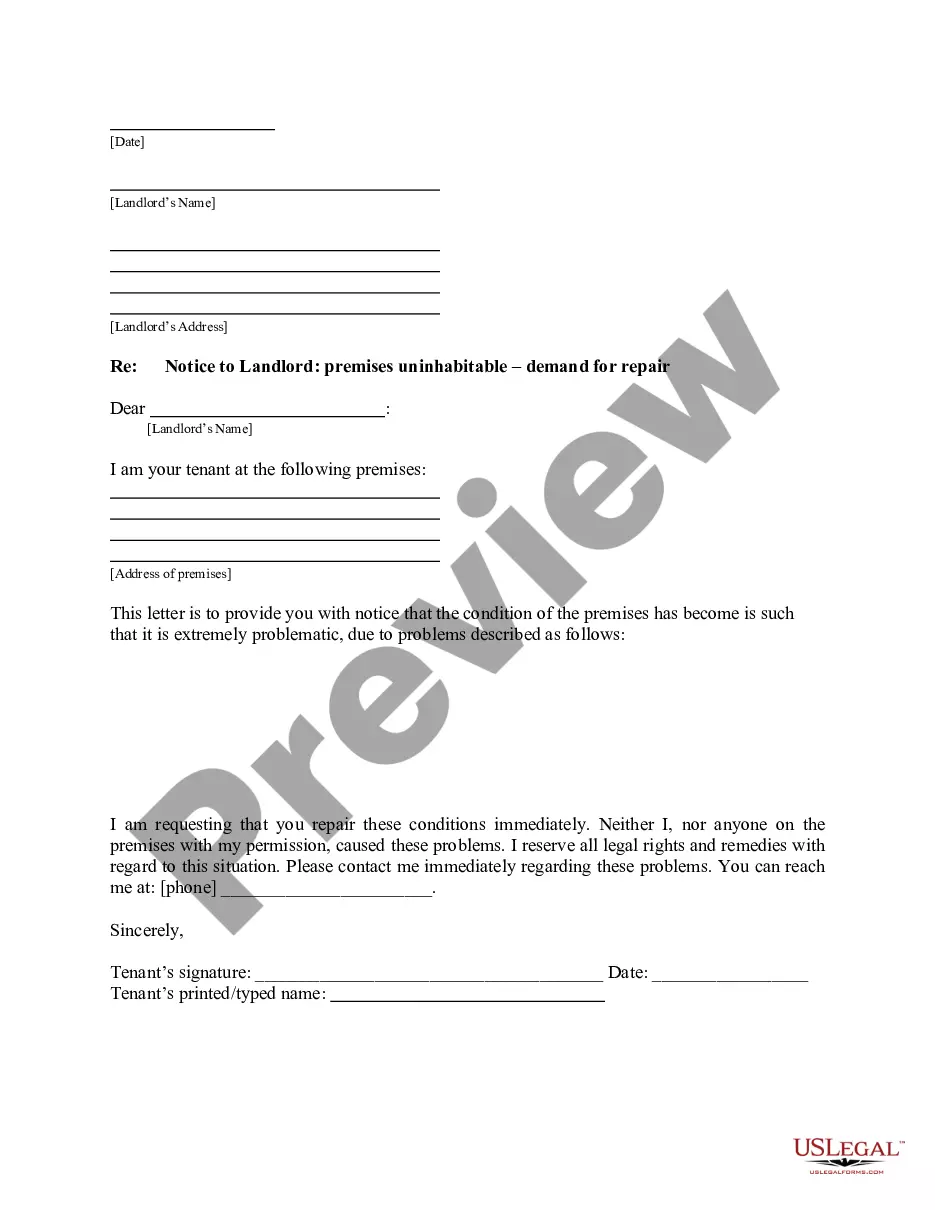
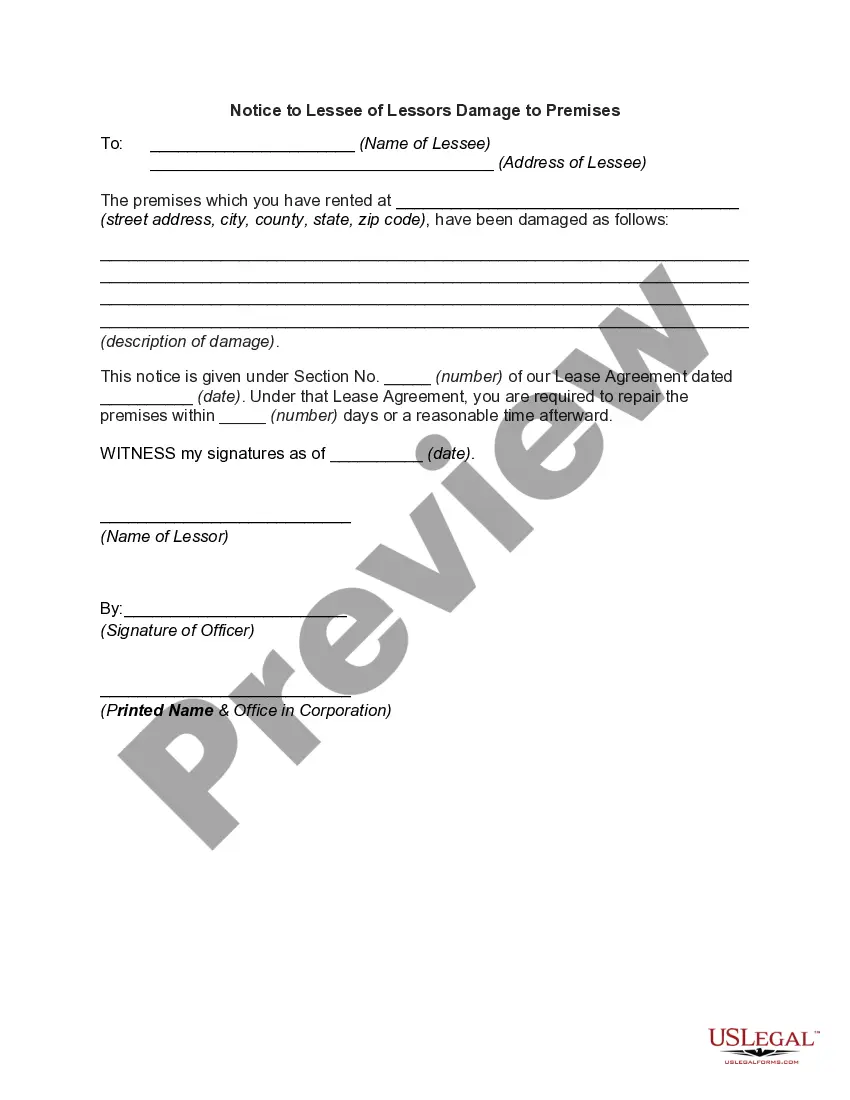
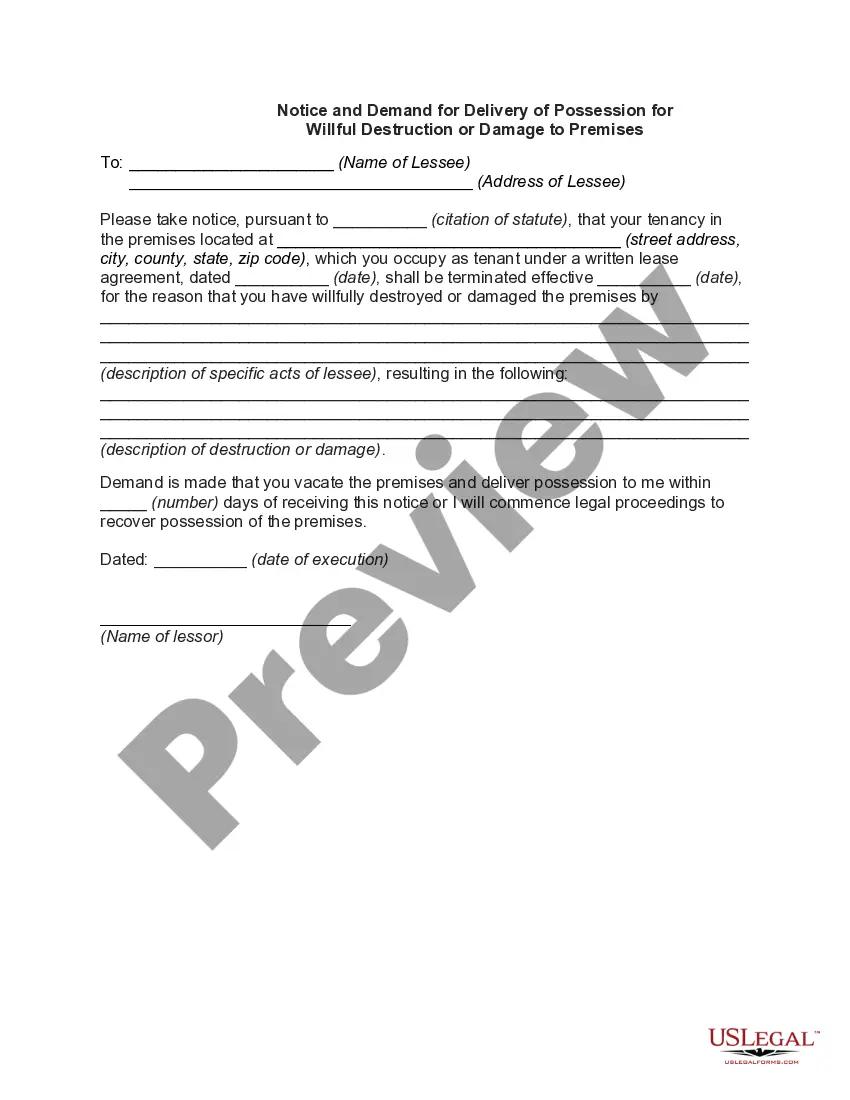
This form is a Letter from Tenant to Landlord containing notice that the premises are uninhabitable in violation of law and a demand for immediate repair. It serves as a formal communication from the tenant to the landlord regarding necessary repairs to make the rental unit livable. This form is critical for tenants who want to ensure their legal rights are protected and to officially document their request for repairs, differentiating it from informal complaints or verbal requests.
Form components explained
- Tenant's signature and date: Essential to validate the form.
- Landlord's information: Specifies the recipient of the notice.
- Details of uninhabitable conditions: Clearly describes issues requiring attention.
- Demand for immediate repair: Stresses urgency for the landlord to take action.
- Potential consequences: Mentions tenant rights to terminate lease or seek rent abatement if repairs are not made.


Common use cases
You should use this form when you, as a tenant, discover that the rented premises are not livable due to conditions that violate health or safety laws. Examples include lack of heat, plumbing issues, significant water damage, or pest infestations. This notice is a formal step to alert your landlord to address these issues promptly, safeguarding your right to a safe living environment.
Who can use this document
This form is intended for tenants who:
- Are experiencing serious issues within their rental property that impact habitability.
- Want to formally notify their landlord of required repairs.
- Need to document their communication for future legal purposes.
- Are considering lease termination or rent abatement due to unresolved issues.
How to prepare this document
To complete this form, follow these steps:
- Identify yourself as the tenant and provide your contact information.
- Include the landlord's name and address to ensure proper delivery.
- Clearly outline the issues that make the premises uninhabitable.
- State your demand for immediate repairs in a direct manner.
- Sign and date the form to validate your request.
Does this document require notarization?
This form does not typically require notarization unless specified by local law. You can use it as a straightforward written notice to your landlord without the need for additional validation.
Get your form ready online
Our built-in tools help you complete, sign, share, and store your documents in one place.
Make edits, fill in missing information, and update formatting in US Legal Forms—just like you would in MS Word.
Download a copy, print it, send it by email, or mail it via USPS—whatever works best for your next step.
Sign and collect signatures with our SignNow integration. Send to multiple recipients, set reminders, and more. Go Premium to unlock E-Sign.
If this form requires notarization, complete it online through a secure video call—no need to meet a notary in person or wait for an appointment.
We protect your documents and personal data by following strict security and privacy standards.

Make edits, fill in missing information, and update formatting in US Legal Forms—just like you would in MS Word.

Download a copy, print it, send it by email, or mail it via USPS—whatever works best for your next step.

Sign and collect signatures with our SignNow integration. Send to multiple recipients, set reminders, and more. Go Premium to unlock E-Sign.

If this form requires notarization, complete it online through a secure video call—no need to meet a notary in person or wait for an appointment.

We protect your documents and personal data by following strict security and privacy standards.
Typical mistakes to avoid
- Failing to provide specific details about the issues with the premises.
- Not including the landlord's accurate contact information.
- Overlooking the requirement to sign and date the form.
- Not keeping a copy for personal records after sending the letter.
Benefits of using this form online
- Convenient access to pre-drafted forms from licensed attorneys.
- Edit and personalize the form easily to fit specific circumstances.
- Instant downloads ensure you have the necessary forms when needed.
- A reliable way to communicate important issues to your landlord.
- A notice of uninhabitable conditions gives the tenant legal grounds to demand repairs.
- Failure to address the issues identified by the tenant may allow the tenant to terminate the lease legally.
- This form provides a formal record of communication between tenant and landlord, which can be important for any future legal actions.
What to keep in mind
- The form is essential for documenting uninhabitable conditions in a rental property.
- It's important to be clear and detailed about the issues in your notice.
- A signed copy provides evidence of your complaint and request for repairs.
- Understanding state-specific laws can enhance your legal standing.
Looking for another form?
Form popularity
FAQ
Your landlord has to do anything your tenancy agreement says they have to do. Your landlord is also generally responsible for keeping in repair: the structure and exterior of your home, for example, the walls, roof, foundations, drains, guttering and external pipes, windows and external doors.
Fundamental responsibilities of landlords include: providing and maintaining the property in a clean and reasonable standard; giving proper receipts and maintaining records of all transactions pertaining to the tenancy; paying council rates and taxes; maintaining locks to ensure the property's security; and lodging the
Landlords should consider replacing the carpeting in their rental properties at least every 7 years. This will help to protect the value of the landlord's investment in their property while also ensuring that their tenants have a high-quality place to live.
So when is your landlord responsible for repairs? When you rent, your landlord is responsible for maintaining the functional aspects of your home such as plumbing, electricity, and heating. Landlords must also generally take action when flooding, a clogged pipe, pest infestation, or other problems occur.
Property Needs to Meet Local Health and Building Codes. Visible Mold. Pests. Changing Locks. Heat, Electric, Hot and Cold Water. Structural Integrity and Weather Protected. Regularly Discarding Trash. Damage Caused by the Tenant or Their Guests.
The landlord must make sure that the building, out-buildings, and the grounds are clean and free of trash, rodents and bugs at the time the rental agreement commences.During the tenancy, the landlord has a continuing responsibility to keep all areas under his or her control clean, decent, healthy and safe.
In a month-to-month tenancy, that time period is 7 days for essential services such as water, plumbing and heat, and 30 days for all other kinds of repairs. In a week-to-week tenancy, your notice must give the landlord 7 days to repair the problem. The notice period starts when the landlord receives the notice.
In Oregon, the landlord is required to provide a pest-free environment at the start. From there, it's up to the tenant to keep it that way.In fact, a professional pest control company may be able to determine the cause of the infestation in the first place.
No, there is no painting requirement in Oregon law. The landlord is entitled to get the townhouse back in the same condition it was in at the time it was first leased to the tenant, minus ordinary wear and tear and the tenant can be charged as...