Complaint for Writ of Habeas Corpus
Understanding this form
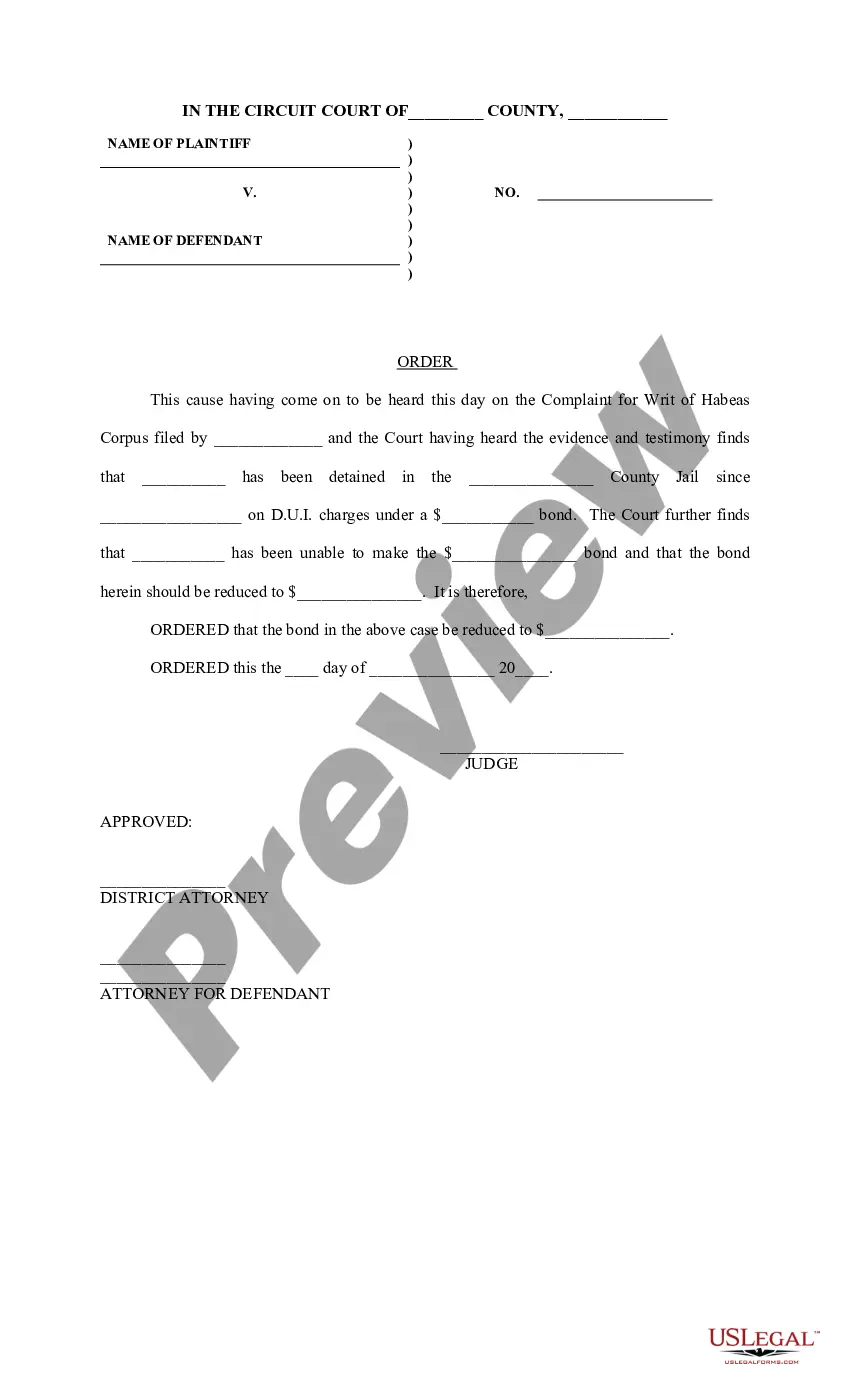
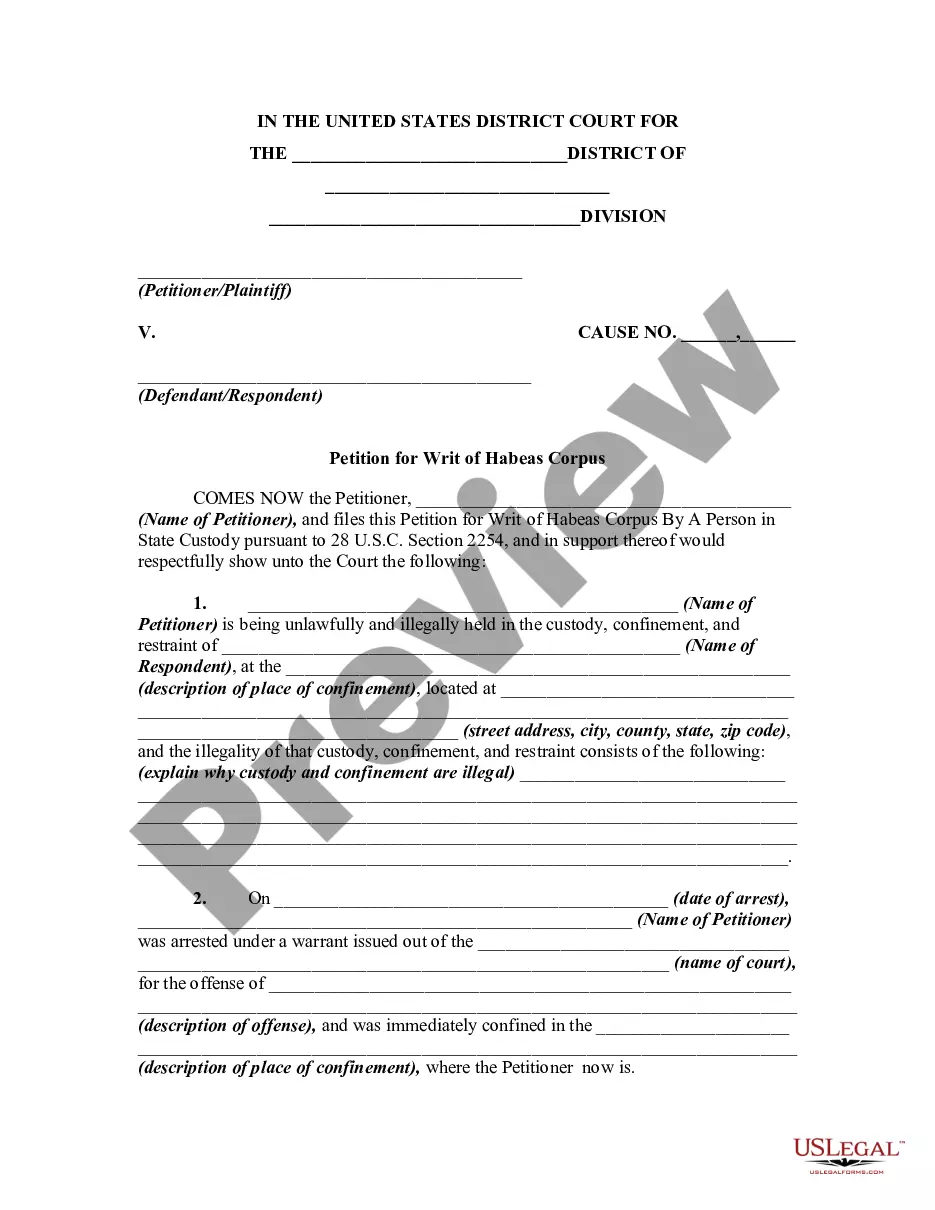
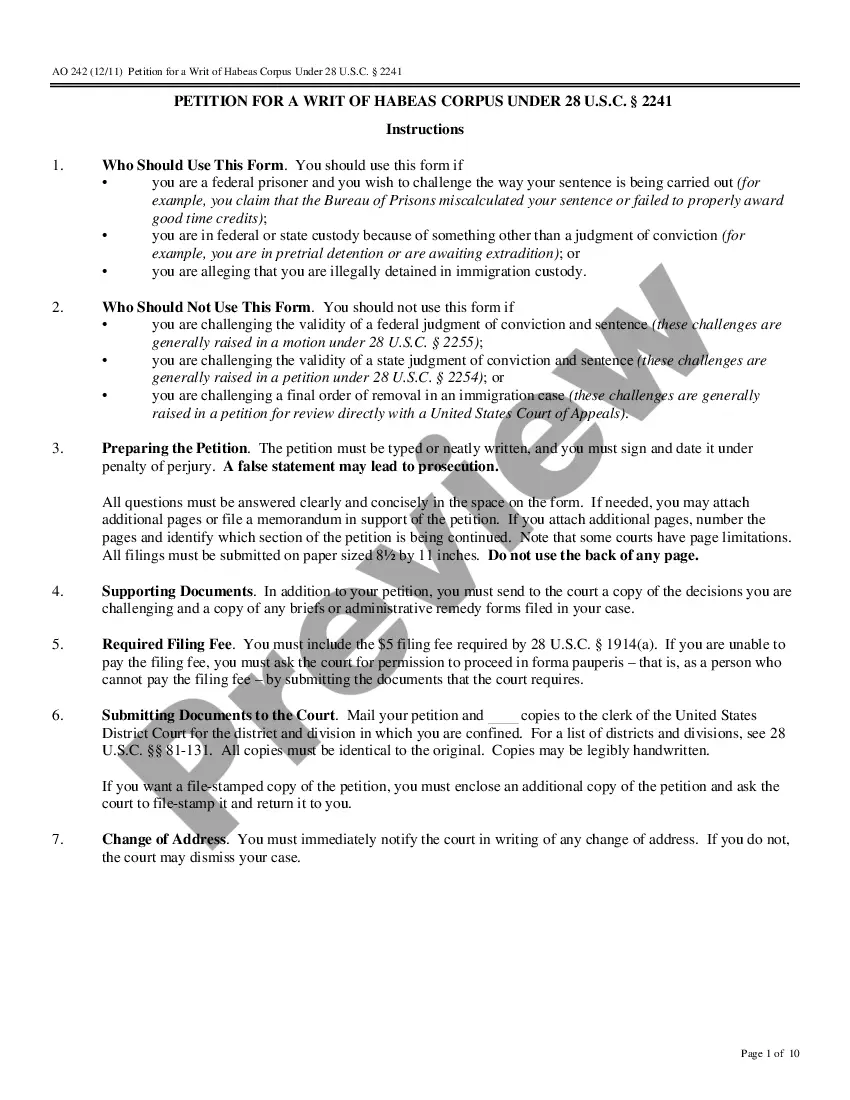
The Complaint for Writ of Habeas Corpus is a legal document that allows an individual to challenge their detention or imprisonment. This form is typically used when a petitioner believes their confinement is unlawful. Unlike other legal forms, this specific complaint focuses on securing the release of the petitioner by questioning the legality of their imprisonment, often based on issues like insufficient evidence or excessive bail.
Key components of this form
- Name and identifying information of the petitioner.
- Details about the current imprisonment, including the location and reason for detention.
- Information regarding the bond amount set by the court.
- A request for the issuance of a Writ of Habeas Corpus.
- A prayer for relief, asking the court to order an examination of the detention circumstances.

When to use this document
This form should be used when an individual is detained in jail and believes their detention is unlawful. Common scenarios for using a Complaint for Writ of Habeas Corpus include situations where a person cannot afford bail, believes they were wrongfully charged, or if their rights to due process have been violated. This form serves as a means to seek judicial intervention regarding their detention.
Who needs this form
This form is intended for:
- Individuals who are currently detained or imprisoned.
- Those who believe their confinement violates legal rights.
- Petitioners seeking to challenge the conditions of their detention or the legality of their bond.
Steps to complete this form
- Provide the petitioner's full name and county of residence.
- Specify the location and reason for your detention.
- Indicate the bond amount set by the court that you are unable to pay.
- Clearly state the relief requested from the court.
- Sign and date the form before submission.
Notarization requirements for this form
Notarization is generally not required for this form. However, certain states or situations might demand it. You can complete notarization online through US Legal Forms, powered by Notarize, using a verified video call available anytime.
Get your form ready online
Our built-in tools help you complete, sign, share, and store your documents in one place.
Make edits, fill in missing information, and update formatting in US Legal Forms—just like you would in MS Word.
Download a copy, print it, send it by email, or mail it via USPS—whatever works best for your next step.
Sign and collect signatures with our SignNow integration. Send to multiple recipients, set reminders, and more. Go Premium to unlock E-Sign.
If this form requires notarization, complete it online through a secure video call—no need to meet a notary in person or wait for an appointment.
We protect your documents and personal data by following strict security and privacy standards.
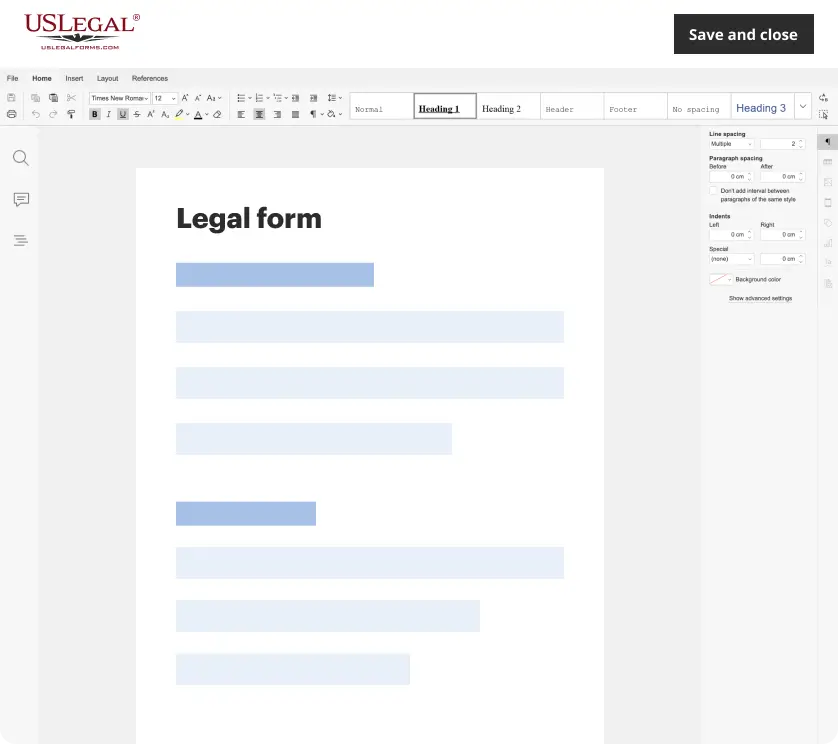
Make edits, fill in missing information, and update formatting in US Legal Forms—just like you would in MS Word.

Download a copy, print it, send it by email, or mail it via USPS—whatever works best for your next step.
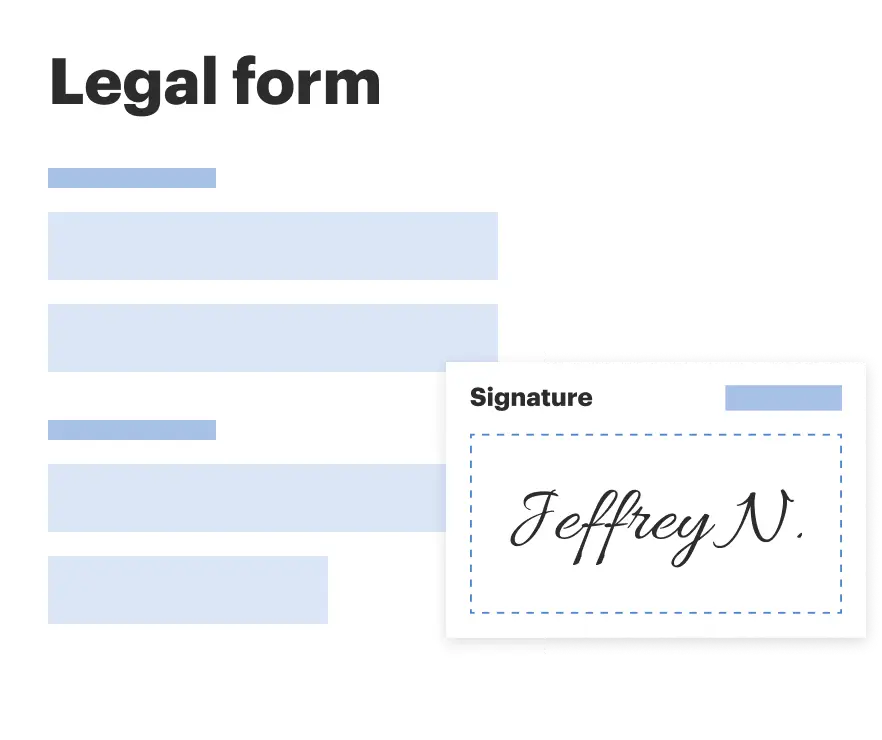
Sign and collect signatures with our SignNow integration. Send to multiple recipients, set reminders, and more. Go Premium to unlock E-Sign.

If this form requires notarization, complete it online through a secure video call—no need to meet a notary in person or wait for an appointment.

We protect your documents and personal data by following strict security and privacy standards.
Avoid these common issues
- Failing to provide accurate personal information.
- Omitting details about the reason for detention.
- Not clearly stating the requested relief.
- Submitting the form without required signatures.
Benefits of completing this form online
- Convenience of instant access to legal forms from anywhere.
- Editable formats allow for customization to meet specific needs.
- Access to forms prepared by licensed attorneys for accuracy and compliance.
Legal use & context
- The Complaint for Writ of Habeas Corpus is subject to state-specific procedures and rules.
- Usage of the form is limited to situations involving unlawful detention.
- Filing this complaint can lead to hearings where the legality of detention is assessed.
What to keep in mind
- This form enables individuals to contest their unlawful detention.
- Ensure all information is accurate and complete to avoid delays.
- Understand the local laws regarding habeas corpus filings in your state.
Looking for another form?
Form popularity
FAQ
Known as "the Great Writ," habeas corpus gives individuals the power to get help from courts to keep government and any other institutions that may imprison people in check.The writ of habeas corpus gives jailed suspects the right to ask a judge to set them free or order an end to improper jail conditions.
The "Great Writ" of habeas corpus is a fundamental right in the Constitution that protects against unlawful and indefinite imprisonment. Translated from Latin it means "show me the body." Habeas corpus has historically been an important instrument to safeguard individual freedom against arbitrary executive power.
An example of habeas corpus is if you file a petition with the court because you want to be brought before a judge where reasons for your arrest and detention must be shown.
A writ of habeas corpus is used to bring a prisoner or other detainee (e.g. institutionalized mental patient) before the court to determine if the person's imprisonment or detention is lawful. A habeas petition proceeds as a civil action against the State agent (usually a warden) who holds the defendant in custody.
A person convicted of a crime must file a habeas corpus petition with the court, typically the California Superior Court. Three requirements must be met before a person can successfully file a writ of habeas corpus petition.