Complaint Property Damage
What this document covers
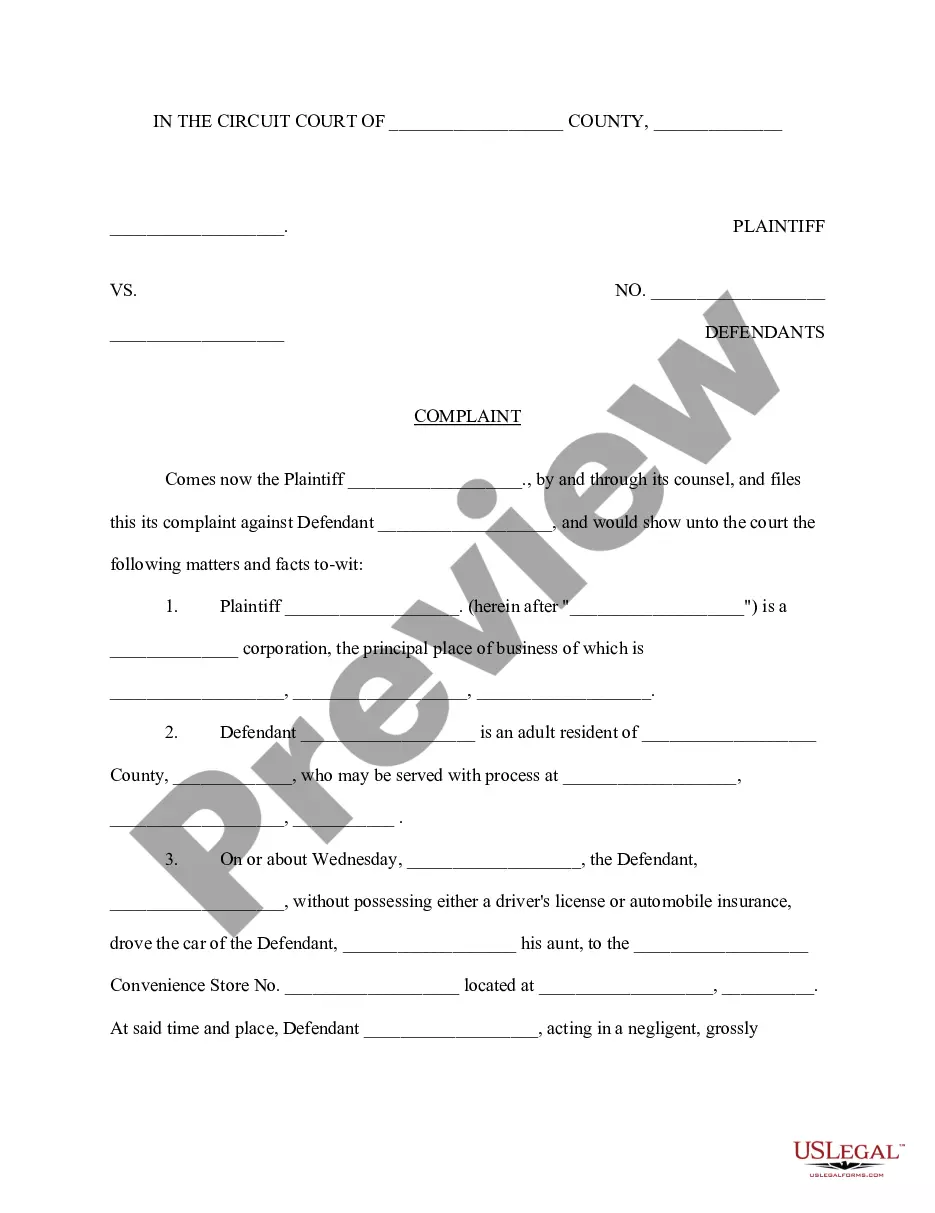
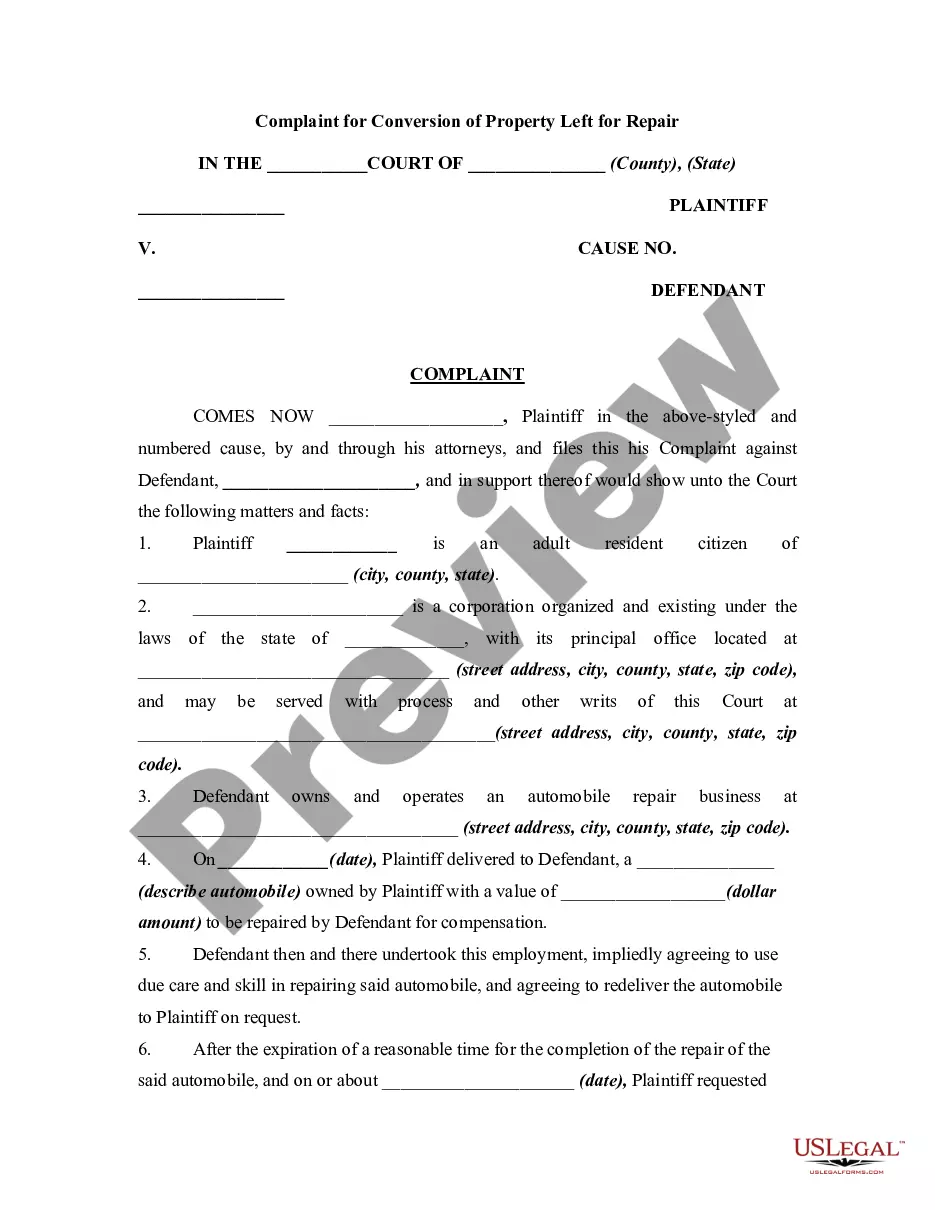
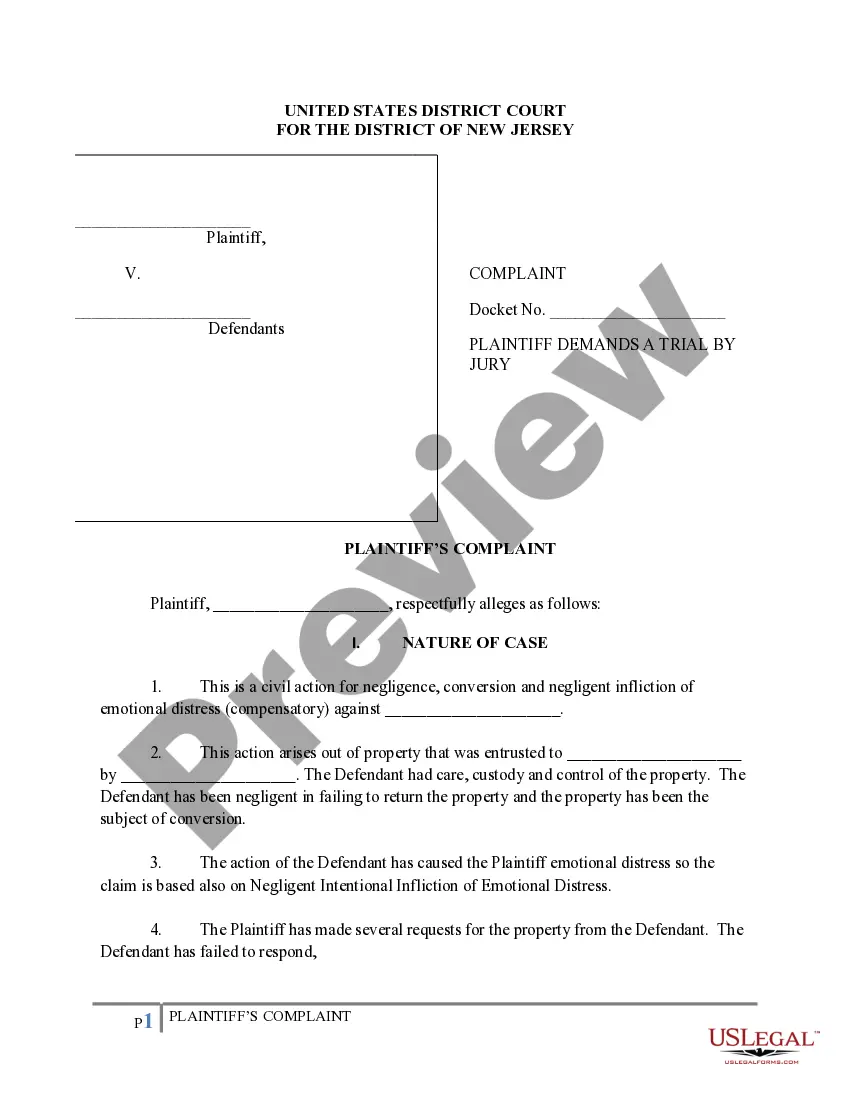
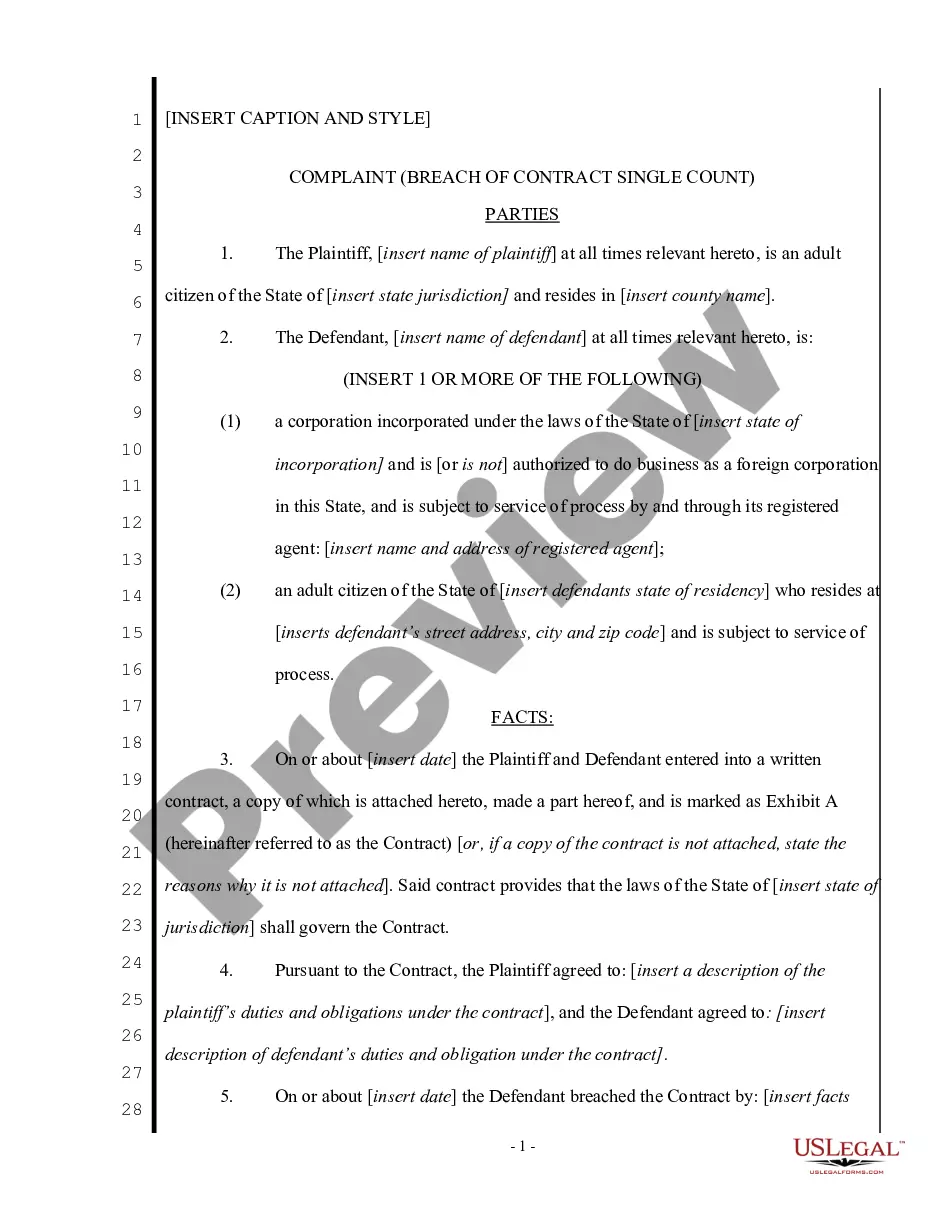
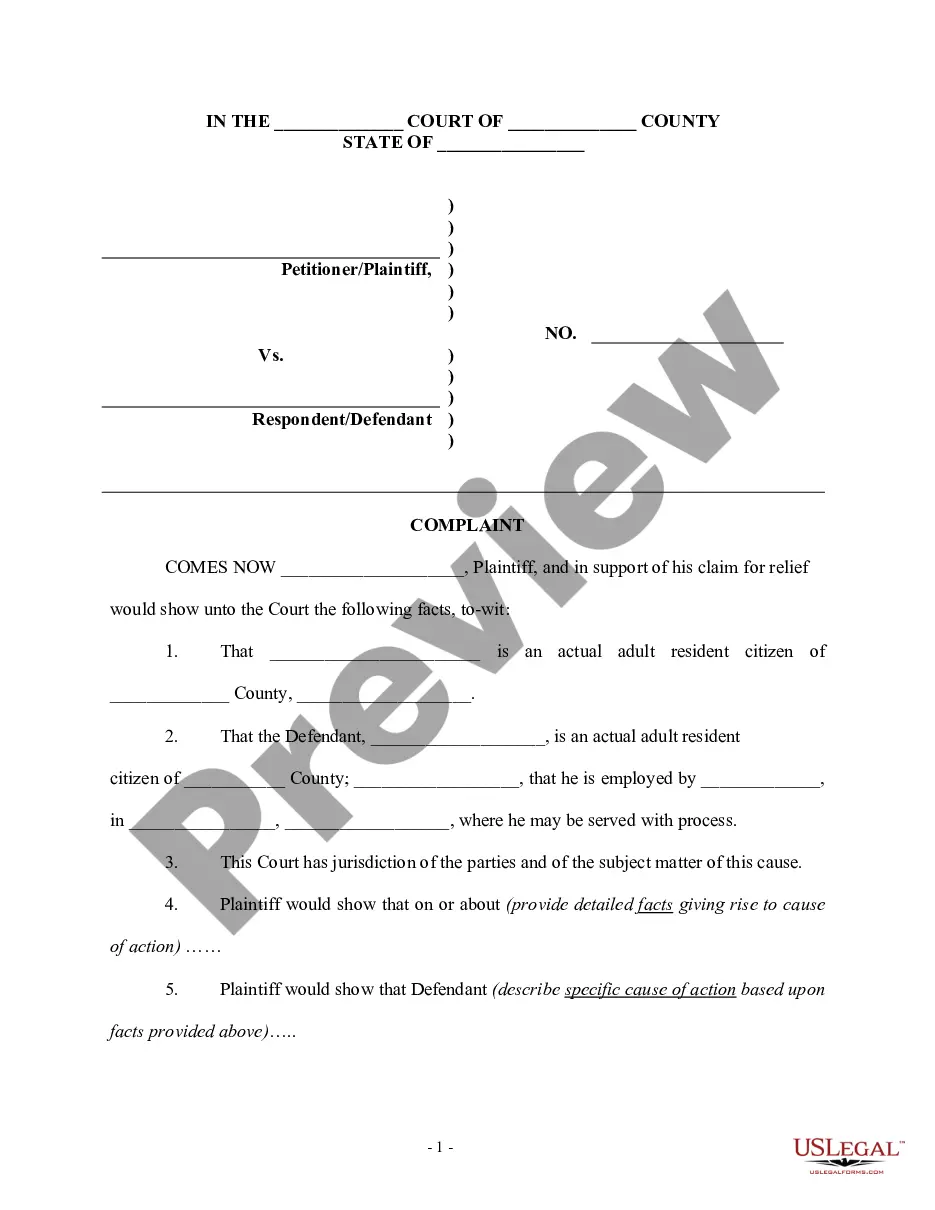
The Complaint Property Damage form is a legal document used by individuals or entities to initiate a lawsuit for damages caused to property. This form outlines the specifics of the incident, including the parties involved, the nature of the damages, and the claims for compensation. Unlike similar forms, this complaint is specifically tailored to cases addressing property damage resulting from negligence or illegal actions of another party.
Key components of this form
- Identification of the plaintiff and defendant, including their details.
- Facts surrounding the incident of property damage, including the date and circumstances.
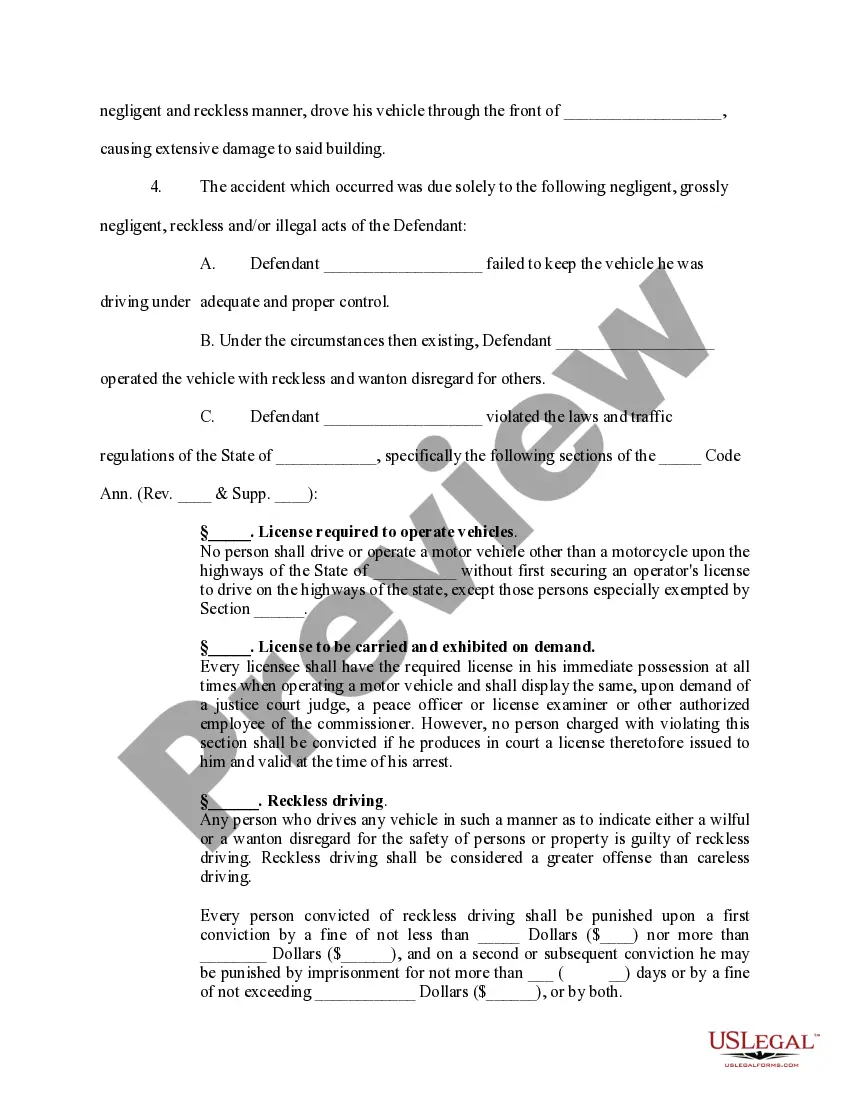
- Claims of negligence or wrongful acts attributed to the defendant.
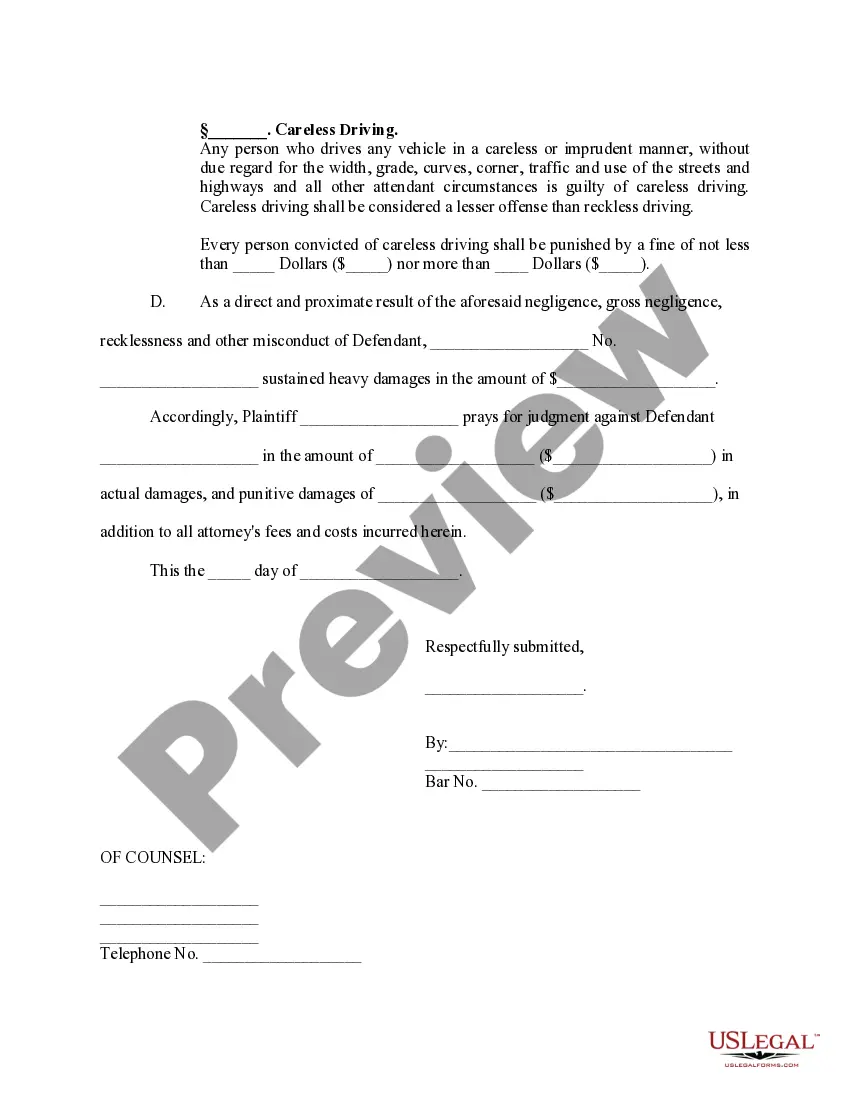
- Specification of damages that the plaintiff seeks in compensation.
- Legal basis for the complaint, citing relevant laws and regulations.
- Signature line for the attorney representing the plaintiff.

When this form is needed
This form should be used when an individual or business has experienced property damage due to the actions of another party. Common scenarios include car accidents where property damage occurred, incidents involving negligence, or situations where a party caused harm to real estate. Filing this complaint is necessary to seek restitution for financial losses incurred.
Who should use this form
- Homeowners seeking compensation for damage to their property.
- Business owners whose property has been harmed by another's actions.
- Individuals involved in a traffic accident where property damage occurred.
- Any party that wishes to file a legal complaint for property damage due to negligence or recklessness.
How to complete this form
- Identify all parties involved, including the plaintiff and defendant, and fill in their details.
- Describe the event that led to the property damage, including the date and specific circumstances.
- Clearly outline the negligent actions of the defendant that contributed to the damage.
- Specify the total amount of damages being claimed and any pertinent laws violated.
- Review the form with legal counsel for accuracy before submitting it to the court.
Notarization requirements for this form
This form usually doesn’t need to be notarized. However, local laws or specific transactions may require it. Our online notarization service, powered by Notarize, lets you complete it remotely through a secure video session, available 24/7.
Get your form ready online
Our built-in tools help you complete, sign, share, and store your documents in one place.
Make edits, fill in missing information, and update formatting in US Legal Forms—just like you would in MS Word.
Download a copy, print it, send it by email, or mail it via USPS—whatever works best for your next step.
Sign and collect signatures with our SignNow integration. Send to multiple recipients, set reminders, and more. Go Premium to unlock E-Sign.
If this form requires notarization, complete it online through a secure video call—no need to meet a notary in person or wait for an appointment.
We protect your documents and personal data by following strict security and privacy standards.

Make edits, fill in missing information, and update formatting in US Legal Forms—just like you would in MS Word.

Download a copy, print it, send it by email, or mail it via USPS—whatever works best for your next step.

Sign and collect signatures with our SignNow integration. Send to multiple recipients, set reminders, and more. Go Premium to unlock E-Sign.

If this form requires notarization, complete it online through a secure video call—no need to meet a notary in person or wait for an appointment.

We protect your documents and personal data by following strict security and privacy standards.
Avoid these common issues
- Failing to provide complete and accurate details of the parties involved.
- Omitting critical facts related to the incident and the damages incurred.
- Not citing the relevant laws or regulations that support the complaint.
- Neglecting to review the form for errors prior to submission.
Why use this form online
- Convenient access to a reliable and legally vetted document template.
- Ability to edit and customize the form to fit specific situations.
- Streamlined process for filing a legal claim from the comfort of your home.
- Immediate download for quick access and use.
Legal use & context
- This form serves as a basis for initiating legal proceedings in civil court.
- Filed complaints are subject to court examination and must adhere to specific legal standards.
- Failure to properly complete or file the complaint can lead to dismissal of the case.
Main things to remember
- The Complaint for Property Damage is essential for seeking compensation through legal means.
- Accurate and thorough completion of the form is crucial for a successful claim.
- Know your state's specific legal requirements to ensure proper filing and service.
Looking for another form?
Form popularity
FAQ
The Complaint Property Damage form is a civil action document used to start a lawsuit seeking compensation for property damage caused by another party’s negligence or wrongful acts. It guides the plaintiff to identify the parties, describe the incident, specify the damages sought, and establish the legal basis for the claim.
Property damage includes harm to real or personal property resulting from another party’s negligence or wrongful act. The form requires a clear statement of the incident’s facts and a specific listing of the damages the plaintiff seeks, tying the claim to the property damage and the legal basis cited.
Yes. The Complaint Property Damage form enables a plaintiff to file a civil action to recover financial losses from property damage caused by someone else’s negligence or wrongful conduct. The plaintiff identifies the parties, states what happened, and specifies the damages they seek to recover.
Examples include damage to a car from a collision, harm to a home or business premises, or destruction of equipment or personal belongings caused by another party’s negligence or reckless actions. The form requires describing the incident and detailing the exact damages the plaintiff seeks.
While not always required, many property damage lawsuits are filed with an attorney. The form includes a signature line for the plaintiff’s attorney, and a lawyer can help ensure the factual details and legal basis are correctly presented, improving the strength of the claim.
This form is specifically tailored to property damage claims caused by negligence or wrongful acts. It focuses on identifying the parties, describing the incident, detailing the damages sought, and including a signature line for an attorney—features aimed at property-loss cases rather than broader personal injury or non-property disputes.