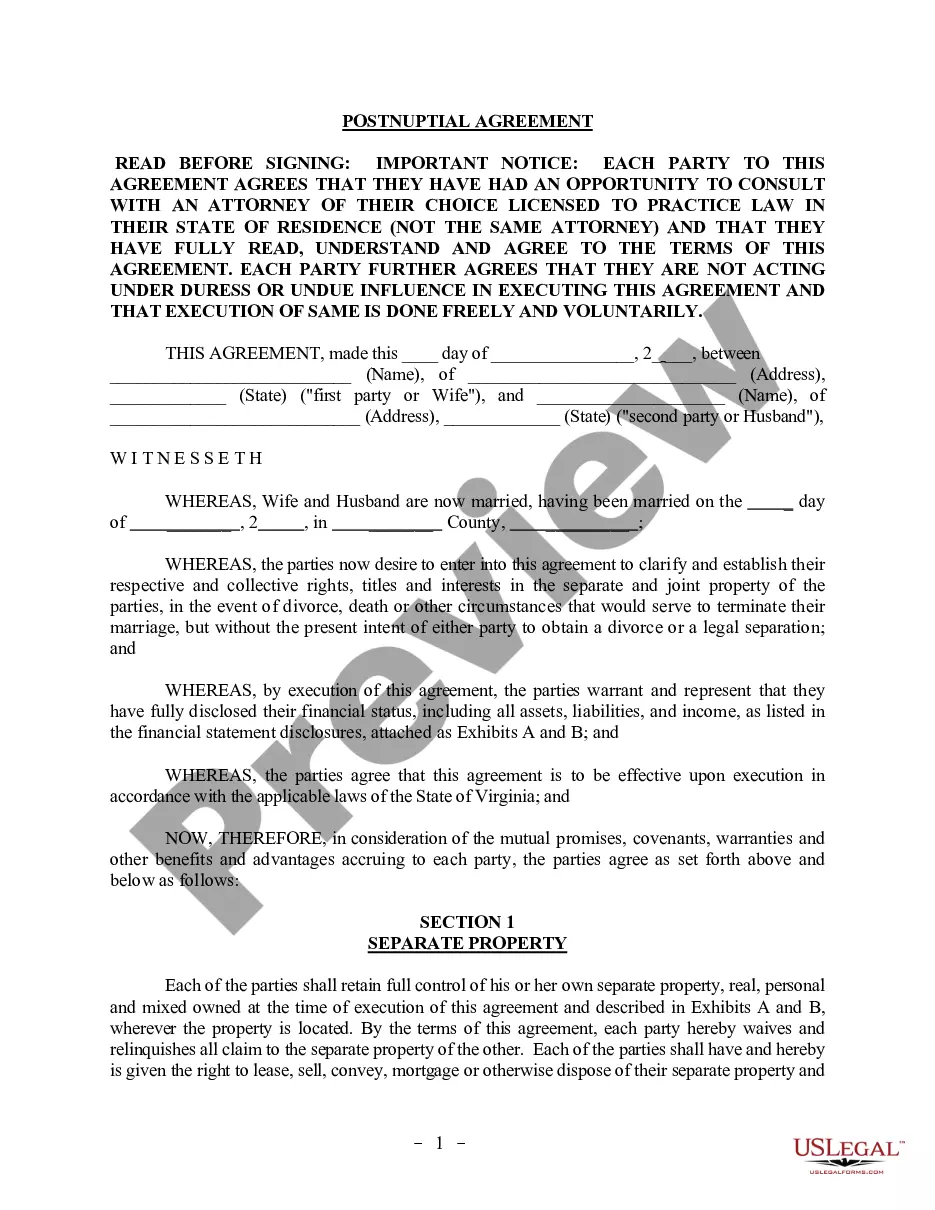
Motion to Bar Introduction of Any Evidence Relating to Prior Convictions or Bad Acts
Understanding this form
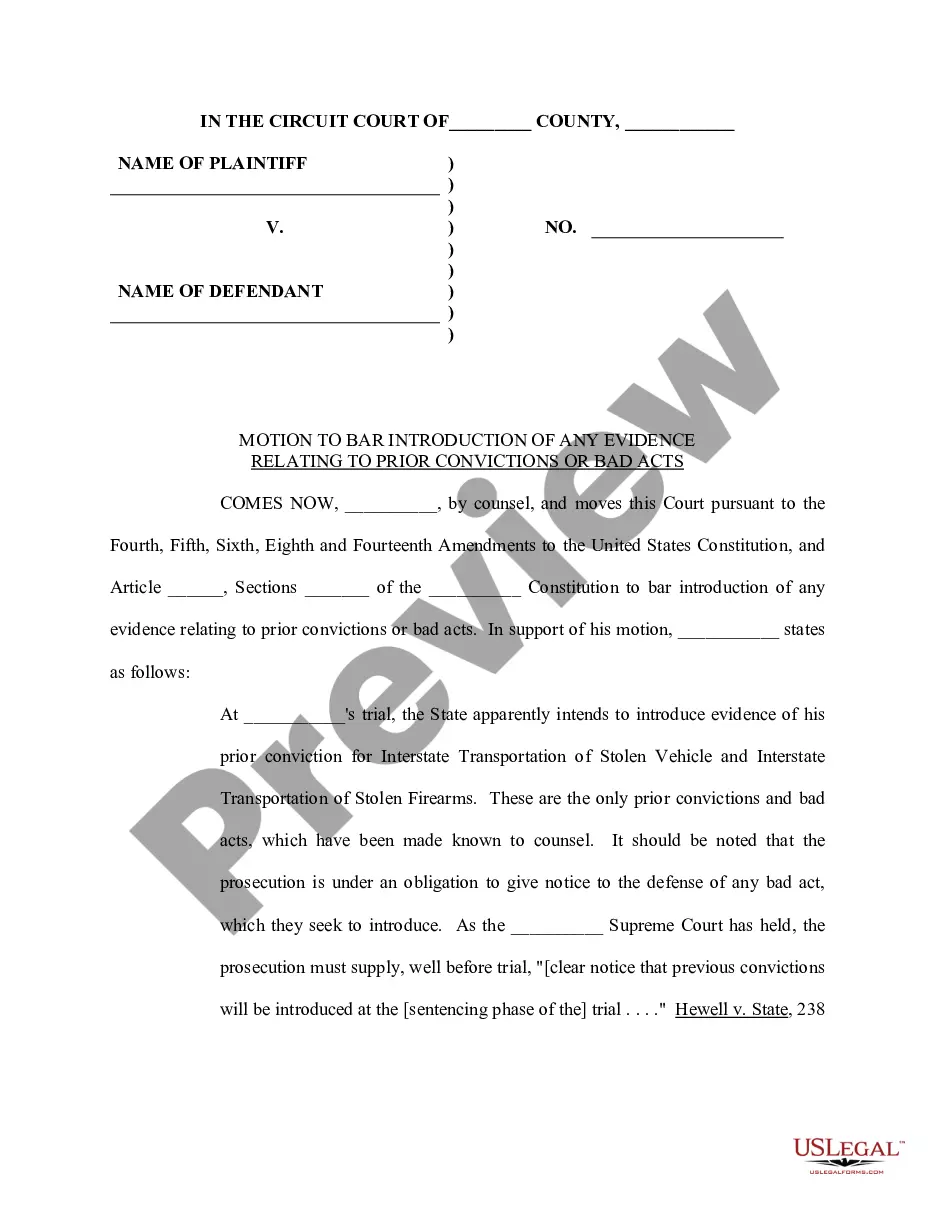
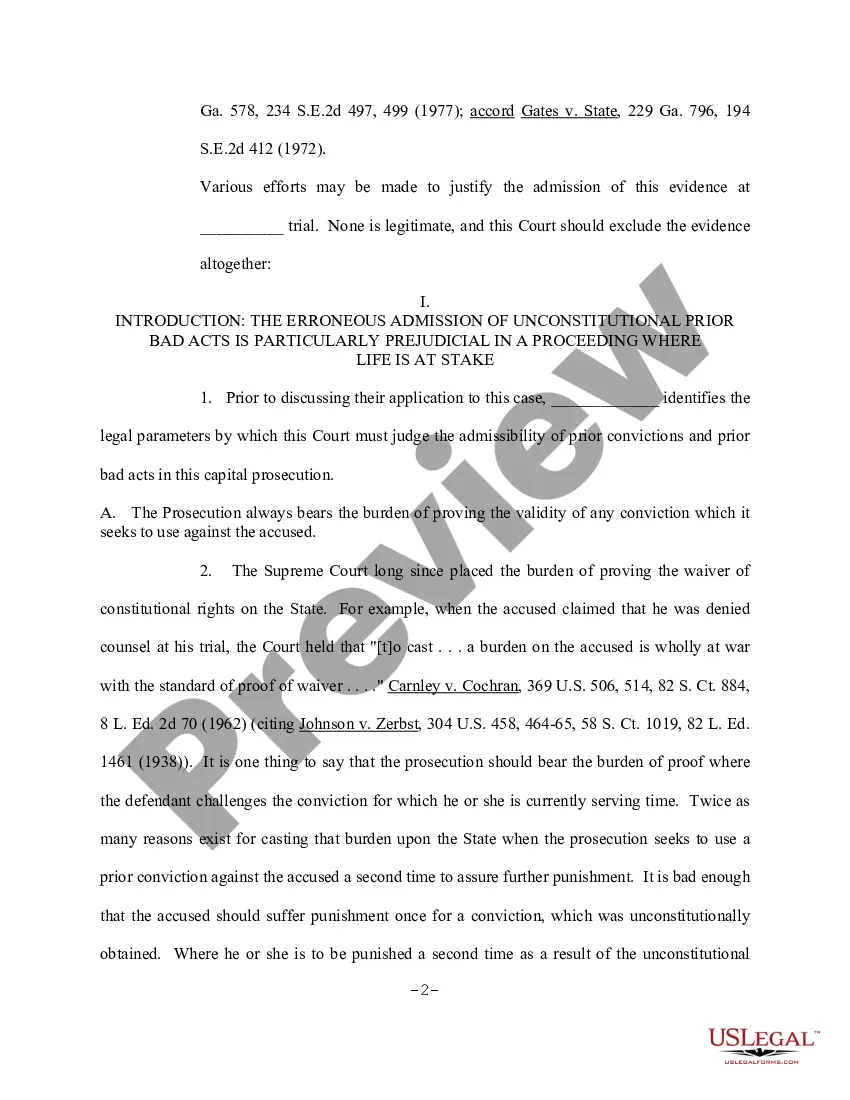
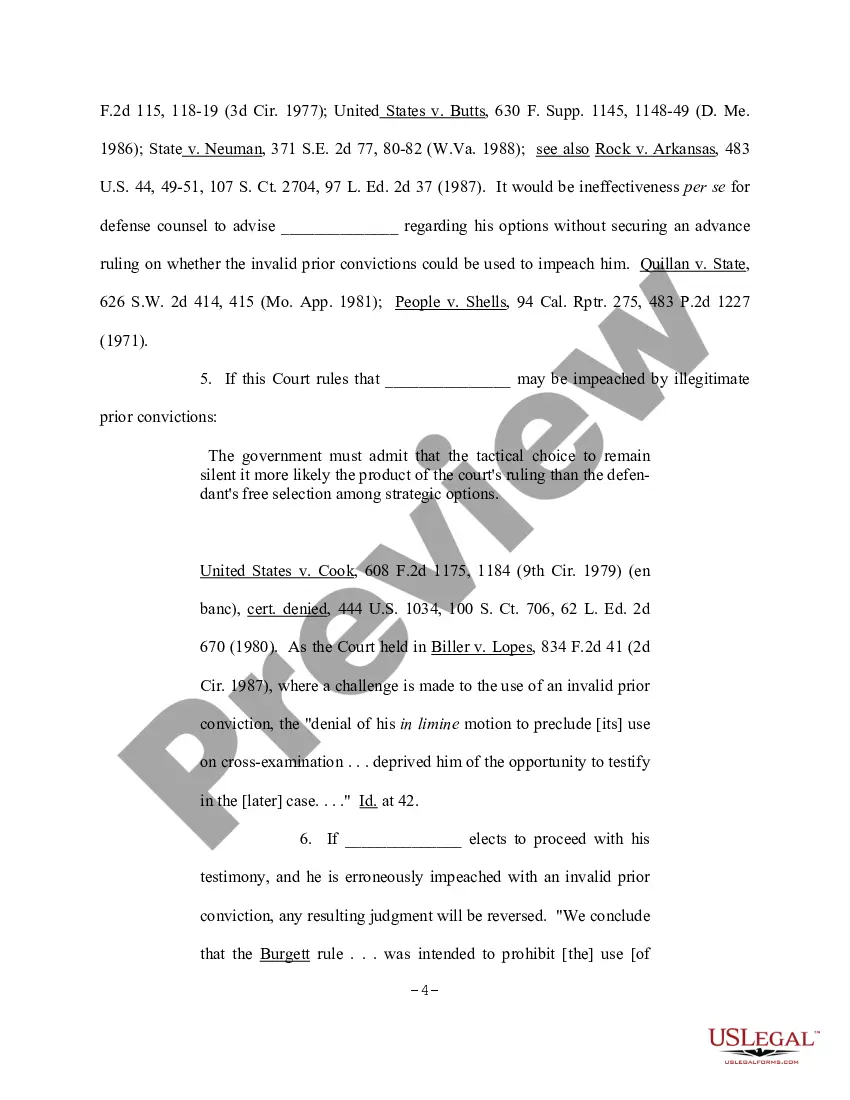
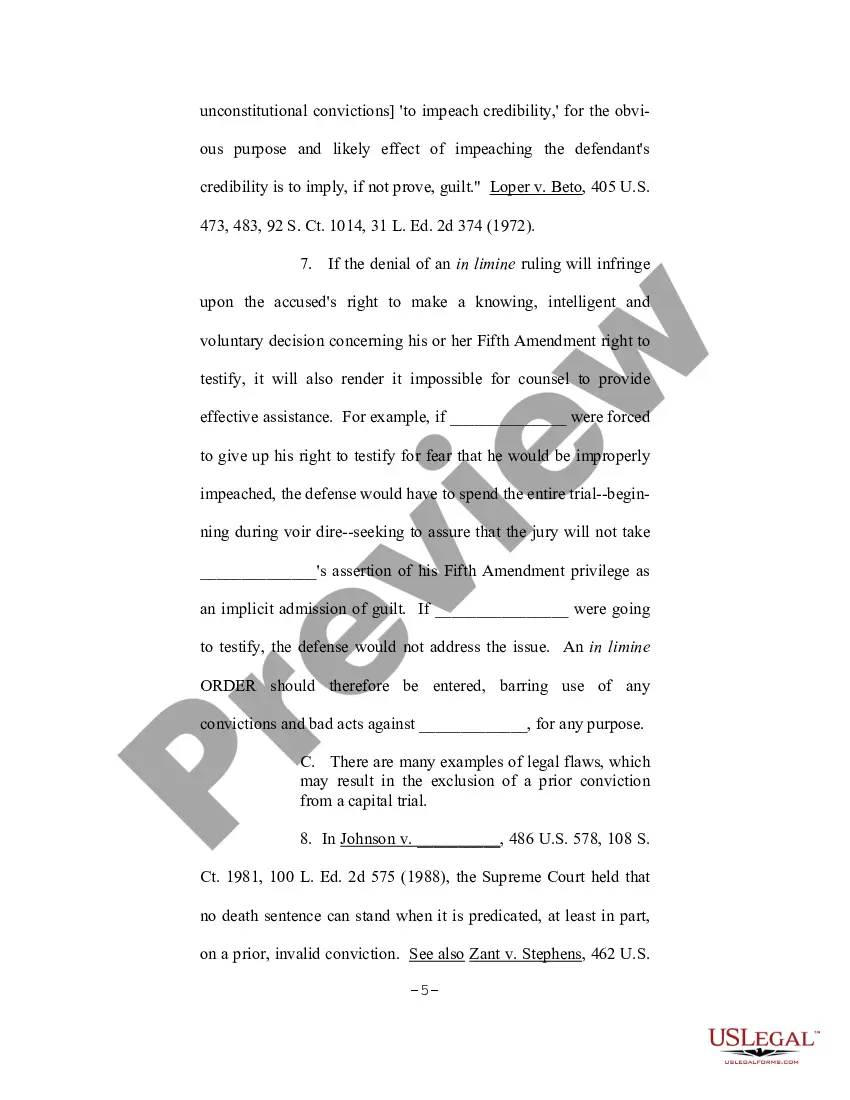
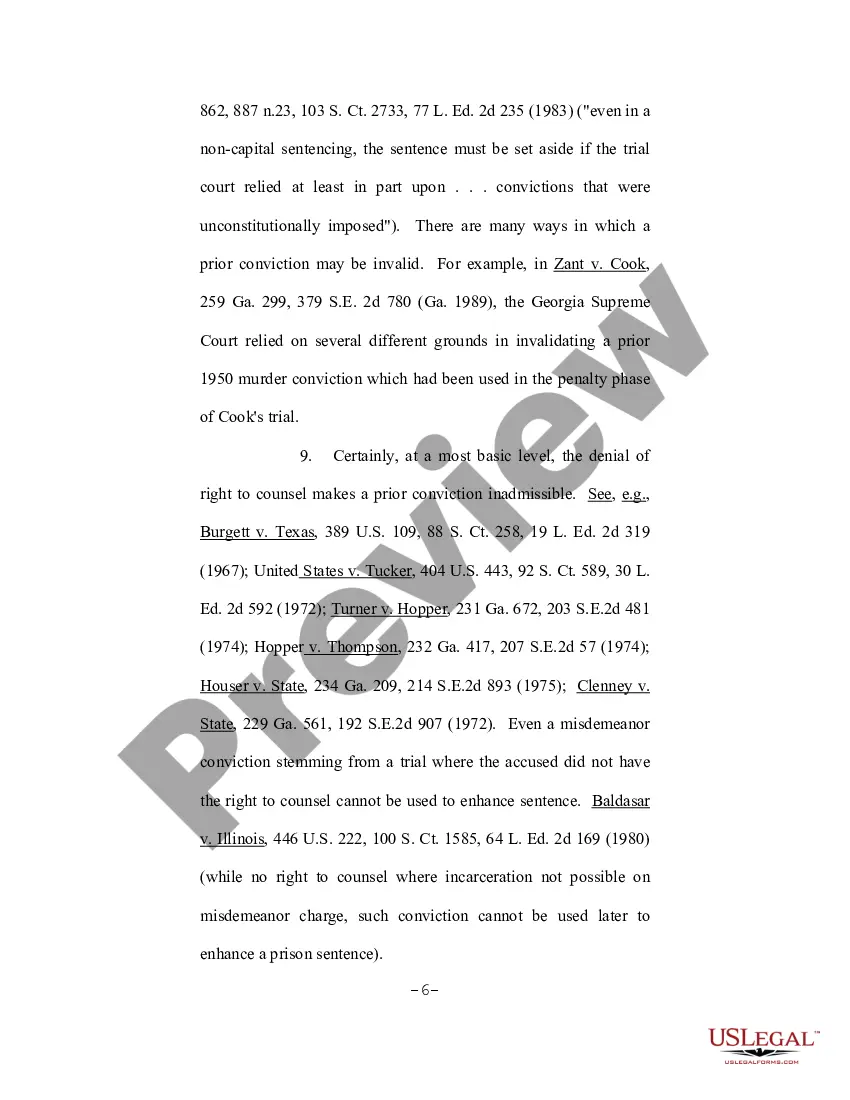
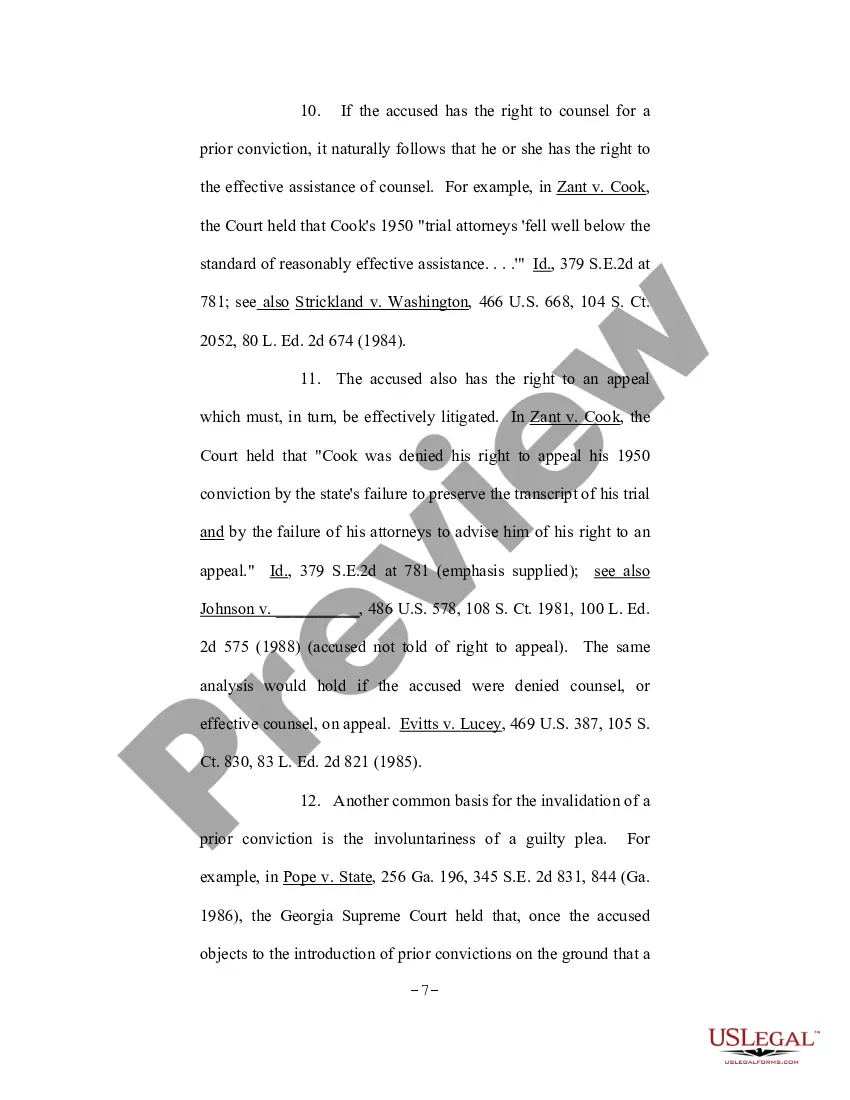
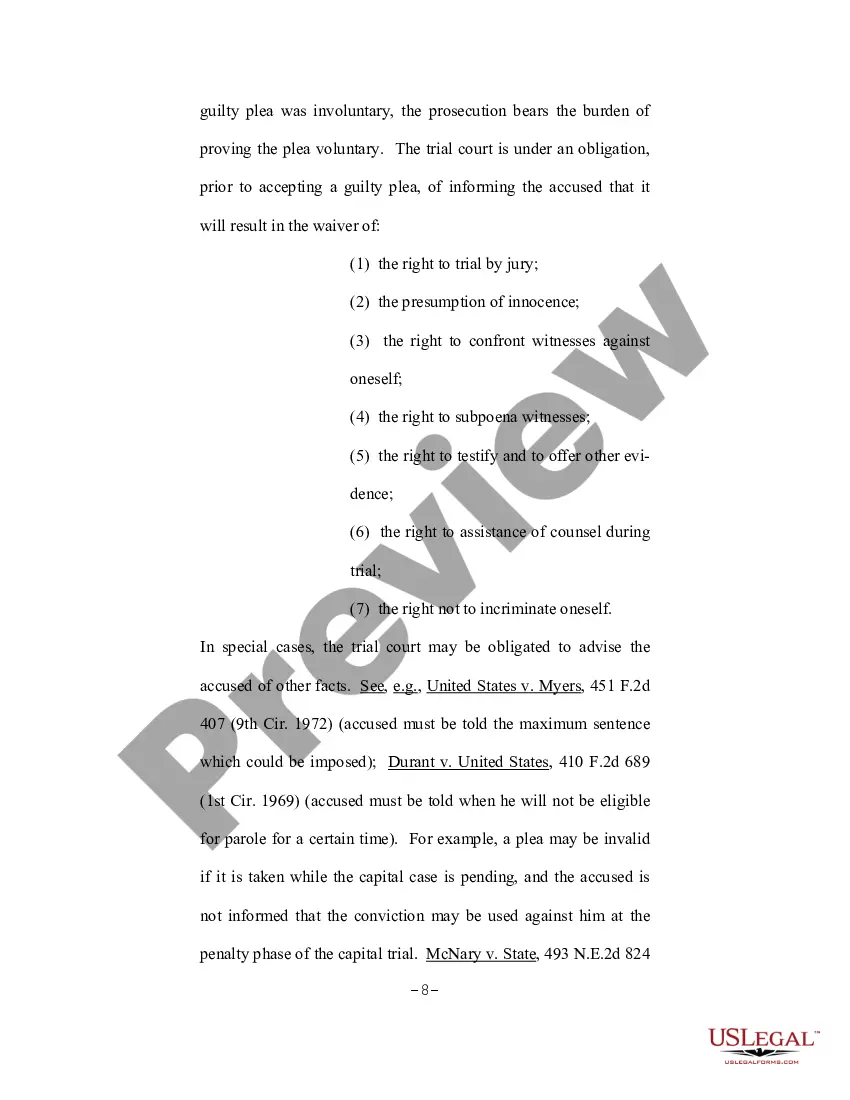
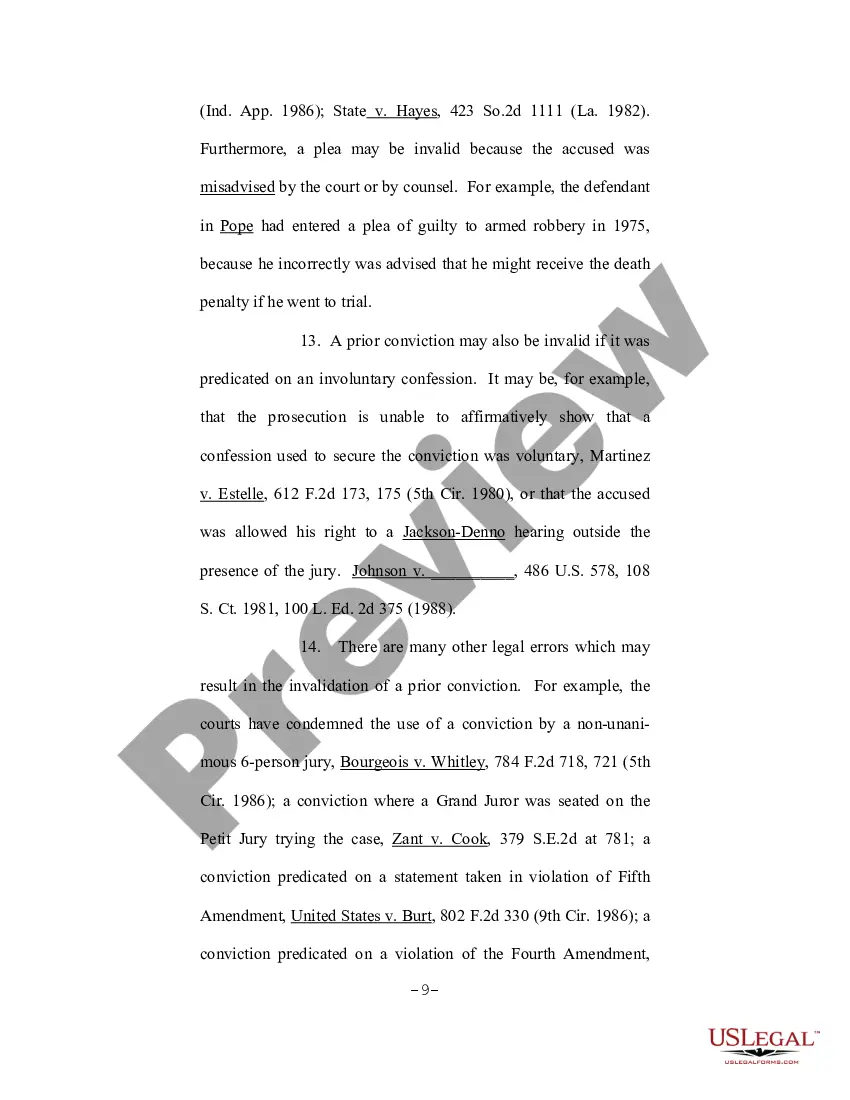
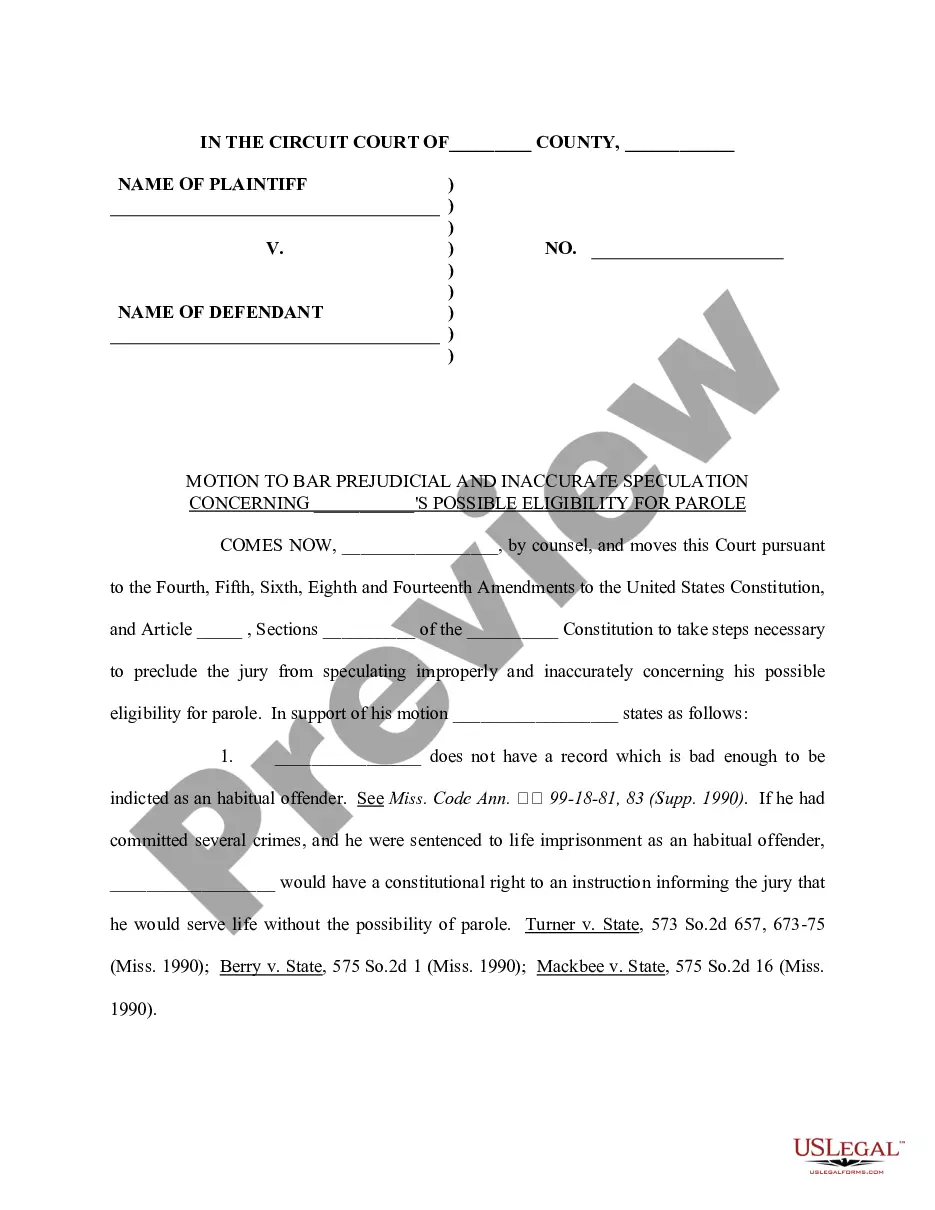
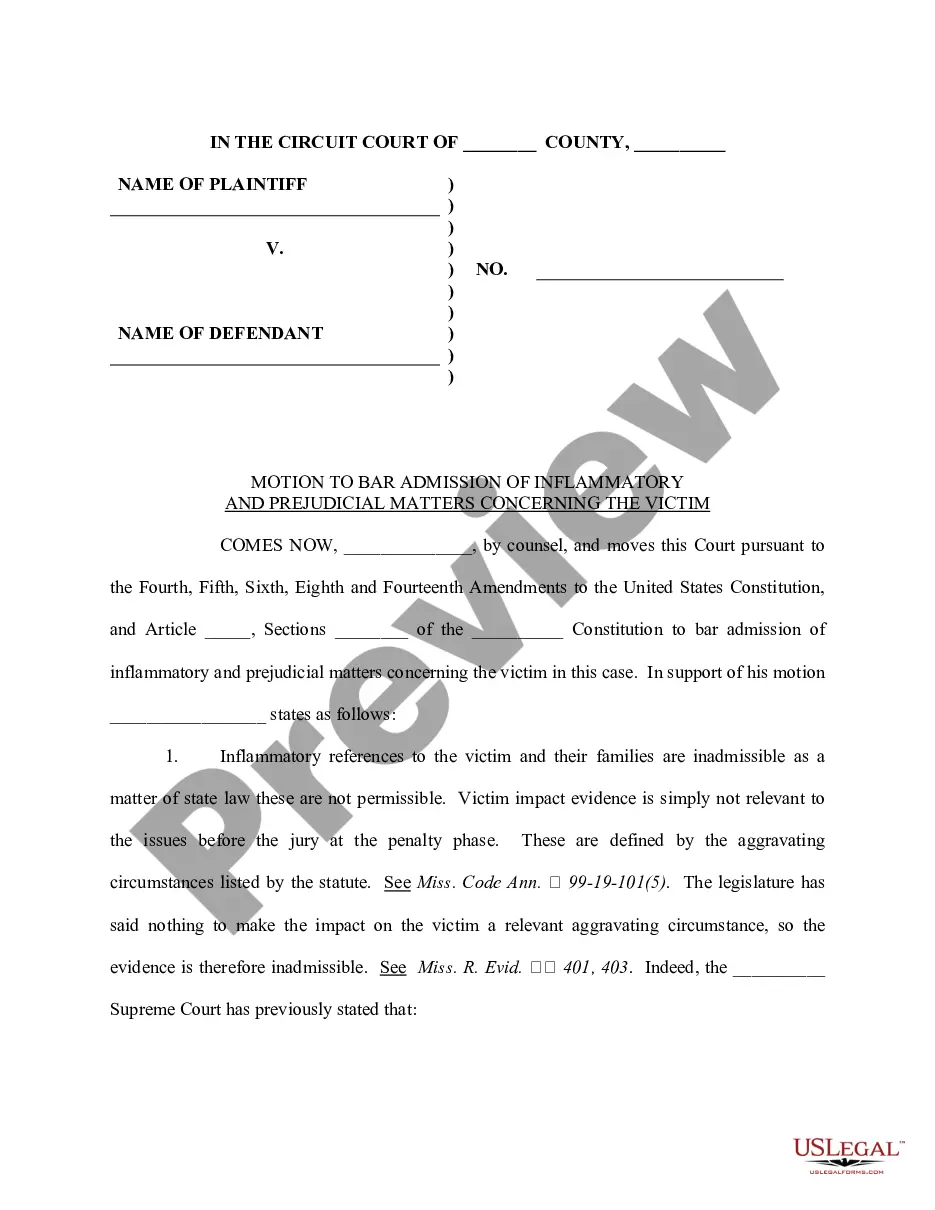
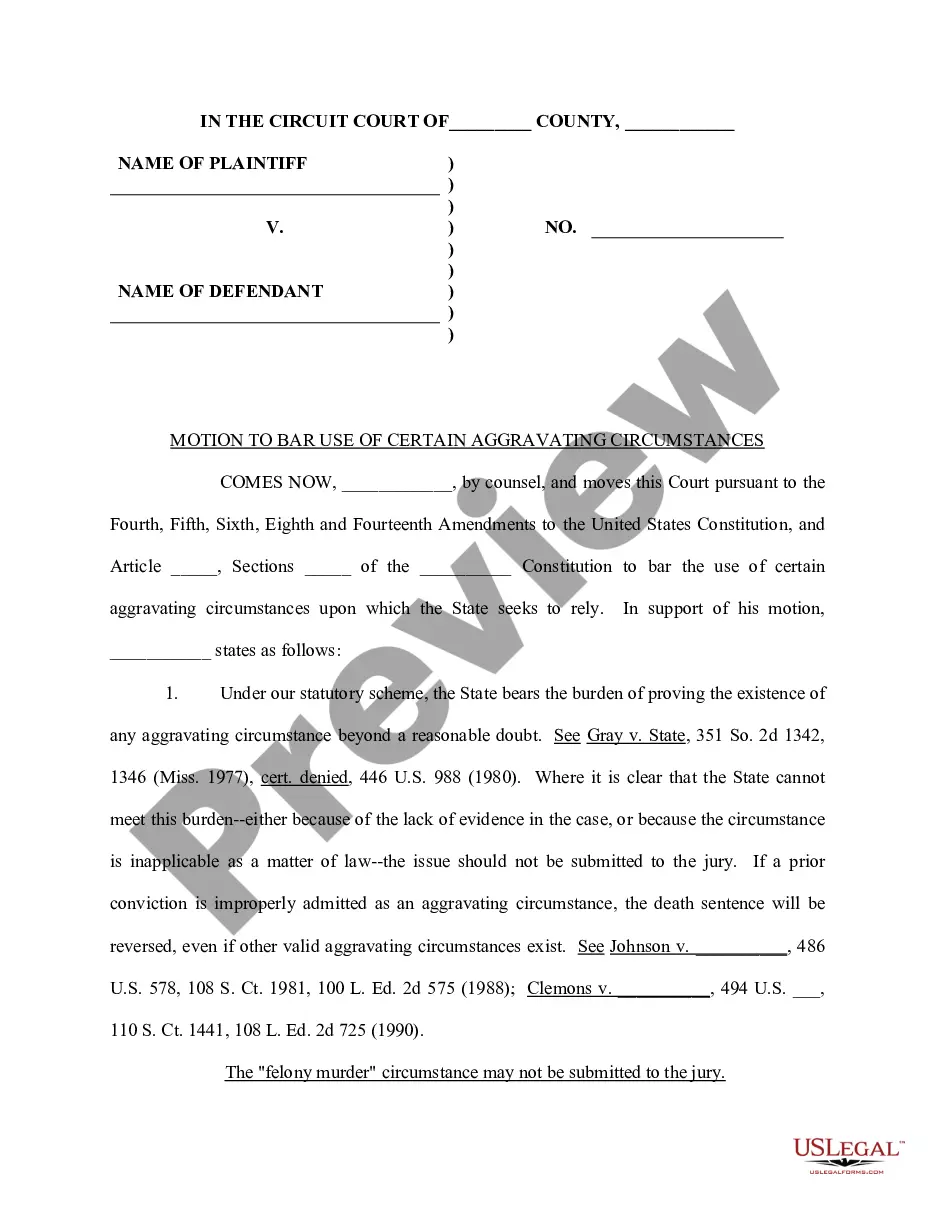
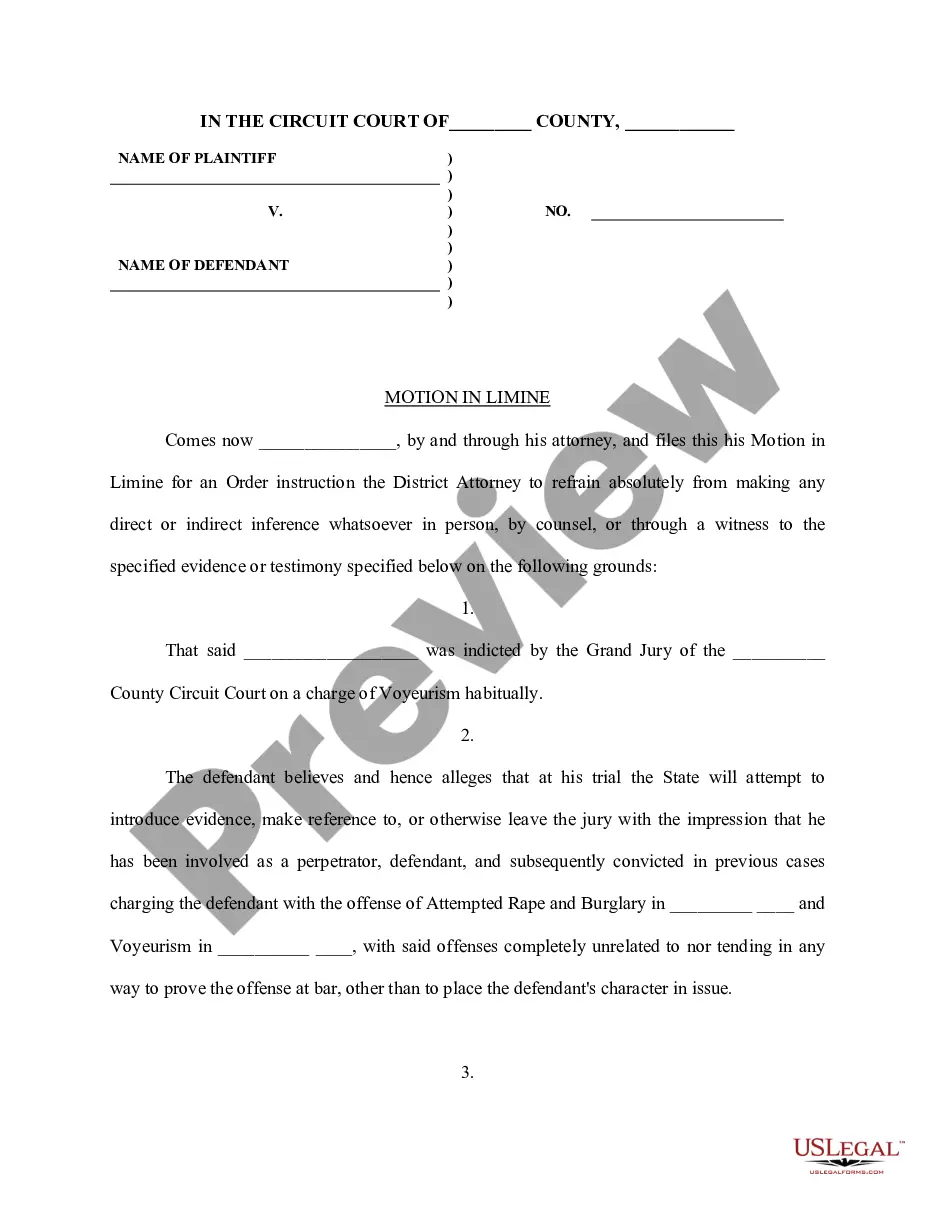
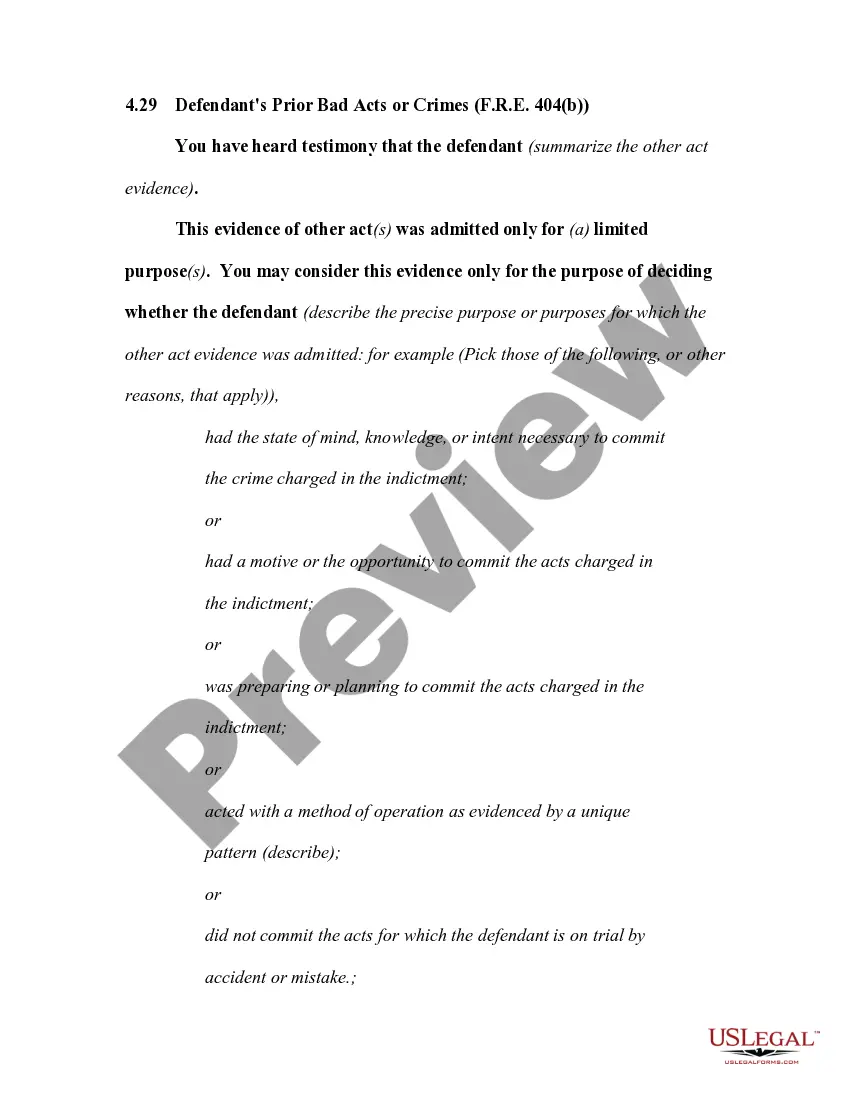
The Motion to Bar Introduction of Any Evidence Relating to Prior Convictions or Bad Acts is a legal document used to prevent the introduction of prior criminal convictions or bad acts in a trial. This form is critical in ensuring that only relevant and legally permissible evidence is presented, helping to protect defendants from unfair prejudice during a trial. Unlike other motions, this specific form focuses on constitutional protections against the use of potentially harmful evidence from the defendant's past that could influence the jury's decision unfairly.
Key components of this form
- Introduction paragraph outlining the basis for the motion.
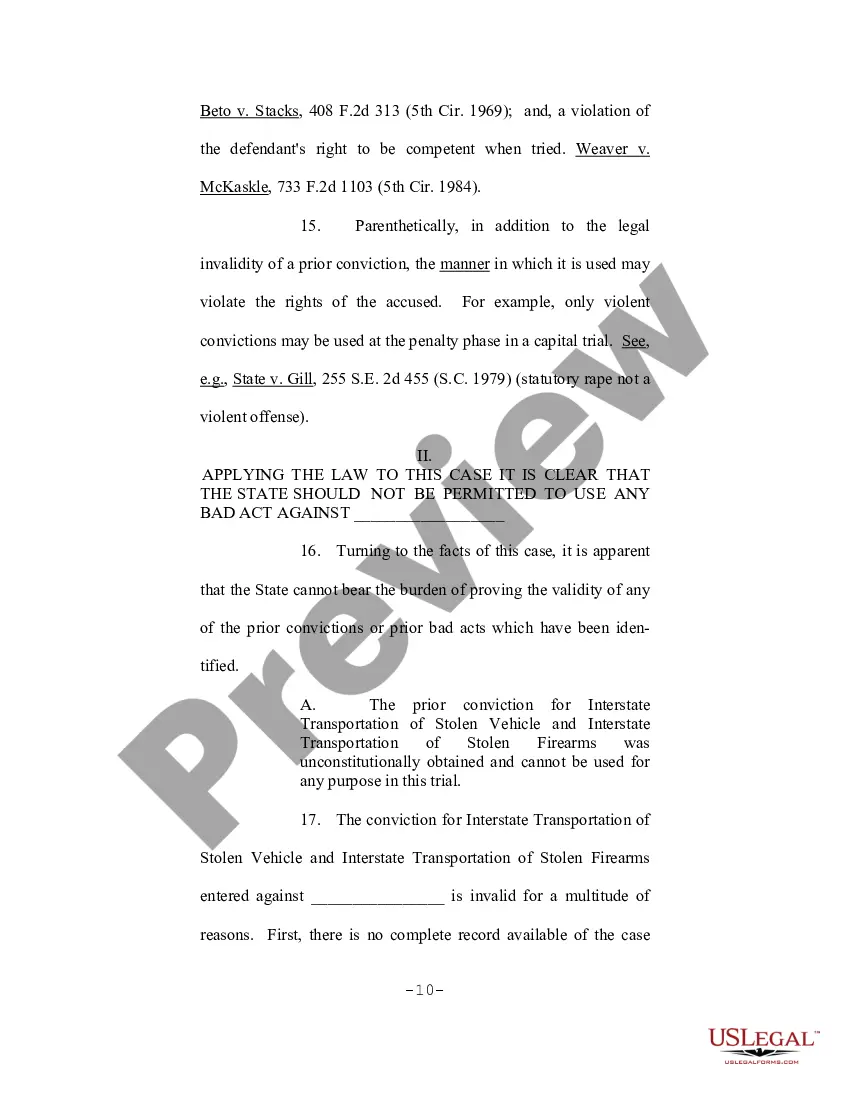
- Details of the specific prior convictions or bad acts being contested.
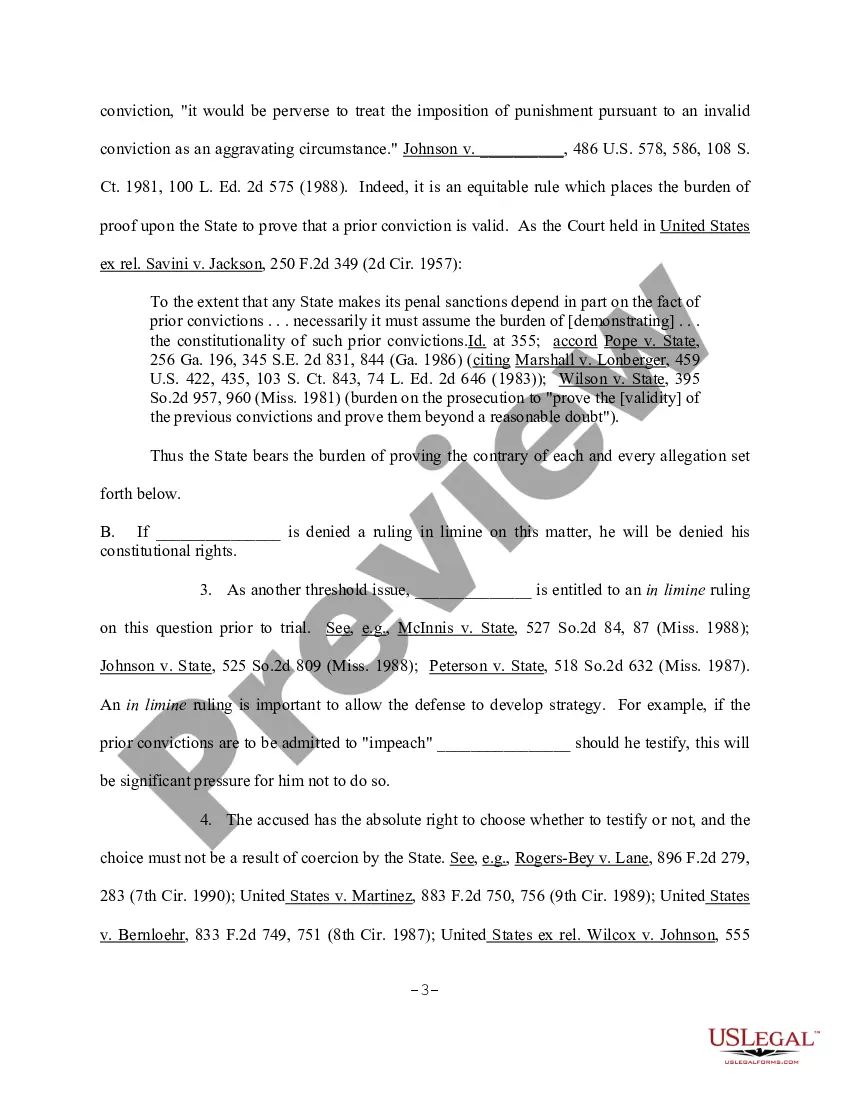
- Legal citations supporting the motion's validity.
- Arguments for excluding the contested evidence.
- Request for a ruling in limine to address the admissibility of evidence prior to trial.
- Certificate of service indicating delivery of the motion to involved parties.

When to use this form
This form is typically used during criminal trials when the prosecution intends to introduce evidence of a defendant's prior convictions or alleged bad acts. It is particularly relevant in situations where the introduction of such evidence could prejudicially affect the outcome, such as in capital cases or where the evidence is not directly relevant to the current charges. Attorneys often file this motion during pre-trial hearings to safeguard the rights of the accused and ensure a fair trial.
Who can use this document
- Defendants facing trial who have prior convictions or bad acts that may be used against them.
- Defense attorneys representing clients in criminal matters.
- Individuals seeking to address the admissibility of specific evidence prior to trial.
Completing this form step by step
- Identify the defendant's name and other relevant parties involved in the case.
- Specify the prior convictions or bad acts that you wish to exclude from evidence.
- Gather and reference relevant legal citations to support your motion.
- Articulate your arguments clearly as to why the evidence should be excluded.
- Complete the certificate of service to include a record of when the form was submitted to the other parties.
Notarization requirements for this form
This form does not typically require notarization to be legally valid. However, some jurisdictions or document types may still require it. US Legal Forms provides secure online notarization powered by Notarize, available 24/7 for added convenience.
Get your form ready online
Our built-in tools help you complete, sign, share, and store your documents in one place.
Make edits, fill in missing information, and update formatting in US Legal Forms—just like you would in MS Word.
Download a copy, print it, send it by email, or mail it via USPS—whatever works best for your next step.
Sign and collect signatures with our SignNow integration. Send to multiple recipients, set reminders, and more. Go Premium to unlock E-Sign.
If this form requires notarization, complete it online through a secure video call—no need to meet a notary in person or wait for an appointment.
We protect your documents and personal data by following strict security and privacy standards.

Make edits, fill in missing information, and update formatting in US Legal Forms—just like you would in MS Word.

Download a copy, print it, send it by email, or mail it via USPS—whatever works best for your next step.

Sign and collect signatures with our SignNow integration. Send to multiple recipients, set reminders, and more. Go Premium to unlock E-Sign.

If this form requires notarization, complete it online through a secure video call—no need to meet a notary in person or wait for an appointment.

We protect your documents and personal data by following strict security and privacy standards.
Common mistakes
- Failing to provide adequate legal citations to support the motion.
- Not clearly specifying the nature of the prior convictions or bad acts.
- Missing out on filing the motion within the required time frame before the trial.
- Neglecting to serve the motion to all relevant parties as required.
Why use this form online
- Convenience of downloading and printing the form anytime.
- Editability allows for customization based on specific case facts.
- Access to templates crafted by licensed attorneys, ensuring legal accuracy.
Looking for another form?

Form popularity
FAQ
There are two basic factors that are considered when determining whether evidence is admissible or not: Relevant The evidence must prove or disprove an important fact in the criminal case. If the evidence doesn't relate to a particular fact, it is considered "irreelvant" and is therefore inadmissible.
Character evidence is admissible in a criminal trial if offered by a defendant as circumstantial evidencethrough reputation or opinion evidenceto show their own character, as long as the character evidence the defendant seeks to introduce is relevant to the crime with which the defendant is charged.
Under the Federal Rule of Evidence (often referred to as the FRE) section 609, prior criminal convictions can only be used if the conviction was punishable by more than one year in prison, and the value of the evidence does not result in an unfair advantage to the prosecution.
Testimony of prior bad acts, wherein testimony of wrongs that cannot be proven or which are barred from prosecution by the statute of limitations, are generally inadmissible to prove criminal conduct.
Generally, prosecutors can't use evidence of prior convictions to prove a defendant's guilt or tendency to commit crimes, but they can sometimes use them to question the truthfulness or credibility of the defendant's testimony.
Beyond a reasonable doubt. Not only must the prosecution introduce evidence of guilt, it must prove the defendant's guilt beyond a reasonable doubt. If the prosecution presents some evidence, but not enough to clearly prove that the defendant committed the crime, the jury should find the defendant not guilty.
We often let the client know that just because no case was filed, the evidence of the prior bad acts may be admissible later to show things like motive, opportunity, intent, preparation, planning, knowledge, identity or absence of a mistake or accident or lack of a good faith belief that a victim consented to a
If you plead not guilty, the court or jury can only be made aware of any convictions in certain circumstances. The relevant law is known as the 'bad character provisions.