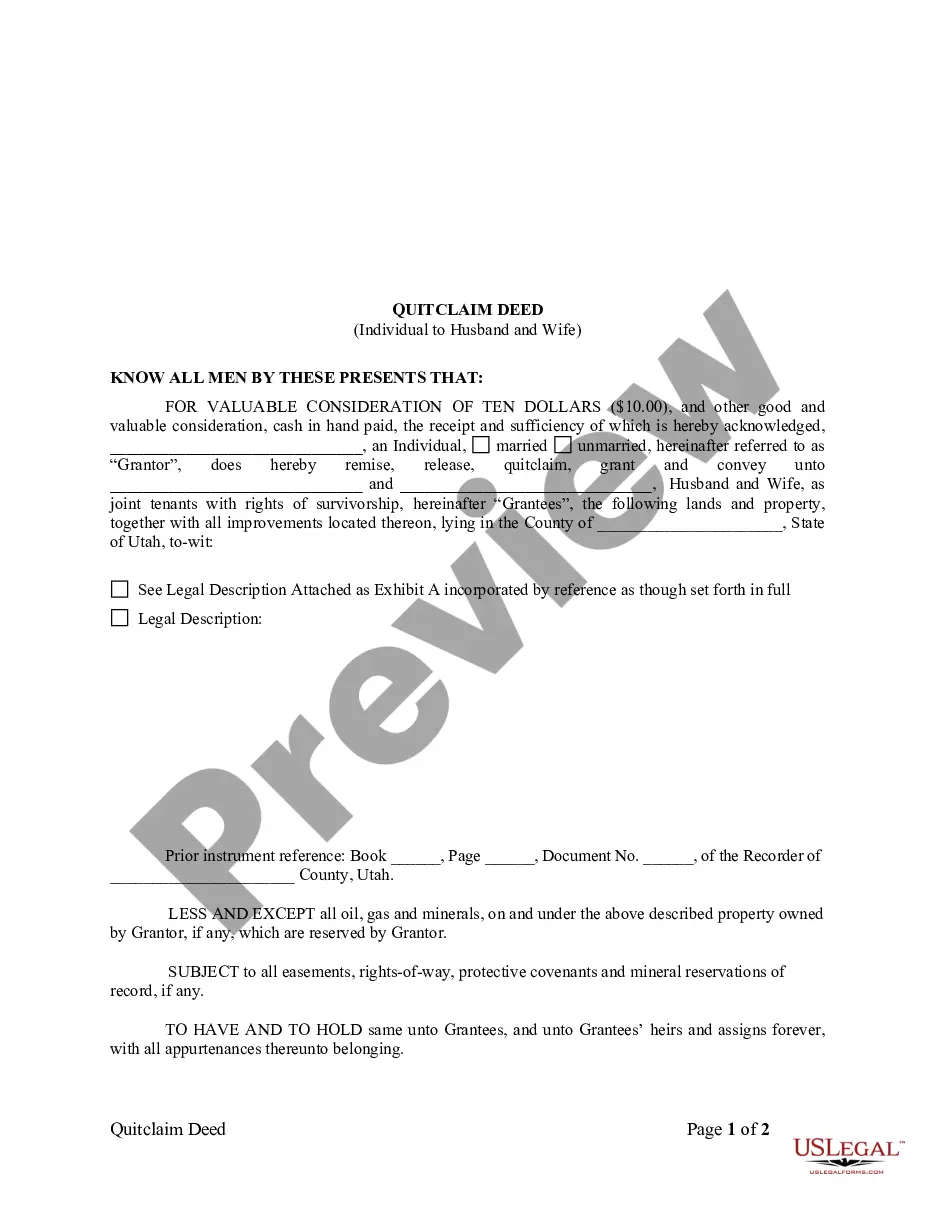
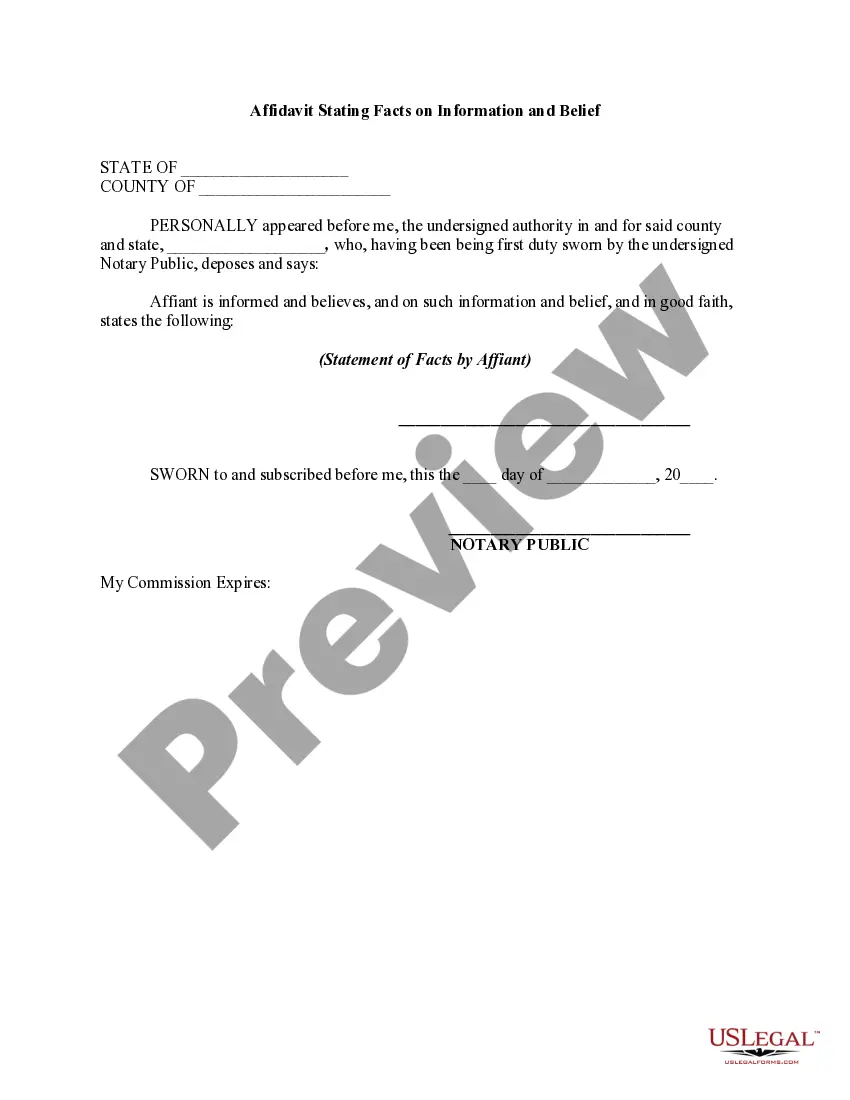
Affidavit Stating Facts on Information and Belief
What this document covers
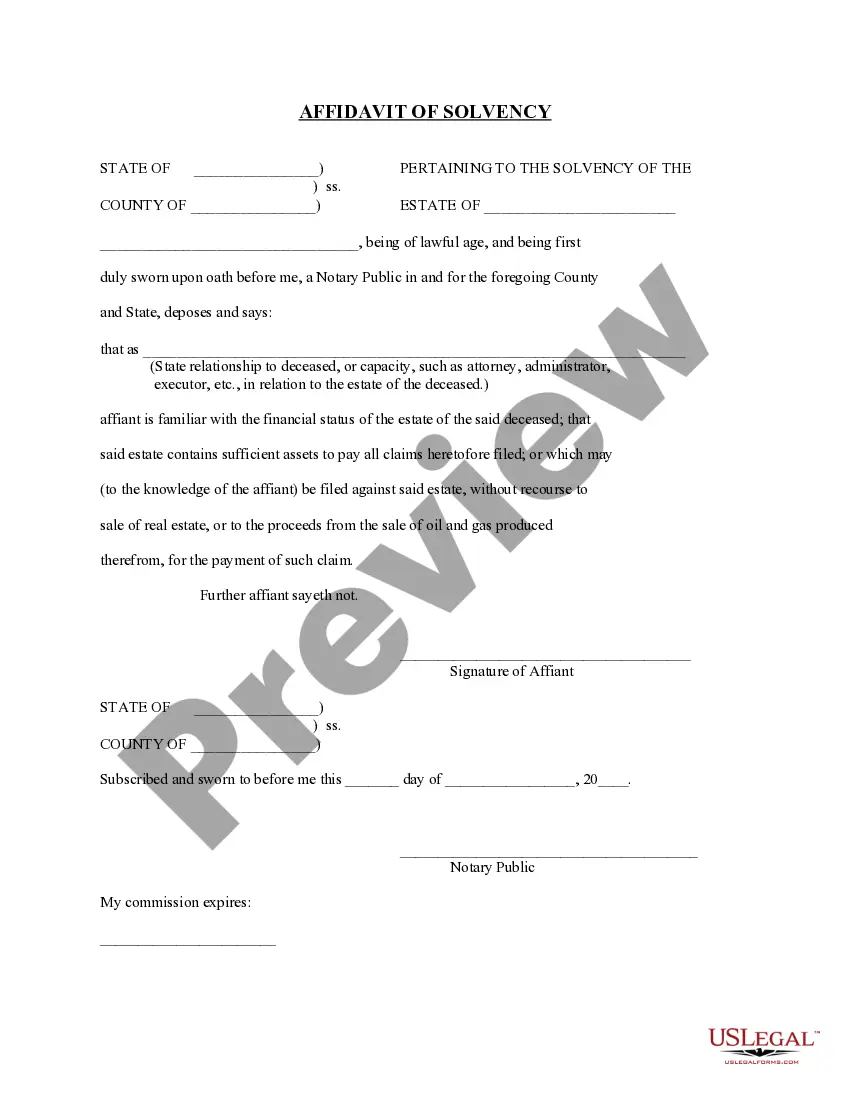
The Affidavit Stating Facts on Information and Belief is a legal document where an affiant swears to the truth of certain facts based on what they have learned and their understanding. This form is distinct in that it allows the individual to provide statements based on credible information rather than direct knowledge, making it useful for various legal circumstances where personal knowledge may be insufficient.
Form components explained
- Name of the affiant who swears to the information.
- A statement declaring the affiant's belief in the truth of the provided facts.
- Section for the affiant to include the relevant facts based on their information and belief.
- Notary public section for verification and signatures.
- Date of swearing and additional notary details.
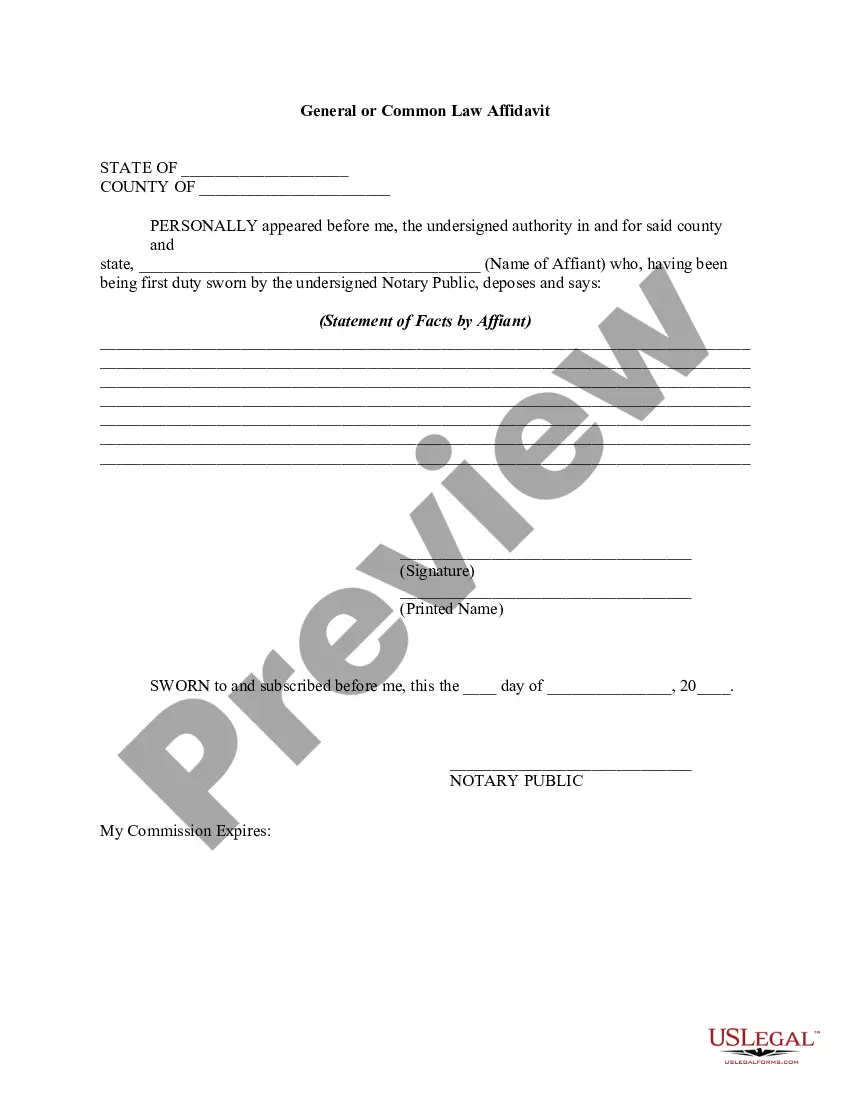
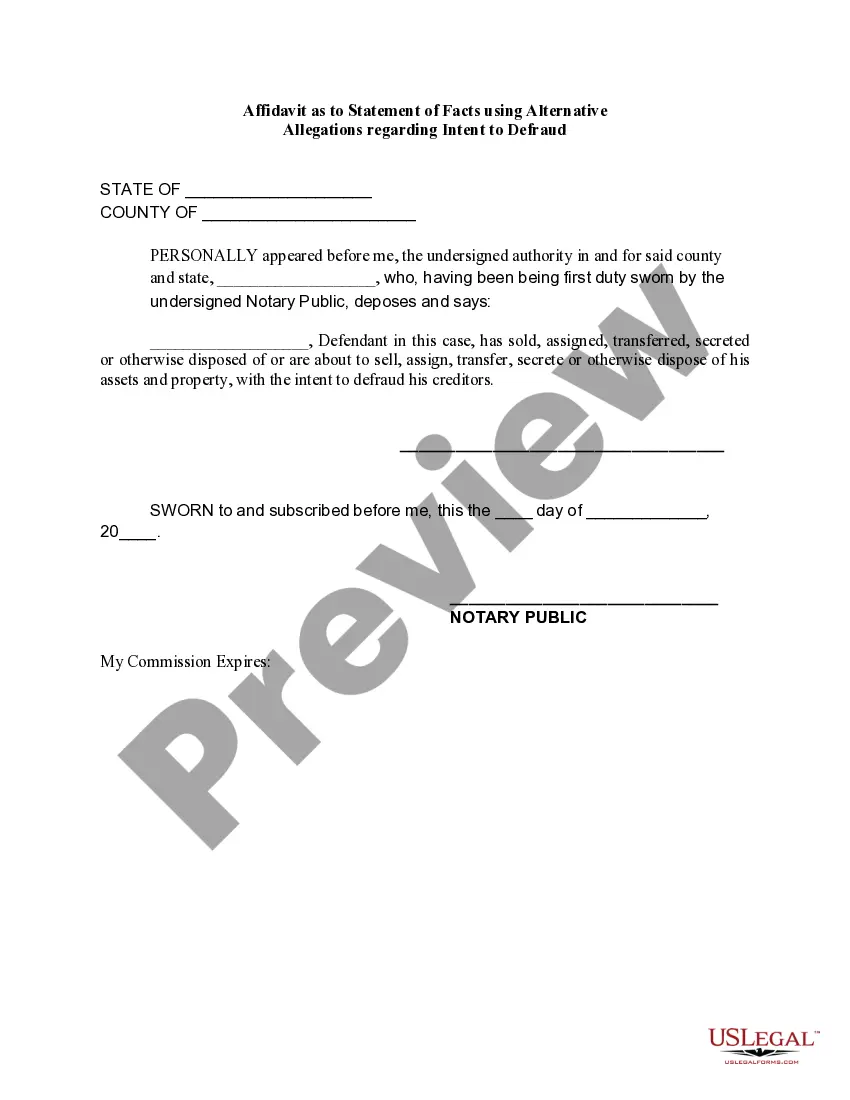

Common use cases
This form is typically used in legal situations where an affidavit is required but the affiant does not have direct knowledge of the facts. It may be used in cases involving property disputes, family law matters, or any situation needing a factual declaration based on reasonable belief and credible information.
Who should use this form
- Individuals needing to establish facts for legal proceedings.
- Those who must attest to information they believe to be true but do not have first-hand knowledge.
- Persons involved in disputes or cases where affidavits are required.
Steps to complete this form
- Identify yourself as the affiant and provide your name in the designated section.
- Enter the state and county where the affidavit is being executed.
- Clearly state the facts based on your information and belief.
- Sign the affidavit before a notary public.
- Ensure the notary public completes their section, confirming your signature.
- Specify the date of the affidavit's execution.
Does this form need to be notarized?
This form must be notarized to be legally valid. US Legal Forms provides secure online notarization powered by Notarize, allowing you to complete the process through a verified video call.
Get your form ready online
Our built-in tools help you complete, sign, share, and store your documents in one place.
Make edits, fill in missing information, and update formatting in US Legal Forms—just like you would in MS Word.
Download a copy, print it, send it by email, or mail it via USPS—whatever works best for your next step.
Sign and collect signatures with our SignNow integration. Send to multiple recipients, set reminders, and more. Go Premium to unlock E-Sign.
If this form requires notarization, complete it online through a secure video call—no need to meet a notary in person or wait for an appointment.
We protect your documents and personal data by following strict security and privacy standards.

Make edits, fill in missing information, and update formatting in US Legal Forms—just like you would in MS Word.

Download a copy, print it, send it by email, or mail it via USPS—whatever works best for your next step.

Sign and collect signatures with our SignNow integration. Send to multiple recipients, set reminders, and more. Go Premium to unlock E-Sign.

If this form requires notarization, complete it online through a secure video call—no need to meet a notary in person or wait for an appointment.

We protect your documents and personal data by following strict security and privacy standards.
Common mistakes
- Failing to provide accurate and complete information.
- Not having the affidavit notarized, when required.
- Leaving sections blank or unclear when stating facts.
- Not dating the affidavit or signing in the wrong place.
Advantages of online completion
- Convenient access to the form anytime and anywhere
- Easy to edit and customize according to specific needs
- Reliability from a trusted source of attorney-drafted legal forms
Quick recap
- The Affidavit Stating Facts on Information and Belief allows you to declare facts based on credible information.
- This form is essential for situations where direct knowledge cannot be provided.
- Ensure notarization for legal validity and compliance with local laws.
Looking for another form?



Form popularity
FAQ
Step 3: Write the name of the parties in case of an affidavit being filled in Court or Write the name of the Deponent in case of other affidavits. Step 4: Write the complete address of the deponent. Step 5: Write the statements in point wise and state only the true facts.
Create a title for the affidavit. The initial step for writing a sworn testimony is crafting a relevant title. Write a state of identity. Design a statement of truth. Outline the facts. Restate the statement of truth.
An affidavit is a written statement that is notarized.The information in an affidavit must be first-hand information. It cannot be second-hand information or speculation. Affidavits can be written in your own handwriting or typed.
Affidavits as an evidence:Affidavit is an admissible evidence, however some courts may need you to testify the affidavit or they may consider it as hearsay evidence. Since hearsay is not admissible as an evidence, the affidavit may not be used for evidence if anyone objects to it unless it is testified.
Title the affidavit. First, you'll need to title your affidavit. Craft a statement of identity. The very next section of your affidavit is what's known as a statement of identity. Write a statement of truth. State the facts. Reiterate your statement of truth. Sign and notarize.
Step 2: Write the purpose of the Affidavit or the Heading. Step 3: Write the name of the parties in case of an affidavit being filled in Court or Write the name of the Deponent in case of other affidavits. Step 4: Write the complete address of the deponent.
What should not be included in an affidavit? Generally, an affidavit should not set out the opinion of the person making the affidavit; that is, it must be based on facts not your beliefs or views. The exception is where the person is giving evidence as an expert; for instance, a psychologist or licensed valuer.
In the sentence, the person writing the statement must state that he or she is stating that the information is accurate. (Example: I, Jane Doe, solemnly swear that the contents of this document are true and correct, and that I agree to abide by the terms in this affidavit.)