Affidavit by an Attorney-in-Fact in the Capacity of a Court Appointed Receiver
What this document covers
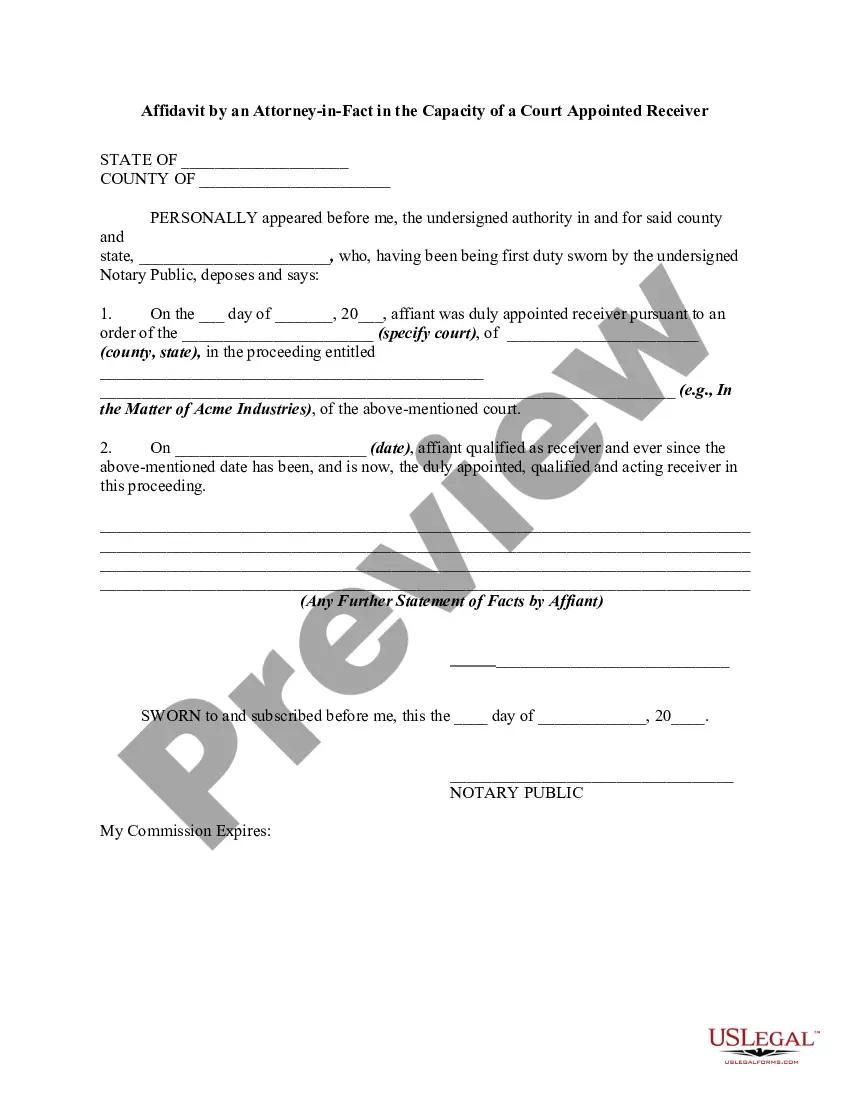
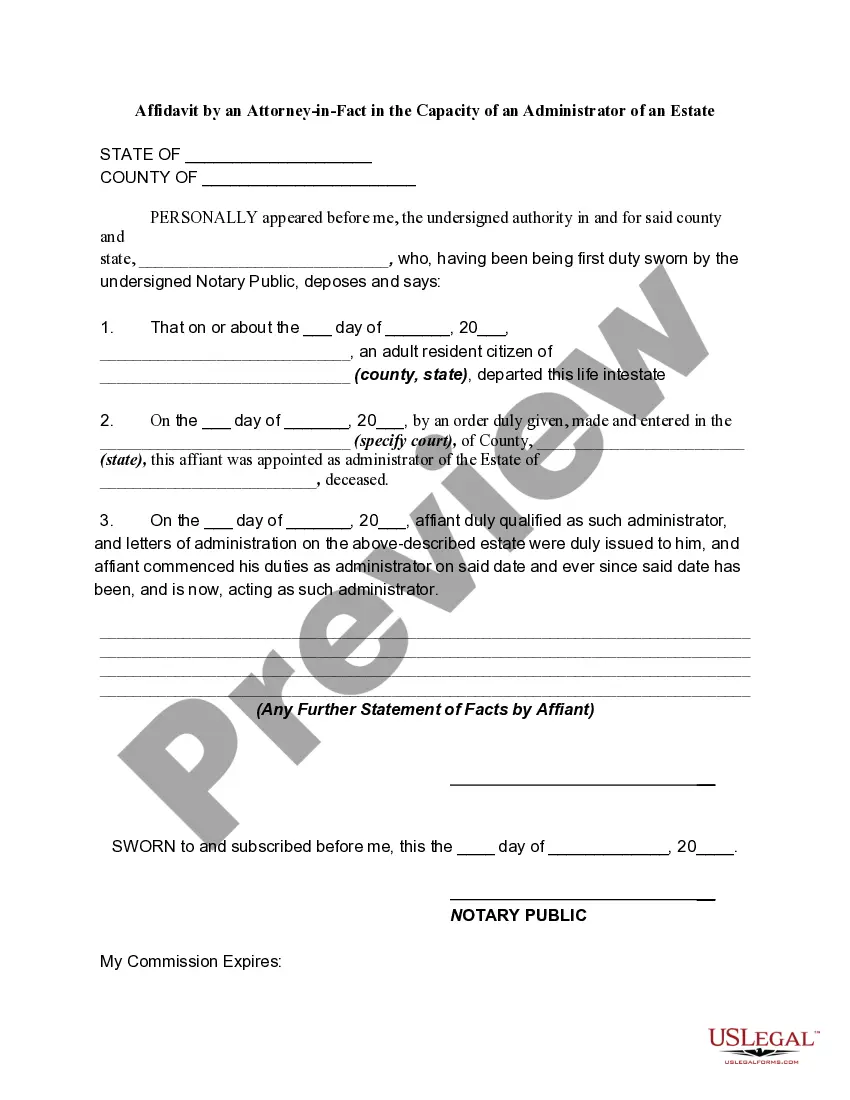
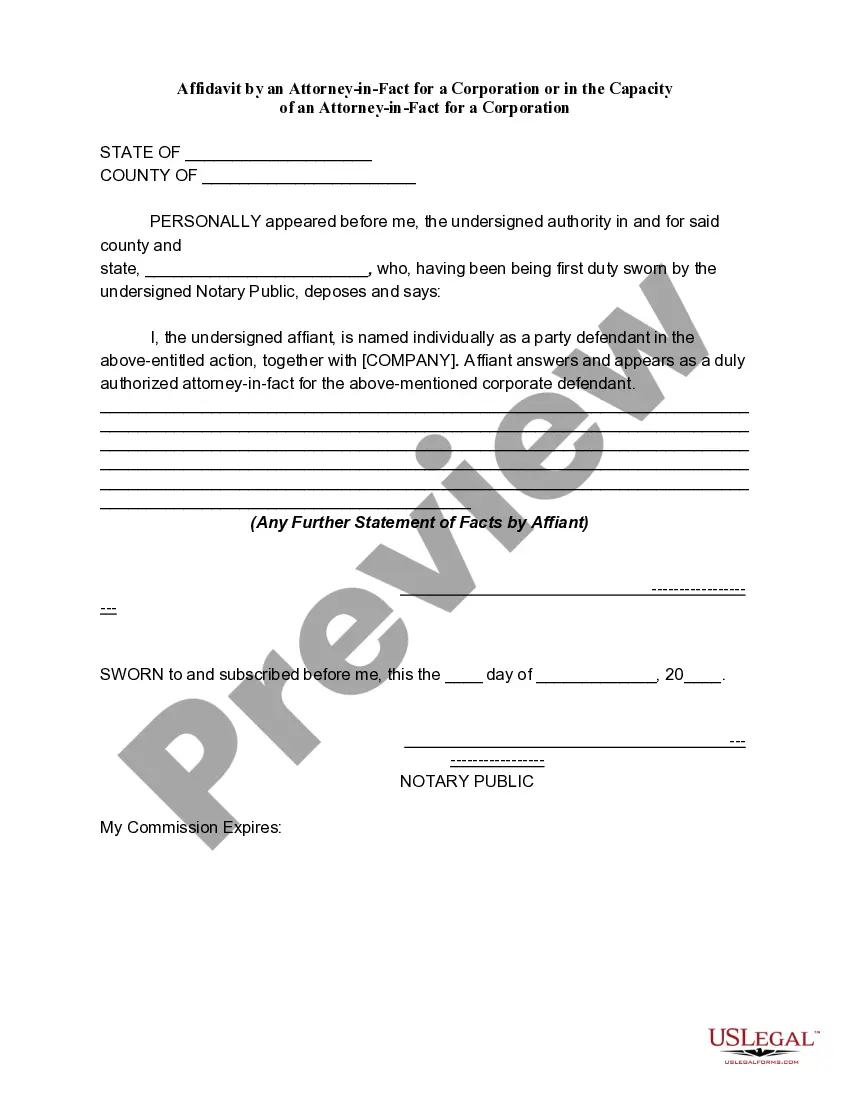
The Affidavit by an Attorney-in-Fact in the Capacity of a Court Appointed Receiver is a legal document used by an individual acting as a receiver appointed by a court. This form serves as a sworn statement regarding the affiant's qualifications, appointment, and responsibilities as a receiver, distinguishing it from other affidavits or power of attorney forms. It is essential for maintaining transparency in court-appointed proceedings.
What’s included in this form
- Affiantâs information: Name and address of the individual appearing before the notary.
- Appointment details: Date of appointment and the court that issued the appointment.
- Receiver qualifications: A declaration that the affiant has qualified as a receiver.
- Statement of facts: Additional declaration by the affiant that provides context or relevant details.
- Notary section: Space for the notary publicâs signature and seal, affirming the documentâs authenticity.

When to use this form
This affidavit is typically used in legal proceedings when an individual has been appointed by a court to manage a particular case or entity's assets, especially in cases of bankruptcy or receivership. If you are acting as a court-appointed receiver, this document is crucial for verifying your role and responsibilities, ensuring that all interested parties are informed of your authority and actions within the case.
Intended users of this form
- Individuals appointed as receivers by a court.
- Attorneys-in-fact acting under a power of attorney in a receivership context.
- Legal representatives involved in court proceedings requiring an affidavit.
How to complete this form
- Enter the state and county where the affidavit is being executed.
- Provide the full name of the affiant and other identifying information.
- Specify the date of court appointment and the name of the relevant court.
- Detail any qualifications or statements of facts that support your role as a receiver.
- Have the affidavit signed by a notary public to validate the document.
Is notarization required?
Yes, this form must be notarized to be legally valid. Notarization ensures that the affiant's identity is verified, adding an additional layer of legal assurance. US Legal Forms offers integrated online notarization, providing convenient and secure video call services available 24/7, without the need for travel.
Get your form ready online
Our built-in tools help you complete, sign, share, and store your documents in one place.
Make edits, fill in missing information, and update formatting in US Legal Forms—just like you would in MS Word.
Download a copy, print it, send it by email, or mail it via USPS—whatever works best for your next step.
Sign and collect signatures with our SignNow integration. Send to multiple recipients, set reminders, and more. Go Premium to unlock E-Sign.
If this form requires notarization, complete it online through a secure video call—no need to meet a notary in person or wait for an appointment.
We protect your documents and personal data by following strict security and privacy standards.

Make edits, fill in missing information, and update formatting in US Legal Forms—just like you would in MS Word.

Download a copy, print it, send it by email, or mail it via USPS—whatever works best for your next step.

Sign and collect signatures with our SignNow integration. Send to multiple recipients, set reminders, and more. Go Premium to unlock E-Sign.

If this form requires notarization, complete it online through a secure video call—no need to meet a notary in person or wait for an appointment.

We protect your documents and personal data by following strict security and privacy standards.
Avoid these common issues
- Failing to include the correct court name or jurisdiction.
- Not providing additional statements when required.
- Leaving out the notary section or neglecting to sign in front of a notary.
Advantages of online completion
- Convenience of immediate access to legal forms from anywhere.
- Editability allows customization to fit individual circumstances.
- Reliability of using forms drafted by licensed attorneys.
Looking for another form?
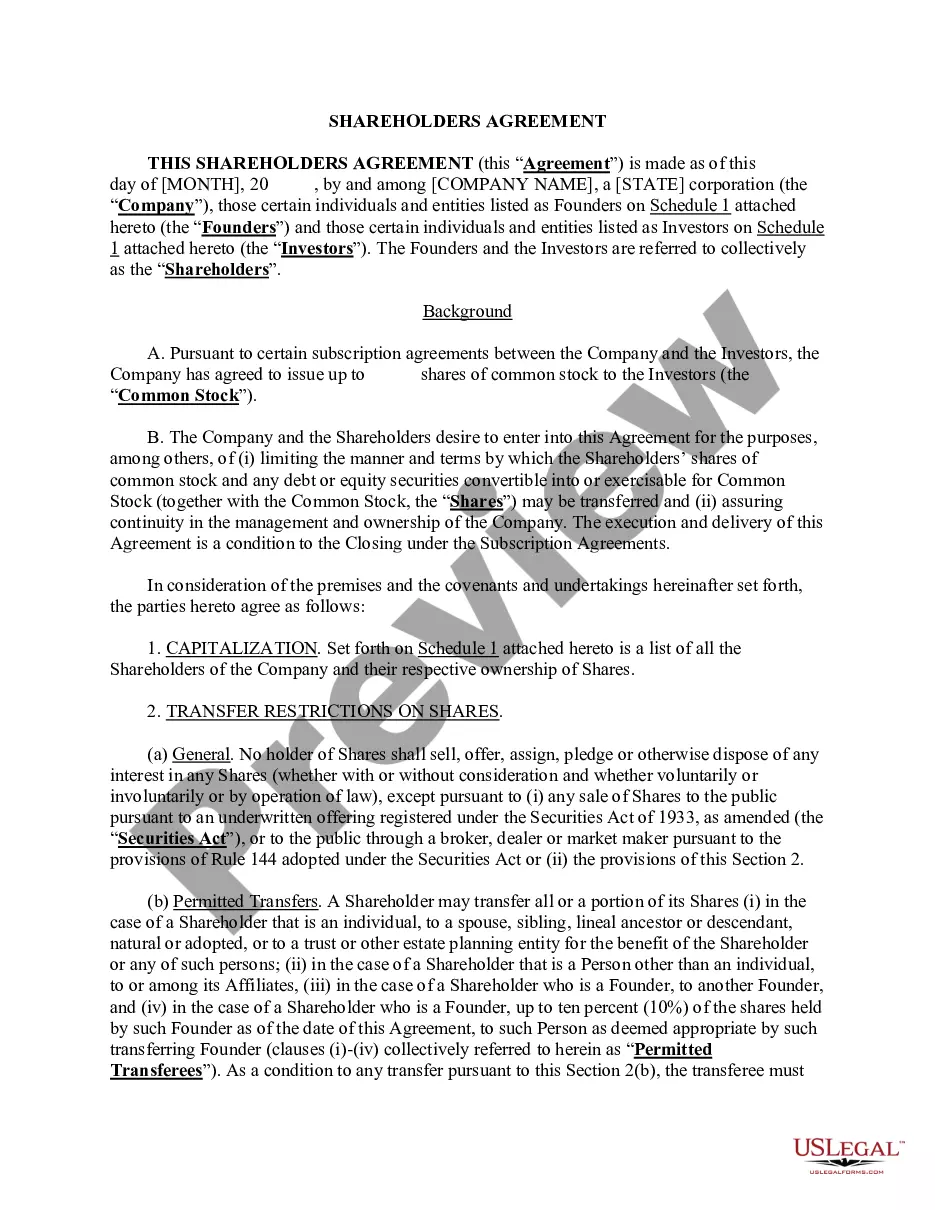
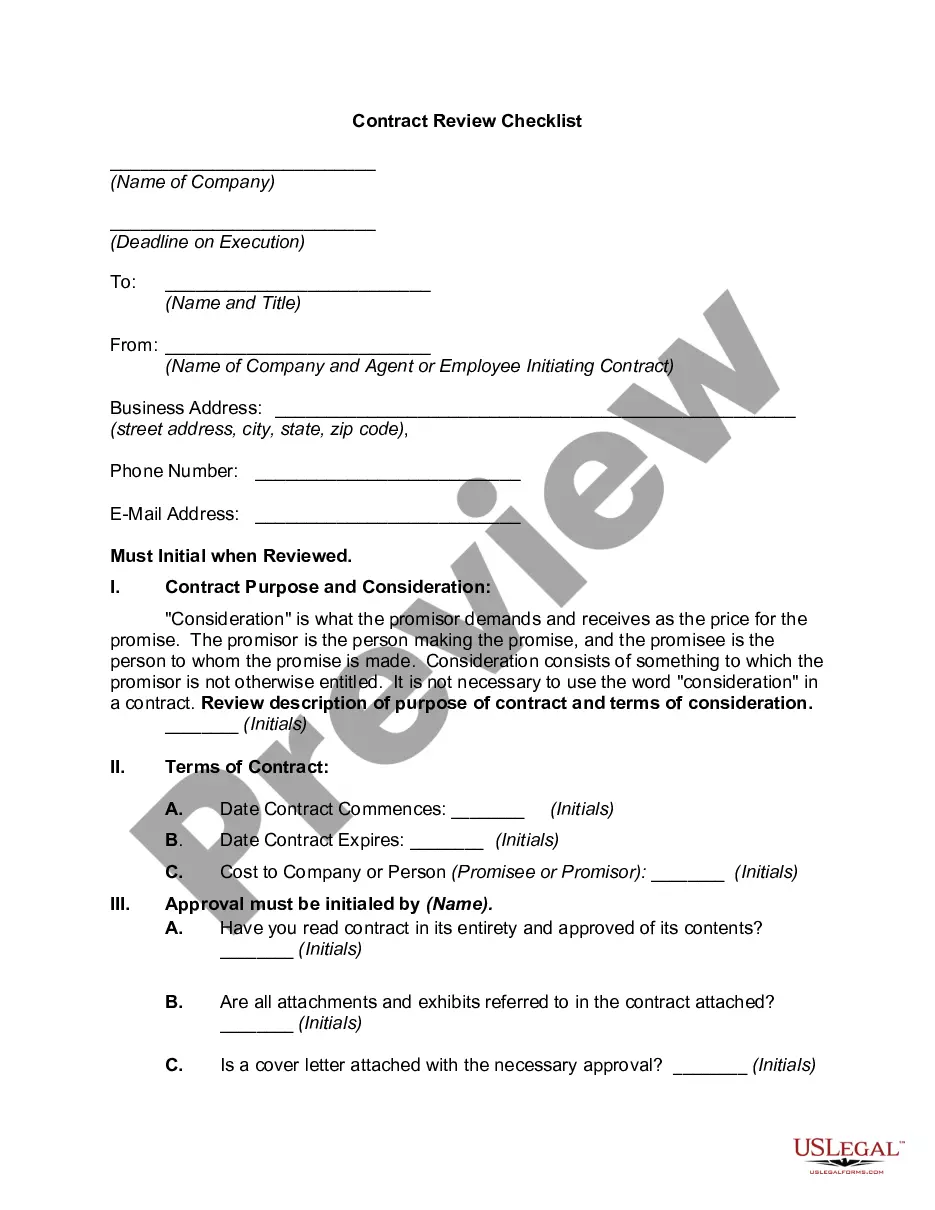
Form popularity
FAQ
Definition. An agent authorized to act on behalf of another person, but not necessarily authorized to practice law, e.g. a person authorized to act by a power of attorney. An attorney in fact is a fiduciary. Also known as attorney in fact or private attorney.
3 attorney answers Sign his name and then add underneath "by your name, attorney in fact".
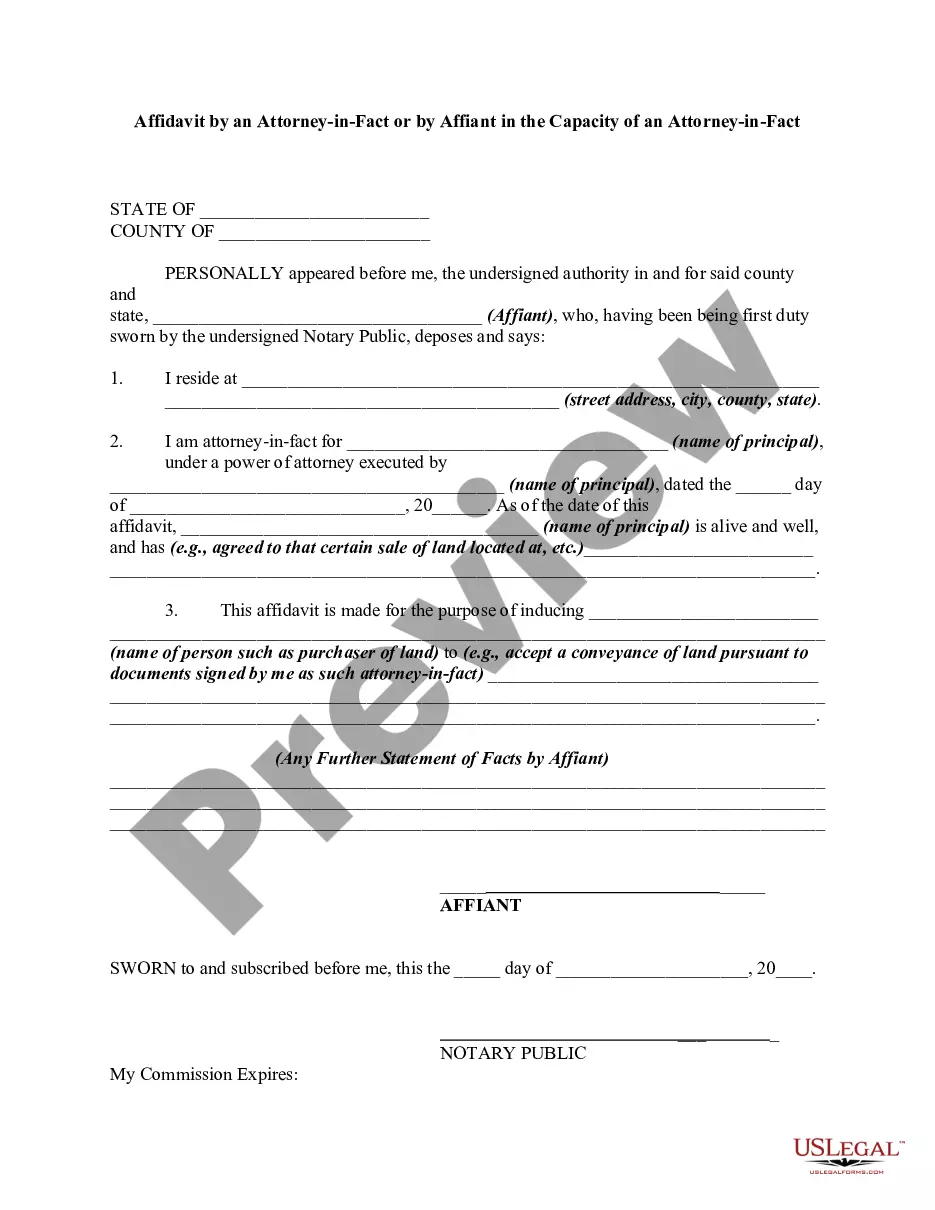
If you have executed a Durable Power of Attorney, then you have signed a document appointing a person to make financial decisions on your behalf. The document is called a Power of Attorney, and the person named to make decisions on your behalf is called an Attorney-in-Fact (otherwise known as an Agent).
An attorney-in-fact is a person who is authorized to act on behalf of another person, usually to perform business or other official transactions. The person represented usually designates someone as their attorney-in-fact by assigning power of attorney. An attorney-in-fact is not necessarily a lawyer.
Originally Answered: Should attorney at law be capitalized? Yes. It's a proper noun, a specific person, place or thing. All proper nouns are capitalized.
Some words identifying occupations or professions are pseudo titles and should not be capitalized even if they precede the name. Do not capitalize "attorney Jane Doe" or "pianist John Doe."Used in an addressWhen used as part of an address, the title is capitalized, whether it appears in text or block address form.
An attorney in fact is a person authorized to sign documents on someone else's behalf, but is not necessarily a practicing lawyer.When an attorney in fact signs a document, the signature should include the name of the principal he or she represents.
When the document goes into effect, you become that person's attorney in fact, which means you act as their agent. Generally, to sign documents in this capacity, you will sign the principal's name first, then your name with the designation "attorney in fact" or "power of attorney."
When the document goes into effect, you become that person's attorney in fact, which means you act as their agent. Generally, to sign documents in this capacity, you will sign the principal's name first, then your name with the designation "attorney in fact" or "power of attorney."