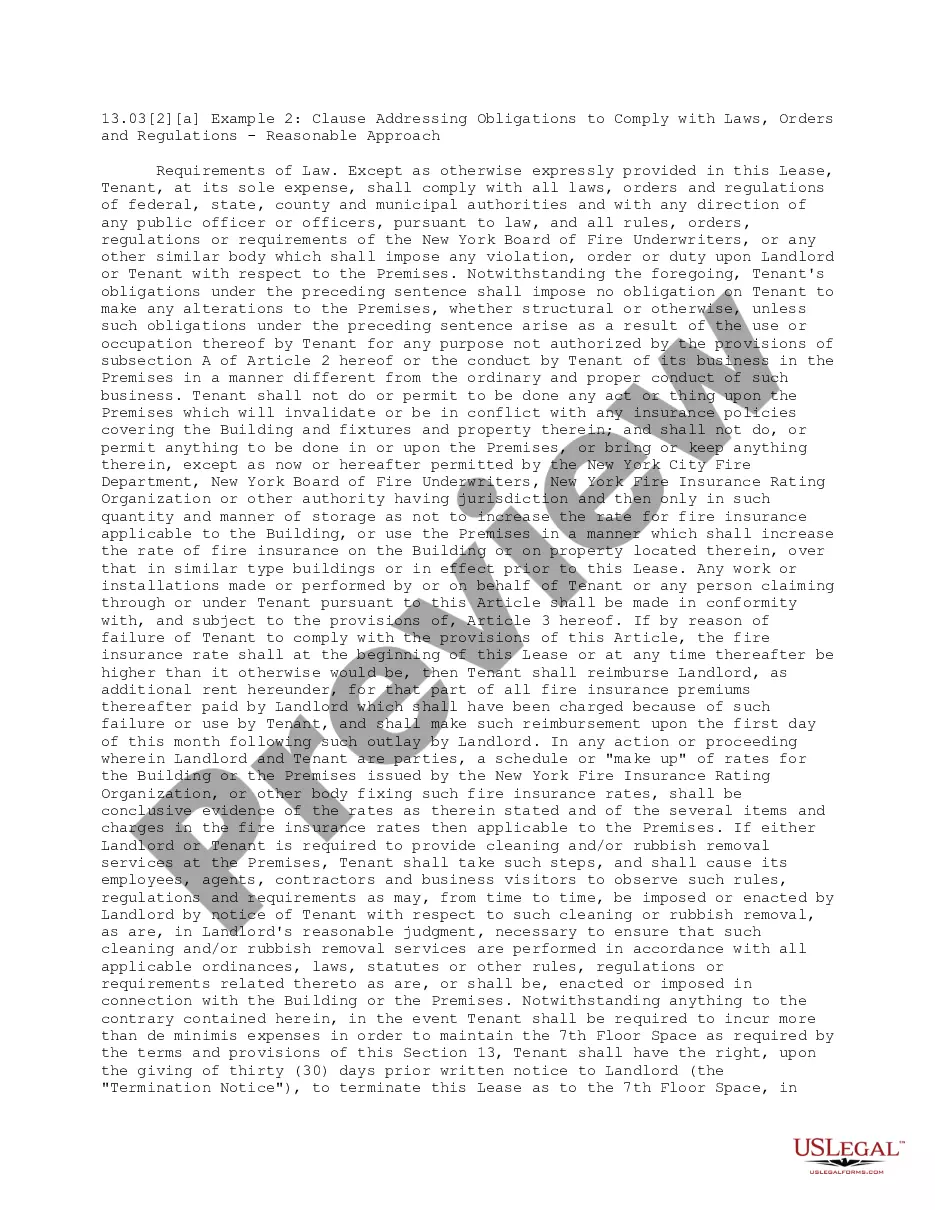
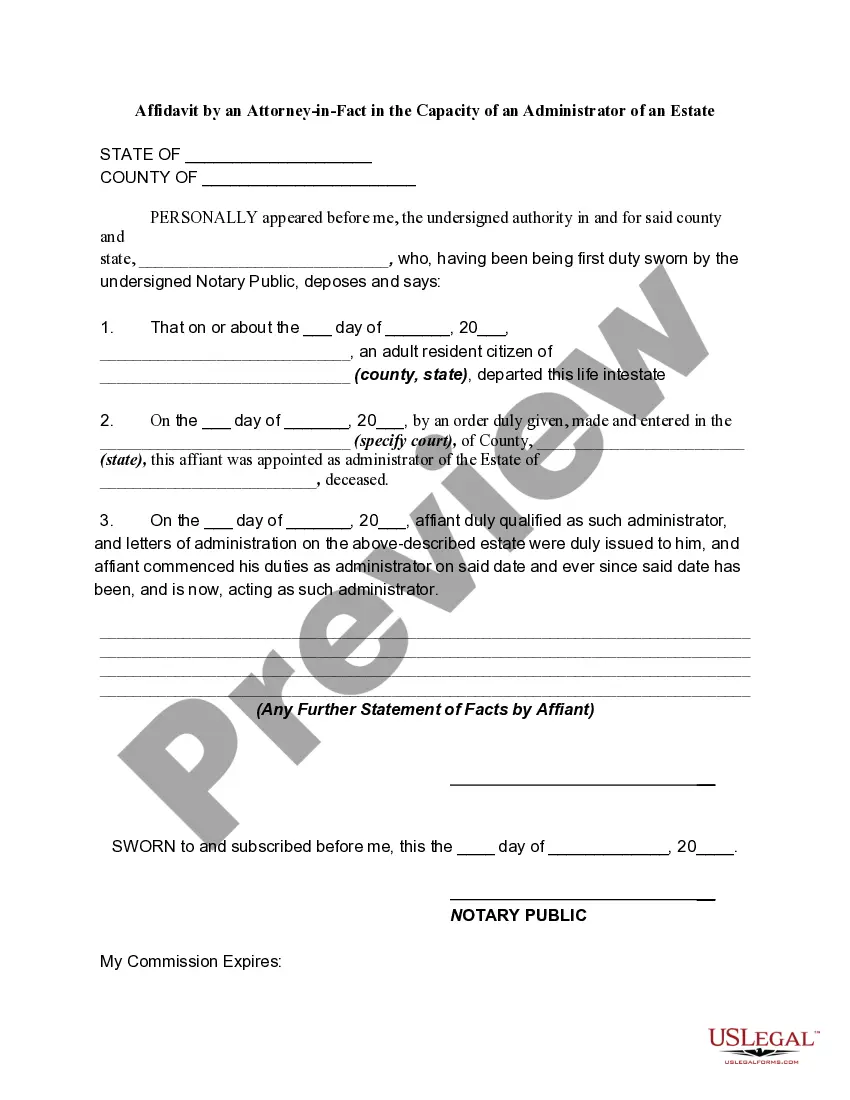
Affidavit by an Attorney-in-Fact in the Capacity of an Administrator of an Estate
Understanding this form
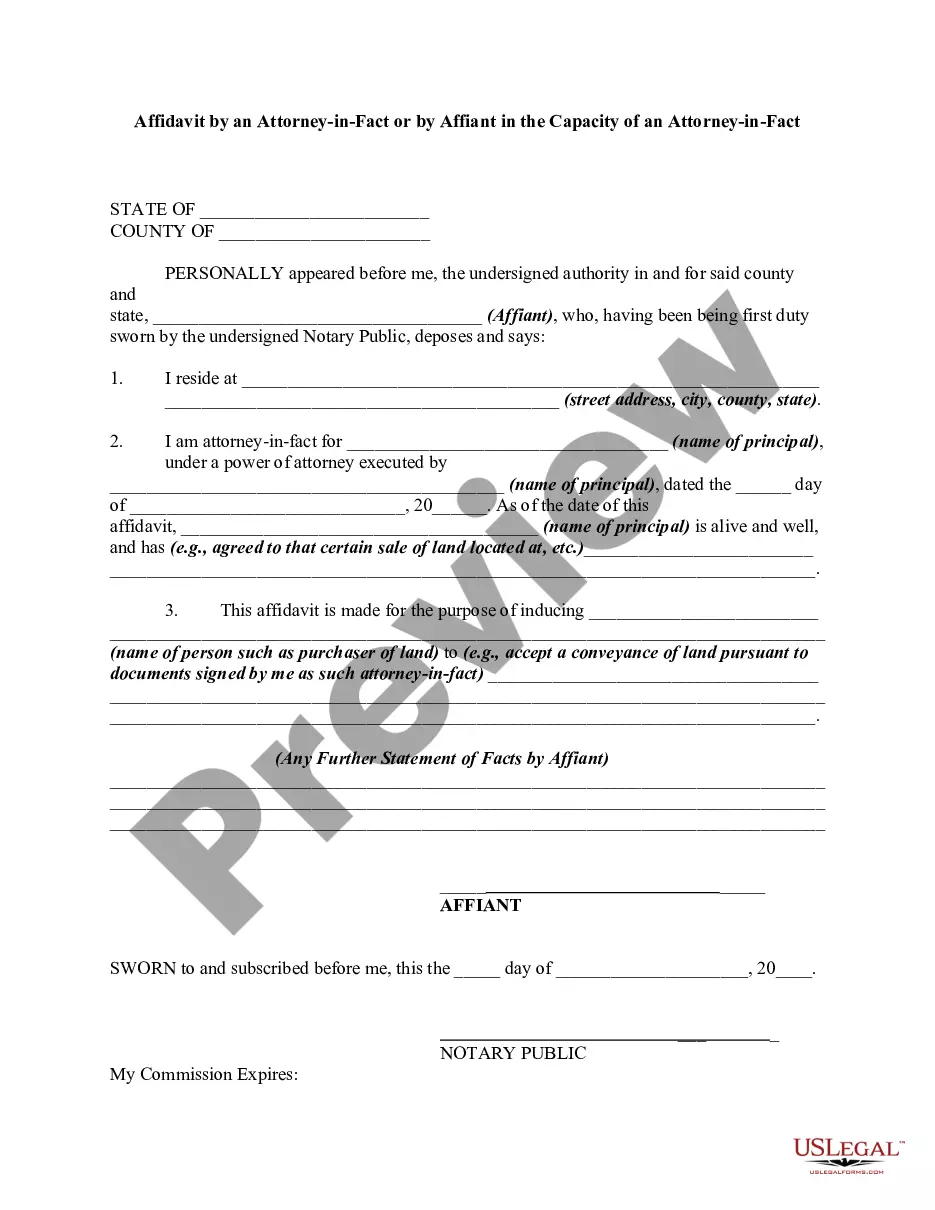
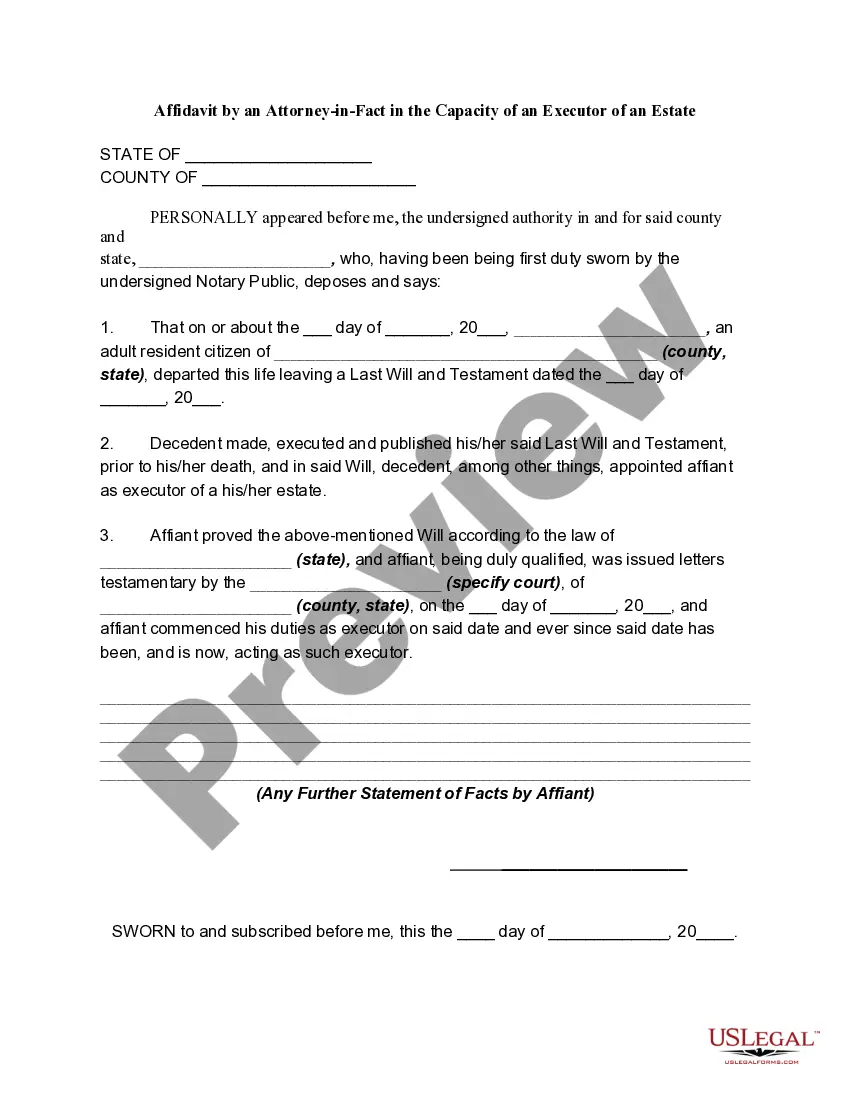
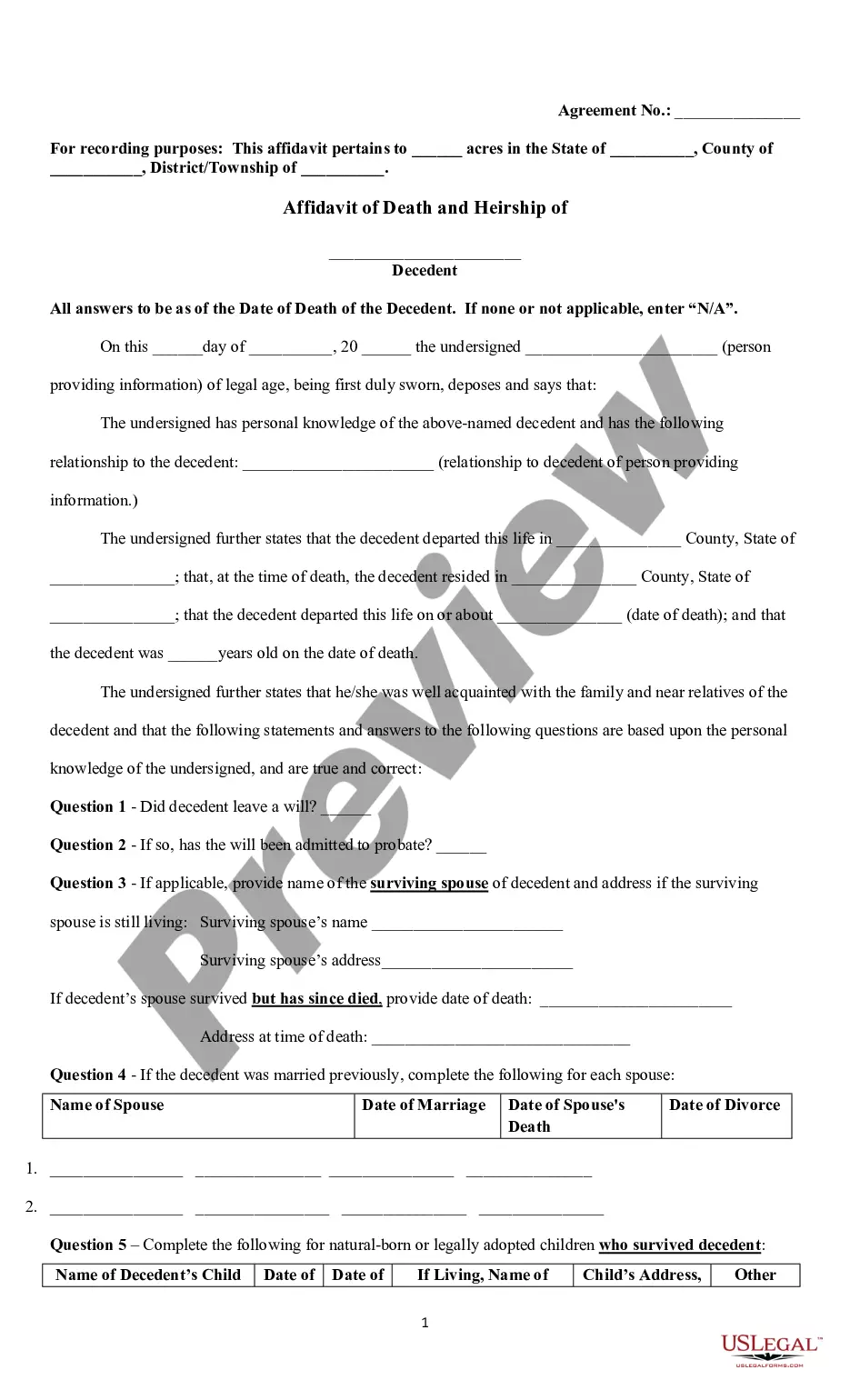
The Affidavit by an Attorney-in-Fact in the Capacity of an Administrator of an Estate is a legal document used by an individual appointed to manage the affairs of an estate when the deceased did not leave a Will. This affidavit formally attests to the administrator's authority and actions taken regarding the estate. Unlike a Last Will or a living trust, this affidavit is primarily used to declare the administrator's status and their legal actions concerning the estate's management.
Main sections of this form
- Declaration of the affiant's appointment as administrator.
- Statement confirming the deceased's intestate status.
- Details regarding the court order issued for the appointment.
- Evidence of qualifications and issuance of letters of administration.
- Space for additional statements or facts by the affiant.

Situations where this form applies
You would use this affidavit when acting as an administrator for an estate of a deceased person who did not leave behind a Will. It is particularly relevant if you need to manage the estate's assets, settle debts, or distribute property according to state laws. This form is essential in any situation where legal recognition of your authority as the estate administrator is required.
Who this form is for
- Individuals appointed as administrators of an estate.
- Anyone managing an estate for a deceased person with no made Will.
- Legal representatives assisting an administrator in the probate process.
Instructions for completing this form
- Identify yourself as the affiant and enter your name and contact information.
- Provide details about the deceased, including their name and date of death.
- Specify the court that issued the order appointing you as administrator.
- Include the date you were appointed and confirm your responsibilities as an administrator.
- Add any further statements of fact related to the estate if needed.
- Sign the document in the presence of a Notary Public.
Notarization requirements for this form
Yes, this form must be notarized to be legally valid. It requires the signature of a Notary Public, ensuring that the identity of the affiant is verified and the document is properly executed. US Legal Forms offers integrated online notarization services to facilitate this process, making it convenient and secure.
Get your form ready online
Our built-in tools help you complete, sign, share, and store your documents in one place.
Make edits, fill in missing information, and update formatting in US Legal Forms—just like you would in MS Word.
Download a copy, print it, send it by email, or mail it via USPS—whatever works best for your next step.
Sign and collect signatures with our SignNow integration. Send to multiple recipients, set reminders, and more. Go Premium to unlock E-Sign.
If this form requires notarization, complete it online through a secure video call—no need to meet a notary in person or wait for an appointment.
We protect your documents and personal data by following strict security and privacy standards.

Make edits, fill in missing information, and update formatting in US Legal Forms—just like you would in MS Word.

Download a copy, print it, send it by email, or mail it via USPS—whatever works best for your next step.

Sign and collect signatures with our SignNow integration. Send to multiple recipients, set reminders, and more. Go Premium to unlock E-Sign.

If this form requires notarization, complete it online through a secure video call—no need to meet a notary in person or wait for an appointment.

We protect your documents and personal data by following strict security and privacy standards.
Common mistakes
- Failing to complete all required fields before submission.
- Not providing the court name and date accurately.
- Ignoring the need for notarization to validate the document.
- Not including additional relevant statements that might be necessary for context.
Why use this form online
- Convenient downloadable format for immediate use.
- Editable template allows you to fill in specific details easily.
- Guidance from licensed attorneys ensures legal accuracy.
- Access to integrated online notarization, making the process seamless.
Main things to remember
- The affidavit confirms the authority of the administrator over the intestate estate.
- Completing this form is a critical step in managing an estate without a Will.
- Proper notarization is essential for the form's legal validity.
- Check local requirements to ensure this affidavit meets state-specific regulations.
Looking for another form?




Form popularity
FAQ
This affidavit is a sworn statement by the attorney-in-fact who serves as the estate administrator to confirm their appointment and actions in an intestate estate. It attests to the administrator’s authority, the deceased’s intestate status, the court order appointing them, and the issuance of letters of administration. Use it to establish authority to manage assets, pay debts, and distribute property.
An attorney-in-fact affidavit is a sworn document by the person acting as administrator (the affiant) in an intestate estate. It records their appointment, confirms the deceased’s intestate status, cites the court’s order and letters of administration, and can include additional statements about the administrator’s actions.
Someone may need an attorney-in-fact to act as the estate administrator in an intestate case, providing a formal, court-recognized basis for managing assets, paying debts, and distributing property according to state law. The affidavit documents the authority and purpose of that appointment.
No. An executor (or administrator) is appointed by the court to manage the estate, while power of attorney is a separate instrument. This form provides evidence of the administrator’s appointment and letters of administration when there is no will.
Common probate mistakes include failing to establish the administrator’s authority or obtain letters of administration, which this form is designed to document. It also helps ensure the administrator’s status and actions are properly recorded when the decedent died intestate.
This form specifically documents an attorney-in-fact acting as administrator for an intestate estate, including declaration of appointment, intestate status, court order, and issuance of letters of administration. Other probate affidavits may refer to executors or testate administration and don’t focus on an attorney-in-fact in this capacity.