Nondisclosure and Confidentiality Agreement - Potential Purchase
Overview of this form
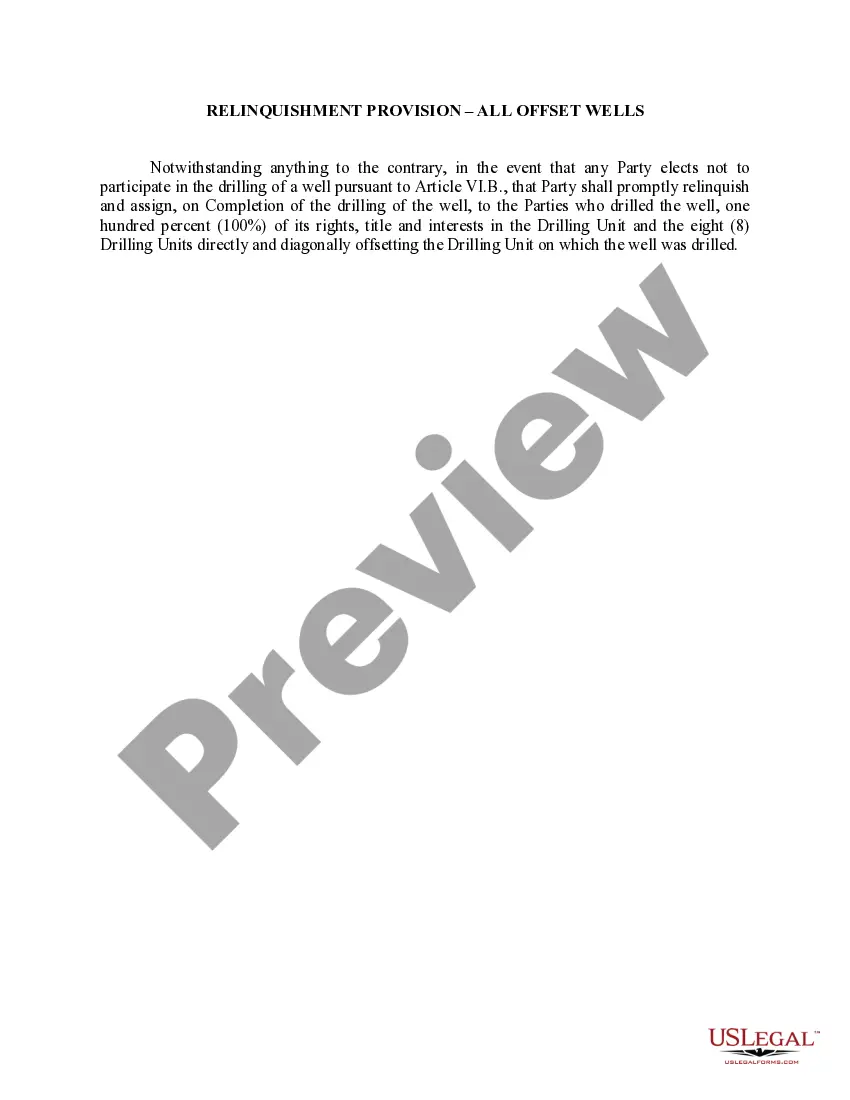
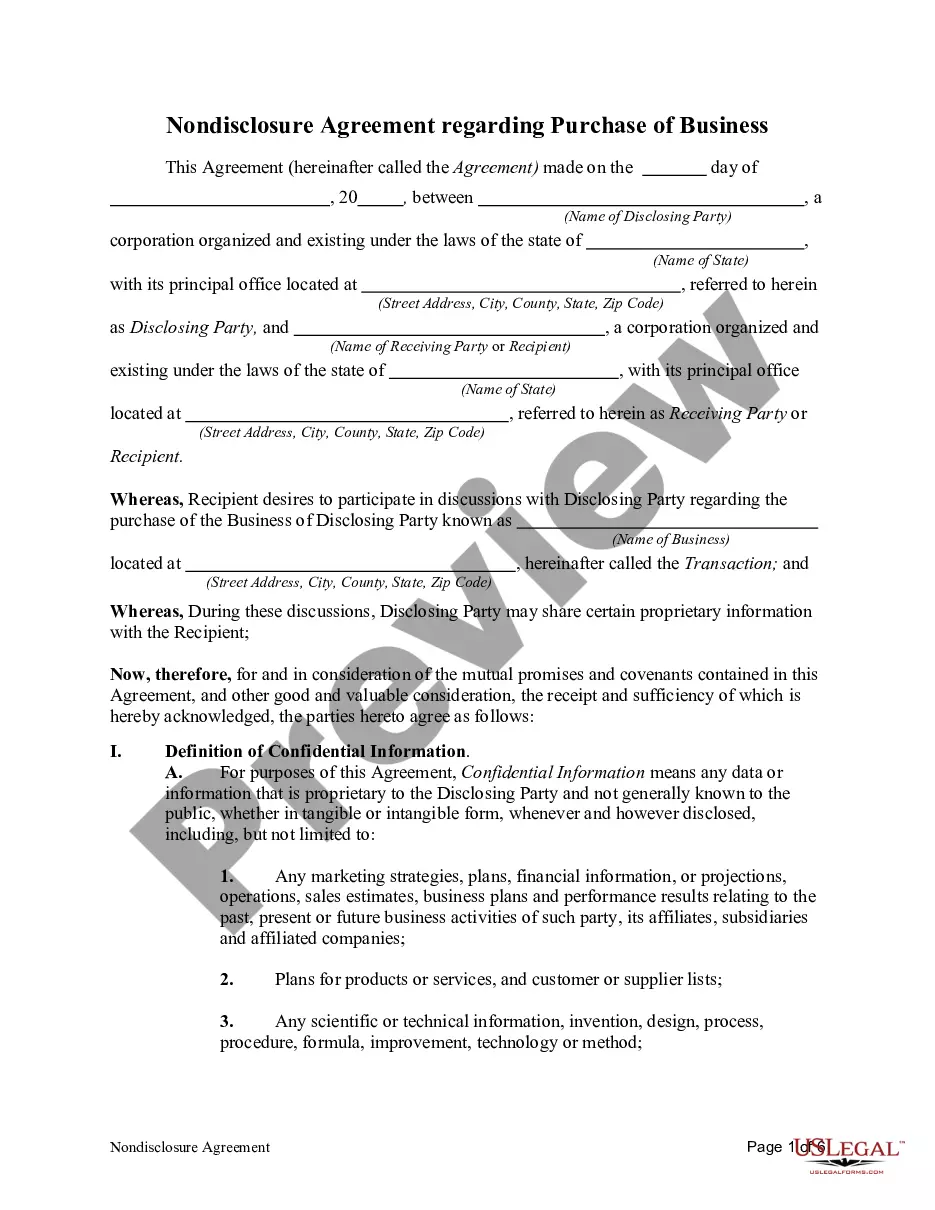
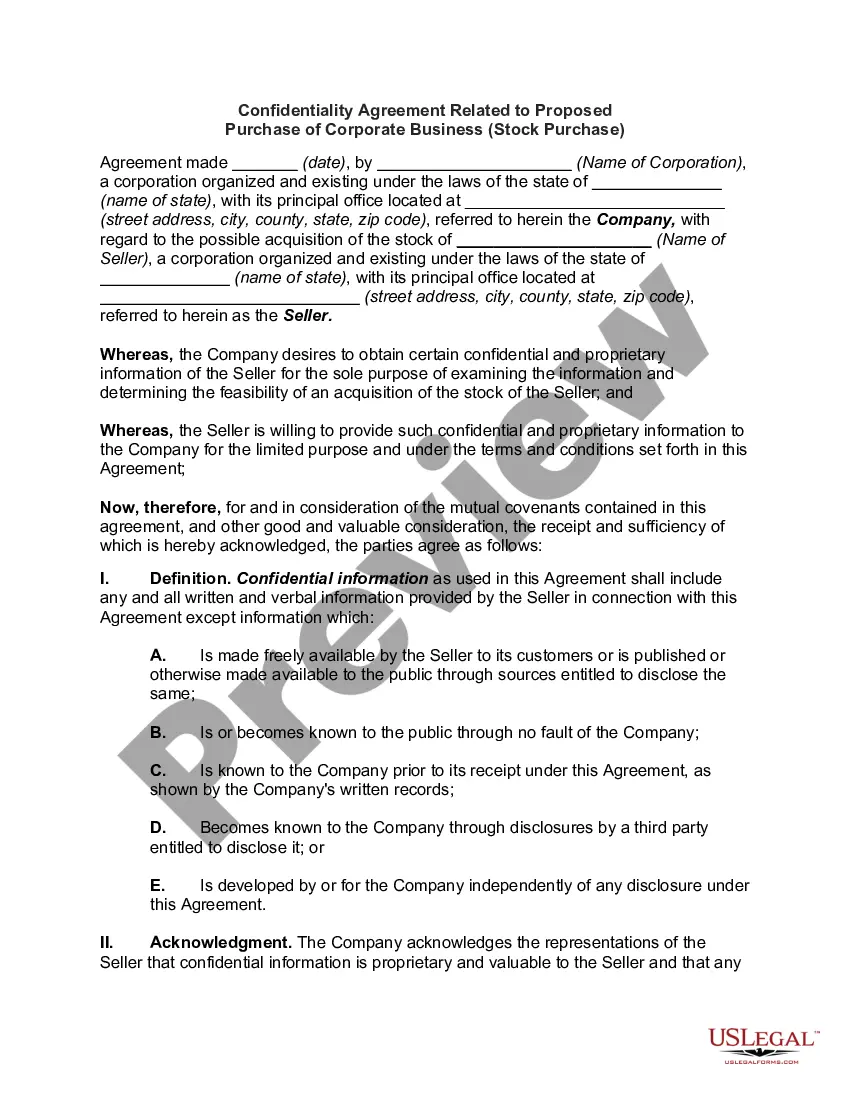
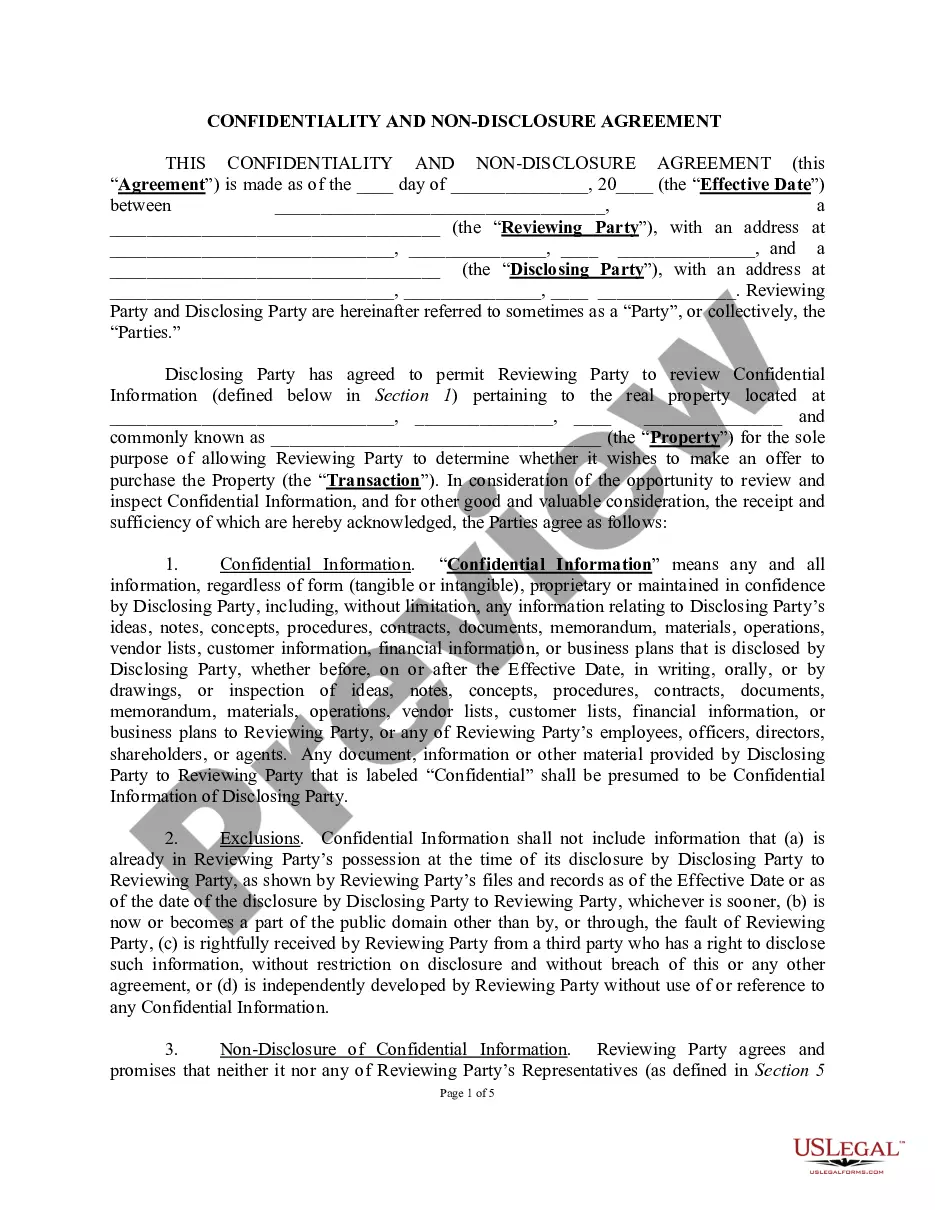
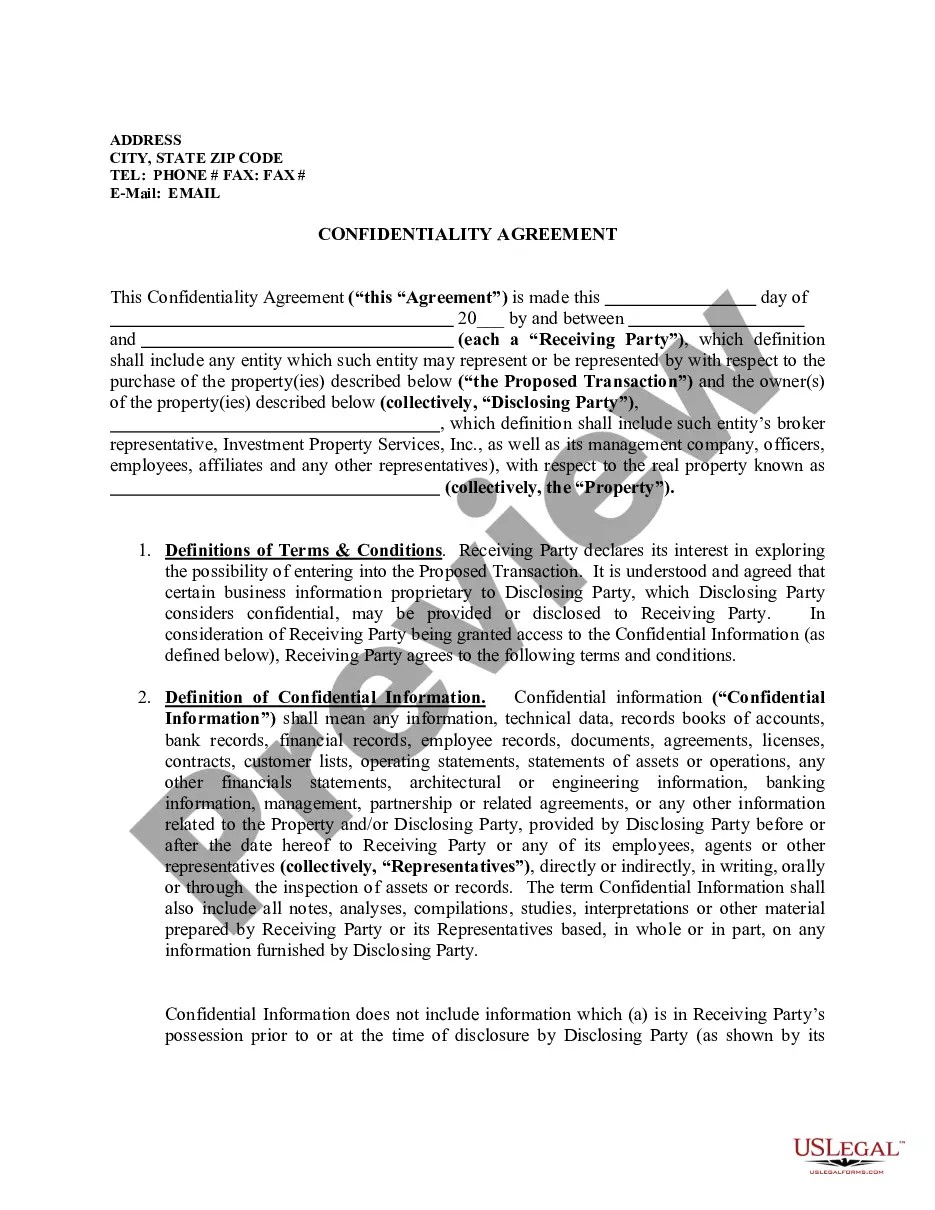
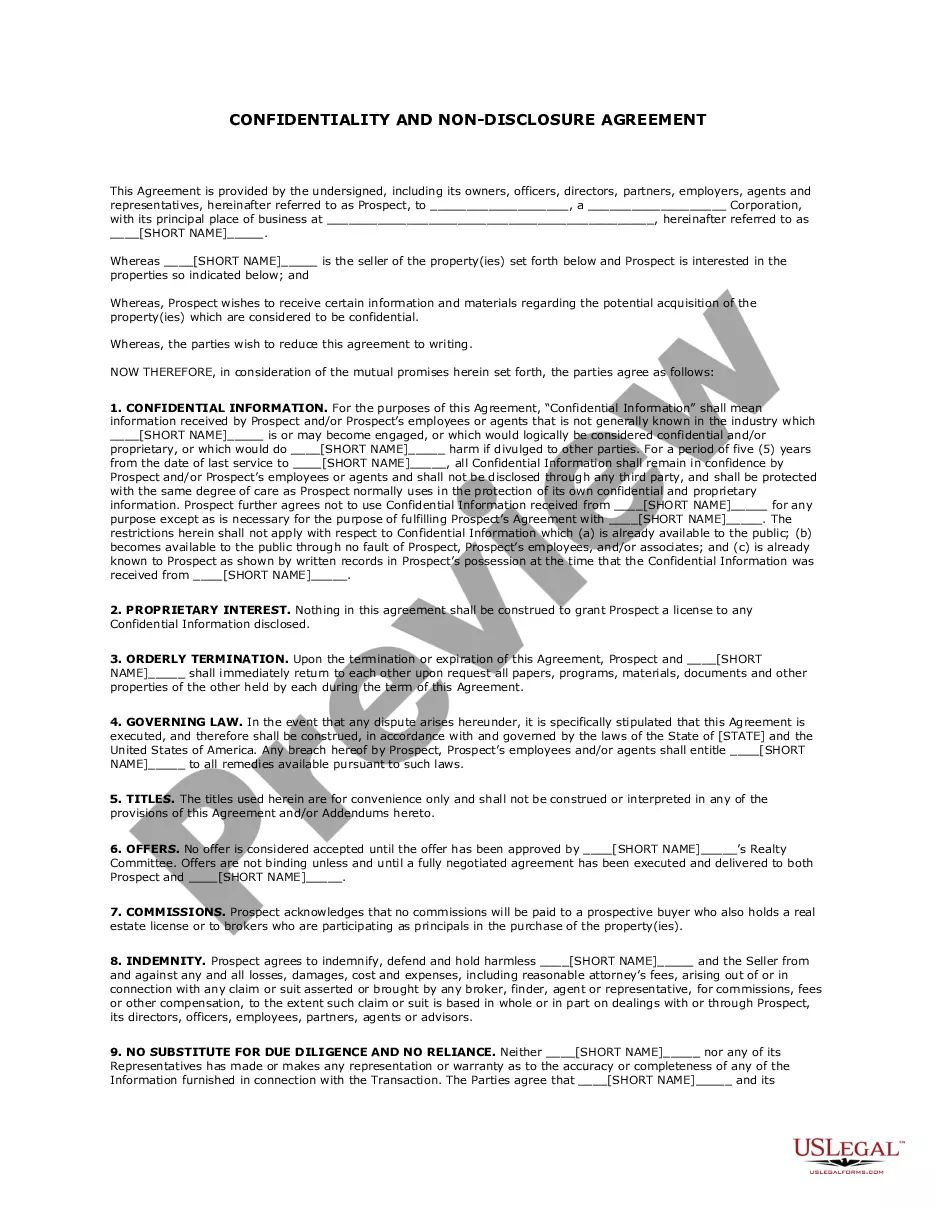
The Nondisclosure and Confidentiality Agreement - Potential Purchase is a legal document that establishes a confidential relationship between two parties as they negotiate the potential purchase of materials or services. This form ensures that any sensitive information shared during discussions remains protected from unauthorized disclosure. Unlike standard confidentiality agreements, this document specifically addresses needs related to potential purchases, making it essential for parties looking to safeguard proprietary information during negotiations.
Main sections of this form
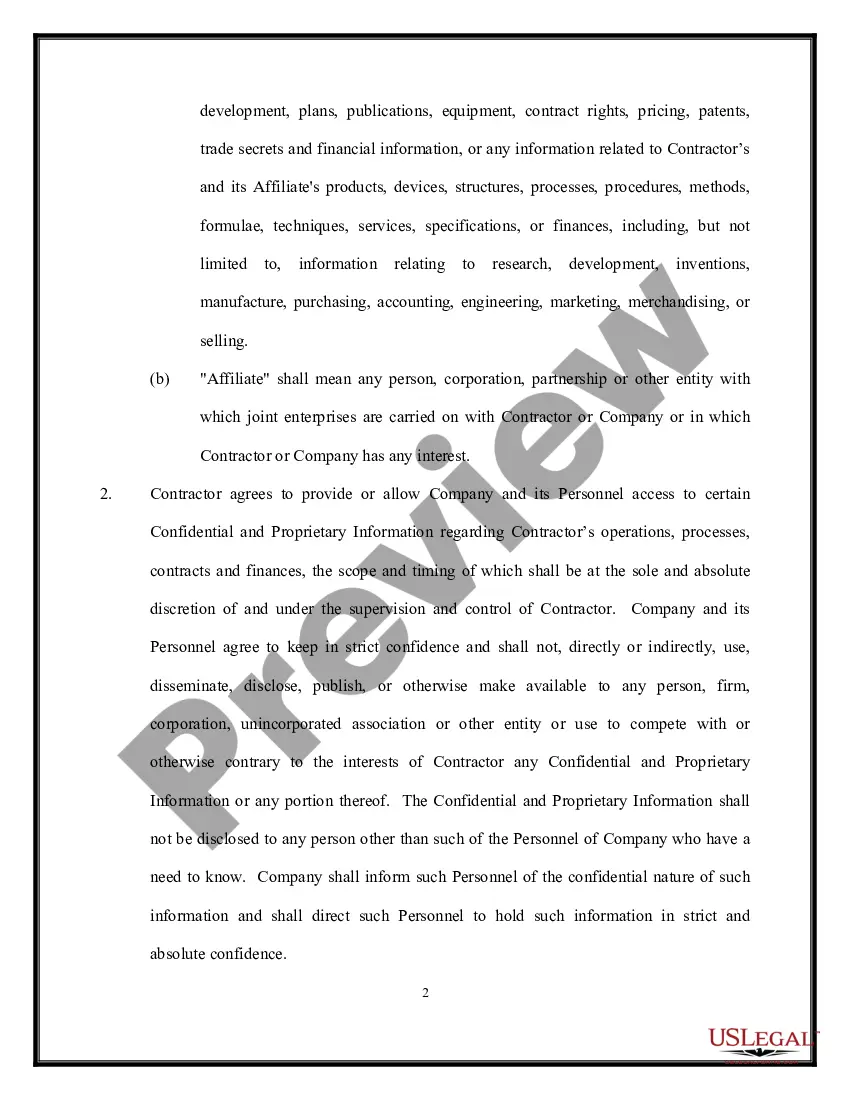
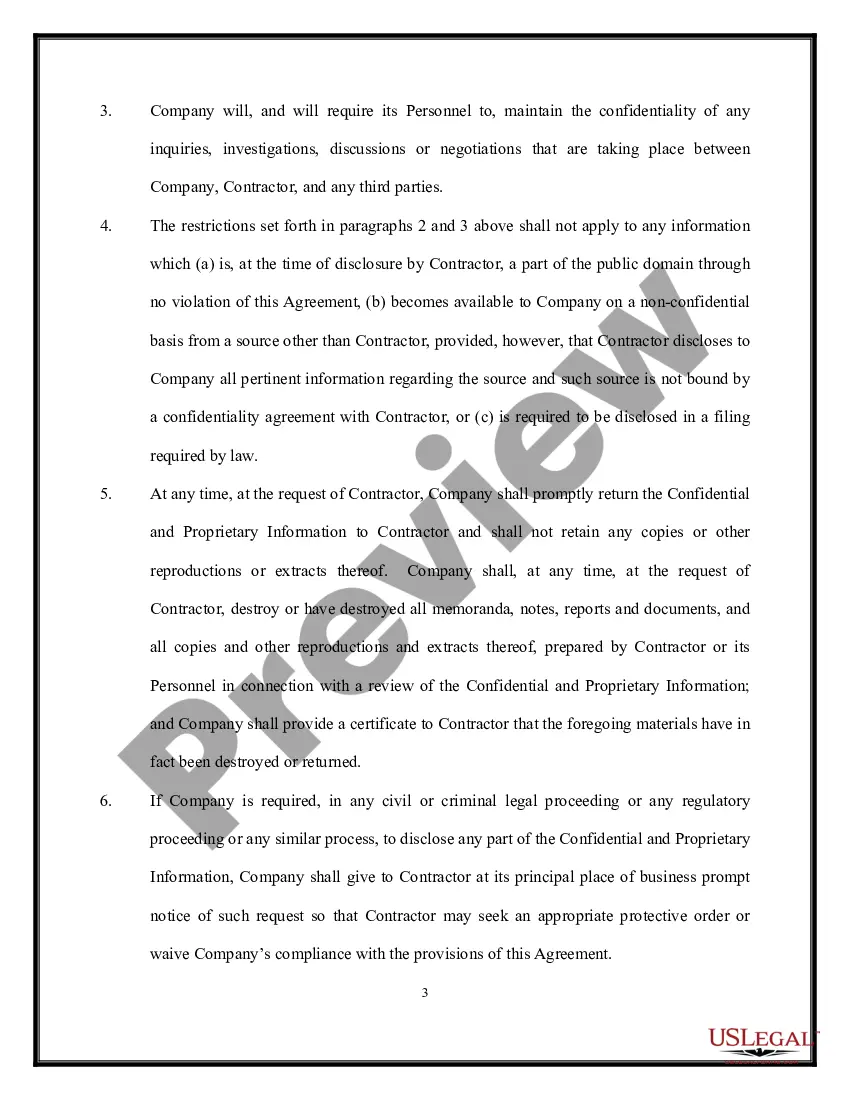
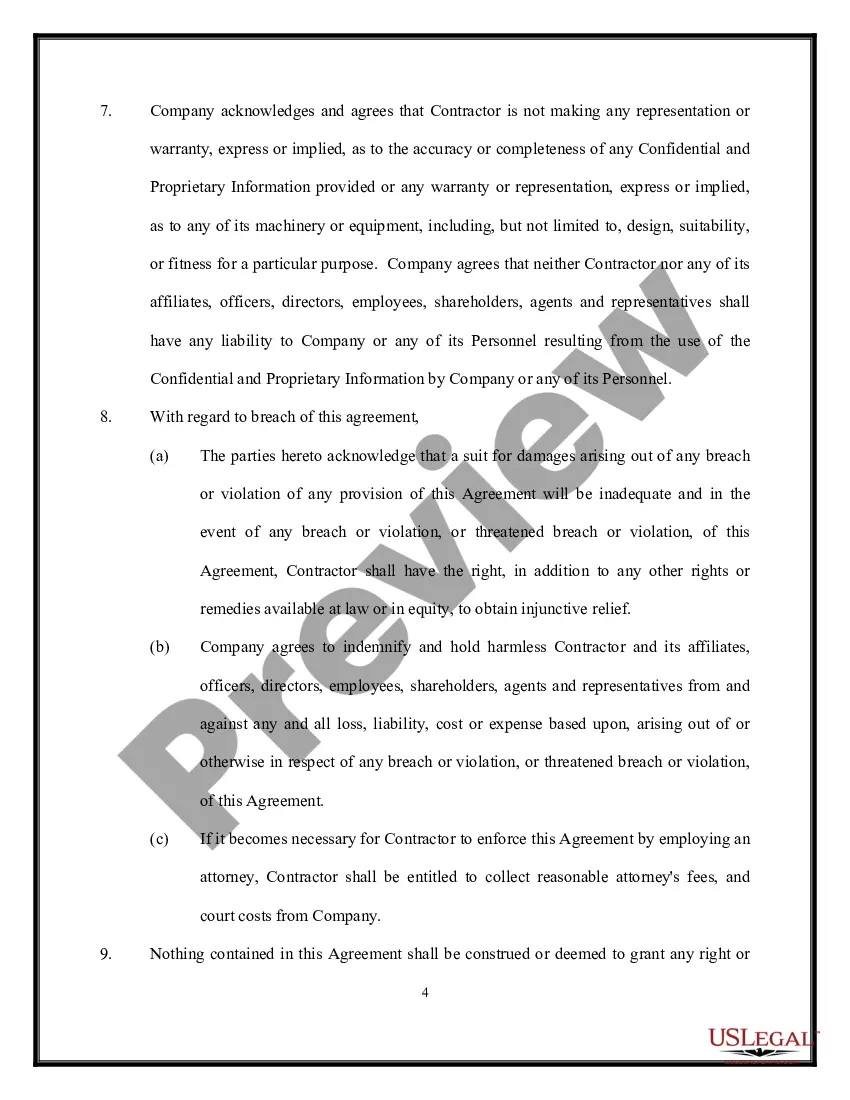
- Definition of Confidential and Proprietary Information.
- Obligations of the Company to maintain confidentiality.
- Conditions for disclosure of the information.
- Detailed terms regarding the return and destruction of confidential information.
- Indemnification clauses and legal remedies for breaches.
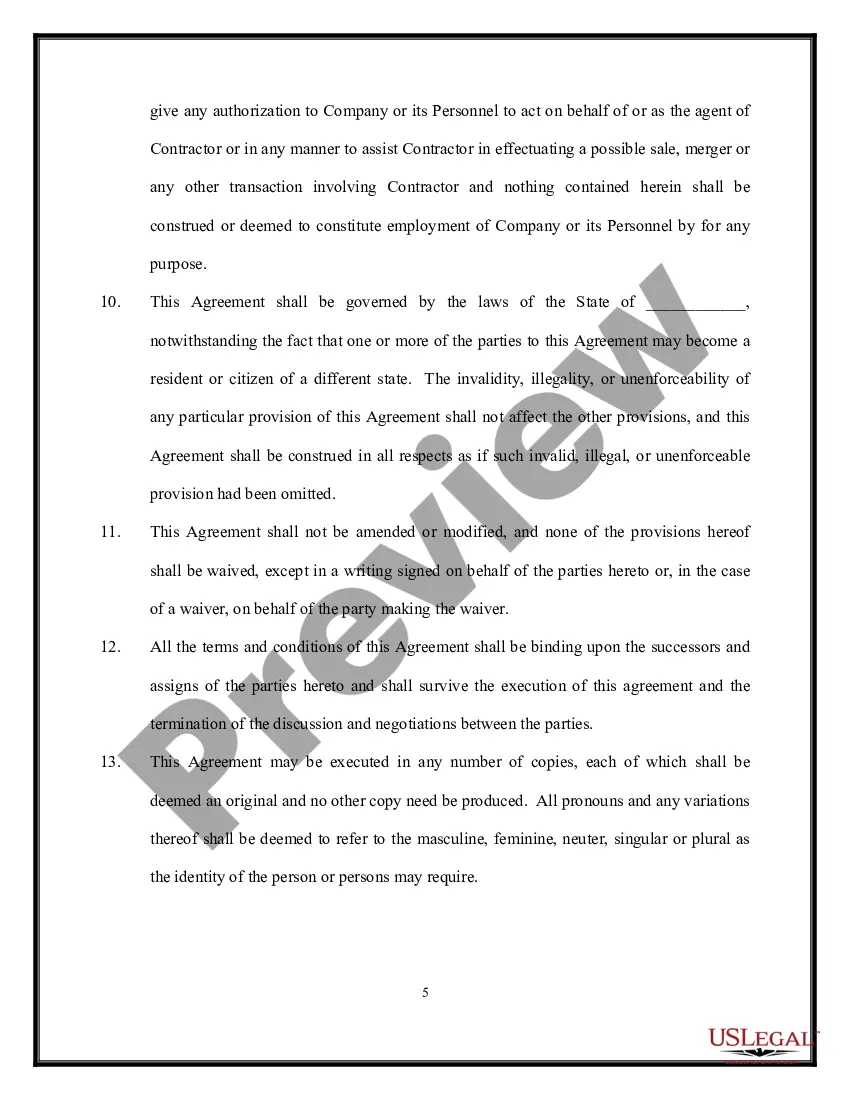
- Governing law and modification terms.

When this form is needed
This form should be used when two parties wish to enter into discussions about the potential purchase of goods, services, or intellectual property and need to ensure that any shared confidential information remains protected. It is particularly useful for businesses or individuals that want to evaluate new opportunities without risking the exposure of sensitive data.
Who needs this form
- Businesses looking to negotiate the purchase of products or services.
- Contractors or vendors sharing proprietary information during negotiations.
- Investors assessing potential investment opportunities that require access to confidential data.
- Parties entering into joint ventures or collaborative projects where sensitive information will be exchanged.
How to complete this form
- Identify and enter the names of the parties involved in the agreement.
- Specify the type of information considered confidential and proprietary.
- Outline the obligations of both parties regarding the protection of the information.
- Include the governing law jurisdiction applicable to the agreement.
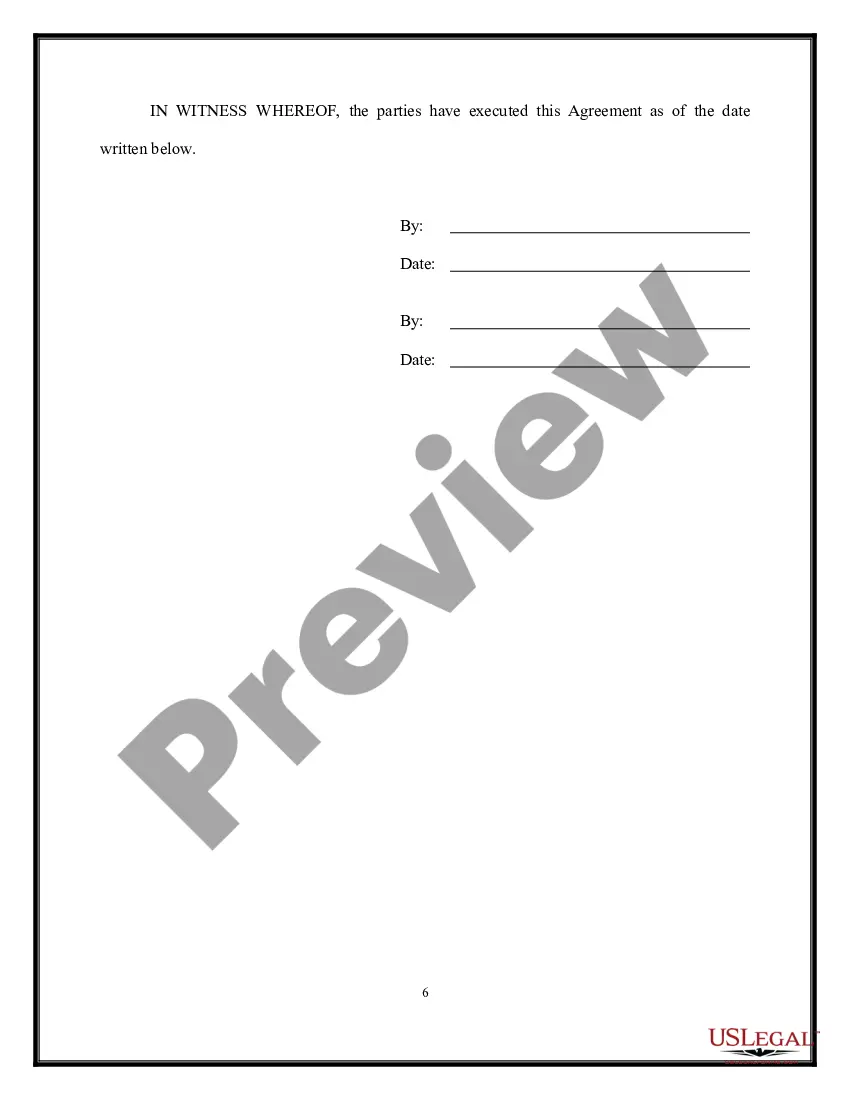
- Have authorized representatives from both parties sign the agreement.
Does this document require notarization?
This form does not typically require notarization unless specified by local law or for particular types of transactions. Always check your local regulations to ensure compliance.
Get your form ready online
Our built-in tools help you complete, sign, share, and store your documents in one place.
Make edits, fill in missing information, and update formatting in US Legal Forms—just like you would in MS Word.
Download a copy, print it, send it by email, or mail it via USPS—whatever works best for your next step.
Sign and collect signatures with our SignNow integration. Send to multiple recipients, set reminders, and more. Go Premium to unlock E-Sign.
If this form requires notarization, complete it online through a secure video call—no need to meet a notary in person or wait for an appointment.
We protect your documents and personal data by following strict security and privacy standards.

Make edits, fill in missing information, and update formatting in US Legal Forms—just like you would in MS Word.

Download a copy, print it, send it by email, or mail it via USPS—whatever works best for your next step.

Sign and collect signatures with our SignNow integration. Send to multiple recipients, set reminders, and more. Go Premium to unlock E-Sign.

If this form requires notarization, complete it online through a secure video call—no need to meet a notary in person or wait for an appointment.

We protect your documents and personal data by following strict security and privacy standards.
Avoid these common issues
- Failing to clearly define what constitutes confidential information.
- Not specifying the duration of the confidentiality obligation.
- Overlooking the need for signatures from authorized representatives of both parties.
- Assuming that simply marking information as confidential is sufficient without a formal agreement.
Benefits of using this form online
- Quick access to a professionally drafted legal document tailored for confidentiality in purchasing negotiations.
- Easy customization to fit specific needs and circumstances of the parties involved.
- Immediate download and printing for expedited use in business discussions.
Legal use & context
- This agreement is enforceable in a court of law, provided that it is executed properly and the terms are clear and reasonable.
- Parties should be aware of their rights and obligations under this agreement to avoid legal disputes.
- It helps establish a legal basis for seeking remedies in case of breach, including damages or injunctive relief.
Summary of main points
- The Nondisclosure and Confidentiality Agreement protects sensitive information during purchase negotiations.
- Properly defining confidentiality terms is crucial for the agreement's effectiveness.
- The form is designed for use by businesses and individuals in various purchasing scenarios.
Looking for another form?

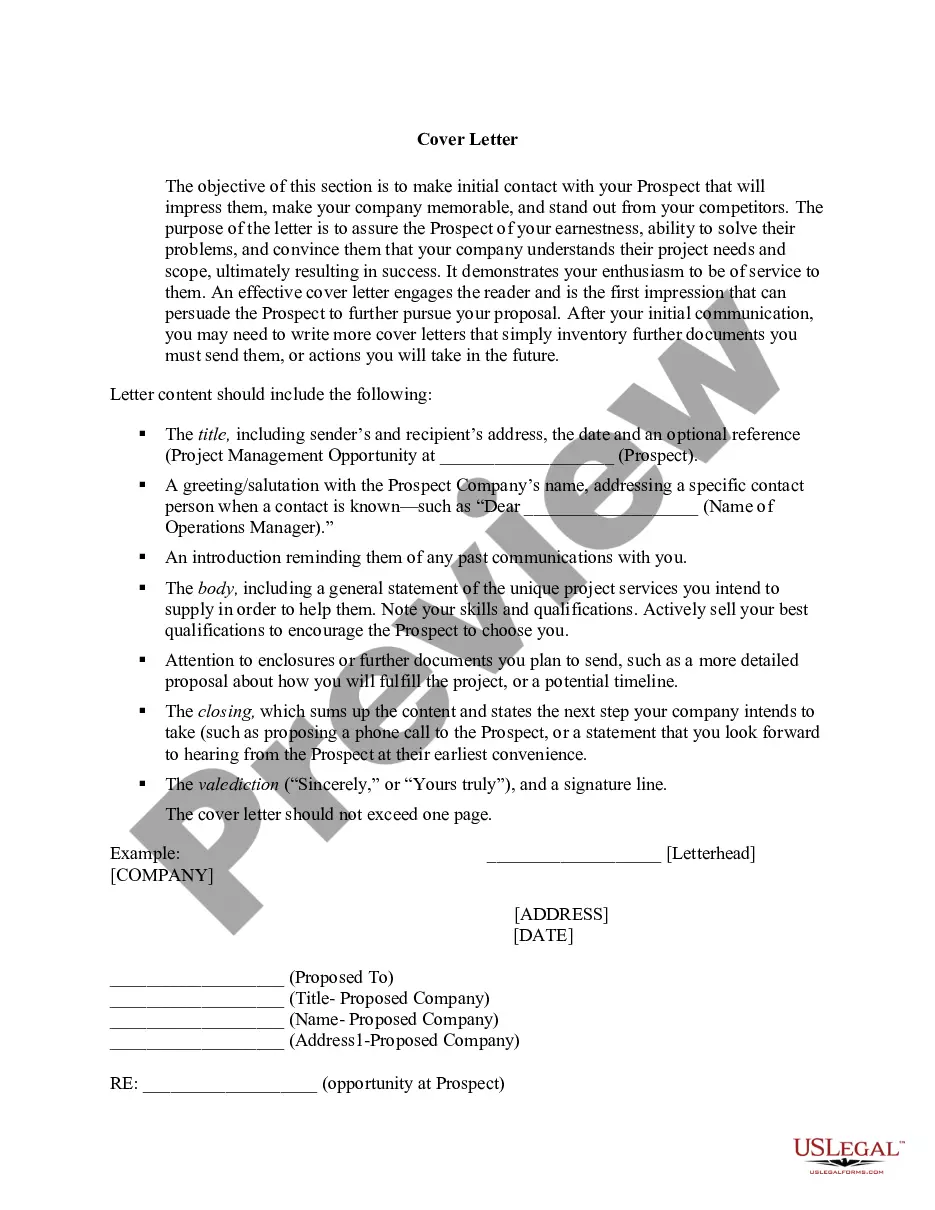
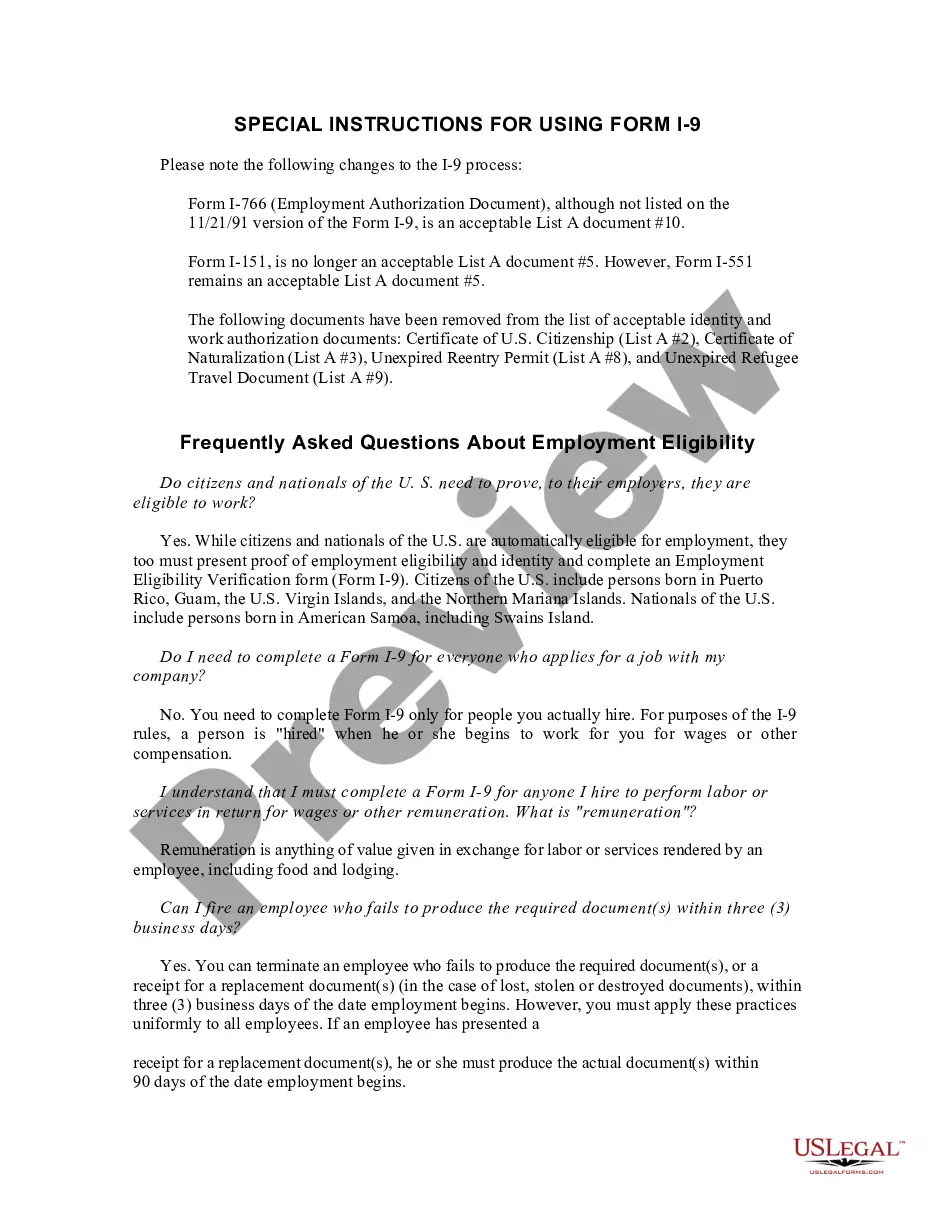
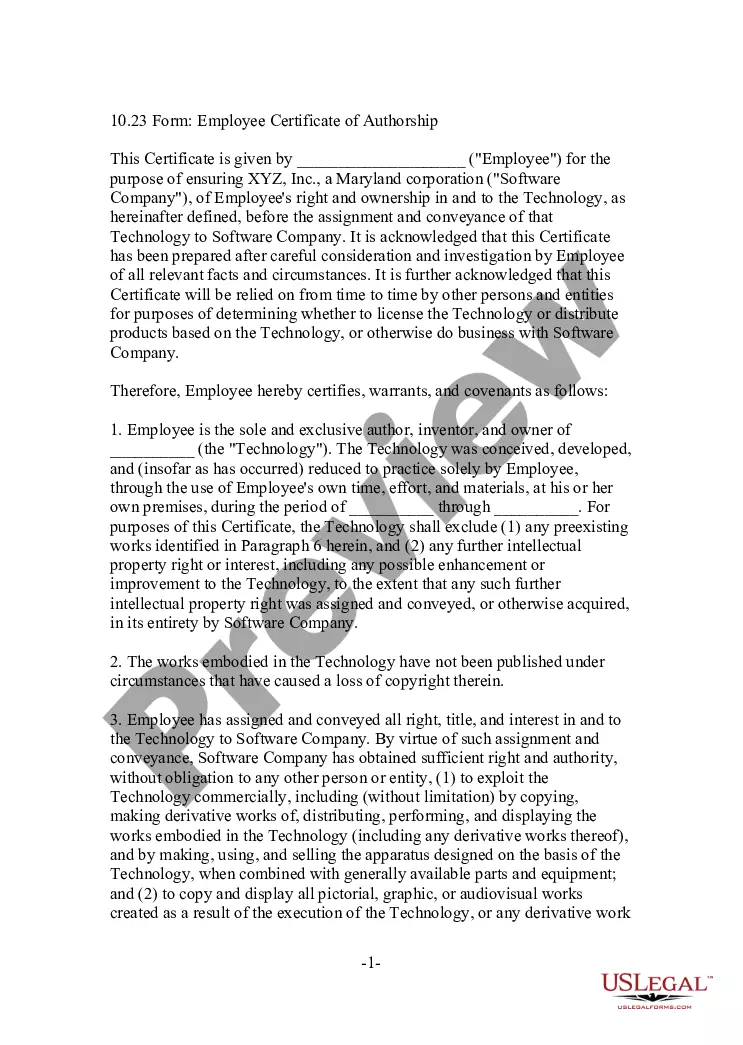
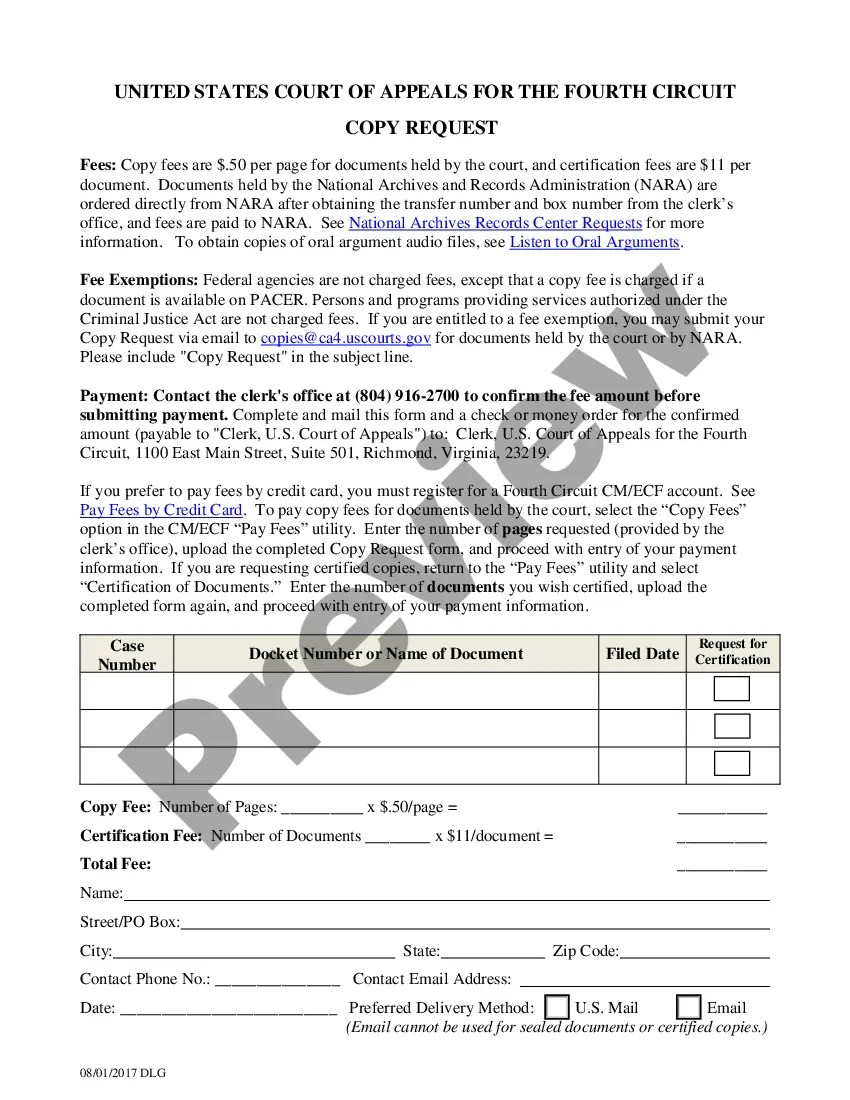
Form popularity
FAQ
Set the date of the agreement. Describe the two parties, sometimes called the Disclosing Party and the Receiving Party.7feff Include names and identification, so there can be no misunderstanding about who signed the agreement.
Identification of the parties. Definition of what is deemed to be confidential. The scope of the confidentiality obligation by the receiving party. The exclusions from confidential treatment. The term of the agreement.
2. Clearly label all confidential information as confidential. This means writing confidential on documents or any folder you keep them in. If you are sending an email, make sure the title clearly identifies it as confidential.
1. Confidentiality Agreement is used when a higher degree of secrecy is required. Non-disclosure implies you must not disclose personal or private information. But keeping confidential implies you be more proactive in making sure information is kept secret.
Identify each party in the first section of the form. The NDA form will start by declaring it to be an agreement and identifying who the agreement is between. Whoever is disclosing the information to be protected is the "disclosing party"; write his or her name on this space.
Identify each party in the first section of the form. The NDA form will start by declaring it to be an agreement and identifying who the agreement is between. Whoever is disclosing the information to be protected is the "disclosing party"; write his or her name on this space.
No, it is not necessary for the nondisclosure agreement to be "notarized", nor is it necessary under California law for the signatures on such an agreement to be "witnessed".
Identification of the parties. Definition of what is deemed to be confidential. The scope of the confidentiality obligation by the receiving party. The exclusions from confidential treatment. The term of the agreement.