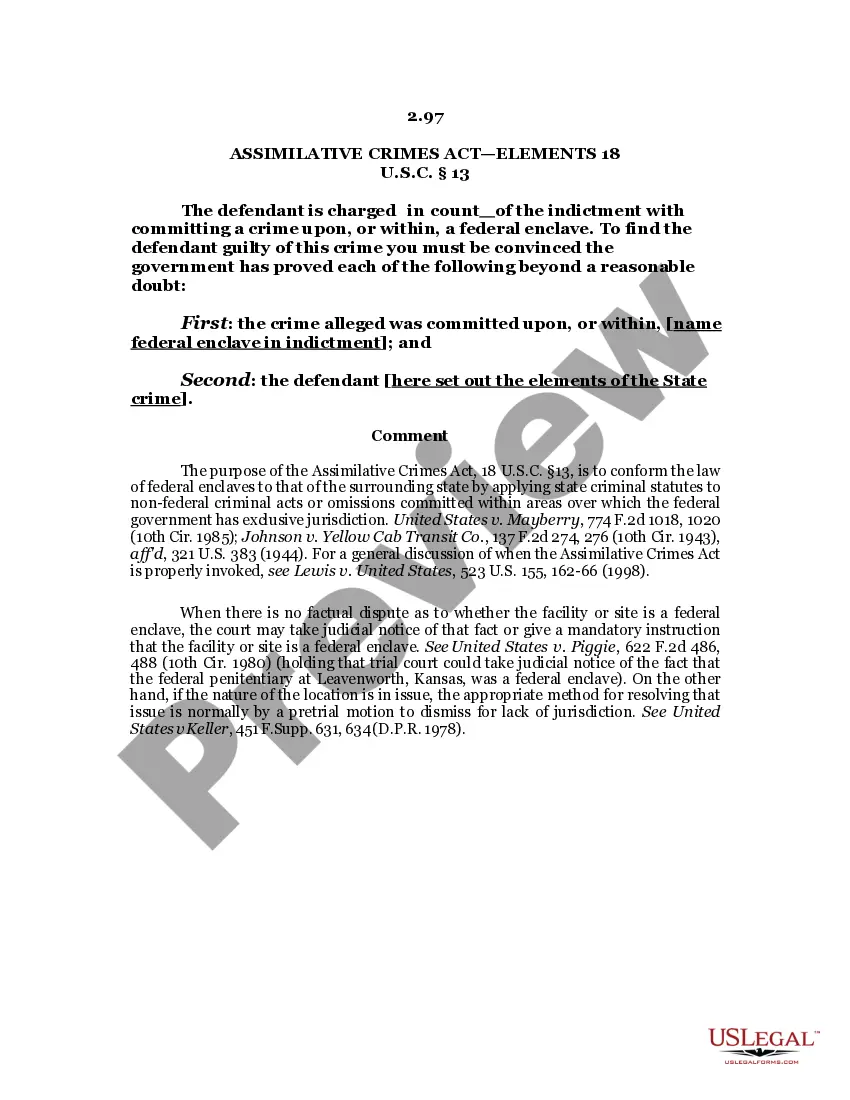
Complaint For False Arrest and Imprisonment - 4th and 14th Amendment, US Constitution - Jury Trial Demand
About this form
The Complaint for False Arrest and Imprisonment is a legal document designed to initiate a lawsuit against individuals or entities that have wrongfully arrested or imprisoned someone. This form emphasizes violations of the 4th and 14th Amendments of the U.S. Constitution, making it specifically suited for cases involving constitutional breaches. It differs from other complaints as it necessitates the demonstration of intentional misconduct leading to emotional distress and reputational harm.
Main sections of this form
- Plaintiff and defendant information, including names and contact details.
- Allegations of wrongful actions by the defendant leading to false arrest and imprisonment.
- Details of the incidents, including dates, locations, and outcomes of any legal actions taken.
- Claims for compensatory damages and punitive damages against the defendant.
- A demand for a jury trial, asserting the complexity and seriousness of the claims.






Situations where this form applies
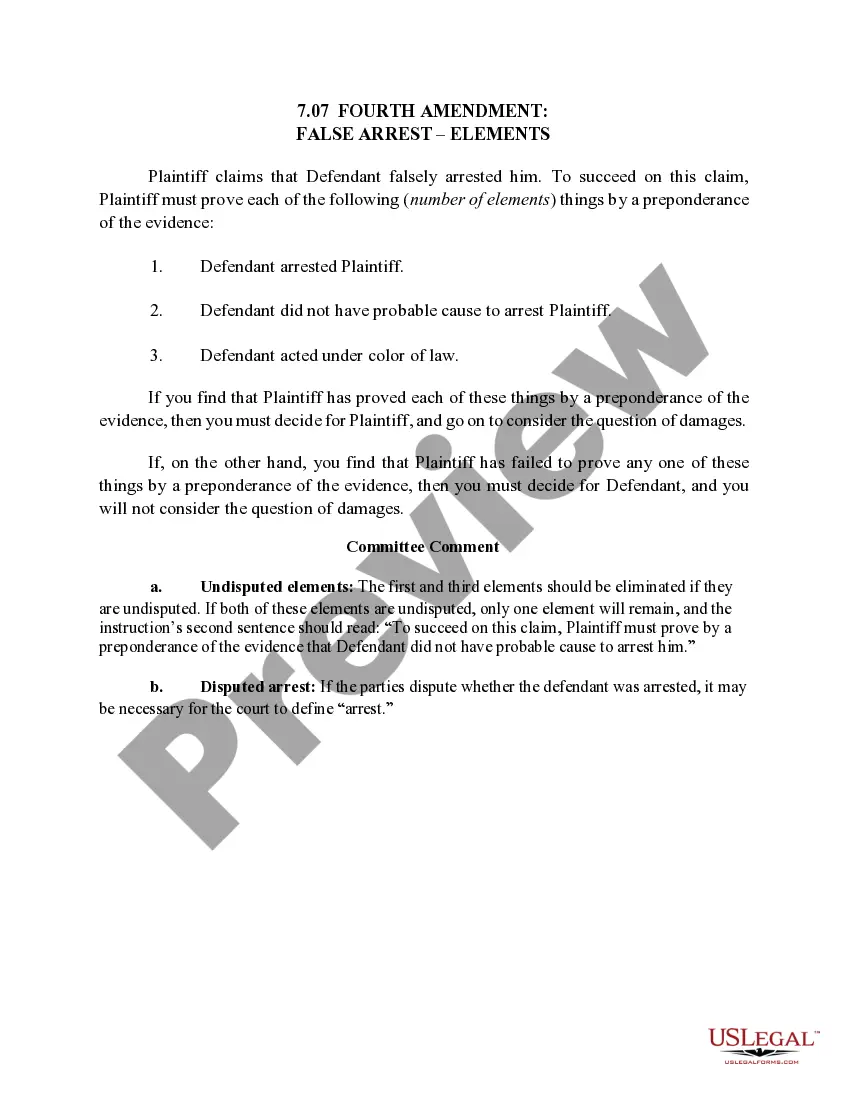
This form is applicable when an individual has been wrongfully arrested or imprisoned due to false claims made by another party. Use it when you can demonstrate that the arrest had no lawful basis and caused emotional distress, reputational damage, or incurred financial losses due to legal fees and missed work. Situations may include cases of mistaken identity, false accusations, or harassment leading to legal action.
Who should use this form
- Individuals who believe they have been falsely arrested or imprisoned.
- Plaintiffs pursuing claims against another party for malicious prosecution.
- Those requiring a structured format to outline their grievances and seek damages in court.
- Individuals working with legal counsel or self-representing in their litigation efforts.
Steps to complete this form
- Identify the parties involved: fill in your name as the plaintiff and the name of the defendant.
- Detail the timeline of events: accurately state the dates when the alleged wrongful acts occurred.
- Describe the allegations: include specific details regarding the nature of the false charges and any resulting actions.
- Specify damages: clearly outline the compensatory and punitive damages you are seeking.
- Sign and date the form: ensure compliance with local court requirements for filing.
Notarization guidance
This form does not typically require notarization to be legally valid. However, some jurisdictions or document types may still require it. US Legal Forms provides secure online notarization powered by Notarize, available 24/7 for added convenience.
Get your form ready online
Our built-in tools help you complete, sign, share, and store your documents in one place.
Make edits, fill in missing information, and update formatting in US Legal Forms—just like you would in MS Word.
Download a copy, print it, send it by email, or mail it via USPS—whatever works best for your next step.
Sign and collect signatures with our SignNow integration. Send to multiple recipients, set reminders, and more. Go Premium to unlock E-Sign.
If this form requires notarization, complete it online through a secure video call—no need to meet a notary in person or wait for an appointment.
We protect your documents and personal data by following strict security and privacy standards.

Make edits, fill in missing information, and update formatting in US Legal Forms—just like you would in MS Word.

Download a copy, print it, send it by email, or mail it via USPS—whatever works best for your next step.

Sign and collect signatures with our SignNow integration. Send to multiple recipients, set reminders, and more. Go Premium to unlock E-Sign.

If this form requires notarization, complete it online through a secure video call—no need to meet a notary in person or wait for an appointment.

We protect your documents and personal data by following strict security and privacy standards.
Typical mistakes to avoid
- Failing to provide specific details about the incidents leading to the claim.
- Neglecting to include all relevant parties involved in the case.
- Not specifying the exact nature and amount of damages being sought.
- Missing signatures or dates, which can render the document invalid.
Benefits of using this form online
- Convenient download and edit options to tailor the form to your specific situation.
- Access to legally sound templates drafted by licensed attorneys for reliability.
- Easy storage and organization of your legal documents in a digital format.
- Time-saving compared to traditional methods of drafting complaints from scratch.
Looking for another form?
Form popularity
FAQ
The 14th Amendment contained three major provisions: The Citizenship Clause granted citizenship to All persons born or naturalized in the United States. The Due Process Clause declared that states may not deny any person "life, liberty or property, without due process of law."
No state shall make or enforce any law which shall abridge the privileges or immunities of citizens of the United States; nor shall any state deprive any person of life, liberty, or property, without due process of law; nor deny to any person within its jurisdiction the equal protection of the laws.
Section 4. The validity of the public debt of the United States, authorized by law, including debts incurred for payment of pensions and bounties for services in suppressing insurrection or rebellion, shall not be questioned.
Passed by the Senate on June 8, 1866, and ratified two years later, on July 9, 1868, the Fourteenth Amendment granted citizenship to all persons "born or naturalized in the United States," including formerly enslaved people, and provided all citizens with equal protection under the laws, extending the provisions of
The amendment's first section includes several clauses: the Citizenship Clause, Privileges or Immunities Clause, Due Process Clause, and Equal Protection Clause.
The 14th Amendment to the U.S. Constitution, ratified in 1868, granted citizenship to all persons born or naturalized in the United Statesincluding former enslaved peopleand guaranteed all citizens equal protection of the laws. One of three amendments passed during the Reconstruction era to abolish slavery and
The Due Process Clause of the Fourteenth Amendment echoes that of the Fifth Amendment. The Fifth Amendment, however, applies only against the federal government.Among them was the Fourteenth Amendment, which prohibits the states from depriving any person of life, liberty, or property, without due process of law.
Amendment XIV, Section 4 allowed the federal and state governments to refuse to pay war debts of the Confederate army as well as any claims made by slave owners for their losses when slaves were freed. Lastly, Amendment XIV, Section 5 gives Congress the power to enforce all the provisions within the whole amendment.