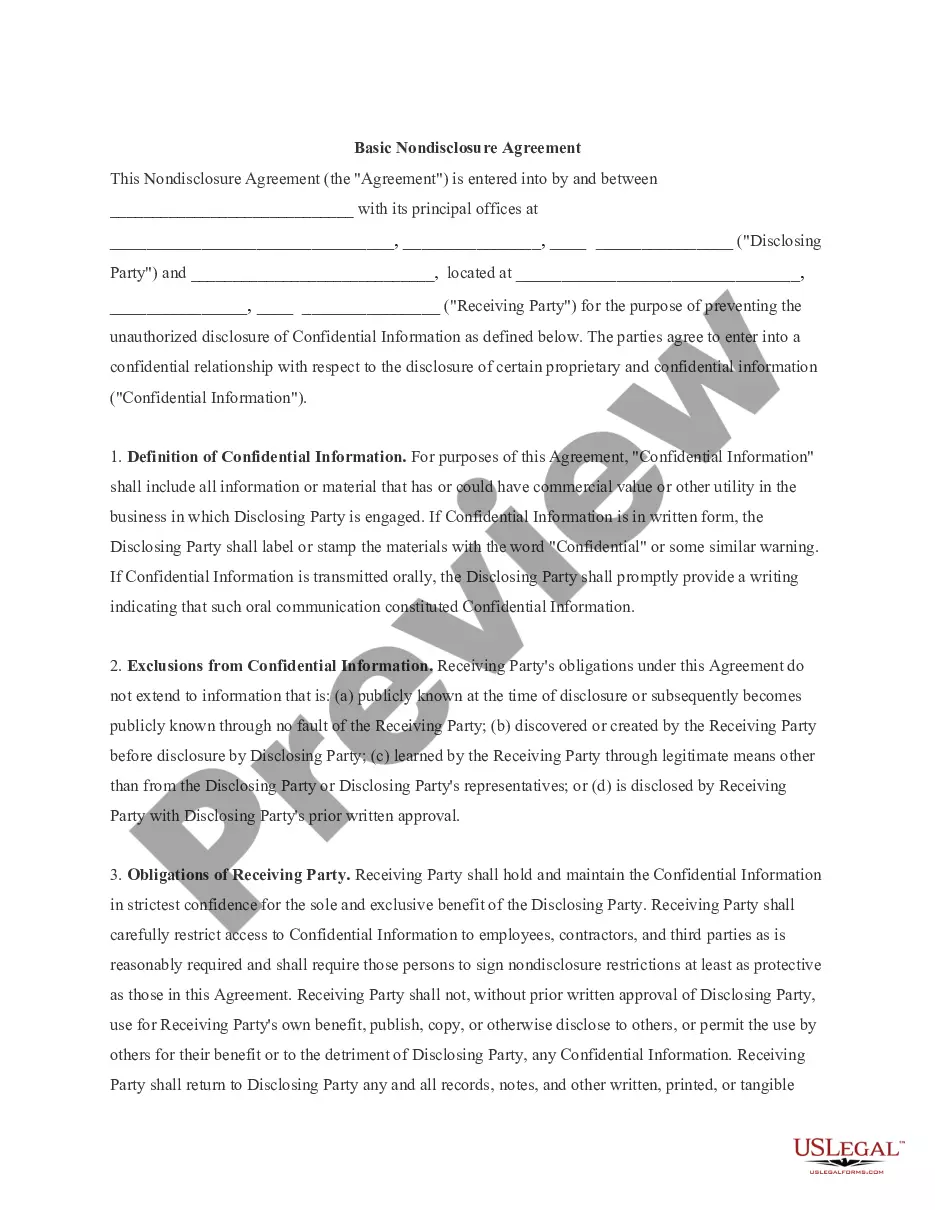
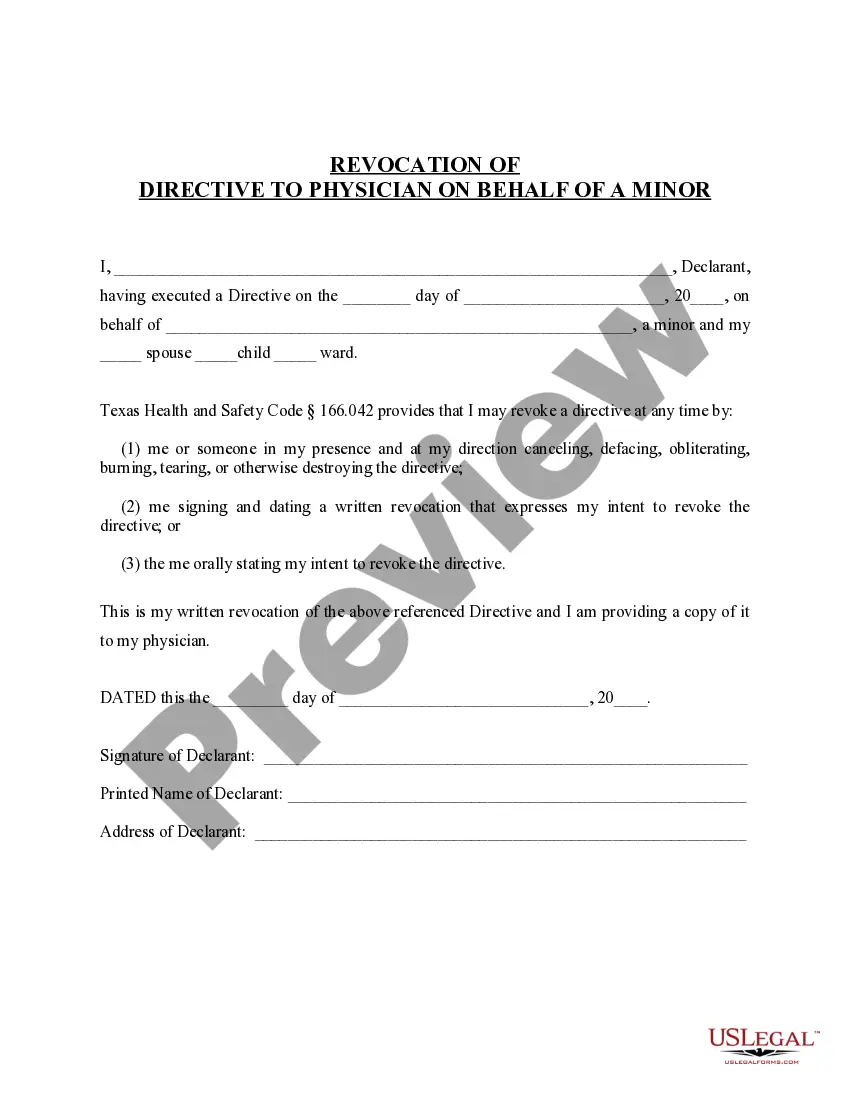
Texas Revocation of Directive to Physicians on Behalf of a Minor
What this document covers
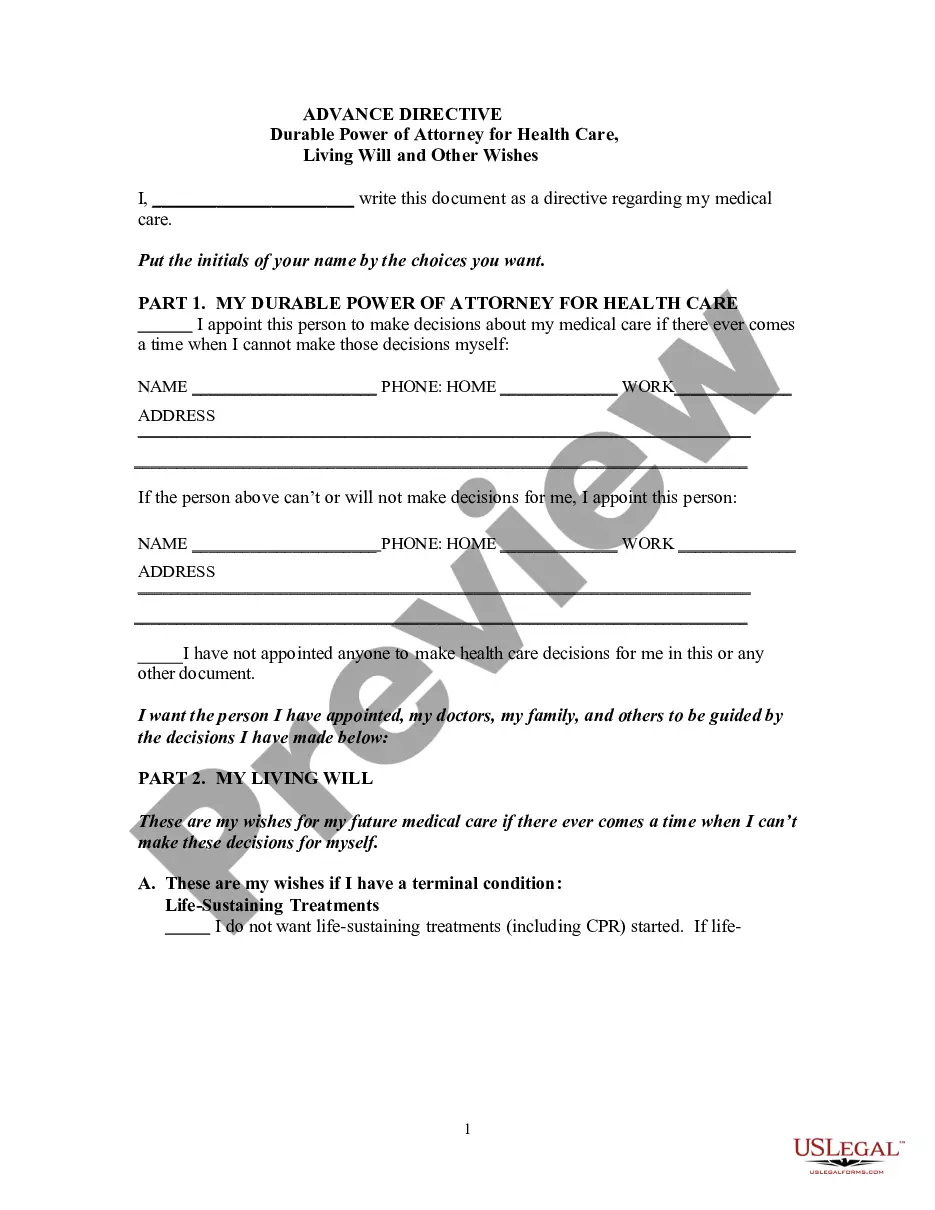
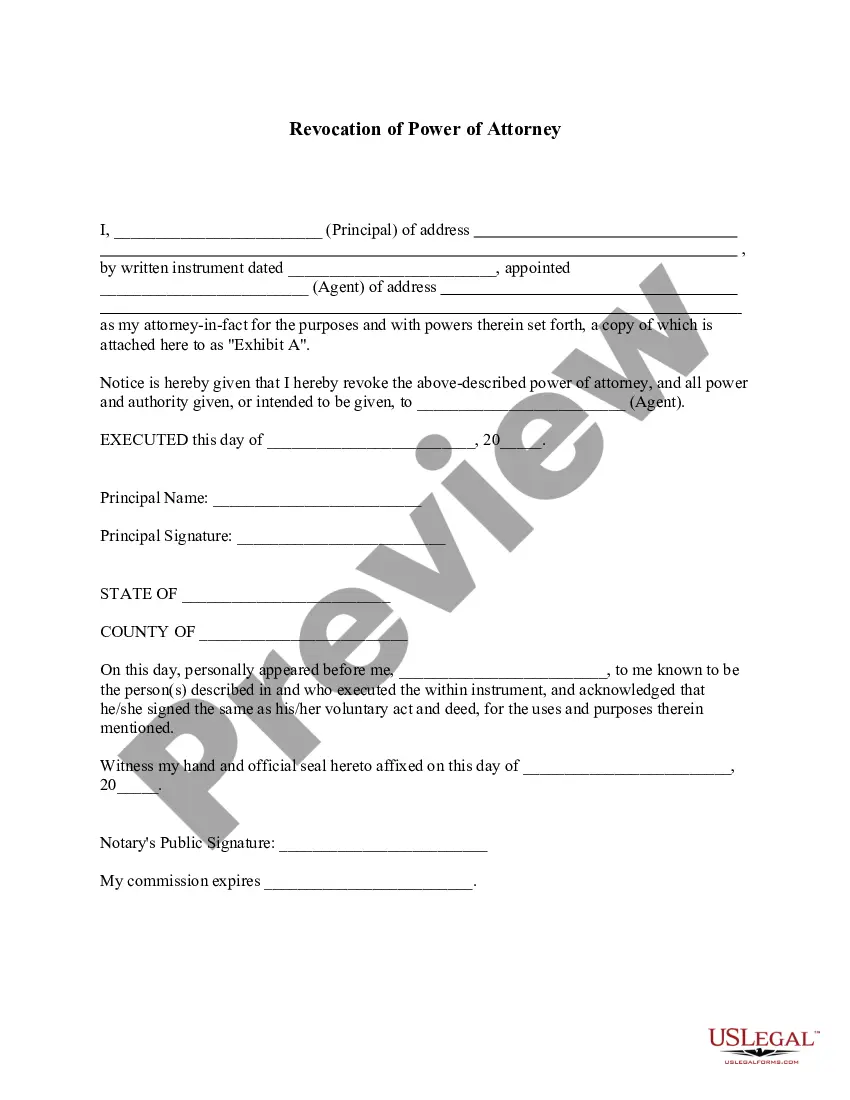
The Revocation of Directive to Physicians on Behalf of a Minor is a legal document that allows a declarant to withdraw previously given directives regarding medical treatment for a minor. This form is crucial when a guardian no longer wishes to adhere to a directive previously established, particularly in situations where the minor is suffering from a terminal illness. Unlike a standard advance directive, this revocation specifically addresses the context of decisions made on behalf of minors, ensuring that the authority to withdraw consent for medical treatment is clearly outlined and legally recognized.
Key parts of this document
- Identification of the declarant who is revoking the directive.
- Details of the original directive, including the date it was executed.
- Clear statement expressing the intent to revoke the prior directive.
- Signature and printed name of the declarant for validation.
- Address of the declarant to provide contact information.
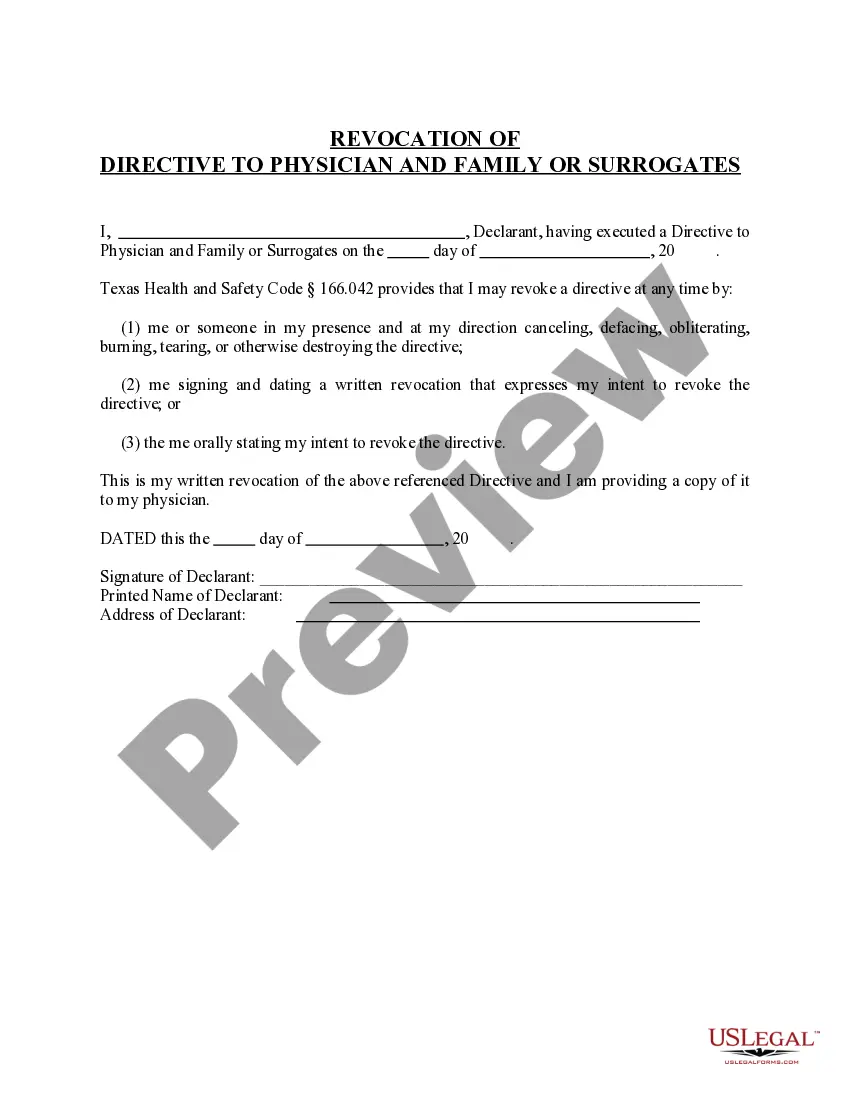
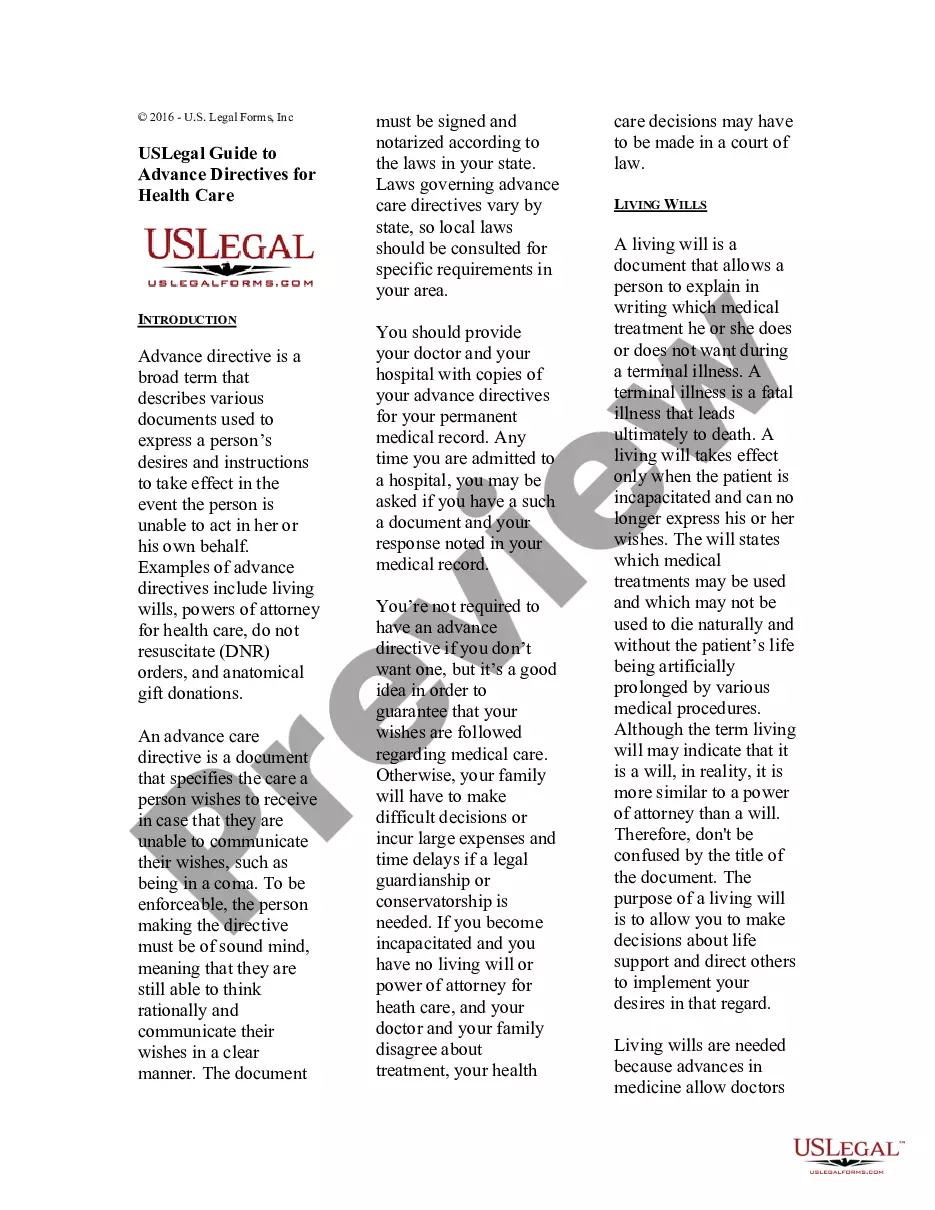
When to use this form
This form should be used when a parent or legal guardian decides to revoke a previously executed medical directive regarding a minor's treatment. Scenarios include changes in medical conditions, shifts in family dynamics, or a newfound preference against specific treatments or interventions detailed in the earlier directive.
Who this form is for
- Parents or legal guardians of a minor who previously executed a medical directive.
- Individuals responsible for making healthcare decisions on behalf of a minor.
- Anyone who needs to ensure that the minor's medical treatment reflects current wishes and decisions.
How to prepare this document
- Identify yourself as the declarant and fill in your name.
- Enter the date when the original directive was executed.
- Provide the name of the minor for whom the directive was originally made.
- Clearly state your intention to revoke the prior directive.
- Sign and print your name, and include your address for contact.
Does this document require notarization?
This form does not typically require notarization to be legally valid. However, some jurisdictions or document types may still require it. US Legal Forms provides secure online notarization powered by Notarize, available 24/7 for added convenience.
Get your form ready online
Our built-in tools help you complete, sign, share, and store your documents in one place.
Make edits, fill in missing information, and update formatting in US Legal Forms—just like you would in MS Word.
Download a copy, print it, send it by email, or mail it via USPS—whatever works best for your next step.
Sign and collect signatures with our SignNow integration. Send to multiple recipients, set reminders, and more. Go Premium to unlock E-Sign.
If this form requires notarization, complete it online through a secure video call—no need to meet a notary in person or wait for an appointment.
We protect your documents and personal data by following strict security and privacy standards.

Make edits, fill in missing information, and update formatting in US Legal Forms—just like you would in MS Word.

Download a copy, print it, send it by email, or mail it via USPS—whatever works best for your next step.

Sign and collect signatures with our SignNow integration. Send to multiple recipients, set reminders, and more. Go Premium to unlock E-Sign.

If this form requires notarization, complete it online through a secure video call—no need to meet a notary in person or wait for an appointment.

We protect your documents and personal data by following strict security and privacy standards.
Typical mistakes to avoid
- Failing to provide the original directive date, leading to confusion.
- Not signing the form, which invalidates the revocation.
- Leaving out the minor's name or relationship, causing ambiguity.
Benefits of completing this form online
- Convenient access to legal forms at any time.
- Ability to edit and customize the form to meet specific needs.
- Documents are prepared by licensed attorneys to ensure legal compliance.
Legal use & context
- This revocation is legally effective as long as it is executed properly and in accordance with Texas law.
- Provides a clear process for guardians to change medical directives, promoting patient autonomy and healthcare wishes.
Main things to remember
- The form allows for the revocation of prior medical directives for a minor.
- Proper completion ensures legal protection and clarity of wishes.
- Review state-specific requirements to ensure compliance with local laws.
Looking for another form?

Form popularity
FAQ
Advance Directives are referred to by different names depending on the state where you reside: advance directive, living will, declaration, power of attorney, patient advocate designation, etc.If someone disputes the validity of your health care directive, it may be challenged in court.
A person can change an Individual Healthcare Instruction by writing a new Advance Directive with the changes in it that she wants to make.A person can also revoke their Advance Directive orally, by telling their healthcare provider that they no longer want either the entire document or any parts of it enforced.
A person can also revoke their Advance Directive orally, by telling their healthcare provider that they no longer want either the entire document or any parts of it enforced.
The law requires that you sign your advance directive, or direct another to sign it, in the presence of two adult witnesses, who must also sign the document.
A Directive to Physicians is a legal form, also known as a Living Will. It communicates your wishes about medical treatment at some time in the future, but only if your condition is irreversible or terminal. It speaks for you when you cannot speak for yourself.
Advance care directives are legally enforceable in NSW. Although NSW does not have specific legislation on advance care directives, the Supreme Court has said that valid advance care directives must be respected (as an extension to a person's right to determine their own medical treatment).
An advance directive, alone, may not be sufficient to stop all forms of life-saving treatment.You retain the right to override the decisions or your representative, change the terms of your living will or POA, or completely revoke an advance directive.
Note: Texas law now allows an option for a person's signature to be acknowledged by a notary instead of witness signatures and for digital or electronic signatures on the Directive to Physicians, Out-of-Hospital Do Not Resuscitate Order, and the Medical Power of Attorney, if certain requirements are met.