Informed Consent Form for Family and Marriage Therapy
Overview of this form
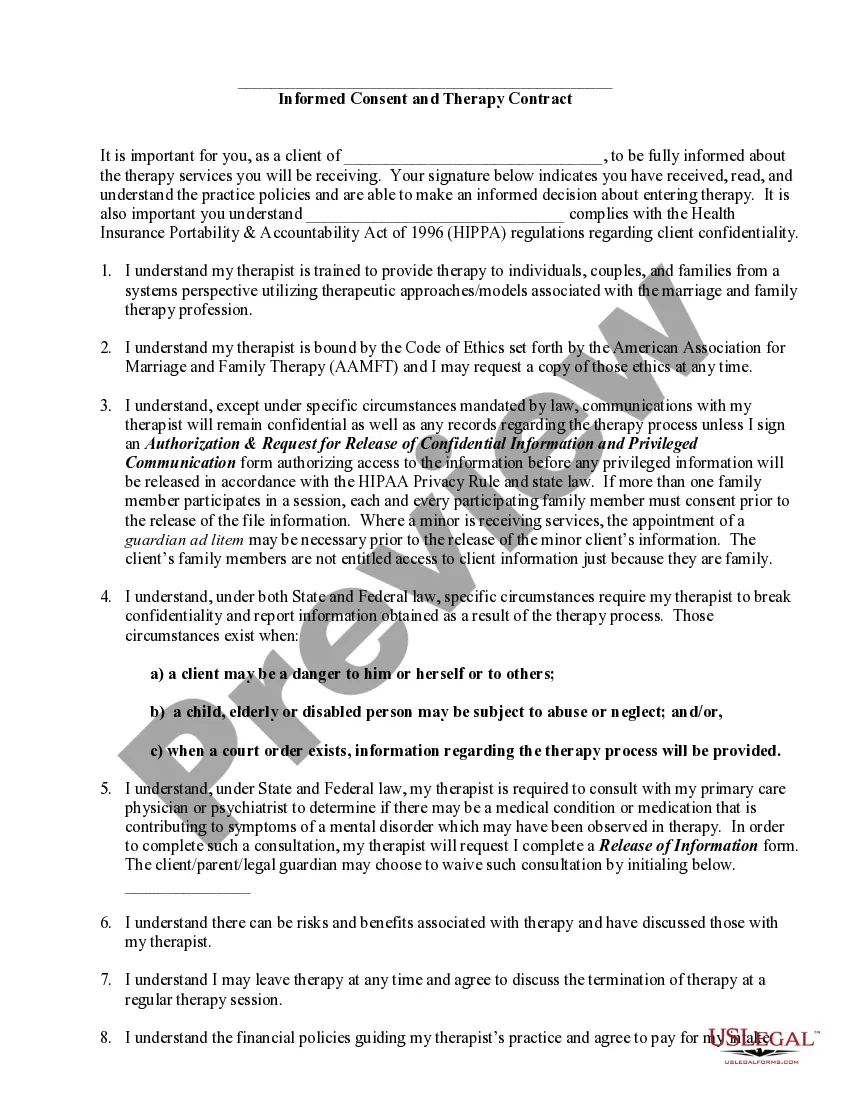
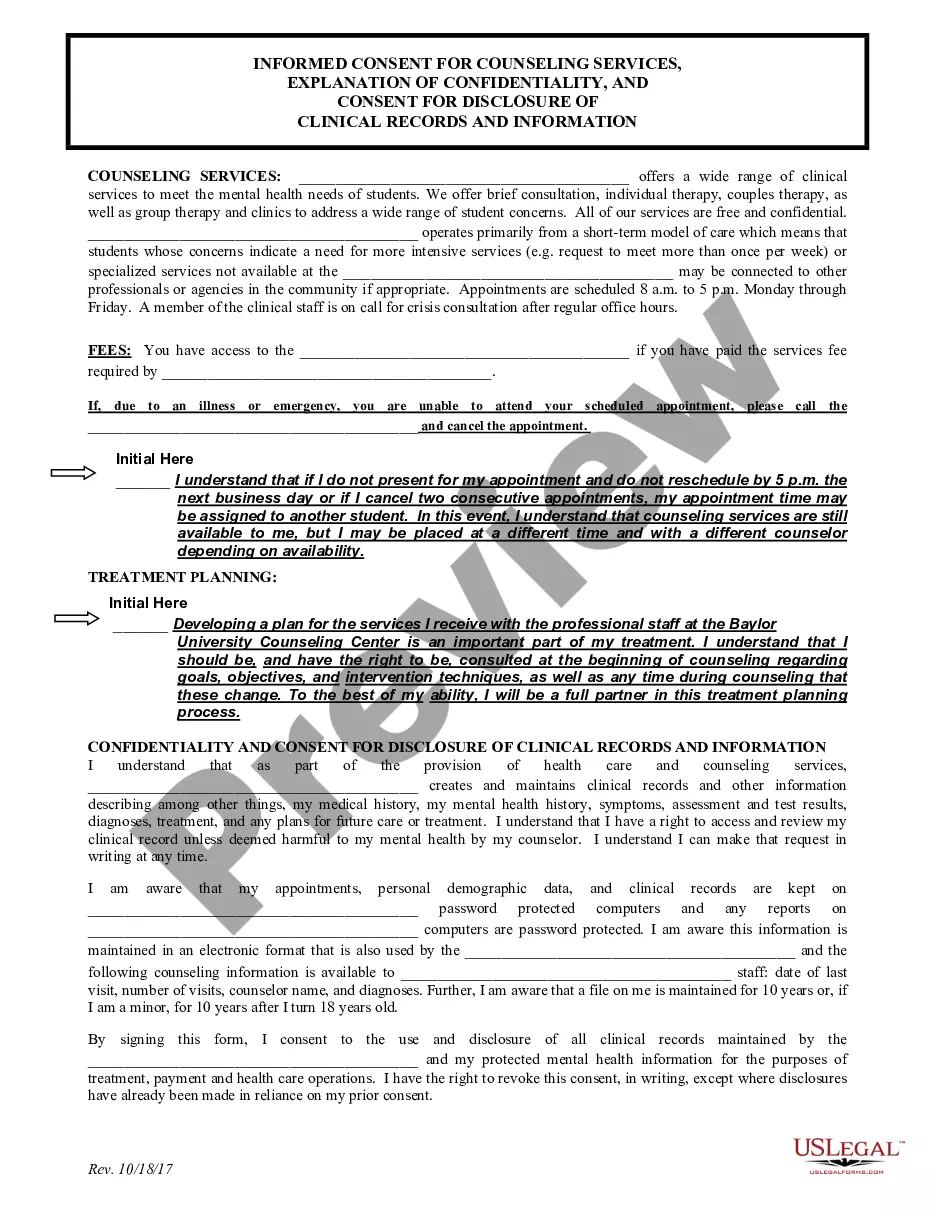
The Informed Consent Form for Family and Marriage Therapy provides essential documentation for clients receiving therapy services from licensed professionals. This form outlines the treatment process, confidentiality policies, and client rights, ensuring that clients fully understand what to expect. It is specifically designed for family and marriage therapy, distinguishing it from other mental health consent forms that might cover a broader range of therapeutic services.
Form components explained
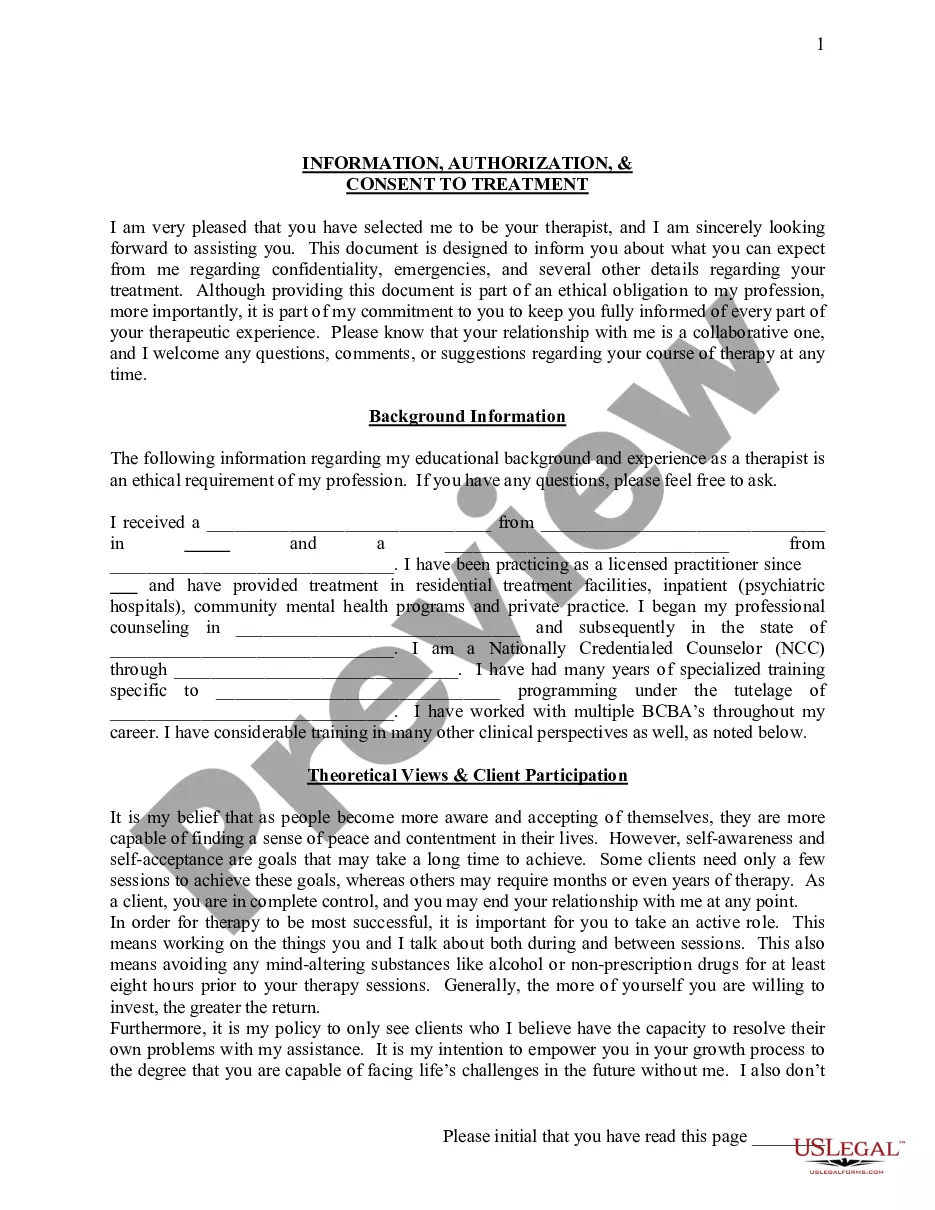
- Client information: Includes the client's name and, when applicable, the names of family members participating in therapy.
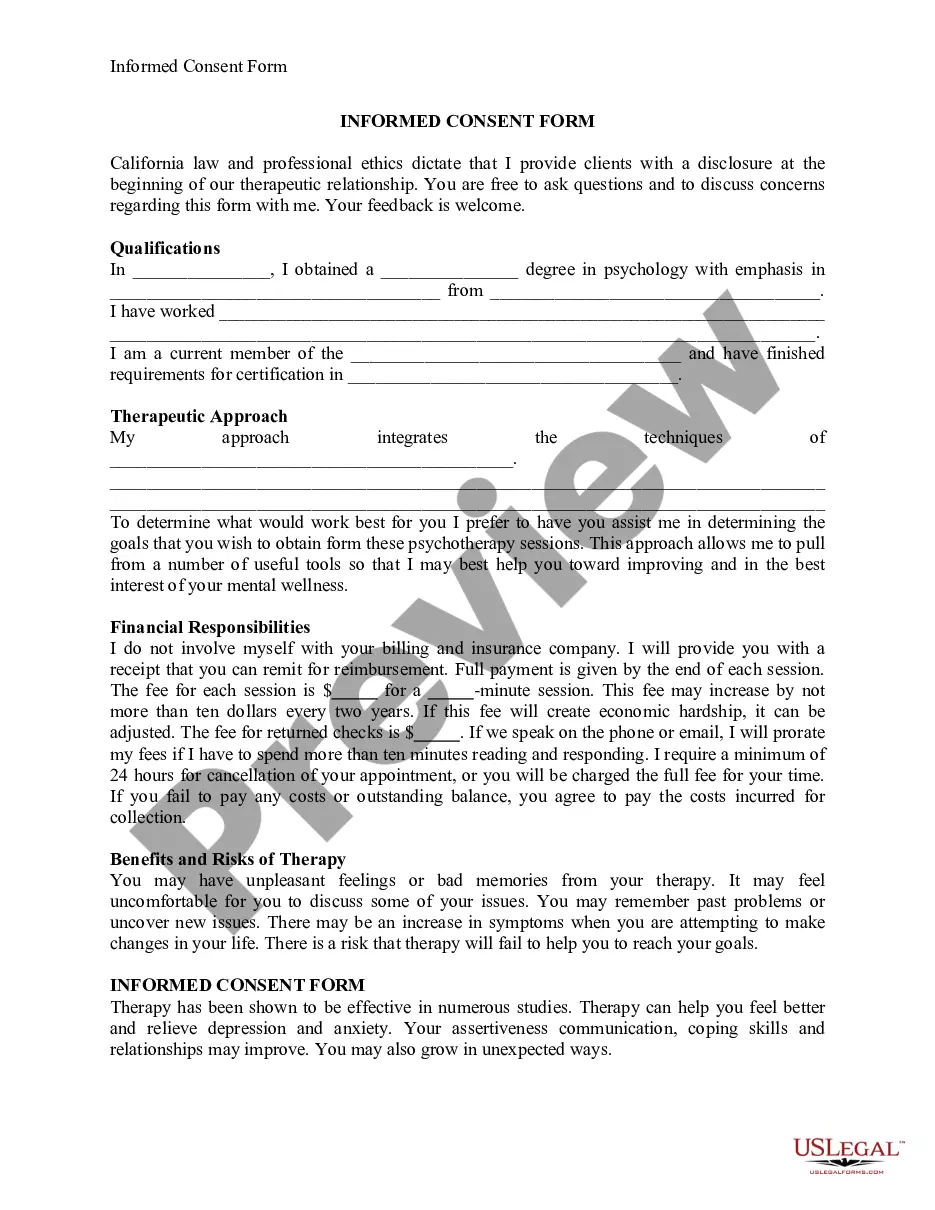
- Therapist information: Details about the therapist's qualifications and ethical obligations.
- Confidentiality & limitations: Explanation of client confidentiality, including circumstances under which confidentiality may be breached.
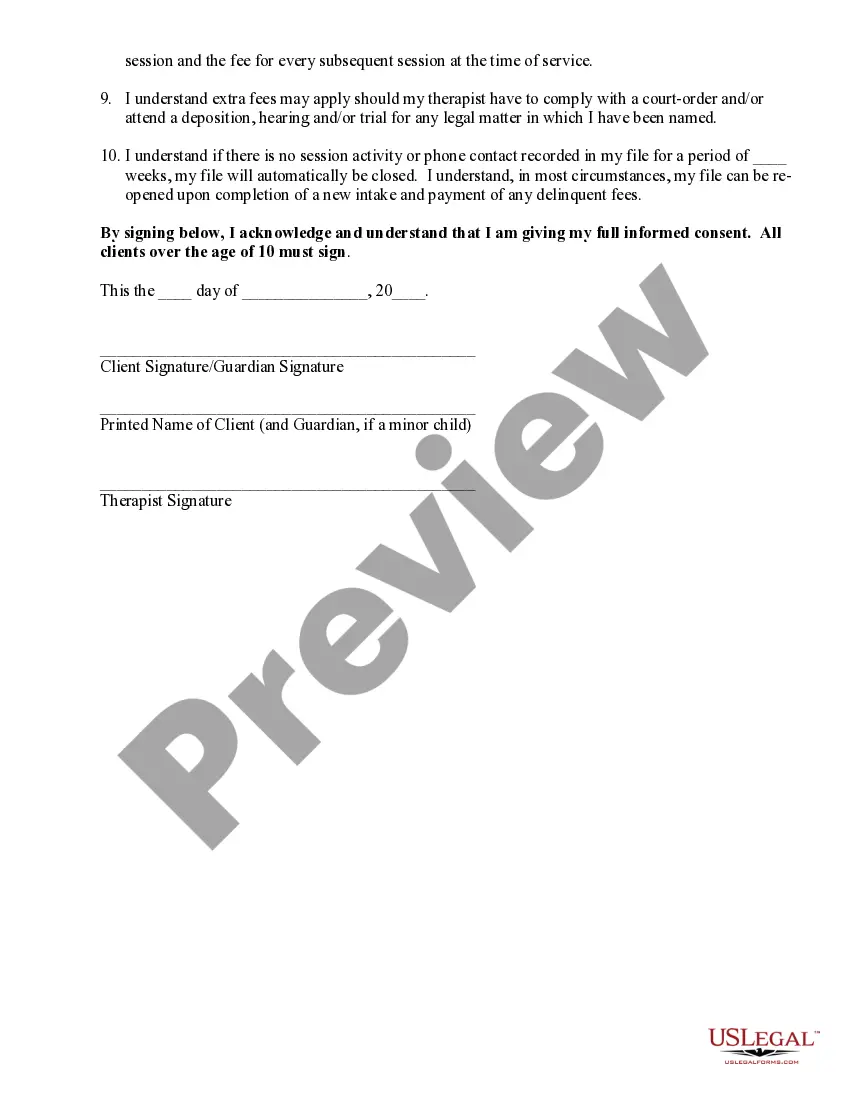
- Informed consent acknowledgment: Client's signature indicating understanding of therapy policies and consent to treatment.
- Financial agreement: Terms concerning payment for sessions and potential fees related to legal matters.
Situations where this form applies
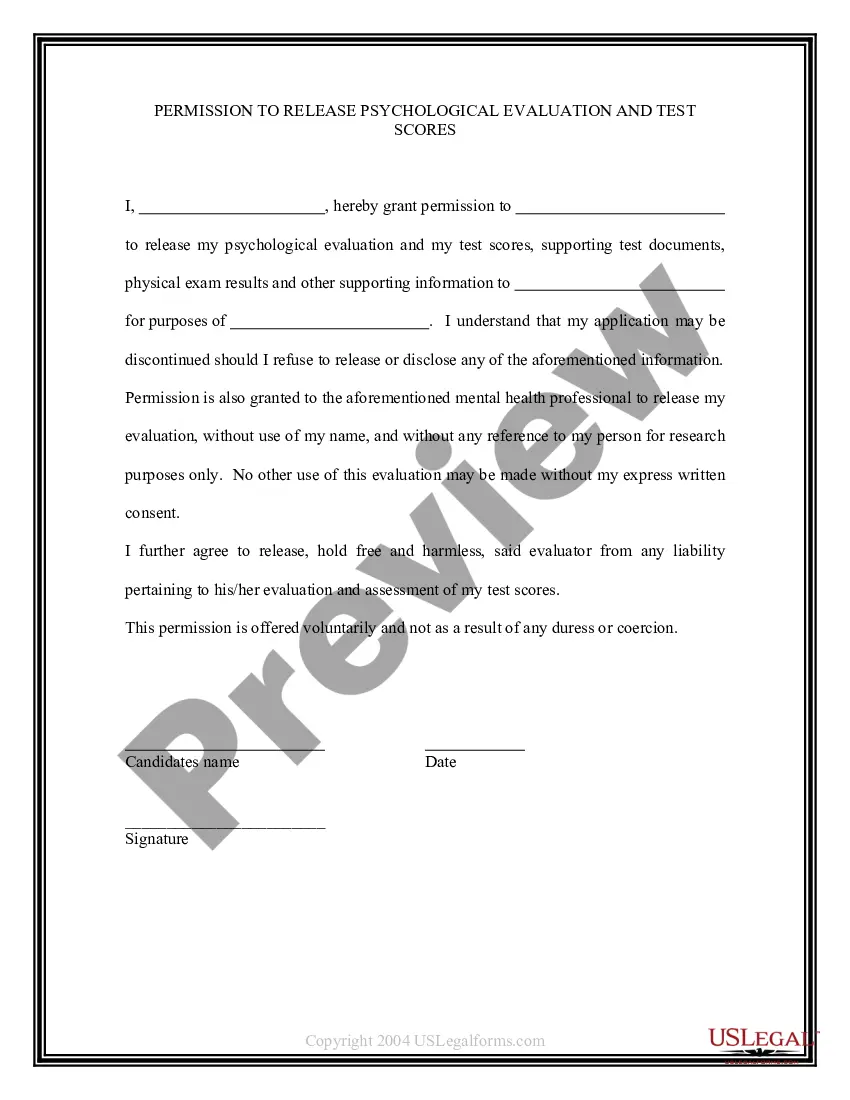
This form should be used when seeking therapy services from a licensed therapist specializing in family and marriage therapy. It is essential in initial sessions to ensure both the therapist and the clients have a clear understanding of the therapy process and the expectations involved. Clients may also use this form if they are seeking to ensure compliance with confidentiality laws while undergoing therapy.
Who can use this document
- Individuals seeking therapy individually, as well as in couples or family scenarios.
- Parents or legal guardians of minors who are receiving therapy.
- Therapists and counselors providing family and marriage therapy services.
Steps to complete this form
- Identify the client and therapist: Fill in the names of the client(s) and therapist at the top of the form.
- Review confidentiality policies: Understand the conditions under which confidentiality may be breached.
- Sign the consent acknowledgment: All clients aged ten and older must provide their signatures to indicate informed consent.
- Complete the financial policy section: Acknowledge the payment structure, including the intake and session fees.
- Discuss with your therapist: Clarify any questions or concerns regarding the consent and therapy process before signing.
Does this form need to be notarized?
Notarization is generally not required for this form. However, certain states or situations might demand it. You can complete notarization online through US Legal Forms, powered by Notarize, using a verified video call available anytime.
Get your form ready online
Our built-in tools help you complete, sign, share, and store your documents in one place.
Make edits, fill in missing information, and update formatting in US Legal Forms—just like you would in MS Word.
Download a copy, print it, send it by email, or mail it via USPS—whatever works best for your next step.
Sign and collect signatures with our SignNow integration. Send to multiple recipients, set reminders, and more. Go Premium to unlock E-Sign.
If this form requires notarization, complete it online through a secure video call—no need to meet a notary in person or wait for an appointment.
We protect your documents and personal data by following strict security and privacy standards.

Make edits, fill in missing information, and update formatting in US Legal Forms—just like you would in MS Word.

Download a copy, print it, send it by email, or mail it via USPS—whatever works best for your next step.

Sign and collect signatures with our SignNow integration. Send to multiple recipients, set reminders, and more. Go Premium to unlock E-Sign.

If this form requires notarization, complete it online through a secure video call—no need to meet a notary in person or wait for an appointment.

We protect your documents and personal data by following strict security and privacy standards.
Common mistakes
- Failing to read the entire form before signing.
- Not asking for clarification on confidentiality or other policies.
- Overlooking the financial agreement and session fees.
- Forgetting to ensure that all participating family members sign if applicable.
Why complete this form online
- Immediate access: Download and print the form at your convenience.
- Editable: Fill in your information directly on the form before printing.
- Secure: Ensure that the form complies with legal standards for confidentiality and consent.
Summary of main points
- The Informed Consent Form for Family and Marriage Therapy is crucial for outlining therapy expectations and confidentiality.
- All clients must understand and agree to the terms before beginning therapy.
- Consult your therapist if you have any questions regarding the form or the therapy process.
Looking for another form?

Form popularity
FAQ
I will make every attempt to inform you in advance of planned absences, and provide you with the name and phone number of the mental health professional covering my practice. If you are unhappy with what is happening in therapy, I hope you will will talk with me so that I can respond to your concerns.
I have read and I understand the provided information and have had the opportunity to ask questions. I understand that my participation is voluntary and that I am free to withdraw at any time, without giving a reason and without cost. I understand that I will be given a copy of this consent form.
The informed consent document should succinctly describe the research as it has been presented in the IRB application. Use the second (you) or third person (he/she) to present the study details. Avoid use of the first person (I). Include a statement of agreement at the conclusion of the informed consent document.
A therapist's role is to make sure the patient is fully aware of the conditions involved, and that they know what signing the form means. The role of an informed consent form is to make the terms of therapy clear to the patient.
By addressing informed consent at the start of treatment, the patient is provided with an opportunity to determine whether he or she agrees with the therapist's assessment and his or her related treatment recommendations.
What is informed consent in counseling? Informed consent in counseling is the process of sharing information with a client for them to be able to make informed decisions with regards to his or her participation in the proposed treatment.
Informed consent is about giving a patient the special knowledge that makes him/her competent to take decisions in a more informed way. This would promote individual autonomy and freedom of choice. Informed consent has ethical, clinical and legal dimensions.
Members agree to keep names and identities of other group members confidential. Facilitators will discuss a group or individuals in the group only with fellow professionals who are clearly concerned with the group, and then only for professional consultation.