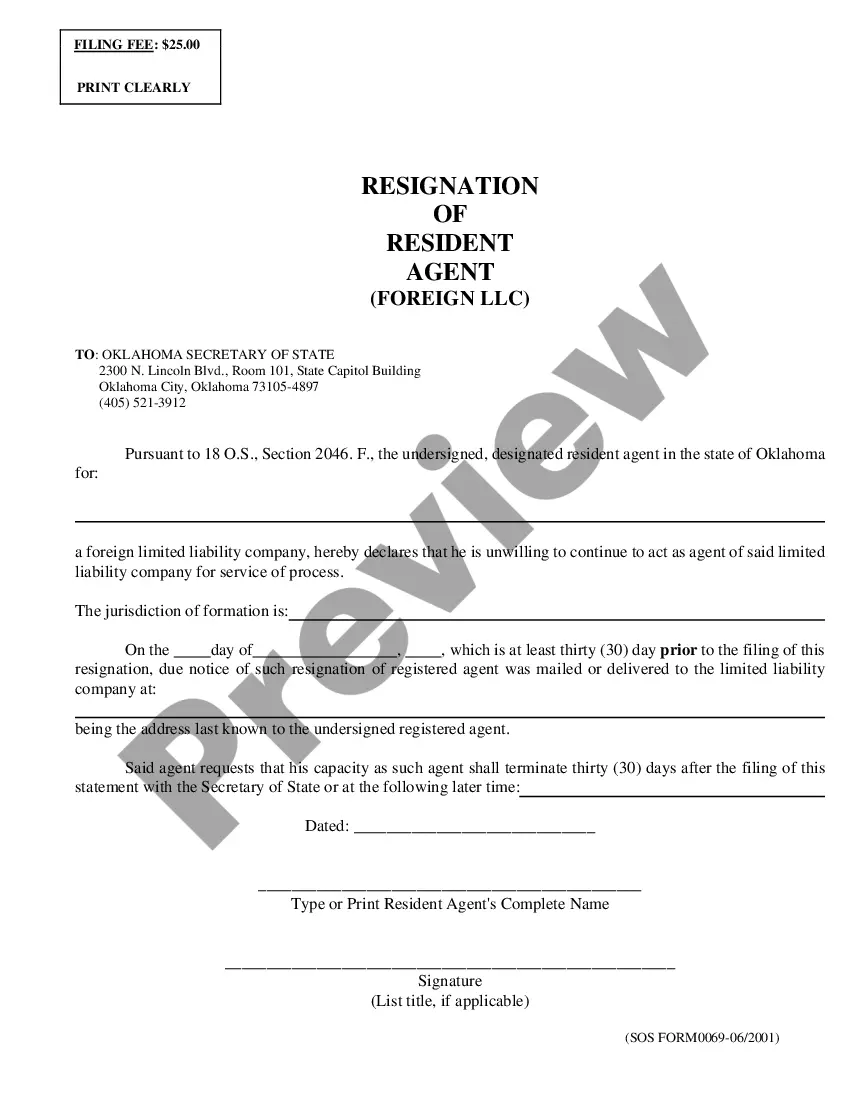
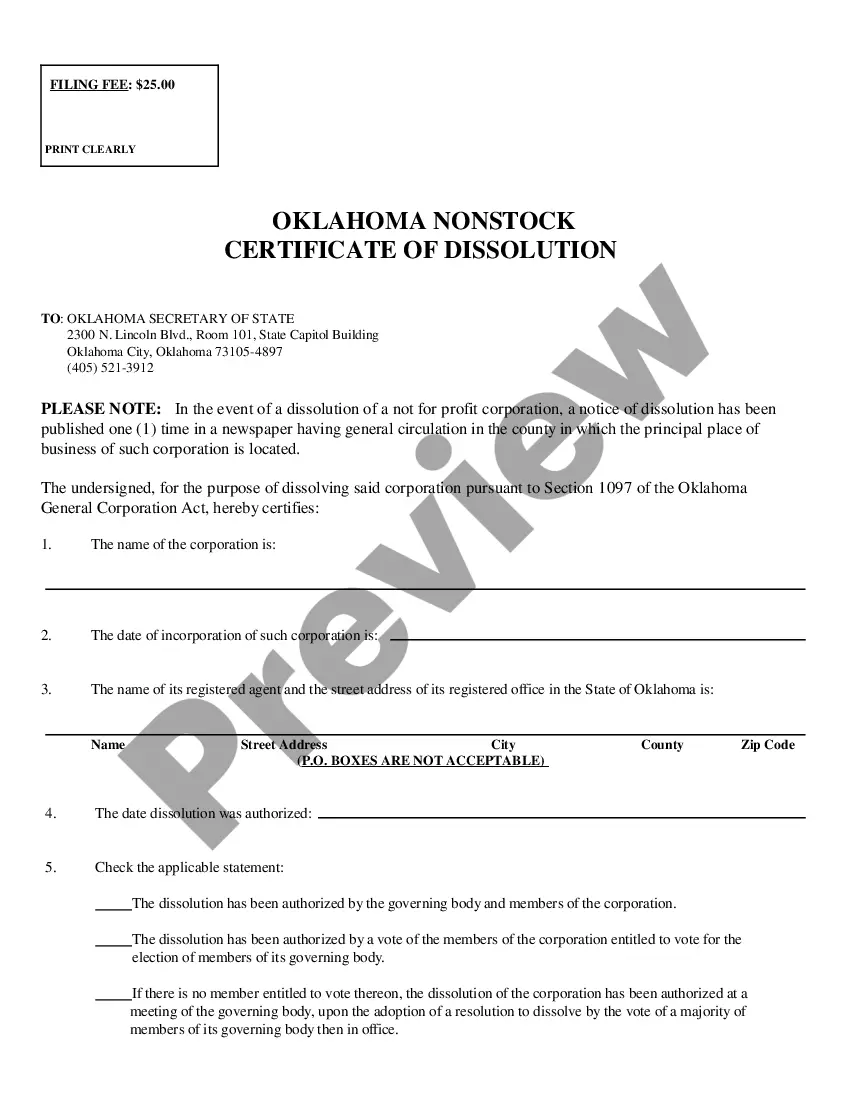
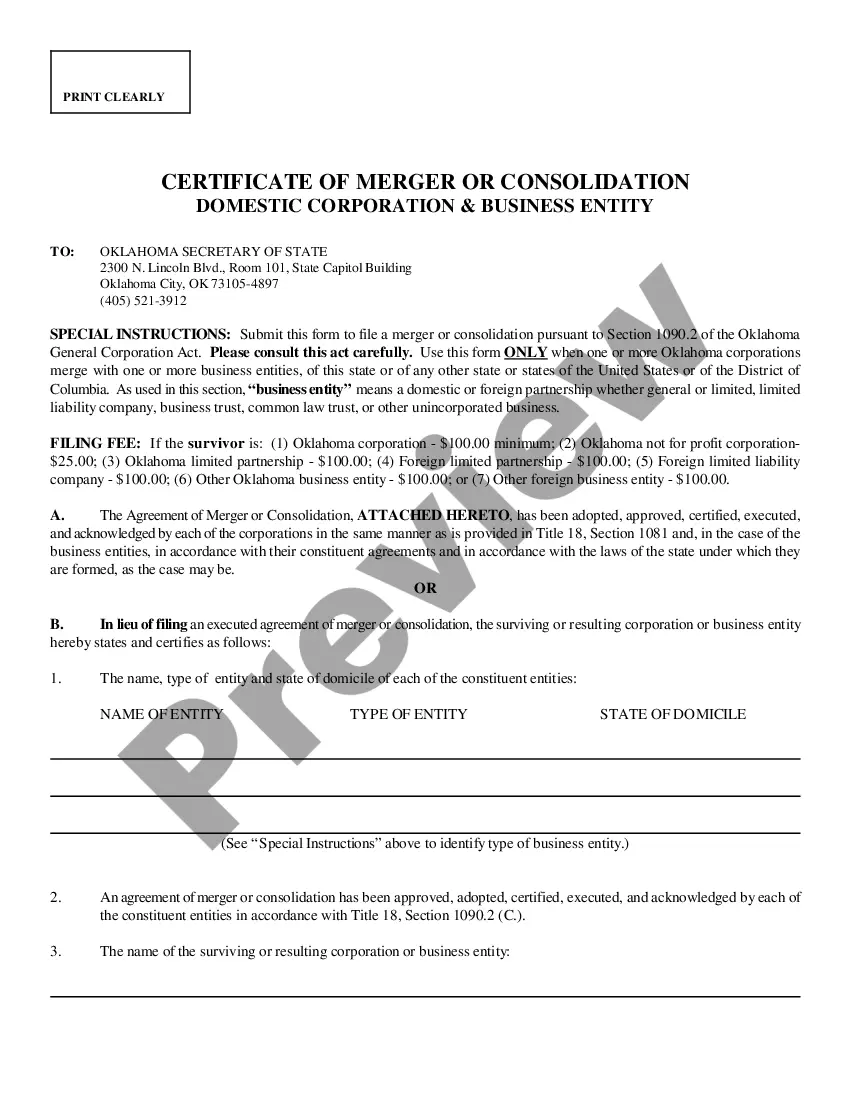
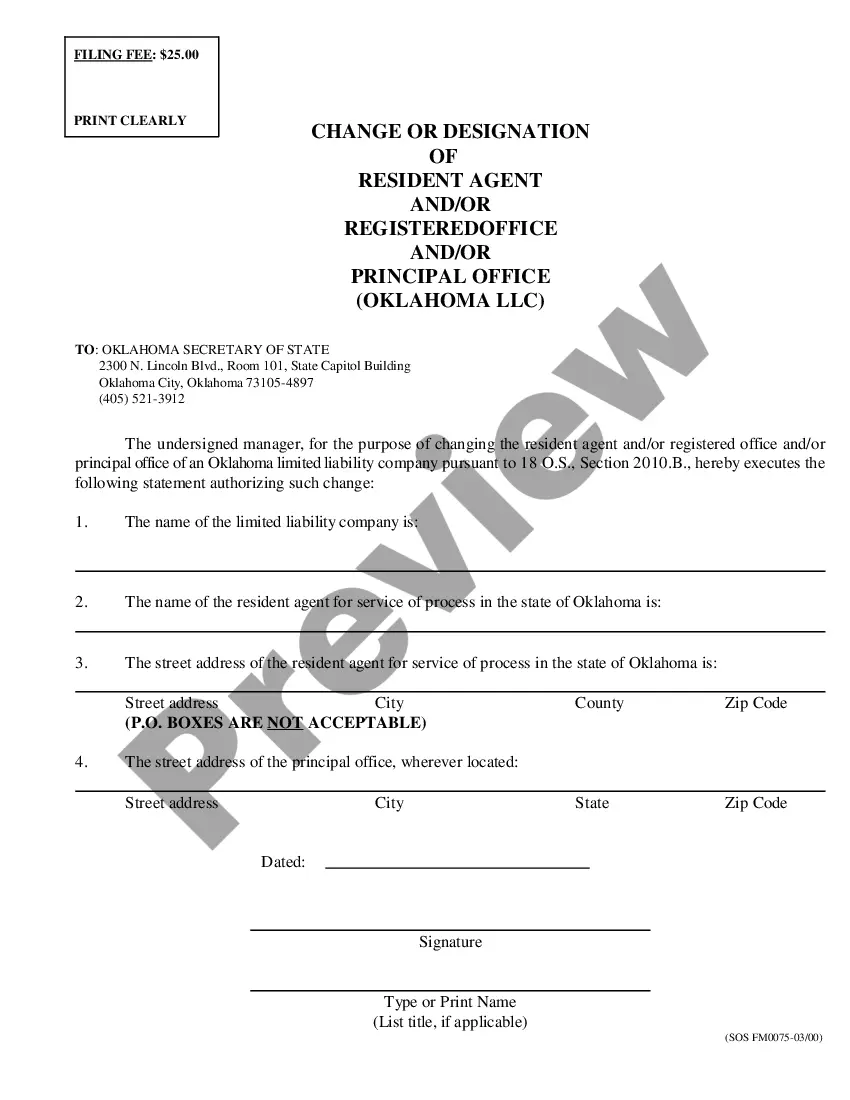
Tennessee Demand for Enforcement of Lien by Corporation
What this document covers
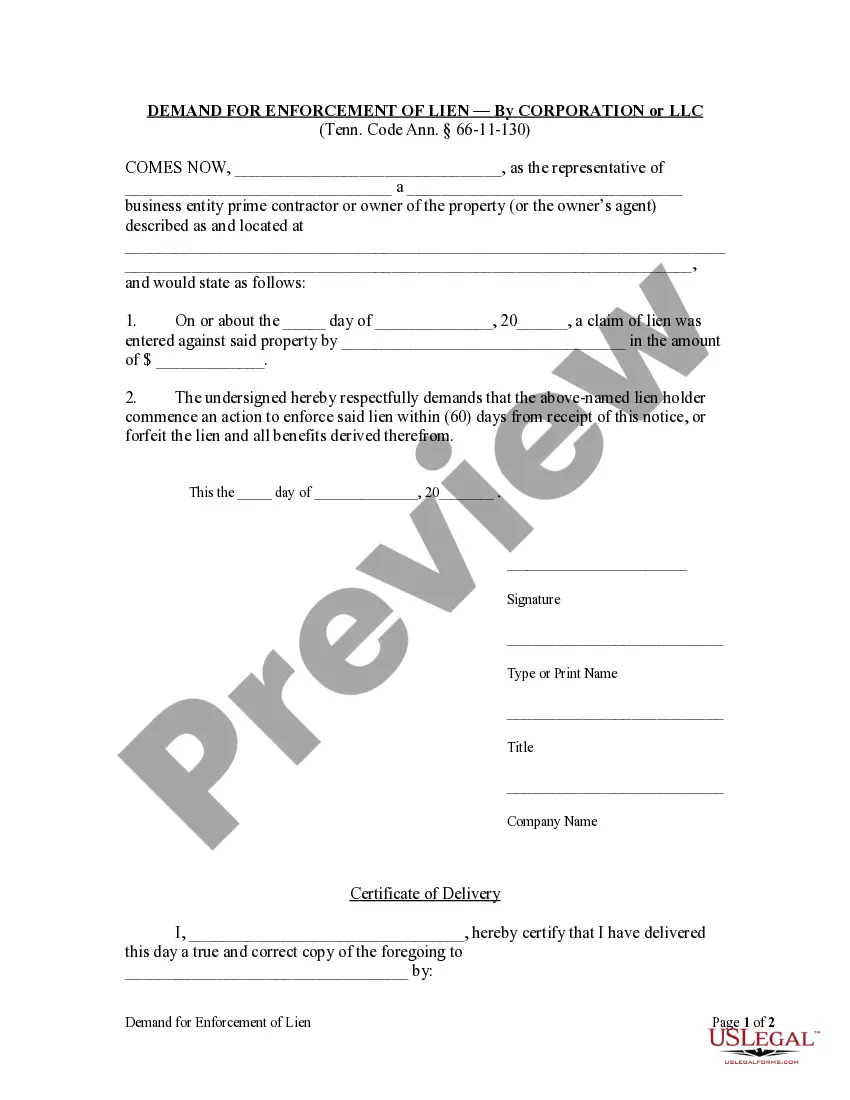
The Demand for Enforcement of Lien by Corporation is a legal document used by a corporation or its representative to formally demand that a lienholder take action to enforce a lien. This form serves a critical function by ensuring that lienholders act within a specified time frame to protect their interests. Unlike other forms related to liens, this document specifically addresses the enforcement process and is designed for corporate entities and their agents.
Key parts of this document
- Identification of the corporation and the authorized representative.
- Details of the property subject to the lien.
- Information about the lien claim, including the amount.
- Request for the lienholder to take action within sixty days.
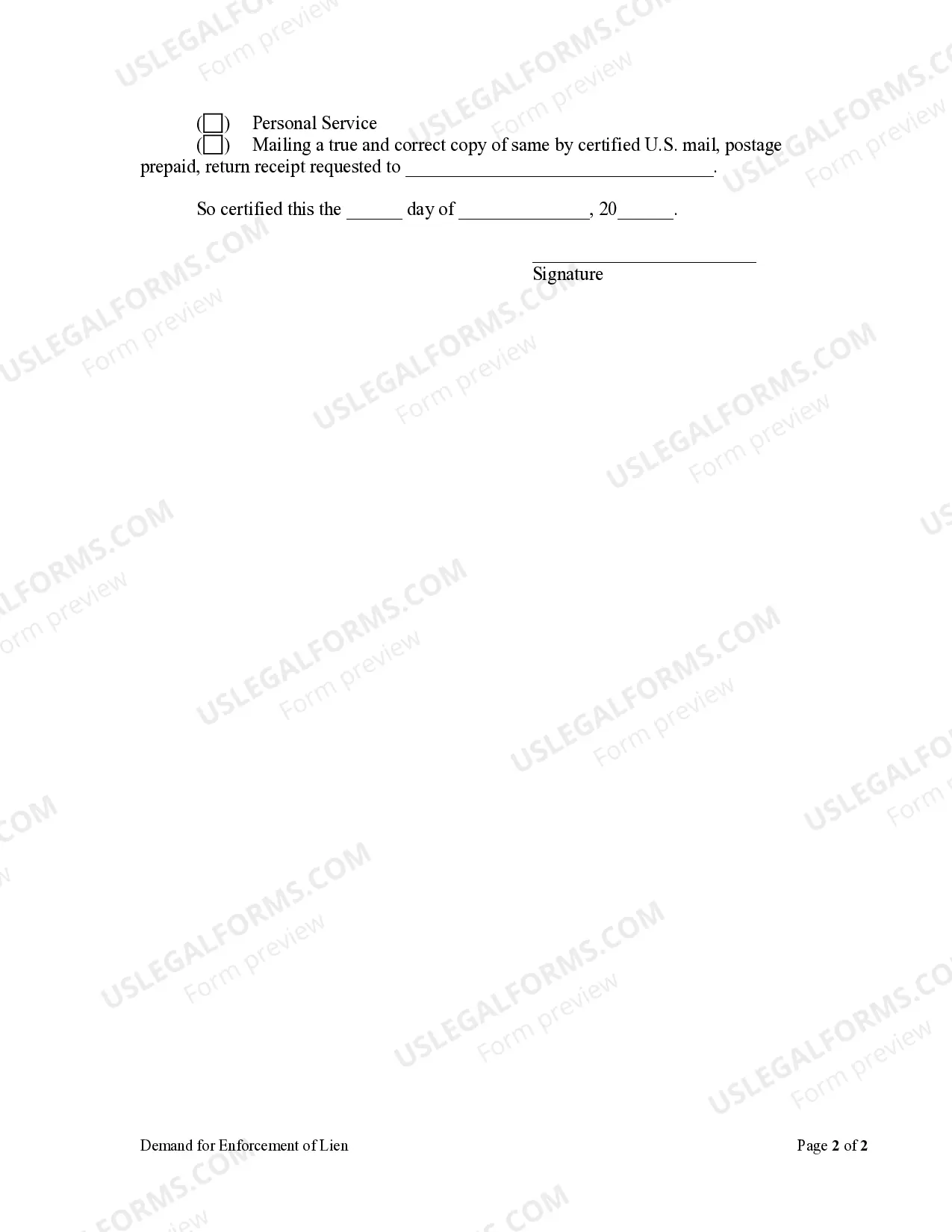
- Certificate of delivery to document how and when the notice was served.
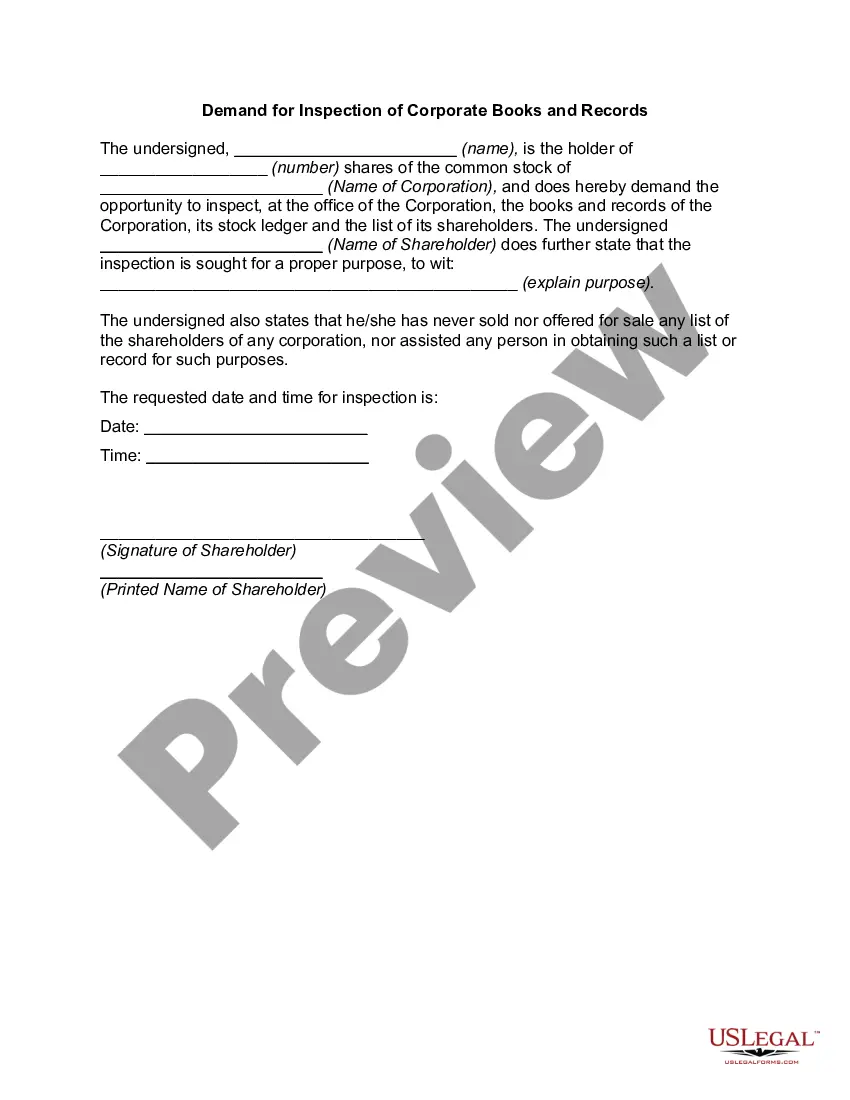
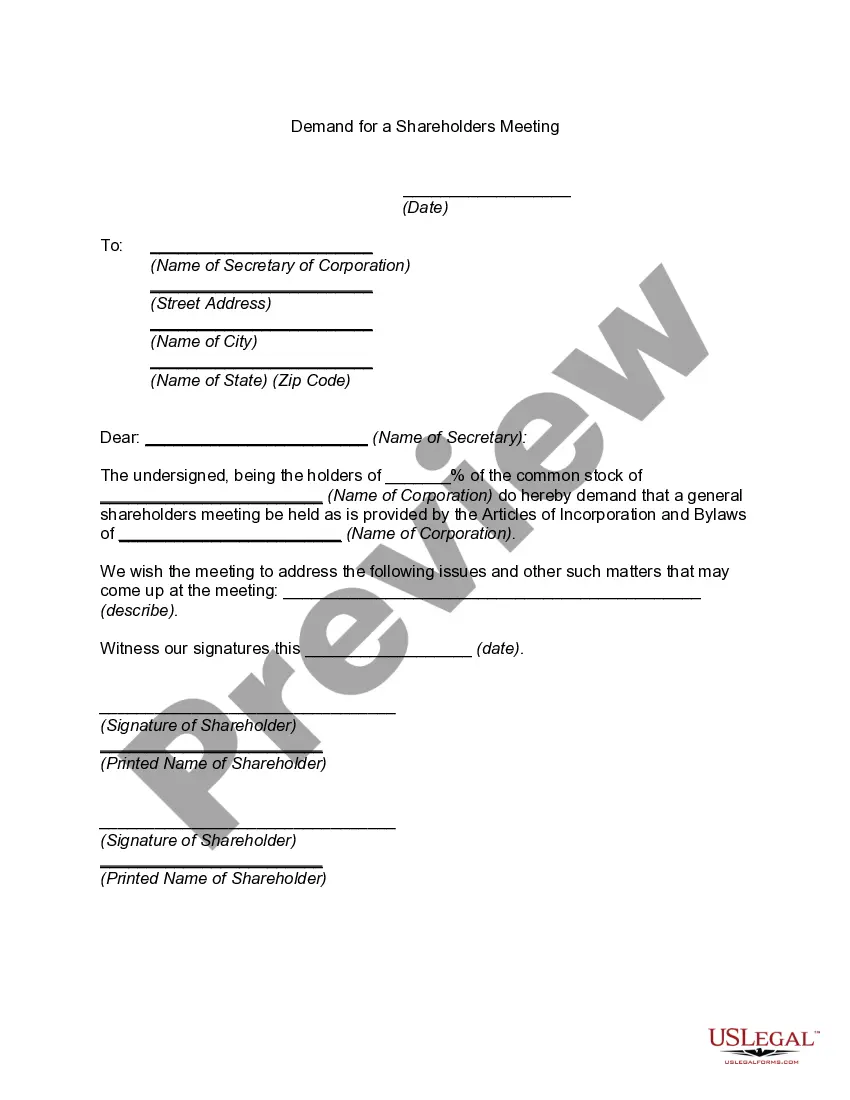
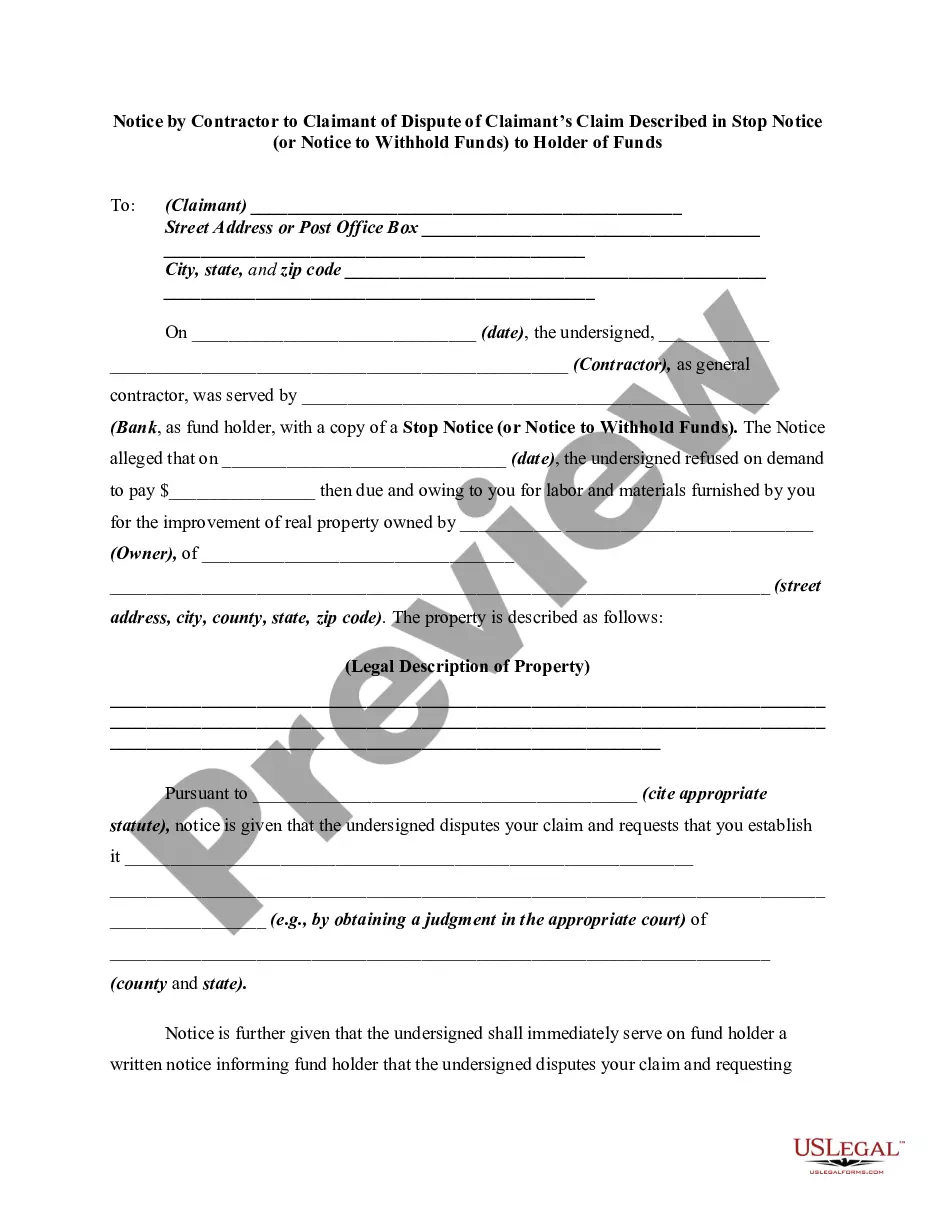
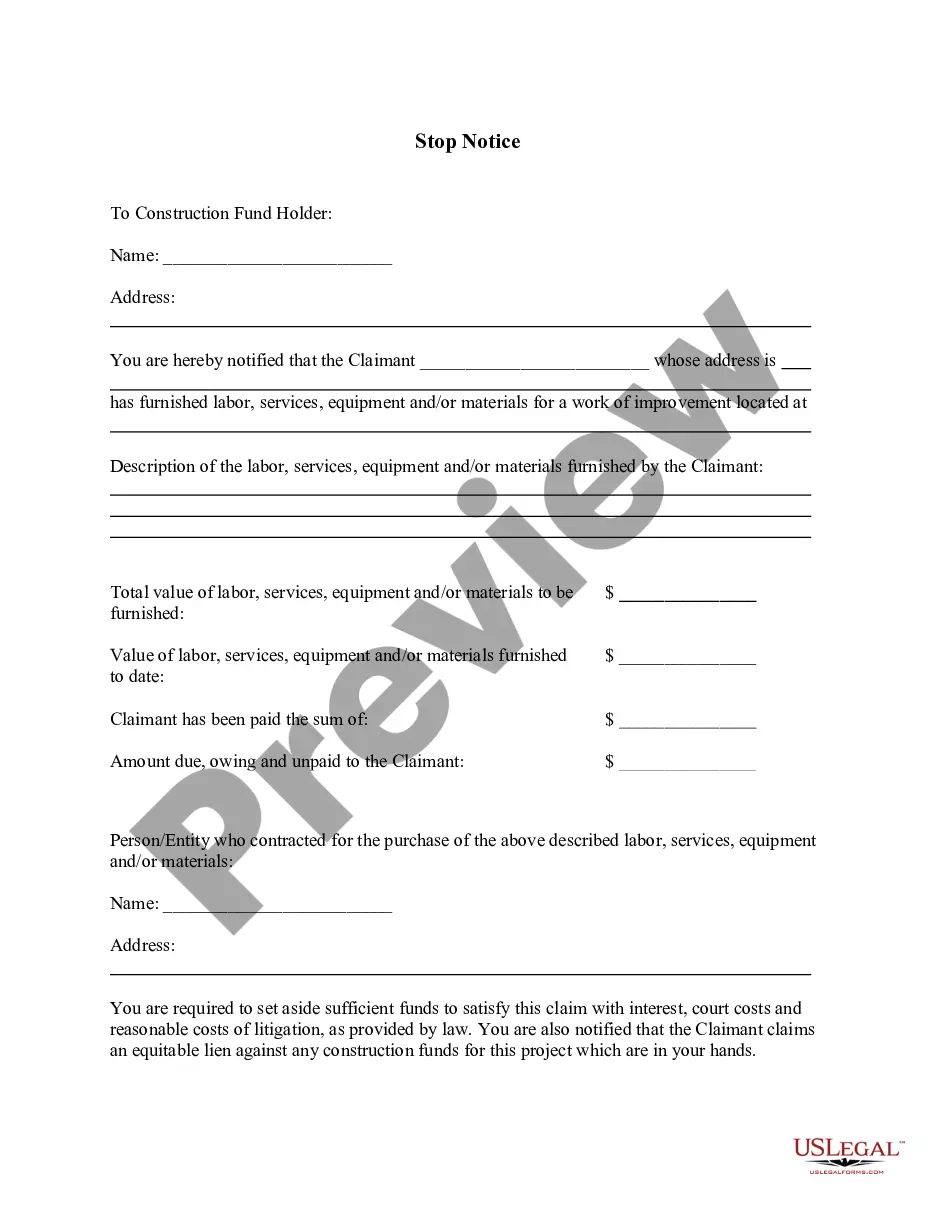
When this form is needed
This form is typically used when a corporation or its agent needs to enforce a lien against a property. It is applicable in scenarios where a lien has been placed on a property due to unpaid debts or obligations, and the corporation needs to prompt the lienholder to take necessary legal actions within the mandated period. Failing to use this form may result in the forfeiture of the lien rights.
Who can use this document
- Corporations that hold a lien on a property.
- Agents designated by corporations to act on their behalf in lien matters.
- Property owners seeking to enforce a lien through a corporate entity.
How to prepare this document
- Identify the parties involved: the corporation, the lienholder, and the property owner.
- Specify the property details, providing the location and description of the property affected by the lien.
- Enter the date when the lien was claimed and the amount owed by the lienholder.
- Complete the demand statement requesting action within sixty days.
- Sign the form and print the name and title of the representative.
- Complete the certificate of delivery to confirm how the form was served to the lienholder.
Is notarization required?
Notarization is not commonly needed for this form. However, certain documents or local rules may make it necessary. Our notarization service, powered by Notarize, allows you to finalize it securely online anytime, day or night.
Get your form ready online
Our built-in tools help you complete, sign, share, and store your documents in one place.
Make edits, fill in missing information, and update formatting in US Legal Forms—just like you would in MS Word.
Download a copy, print it, send it by email, or mail it via USPS—whatever works best for your next step.
Sign and collect signatures with our SignNow integration. Send to multiple recipients, set reminders, and more. Go Premium to unlock E-Sign.
If this form requires notarization, complete it online through a secure video call—no need to meet a notary in person or wait for an appointment.
We protect your documents and personal data by following strict security and privacy standards.

Make edits, fill in missing information, and update formatting in US Legal Forms—just like you would in MS Word.

Download a copy, print it, send it by email, or mail it via USPS—whatever works best for your next step.

Sign and collect signatures with our SignNow integration. Send to multiple recipients, set reminders, and more. Go Premium to unlock E-Sign.

If this form requires notarization, complete it online through a secure video call—no need to meet a notary in person or wait for an appointment.

We protect your documents and personal data by following strict security and privacy standards.
Avoid these common issues
- Failing to provide accurate property details which could delay enforcement.
- Not specifying the amount of the lien correctly, leading to misunderstandings.
- Omitting the signature or the title of the corporate representative.
- Not adhering to the sixty-day requirement for lien enforcement actions.
Advantages of online completion
- Convenience of downloading and filling out the form at your own pace.
- Editability allows for quick updates if necessary.
- Access to forms prepared by licensed attorneys ensures reliability and legal compliance.
Legal use & context
- This form is legally binding and must be served correctly to be enforceable.
- Filing this demand allows the corporation to maintain their lien rights and seek appropriate legal action.
- Failure to act within the stipulated timeframe can result in loss of lien rights.
Key takeaways
- The Demand for Enforcement of Lien by Corporation is essential for protecting lien rights.
- It is crucial to serve the notice properly and within the sixty-day timeframe.
- Understanding the specific state requirements ensures compliance and enforceability.
Looking for another form?

Form popularity
FAQ
To attach the lien, the creditor files a certified copy of the judgment with the register of deeds in any Tennessee county where the debtor owns property now or may own property in the future.
A notarized bill of sale from the last registered owner or a notarized statement from the seller stating why the vehicle was not titled or registered in the seller's name. In the absence of a notarized bill of sale or notarized statement, submit a licensed motor vehicle dealer appraisal of the value of the vehicle.
Here's how this works: Tennessee statutes allow some assets to be absolutely exempt. These assets include: social security benefits; certain government pensions; certain health care aids; unemployment and veterans benefits; and certain insurance benefits. (See Tenn. Code Ann.
Get a properly assigned title and Odometer Disclosure Statement from the previous owner. Bring the paperwork to your local county clerk's office. Provide proof of ID and residency. A copy of your current registration if you are transferring current license plates to the new car.
Send the completed form. Include all necessary support documentation. This documentation should include a copy of the lien instrument and the owner's Tennessee certificate of title (if no lien exists). Include all fees. Lien notation fee: $11 per lien. Information should be submitted to your local county clerk's office.
While it's unlikely that just anyone can put a lien on your home or land, it's not unheard of for a court decision or a settlement to result in a lien being placed against a property.
A mortgage creates a lien on your property that gives the lender the right to foreclose and sell the home to satisfy the debt. A deed of trust (sometimes called a trust deed) is also a document that gives the lender the right to sell the property to satisfy the debt should you fail to pay back the loan.
Creditors can collect a judgment in a number of ways, including garnishing your wages, levying your bank account, placing a lien on your property, and seizing your personal property like cars or jewelry.
Back of the title top half - sign name(s) on the line where it reads "Signature and Address of Seller(s)." Back of the title right below where you signed name(s) - print name(s) on the line where it reads "Seller(s) Name (Hand Printed)."