Stockholder derivative actions
Overview of this form
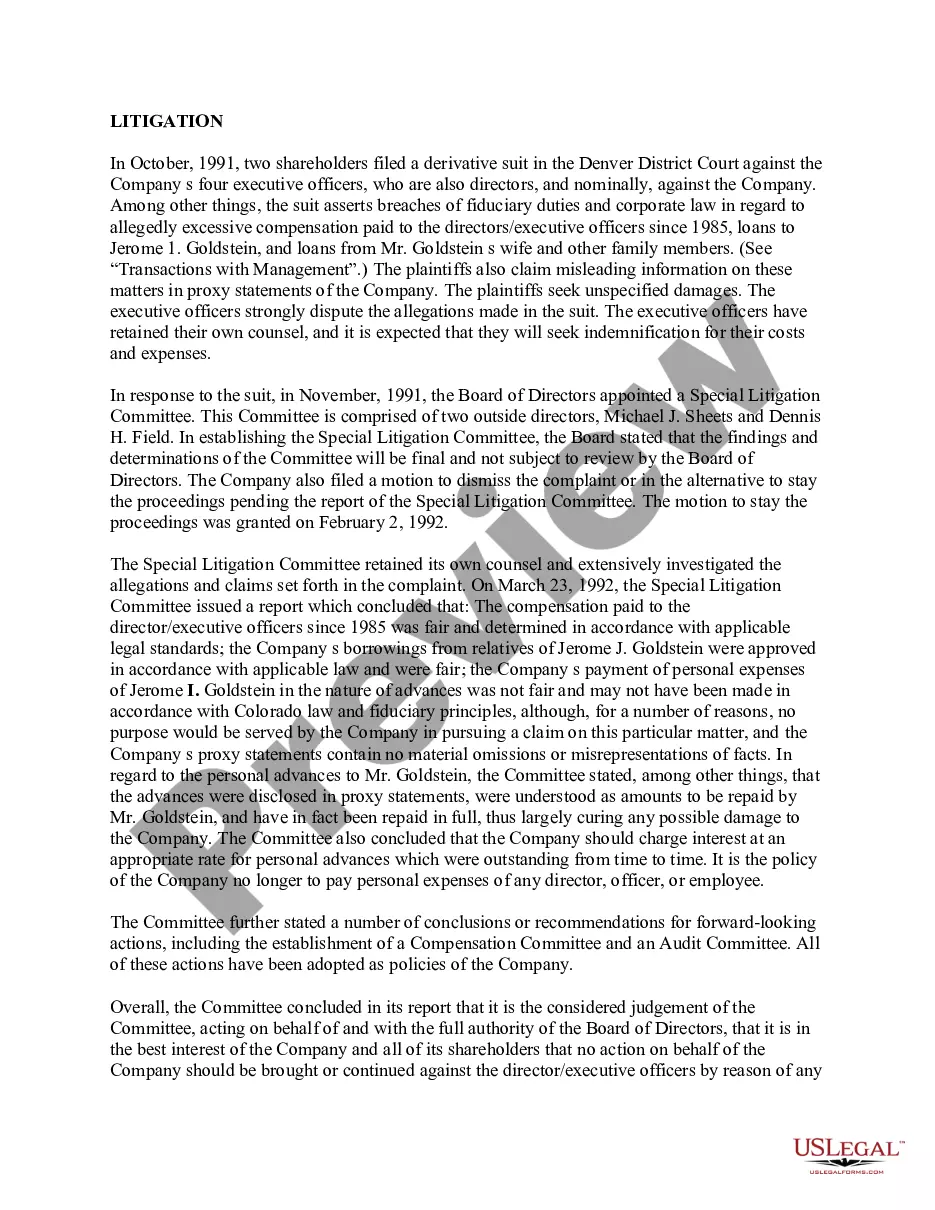
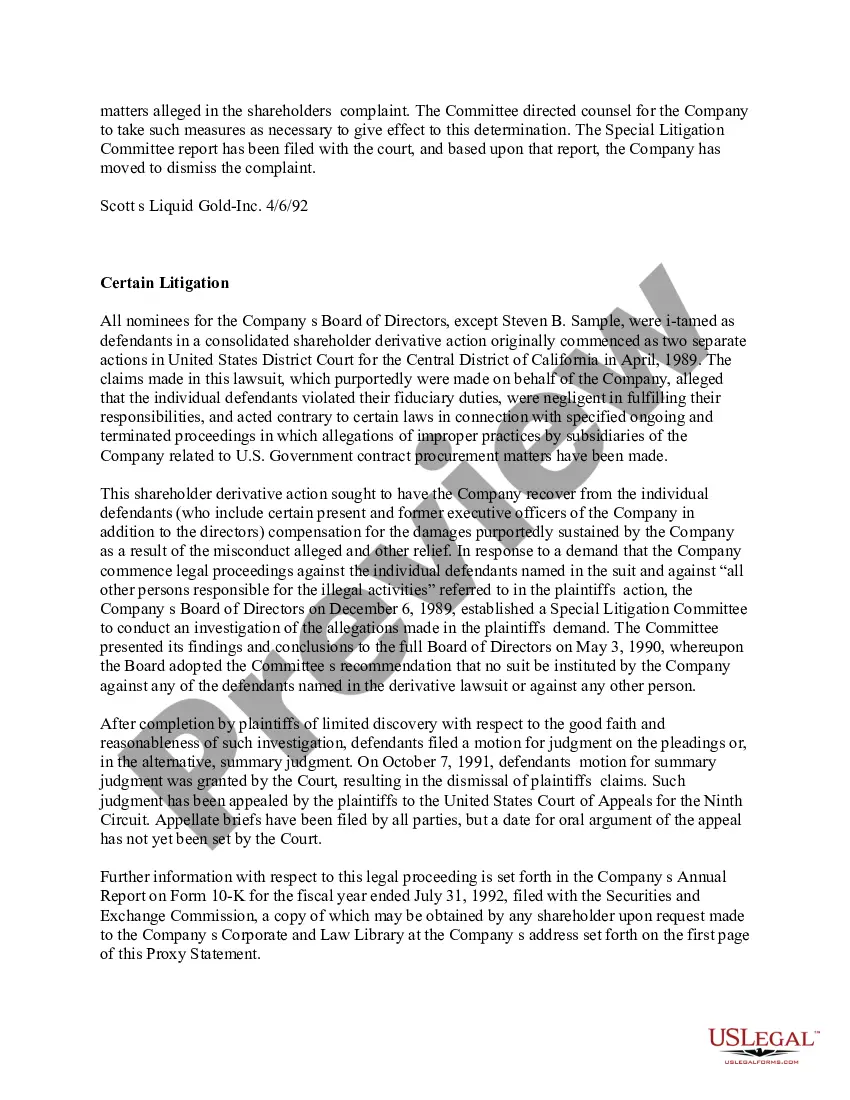
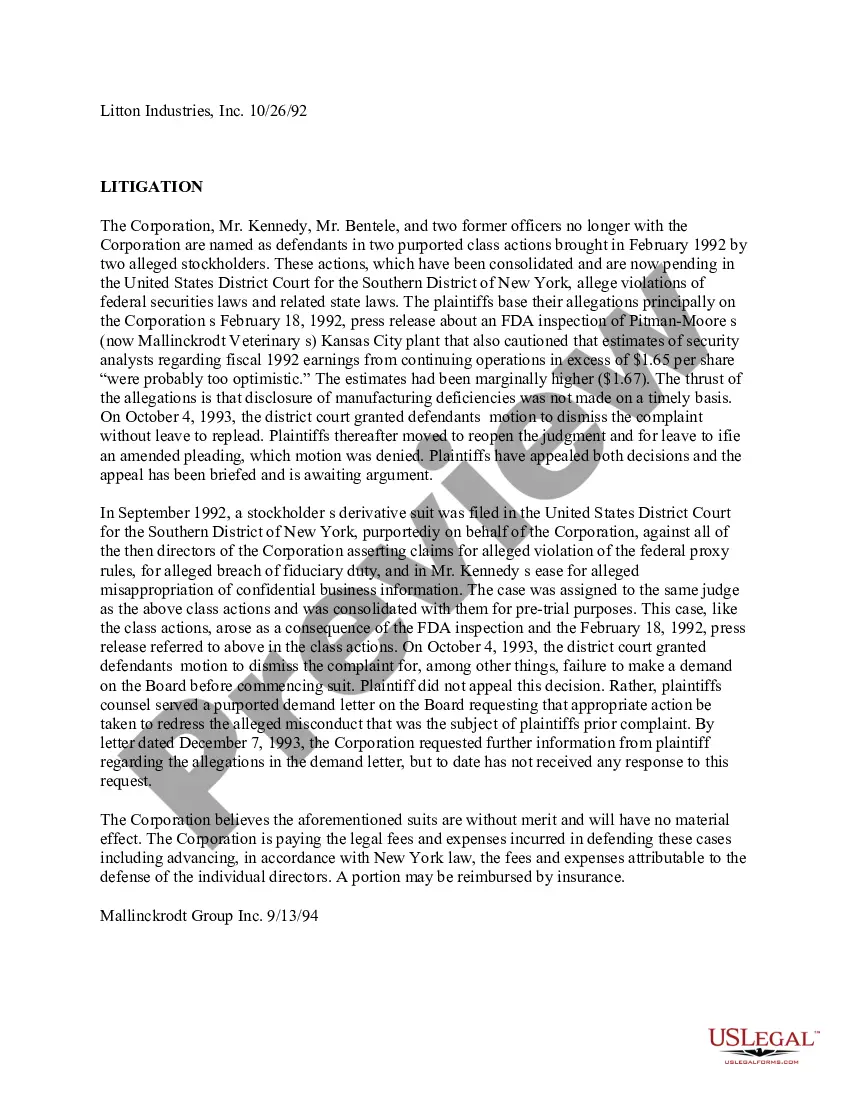
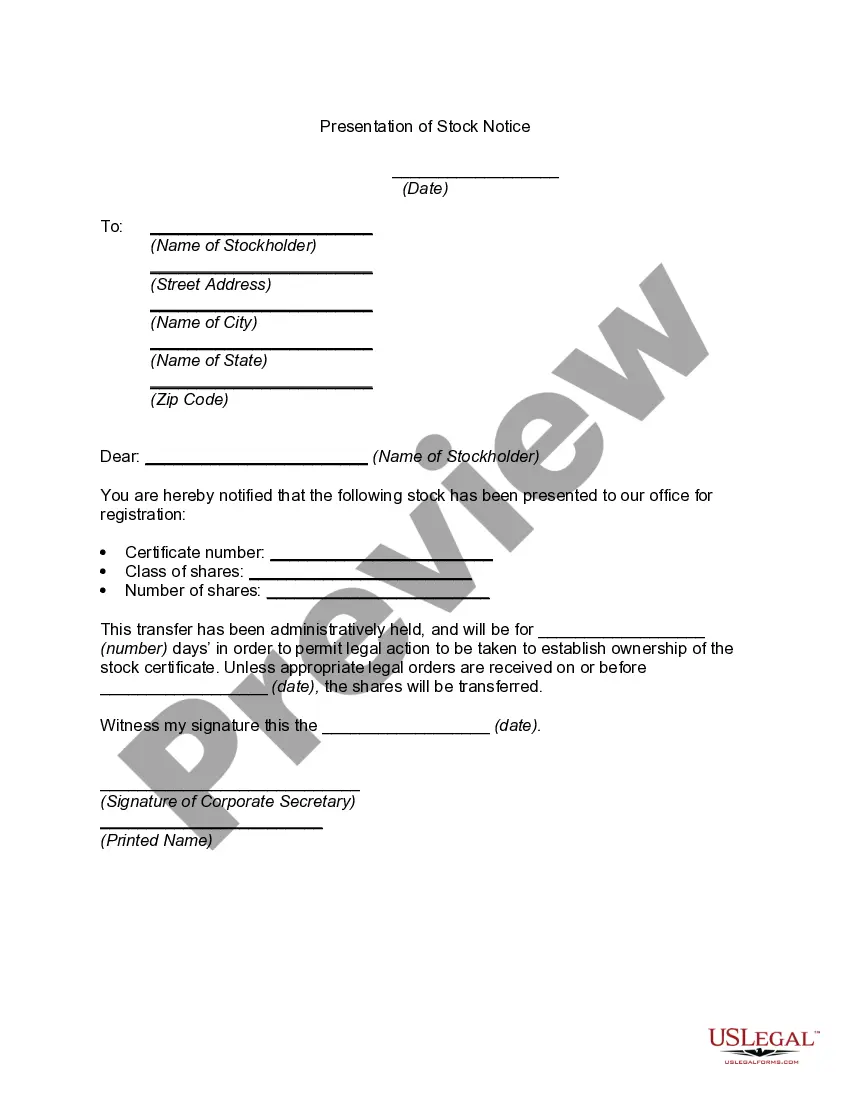
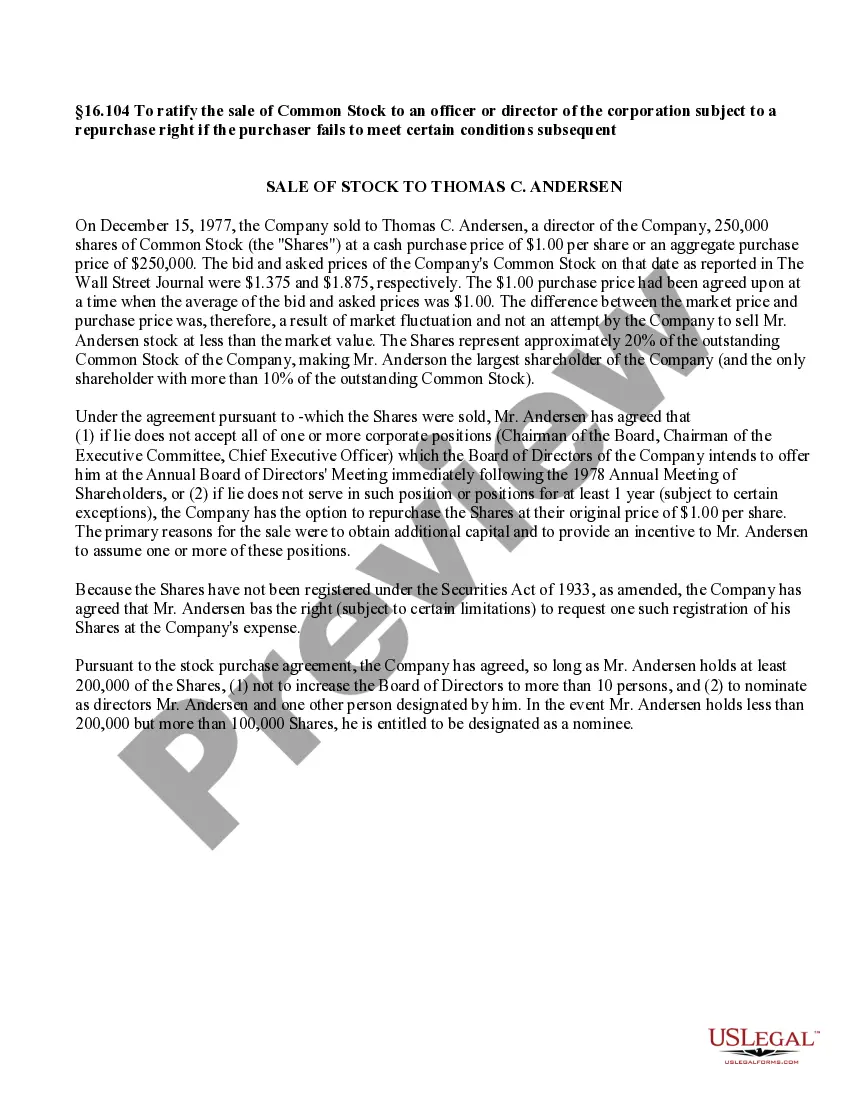
This Stockholder Derivative Actions form is a legal document used by shareholders to initiate a lawsuit on behalf of a corporation against its directors or officers. This action typically arises when shareholders believe that the company has suffered harm due to the wrongful actions of its leadership, particularly concerning breaches of fiduciary duties. This form is distinct from other legal actions, as it allows shareholders to assert the company's rights to seek recovery for damages when the company itself fails to do so.
Key parts of this document
- Identification of shareholders and their stakes in the company.
- Details of the alleged wrongful acts committed by directors or officers.
- Claims of breaches of fiduciary duties.
- Request for court remedies on behalf of the company.
- Instructions for appointing a Special Litigation Committee, if necessary.
Common use cases
This form should be used when shareholders suspect misconduct by directors or officers that negatively impacts the corporation. Common scenarios include cases of excessive compensation, misrepresentation in corporate filings, or failure to act in the best interests of the company. If attempts to resolve these issues internally are unsuccessful, initiating a derivative action may be warranted.
Who should use this form
This form is intended for:
- Shareholders of a corporation who believe their rights or the rights of the company are being violated.
- Corporate officials responsible for handling derivate actions.
- Legal representatives or attorneys acting on behalf of shareholders.
Instructions for completing this form
- Identify all shareholders involved and their respective shares in the corporation.
- Detail the actions taken by the directors or officers being challenged.
- Outline the damages the corporation incurred as a result of these actions.
- Request specific remedies from the court, such as compensation or corporate governance changes.
- Ensure any required notices are given to the corporation prior to filing.
Does this form need to be notarized?
This form does not typically require notarization unless specified by local law. Always check your jurisdiction's requirements for additional validation steps.
Get your form ready online
Our built-in tools help you complete, sign, share, and store your documents in one place.
Make edits, fill in missing information, and update formatting in US Legal Forms—just like you would in MS Word.
Download a copy, print it, send it by email, or mail it via USPS—whatever works best for your next step.
Sign and collect signatures with our SignNow integration. Send to multiple recipients, set reminders, and more. Go Premium to unlock E-Sign.
If this form requires notarization, complete it online through a secure video call—no need to meet a notary in person or wait for an appointment.
We protect your documents and personal data by following strict security and privacy standards.

Make edits, fill in missing information, and update formatting in US Legal Forms—just like you would in MS Word.

Download a copy, print it, send it by email, or mail it via USPS—whatever works best for your next step.

Sign and collect signatures with our SignNow integration. Send to multiple recipients, set reminders, and more. Go Premium to unlock E-Sign.

If this form requires notarization, complete it online through a secure video call—no need to meet a notary in person or wait for an appointment.

We protect your documents and personal data by following strict security and privacy standards.
Common mistakes to avoid
- Failing to submit proper notice to the corporation before the lawsuit.
- Not clearly defining the alleged breaches and damages.
- Overlooking state-specific procedural requirements that govern derivative actions.
- Neglecting to involve experienced legal counsel for complex corporate matters.
Advantages of online completion
- Convenient access to legal templates that can be tailored to specific situations.
- Editability allows users to customize the document easily.
- Reliability ensured through use of professionally drafted forms.
Looking for another form?



Form popularity
FAQ
Only shareholders of a corporation can bring a derivative suit. Some states allow a person to bring a derivative suit as long as he or she held the company's stock at the time of the incident that gave rise to the suit.
A court case used to enforce an action of the firm against any third party that is started by one or more than one shareholders.
Derivative suits permit a shareholder to bring an action in the name of the corporation against parties allegedly causing harm to the corporation. If the directors, officers, or employees of the corporation are not willing to file an action, a shareholder may first petition them to proceed.
Definition. A shareholder derivative suit is a lawsuit brought by a shareholder on behalf of a corporation. Generally, a shareholder can only sue on behalf of a corporation when the corporation has a valid cause of action, but has refused to use it.
The Derivative Action Process in California.A shareholder has the right to seek to bring a derivative action on behalf of the corporation against officers or directors who are violating either of these duties.
A shareholder derivative lawsuit is a legal action filed by an individual shareholder, in the name of the company, to redress wrongs or harms to the company that the Board of Directors or Officers will not address themselves.