South Carolina Oil and Gas Acknowledgement
Overview of this form
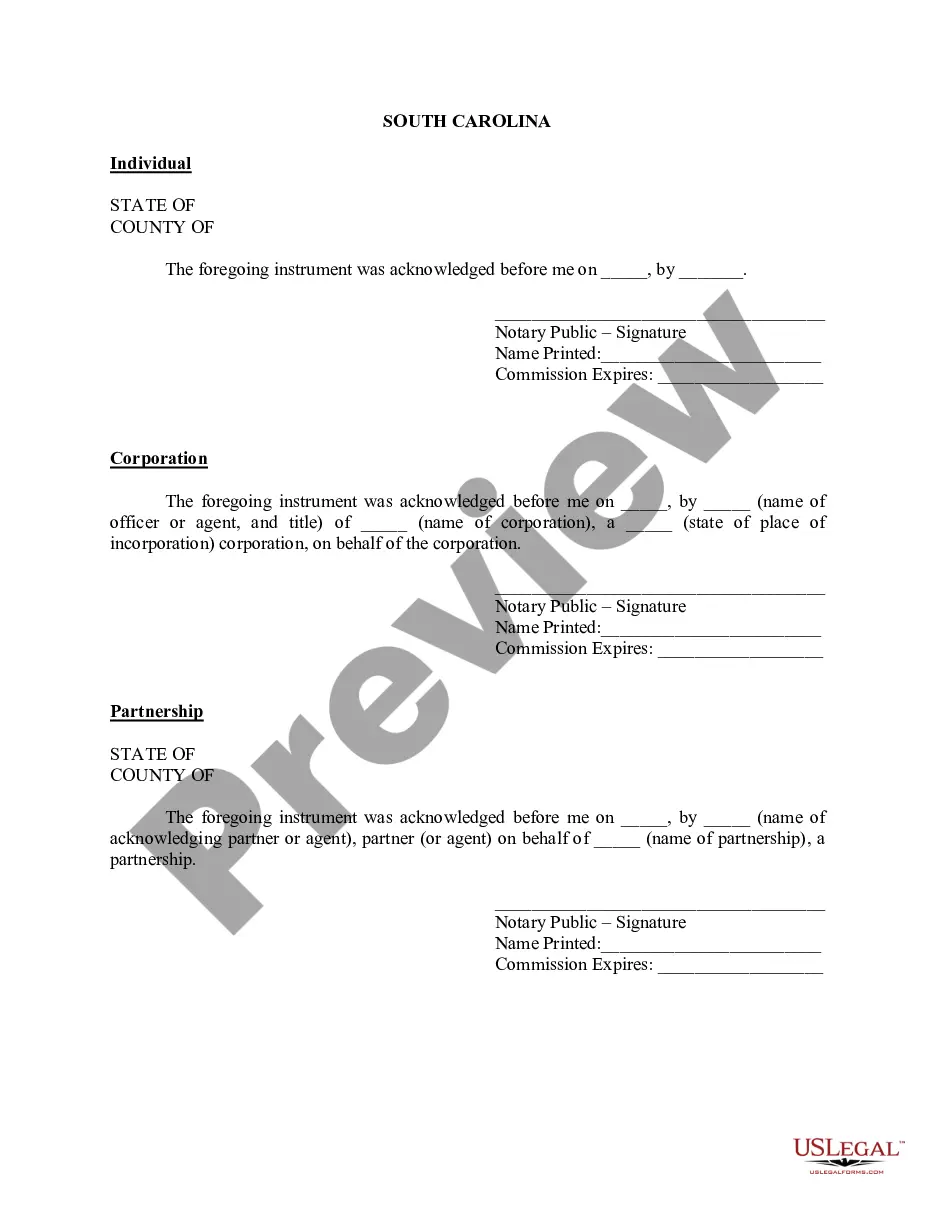
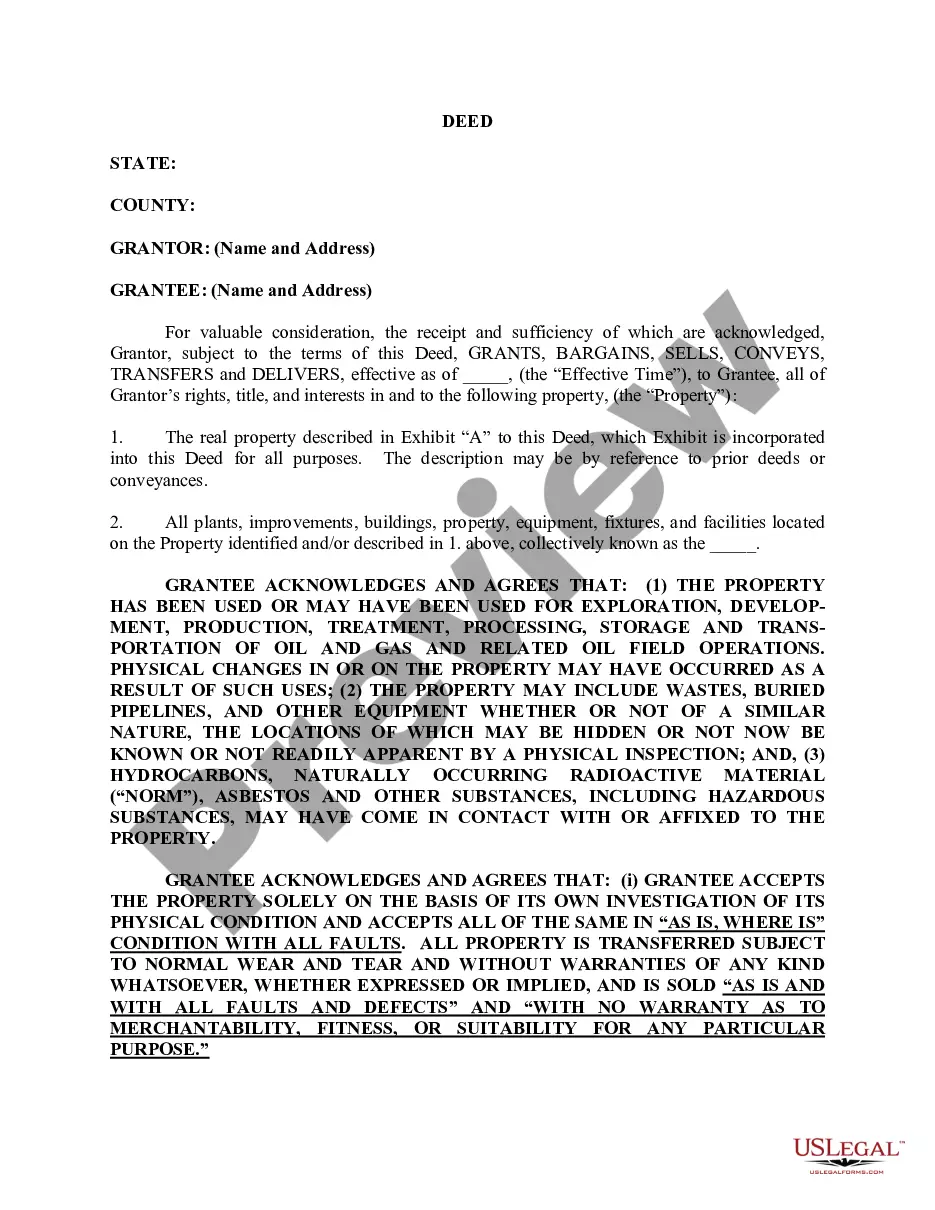
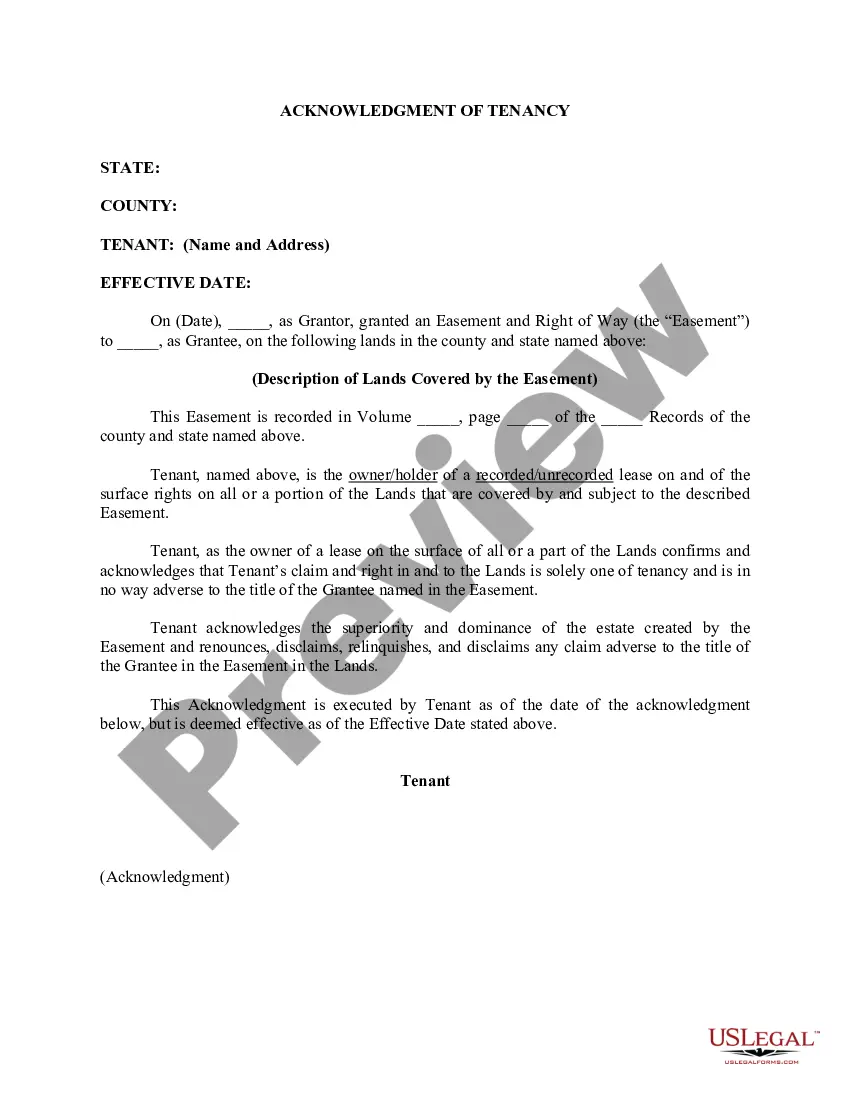
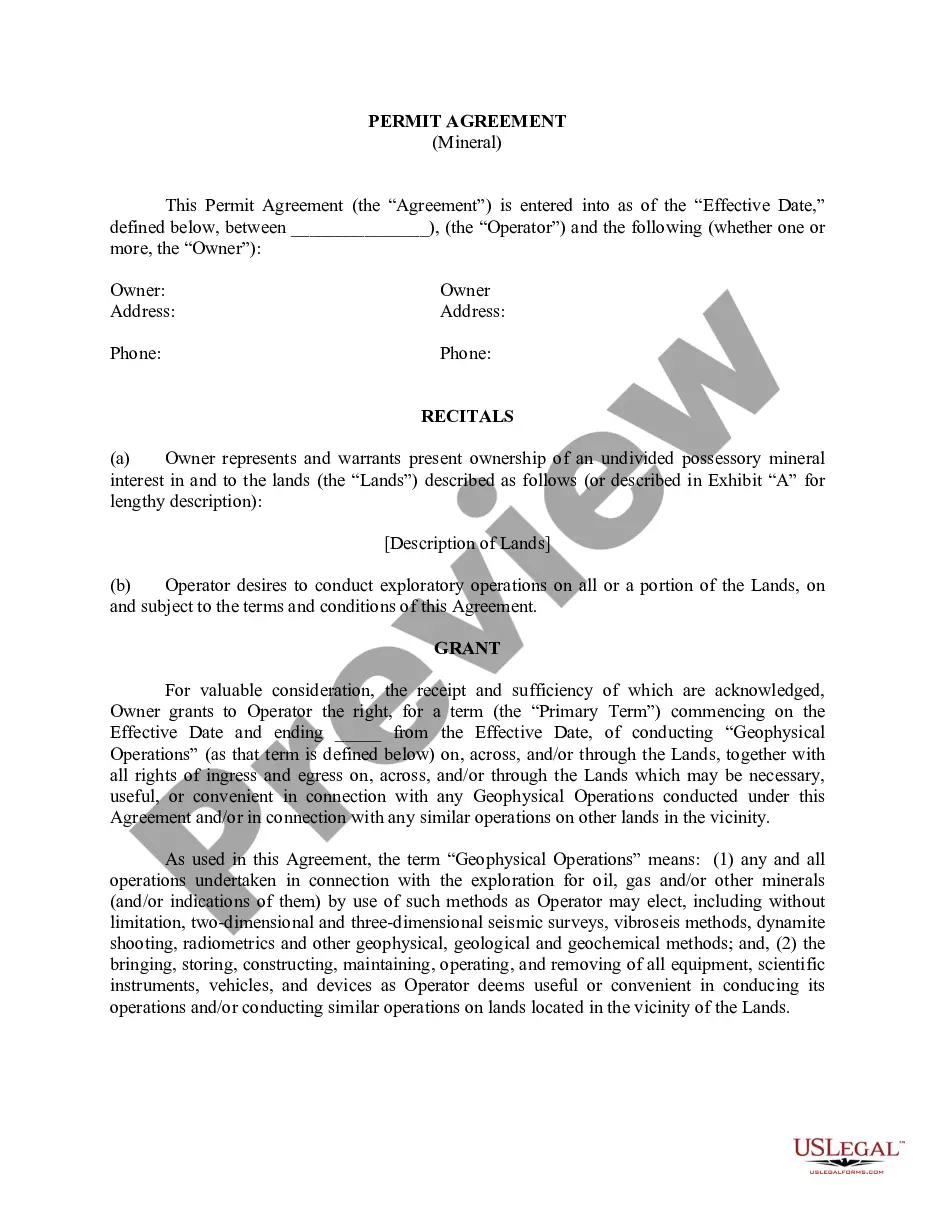
The South Carolina Oil and Gas Acknowledgement is a legal document used to certify that a particular party has acknowledged their signature on an instrument related to oil and gas transactions. This form serves an essential purpose in confirming the authenticity of signatures, differentiating it from other forms that may not specifically address these kinds of agreements. By using this template, you ensure that the acknowledgment complies with South Carolina's specific legal requirements.
Key parts of this document
- State and county identification for legal jurisdiction.
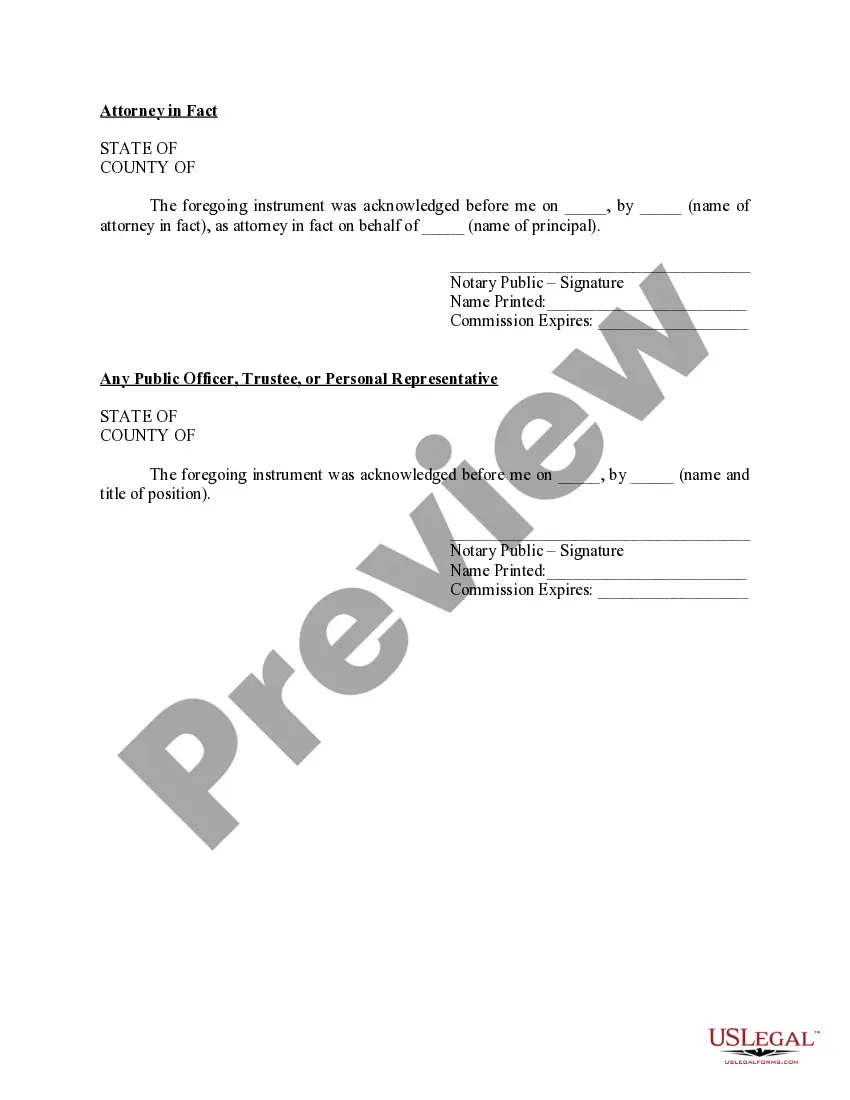
- Signature acknowledgment section for individuals, corporations, partnerships, and attorneys in fact.
- Notary Public signature and printed name for verification.
- Commission expiration date of the notary public.
Situations where this form applies
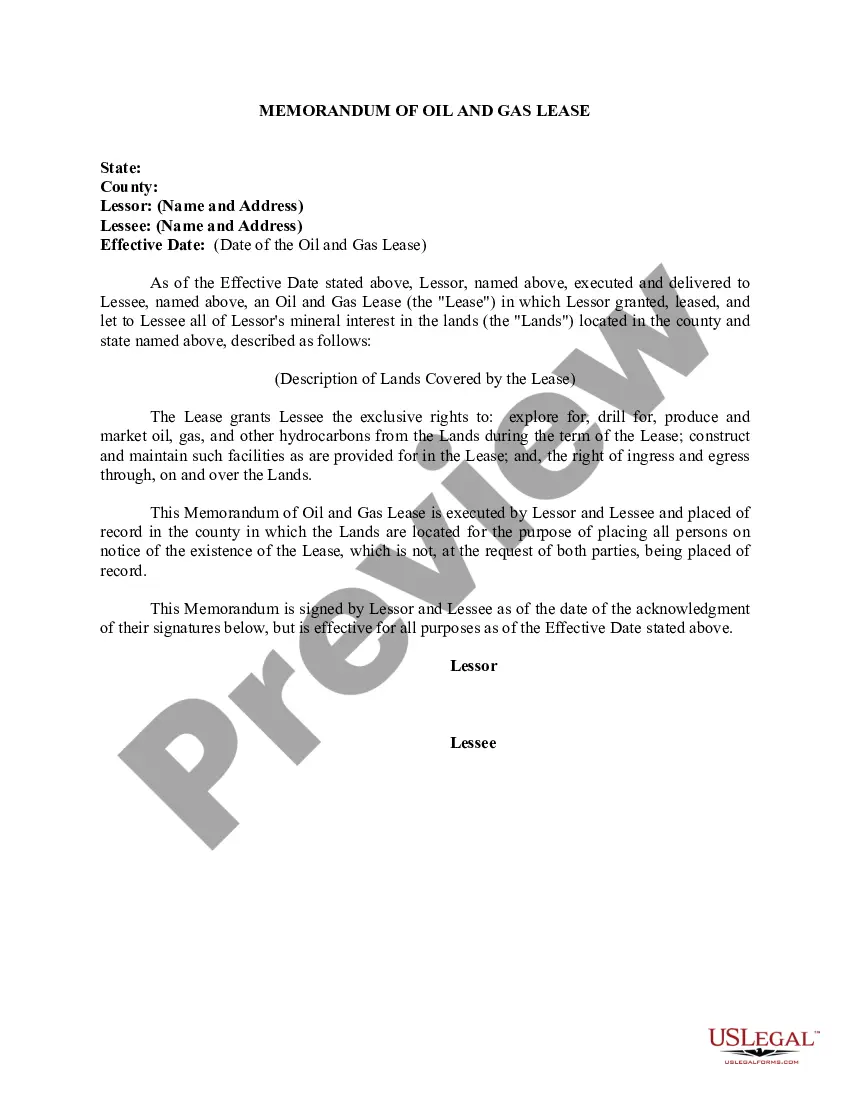
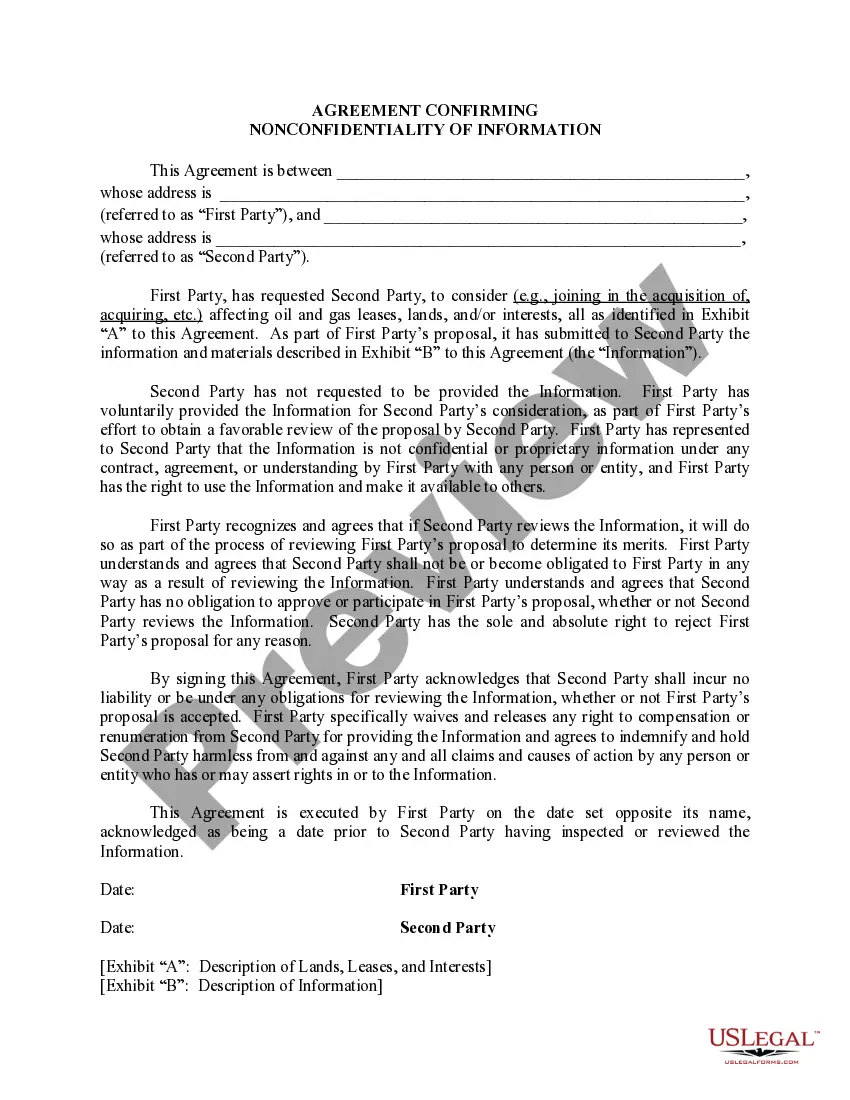
This form should be used whenever a party needs to formally acknowledge their signature on an instrument related to oil and gas transactions in South Carolina. Situations may include property transactions, lease agreements, or other contractual obligations that require notarization to verify the signer's identity and intent.
Who should use this form
- Individuals involved in oil and gas agreements.
- Corporate officers executing documents on behalf of their corporation.
- Partners in a partnership securing legal acknowledgments.
- Attorneys in fact acting under a power of attorney.
- Notary publics facilitating the acknowledgement process.
Instructions for completing this form
- Identify the state and county where the acknowledgment is taking place.
- Fill in the date of acknowledgment and the name of the acknowledging party.
- Provide the printed name and signature of the Notary Public.
- Record the commission expiration date for the notary.
- Ensure all signatures are completed where required before notarization.
Does this document require notarization?
Yes, this form must be notarized to be legally valid. A notary public will witness the signing of the form, ensuring that the signatures are authentic. US Legal Forms offers integrated online notarization services that are available 24/7, secure, and legally equivalent, allowing for convenience without travel requirements.
Get your form ready online
Our built-in tools help you complete, sign, share, and store your documents in one place.
Make edits, fill in missing information, and update formatting in US Legal Forms—just like you would in MS Word.
Download a copy, print it, send it by email, or mail it via USPS—whatever works best for your next step.
Sign and collect signatures with our SignNow integration. Send to multiple recipients, set reminders, and more. Go Premium to unlock E-Sign.
If this form requires notarization, complete it online through a secure video call—no need to meet a notary in person or wait for an appointment.
We protect your documents and personal data by following strict security and privacy standards.

Make edits, fill in missing information, and update formatting in US Legal Forms—just like you would in MS Word.

Download a copy, print it, send it by email, or mail it via USPS—whatever works best for your next step.

Sign and collect signatures with our SignNow integration. Send to multiple recipients, set reminders, and more. Go Premium to unlock E-Sign.

If this form requires notarization, complete it online through a secure video call—no need to meet a notary in person or wait for an appointment.

We protect your documents and personal data by following strict security and privacy standards.
Common mistakes
- Failing to provide the notary with valid identification, which may lead to delayed acknowledgment.
- Leaving out any fields, such as the commission expiration date of the notary.
- Not signing the form in the presence of the notary public.
Advantages of online completion
- Immediate access to professionally drafted legal templates.
- Easy to download and fill out at your convenience.
- Reduced risk of errors with clear and specific guidance.
- Increased reliability through attorney-reviewed forms.
Looking for another form?
Form popularity
FAQ
Unlike jurats, an acknowledgment does not need to be signed in the presence of a notary. However, the affiant does need to swear or affirm that they signed under their own free will.
The purpose of an acknowledgment is for a signer, whose identity has been verified, to declare to a Notary or notarial officer that he or she has willingly signed a document.
Can I notarize my friend's document? No. If a notary public is a party to a transaction, or has a direct or indirect financial (or other beneficial) interest in the transaction, no matter how small, the notary must decline the notarization.
Take acknowledgments. Administer oaths and affirmations. Execute attestations and jurats. Witness signatures. Take verifications of fact. Perform marriage ceremonies (SCC §20-1-20) Any other acts authorized by law.
The certificate of a notary public, justice of the peace, or other authorized officer, attached to a deed, mortgage, or other instrument, setting forth that the parties thereto personally appeared before him on such a date and acknowledged the instrument to be their free and voluntary act and deed. Read v.
South Carolina Secretary of State sets the maximum fee Notaries can charge at $5 per notarial act. An additional fee for travel can be charged, but only if the signer agrees to it ahead of the notarization and understands the travel fee is separate from the notarization fee.
Step 1: Require Personal Appearance. Step 2: Check Over The Document. Step 3: Carefully Identify The Signer. Step 4: Record Your Journal Entry. Step 5: Complete The Notarial Certificate. A Last Note: Never Give Advice.
N. the section at the end of a document where a notary public verifies that the signer of the document states he/she actually signed it. The acknowledgment or due proof of the instrument by witnesses, must be made before it can be put upon record.
The application must be signed with pen and ink and the signature of the applicant must be acknowledged by a person authorized to administer oaths (§26-1-40). The date of your signature and the date of the notarization must match. You cannot notarize your own signature on the application or at any other time.