South Carolina Quitclaim Deed from Husband and Wife to Husband and Wife
Understanding this form
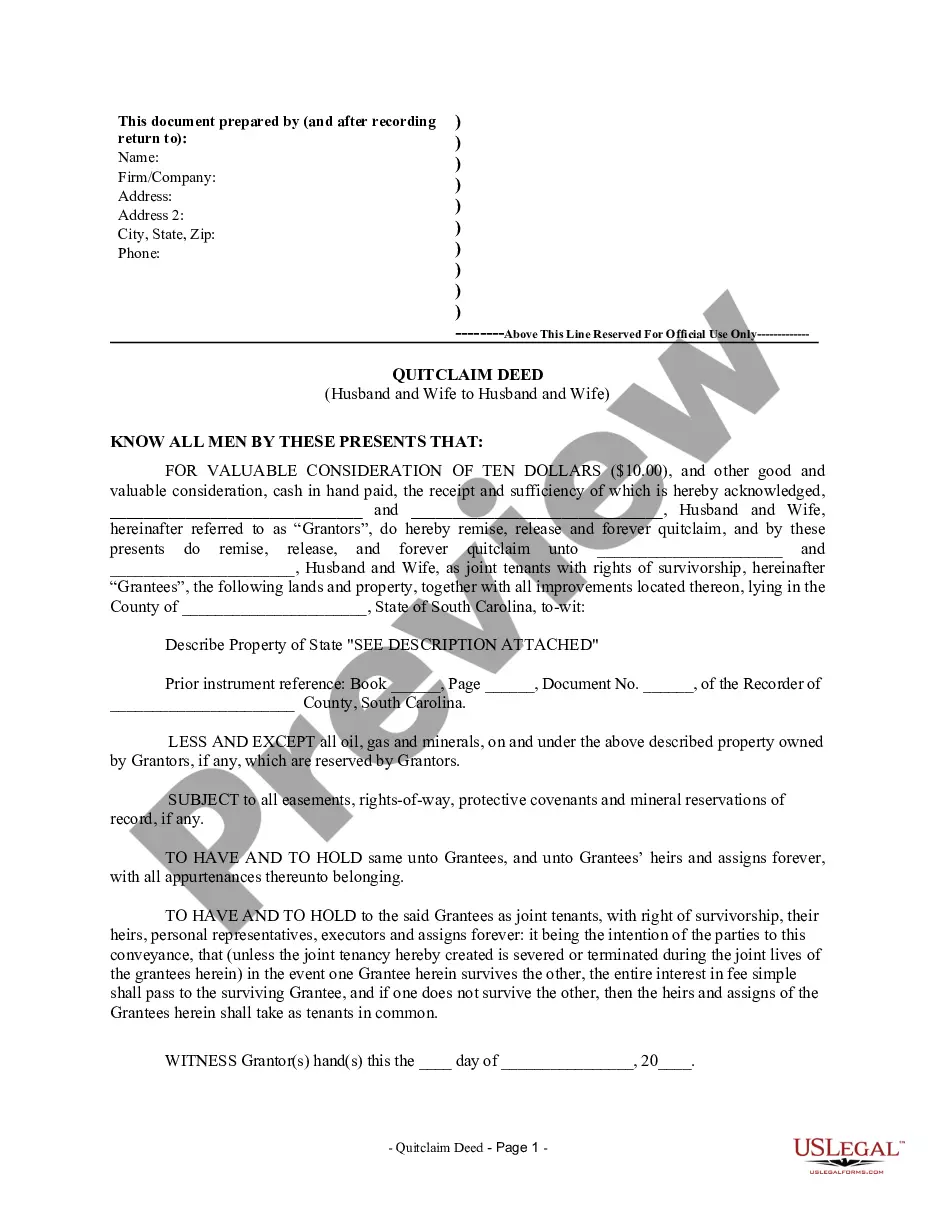
The Quitclaim Deed from Husband and Wife to Husband and Wife is a legal document used to transfer property ownership between spouses. Unlike other types of deeds, a quitclaim deed does not guarantee that the grantors hold valid title to the property. Instead, it simply conveys whatever interest the grantors have. This form is particularly useful in situations where spouses wish to transfer property to each other, either for estate planning purposes or to simplify ownership rights. It complies with all statutory laws in South Carolina, ensuring its validity and enforceability.
What’s included in this form
- Identification of grantors and grantees as husband and wife.
- Description of the property being transferred, including legal references.
- Exclusions for oil, gas, and minerals from the property transfer.
- Joint tenancy with right of survivorship for the grantees, ensuring automatic transfer of ownership upon death.
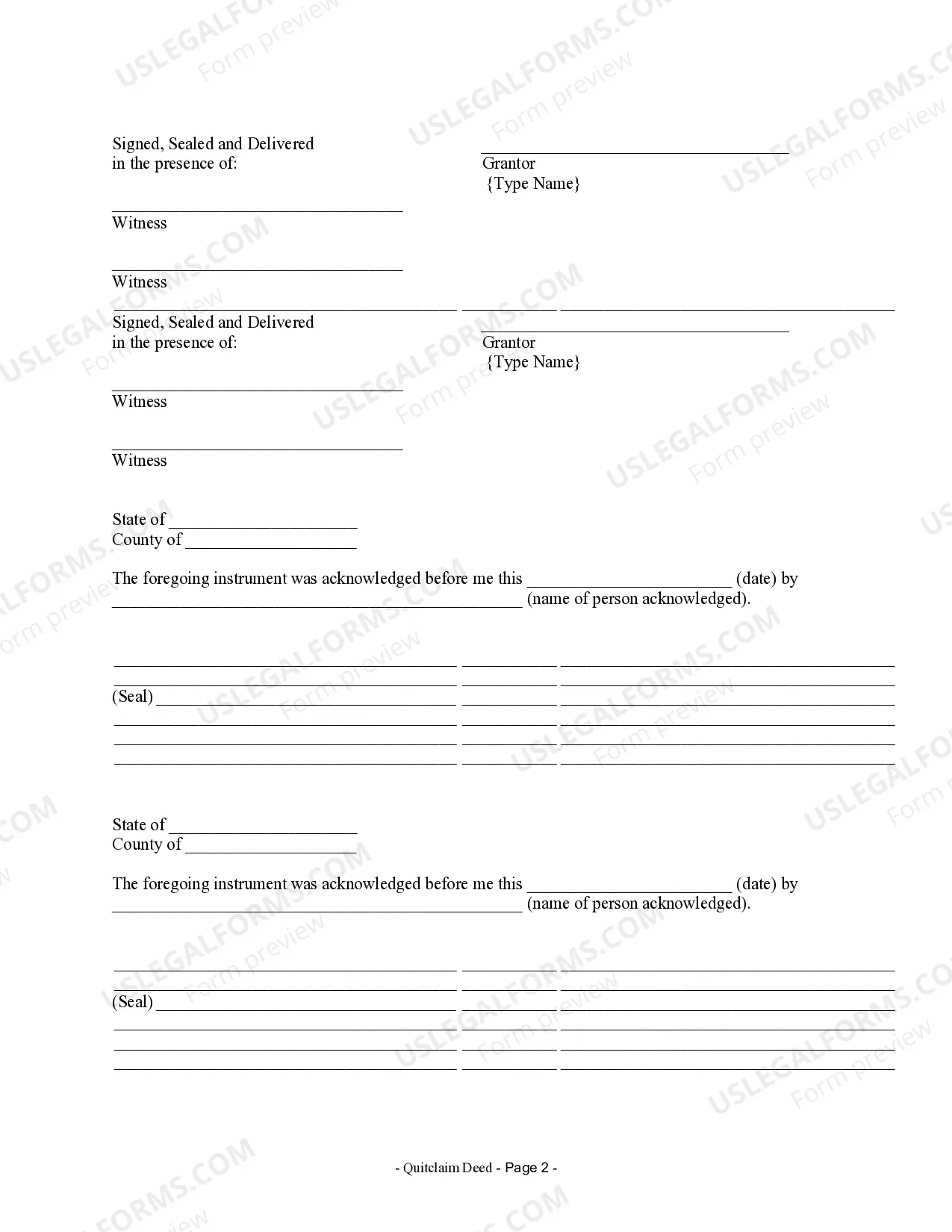
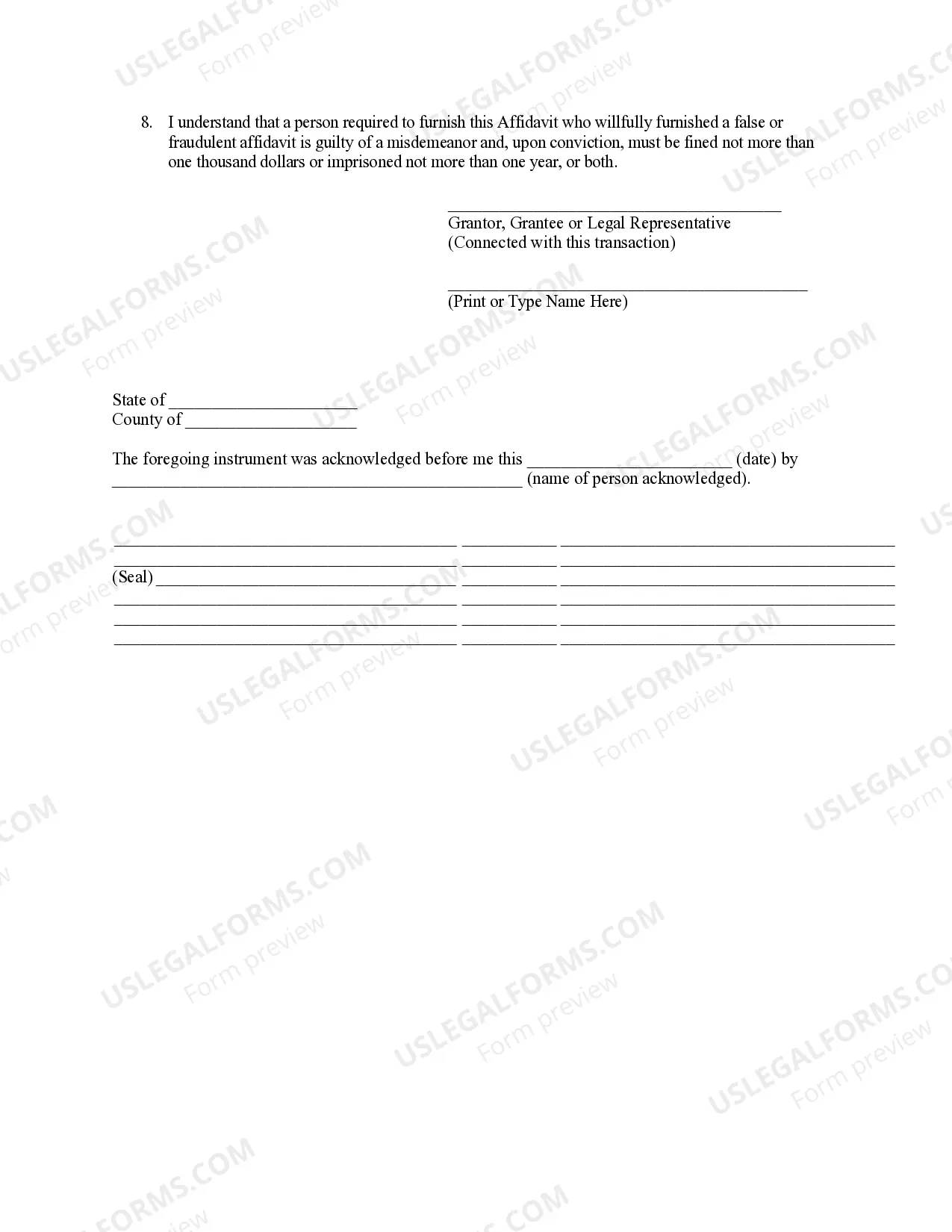
- Notarization requirements and witness signatures for legality.





When this form is needed
This form is ideal for when spouses want to transfer property rights between themselves. Common scenarios include changing ownership structure for estate planning, removing one spouse from the deed in case of divorce, or facilitating the transfer of property ownership without a sale. It is also useful when consolidating joint assets or clarifying ownership interests in shared property.
Who this form is for
This form is designed for:
- Husbands and wives looking to transfer property ownership.
- Couples who own real estate and wish to clarify or modify their ownership structure.
- Individuals handling estate planning for married partners.
Steps to complete this form
- Identify the grantors (husband and wife) and grantees (husband and wife).
- Provide a detailed description of the property being transferred.
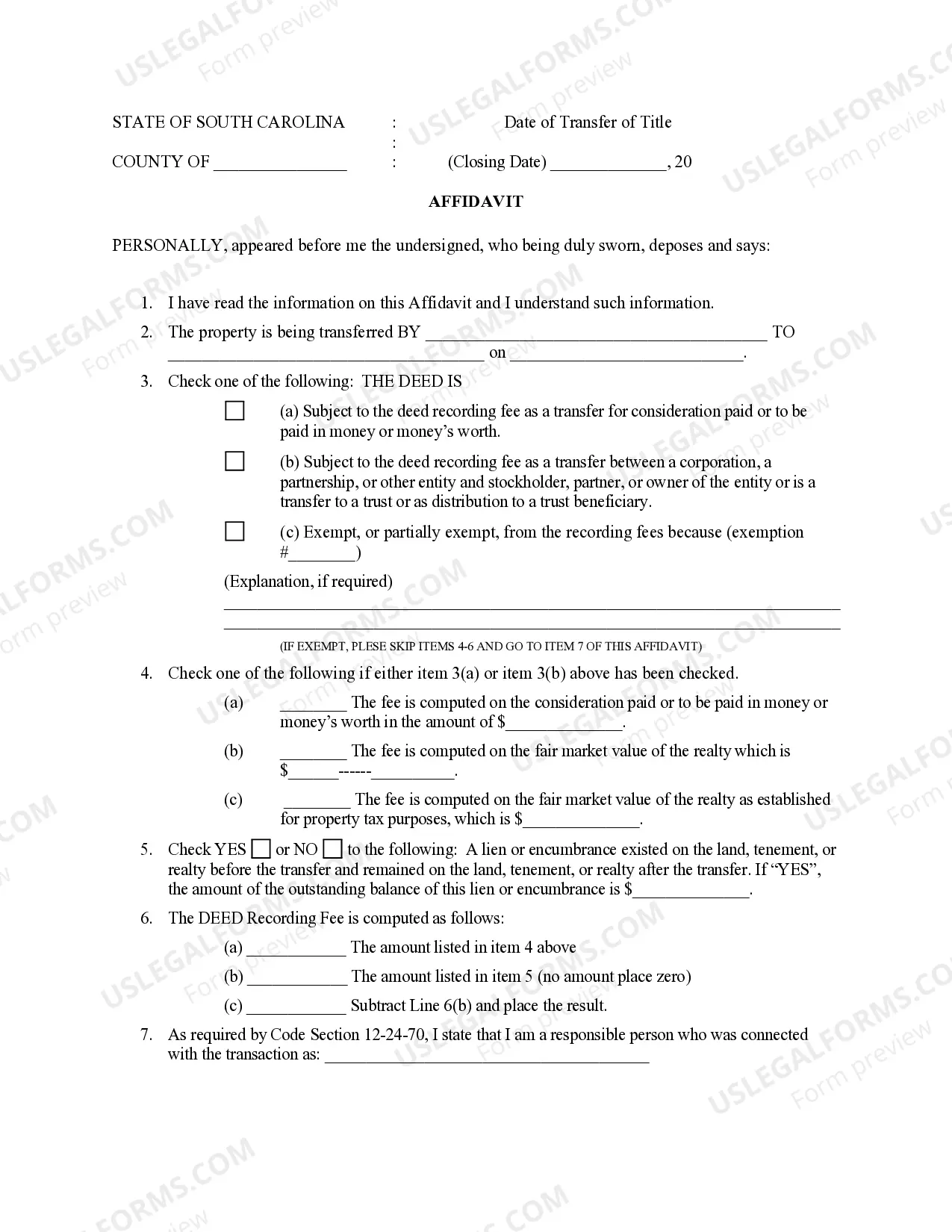
- Check the appropriate option regarding any exemptions from recording fees.
- Include necessary signatures from grantors, witnesses, and a notary public.
- File the completed deed with the appropriate county office to ensure legal validity.
Does this form need to be notarized?
To make this form legally binding, it must be notarized. Our online notarization service, powered by Notarize, lets you verify and sign documents remotely through an encrypted video session.
Get your form ready online
Our built-in tools help you complete, sign, share, and store your documents in one place.
Make edits, fill in missing information, and update formatting in US Legal Forms—just like you would in MS Word.
Download a copy, print it, send it by email, or mail it via USPS—whatever works best for your next step.
Sign and collect signatures with our SignNow integration. Send to multiple recipients, set reminders, and more. Go Premium to unlock E-Sign.
If this form requires notarization, complete it online through a secure video call—no need to meet a notary in person or wait for an appointment.
We protect your documents and personal data by following strict security and privacy standards.

Make edits, fill in missing information, and update formatting in US Legal Forms—just like you would in MS Word.

Download a copy, print it, send it by email, or mail it via USPS—whatever works best for your next step.

Sign and collect signatures with our SignNow integration. Send to multiple recipients, set reminders, and more. Go Premium to unlock E-Sign.

If this form requires notarization, complete it online through a secure video call—no need to meet a notary in person or wait for an appointment.

We protect your documents and personal data by following strict security and privacy standards.
Typical mistakes to avoid
- Failing to include accurate property descriptions.
- Not signing in front of a notary or witnesses.
- Omitting necessary information regarding recording fees and the nature of the transfer.
Advantages of online completion
- Convenient access to the form at any time.
- Quick and easy editing to match your specific situation.
- Reliability from documents drafted by licensed attorneys.
Looking for another form?
Form popularity
FAQ
Adding someone to your house deed requires the filing of a legal form known as a quitclaim deed. When executed and notarized, the quitclaim deed legally overrides the current deed to your home. By filing the quitclaim deed, you can add someone to the title of your home, in effect transferring a share of ownership.
A person who signs a quitclaim deed to transfer property they do not own results in no title at all being transferred since there is no actual ownership interest. The quitclaim deed only transfers the type of title you own.
The grantor must sign the quitclaim deed in the presence of two credible witnesses. The quitclaim deed must also be subscribed by the two witnesses. The address of the grantee is needed in order to record this type of real estate document.
But you might be wondering if an owner can transfer a deed to another person without a real estate lawyer. The answer is yes. Parties to a transaction are always free to prepare their own deeds.A quitclaim deed, for example, is far simpler than a warranty deed.
An original, wet signed document. Signature of the Party of the First Part. Two witnesses to the signature. A South Carolina Probate or Acknowledgement. A property description to include a recorded plat reference or metes and bounds description.
It is also crucial that a spouse know about the loan, even if he or she is not on the mortgage. In general, the spouse must sign a deed of trust, the Truth in Lending and Right to Cancel documents. By signing these documents, they are simply acknowledging the existence of the mortgage.
In order to transfer ownership of the marital home pursuant to a divorce, one spouse is going to need to sign a quitclaim deed, interspousal transfer deed, or a grant deed, in order to convey the title to the property.
The grantor must sign the quitclaim deed in the presence of two credible witnesses. The quitclaim deed must also be subscribed by the two witnesses. The address of the grantee is needed in order to record this type of real estate document.
What Should I Know About Quitclaim Deeds in South Carolina? You are buying the least amount of protection of any deed. A quitclaim deed conveys whatever interest the grantor currently has in the property if any. The grantor only remises, releases and quitclaims his or her interest in the property to the grantee.